Mar 21, 2025
Iran’s Seismic Vulnerability, Energy and Water Crises
The March 21 edition of the Iran Media Review evaluates the compounding environmental and infrastructural crises facing Iran.

Iran faces escalating environmental and infrastructural crises, exposing governance deficiencies. Tehran’s seismic event vulnerability is critical, with accumulated tectonic stress indicating the high probability of a magnitude 7+ earthquake. Rapid urbanization and inadequate disaster preparedness put millions of people at risk. Simultaneously, Iran’s energy crisis worsens as demand outpaces supply. Iran’s water crisis compounds these challenges: Overextraction, reduced precipitation, and groundwater depletion have pushed the country into a hydrological emergency, leading to land subsidence. These interlinked crises underscore systemic governance failures in which short-term economic policies and weak regulatory oversight exacerbate risks to public safety, infrastructure, and economic resilience.
- March 15: In the wake of a minor earthquake in Tehran March 14, Nour News, which is affiliated with the Supreme National Security Council, expressed warnings about a potential major seismic rupture in the capital.
- He asked: “Are the city authorities and the people ready to face such a disaster?”
- “The real question is this: When is the destructive magnitude 7 seismic event coming? Research shows Tehran is situated on multiple active fault segments … each of which has the potential to generate high-magnitude seismic activity, even exceeding magnitude 7 on the Richter scale … The occurrence of low-to-moderate magnitude tremors in Tehran in recent months may suggest an increase in tectonic stress accumulation along these faults. For example, the 90-kilometer-long Robat Karim fault is the most probable source of today’s tectonic displacement … Experts note that Tehran experiences major seismic ruptures approximately every 150 years. The last large-magnitude earthquake in Tehran occurred 180 years ago … which implies that a high-impact seismic event could strike at any moment.”
- “The real problem is that Tehran continues its uncontrolled vertical urban expansion while seismically vulnerable structures in the central and southern districts intensify the risk … More than 2.5 million people reside in these areas. In the event of a magnitude 7 earthquake, a minimum 30% of the buildings will experience structural failure or complete collapse. The ensuing infrastructure disruption, including the failure of lifelines, such as water supply, electricity, natural gas, and telecommunications, will severely complicate emergency response efforts.”
- “Authorities have announced that 109 seismic crisis management centers are operational in the city, and new earthquake-resistant medical facilities are under construction, but the question remains: Is this sufficient? Many experts argue that the mitigation measures implemented are grossly inadequate relative to the seismic hazard level Tehran faces.”
- “The recent seismic events in Tehran, particularly yesterday’s quake, were not merely transient geophysical phenomena but rather forewarning signals of an impending seismic catastrophe in Tehran.”
- March 13: Reformist Entekhab‘s YouTube channel featured a conversation with Hashem Oraee from Sharif Institute of Technology on Iran’s supply-demand crisis:
- Answering a question about his expectations for the energy imbalance outlook for the next six months, Oraee said: “Well, unfortunately, since demand growth is outpacing supply expansion, the only reasonable expectation we can have is that the circumstances will become more challenging. We are facing an increasing supply-demand gap … In the electricity sector, load demand is growing by 6% annually on average. In the natural gas and gasoline sectors, consumption is rising by 8% to 10% annually on average … Meanwhile, in the electricity sector, generation capacity has only expanded by 2% annually. The same applies to natural gas extraction and gasoline production. We cannot achieve an 8% to 10% annual increase in energy output … The result: a worsening supply deficit.”
- “This said, the real problem is not on the generation and supply side. The core issue lies in demand mismanagement … Wrongly, we focus on the supply side … We are the fourth-largest global consumer of natural gas and oil … but we are not the fourth-largest economy in the world … The solution? Consumer behavior is shaped by government policy … Energy pricing in this country is not market driven … A $3 monthly electricity bill is less than the cost of a pizza! This effectively means we are subsidizing electricity to the point of giving it away for free. Why should consumers optimize their energy usage? The government is artificially suppressing energy prices, which has led to chronic financial deficits and insolvency in the electricity sector.”
- “Look at what we are doing: We don’t want to cut household natural gas supply, ensuring residential heating in the winter months. However, with insufficient gas, we divert the industrial gas quota to the residential sector. This results in reduced industrial output, rising production costs, and inflationary pressures … People will be warm but will die of starvation!”
- The interviewer asked: “For all practical purposes, we shut down the public sector for 50 days in the current calendar year due to energy shortages. In your opinion, how many shutdown days are we going to see next year?” Oraee responded: “If the current trend persists, the public sector will face a complete shutdown throughout next winter … We have reached a point where our only fallback is to hope for favorable weather conditions to prevent a severe energy crisis!”
- March 15: Reformist Etemad‘s Nayereh Khademi wrote an article under the headline “The Year of the Drought”:
- March 21, 2025-26, “will be the year of the water and energy crisis. Although we have faced electricity, natural gas, and water shortages in some cities, including Tehran, in the past couple of years, it appears all previous crises were mere jokes in comparison with the crises ahead of us. The authorities warn four dams are no longer a part of the network” due to water scarcity, “precipitation has significantly decreased in comparison with previous years, and evaporation rates have risen. These factors, along with the overextraction of groundwater – previously a crucial buffer during droughts – have severely depleted Iran’s water reserves, one effect of which is land subsidence.”
The views represented herein are the author's or speaker's own and do not necessarily reflect the views of AGSI, its staff, or its board of directors.
Related
Iran Media Review
Mar 18, 2025
Iranian Media Responds to President Trump’s Warnings
The March 18 edition of the Iran Media Review considers Iranian commentary on the potential for U.S. military action against Iran.
Iran Media Review
Mar 14, 2025
The UAE Conveys Trump’s Message, Khamenei Rejects Negotiations
The March 14 edition of the Iran Media Review highlights Iranian remarks regarding negotiations with the United States following reports the UAE delivered a communique from President Trump.
Mar 18, 2025
Iranian Media Responds to President Trump’s Warnings
The March 18 edition of the Iran Media Review considers Iranian commentary on the potential for U.S. military action against Iran.
Mar 14, 2025
The UAE Conveys Trump’s Message, Khamenei Rejects Negotiations
The March 14 edition of the Iran Media Review highlights Iranian remarks regarding negotiations with the United States following reports the UAE delivered a communique from President Trump.
Analysis
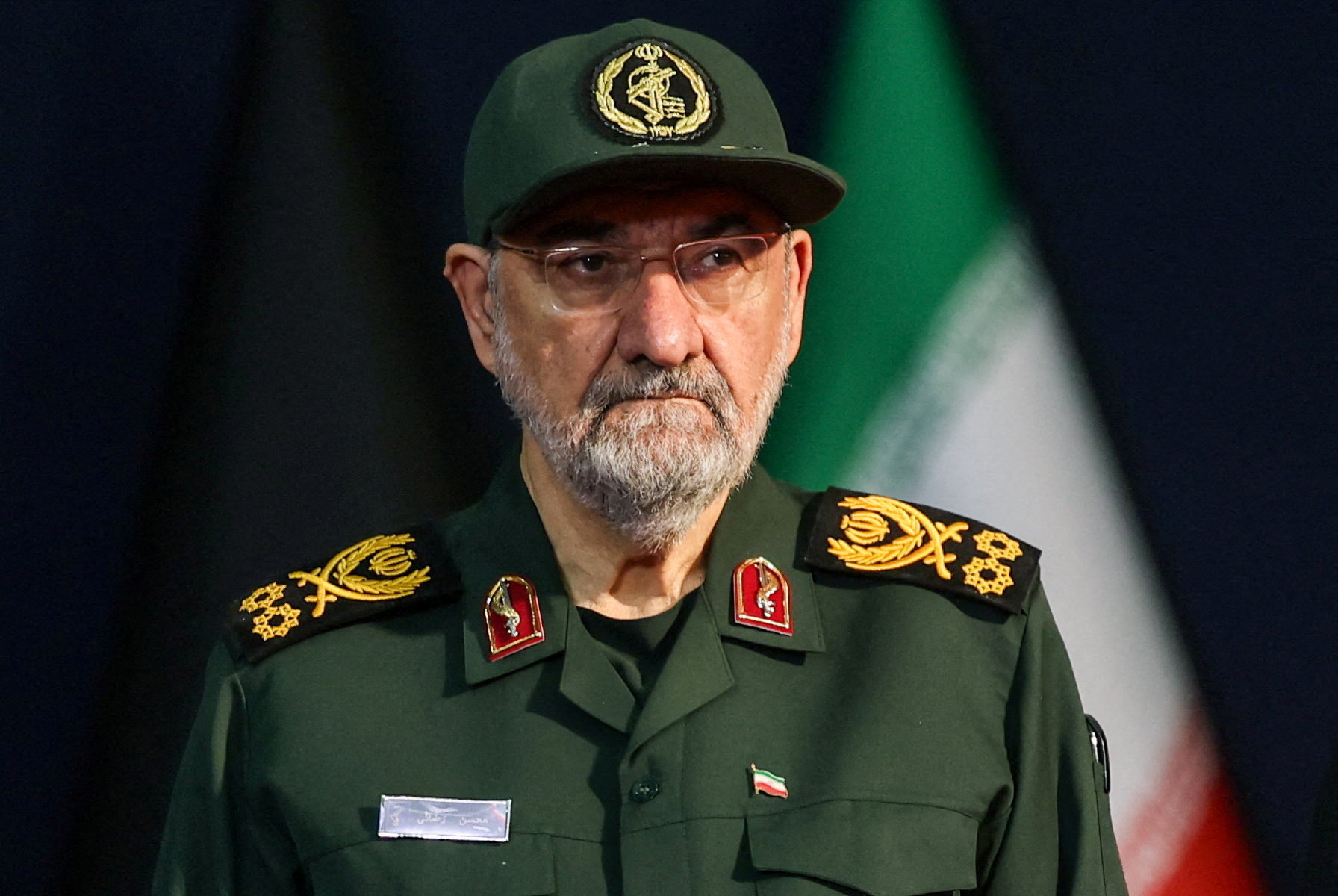
Mohsen Rezaei at the Helm of Iran’s Supreme National Security Council
Under Rezaei, the SNSC could prove constructive or paralyze strategic decision making.
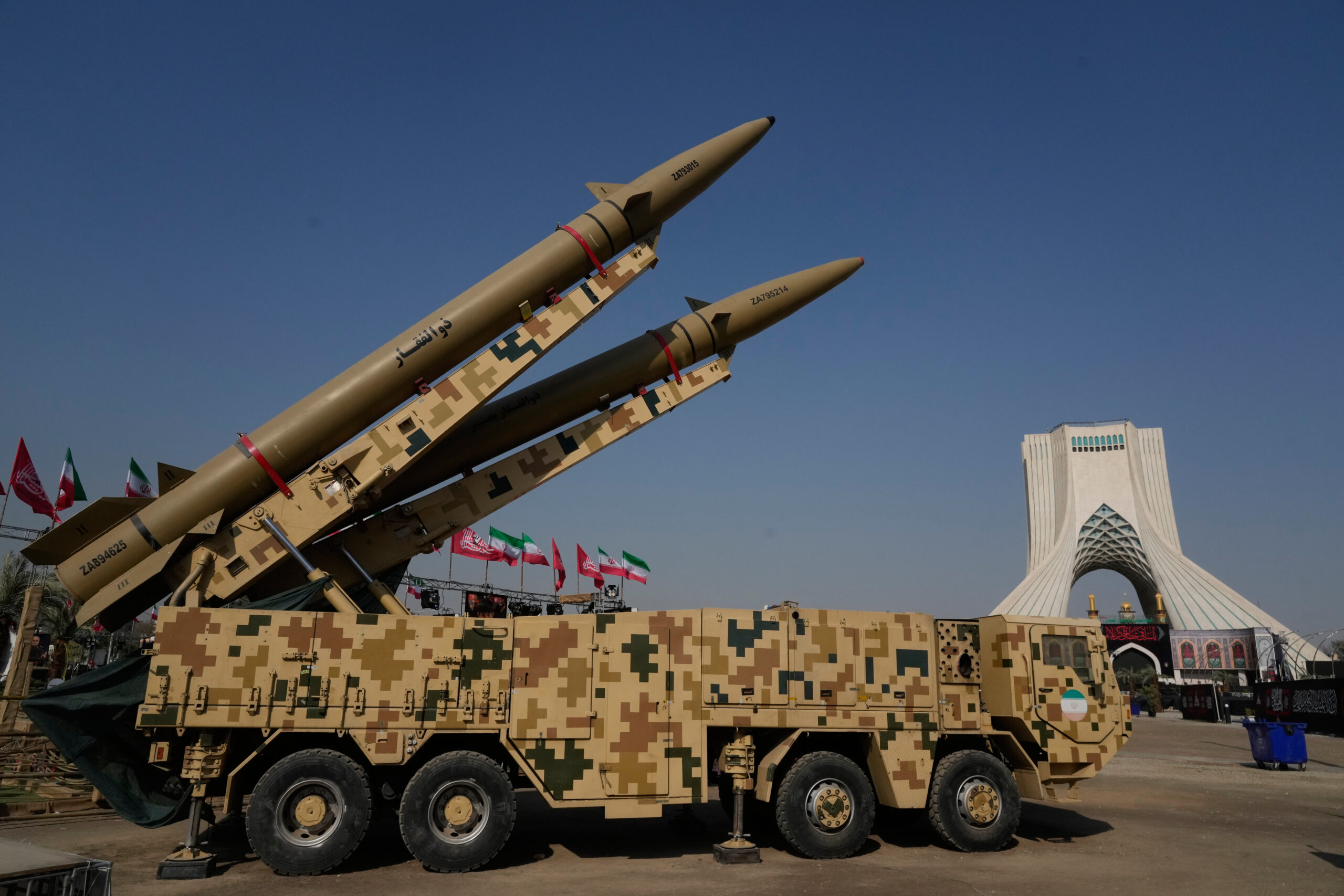
The Islamic Republic Returns to Offense
After U.S.-Israeli strikes killed Supreme Leader Ayatollah Ali Khamenei on February 28, Iran’s collective leadership has concluded that the best defense is a good offense.
Iran’s Collective Strategic Decision Making
Wartime pressure has temporarily aligned the leadership’s overriding interest in regime survival, even as its members continue to differ over the costs, methods, and ultimate objectives of the war.
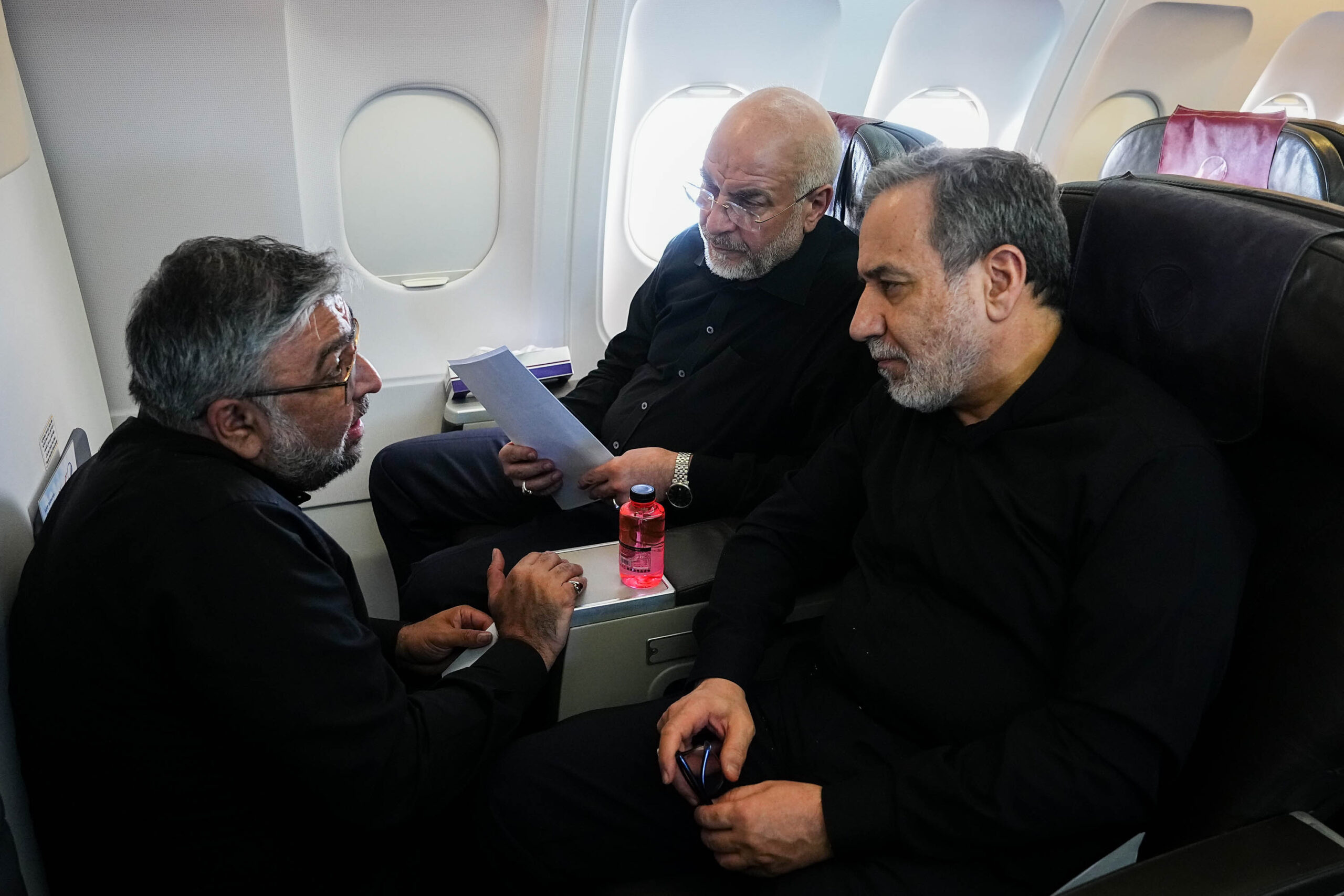
The Islamic Republic’s Collective Leadership
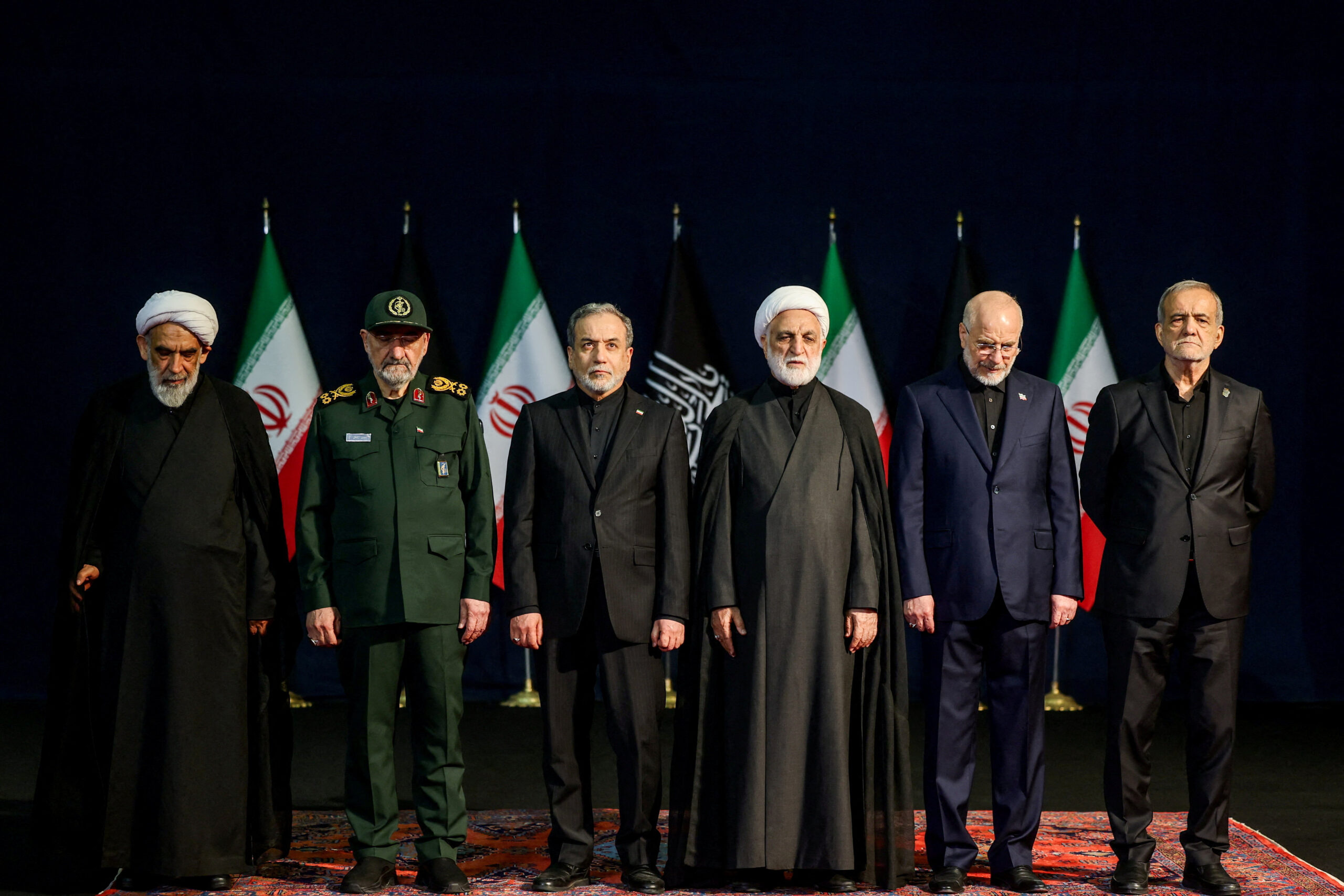
While there is historical precedent for collective leadership in Iran, today’s leadership includes representatives of the IRGC and regular military – a reflection of the IRGC’s expanding role and the necessities of governing under wartime conditions.
Events
Oct 6, 2026
Is the U.S.-Iran Stalemate a “New Normal” or the Prelude to Another Explosion?
On October 6, AGSI hosted a discussion on the U.S.-Iran stalemate and the prospects for a cease-fire.
Speakers



Book Talk: Iran and the Bomb: The United States, Iran and the Nuclear Question
On June 16, AGSI hosted a discussion on the evolution of Iran's nuclear program.
Speakers

Apr 21, 2026
Inside Iran’s Wartime Leadership: Power, Succession, and Regime Stability
On April 21, AGSI hosted a discussion on the evolution of Iran's leadership during the war.
Speakers

Mar 18, 2026
In Its Conflict With the United States and Israel, Does Escalation Favor Iran?
On March 18, AGSI hosted a discussion on the escalation of the Iran war.
Speakers