Feb 25, 2025
Squaring the Circle: Ayatollah Khamenei Demands Cooperation Between Intelligence Agencies
The February 25 edition of the Iran Media Review highlights top officials’ calls for greater unity between Iran’s Ministry of Intelligence and the IRGC Intelligence Organization.
The existence of parallel institutions with overlapping jurisdictions is an inherent feature – not a flaw – of Iran’s bureaucratic architecture. This structural design serves as a mechanism for power diffusion, preventing a single governmental entity from monopolizing authority and, in theory, safeguarding the regime against the threat of a coup. However, the resulting redundancy, institutional rivalries, and even deliberate acts of mutual obstruction undermine state capacity and governance effectiveness. Supreme Leader Ayatollah Ali Khamenei’s recent call for enhanced cooperation and coordination between the Ministry of Intelligence and Islamic Revolutionary Guard Corps Intelligence Organization thus represents an attempt to square the circle. In contrast, President Masoud Pezeshkian’s commitment to addressing the root causes of public dissatisfaction with the government appears to be a more pragmatic and potentially effective approach to enhancing state legitimacy and stability.
- February 22: According to Supreme Leader Ayatollah Ali Khamenei’s official website, in a meeting with Intelligence Minister Esmaeil Khatib and senior officials from the Ministry of Intelligence, Khamenei underscored “the imperative of enhanced cooperation and coordination among Iran’s various intelligence agencies.”
- February 22: Tasnim News, a mouthpiece of former IRGC Chief Commander Mohsen Rezaei, citing an unnamed “security expert,” stated:
- “Iran’s intelligence agencies have never engaged in partisan politics and shall never do so. The revolutionary nature of these agencies is one of the primary factors behind their success in countering sophisticated, professional, and well-funded adversarial agencies … Enhanced coordination is instrumental in neutralizing enemy conspiracies … The existence of multiple intelligence agencies is not unique to Iran; many other states, including the United States, operate multiple intelligence entities … Iran’s intelligence agencies have never regarded one another as rivals. Rather, in major operations, a division of labor among them generates added value. This synergy has yielded significant intelligence and security achievements.”
- February 22: Nezam al-Din Mousavi, a former parliamentarian and editor of the IRGC-affiliated newspaper Javan, told centrist Mehr News:
- “It is due to the capabilities of our intelligence agencies that terrorist organizations have never managed to establish a significant foothold within our country … Among global terrorist networks, there exist Iranian terrorist organizations as well, supported by the West and the United States. One such example is the Monafeqin,” a reference to the Mujahedeen-e Khalq organization, “but due to the Intelligence Ministry’s intelligence superiority, they are unable to operate effectively within Iran.”
- February 23: According to hard-line Kayhan, Pezeshkian addressed the “Commemoration of the Martyrs of the Intelligence Community and the 40th Anniversary of Establishment of the Intelligence Ministry” conference, saying:
- “The enemy seeks to foment discord and social unrest by exploiting divisions among ethnic groups, religious sects, genders, and socioeconomic classes, including workers, retirees, and other societal groups. Consequently, beyond the efforts of the intelligence and security apparatus, we as officials bear the responsibility of addressing the root causes of public grievances, which could otherwise be leveraged by the enemy.”
The views represented herein are the author's or speaker's own and do not necessarily reflect the views of AGSI, its staff, or its board of directors.
Related
Iran Media Review
Feb 21, 2025
Iran: Qatar in Focus, Proxies in the Periphery
The February 21 edition of the Iran Media Review analyzes remarks following Iranian officials’ meetings with regional proxies and Qatar.
Iran Media Review
Feb 18, 2025
Negotiation or No Negotiation? Cabinet vs. IRGC
The February 18 edition of the Iran Media Review examines conflicting statements on talks with the United States from Iran’s Cabinet and the Islamic Revolutionary Guard Corps.
Feb 21, 2025
Iran: Qatar in Focus, Proxies in the Periphery
The February 21 edition of the Iran Media Review analyzes remarks following Iranian officials’ meetings with regional proxies and Qatar.
Feb 18, 2025
Negotiation or No Negotiation? Cabinet vs. IRGC
The February 18 edition of the Iran Media Review examines conflicting statements on talks with the United States from Iran’s Cabinet and the Islamic Revolutionary Guard Corps.
Analysis
The Islamic Republic Returns to Offense
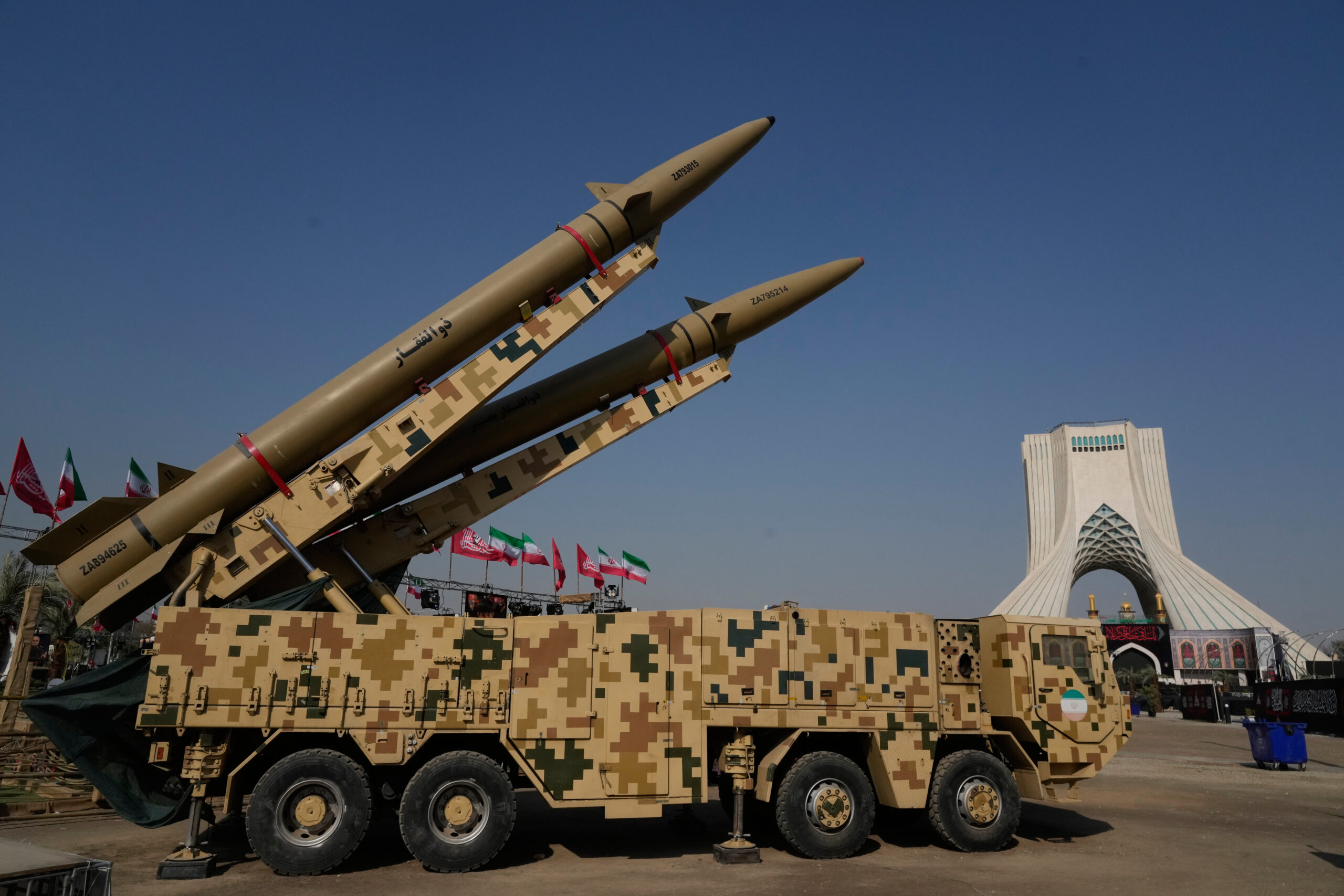
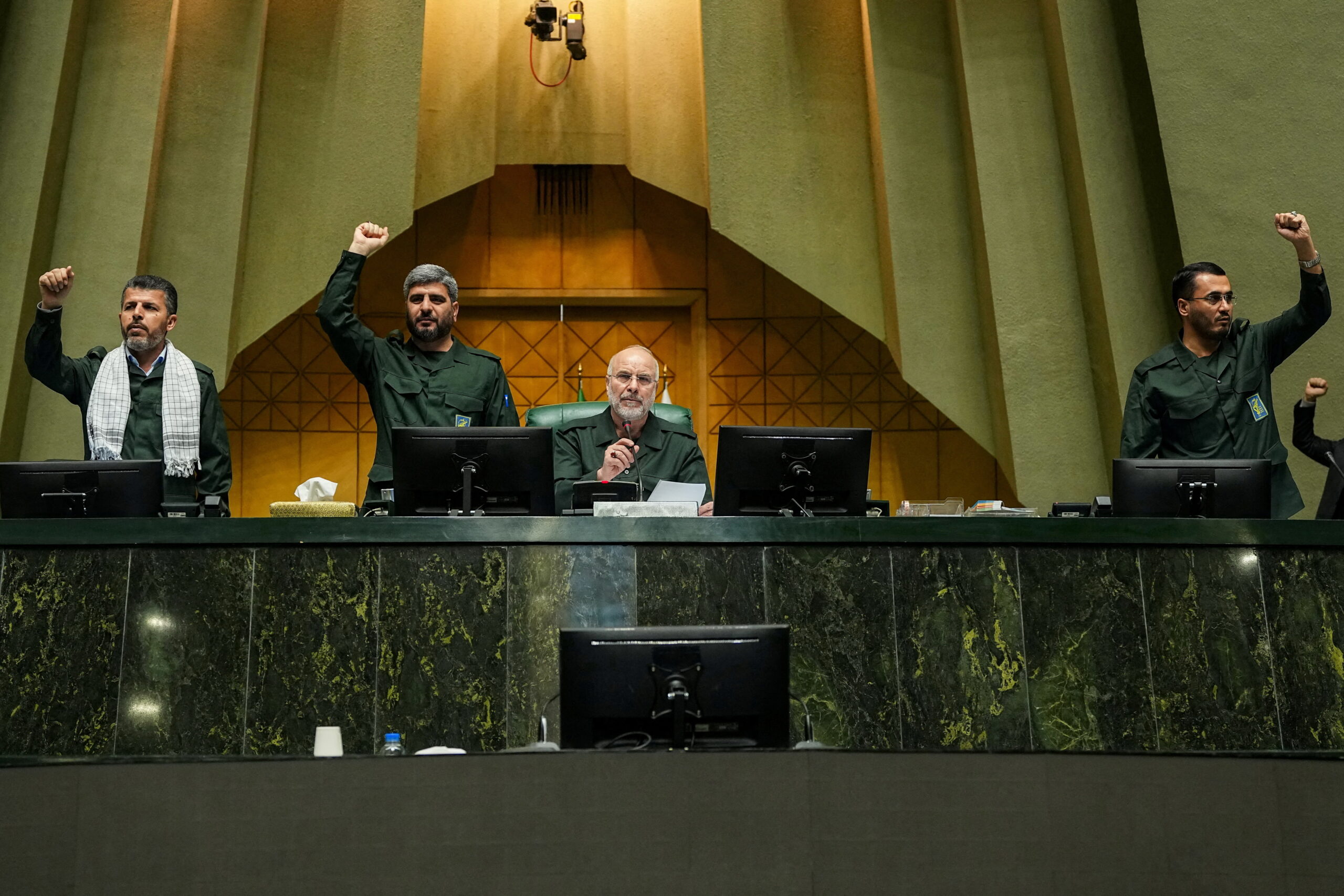
After U.S.-Israeli strikes killed Supreme Leader Ayatollah Ali Khamenei on February 28, Iran’s collective leadership has concluded that the best defense is a good offense.
Iran’s Collective Strategic Decision Making
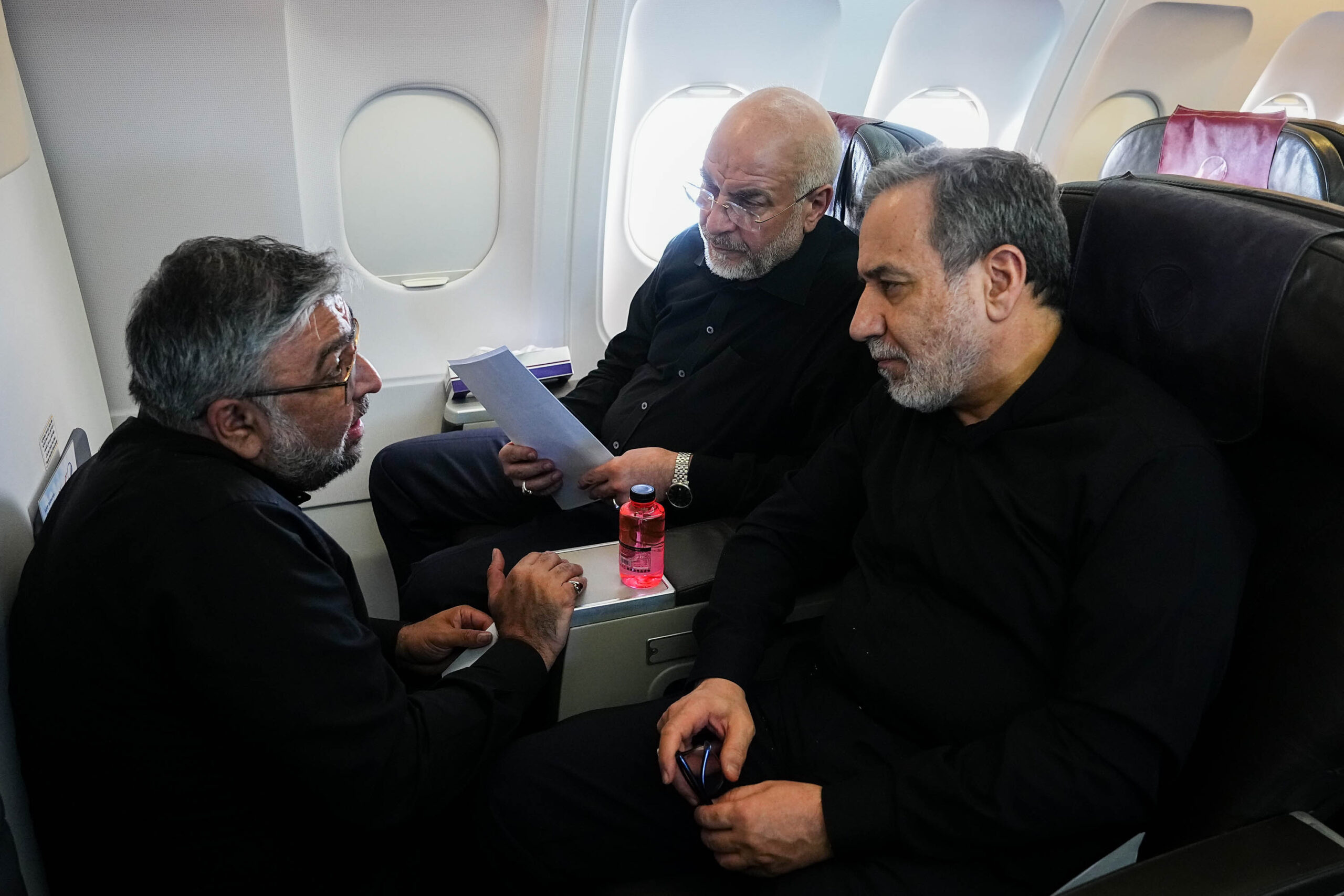
Wartime pressure has temporarily aligned the leadership’s overriding interest in regime survival, even as its members continue to differ over the costs, methods, and ultimate objectives of the war.
The Islamic Republic’s Collective Leadership
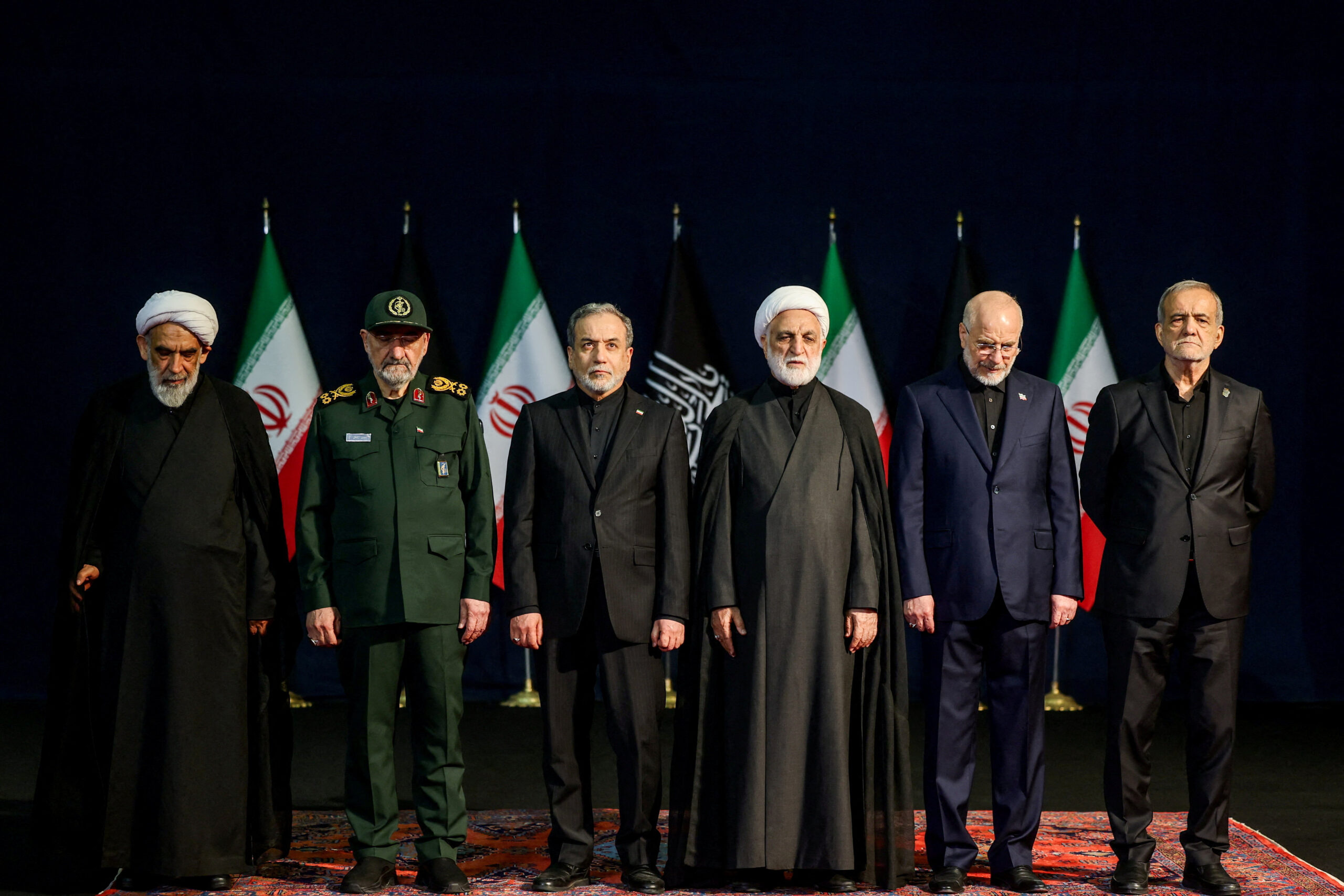
While there is historical precedent for collective leadership in Iran, today’s leadership includes representatives of the IRGC and regular military – a reflection of the IRGC’s expanding role and the necessities of governing under wartime conditions.
How Did the IRGC Seize Power in Iran?
The IRGC did not seize power in a single stroke. It accumulated it – patiently, methodically – until no counterweight remained.
Events
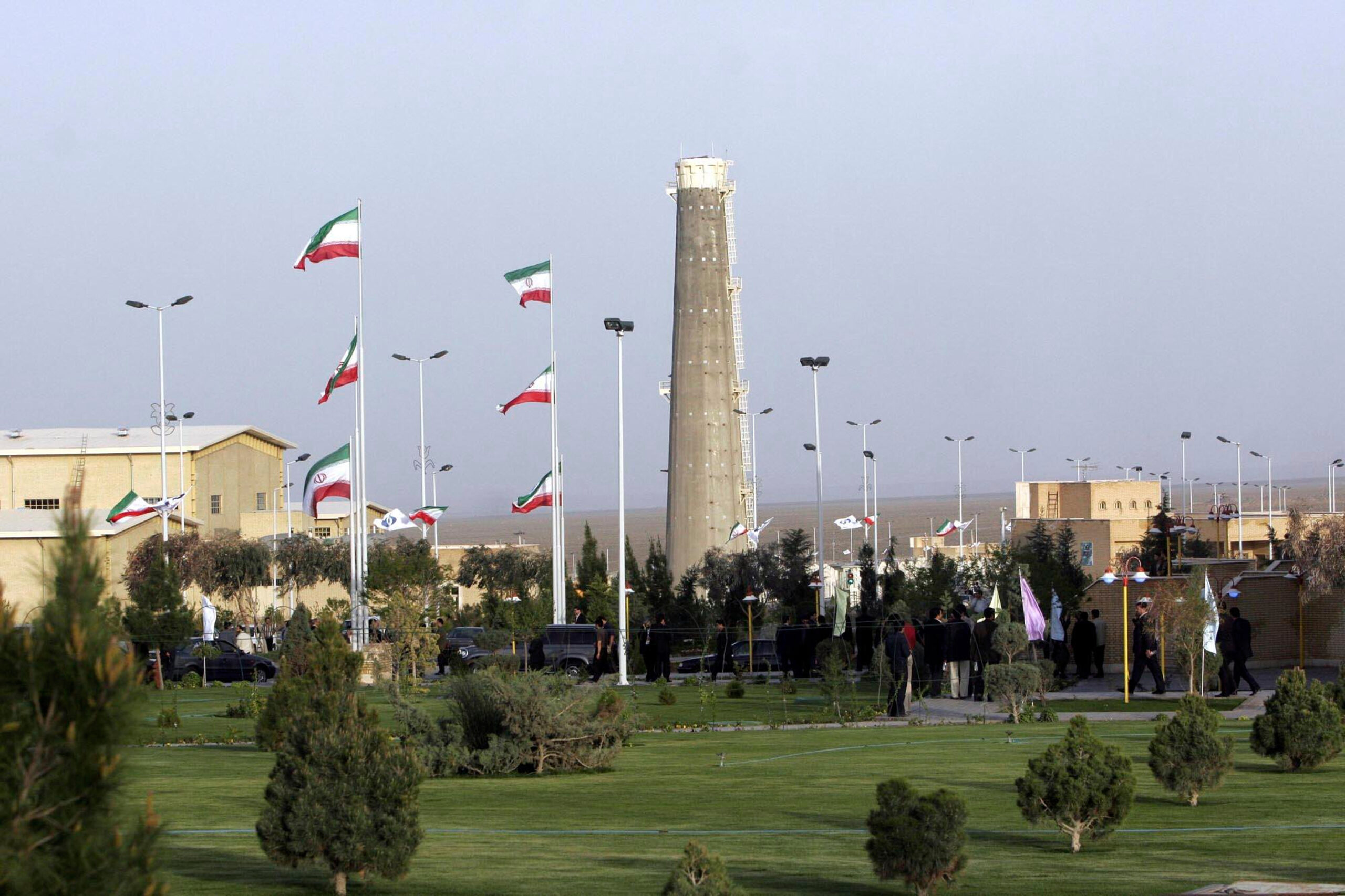
Book Talk: Iran and the Bomb: The United States, Iran and the Nuclear Question
On June 16, AGSI hosted a discussion on the evolution of Iran's nuclear program.
Speakers

Apr 21, 2026
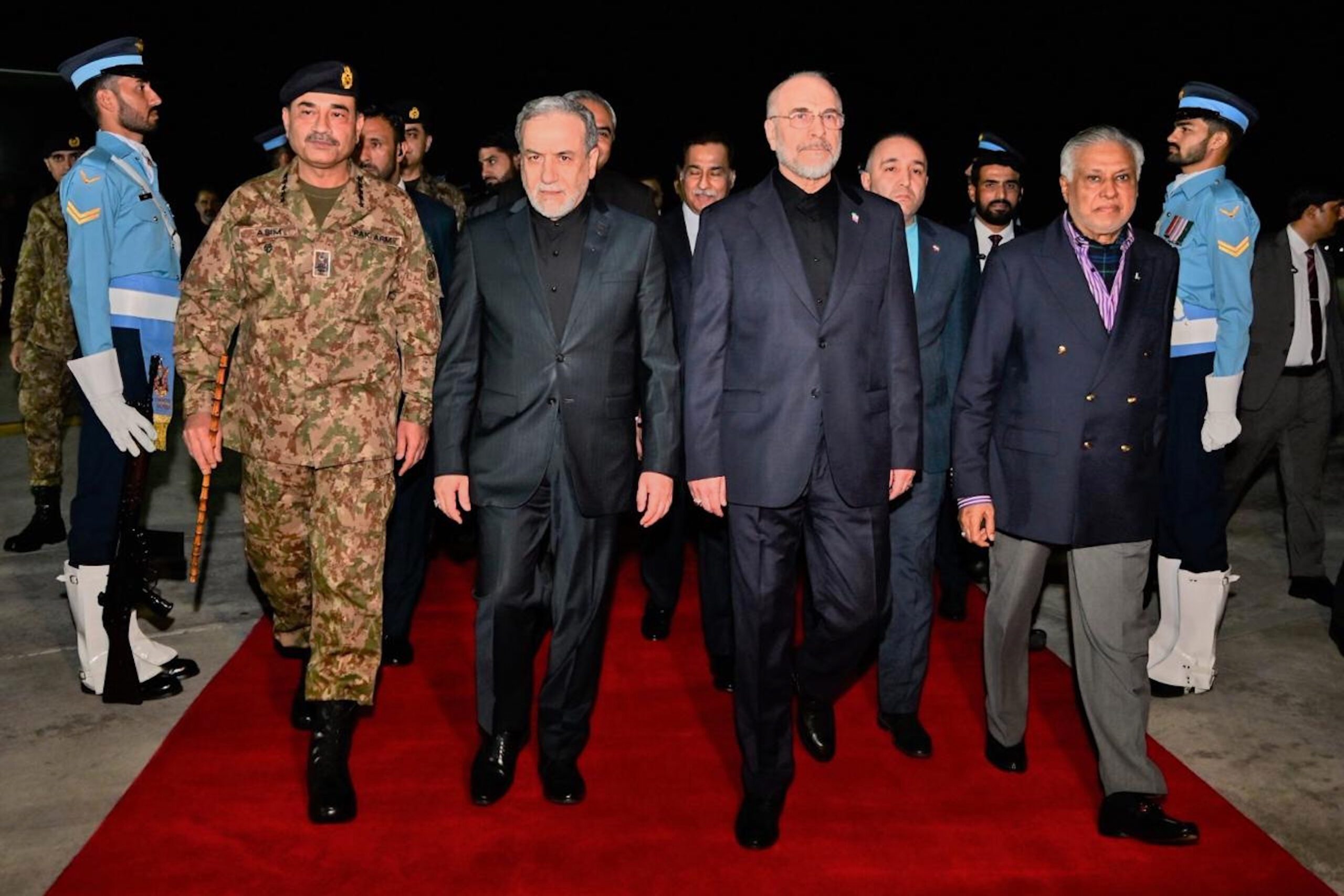
Inside Iran’s Wartime Leadership: Power, Succession, and Regime Stability
On April 21, AGSI hosted a discussion on the evolution of Iran's leadership during the war.
Speakers

Mar 18, 2026
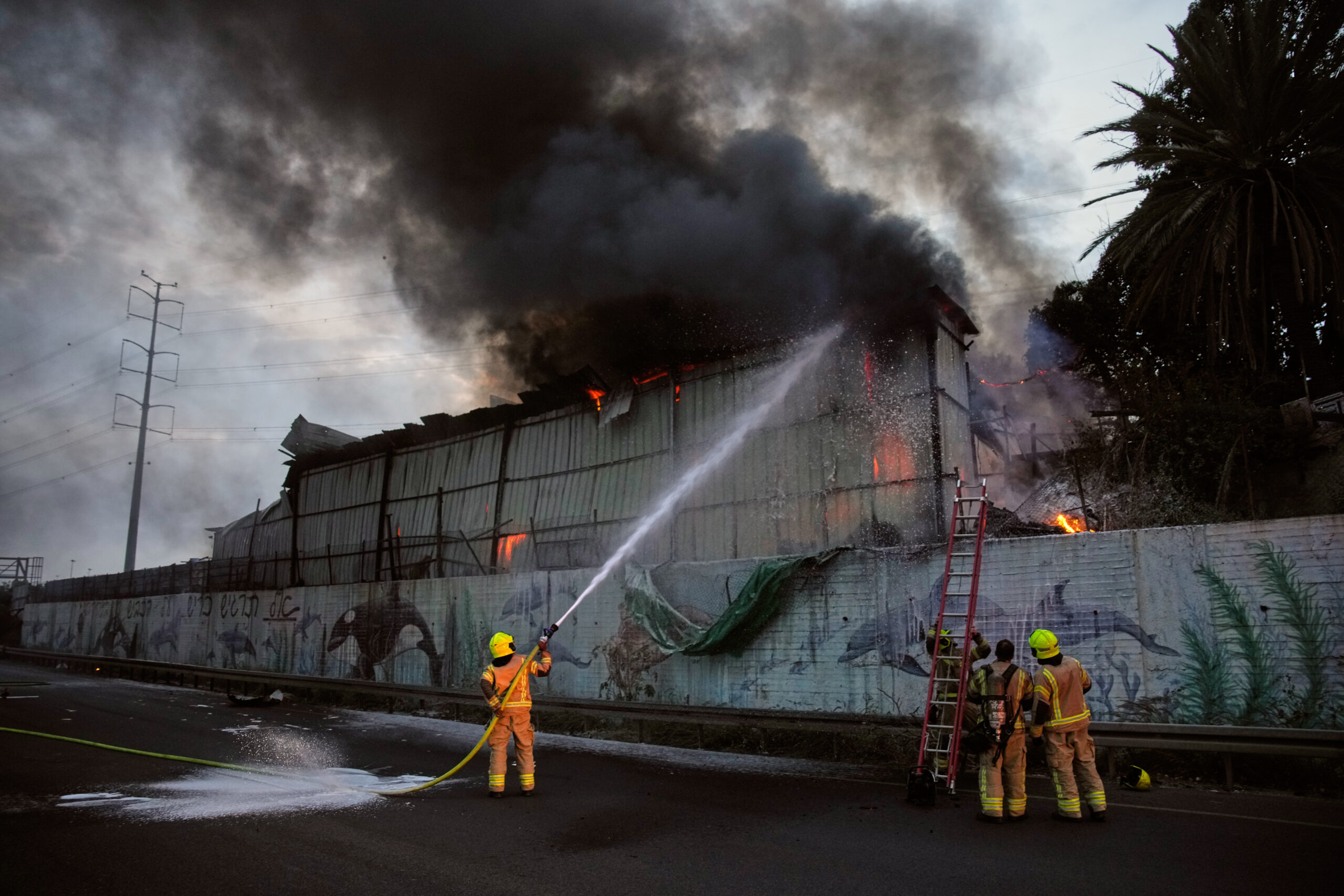
In Its Conflict With the United States and Israel, Does Escalation Favor Iran?
On March 18, AGSI hosted a discussion on the escalation of the Iran war.
Speakers


Mar 2, 2026
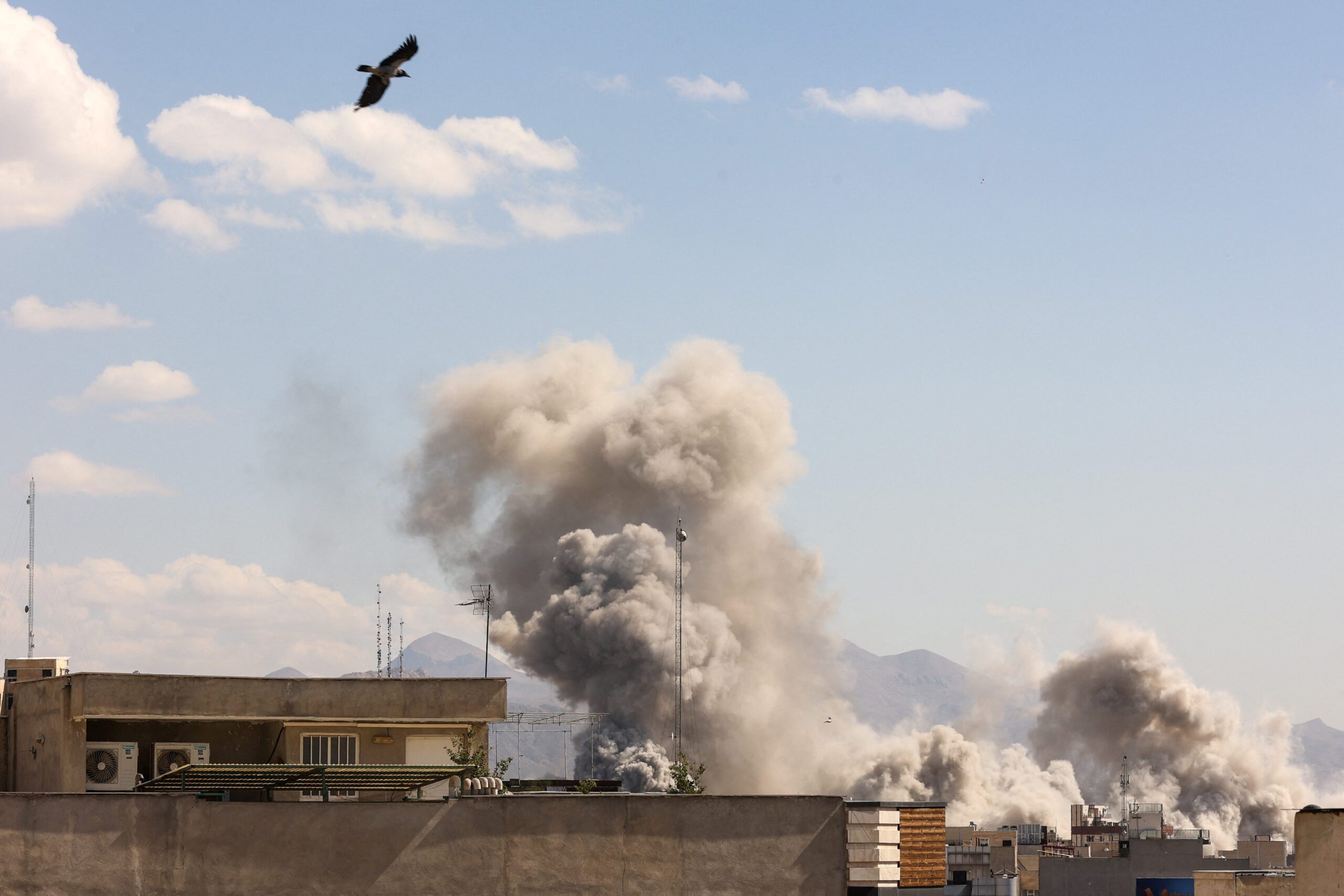
After the Shock: Implications of the U.S.–Israeli Strikes and Iran’s Leadership Transition
On March 2, AGSI hosted a discussion on the U.S.-Israeli strikes on Iran.
Speakers