Jan 27, 2023
Media Reflections on the “Women of Influence Congress” in Iran
On January 20, Tehran hosted the first “International Congress for Women of Influence” honoring women from 28 countries. Following several days of media speculation about the participants and purpose of the event, there appears to be greater clarity, and harsher criticism, as expressed by reformist political activist Abbas Abdi in Etemad newspaper: “Many of the...

On January 20, Tehran hosted the first “International Congress for Women of Influence” honoring women from 28 countries. Following several days of media speculation about the participants and purpose of the event, there appears to be greater clarity, and harsher criticism, as expressed by reformist political activist Abbas Abdi in Etemad newspaper: “Many of the women imprisoned in Iran are influential. How can we invite foreign guests when Iranian women are still imprisoned because they participated in political protests?”
- January 19: Iranian President Ebrahim Raisi, receiving some of the event’s participants, in a post on his official website, claimed “many women, whose only crime is demanding their rights, are killed by the police in the United States and in Britain, as apparent in statistics published by the media of these countries.” In the Islamic Republic, the president continued, “while we have no doubt that women and men are created differently, they are equal in their humanity. There is no difference in women and men when it comes to reaching the peaks of humanity, and whoever struggles more, will reach the heights of morality, spirituality, and humanity.” He concluded: “A reactionary view of women, as well as instrumental use of women by Western powers and politicians, are both doomed to failure.”
- January 23: The Rouydad 24 news agency, covering the event, reported that, “It is not clear in which fields the invited women, including Jamileh Alam al-Hoda, the first lady of the Islamic Republic and wife of President Ebrahim Raisi, are influential.” Other attendees included the wife of the prime minister of Armenia, spouses of presidents of Burkina Faso, Kyrgyzstan, Serbia, and former president of Sri Lanka. “Even if a wife has indirect impact through her husband, these countries have no impact on Iran’s foreign relations, let alone international power equations.” Other invitees included Lebanese media personality Maya Sabbagh, who actively on Twitter has argued that Iranian women are in “excellent circumstances” saying she is exposing the “lies” the international media is spreading about their condition, and, as well, a Chinese woman, who to her own surprise, won the prize for the “most influential woman,” but whose “resume has not been disclosed to the public and whose field of influence remains unknown.”
- January 24: Abbas Abdi, a reformist journalist and political activist, in a front page commentary in Etemad, posed the question: “Why is there so much criticism of the influential women congress?” and answered: “In Iran, women are witnessing double standards, which adds insult to injury. Foreign guests are invited and treated respectfully, while Iranian women are marginalized. Women in Iran are demanding a lifestyle similar to that of the foreign guests, which is not acceptable to the regime. Just take a look at the way the invited women were dressed. What is wrong with people choosing their attire based on their desire and culture? Is diversity not beautiful? Participants from Lebanon were diverse, ranging from the social influencer lady, who does not wear a hijab, to the daughter of Seyyed Hassan Nasrallah, who is veiled. How come they coexist with each other in Lebanon, are invited to a paid trip to Iran to participate in a joint conference, are hosted by the Iranian president’s wife, and even receive gifts, while women in Iran do not have the right to diversity? You may answer, ‘well, this is the law here.’ But where does the law come from? If it is Islam, it should be the same for all Muslims. How come unveiled Muslim women from other countries are invited, while Iranian women are imprisoned? How come those guests do not abide by the law in Iran? If the law is not emanated from the sharia, but reflects the will of the government, how come you don’t change the law?” He concluded, “If you respect diversity among women, you will no longer have a problem with them … Many of the women imprisoned in Iran are influential. How can we invite foreign guests when Iranian women are still imprisoned because they participated in political protests?”
The views represented herein are the author's or speaker's own and do not necessarily reflect the views of AGSI, its staff, or its board of directors.
Related
Iran Media Review
Oct 16, 2026
Qalibaf’s New Equation: War, Negotiation, and Deterrence
The October 16 edition of the Iran Media Review highlights the call by Iran’s parliamentary speaker for a combination of war and negotiation to establish deterrence against further attacks on Iran.
Iran Media Review
Oct 13, 2026
From Neighbor to Target: Iranian Analysts on the UAE
The October 13 edition of the Iran Media Review explores calls by senior Iranian strategists for Iran to target the United Arab Emirates and Dubai’s airport.
Iran Media Review
Oct 9, 2026
Food Baskets for the Faithful Servants
The October 9 edition of the Iran Media Review considers Iranian media questions regarding aid distribution to government employees and the resentment building among Iranians left outside the circle.
Oct 16, 2026
Qalibaf’s New Equation: War, Negotiation, and Deterrence
The October 16 edition of the Iran Media Review highlights the call by Iran’s parliamentary speaker for a combination of war and negotiation to establish deterrence against further attacks on Iran.
Oct 13, 2026
From Neighbor to Target: Iranian Analysts on the UAE
The October 13 edition of the Iran Media Review explores calls by senior Iranian strategists for Iran to target the United Arab Emirates and Dubai’s airport.
Oct 9, 2026
Food Baskets for the Faithful Servants
The October 9 edition of the Iran Media Review considers Iranian media questions regarding aid distribution to government employees and the resentment building among Iranians left outside the circle.
Analysis
The Committee of Six and Strategic Decision Making in Iran
Remarks by Iran’s president offer a rare glimpse of how the Islamic Republic has adapted its decision making to the absence of its supreme leader.
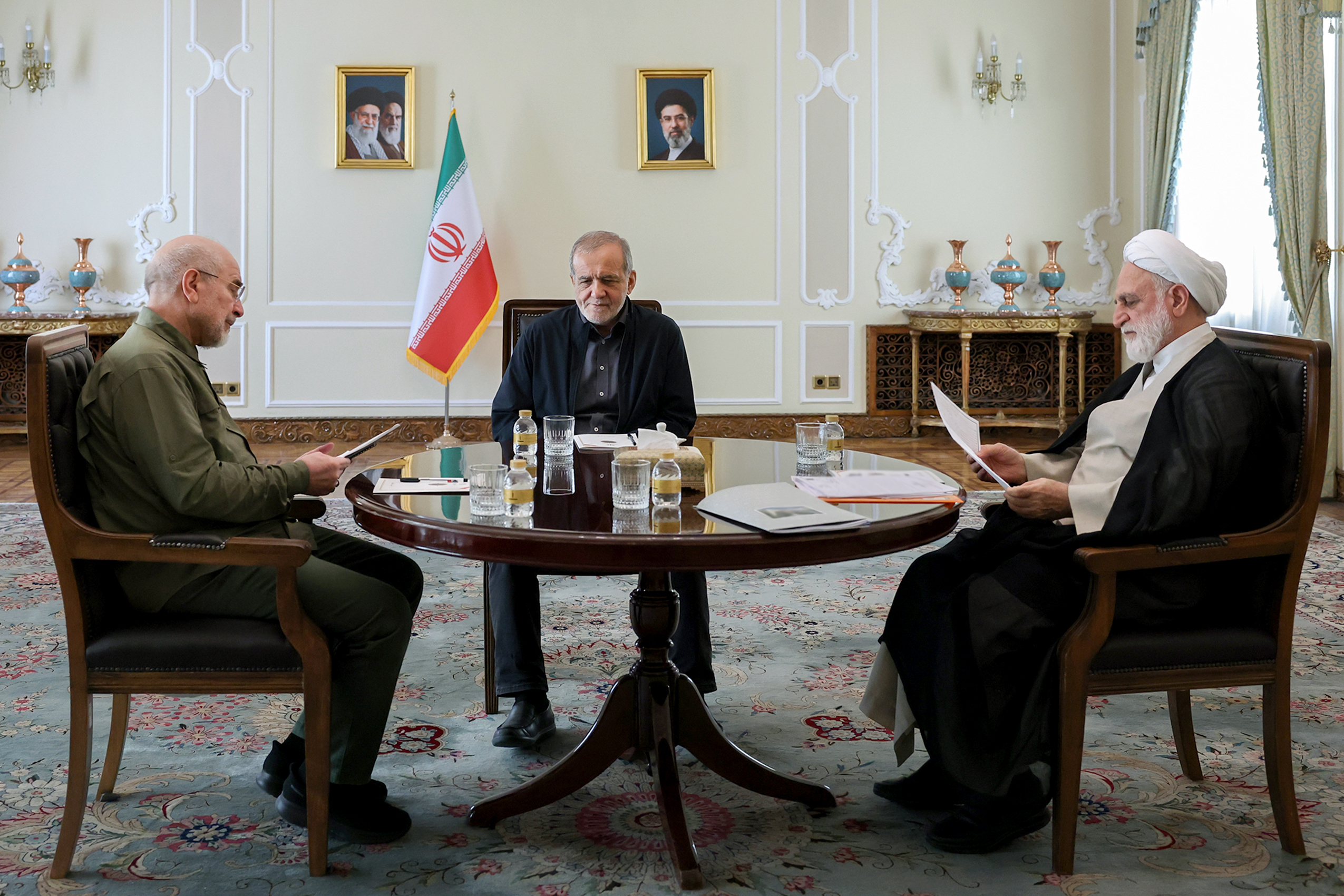
Mohsen Rezaei at the Helm of Iran’s Supreme National Security Council
Under Rezaei, the SNSC could prove constructive or paralyze strategic decision making.
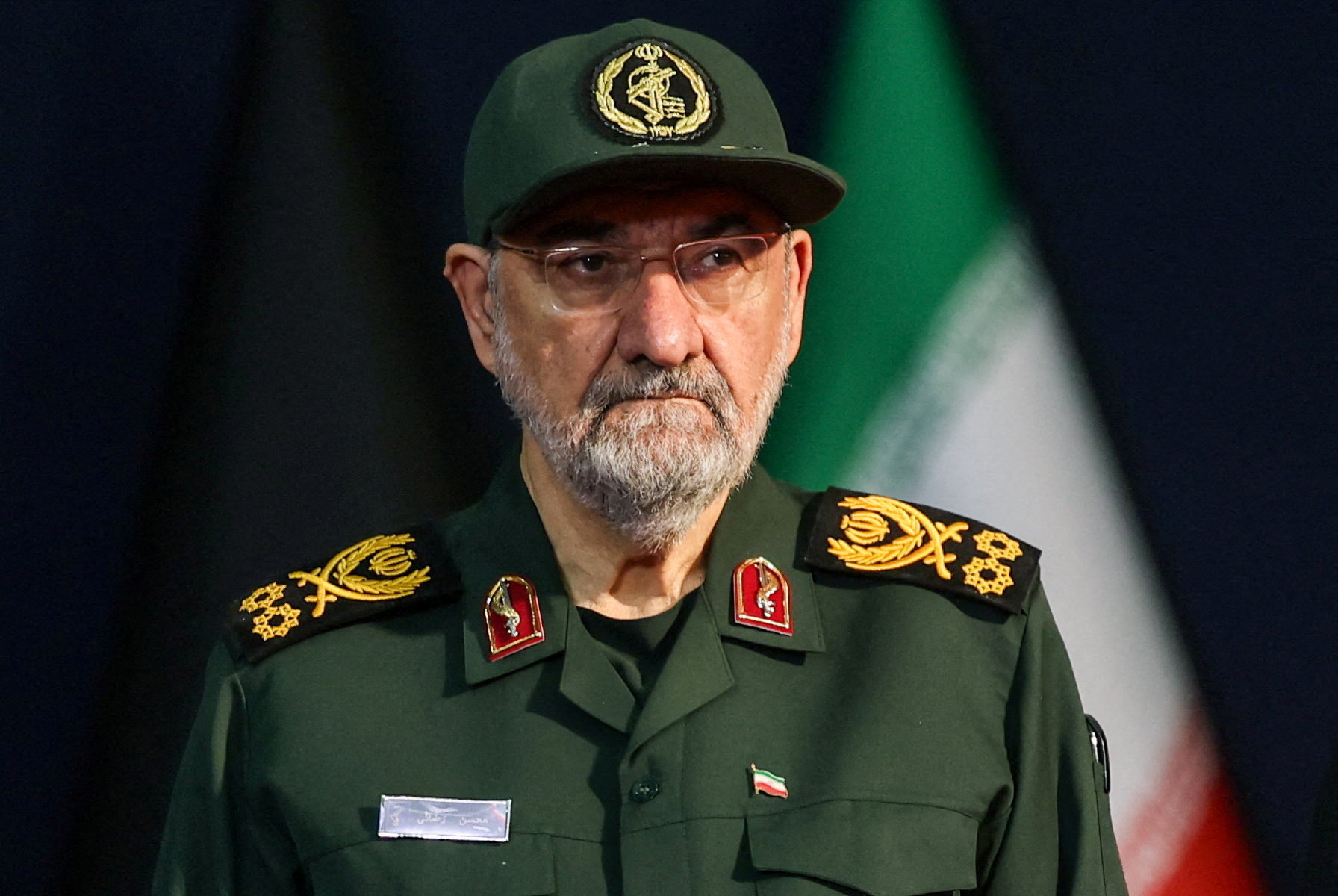
The Islamic Republic Returns to Offense
After U.S.-Israeli strikes killed Supreme Leader Ayatollah Ali Khamenei on February 28, Iran’s collective leadership has concluded that the best defense is a good offense.
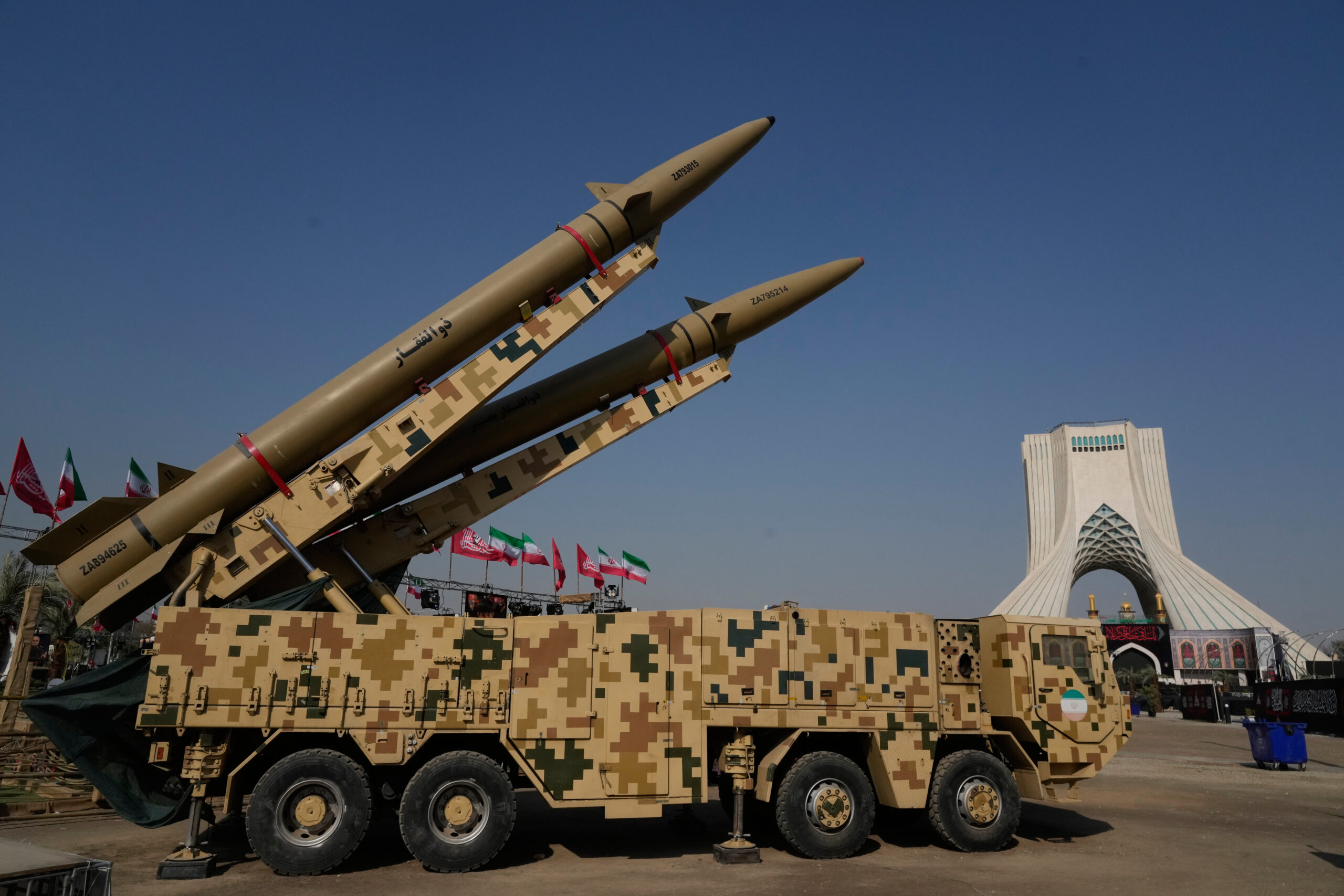
Iran’s Collective Strategic Decision Making
Wartime pressure has temporarily aligned the leadership’s overriding interest in regime survival, even as its members continue to differ over the costs, methods, and ultimate objectives of the war.
Events
Oct 6, 2026
Is the U.S.-Iran Stalemate a “New Normal” or the Prelude to Another Explosion?
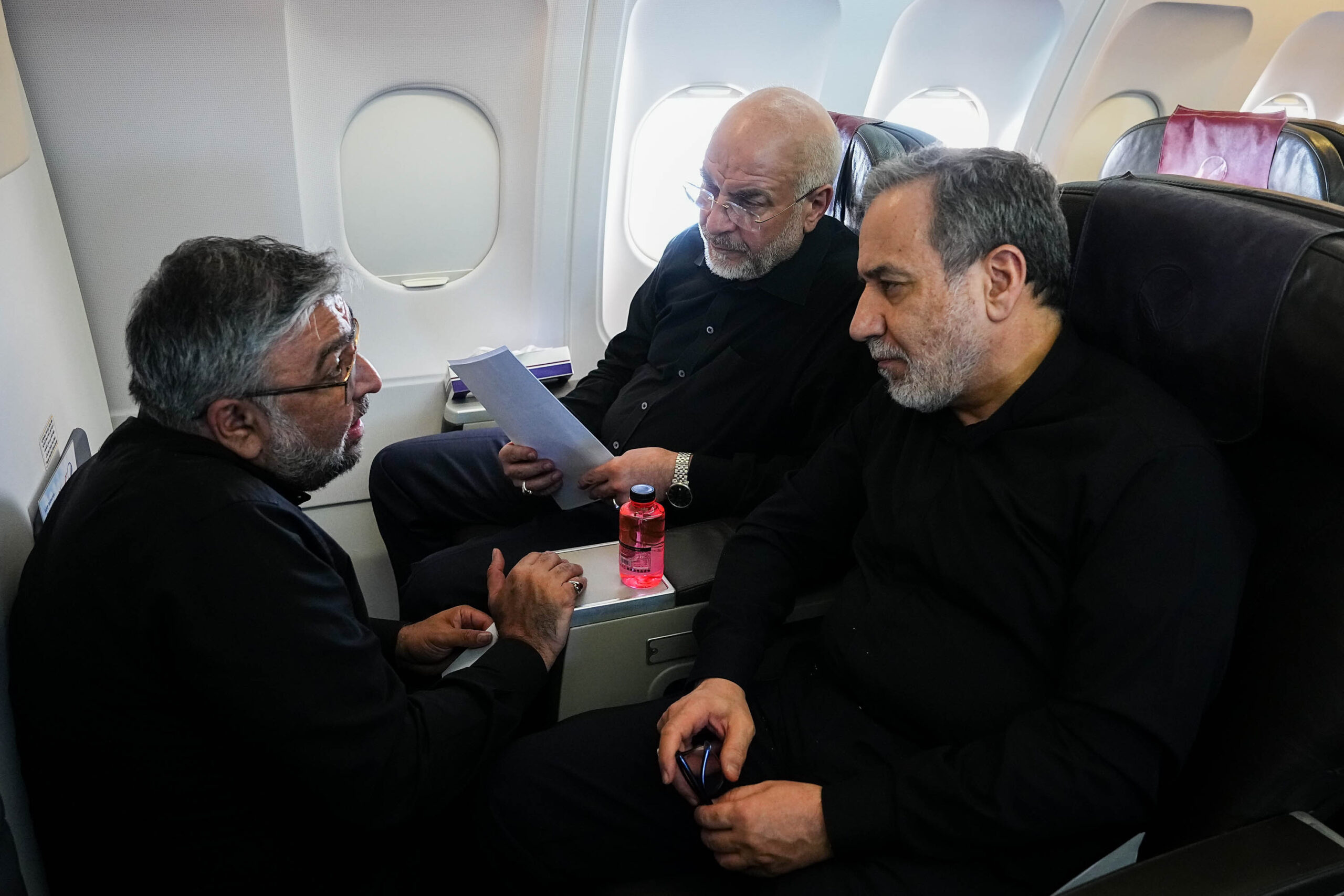
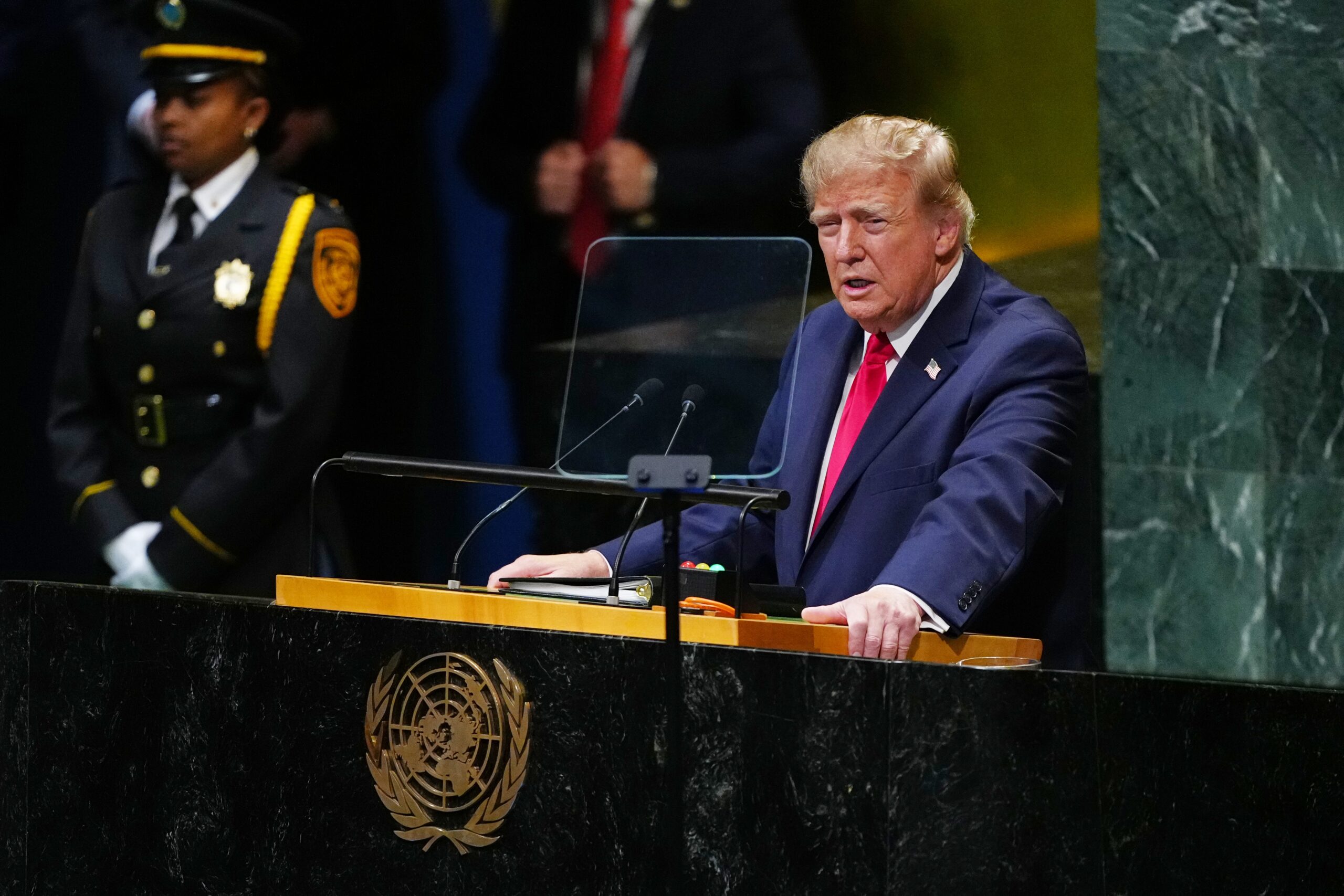
On October 6, AGSI hosted a discussion on the U.S.-Iran stalemate and the prospects for a cease-fire.
Speakers



Book Talk: Iran and the Bomb: The United States, Iran and the Nuclear Question
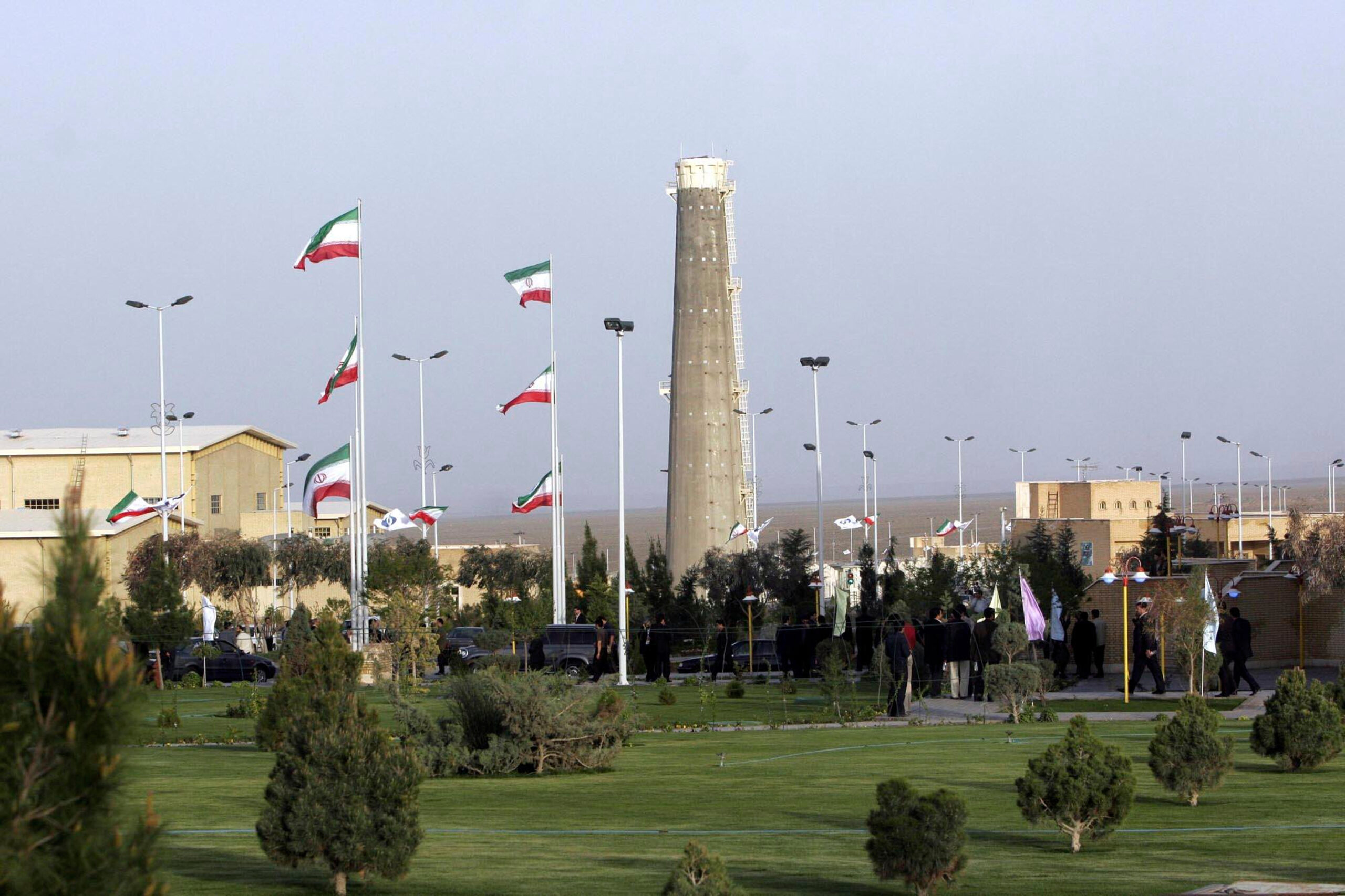
On June 16, AGSI hosted a discussion on the evolution of Iran's nuclear program.
Speakers
Apr 21, 2026
Inside Iran’s Wartime Leadership: Power, Succession, and Regime Stability
On April 21, AGSI hosted a discussion on the evolution of Iran's leadership during the war.
Speakers

Mar 18, 2026
In Its Conflict With the United States and Israel, Does Escalation Favor Iran?
On March 18, AGSI hosted a discussion on the escalation of the Iran war.
Speakers