Jan 21, 2025
Renewed Speculation About Mojtaba Khamenei
The January 21 edition of the Iran Media Review analyzes commentary in response to a Washington Post editorial suggesting the supreme leader’s son has been chosen to be his successor.

In political systems without strong and legitimate democratic institutions, succession is often mired in some level of crisis and uncertainty: The leader often hesitates to appoint a successor designate fearing losing power while he is still alive; the regime has less time to groom the eventual successor and prepare the society for the transition. However, there is some indication that Supreme Leader Ayatollah Ali Khamenei may be preparing the ruling elites, society, and even the world for his son Mojtaba’s leadership. The latest example of this was the official Tehran Times’ response to a January 10 Washington Post editorial on Mojtaba Khamenei as the future leader of Iran. While Tehran Times dismisses The Washington Post’s claim, a reference to “a request from a number of assembly members to consider one of his sons for future leadership positions” may serve the purpose of gradually normalizing the concept of dynastic succession in the Islamic Republic of Iran.
- January 12: The English-language Tehran Times‘ front page featured an article with the headline: “Why is Western Media Constantly Lying About Mojtaba Khamenei? Washington Post becomes the latest outlet to spread blatant lies about the Leader’s son.” Columnist Soheila Zarfam wrote:
- “The Washington Post published an article Friday riddled with baseless claims, including that Ayatollah Khamenei is ill and that his son, Mojtaba Khamenei, has been chosen as his successor by Iran’s ‘clerical elders.’ The article’s claims are easily debunked … the Leader’s past statements and actions also demonstrate his opposition to his children entering politics, much less succeeding him. Further supporting this, Ayatollah Mahmoud Mohammadi Araghi, a member of the Assembly of Experts, has stated that the Leader rejected a request from a number of assembly members to consider one of his sons for future leadership positions. The Tehran Times, through its sources, has verified that Ayatollah Khamenei remains resolute in his opposition to any of his sons’ succession, and the Assembly of Experts is respecting that.” Tehran Times also quoted Parviz Amini, a politics professor, who argues that the West “continues to peddle this narrative of a dynastic succession” with the goal of discrediting “the legitimacy of Iran’s institutions, fostering an image of an undemocratic state.”
- January 14: Reformist Entekhab News Agency released a summary of the Tehran Times article in Persian.
The views represented herein are the author's or speaker's own and do not necessarily reflect the views of AGSI, its staff, or its board of directors.
Related
Iran Media Review
Jan 17, 2025
Academic Calls for Khamenei to Rule or Defer to the President
The January 17 edition of the Iran Media Review considers criticism by an Iranian academic regarding the deficiencies of the political system’s dual power structure.
Iran Media Review
Jan 14, 2025
Iran Is Ready for Negotiations, but Is the United States?
The January 14 edition of the Iran Media Review highlights comments made by Iranian leaders regarding willingness to resume negotiations.
Jan 17, 2025
Academic Calls for Khamenei to Rule or Defer to the President
The January 17 edition of the Iran Media Review considers criticism by an Iranian academic regarding the deficiencies of the political system’s dual power structure.
Jan 14, 2025
Iran Is Ready for Negotiations, but Is the United States?
The January 14 edition of the Iran Media Review highlights comments made by Iranian leaders regarding willingness to resume negotiations.
Analysis
The Islamic Republic Returns to Offense
After U.S.-Israeli strikes killed Supreme Leader Ayatollah Ali Khamenei on February 28, Iran’s collective leadership has concluded that the best defense is a good offense.
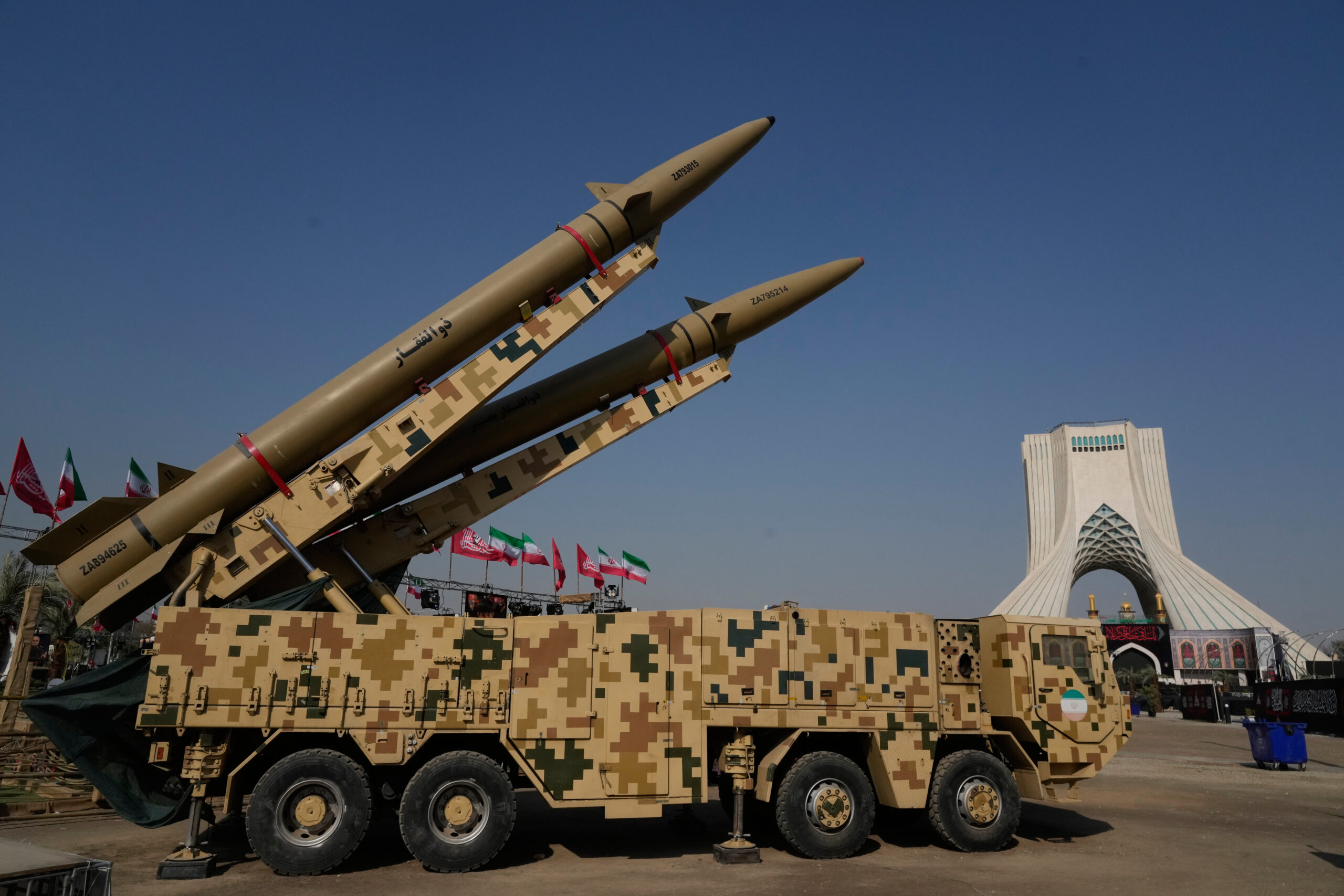
Iran’s Collective Strategic Decision Making
Wartime pressure has temporarily aligned the leadership’s overriding interest in regime survival, even as its members continue to differ over the costs, methods, and ultimate objectives of the war.
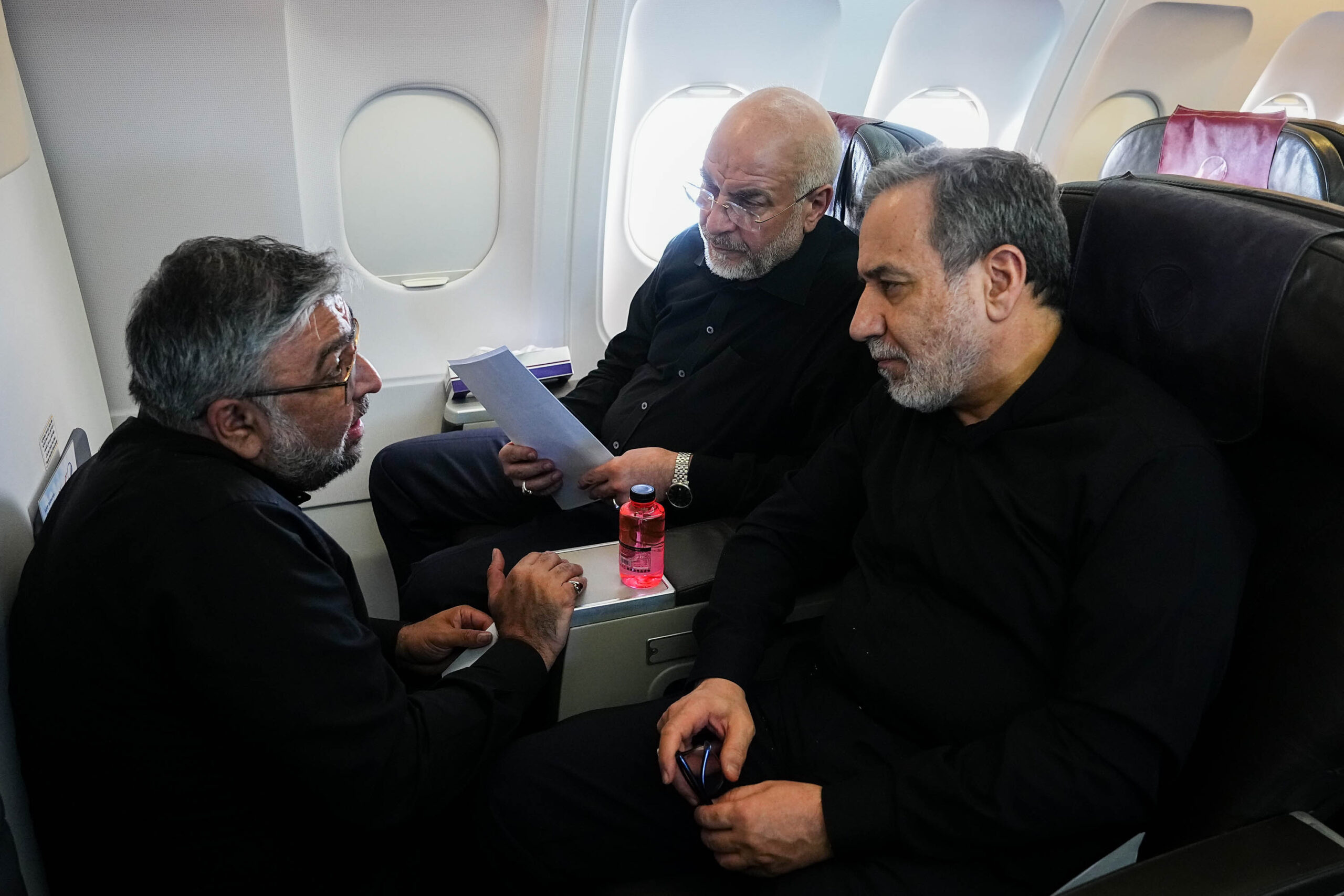
The Islamic Republic’s Collective Leadership
While there is historical precedent for collective leadership in Iran, today’s leadership includes representatives of the IRGC and regular military – a reflection of the IRGC’s expanding role and the necessities of governing under wartime conditions.
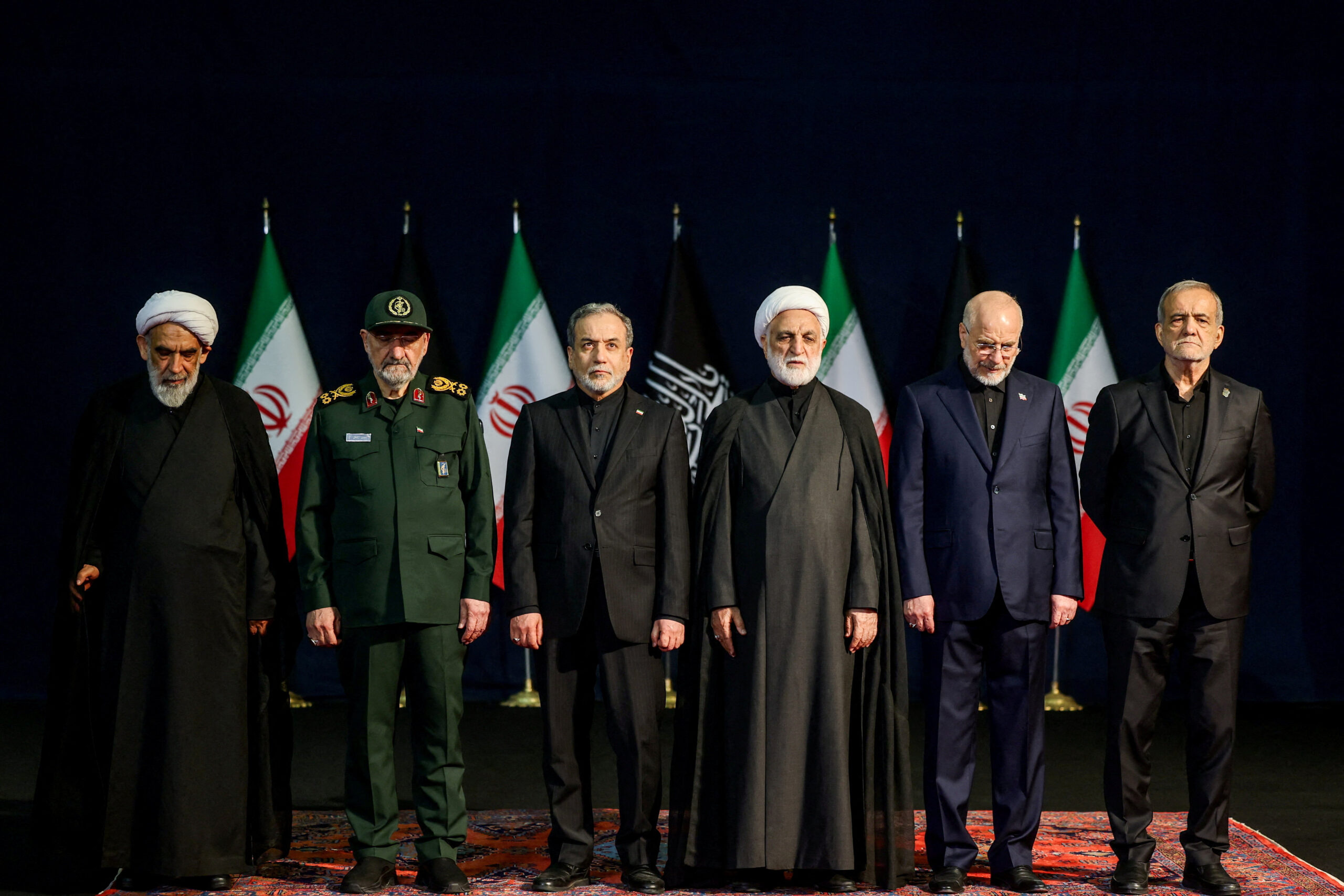
How Did the IRGC Seize Power in Iran?
The IRGC did not seize power in a single stroke. It accumulated it – patiently, methodically – until no counterweight remained.
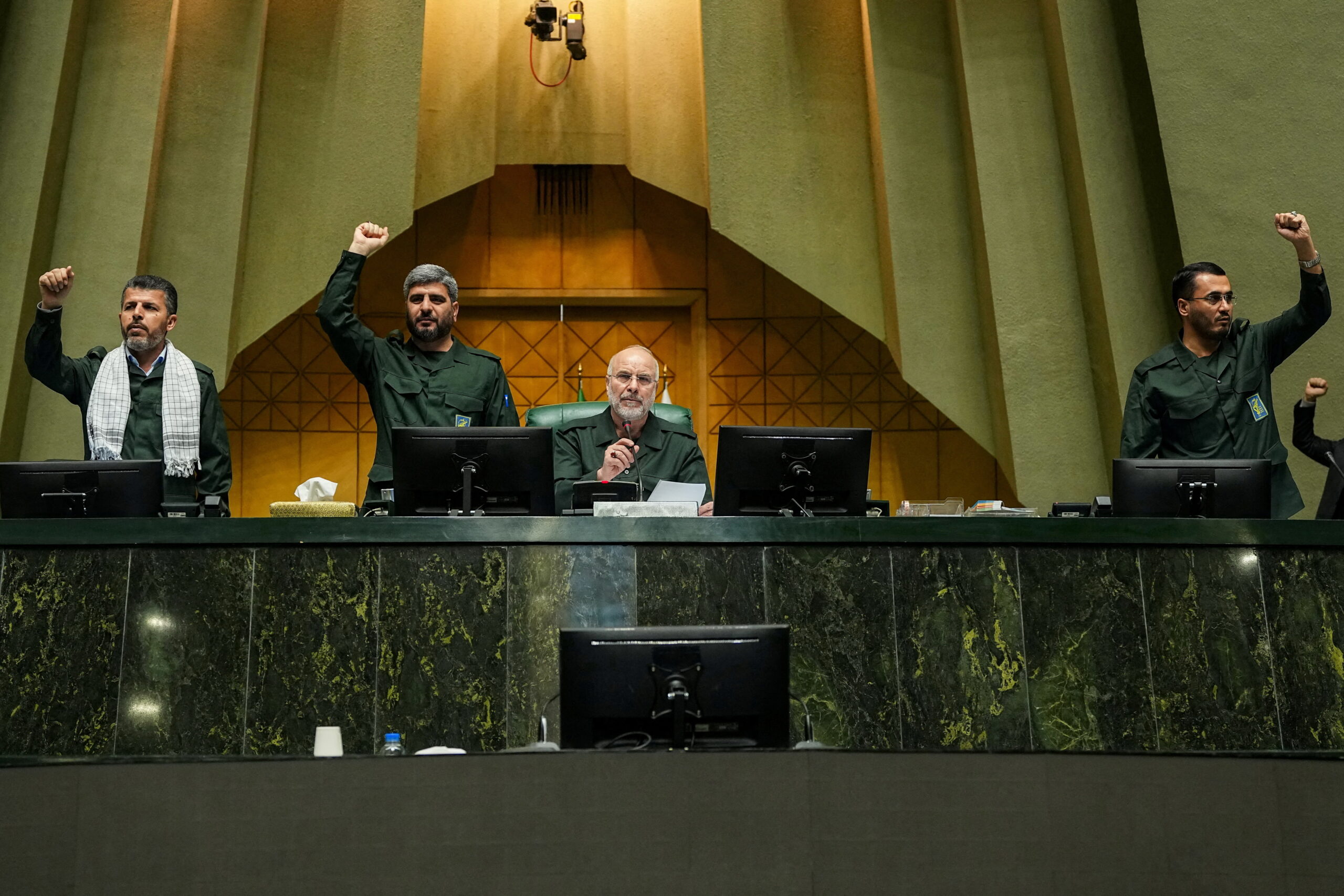
Events
Book Talk: Iran and the Bomb: The United States, Iran and the Nuclear Question
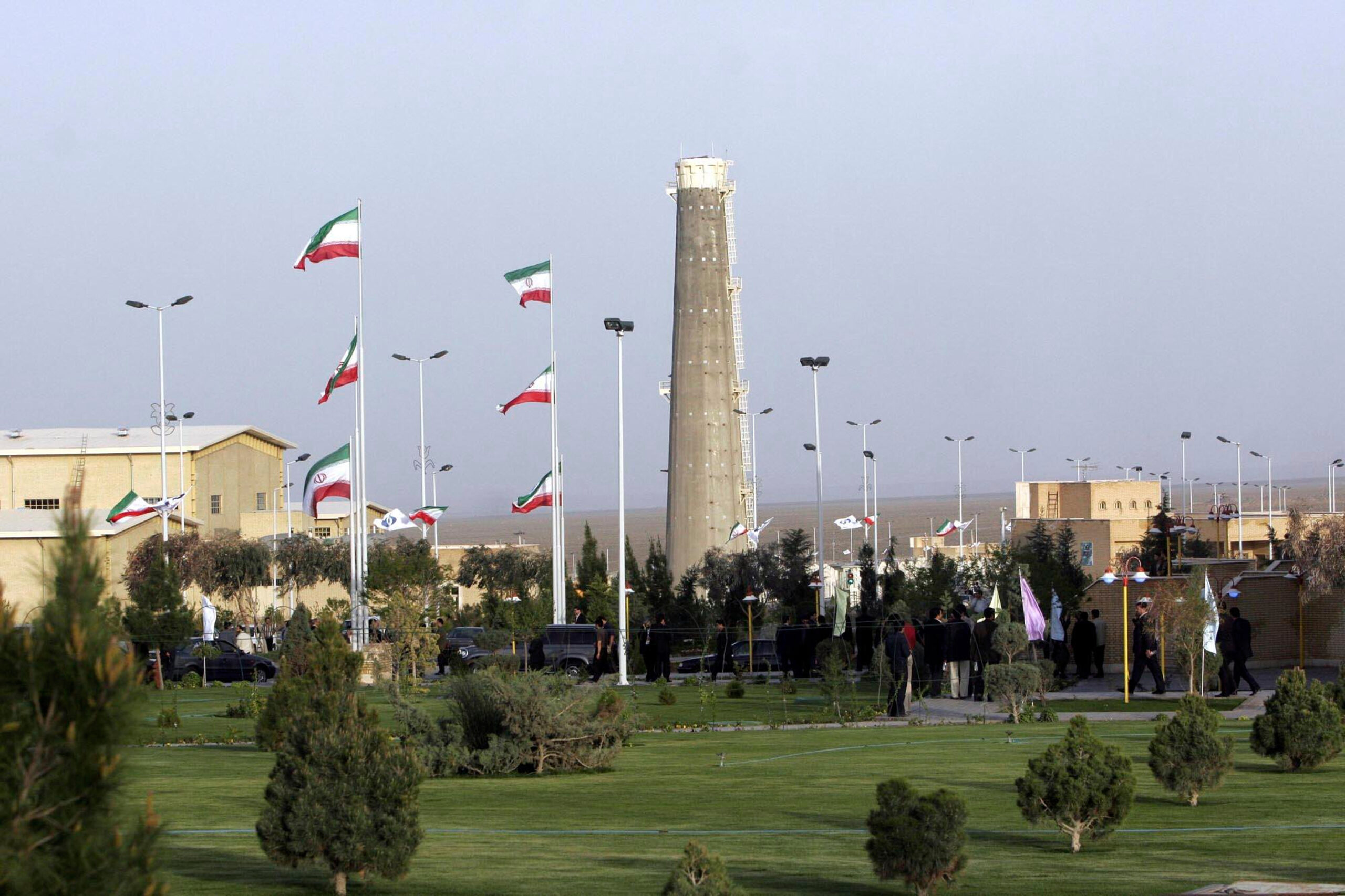
On June 16, AGSI hosted a discussion on the evolution of Iran's nuclear program.
Speakers

Apr 21, 2026
Inside Iran’s Wartime Leadership: Power, Succession, and Regime Stability
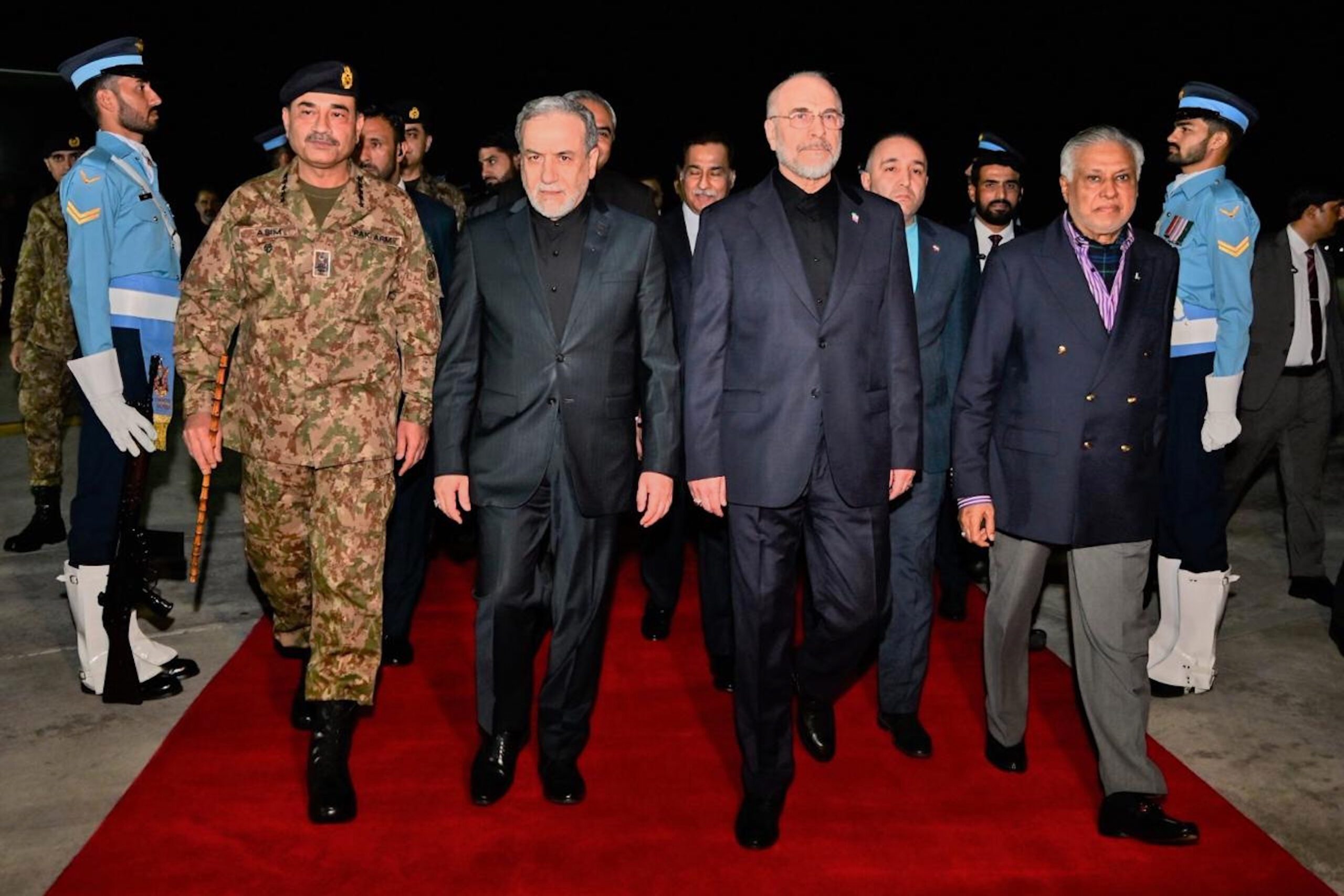
On April 21, AGSI hosted a discussion on the evolution of Iran's leadership during the war.
Speakers

Mar 18, 2026
In Its Conflict With the United States and Israel, Does Escalation Favor Iran?
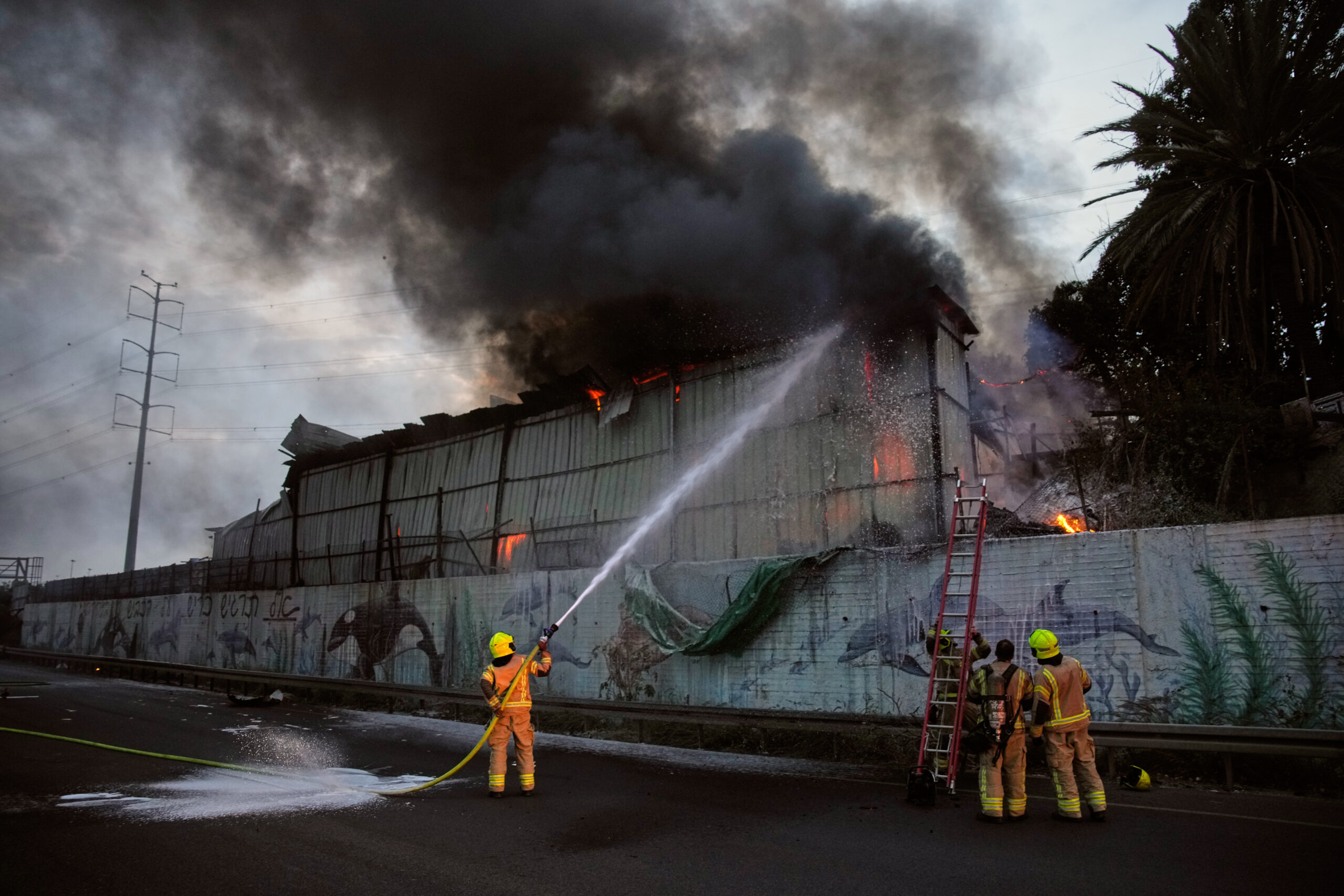
On March 18, AGSI hosted a discussion on the escalation of the Iran war.
Speakers


Mar 2, 2026
After the Shock: Implications of the U.S.–Israeli Strikes and Iran’s Leadership Transition
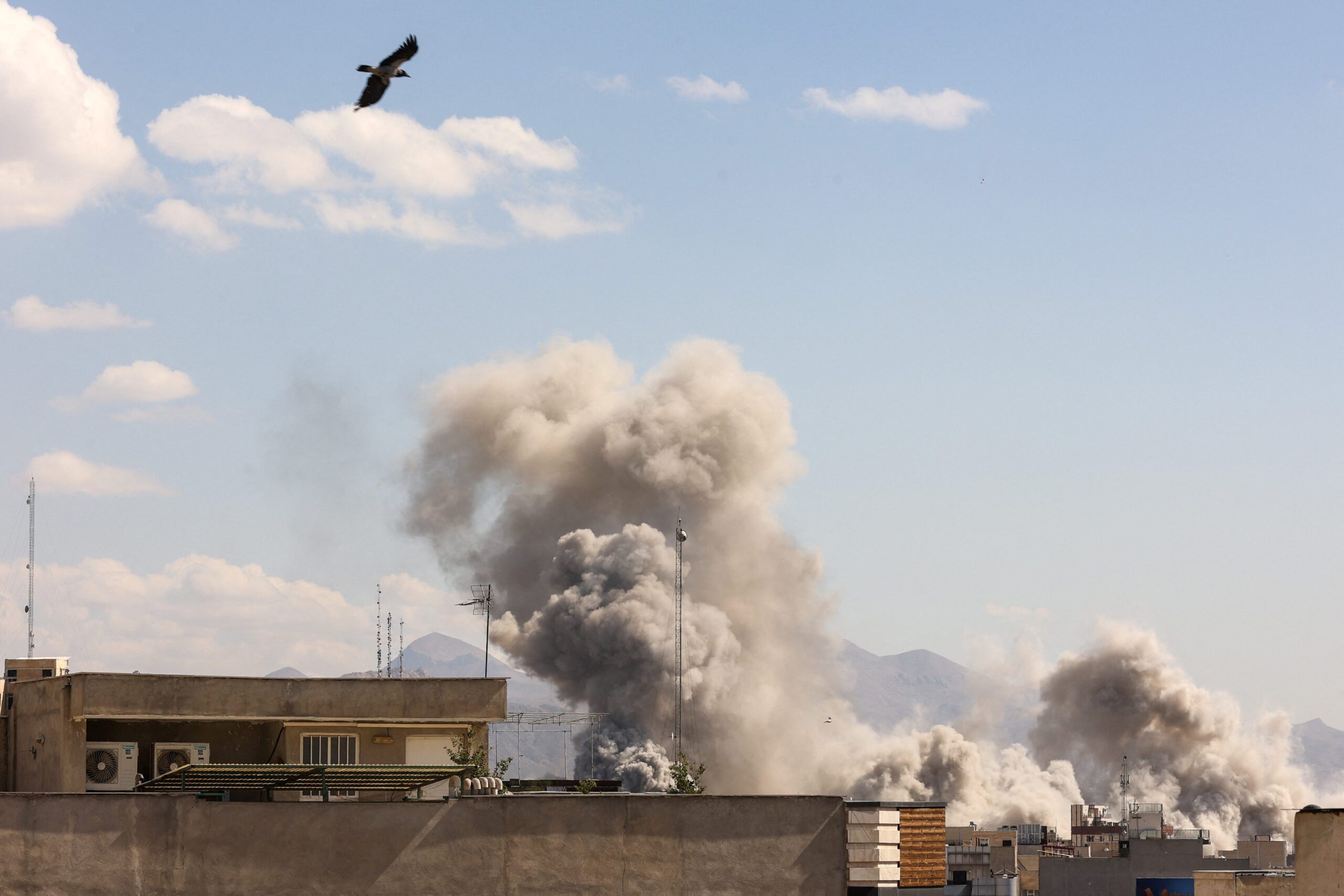
On March 2, AGSI hosted a discussion on the U.S.-Israeli strikes on Iran.
Speakers