Dec 6, 2024
Intelligence Failure: Hajjarian’s Introspection, the IRGC in Denial
The December 6 edition of the Iran Media Review highlights statements by a co-founder of the Ministry of Intelligence on the alleged infiltration of Iran’s intelligence services.

Saeed Hajjarian, who was one of the co-founders of Iran’s feared Ministry of Intelligence in 1983, has since the 1990s been a reformist political strategist criticizing the regime he helped establish and consolidate. In his latest interview, Hajjarian comments on the state of Iran’s intelligence services, which appear to have been infiltrated by regional adversaries. These comments are not welcomed by mouthpieces of the Islamic Revolutionary Guard Corps, ever ready to shoot the messenger.
- December 3: In an interview with reformist monthly Cheshmandaz, republished by reformist Ensaf News, Hajjarian was asked if Iran and its allies have experienced “intelligence failure,” to which he responded:
- “When we established the Intelligence Ministry in the 1980s, we wanted to have a unified intelligence organization shaped as a Cabinet ministry. This means the ministry would be subject to parliamentary scrutiny. As long as members of the Parliament scrutinize the work and evaluate the performance of a ministry, the ministry will not use illegal means.”
- Parliamentary control, however, does not equal improved quality of intelligence work, Hajjarian warned, and he said the regime needs to establish “lasting security,” which most likely was a reference to his earlier calls for democratization of Iran.
- When the reporter specifically asked Hajjarian about the ability of other powers to infiltrate Iran’s security services, he responded: “Just as Max Weber predicted, what we have witnessed since the revolution is ‘routinization of charisma,’ which also resulted in ideology guiding our human resources less than other factors … How much does a member of the Revolutionary Guard or someone in the security services make? If they take a trip to Cyprus or Turkey, and someone offers them $5,000, they may make their calculations and may not immediately turn down the offer. This, of course, is true of all jobs and not necessarily just true of those working in the security services. Wherever there is poverty and inequality, people are more unhappy about their own circumstances. It is therefore only natural that these people will cooperate,” with foreign intelligence services. “This is even true of those engaged in the field of religious propagation and the like and not just limited to personnel of intelligence services.”
- Hajjarian then discussed Ronen Bergman’s book “Rise and Kill First” on the history of Israel’s targeted assassinations, saying: “When it is argued in the book that Iran has vulnerabilities, this is correct. We could have been strong. We could have addressed our vulnerabilities. One of the factors worsening our vulnerabilities is the existence of parallel institutions. We now have two counterintelligence organizations, and this is a great mistake … We need to professionalize, and the path to reach public approval, too, is well known,” another reference to Hajjarian’s earlier calls for democratization of Iran.
- December 3: Mashregh News, a mouthpiece of the IRGC, commenting on Hajjarian’s interview, wrote:
- “At times of regional crisis and intelligence war, making such statements amounts to treason …! When confronting the enemy, no lover of Iran, nor any Muslim, would be willing to badmouth Iran’s intelligence services and make the Mossad appear stronger by talking of the possibility of the ‘Soldiers of the Hidden Imam’ collaborating with the enemy.”
The views represented herein are the author's or speaker's own and do not necessarily reflect the views of AGSI, its staff, or its board of directors.
Related
Iran Media Review
Dec 3, 2024
Iran-Allied Syria on the Verge of Collapse or Defection
The December 3 edition of the Iran Media Review examines Iranian commentary on Hayat Tahrir al-Sham’s offensive in Syria.
Iran Media Review
Nov 26, 2024
Renewed Speculation About Succession After Khamenei
The November 26 edition of the Iran Media Review analyzes recent discussion around who might succeed Supreme Leader Ayatollah Ali Khamenei.
Dec 3, 2024
Iran-Allied Syria on the Verge of Collapse or Defection
The December 3 edition of the Iran Media Review examines Iranian commentary on Hayat Tahrir al-Sham’s offensive in Syria.
Nov 26, 2024
Renewed Speculation About Succession After Khamenei
The November 26 edition of the Iran Media Review analyzes recent discussion around who might succeed Supreme Leader Ayatollah Ali Khamenei.
Analysis
The Islamic Republic Returns to Offense
After U.S.-Israeli strikes killed Supreme Leader Ayatollah Ali Khamenei on February 28, Iran’s collective leadership has concluded that the best defense is a good offense.
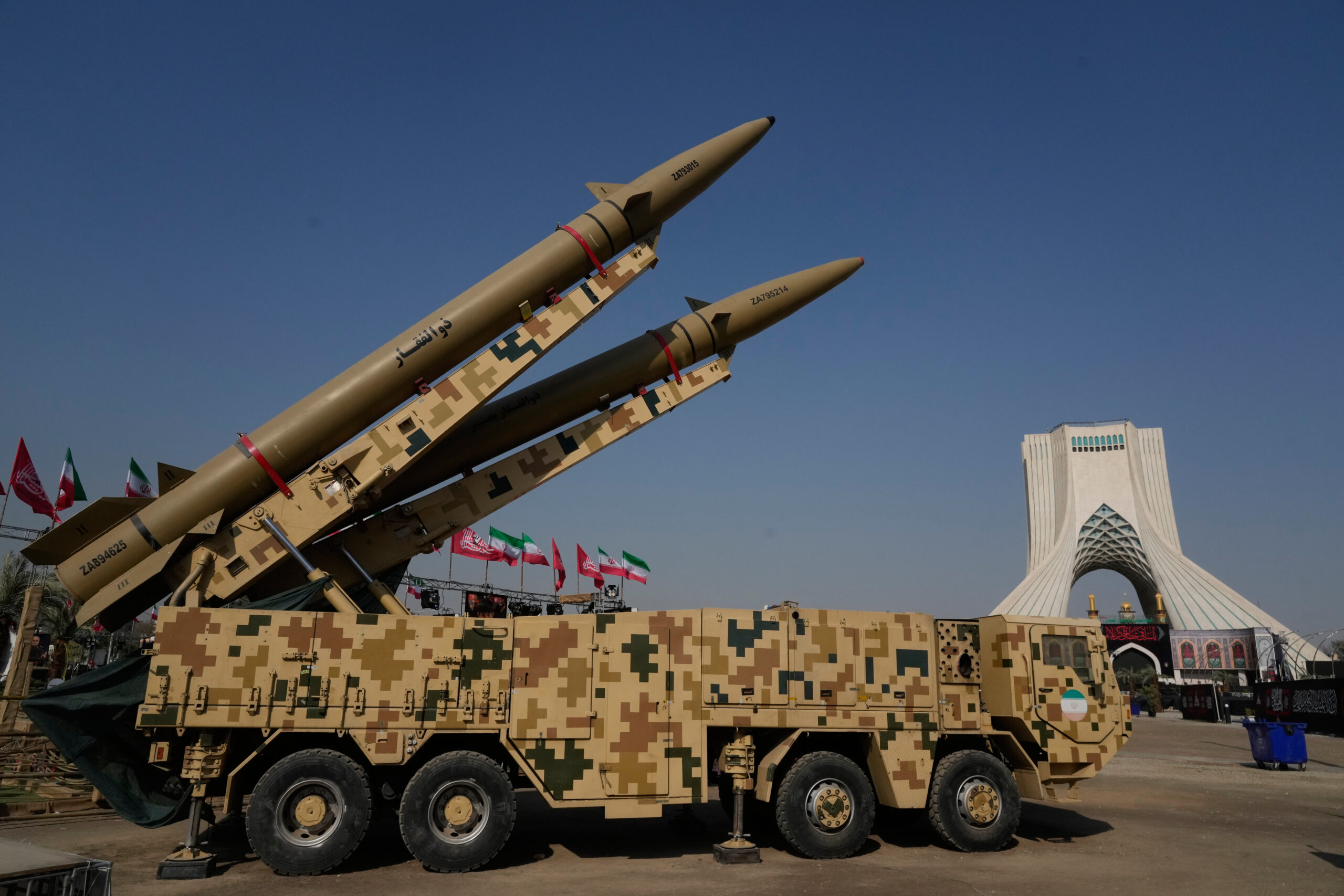
Iran’s Collective Strategic Decision Making
Wartime pressure has temporarily aligned the leadership’s overriding interest in regime survival, even as its members continue to differ over the costs, methods, and ultimate objectives of the war.
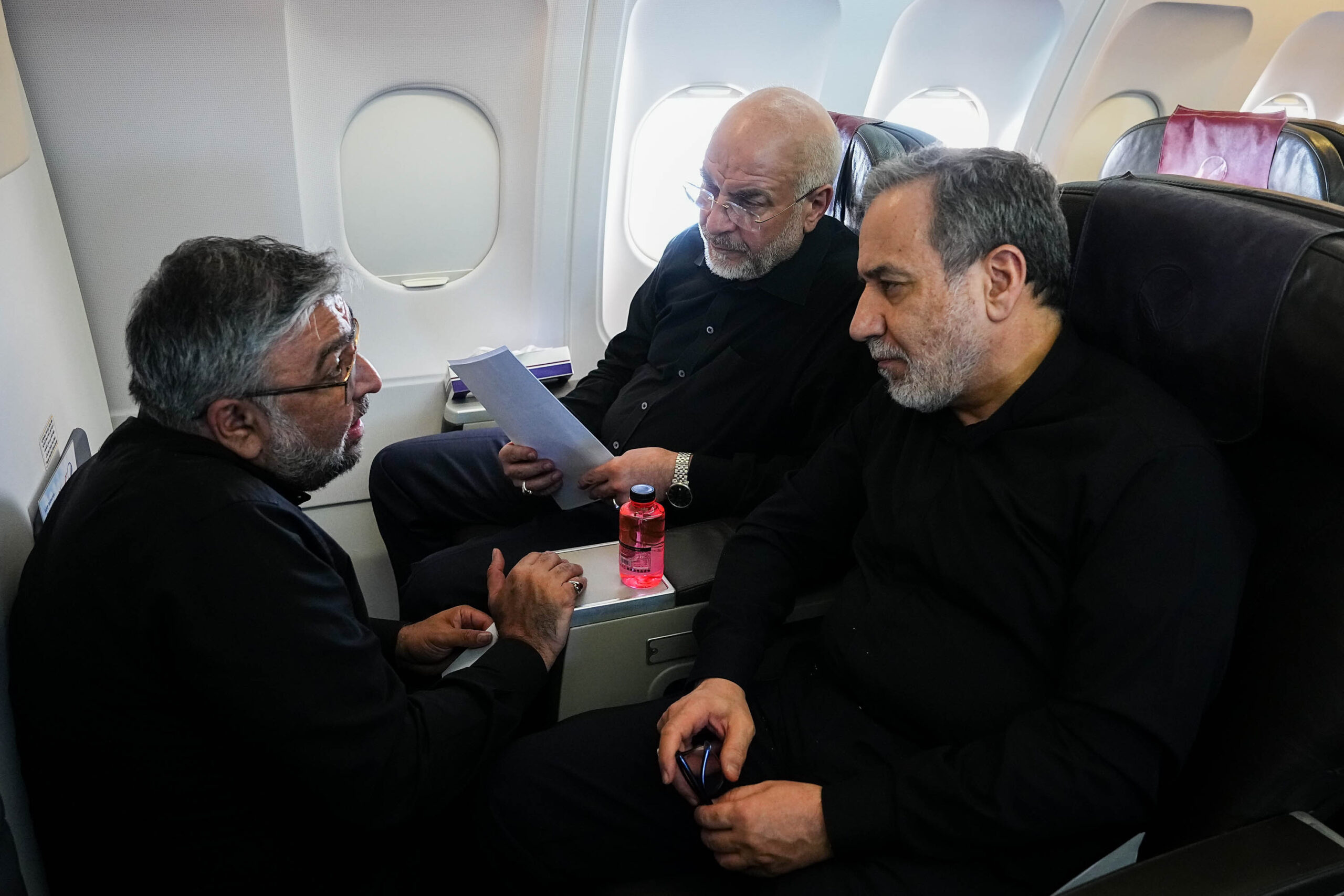
The Islamic Republic’s Collective Leadership
While there is historical precedent for collective leadership in Iran, today’s leadership includes representatives of the IRGC and regular military – a reflection of the IRGC’s expanding role and the necessities of governing under wartime conditions.
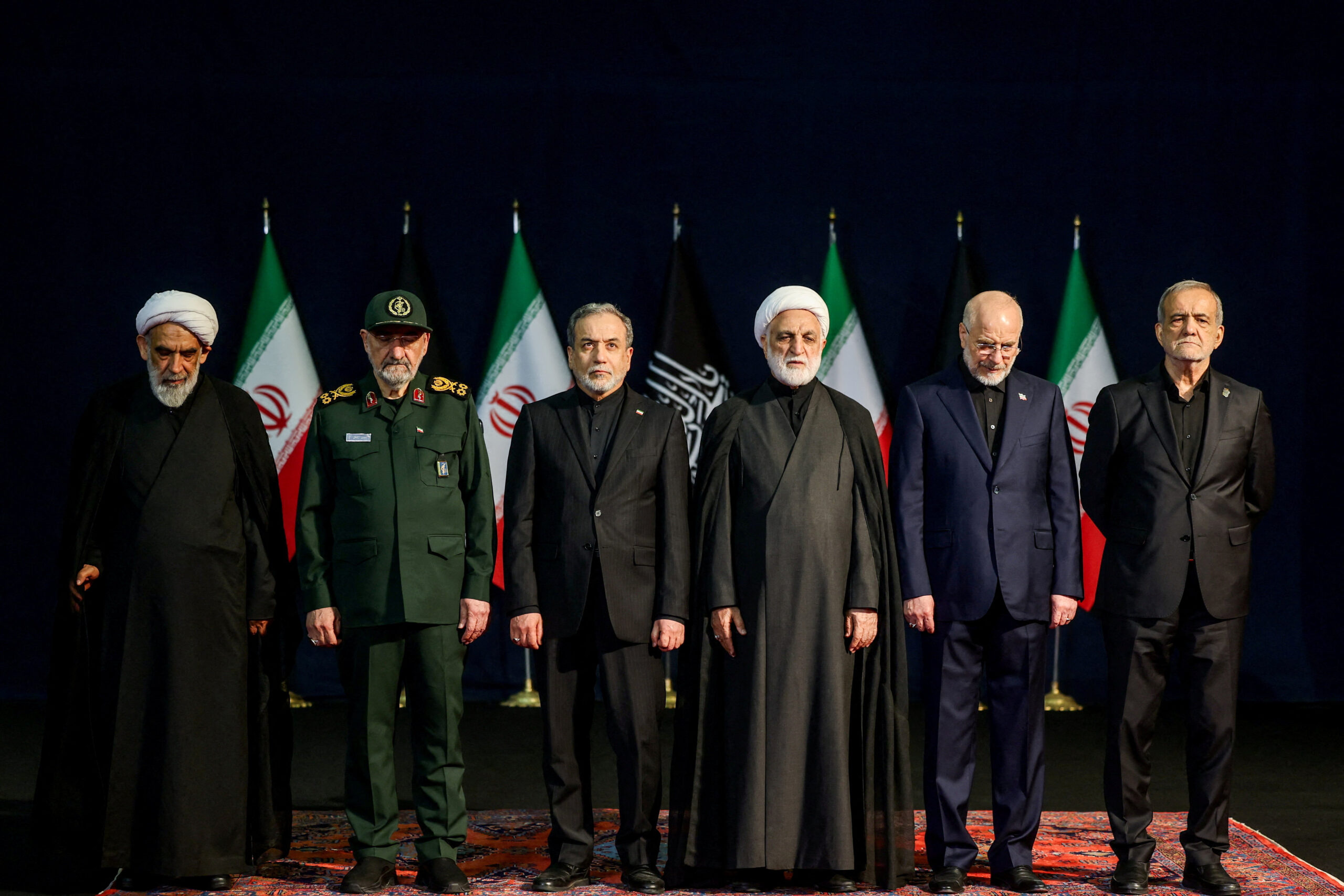
How Did the IRGC Seize Power in Iran?
The IRGC did not seize power in a single stroke. It accumulated it – patiently, methodically – until no counterweight remained.
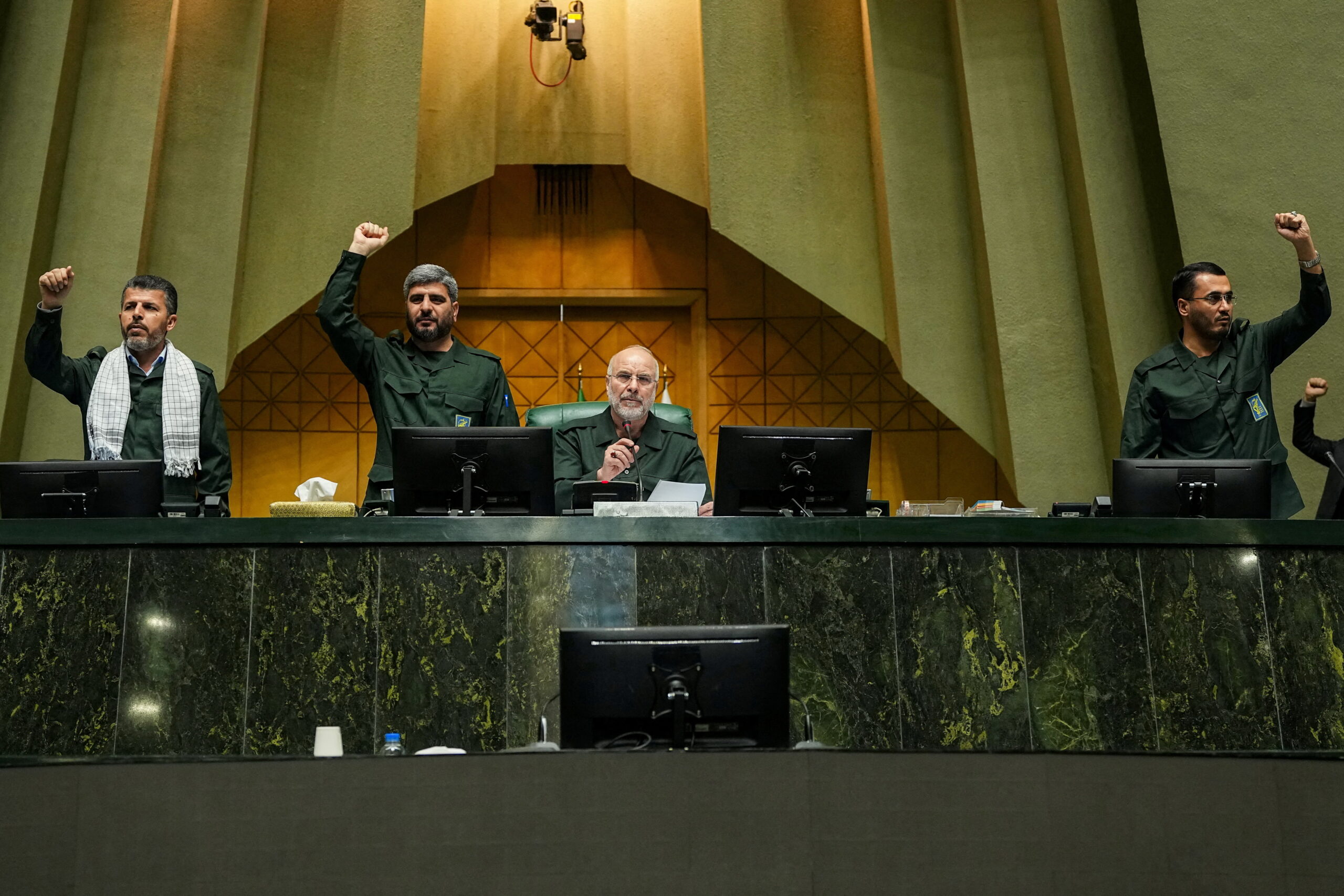
Events
Book Talk: Iran and the Bomb: The United States, Iran and the Nuclear Question
On June 16, AGSI hosted a discussion on the evolution of Iran's nuclear program.
Speakers

Apr 21, 2026
Inside Iran’s Wartime Leadership: Power, Succession, and Regime Stability
On April 21, AGSI hosted a discussion on the evolution of Iran's leadership during the war.
Speakers

Mar 18, 2026
In Its Conflict With the United States and Israel, Does Escalation Favor Iran?
On March 18, AGSI hosted a discussion on the escalation of the Iran war.
Speakers


Mar 2, 2026
After the Shock: Implications of the U.S.–Israeli Strikes and Iran’s Leadership Transition
On March 2, AGSI hosted a discussion on the U.S.-Israeli strikes on Iran.
Speakers