Oct 11, 2024
Iran’s Elite Reconciliation at Home, and Outreach to the Arab World
The October 11 Iran Media Review identifies how external pressure from Israel appears to be bringing Iran’s rival bureaucracies closer to each other, and how Iran is reaching out to the Arab world for support.

Unofficial mouthpieces of the Islamic Revolutionary Guard Corps seldom praise Iran’s Ministry of Foreign Affairs. On the contrary, many a foreign minister have fallen victim to the machinations of the IRGC and its network. Nevertheless, Foreign Minister Abbas Araghchi, who previously, in his capacity as nuclear negotiator, was the target of the IRGC media, is now the subject of panegyric articles in Javan newspaper, the most official among the IRGC’s multiple mouthpieces. Javan also appears to be warming to Iran’s regional rival Saudi Arabia, yet at times, there are glimpses of the iron fist under the velvet glove: Javan has not only used “reactionary” to describe the ruling houses of Arab states but has also accused them of encouraging Israel’s behavior in Gaza and Lebanon with their silence. Javan even outright stated that President Masoud Pezeshkian threatened that Iran will respond “proportionately” if the Arab states allow their airspace or military bases to be used in attacks against Iran.
- October 10: Javan newspaper praised Araghchi’s diplomatic efforts:
- “There was a time when the field of diplomacy and the battleground were perceived as distinct, and many a political game were played centering around this duality. Today, however, the false duality is gone. When the late Hussein Amir-Abdollahian,” the former foreign minister who was killed along with the president in a May helicopter crash, “entered the arena … he brought the Foreign Ministry back into the rail of pursuing the regime’s objectives … Now, Seyyed Abbas Araghchi too is showing that he is moving along this honorable and principled path.”
- “The peak of Araghchi’s diplomatic effort was his visit to Beirut, onboard a plane carrying humanitarian aid to Lebanon at a time when the Zionist regime was conducting air operations against Lebanon … Next, Araghchi visited Syria.”
- “Araghchi’s diplomacy toward the West is proactive … To the extent Iran’s interests dictate, he negotiates, and, if not, the West receives a powerful response from him. His conversations with foreign ministers of Britain, France, the Netherlands, and other countries regarding the missile attack of the Islamic Republic of Iran … provide examples of powerful responses.”
- October 10: In a separate article, Javan newspaper reported on Araghchi’s visit to Riyadh:
- “At a time when Benjamin Netanyahu, prime minister of the Zionist regime, is being adventurous in Lebanon, in an attempt to expand the scope of the war against the axis of resistance, Iran, besides establishing deterrence through the Operation Truthful Covenant II,” referencing Iran’s October 1 missile attack against Israel, “is, with help from Islamic countries, engaged in containing the unhinged regime to bring back stability and calm to the region.”
- “Visiting Saudi Arabia, Foreign Minister Abbas Araghchi emphasized: ‘Islamic countries are engaged in a concerted effort. Iran’s policy is to support the resistance. This is a fundamental policy that will not be abandoned. If there is consultation, it is in order to stop the crimes,” of Israel. “On many occasions, we have declared that Iran does not want to increase tensions, although we do not fear war and are ready for any scenario. Our armed forces are fully prepared.”
- “This visit comes in the wake of President Masoud Pezeshkian’s visit to Qatar, where he also met Saudi Foreign Minister Faisal bin Farhan.”
- “In recent days, Iran told the Arab states of the region that any move against Tehran by a country in the Persian Gulf region, be it use of their airspace or military bases, will be perceived as a threat by Tehran and that Iran will respond to it proportionately.”
- “One of the reasons behind continued crimes of the Zionist regime in Gaza and, more recently, in Lebanon, is the silence of reactionary Arab countries, which did not do anything to stop the war machine of this regime. With their silence, they encouraged Tel Aviv to continue its slaughter … If Israel’s savagery is not stopped in Gaza and Lebanon, other Arab states will also be subject to Israeli aggression.”
The views represented herein are the author's or speaker's own and do not necessarily reflect the views of AGSI, its staff, or its board of directors.
Related
Iran Media Review
Oct 8, 2024
Ayatollah Khamenei’s Sermon
The October 8 Iran Media Review highlights key points in Iranian Supreme Leader Ayatollah Ali Khamenei’s Friday prayer sermon following the killings of a number of Iranian-allied political and military leaders.
Iran Media Review
Oct 4, 2024
IRGC Newspaper Demands Nuclear Bomb
The October 4 edition of the Iran Media Review surveys the range of Iranian commentary following Tehran’s October 1 retaliatory attack against Israel.
Oct 8, 2024
Ayatollah Khamenei’s Sermon
The October 8 Iran Media Review highlights key points in Iranian Supreme Leader Ayatollah Ali Khamenei’s Friday prayer sermon following the killings of a number of Iranian-allied political and military leaders.
Oct 4, 2024
IRGC Newspaper Demands Nuclear Bomb
The October 4 edition of the Iran Media Review surveys the range of Iranian commentary following Tehran’s October 1 retaliatory attack against Israel.
Analysis
The Islamic Republic Returns to Offense
After U.S.-Israeli strikes killed Supreme Leader Ayatollah Ali Khamenei on February 28, Iran’s collective leadership has concluded that the best defense is a good offense.
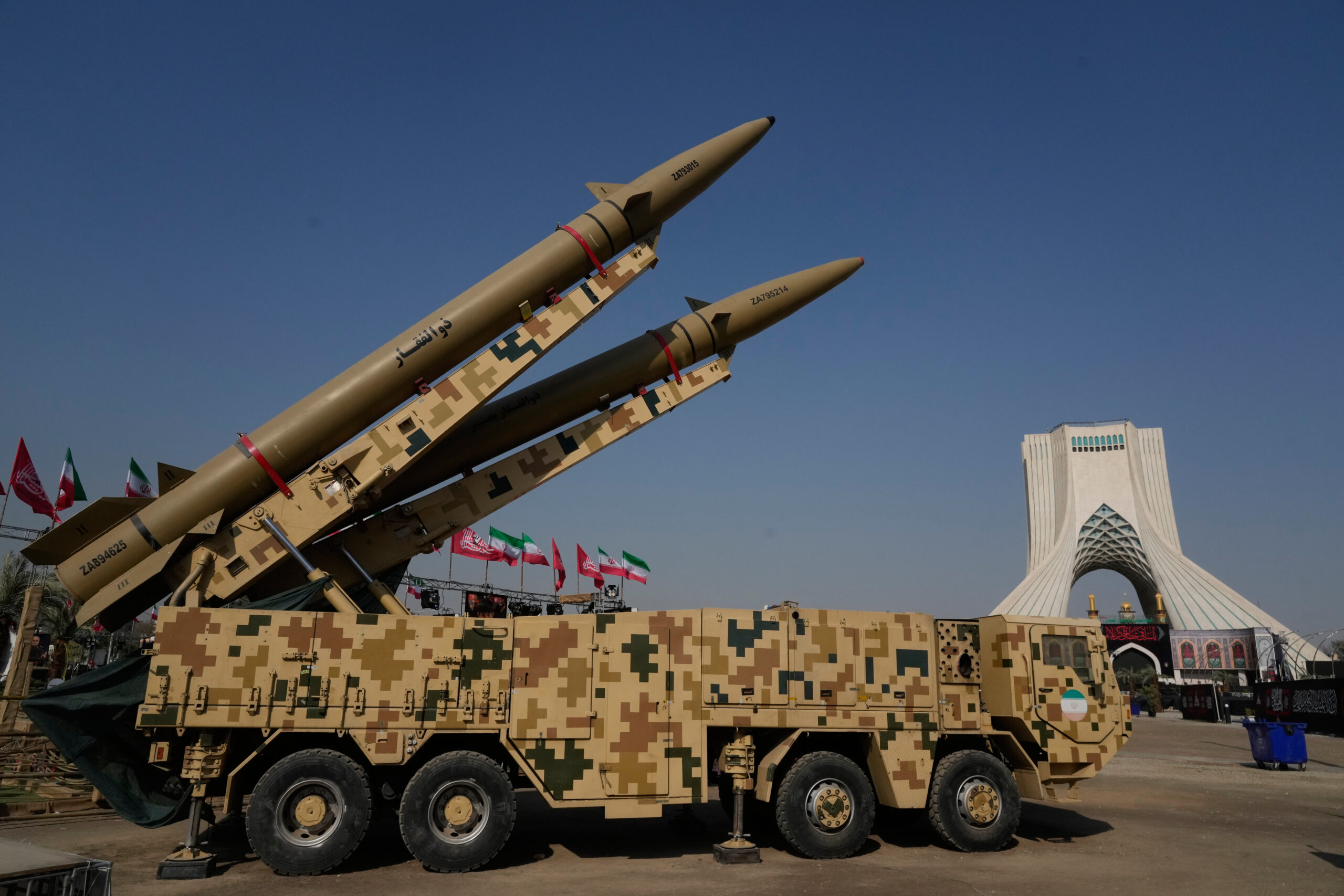
Iran’s Collective Strategic Decision Making
Wartime pressure has temporarily aligned the leadership’s overriding interest in regime survival, even as its members continue to differ over the costs, methods, and ultimate objectives of the war.
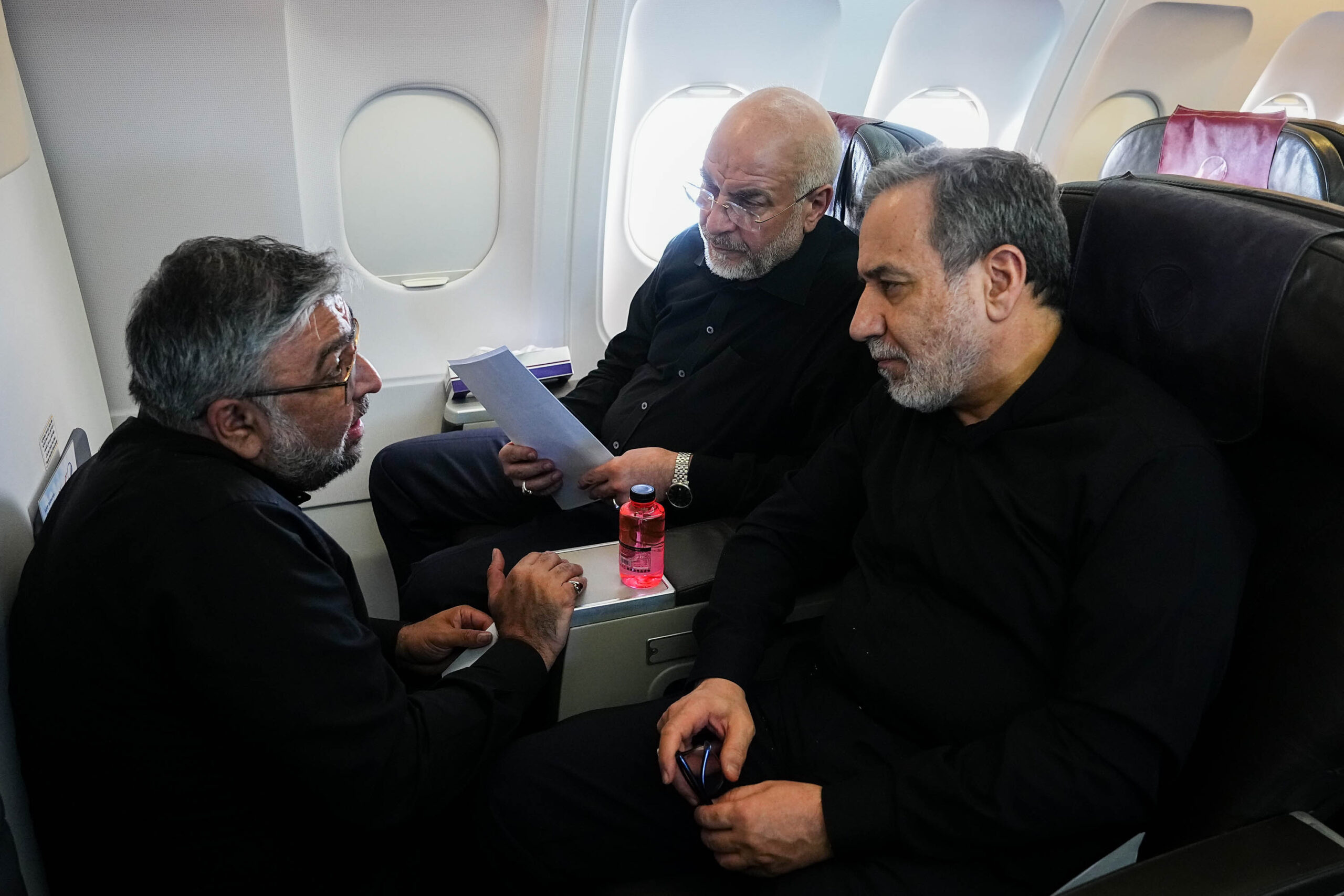
The Islamic Republic’s Collective Leadership
While there is historical precedent for collective leadership in Iran, today’s leadership includes representatives of the IRGC and regular military – a reflection of the IRGC’s expanding role and the necessities of governing under wartime conditions.
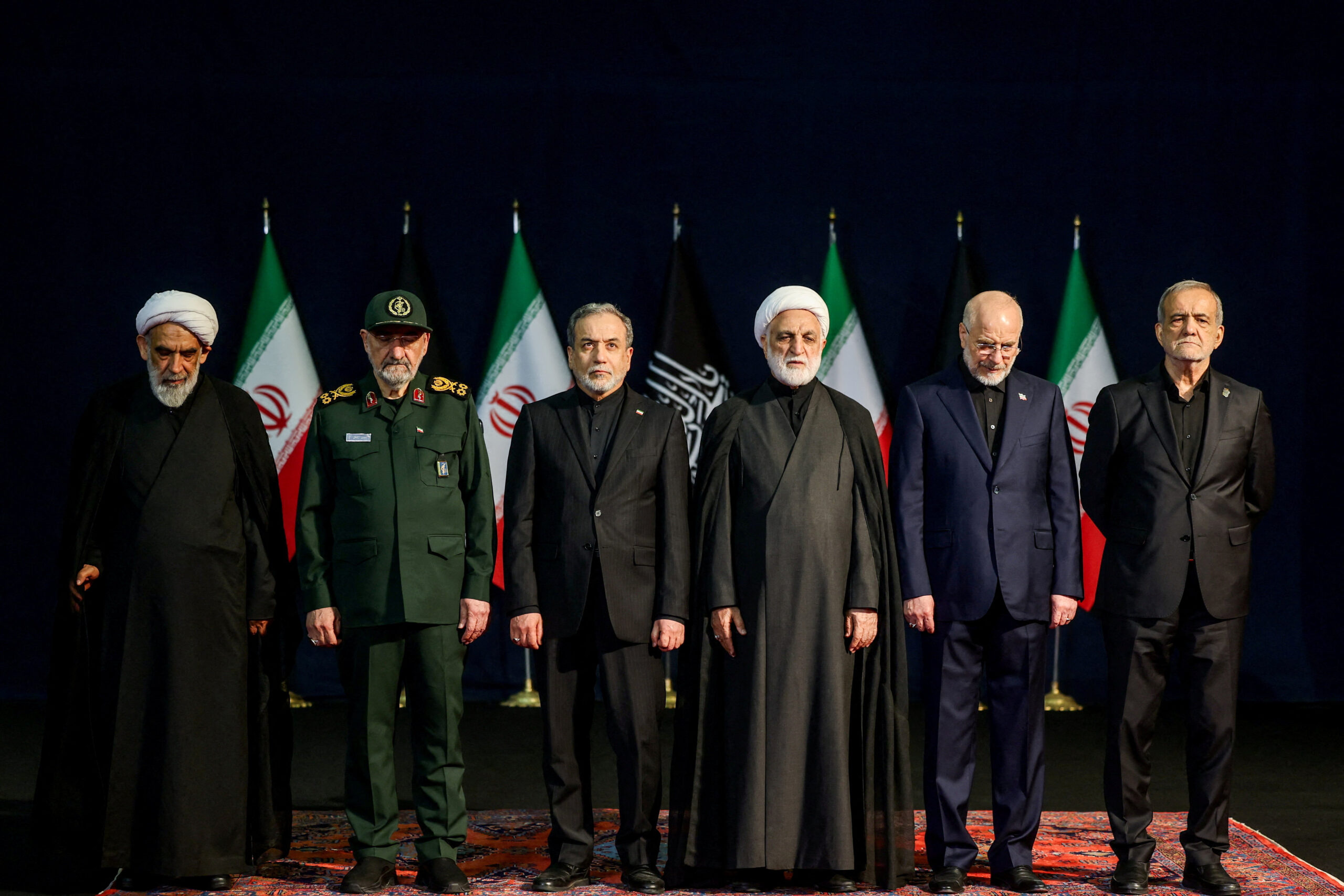
How Did the IRGC Seize Power in Iran?
The IRGC did not seize power in a single stroke. It accumulated it – patiently, methodically – until no counterweight remained.
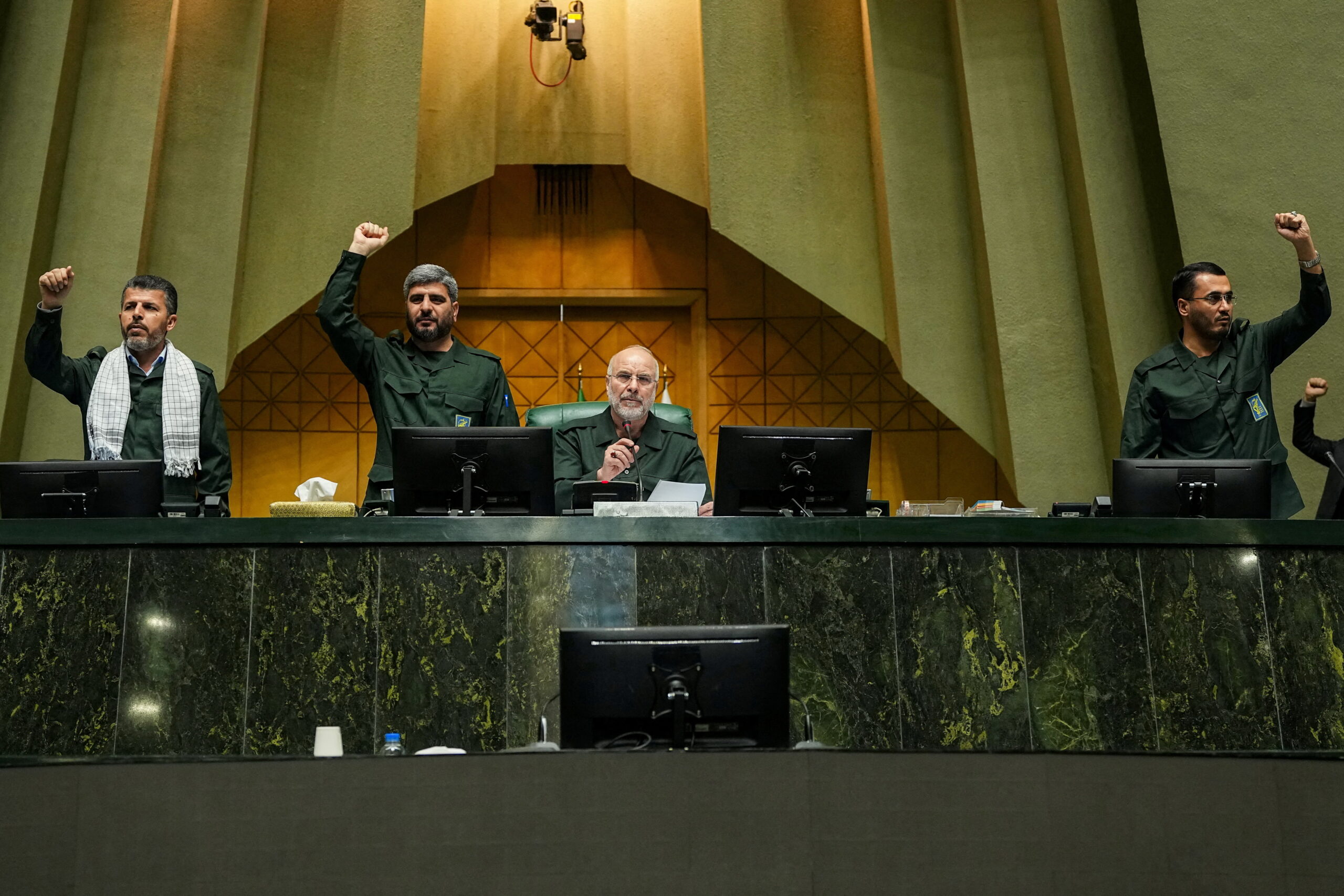
Events
Book Talk: Iran and the Bomb: The United States, Iran and the Nuclear Question
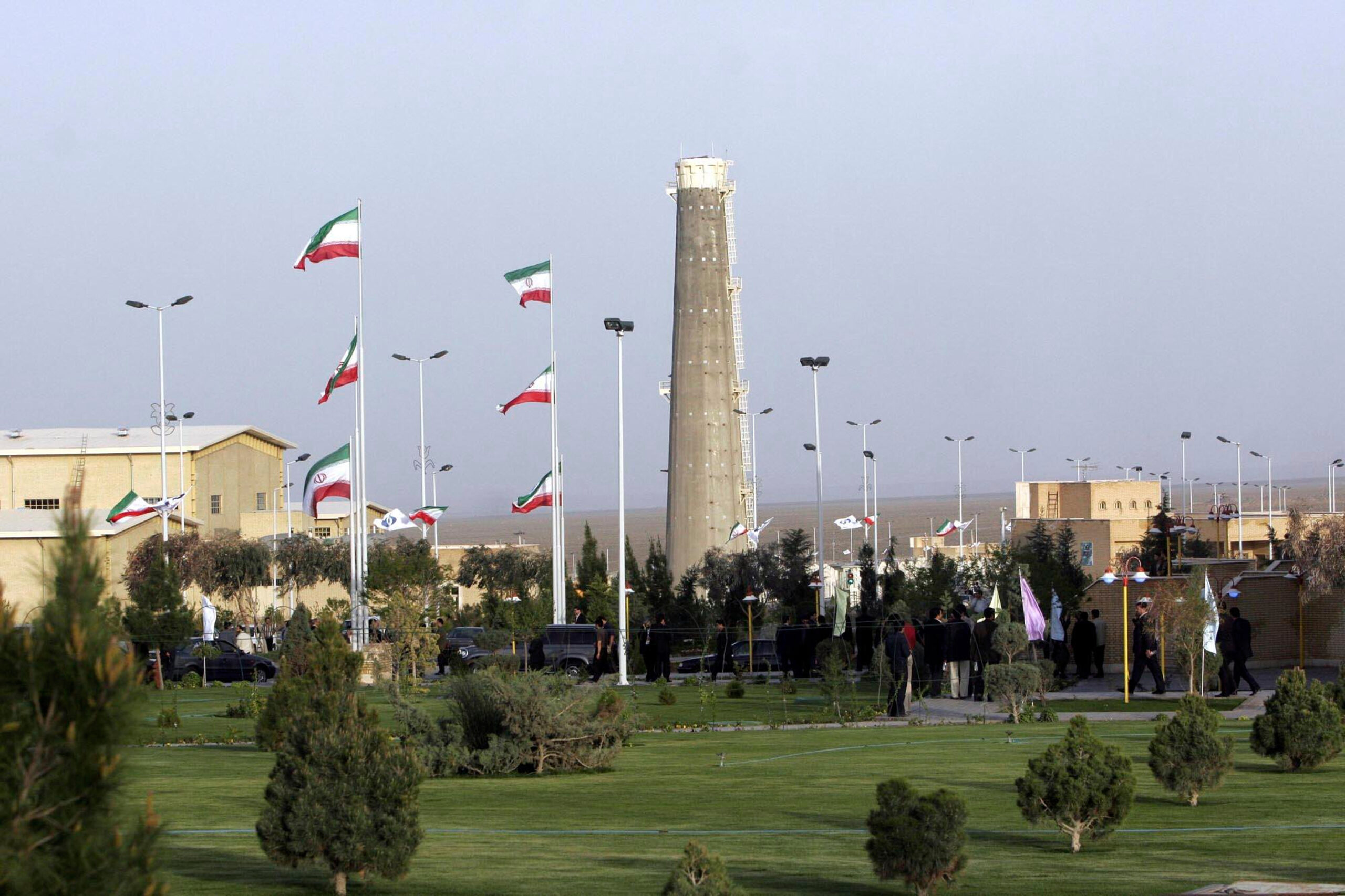
On June 16, AGSI hosted a discussion on the evolution of Iran's nuclear program.
Speakers

Apr 21, 2026
Inside Iran’s Wartime Leadership: Power, Succession, and Regime Stability
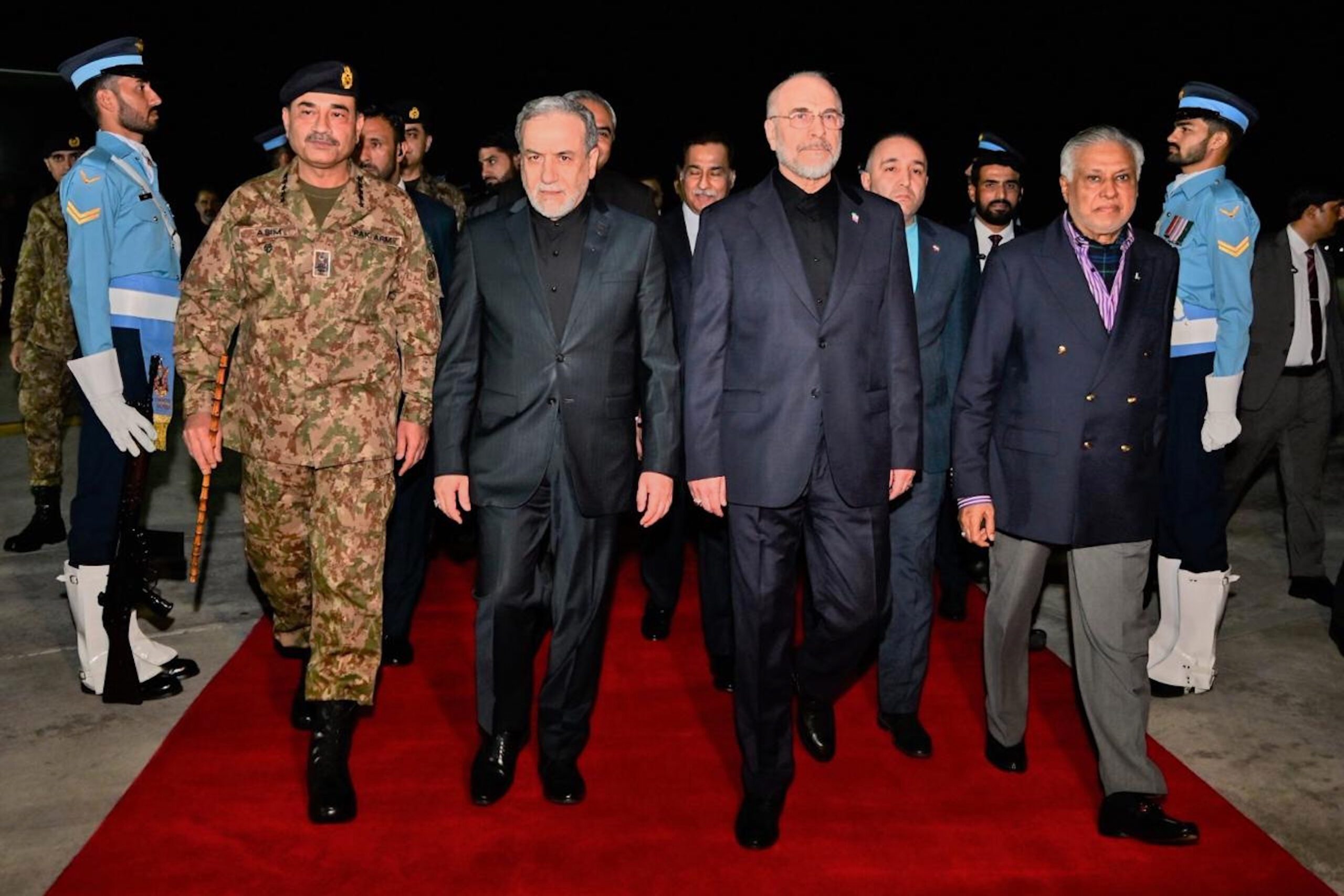
On April 21, AGSI hosted a discussion on the evolution of Iran's leadership during the war.
Speakers

Mar 18, 2026
In Its Conflict With the United States and Israel, Does Escalation Favor Iran?
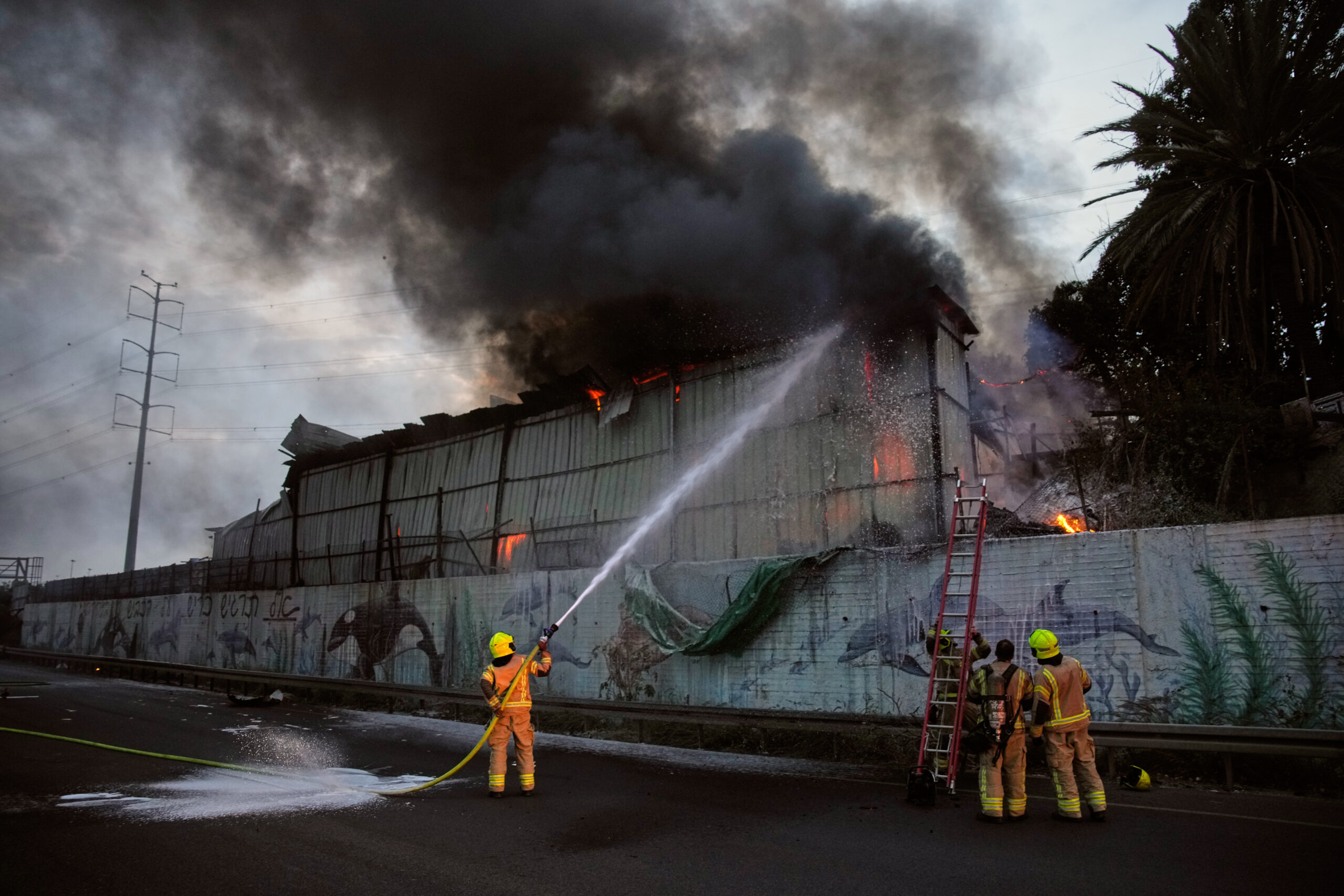
On March 18, AGSI hosted a discussion on the escalation of the Iran war.
Speakers


Mar 2, 2026
After the Shock: Implications of the U.S.–Israeli Strikes and Iran’s Leadership Transition
On March 2, AGSI hosted a discussion on the U.S.-Israeli strikes on Iran.
Speakers