Aug 13, 2024
Reformist Criticism of Pezeshkian’s Proposed Cabinet
The August 13 edition of the Iran Media Review explores criticism from Iran’s reformist camp regarding President Masoud Pezeshkian’s Cabinet picks.

As Iranian President Masoud Pezeshkian presented his Cabinet choices to the Parliament August 11, he encountered criticism from the reformist camp, which accuses him of rewarding his political opponents instead of reformists, whose votes and campaigning efforts secured his electoral victory. There is some merit in this argument: Three out of 19 proposed Cabinet ministers served in the late President Ebrahim Raisi’s Cabinet. Five proposed ministers either served in cabinet, cabinet-level, or deputy minister capacities in President Hassan Rouhani’s pragmatic Cabinet. The reformists, on the other hand, are underrepresented, limited to the first vice president and perhaps a couple of ministers, whose reformist credentials are even less pronounced than Pezeshkian’s. Women’s representation is limited to the proposed minister of roads and urban development. Ethnic minorities such as Kurds and Baluchis are not represented and neither are the youth. Pezeshkian’s proposed Cabinet embodies politics as the art of the possible, reflects the subtleties of factional compromises, and aims to secure a vote of confidence from an otherwise politically hostile Parliament. However, should Pezeshkian also forsake the reformists, women, youth, and ethnic and religious minorities in lower-level political appointments, those groups will be correct in accusing him of compromising himself and his declared ideals, rather than engaging in compromises for the sake of the greater good.
- August 11: Reformist Entekhab warned the “reformist Cabinet is infiltrated by principalists,” referring to the ministers from the late President Ebrahim Raisi’s Cabinet who are among Pezeshkian’s proposed ministers.
- August 11: Azar Mansoori, chairwoman of the Reformist Front, which organizes supporters of former President Mohammad Khatami, in a post on X, formerly known as Twitter, lamented: “This Cabinet was supposed to be a symbol of change and not the symbol of preservation of the status quo.”
- August 11: Hossein Marashi, secretary-general of the Kargozaran Party, which constitutes the backbone of former President Hassan Rouhani’s network, in the party’s daily newspaper Sazandegi, called Pezeshkian’s proposed ministers “the possible, and not the desired, Cabinet.”
- August 12: Ali Soufi, a reformist political analyst, said in an interview with reformist Shargh Daily: “This Cabinet resembles Rouhani’s first Cabinet … a look at the candidates for the Foreign Ministry and economic ministries shows that Pezeshkian will pursue a diplomacy similar to that of Rouhani’s and an economic policy equally resembling Rouhani’s.”
The views represented herein are the author's or speaker's own and do not necessarily reflect the views of AGSI, its staff, or its board of directors.
Related
Iran Media Review
Aug 9, 2024
Iran Struggles to Deter Israel
The August 9 edition of the Iran Media Review explores Iranian media outlet quotes of alleged Israeli media sources regarding an anticipated Iranian response to the killing of Hamas’ political leader Ismail Haniyeh.
Iran Media Review
Aug 6, 2024
Reformist Media Warns Against the Risk of War in the Wake of Haniyeh Assassination
The August 6 edition of the Iran Media Review considers the hard questions being asked by reformist media outlets after the killing of Hamas’ political leader Ismail Haniyeh.
Aug 9, 2024
Iran Struggles to Deter Israel
The August 9 edition of the Iran Media Review explores Iranian media outlet quotes of alleged Israeli media sources regarding an anticipated Iranian response to the killing of Hamas’ political leader Ismail Haniyeh.
Aug 6, 2024
Reformist Media Warns Against the Risk of War in the Wake of Haniyeh Assassination
The August 6 edition of the Iran Media Review considers the hard questions being asked by reformist media outlets after the killing of Hamas’ political leader Ismail Haniyeh.
Analysis
Mohsen Rezaei at the Helm of Iran’s Supreme National Security Council
Under Rezaei, the SNSC could prove constructive or paralyze strategic decision making.
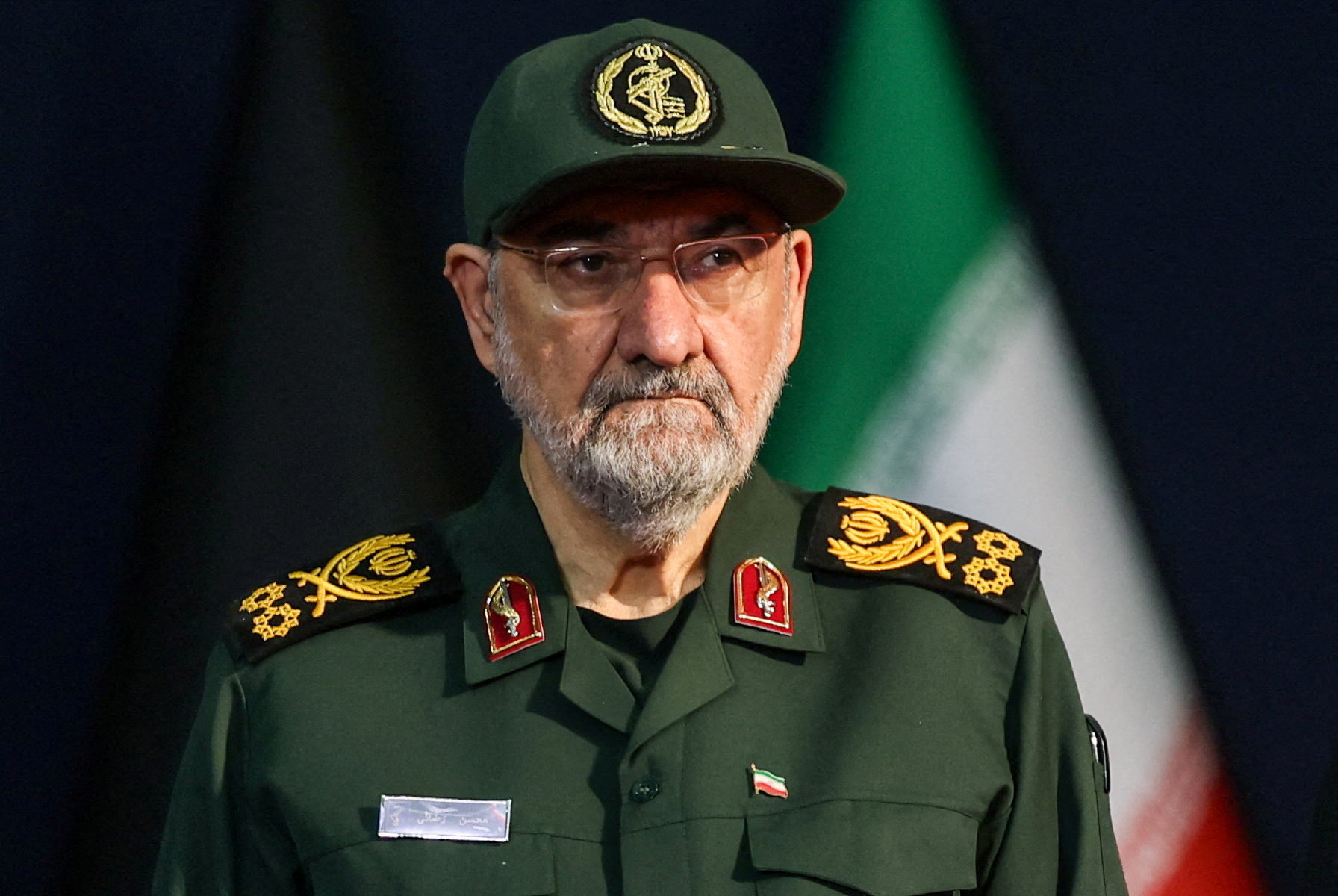
The Islamic Republic Returns to Offense
After U.S.-Israeli strikes killed Supreme Leader Ayatollah Ali Khamenei on February 28, Iran’s collective leadership has concluded that the best defense is a good offense.
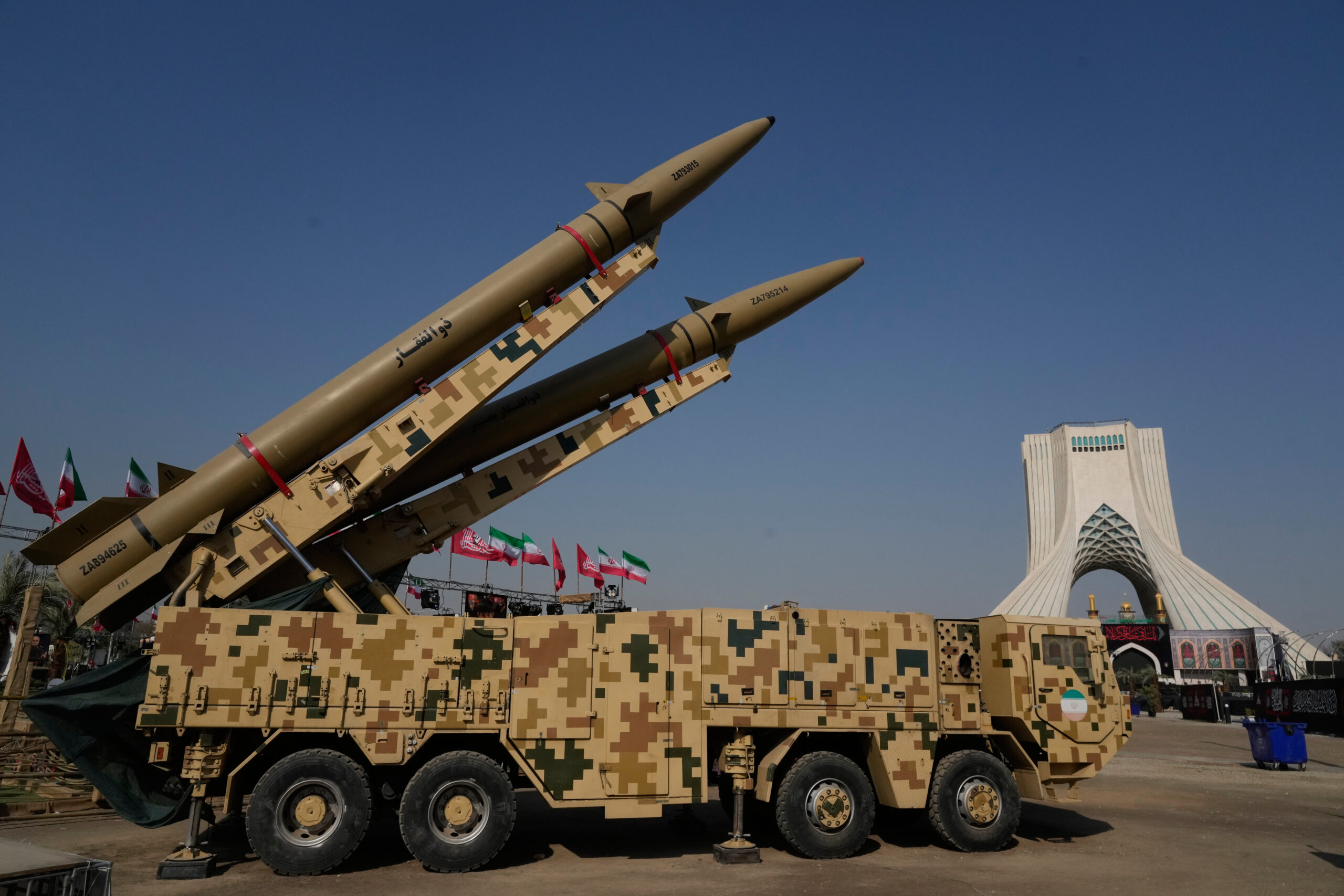
Iran’s Collective Strategic Decision Making
Wartime pressure has temporarily aligned the leadership’s overriding interest in regime survival, even as its members continue to differ over the costs, methods, and ultimate objectives of the war.
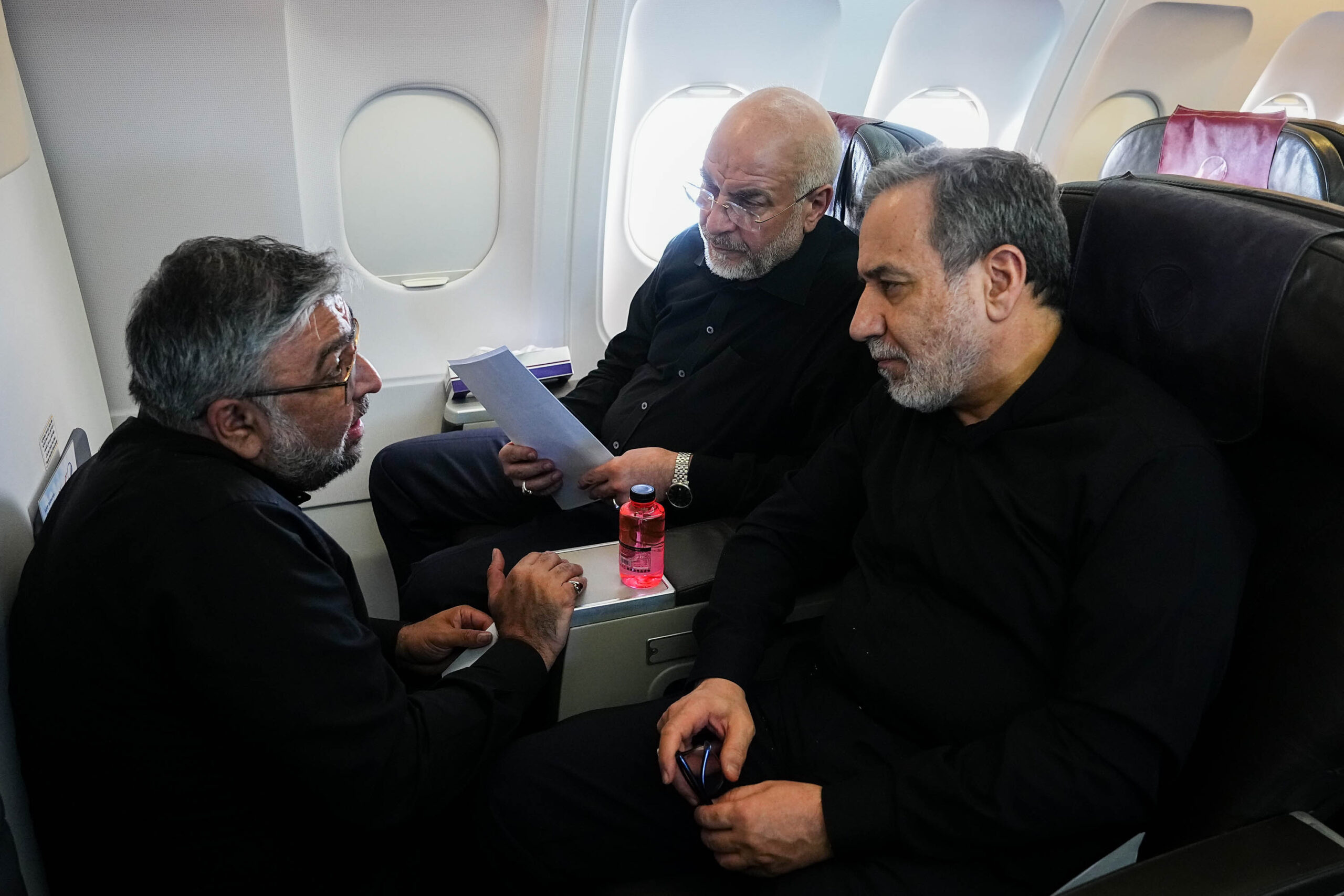
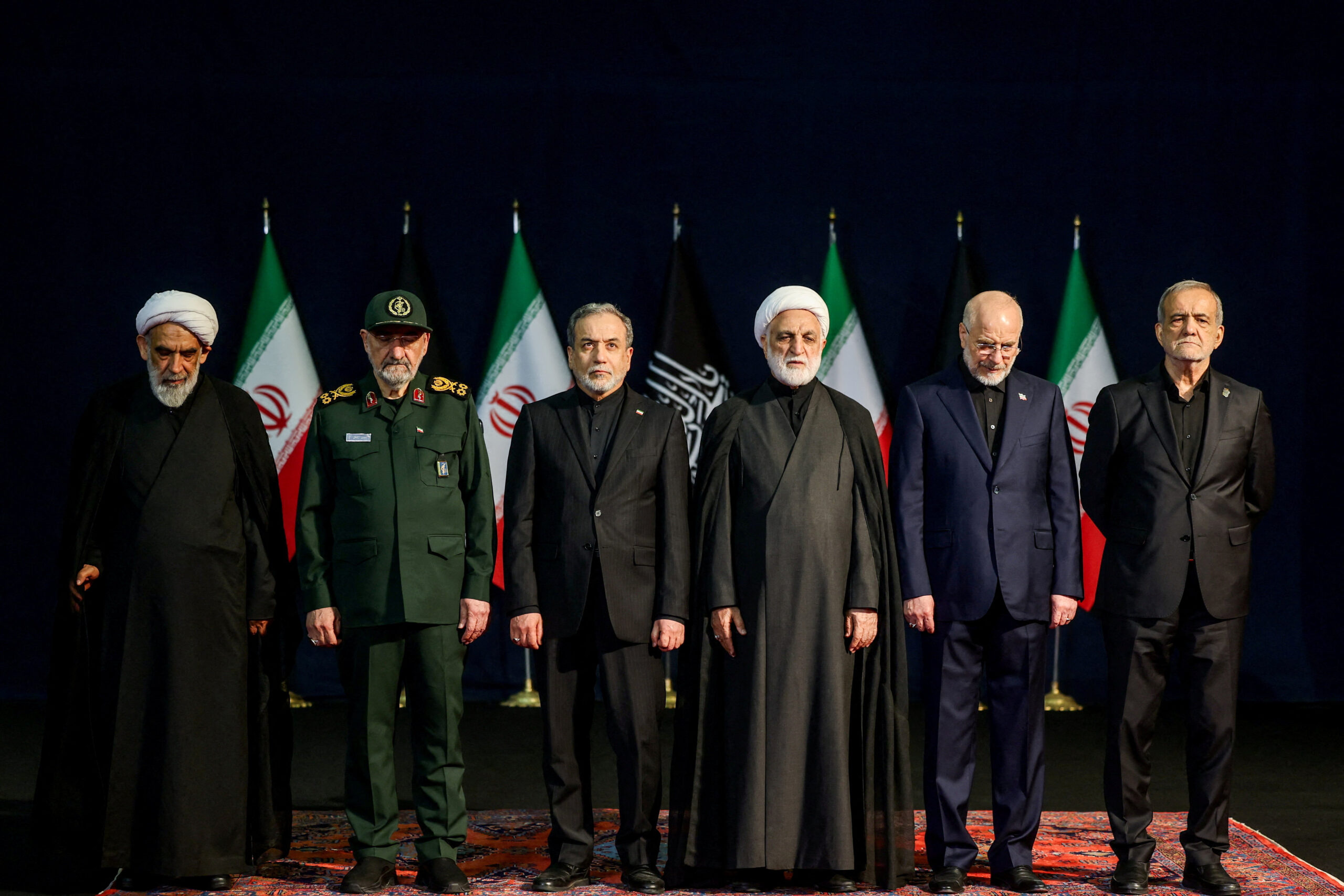
The Islamic Republic’s Collective Leadership
While there is historical precedent for collective leadership in Iran, today’s leadership includes representatives of the IRGC and regular military – a reflection of the IRGC’s expanding role and the necessities of governing under wartime conditions.
Events
Oct 6, 2026
Is the U.S.-Iran Stalemate a “New Normal” or the Prelude to Another Explosion?
On October 6, AGSI hosted a discussion on the U.S.-Iran stalemate and the prospects for a cease-fire.
Speakers



Book Talk: Iran and the Bomb: The United States, Iran and the Nuclear Question
On June 16, AGSI hosted a discussion on the evolution of Iran's nuclear program.
Speakers
Apr 21, 2026
Inside Iran’s Wartime Leadership: Power, Succession, and Regime Stability
On April 21, AGSI hosted a discussion on the evolution of Iran's leadership during the war.
Speakers

Mar 18, 2026
In Its Conflict With the United States and Israel, Does Escalation Favor Iran?
On March 18, AGSI hosted a discussion on the escalation of the Iran war.
Speakers