Apr 30, 2024
Deep Bonds: Former IRGC Chief on Slain Quds Force Field Commander for Syria and Lebanon
The April 30 edition of the Iran Media Review highlights newly released information about Brigadier General Mohammad Zahedi, a Quds Force officer killed in an Israeli strike April 1.

Extreme events, such as assassinations of senior officers, provide rare insights into the personnel and operations of the expeditionary Quds Force of the Islamic Revolutionary Guard Corps and other Iranian special forces, which for the most part operate in the shadows. The Israeli bombing of the Iranian Consulate in Damascus April 1, which killed Brigadier General Mohammad Zahedi, who previously served as the Quds Force’s field commander in Syria and Lebanon, is no exception. A wealth of information about the slain commander has since emerged in Persian-language sources, including a six-part interview with Major General Yahya-Rahim Safavi, the former chief commander of the IRGC. The interview reveals how fighting the rebellion in Iran’s Kurdistan region in 1980 shaped Zahedi and other IRGC members who later emerged as senior figures in the Quds Force. Moreover, involvement in the Syrian civil war may be the common denominator among those who became senior Quds Force officers.
- April 9: Safavi shared his memories of the slain Zahedi in an interview released on his official website:
- In part one of the interview, Safavi explained: “In 1980, when the separatists were almost in control of the Kurdistan region … Yousef Kolahdouz, the IRGC deputy chief, deployed me and around 200 men in Sananadj … and we engaged in hard battles to liberate Sanandaj … Back then, only the airport and the local army division headquarters were under government control … The city of Sanandaj was liberated on May 11, 1980, and one of the brave fighters, who was less than 18 years of age, was a certain Ali Zahedi. This is how I got to know him. As we continued liberating other cities in Kurdistan, we formed a brigade to liberate Mariwan, Saqqez, Baneh, and the like. The brigade was led by my own brother, who was a colonel in the army. After he was wounded, Hossein Kharazi took command over the unit, and who was his deputy? Ali Zahedi! … Even before the beginning of the war,” referencing the Iran-Iraq War, “he fought in Kurdistan. God had planned a training course for him! After the Iraqi invasion, Mr. Kolahdouz ordered my men and me to relocate to Ahwaz and to report to the Revolutionary Guard commander in Khuzestan, Mr. Shamkhani,” referencing Ali Shamkhani, who until recently served as Supreme National Security Council secretary. “Back then, we were considered battle hardened and experienced because we had fought in Kurdistan for six months. Again, it was the same group of people: Mr. Hossein Kharazi, Mr. Ali Zahedi, Seyyed Ali Bani-Lohi … We were almost 100 people … And I fought the war with this great man, Mr. Ali Zahedi, by my side throughout the entire war.”
- In part three of the interview, Safavi explained the nature of the relationship between Zahedi and the late Quds Force chief Major General Qassim Suleimani: “Suleimani knew Zahedi from the very beginning of the war with Iraq. They had engaged in operations together. It was Mr. Suleimani who presented Mr. Zahedi to His Lordship,” referencing Supreme Leader Ayatollah Ali Khamenei, “and His Lordship accepted him. He served three tenures in Lebanon and was martyred during his third tenure. He learned Arabic within a year and spoke Arabic with the dear brothers from Hezbollah. He did not speak eloquent Arabic but rather the local dialect … What he taught Lebanese Hezbollah was self-sufficiency.”
- Turning to the suspected Israeli attack on the Iranian Consulate in Damascus in part four of the interview, Safavi said: “The Israelis assassinate a large number of people … but they have now reached a dead end … The undefeated Israeli army is increasingly facing resistance.” Israel’s withdrawal from Lebanon in 2000, “the 2006 war, and now, the Deluge of Al-Aqsa,” referencing Hamas’ October 7, 2023 attack on Israel, “have shattered the political and military image of the Zionist regime … This is why they shifted their focus from the military dimension to the political and violated all international conventions by attacking the consulate … In my opinion, they had infiltrators – at the airport and other places… They are monitoring all phone lines in Syria, and they were aware of his precise location.”
The views represented herein are the author's or speaker's own and do not necessarily reflect the views of AGSI, its staff, or its board of directors.
Related
Iran Media Review
Apr 26, 2024
Talk of the Day in Iran: The Nuclear Bomb
The April 26 edition of the Iran Media Review highlights the debate over the possibility of Iran changing its nuclear policy amid rising tensions with Israel.
Iran Media Review
Apr 23, 2024
Iran: Swiss Ambassador Allegedly Summoned by IRGC Instead of Foreign Ministry
The April 23 edition of the Iran Media Review examines insights into the bureaucratic dimension of Iran’s retaliatory attack against Israel.
Apr 26, 2024
Talk of the Day in Iran: The Nuclear Bomb
The April 26 edition of the Iran Media Review highlights the debate over the possibility of Iran changing its nuclear policy amid rising tensions with Israel.
Apr 23, 2024
Iran: Swiss Ambassador Allegedly Summoned by IRGC Instead of Foreign Ministry
The April 23 edition of the Iran Media Review examines insights into the bureaucratic dimension of Iran’s retaliatory attack against Israel.
Analysis
The Islamic Republic Returns to Offense
After U.S.-Israeli strikes killed Supreme Leader Ayatollah Ali Khamenei on February 28, Iran’s collective leadership has concluded that the best defense is a good offense.
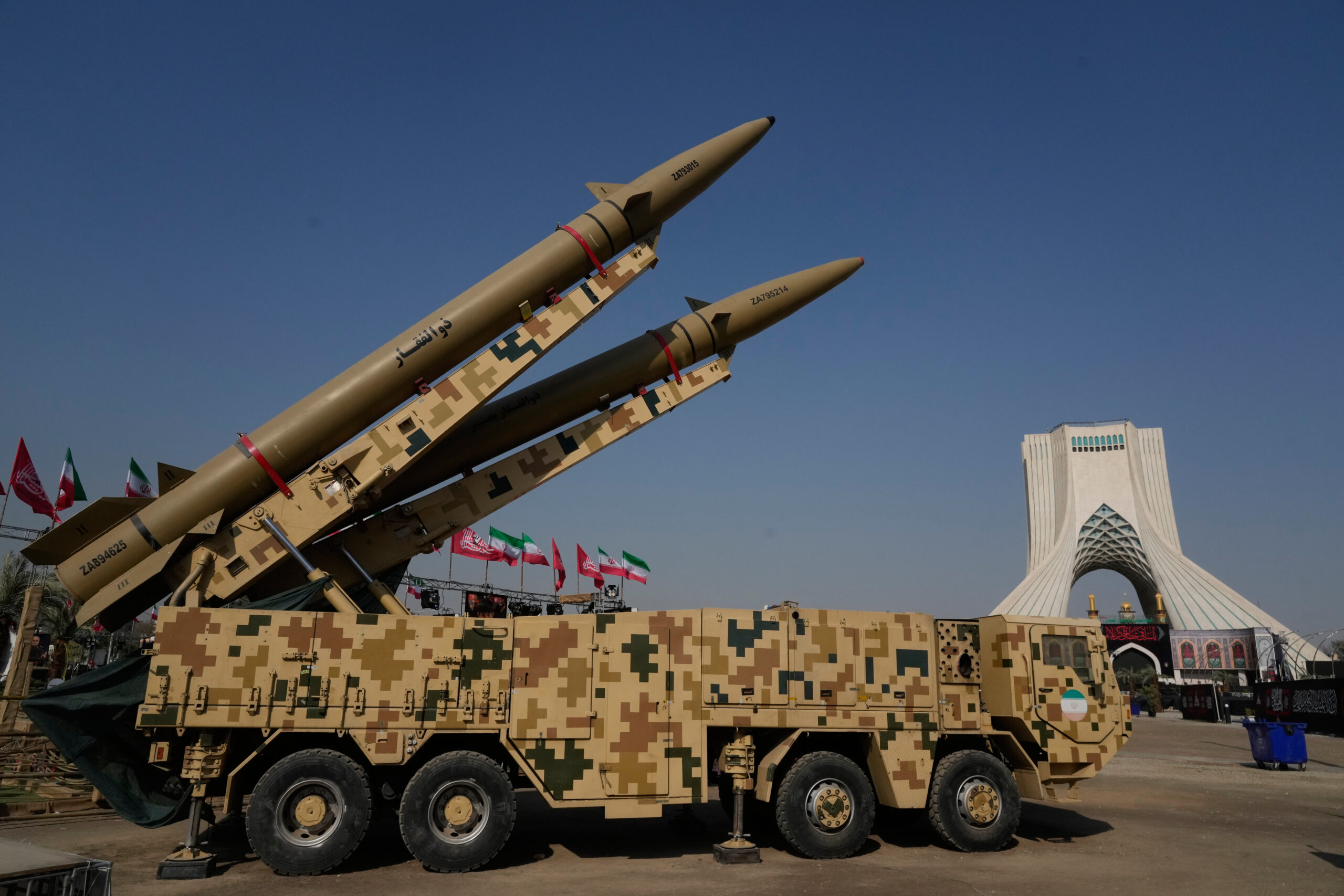
Iran’s Collective Strategic Decision Making
Wartime pressure has temporarily aligned the leadership’s overriding interest in regime survival, even as its members continue to differ over the costs, methods, and ultimate objectives of the war.
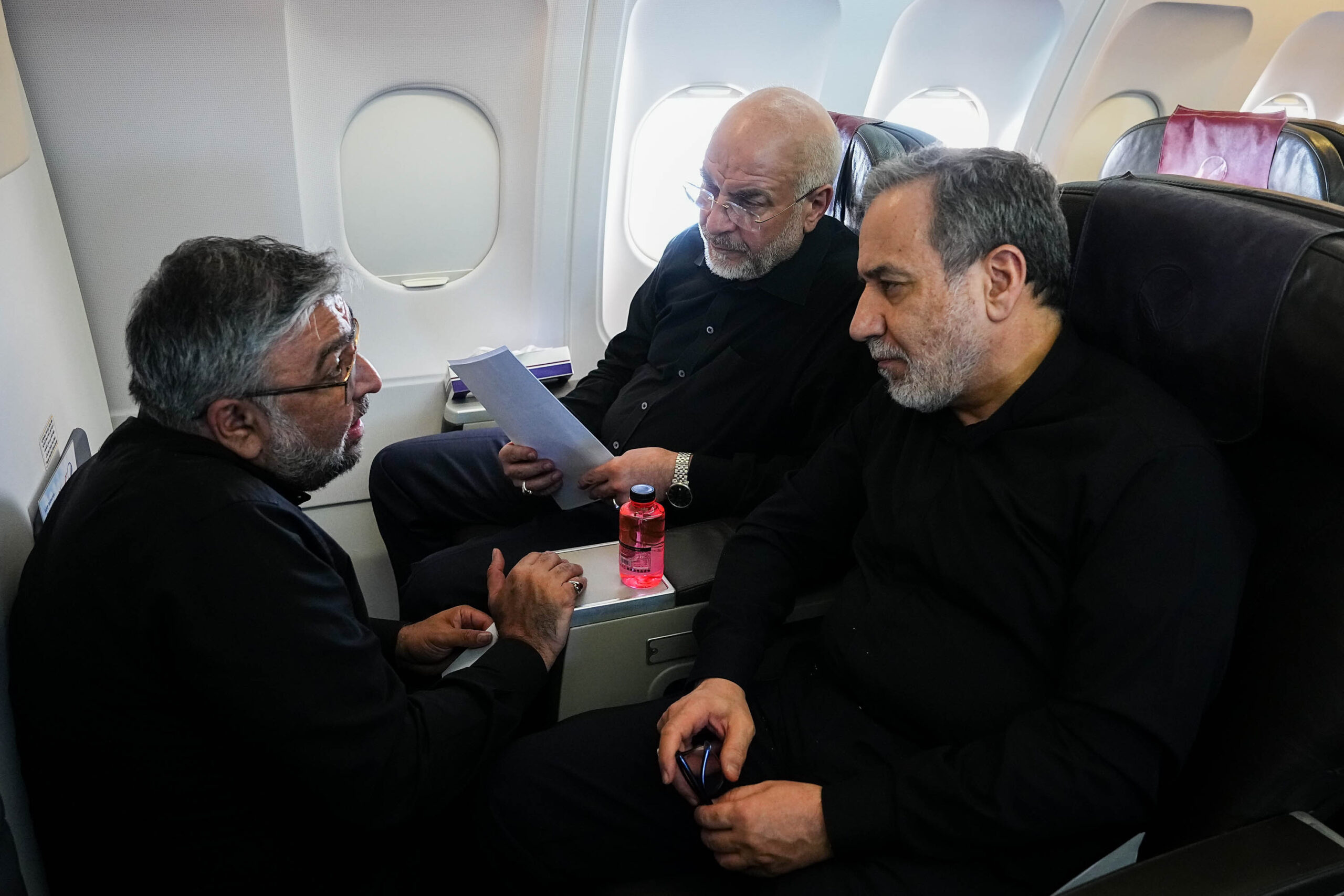
The Islamic Republic’s Collective Leadership
While there is historical precedent for collective leadership in Iran, today’s leadership includes representatives of the IRGC and regular military – a reflection of the IRGC’s expanding role and the necessities of governing under wartime conditions.
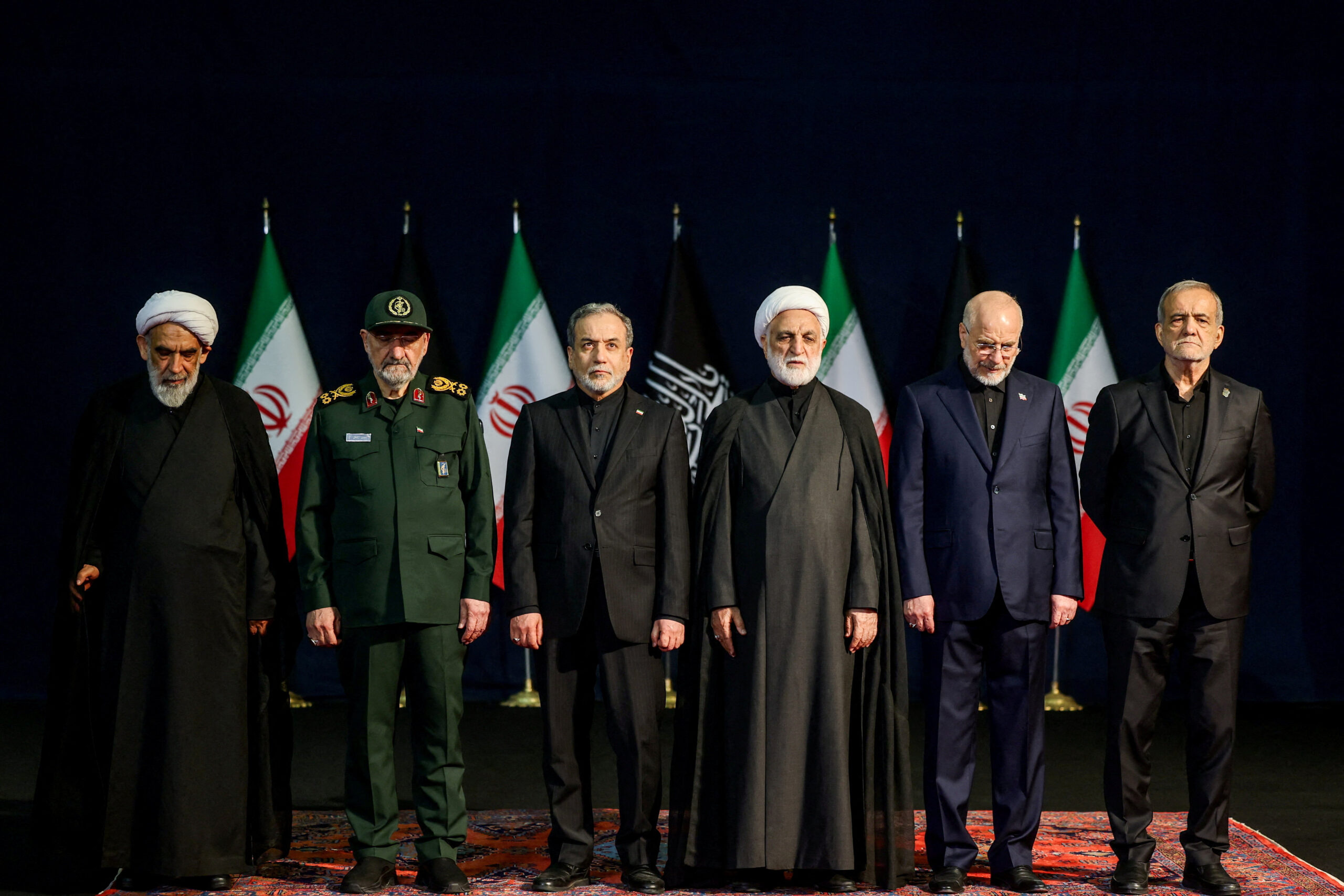
How Did the IRGC Seize Power in Iran?
The IRGC did not seize power in a single stroke. It accumulated it – patiently, methodically – until no counterweight remained.
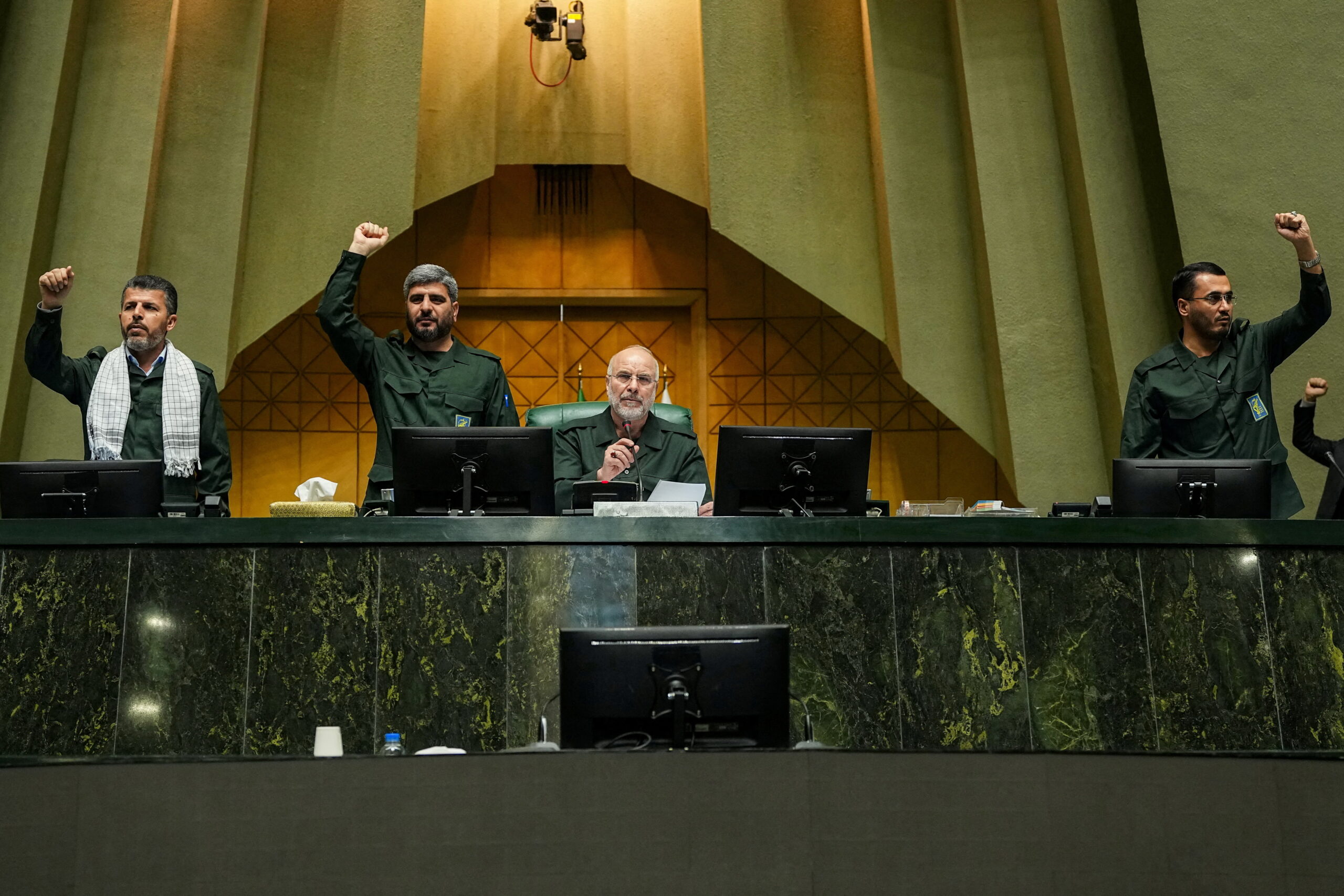
Events
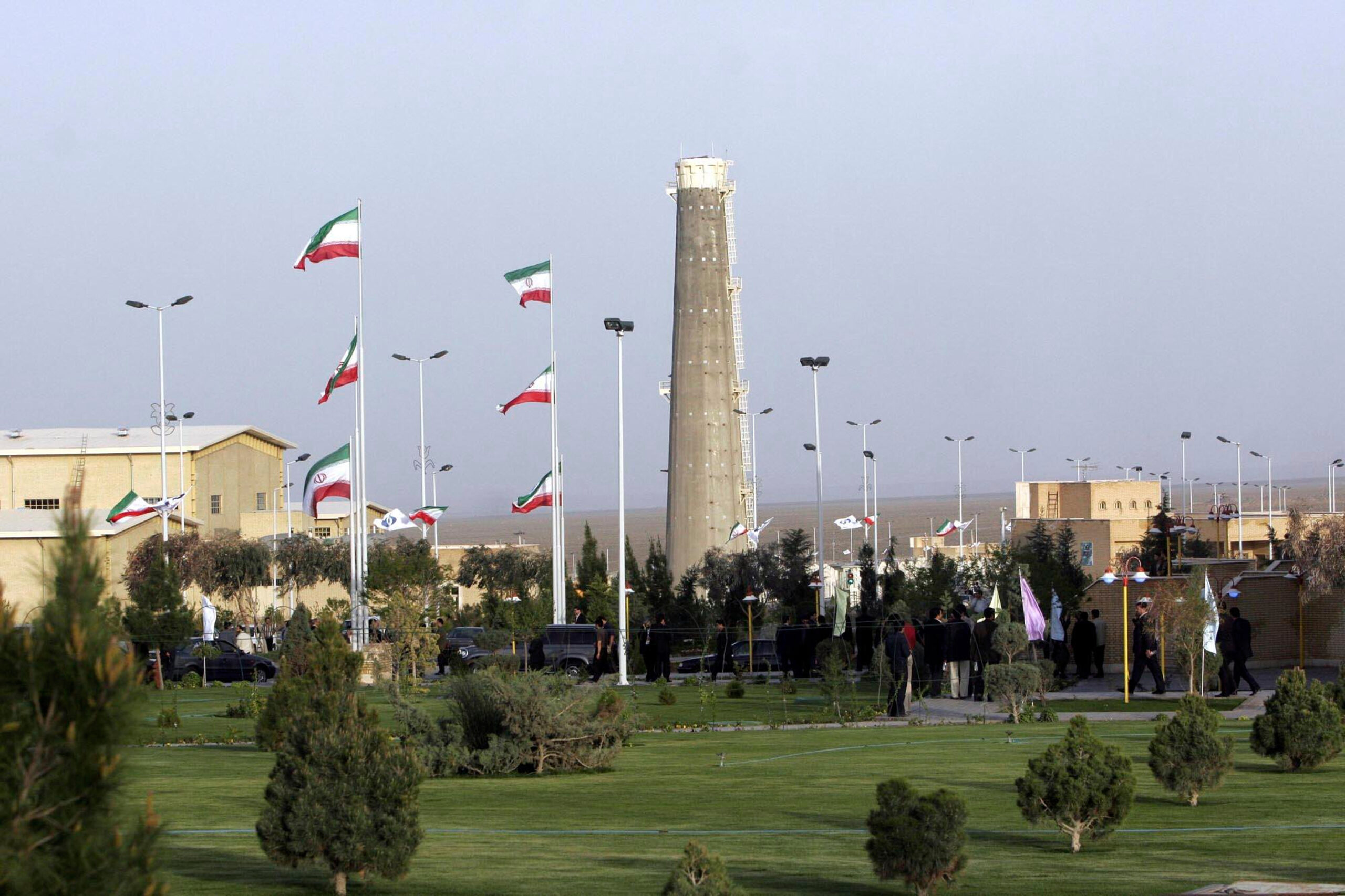
Book Talk: Iran and the Bomb: The United States, Iran and the Nuclear Question
On June 16, AGSI hosted a discussion on the evolution of Iran's nuclear program.
Speakers

Apr 21, 2026
Inside Iran’s Wartime Leadership: Power, Succession, and Regime Stability
On April 21, AGSI hosted a discussion on the evolution of Iran's leadership during the war.
Speakers

Mar 18, 2026
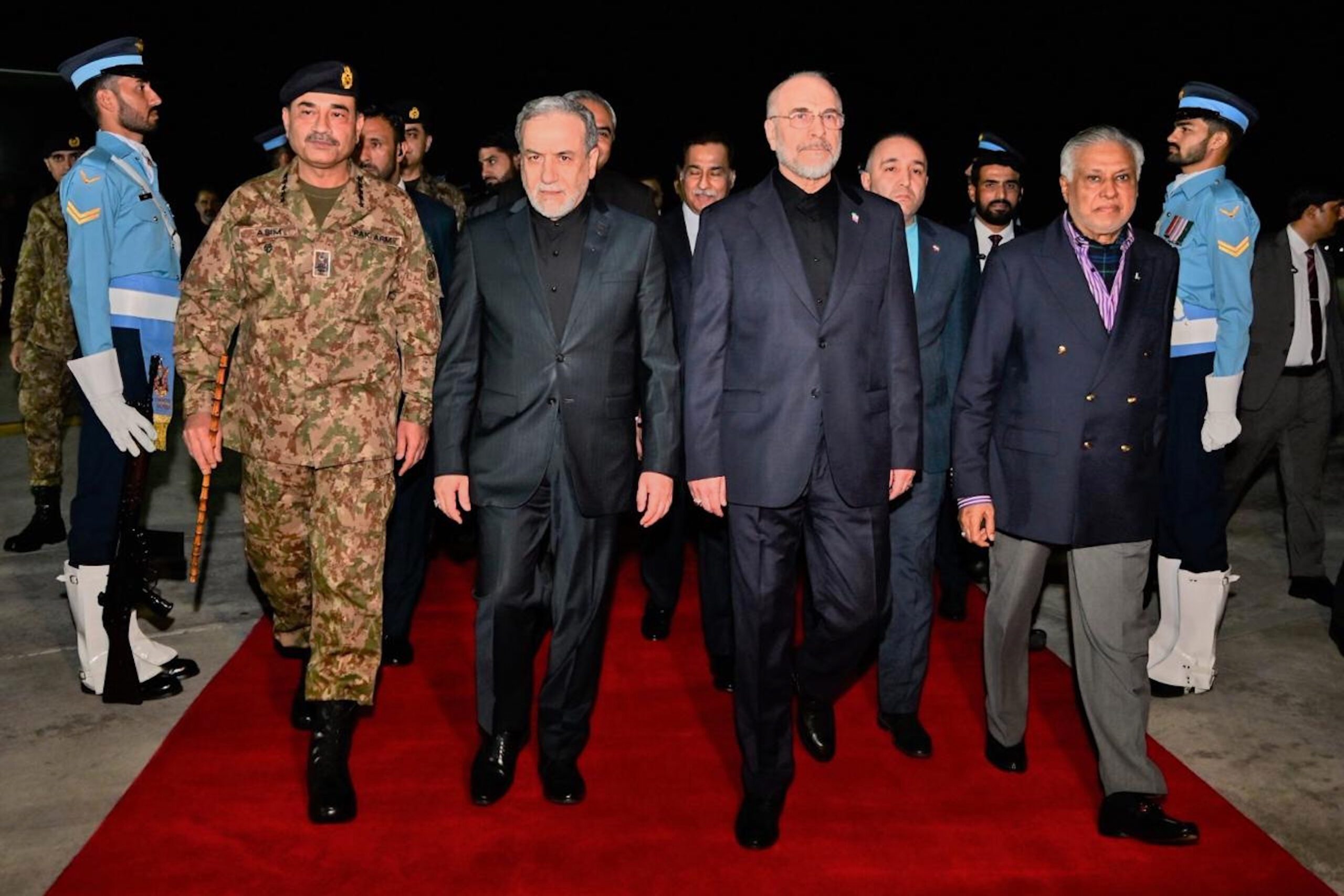
In Its Conflict With the United States and Israel, Does Escalation Favor Iran?
On March 18, AGSI hosted a discussion on the escalation of the Iran war.
Speakers


Mar 2, 2026
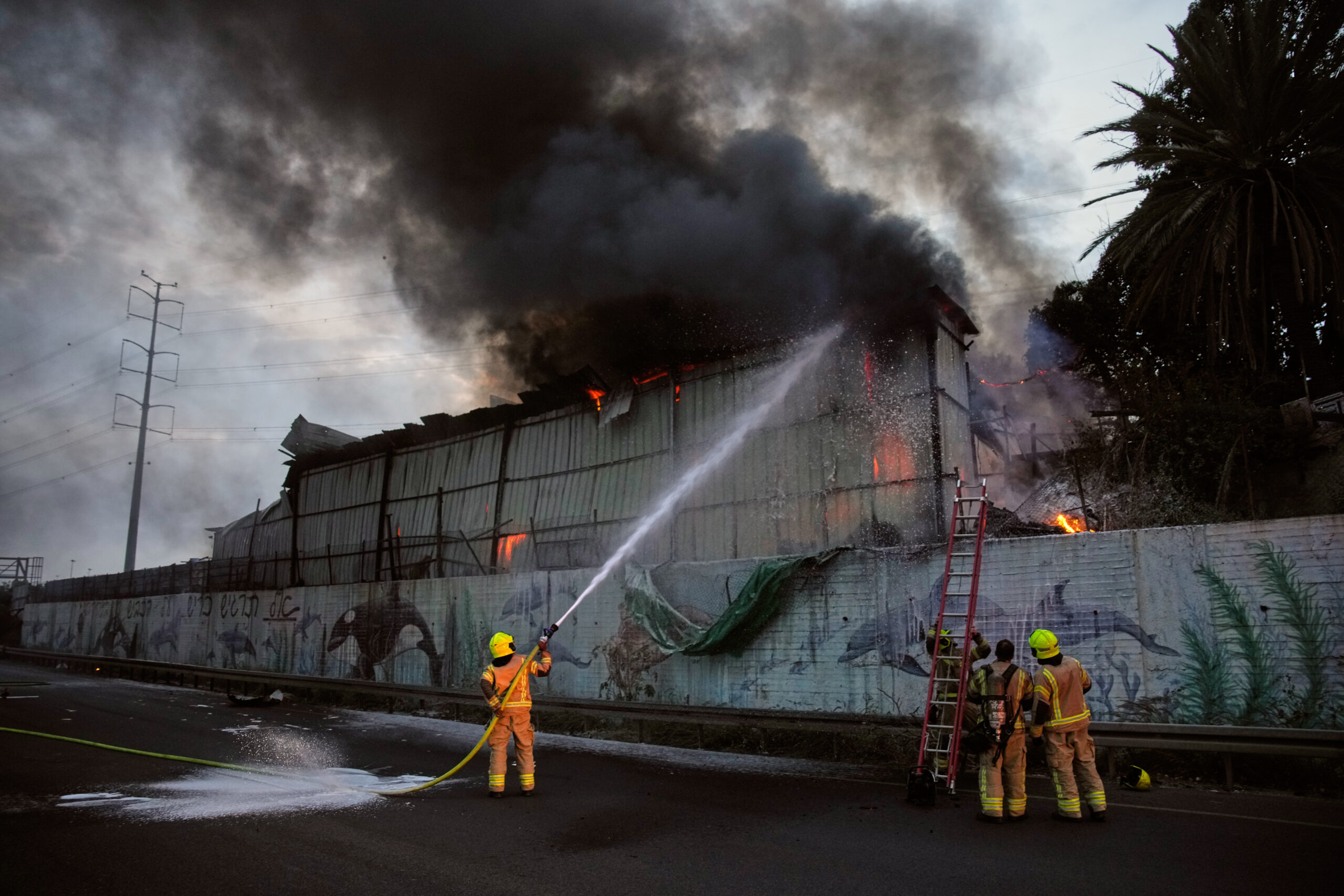
After the Shock: Implications of the U.S.–Israeli Strikes and Iran’s Leadership Transition
On March 2, AGSI hosted a discussion on the U.S.-Israeli strikes on Iran.
Speakers