The U.S. Prevented War, Yet Iran’s Strategic Decision-Making Process Remains Flawed
The crisis between Iran and Israel may be contained for now, but the breakdown in decision making that led to the end of Iran’s “strategic patience” carries risks going forward.
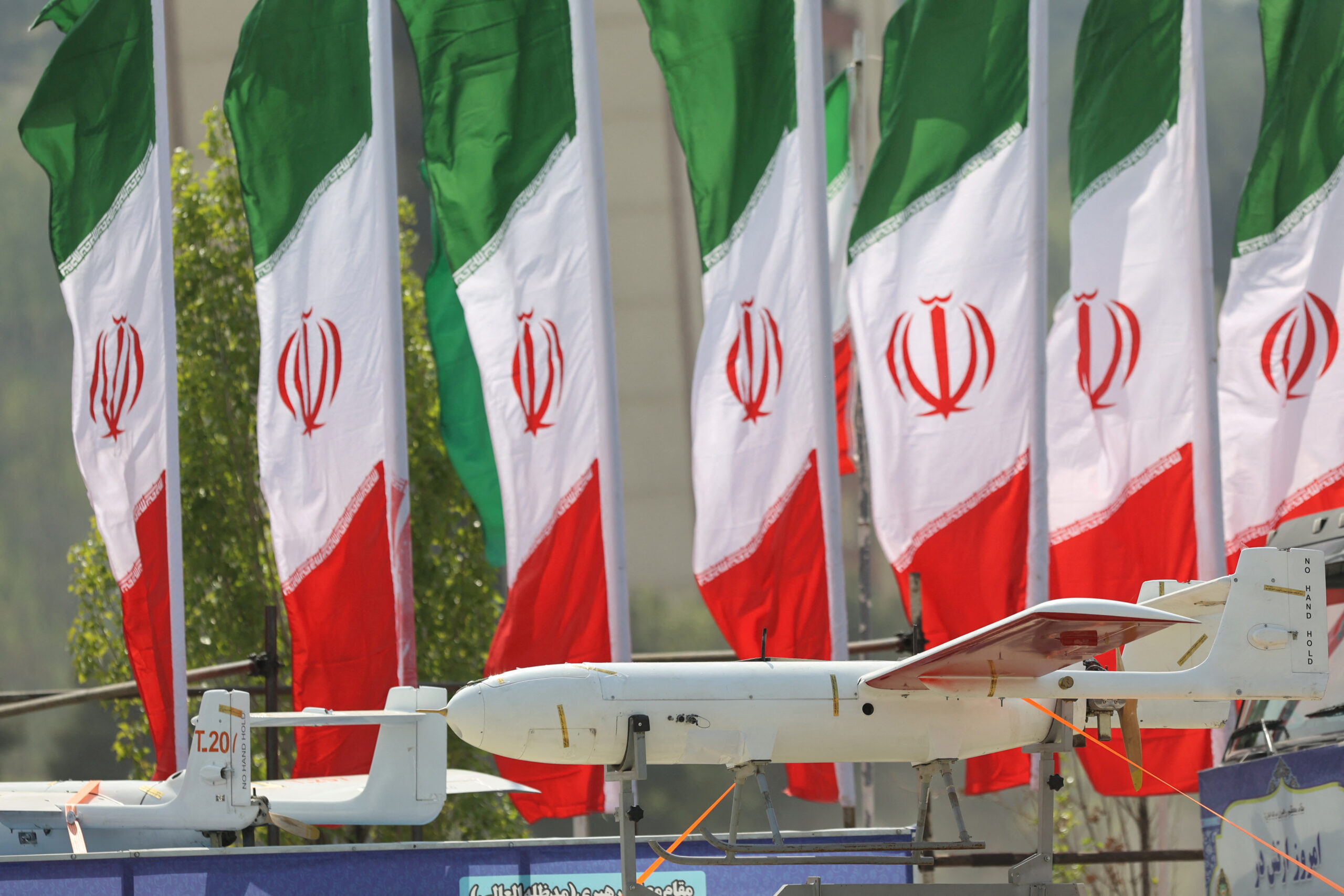
'An Iranian drone is seen during the National Army Day parade ceremony in Tehran, Iran, April 17. (Majid Asgaripour/West Asia News Agency via REUTERS)'
The Israeli military is believed to have carried out strikes against a target in Isfahan, central Iran, on April 19. This action was reportedly in retaliation for Iran’s April 13 missile and drone attack against Israel, which itself was in response to Israel’s April 1 targeting of the Iranian Consulate in Damascus, Syria. While these exchanges of attacks and counterattacks have the potential to escalate and engulf the entire Middle East region in conflict, they did not escalate further. Encouraged by the United States, both Israel and Iran exercised restraint and may even glean lessons in prudence from the crisis. However, the Iranian regime should reassess its strategic decision-making process to minimize the risk of dangerous miscalculations.
Supreme Leader Ayatollah Ali Khamenei publicly pledged to “punish” Israel following Israel’s April 1 bombing of the Iranian Consulate in Damascus. On April 2, Iranian media outlets reported that the Supreme National Security Council was scheduled to convene to discuss Iran’s response to Israel. As the SNSC deliberated, Iranian officials escalated the crisis by framing the Israeli attack as an assault on Iranian sovereignty. Additionally, Iranian authorities openly stated their intention to retaliate against Israel directly, rather than through proxies.
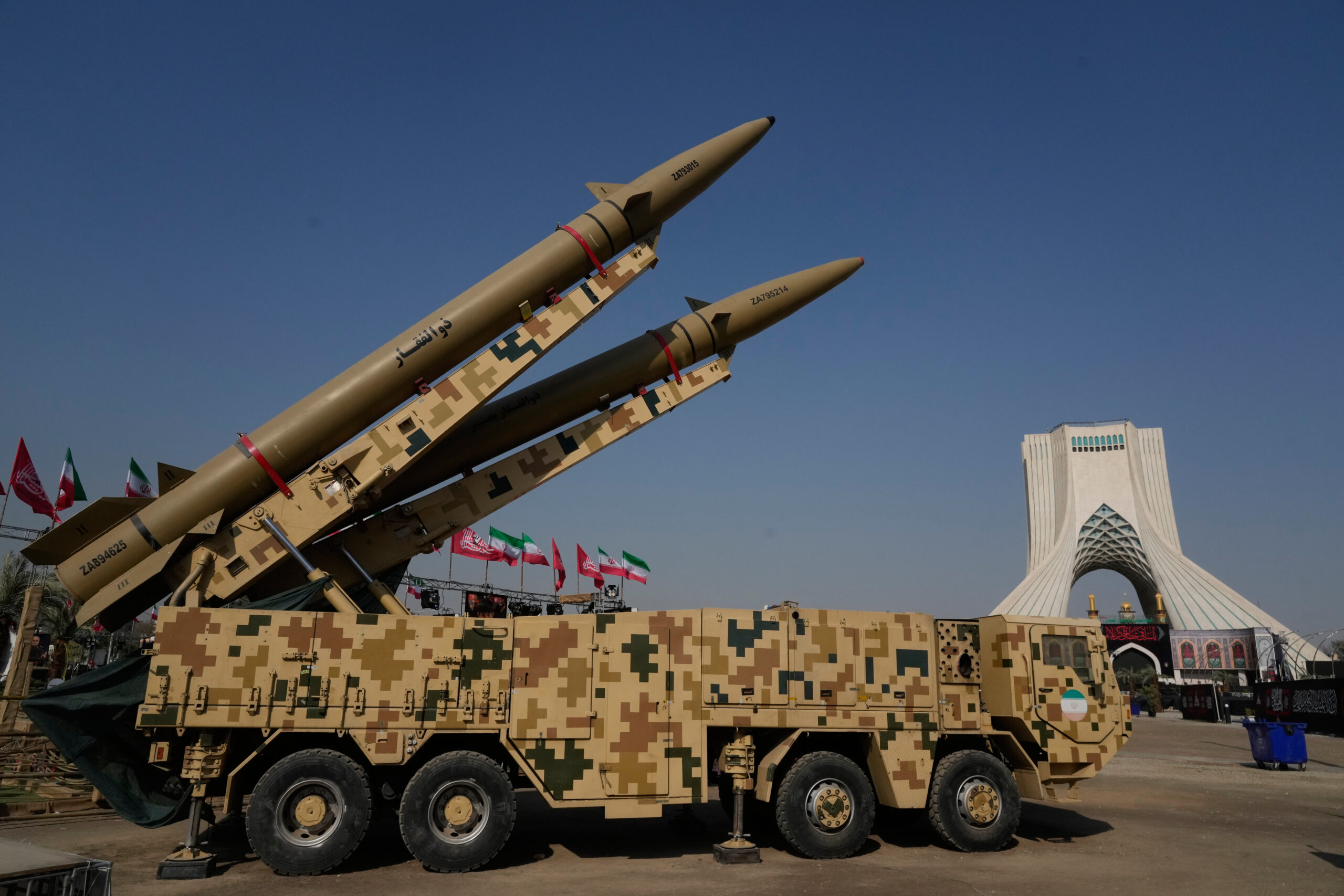
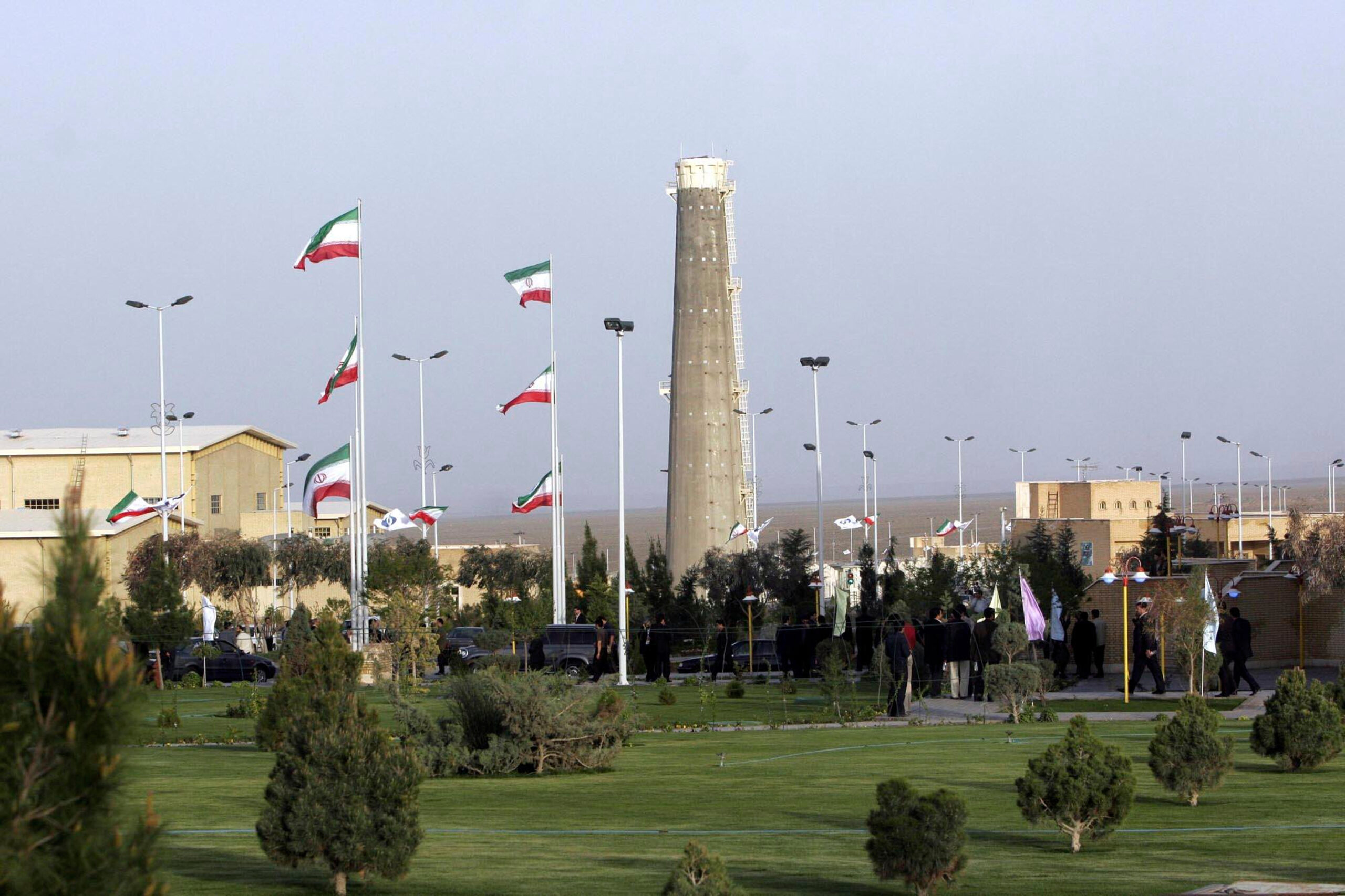
On April 13, Iran’s retaliatory attack against Israel became a reality: Hundreds of drones, along with ballistic and cruise missiles, were launched from Iranian territory toward Israel. This represented a departure from the regime’s policy of “strategic patience” adopted during the early phases of the civil war in Syria, during which Iran largely ignored Israel’s systematic targeting of Iranian and allied forces deployed in Syria. This approach was based on Tehran’s assessment that Iranian forces could endure losses inflicted by Israel and that retaliating could provide Israel, and potentially the United States, with a pretext to launch a direct attack against Iran’s nuclear facilities.
This policy of “strategic patience” has proved beneficial for Iran. Despite Israel’s attacks on Iranian and allied positions in Syria, Iran not only stabilized the regime of Syrian President Bashar al-Assad but also established a dormant front along the Syria-Israel border, potentially deployable against Israel in the future. During the October 7, 2023 Hamas attack on Israel, Iran watched Hamas breach Israel’s seemingly impregnable defenses, humiliating Israel’s intelligence and security services. Israel’s response to the Hamas attack disrupted talks regarding the normalization of diplomatic relations between Israel and Saudi Arabia, and the suffering of civilians in Gaza dominated the news cycle, leading to growing international criticism of Israel’s conduct in the conflict. Every once in a while, Israel dealt small blows to Iranian and allied positions in Lebanon and Syria, but none of these blows irreparably damaged Iran’s ability to operate in the region.
Iran’s response to Israel’s April 1 bombing of the Iranian Consulate in Damascus disrupted the prevailing trend, contrary to Tehran’s interests. It was perceived as an attack on Iran, given the conventional, widely shared assumptions regarding the inviolability of diplomatic facilities. Those perceptions and assumptions forced Iran’s hand, persuading it, at least temporarily, to abandon its policy of “strategic patience.” Despite Iran’s launching of missiles and drones, Israel’s multilayered air defense systems, bolstered by support from the U.S. military and other allies, successfully intercepted the incoming threats. Additionally, several Arab states reportedly provided Israel with early warnings, with Jordan even intercepting drones. Consequently, the suffering of civilians in Gaza no longer dominates the news cycle, and international sympathy has shifted back to Israel, depicting Iran as the aggressor. Israelis, once apprehensive about Iran’s missiles, have resumed their normal lives, with Israel’s air defenses appearing as formidable as ever. Iran’s effort to punish Israel and reestablish deterrence provoked a swift, if limited, response on April 19: Israel retaliated by targeting Isfahan.
If Israel’s response remains confined to the attack on Isfahan, the consensus view will significantly credit Washington’s diplomatic efforts, which have thus far contained an escalation that could have spiraled out of control. Nonetheless, Tehran’s strategic decision-making process remains flawed. Instead of adhering to the typical crisis management protocol of consulting the Supreme National Security Council for a response to Israel’s targeting of the Iranian Consulate in Damascus, Khamenei ordered the “punishment” of Israel and then tasked the SNSC with finding a solution. President Ebrahim Raisi failed to challenge Khamenei’s impulsive decision, and individual Cabinet ministries faltered in resisting proposals from the Islamic Revolutionary Guard Corps and Quds Force, marking a significant departure from the “strategic patience” policy.
The breakdown of Iran’s strategic national security decision-making process occurred due to individuals prioritizing pleasing the head of state over professionally serving the interests of the country. While the United States successfully restrained Israel on this occasion, future instances of such a breakdown could lead to more severe crises, bringing greater calamities upon Iran and the region. As troubling, despite the flaws in its strategic decision-making process, the Iranian regime is probably feeling that its risky, escalatory gamble paid off in the end.
The views represented herein are the author's or speaker's own and do not necessarily reflect the views of AGSI, its staff, or its board of directors.
The Gaza war has demonstrated the strategic utility and resilience of the detente between Saudi Arabia and Iran. However, its longer-term sustainability may depend on unpredictable regional dynamics or other outside factors.
The underlying logic of normalizing ties with Israel remains intact for Gulf states. However, public anger, increased focus on the Palestinian issue, and the rising diplomatic price for Israel will impact the future of normalization.
In offering support for Hamas and the Palestinian cause, Tehran is likely to avoid direct regime – or irretrievable Hezbollah – entanglement to shield its core strategic interests.
After U.S.-Israeli strikes killed Supreme Leader Ayatollah Ali Khamenei on February 28, Iran’s collective leadership has concluded that the best defense is a good offense.
Wartime pressure has temporarily aligned the leadership’s overriding interest in regime survival, even as its members continue to differ over the costs, methods, and ultimate objectives of the war.