Apr 5, 2024
Founding Father of IRGC Navy: “Things Will Get Worse … Unless There Is Meaningful Change”
The April 5 edition of the Iran Media Review highlights Brigadier General Hossein Alaei’s explanation for the historically low turnout in Iran’s March 1 elections.

Retired Brigadier General Hossein Alaei is not only the founding father of the Islamic Revolutionary Guard Corps navy but also a prominent critic of the regime. He served throughout his entire career. In January 2012, he wrote an article in centrist Ettelaat newspaper comparing Supreme Leader Ayatollah Ali Khamenei’s regime with Shah Mohammad Reza Pahlavi’s royal dictatorship. He ended the piece with a Quranic verse encouraging Khamenei to learn from the shah’s mistakes: “Thus, learn your lesson, you who have eyes.” Pro-regime mobs gathered in front of Alaei’s home in an attempt to intimidate him, but Alaei, who enjoys considerable support among IRGC veterans, was somewhat immune from intimidation tactics. In his latest public statements, Alaei took aim at the regime over the March 1 elections to the Parliament and Assembly of Experts.
- March 28: Asked how the regime can encourage the 60% of Iranians who didn’t vote March 1 to vote in the future, Alaei said to centrist Khabar Online:
- “In order to bring the majority to the polls, they must feel that they will suffer significant losses if individuals they dislike are elected to office. Therefore, the regime must bring about fundamental changes in electoral laws so the people feel that elections will be free, fair, and competitive. This way, the people will feel that the destiny and future of the country are in their own hands and that they can elect the Cabinet and Assembly of Experts by voting and bring about progress … If they elect poorly, the people will have only themselves to blame for the country’s underdevelopment.”
- Addressing the issue of invalid votes cast March 1, Alaei said: “In every election in any country, there are invalid votes, but it is the general perception that in the March elections, a bigger portion of the votes cast were invalid than in earlier elections. Until now, no information has been released about the invalid votes, but they can be put into three categories: blank votes, indicating the voters did not consider any of the candidates worthy of their vote; votes with the names of candidates disqualified by the Interior Ministry and the Guardian Council, which is an indication of protest against the widespread disqualifications; and votes bearing anything from the name of God, the Prophet, and infallible Shia imams to the names of political prisoners and other individuals popular among the voters. Other votes had the prices of basic products, which can be interpreted as a protest against the present circumstances.”
- Turning to the economic hardships of Iranians, Alaei said: “Two-digit inflation and constantly rising prices of goods show the inefficacy of the adopted economic policies … The people constantly fear increases in the price of chicken, meat, and other foodstuffs, but the government, instead of increasing domestic production, is only pursuing the solution of increased imports from abroad. As long as the regime does not implement meaningful change in its foreign policy, economic policy, and domestic policy … the problems will remain, and the situation will get worse by the day.”
The views represented herein are the author's or speaker's own and do not necessarily reflect the views of AGSI, its staff, or its board of directors.
Related
Iran Media Review
Apr 2, 2024
Embassy Attacked in Damascus: Israel Tests Iran’s Strategic Patience
The April 2 edition of the Iran Media Review highlights responses to the killing of high-ranking Quds Force officials in a suspected Israeli strike in Damascus.
Iran Media Review
Mar 29, 2024
Real or Overhyped? Israel’s Encirclement by Iran-Allied Militias
The March 29 edition of the Iran Media Review highlights triumphant commentary on Iranian-backed militia attacks against Israel.
Apr 2, 2024
Embassy Attacked in Damascus: Israel Tests Iran’s Strategic Patience
The April 2 edition of the Iran Media Review highlights responses to the killing of high-ranking Quds Force officials in a suspected Israeli strike in Damascus.
Mar 29, 2024
Real or Overhyped? Israel’s Encirclement by Iran-Allied Militias
The March 29 edition of the Iran Media Review highlights triumphant commentary on Iranian-backed militia attacks against Israel.
Analysis
Mohsen Rezaei at the Helm of Iran’s Supreme National Security Council
Under Rezaei, the SNSC could prove constructive or paralyze strategic decision making.
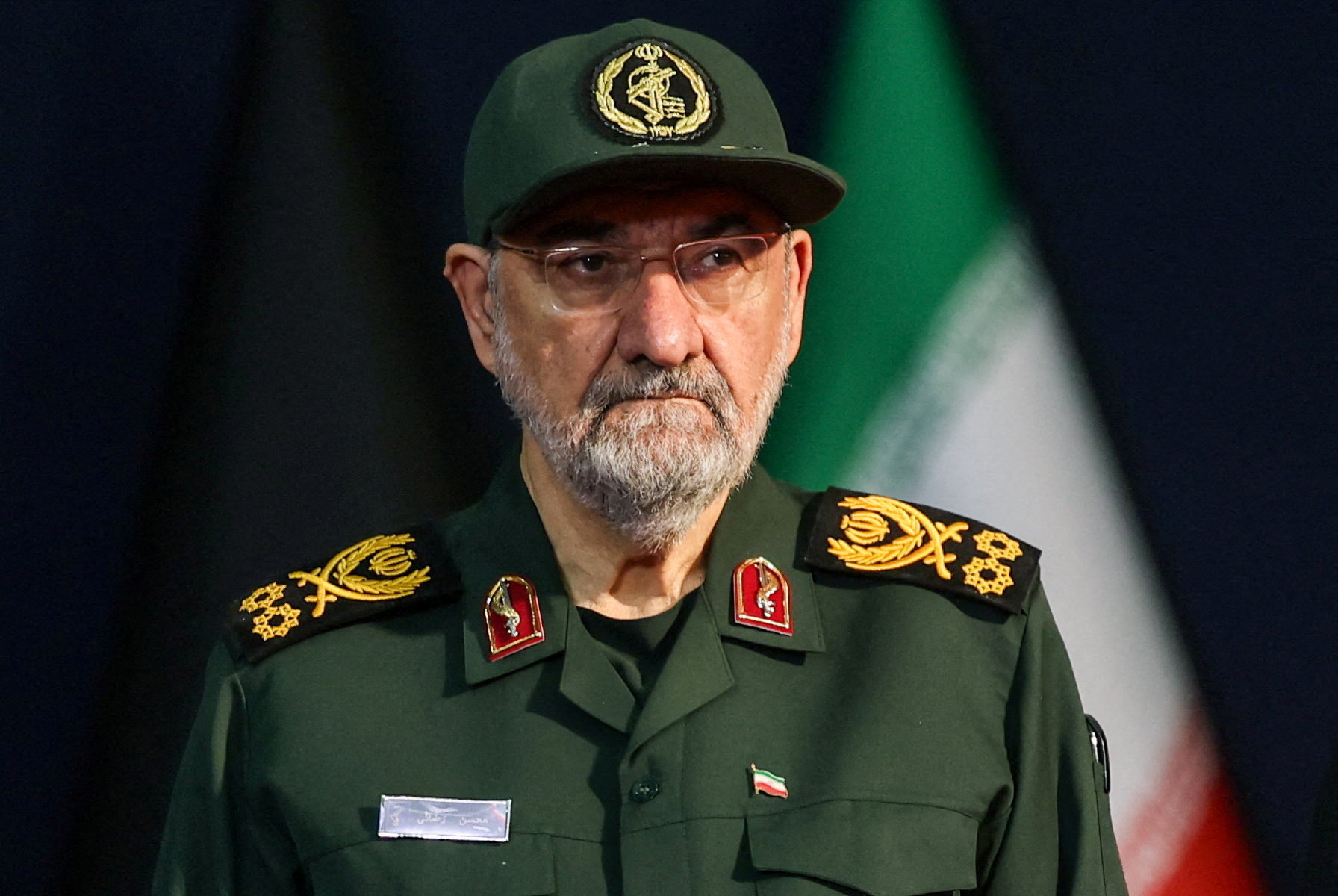
The Islamic Republic Returns to Offense
After U.S.-Israeli strikes killed Supreme Leader Ayatollah Ali Khamenei on February 28, Iran’s collective leadership has concluded that the best defense is a good offense.
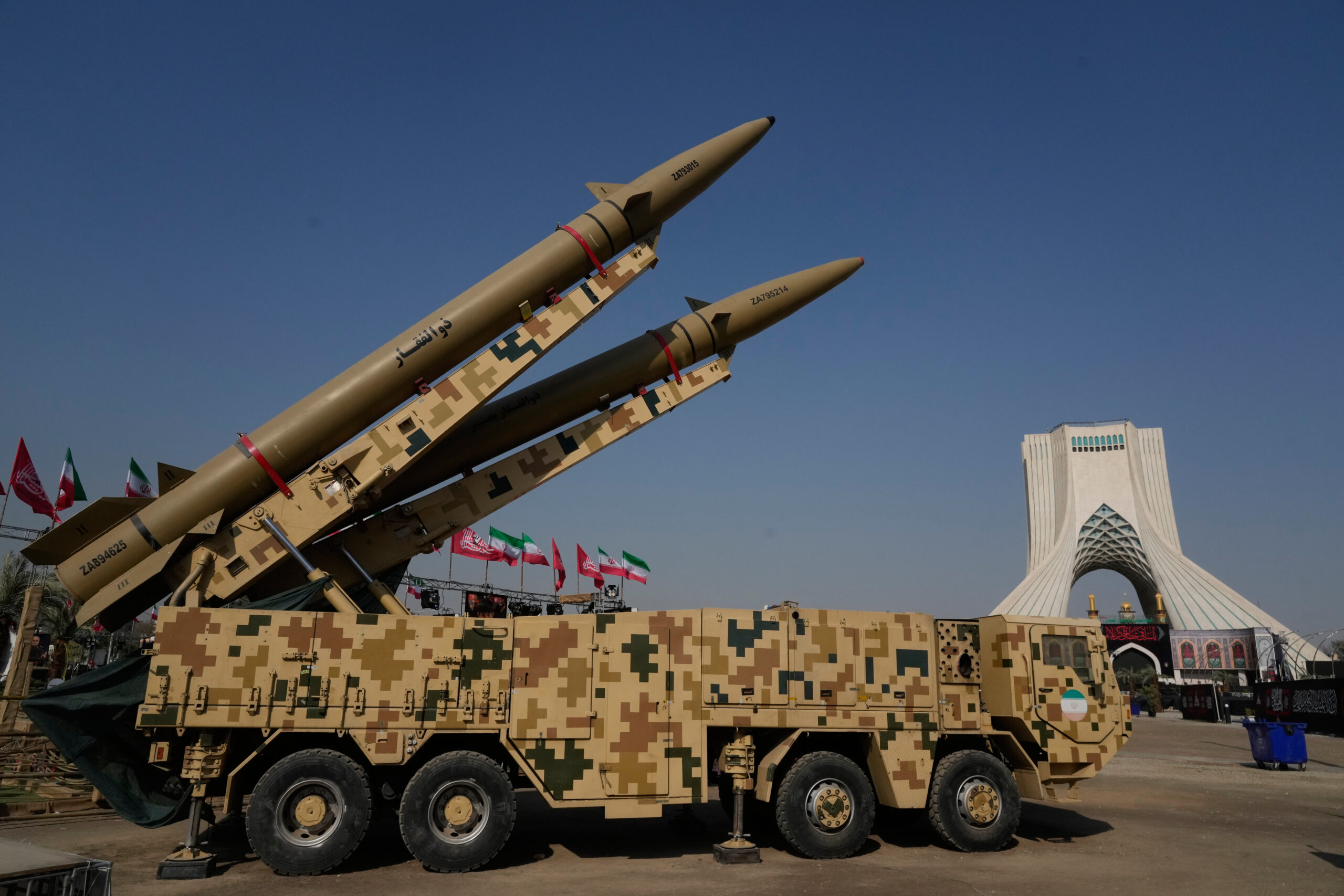
Iran’s Collective Strategic Decision Making
Wartime pressure has temporarily aligned the leadership’s overriding interest in regime survival, even as its members continue to differ over the costs, methods, and ultimate objectives of the war.
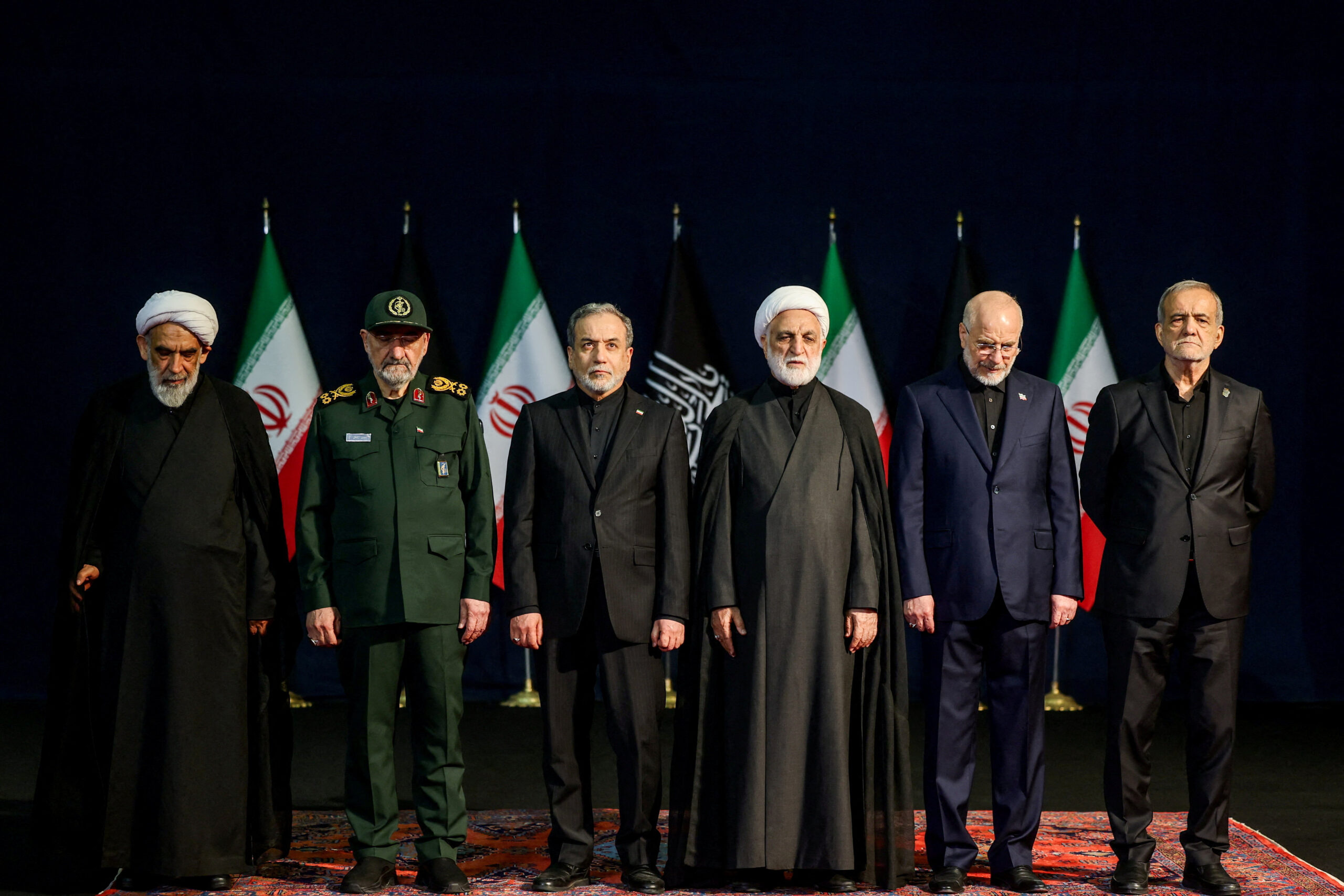
The Islamic Republic’s Collective Leadership
While there is historical precedent for collective leadership in Iran, today’s leadership includes representatives of the IRGC and regular military – a reflection of the IRGC’s expanding role and the necessities of governing under wartime conditions.
Events
Oct 6, 2026
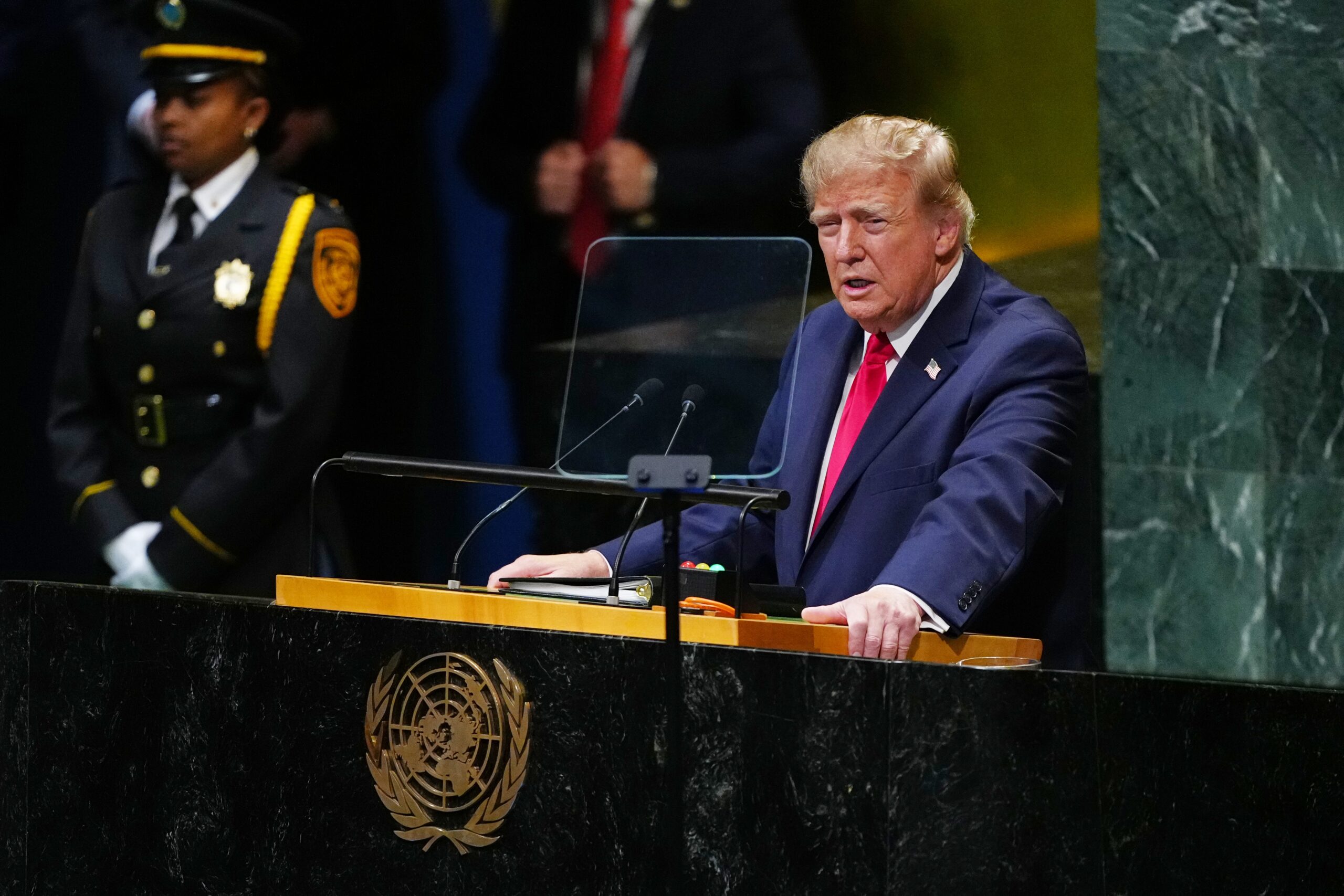
Is the U.S.-Iran Stalemate a “New Normal” or the Prelude to Another Explosion?
On October 6, AGSI hosted a discussion on the U.S.-Iran stalemate and the prospects for a cease-fire.
Speakers



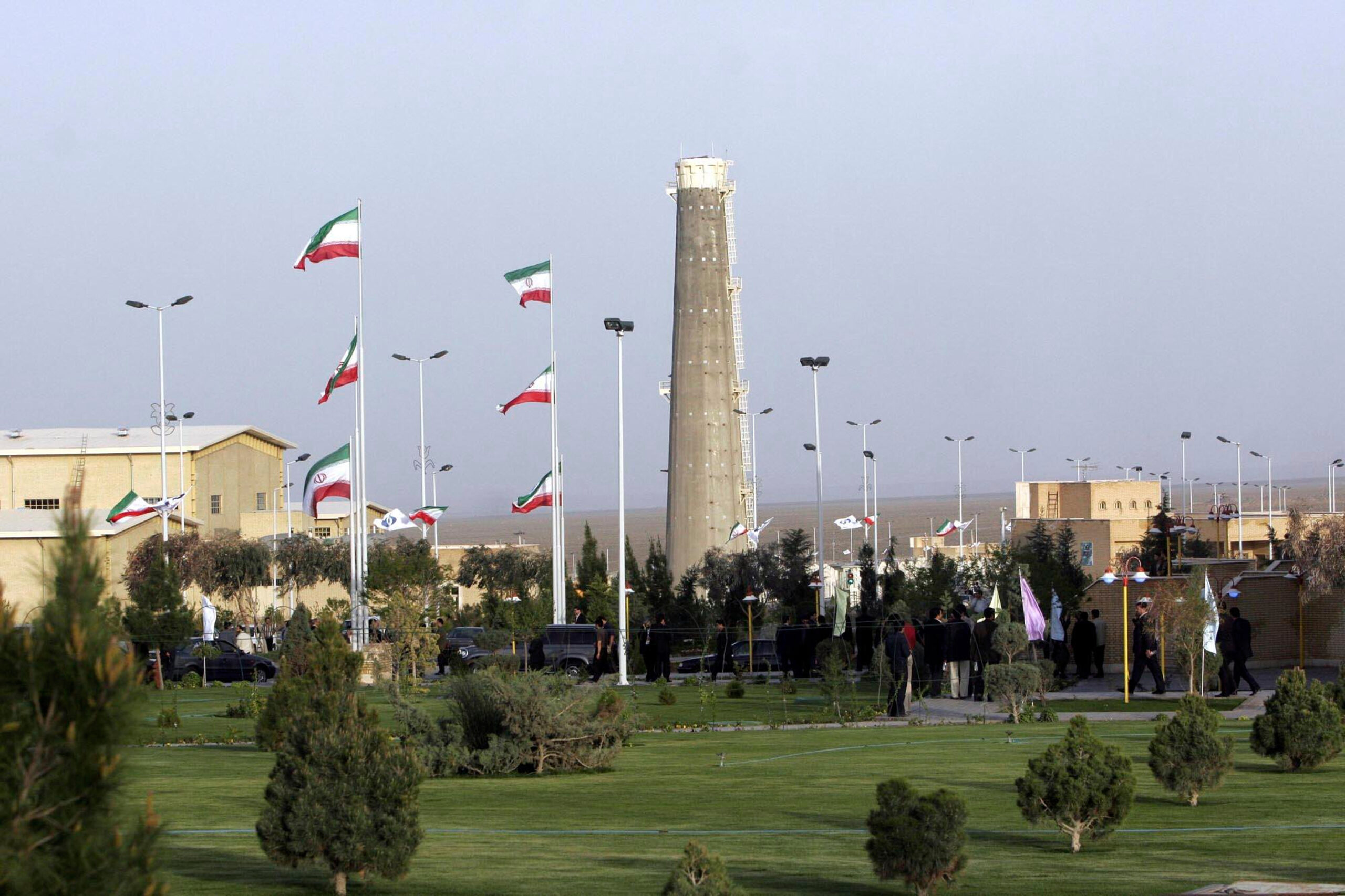
Book Talk: Iran and the Bomb: The United States, Iran and the Nuclear Question
On June 16, AGSI hosted a discussion on the evolution of Iran's nuclear program.
Speakers
Apr 21, 2026
Inside Iran’s Wartime Leadership: Power, Succession, and Regime Stability
On April 21, AGSI hosted a discussion on the evolution of Iran's leadership during the war.
Speakers

Mar 18, 2026
In Its Conflict With the United States and Israel, Does Escalation Favor Iran?
On March 18, AGSI hosted a discussion on the escalation of the Iran war.
Speakers