Apr 2, 2024
Embassy Attacked in Damascus: Israel Tests Iran’s Strategic Patience
The April 2 edition of the Iran Media Review highlights responses to the killing of high-ranking Quds Force officials in a suspected Israeli strike in Damascus.

On April 1, suspected Israeli warplanes bombed the Iranian Embassy in Damascus, Syria. Iranian media has since reported that six Iranian nationals were killed in the attack, including Brigadier General Mohammad Zahedi, who previously served as the Islamic Revolutionary Guard Corps Quds Force’s field commander in Syria; Major General Mohammad Haji-Rahimi, who reportedly served as Zahedi’s deputy, and Brigadier General Hossein Amin-Allah, the Quds Force’s chief of staff in Syria and Lebanon. The suspected Israeli attack follows a pattern of previous Israeli attacks in Syria and is likely to be met with the same response from Iran: strategic patience.
- April 1: Nour News, the official mouthpiece of Iran’s Supreme National Security Council, reported the suspected Israeli attack without commentary.
- April 1: Hossein Akbari, Iran’s ambassador to Syria, said, as quoted by centrist Iranian Students’ News Agency: “The Zionist regime has violated internationally recognized redlines … The Islamic Republic of Iran will respond to this terrorist attack at an appropriate time and in an appropriate place.”
- April 1: Also without commentary, centrist Asr-e Iran provided the names and ranks of Zahedi, Haji-Rahimi, and Amin-Allah.
- April 1: IRGC mouthpiece Mashregh News, quoting Akbari, reported that two of the Iranians killed in the attack were embassy security personnel.
- April 1: Centrist Farda News, reporting on a phone conversation between the Iranian and Syrian foreign ministers following the attack, quoted Iranian Foreign Minister Hossein Abdollahian as saying:
- Israeli Prime Minister Benjamin Netanyahu “has totally lost his mental balance due to the continuous losses of the Zionist regime in Gaza … The attack against the Iranian Consulate in Damascus violates all international conventions, and Israel is responsible for its consequences.”
- April 1: Reformist Entekhab News released a short biography of Zahedi that resembles the Persian-language Wikipedia page of the slain commander.
The views represented herein are the author's or speaker's own and do not necessarily reflect the views of AGSI, its staff, or its board of directors.
Related
Iran Media Review
Mar 29, 2024
Real or Overhyped? Israel’s Encirclement by Iran-Allied Militias
The March 29 edition of the Iran Media Review highlights triumphant commentary on Iranian-backed militia attacks against Israel.
Iran Media Review
Mar 26, 2024
Former Supreme National Security Council Secretary: “Managing Tensions” Between Iran and Saudi Arabia
The March 26 edition of the Iran Media Review highlights commentary on the state of Iranian-Saudi ties one year after they agreed to normalize relations.
Mar 29, 2024
Real or Overhyped? Israel’s Encirclement by Iran-Allied Militias
The March 29 edition of the Iran Media Review highlights triumphant commentary on Iranian-backed militia attacks against Israel.
Mar 26, 2024
Former Supreme National Security Council Secretary: “Managing Tensions” Between Iran and Saudi Arabia
The March 26 edition of the Iran Media Review highlights commentary on the state of Iranian-Saudi ties one year after they agreed to normalize relations.
Analysis
The Islamic Republic Returns to Offense
After U.S.-Israeli strikes killed Supreme Leader Ayatollah Ali Khamenei on February 28, Iran’s collective leadership has concluded that the best defense is a good offense.
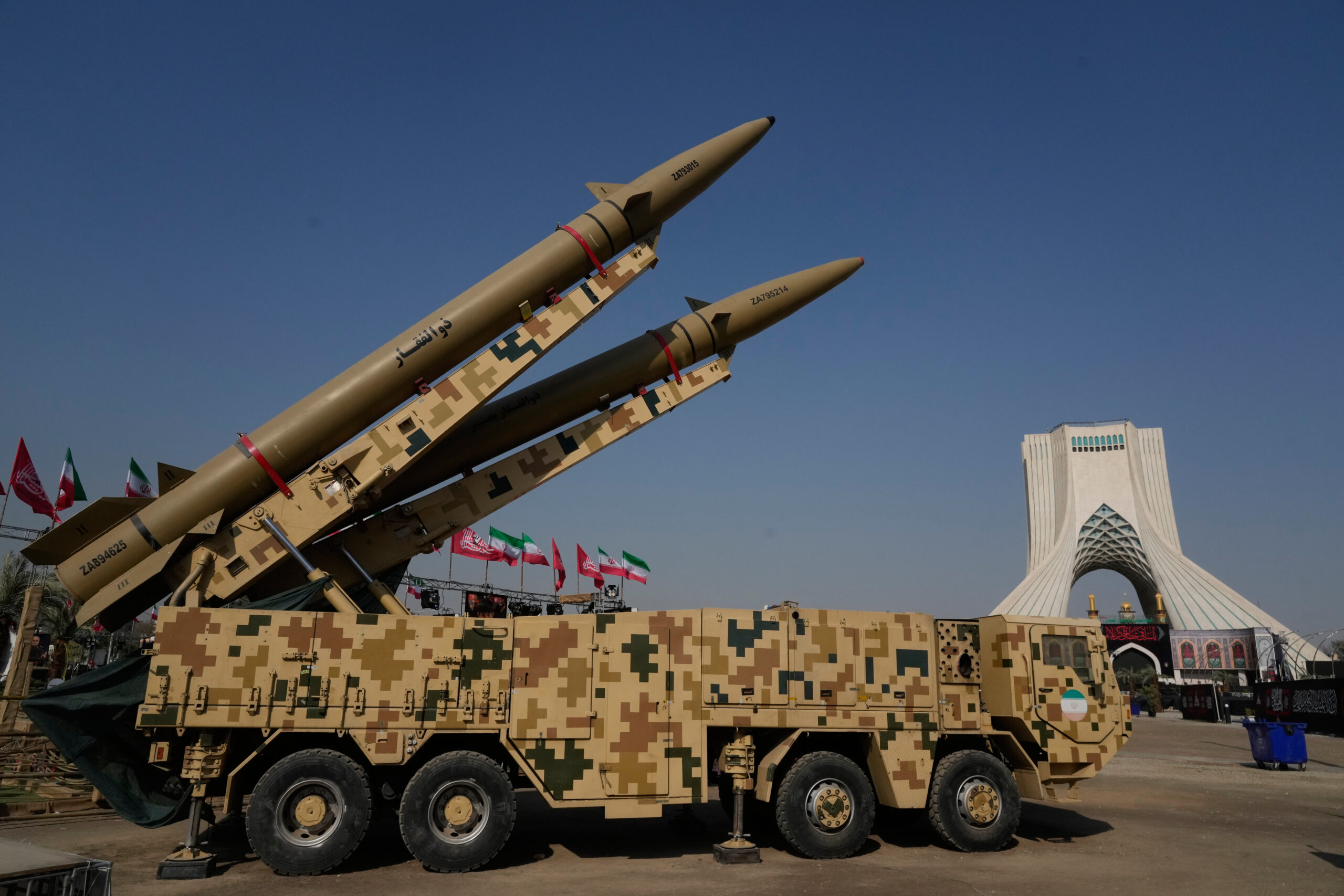
Iran’s Collective Strategic Decision Making
Wartime pressure has temporarily aligned the leadership’s overriding interest in regime survival, even as its members continue to differ over the costs, methods, and ultimate objectives of the war.
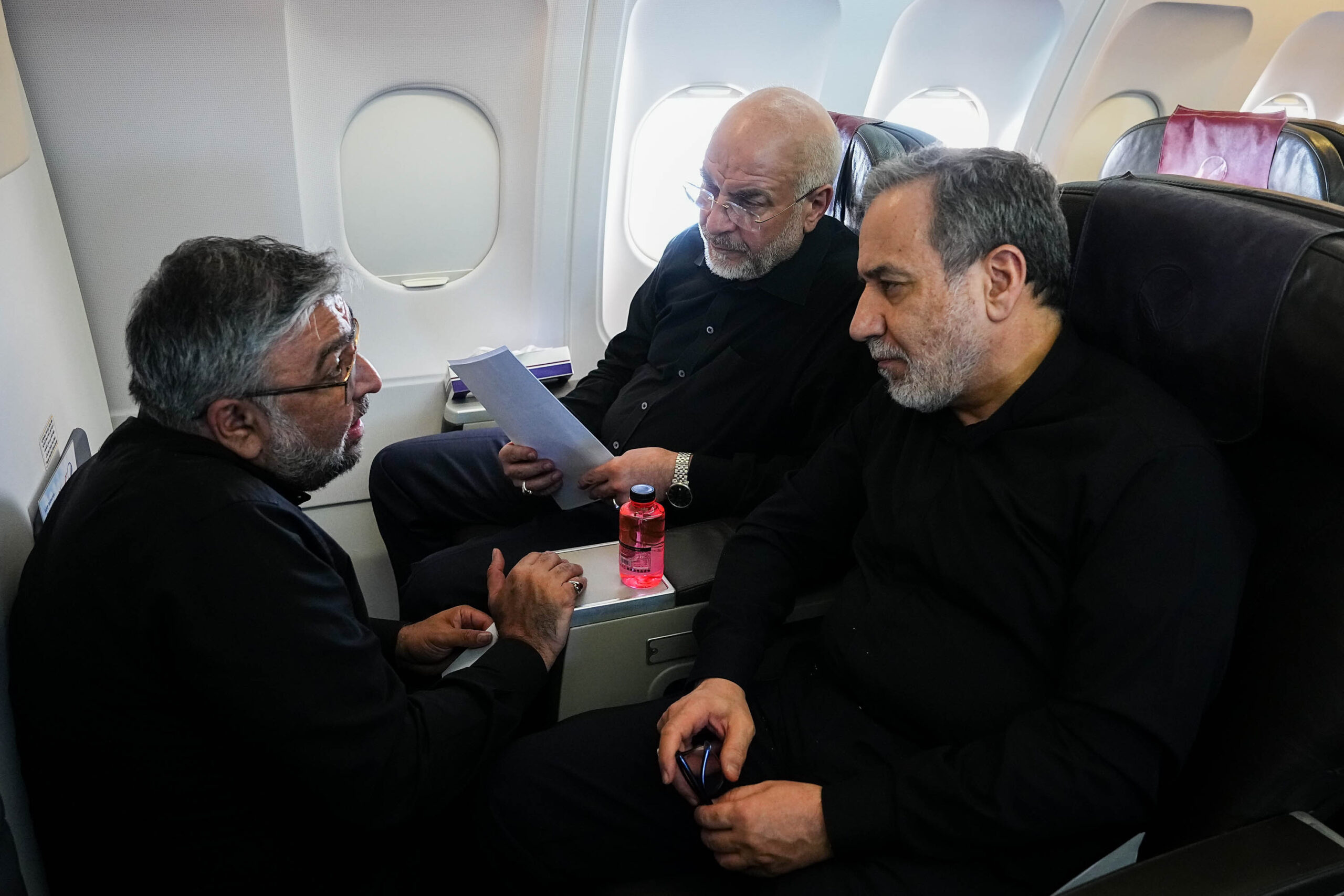
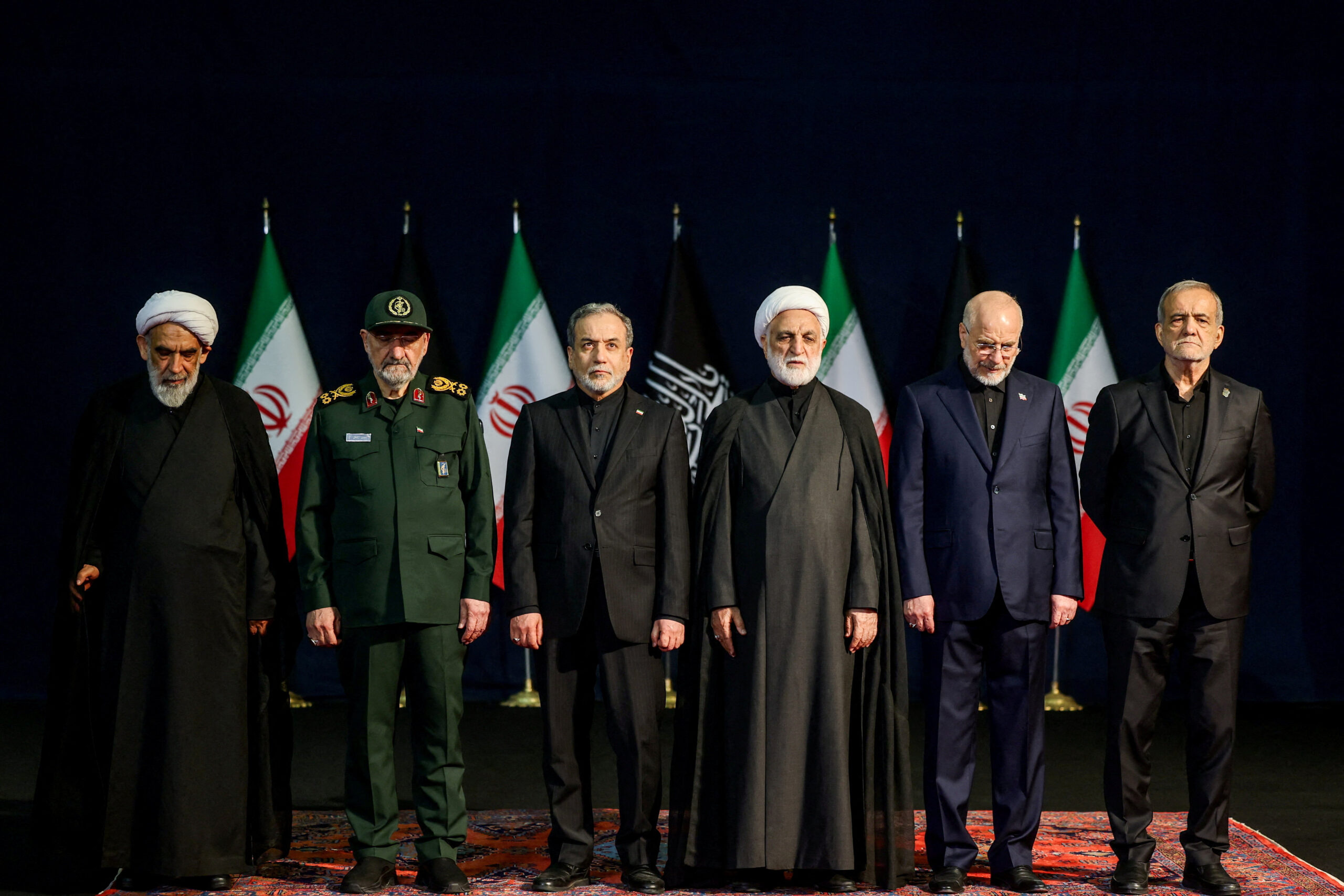
The Islamic Republic’s Collective Leadership
While there is historical precedent for collective leadership in Iran, today’s leadership includes representatives of the IRGC and regular military – a reflection of the IRGC’s expanding role and the necessities of governing under wartime conditions.
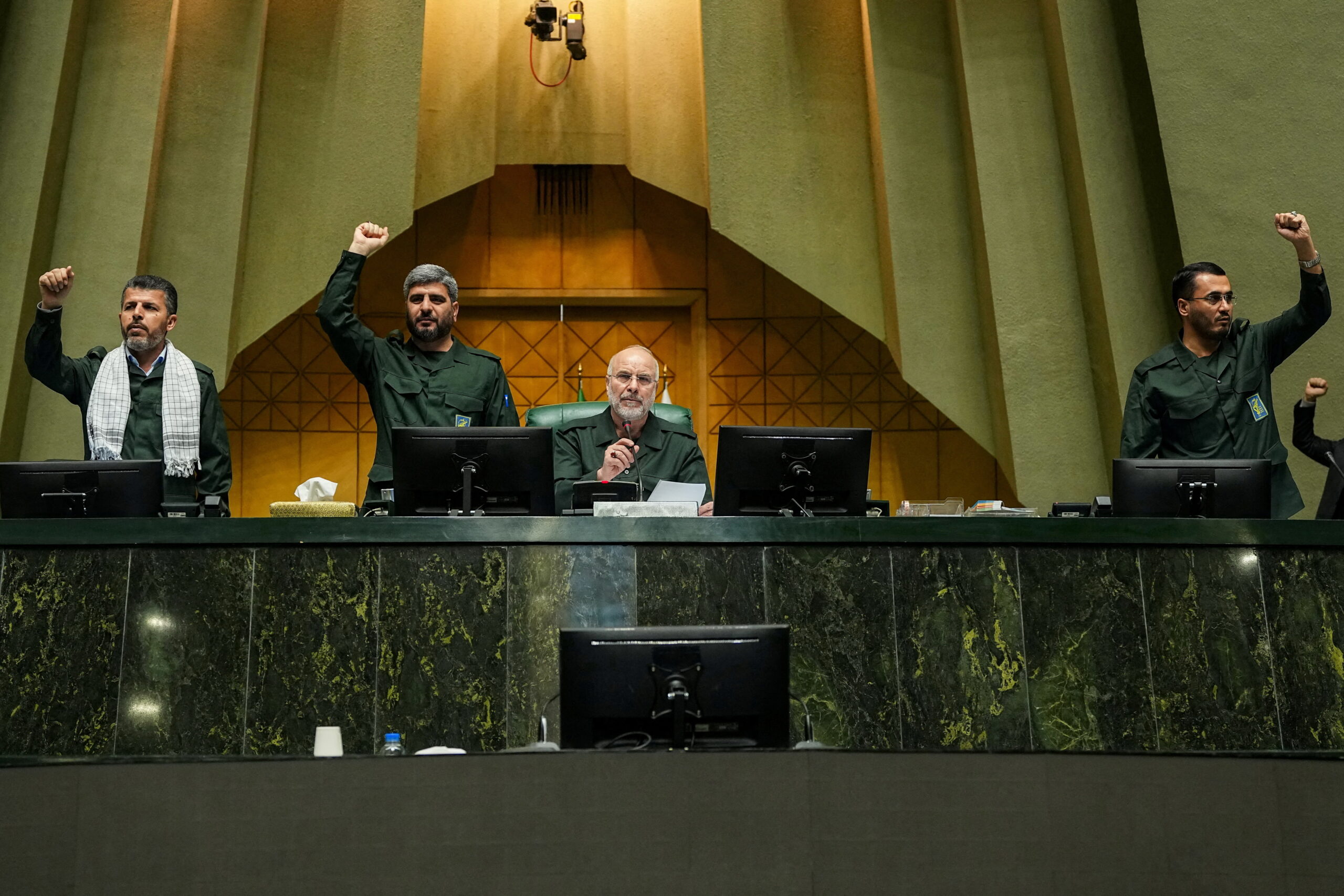
How Did the IRGC Seize Power in Iran?
The IRGC did not seize power in a single stroke. It accumulated it – patiently, methodically – until no counterweight remained.
Events
Oct 6, 2026
10:00am - 11:00am
Is the U.S.-Iran Stalemate a “New Normal” or the Prelude to Another Explosion?
On October 6, AGSI will host a discussion on the U.S.-Iran stalemate and the prospects for a cease-fire.
Speakers



Book Talk: Iran and the Bomb: The United States, Iran and the Nuclear Question
On June 16, AGSI hosted a discussion on the evolution of Iran's nuclear program.
Speakers
Apr 21, 2026
Inside Iran’s Wartime Leadership: Power, Succession, and Regime Stability
On April 21, AGSI hosted a discussion on the evolution of Iran's leadership during the war.
Speakers

Mar 18, 2026
In Its Conflict With the United States and Israel, Does Escalation Favor Iran?
On March 18, AGSI hosted a discussion on the escalation of the Iran war.
Speakers