Mar 29, 2024
Real or Overhyped? Israel’s Encirclement by Iran-Allied Militias
The March 29 edition of the Iran Media Review highlights triumphant commentary on Iranian-backed militia attacks against Israel.

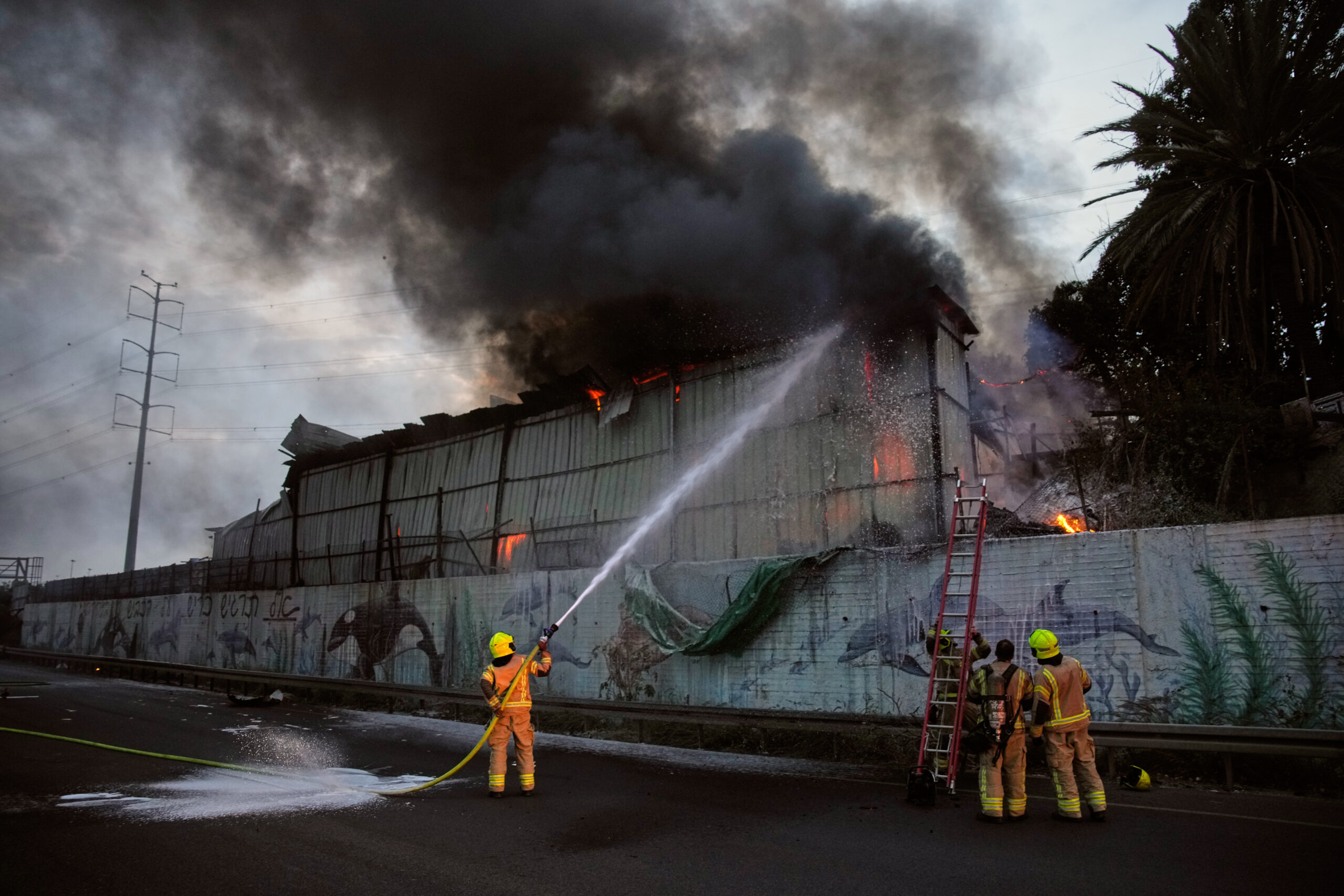
Since the October 7, 2023 Hamas-led attack on Israel and the ensuing war in Gaza, the Iranian media has widely reported on attacks by Iran’s allies and proxies against Israel. While no real threat to the survival of the Jewish state, the attacks serve to create a sense of encirclement in Israel, which explains why Iran’s state-censored media, particularly mouthpieces of the Islamic Revolutionary Guard Corps, focuses on militia provocations against Israel.
- March 21: IRGC mouthpiece Tasnim News, quoting Houthi leader Abdul Malik al-Houthi, wrote:
- “The Zionist genocide is proof of their crimes … The genocide is also a proof of the moral collapse … of the United States, the self-declared leader of the civilized world.”
- Turning to specific targets in Israel, the Houthi leader continued: “Umm Al-Rashrash port, called Eilat by the enemy, has become totally crippled, and this impacts their economy … Last week, we launched 18 ballistic missiles and drones in support of Gaza. In total, we have so far launched 479 missiles and drones in support of Gaza. The Americans have put us under pressure to stop our operations in defense of Gaza, but America is the greatest murderer and destroyer in history. We have plans to deal harder blows to the Israeli enemy in the future.”
- March 21: IRGC mouthpiece Mashregh News, commenting on Iraqi Shia militia drone attacks against Israel, wrote:
- “An informed source based in the war theater, discussing the aerial drone operations of the Iraqi resistance, said, ‘In the latest operation, the resistance not only destroyed Zionist air defense systems, but their systems also failed to detect the aerial drone … The Zionists constantly brag about their air defense capabilities, but the inefficacy of their systems is now apparent to all.’”
The views represented herein are the author's or speaker's own and do not necessarily reflect the views of AGSI, its staff, or its board of directors.
Related
Iran Media Review
Mar 26, 2024
Former Supreme National Security Council Secretary: “Managing Tensions” Between Iran and Saudi Arabia
The March 26 edition of the Iran Media Review highlights commentary on the state of Iranian-Saudi ties one year after they agreed to normalize relations.
Iran Media Review
Mar 22, 2024
Parallel Universe of Ayatollah Khamenei’s New Year Address
The March 22 edition of the Iran Media Review highlights Supreme Leader Ayatollah Ali Khamenei’s public promise of a “leap in production” in the Iranian new year.
Mar 26, 2024
Former Supreme National Security Council Secretary: “Managing Tensions” Between Iran and Saudi Arabia
The March 26 edition of the Iran Media Review highlights commentary on the state of Iranian-Saudi ties one year after they agreed to normalize relations.
Mar 22, 2024
Parallel Universe of Ayatollah Khamenei’s New Year Address
The March 22 edition of the Iran Media Review highlights Supreme Leader Ayatollah Ali Khamenei’s public promise of a “leap in production” in the Iranian new year.
Analysis
The Islamic Republic Returns to Offense
After U.S.-Israeli strikes killed Supreme Leader Ayatollah Ali Khamenei on February 28, Iran’s collective leadership has concluded that the best defense is a good offense.
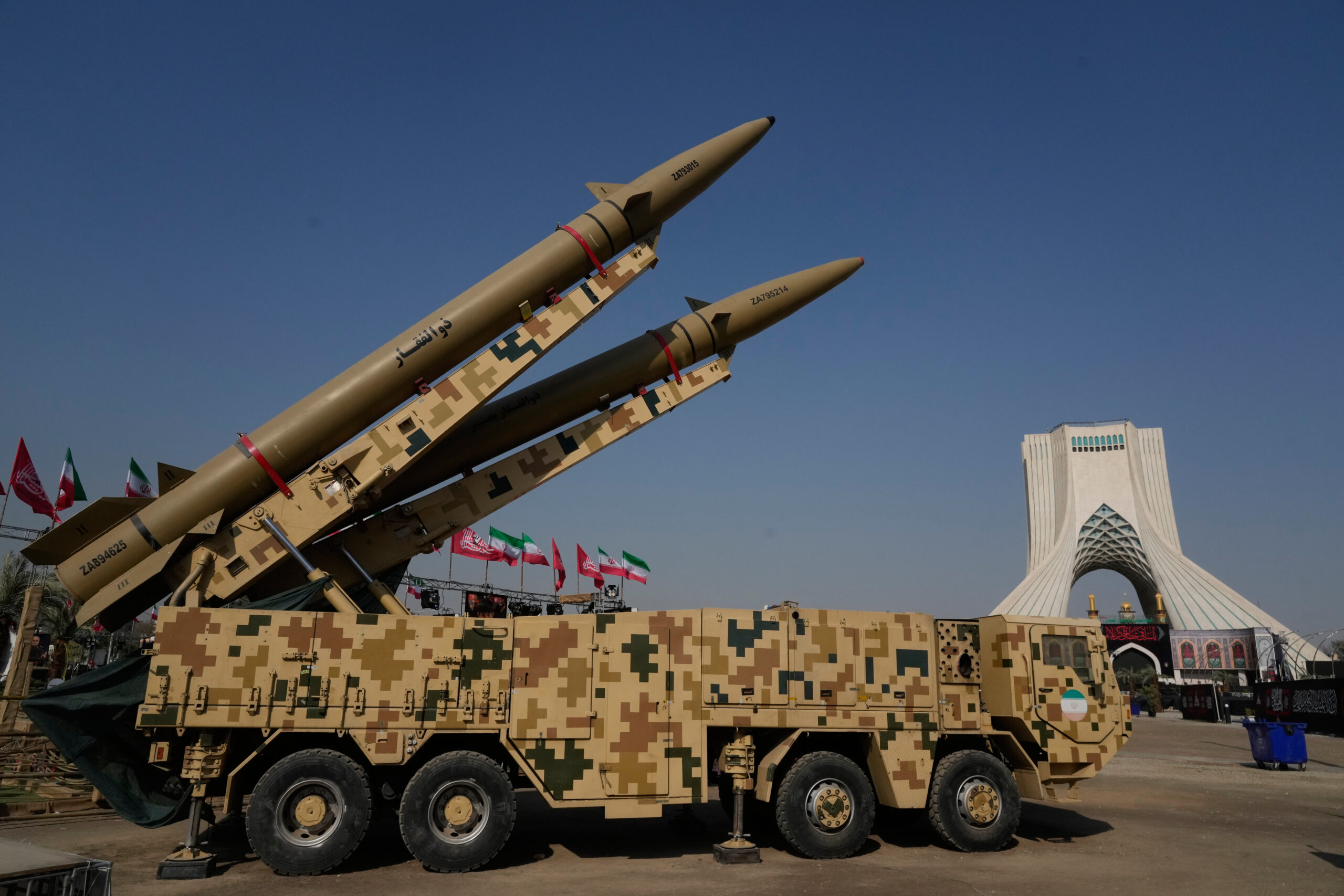
Iran’s Collective Strategic Decision Making
Wartime pressure has temporarily aligned the leadership’s overriding interest in regime survival, even as its members continue to differ over the costs, methods, and ultimate objectives of the war.
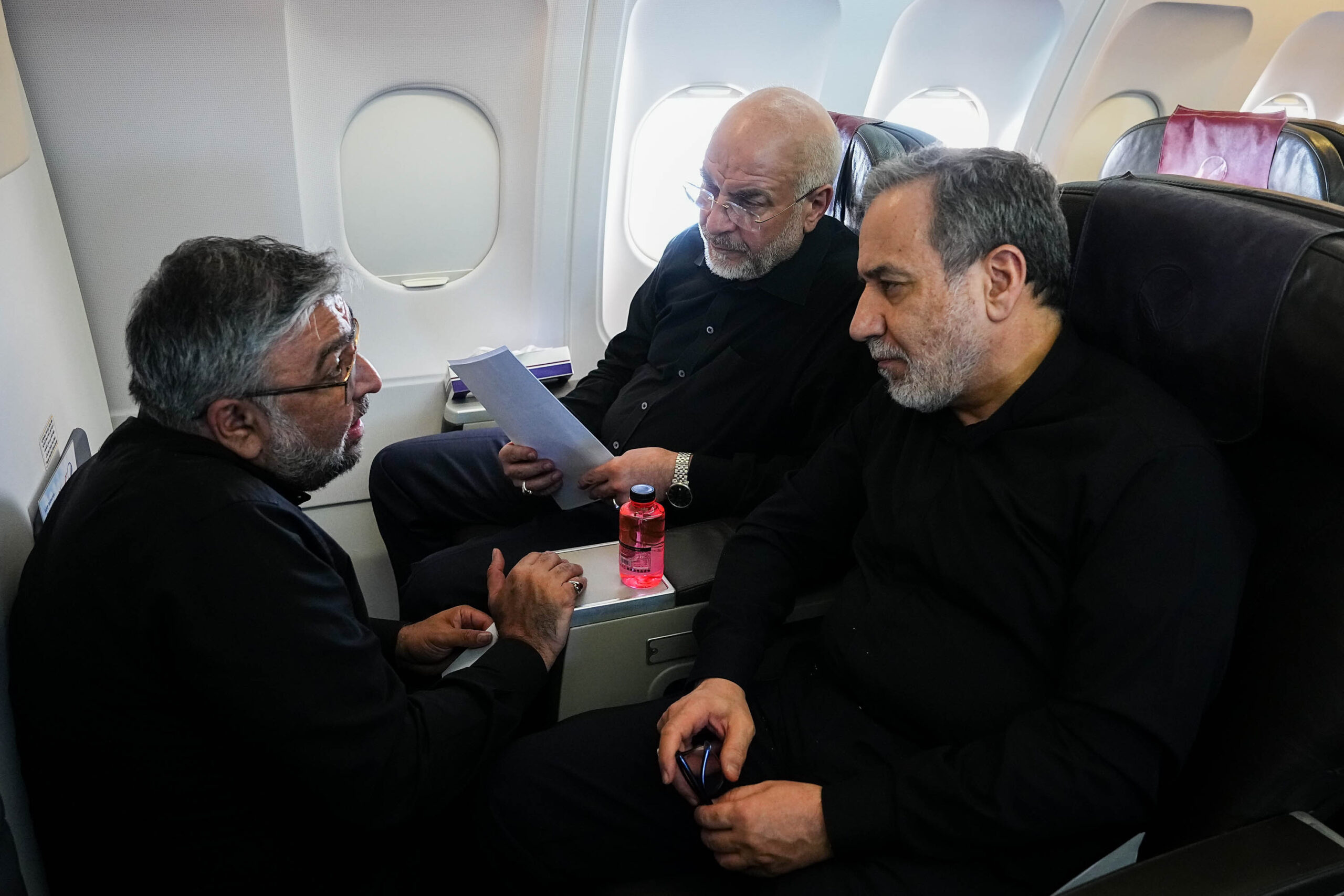
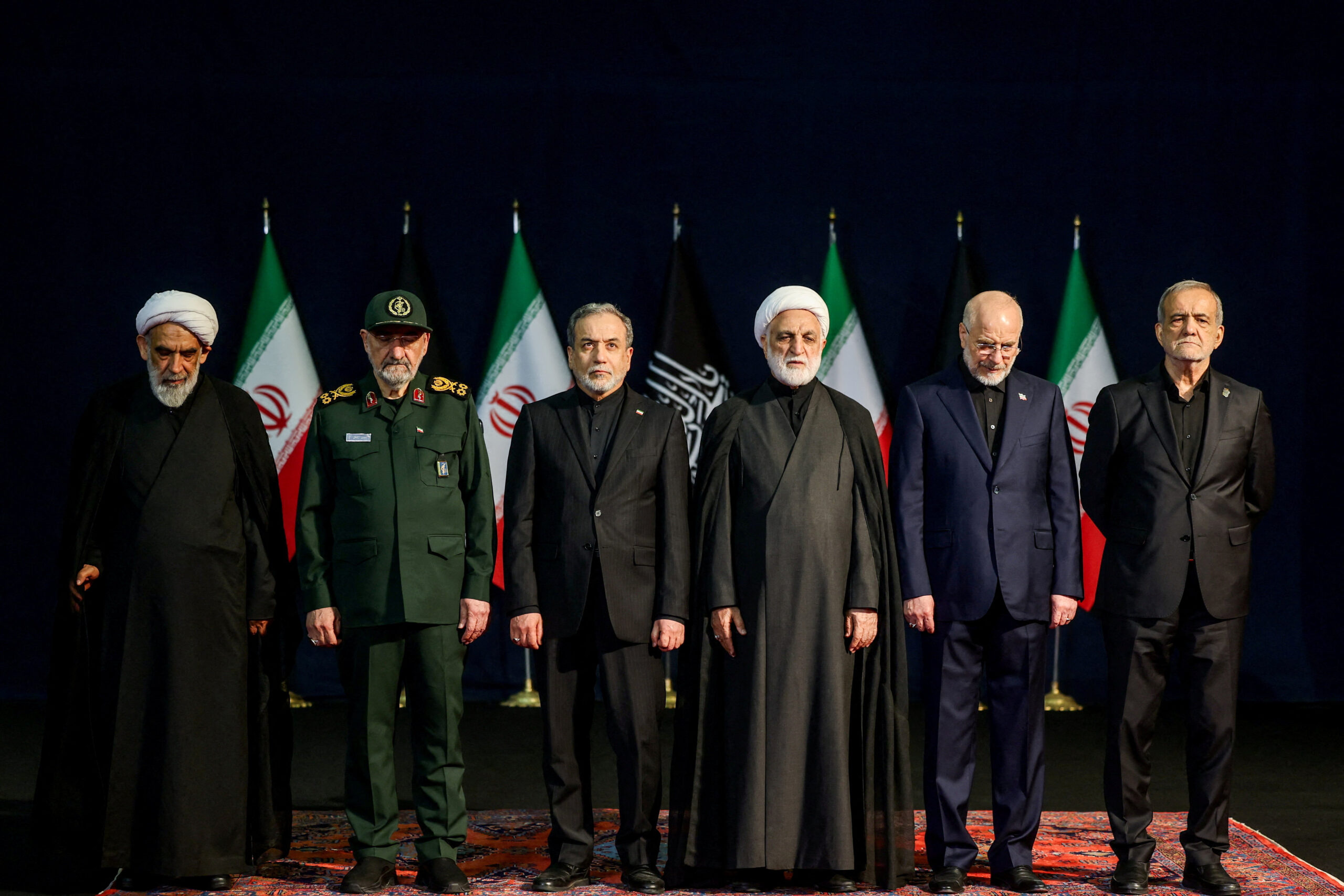
The Islamic Republic’s Collective Leadership
While there is historical precedent for collective leadership in Iran, today’s leadership includes representatives of the IRGC and regular military – a reflection of the IRGC’s expanding role and the necessities of governing under wartime conditions.
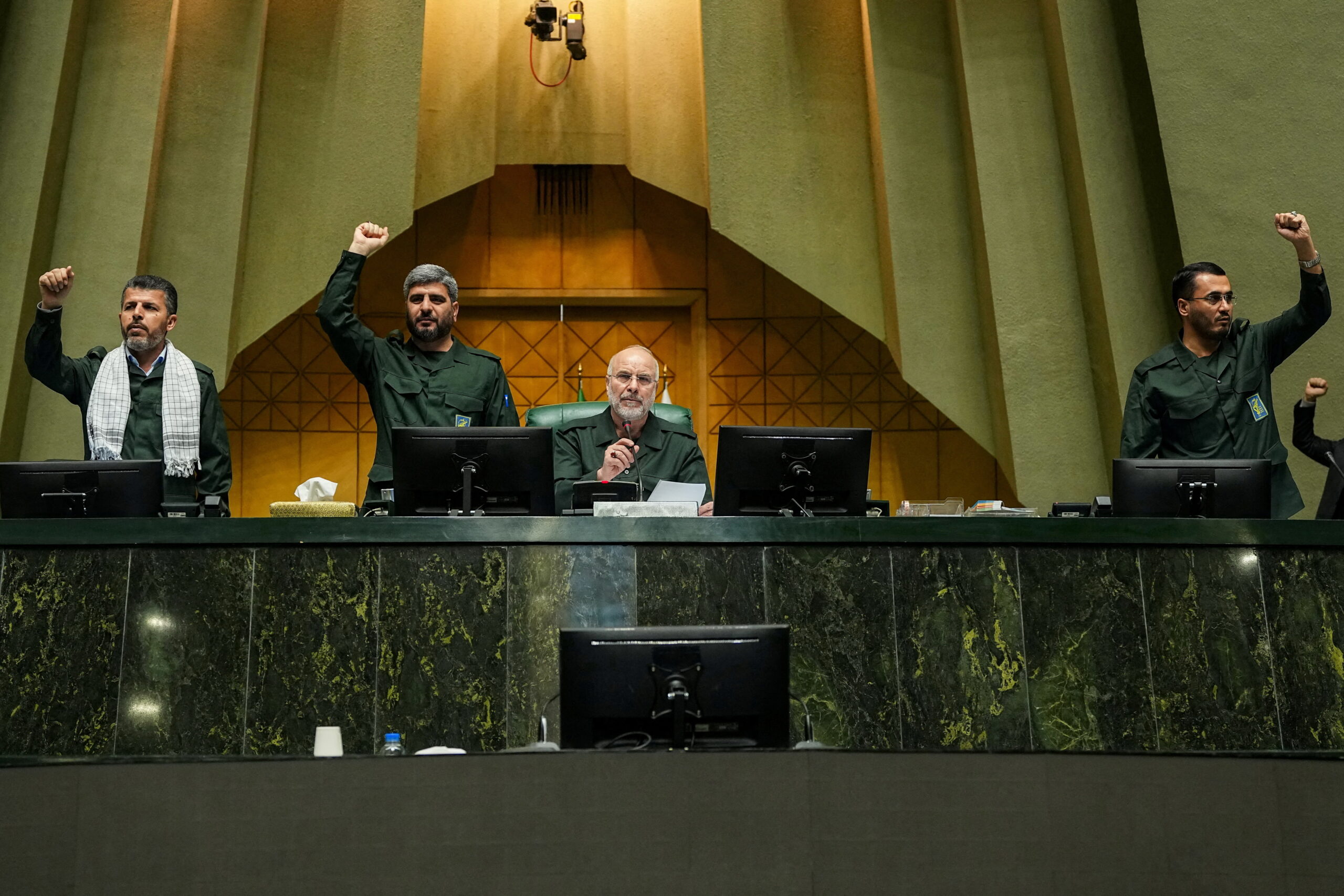
How Did the IRGC Seize Power in Iran?
The IRGC did not seize power in a single stroke. It accumulated it – patiently, methodically – until no counterweight remained.
Events
Oct 6, 2026
10:00am - 11:00am
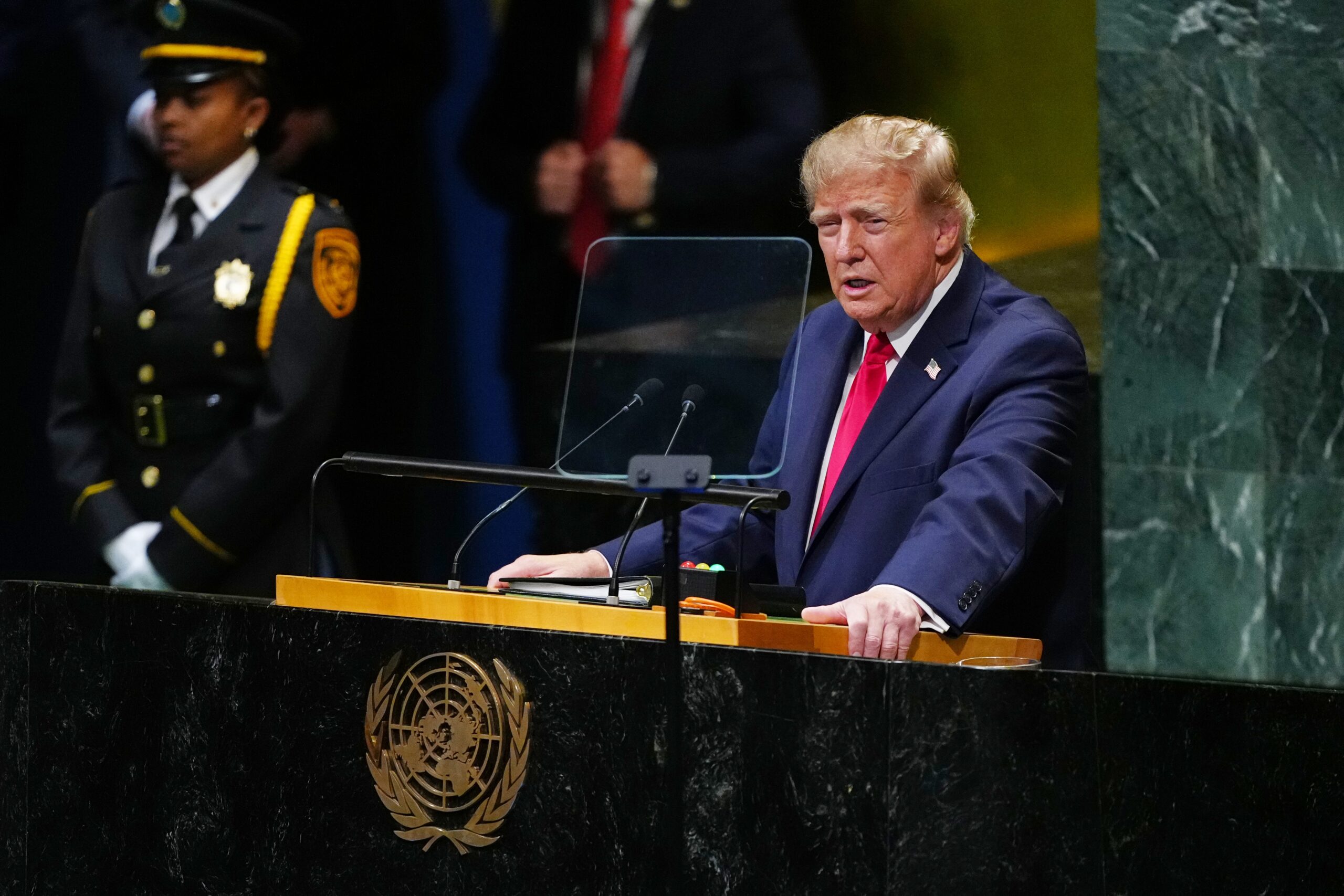
Is the U.S.-Iran Stalemate a “New Normal” or the Prelude to Another Explosion?
On October 6, AGSI will host a discussion on the U.S.-Iran stalemate and the prospects for a cease-fire.
Speakers



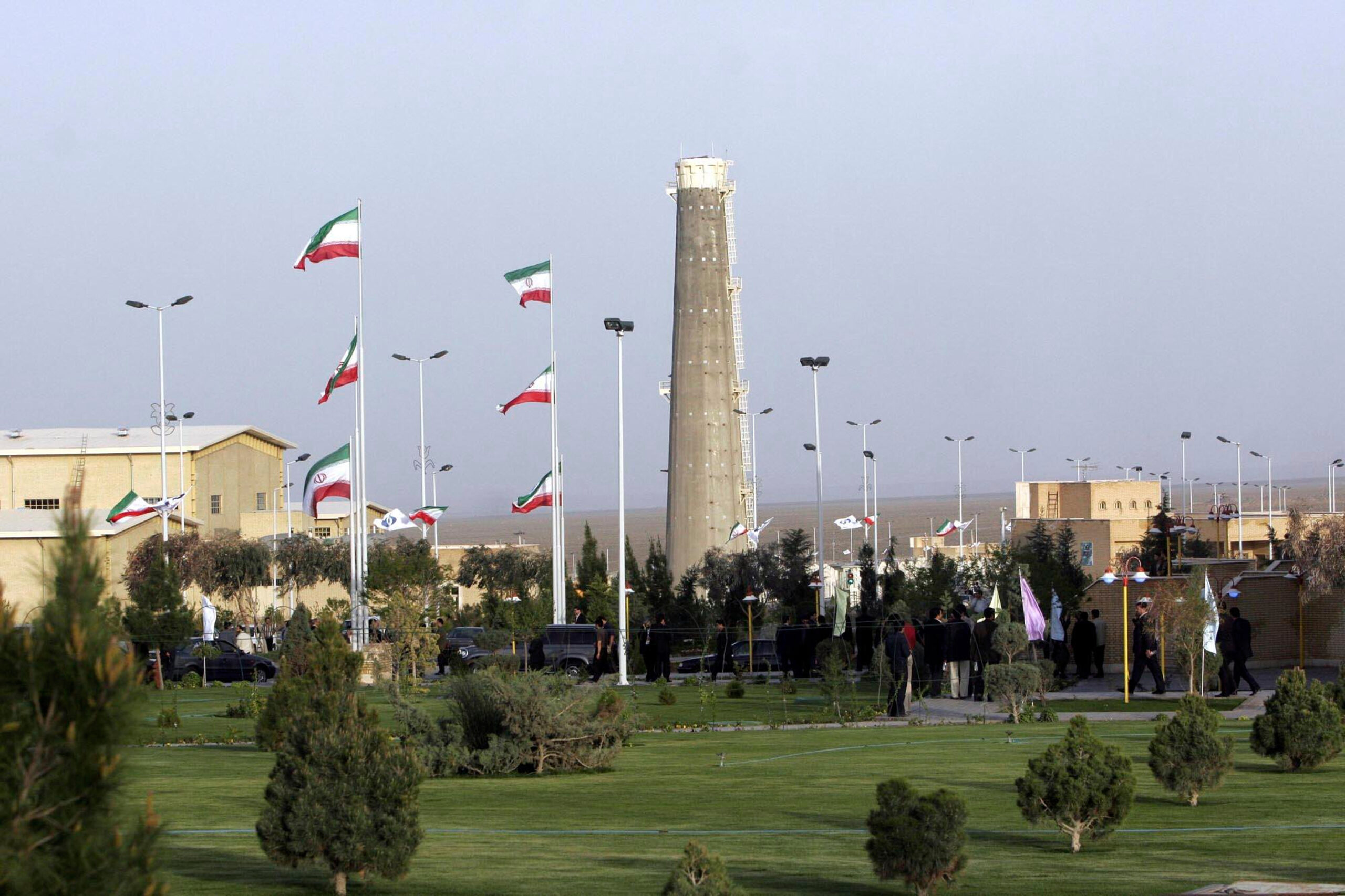
Book Talk: Iran and the Bomb: The United States, Iran and the Nuclear Question
On June 16, AGSI hosted a discussion on the evolution of Iran's nuclear program.
Speakers
Apr 21, 2026
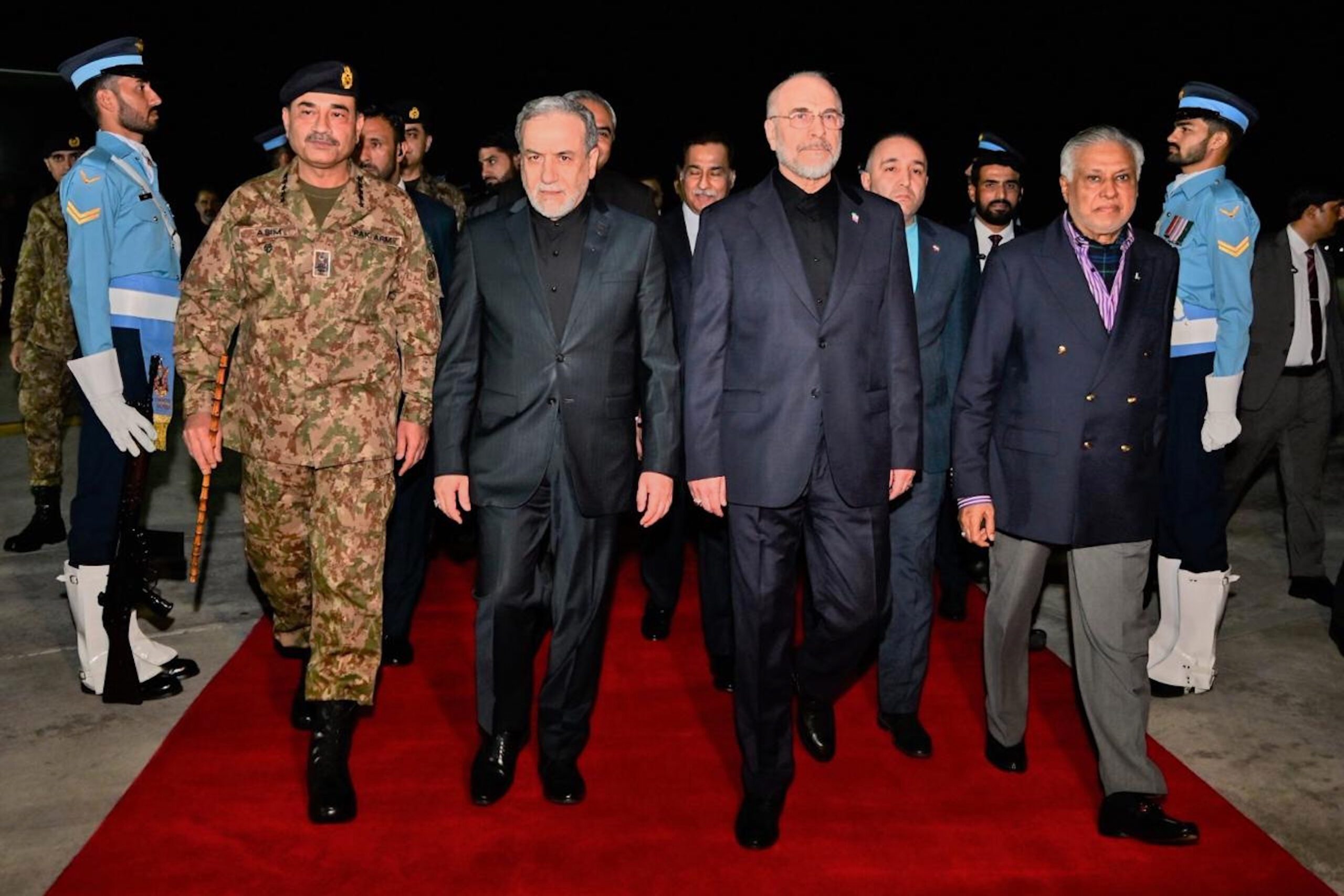
Inside Iran’s Wartime Leadership: Power, Succession, and Regime Stability
On April 21, AGSI hosted a discussion on the evolution of Iran's leadership during the war.
Speakers

Mar 18, 2026
In Its Conflict With the United States and Israel, Does Escalation Favor Iran?
On March 18, AGSI hosted a discussion on the escalation of the Iran war.
Speakers