Jan 19, 2024
Former Foreign Minister Mottaki on Deference to the Quds Force
The January 19 edition of the Iran Media Review examines new revelations about cooperation between Iran’s Foreign Ministry and the Quds Force.

Between his February 4, 1998 appointment as chief of the Islamic Revolutionary Guard Corps Quds Force and his assassination at Baghdad Airport January 3, 2020, Major General Qassim Suleimani worked with five Iranian foreign ministers. Most of the former foreign ministers have since discussed certain aspects of their cooperation with the slain general, including Manouchehr Mottaki, who served as foreign minister from 2005-10 under former President Mahmoud Ahmadinejad.
- January 12: In an interview with IRGC mouthpiece Tasnim News, Mottaki recalled:
- “During the 33-day war,” referencing the 2006 war between Israel and Hezbollah, “I met him in the command trench standing next to Seyyed Hassan Nasrallah. When I visited Lebanon on day 15 of the war, I asked for Seyyed Hassan Nasrallah’s analysis of the battlefield. He said: ‘We will prevail in this war.’ Then he gave the phone to Haj Qassim,” referencing Suleimani, “and told me: ‘Talk to your brother.’” Suleimani, presumably speaking from a different location in Beirut, reportedly told Mottaki, “What the seyyed is saying is correct. Israel will not prevail in this war.”
- “One day, when reporting to the supreme leader at a routine meeting, he said: ‘Mr. Mottaki, you are in charge of relations with all countries in the world, but with regard to Afghanistan, Iraq, and another field, I suggest you coordinate with Haj Qassim.’ I said yes. A week after that meeting, I invited Haj Qassim for a work breakfast at the Foreign Ministry. These meetings of ours became weekly, and he would come over every time. I really wanted to visit him at the Quds Force, but he took the trouble to visit me. I cannot disclose all the issues, projects, and joint works, but the result of the meetings was a considerable synergy between the battlefield and the field of diplomacy. We fully understood him, and he fully comprehended diplomatic problems.”
- “Our ambassador to Iraq was a Quds Force member. I once told him regarding Iranian consulates: ‘We have many Iranians who visit Karbala and Najaf for pilgrimage. Can you agree with the Foreign Ministry appointing the consuls? They are in need of serious consular work.’ He accepted, even with regard to our consulates in northern Iraq and Basra.”
- “One time, the Americans requested to negotiate with Iran concerning Iraq. They were tired of the fight in Iraq and troubled by the armed skirmishes over there. So, they tasked two individuals to investigate why the United States was not succeeding in Iraq. One was from the Republican Party, James Baker, who had previously served as secretary of state. The second was a Democrat named Lee H. Hamilton. These two visited Iraq, did their investigations, and published a 150-page report,” referencing the Iraq Study Group Report, “with various points, including the main point, which was Iran, to which the United States had not paid enough attention.”
- “After the report, the Americans messaged us through the Swiss ambassador and told us that they wanted to negotiate with us. We investigated issues, but in general, the regime did not agree to the request. Soon after, Iraq’s president, the late Jalal Talabani, and others wrote letters and asked the supreme leader to engage in such negotiations for the sake of the future of Iraq. His holiness accepted.”
- “During the first round of negotiations, Hassan Kazemi Qomi was our ambassador to Iraq … But during the next round, I suggested to Haj Qassim that the Foreign Ministry should appoint the head of the negotiating team. He asked me who I had in mind, and I said Hossein Amir-Abdollahian. Back then, Mr. Amir-Abdollahian was director of the Arab states and the Persian Gulf. Commander Suleimani approved of this, and the negotiations were successful.”
- “We defined the parameters of the negotiations, and at the secretariat of the Supreme National Security Council, we red teamed the negotiations: One side of the table represented Iran, and the other party represented the United States. We would play out issues we suspected would arise and prepared answers to them. Same for what we wanted to say. Answering the question ‘why is the United States not succeeding in Iraq?’ we conveyed to them that, as long as you are appearing heavily armed in the streets of Iraq, you constitute the best targets for Iraqis. People loathe Foreign Military occupiers.”
- When former President Barack Obama “heard about the negotiations, he was preparing himself for the presidential election. He took advantage of this opportunity and said in the course of his campaign: ‘If I am elected president, I will take American forces out of Iraq.’ When he entered office, he messaged Haj Qassim: ‘I am committed to my promise and will withdraw U.S. forces from Iraq by 2011.’ This is exactly what he did.”
The views represented herein are the author's or speaker's own and do not necessarily reflect the views of AGSI, its staff, or its board of directors.
Related
Iran Media Review
Jan 16, 2024
Tehran Does Not Expect Major Escalation in the Red Sea
The January 16 edition of the Iran Media Review highlights reactions to recent U.S. and allied strikes against Houthi targets.
Iran Media Review
Jan 12, 2024
Iran Fearful of Low Voter Participation in March 1 Parliamentary Elections
The January 12 edition of the Iran Media Review highlights regime concerns about participation in Iran’s March parliamentary elections.
Jan 16, 2024
Tehran Does Not Expect Major Escalation in the Red Sea
The January 16 edition of the Iran Media Review highlights reactions to recent U.S. and allied strikes against Houthi targets.
Jan 12, 2024
Iran Fearful of Low Voter Participation in March 1 Parliamentary Elections
The January 12 edition of the Iran Media Review highlights regime concerns about participation in Iran’s March parliamentary elections.
Analysis
The Islamic Republic Returns to Offense
After U.S.-Israeli strikes killed Supreme Leader Ayatollah Ali Khamenei on February 28, Iran’s collective leadership has concluded that the best defense is a good offense.
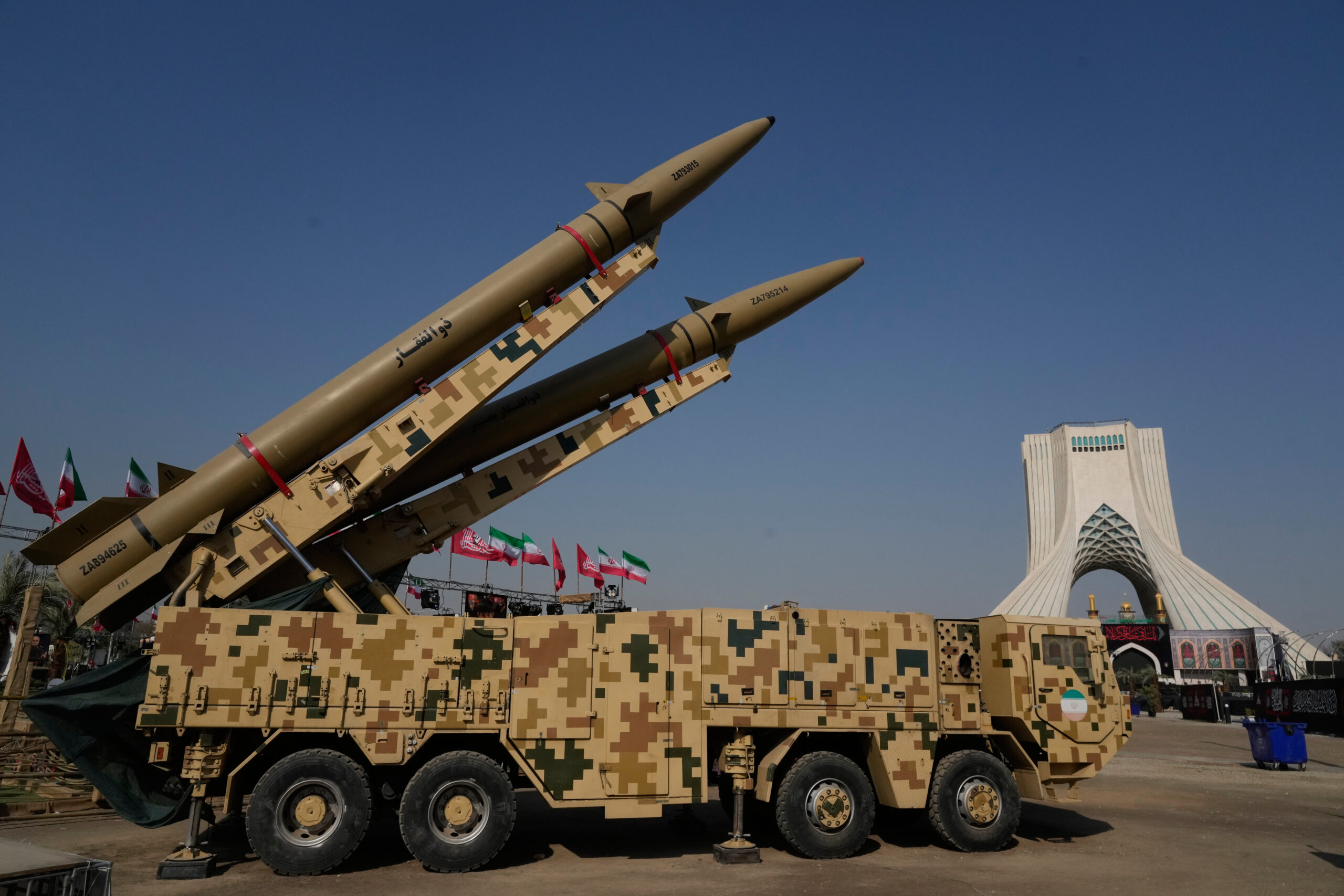
Iran’s Collective Strategic Decision Making
Wartime pressure has temporarily aligned the leadership’s overriding interest in regime survival, even as its members continue to differ over the costs, methods, and ultimate objectives of the war.
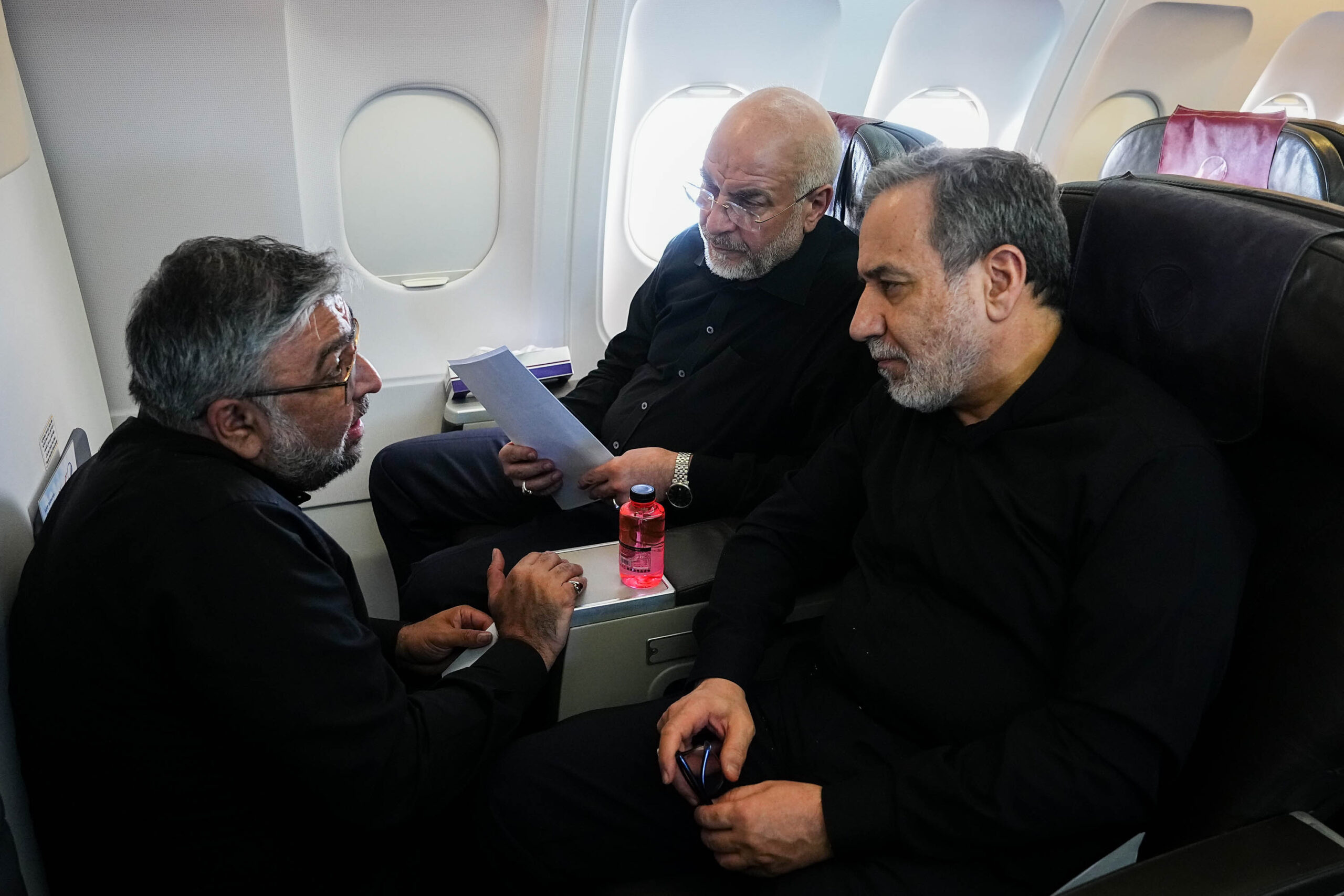
The Islamic Republic’s Collective Leadership
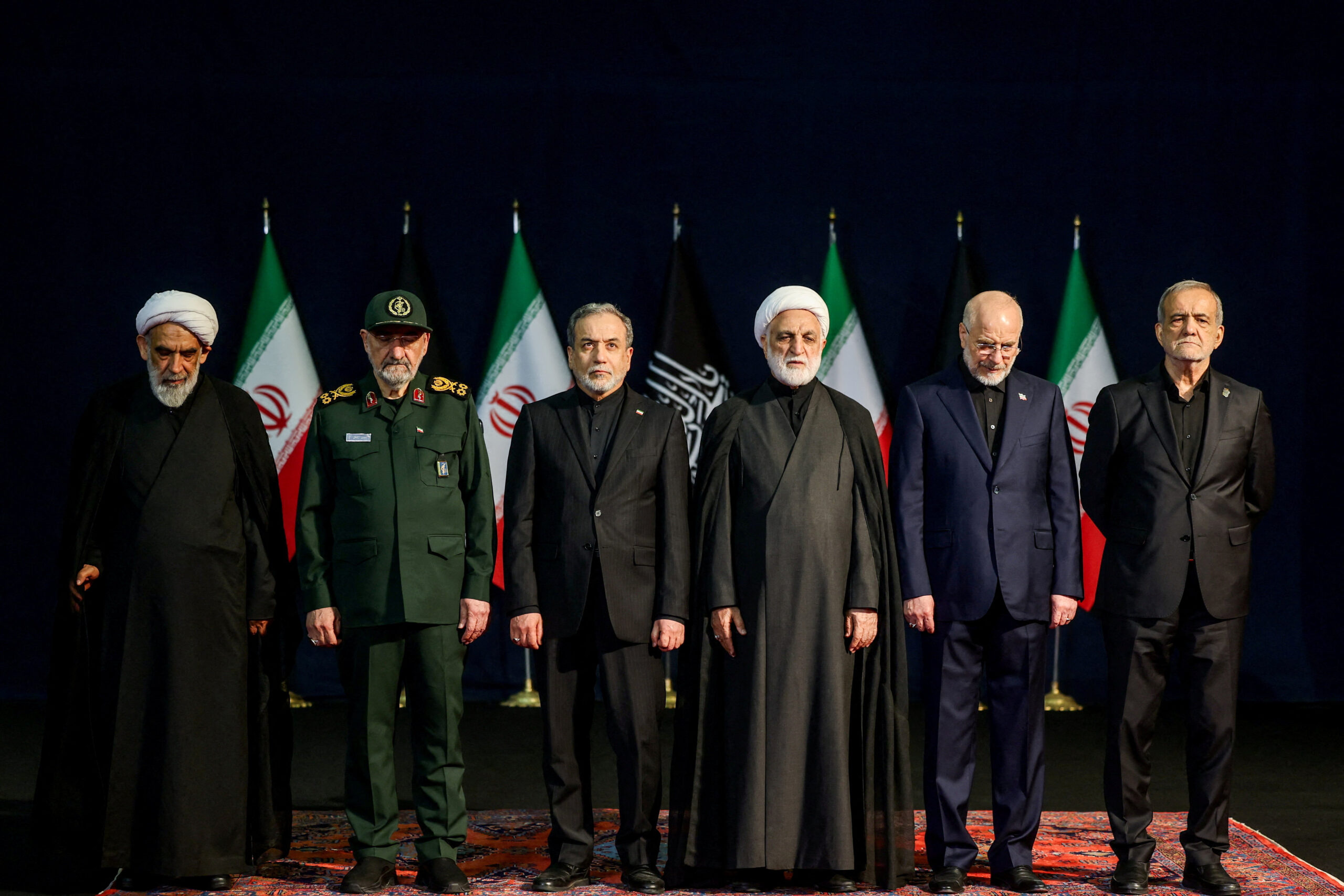
While there is historical precedent for collective leadership in Iran, today’s leadership includes representatives of the IRGC and regular military – a reflection of the IRGC’s expanding role and the necessities of governing under wartime conditions.
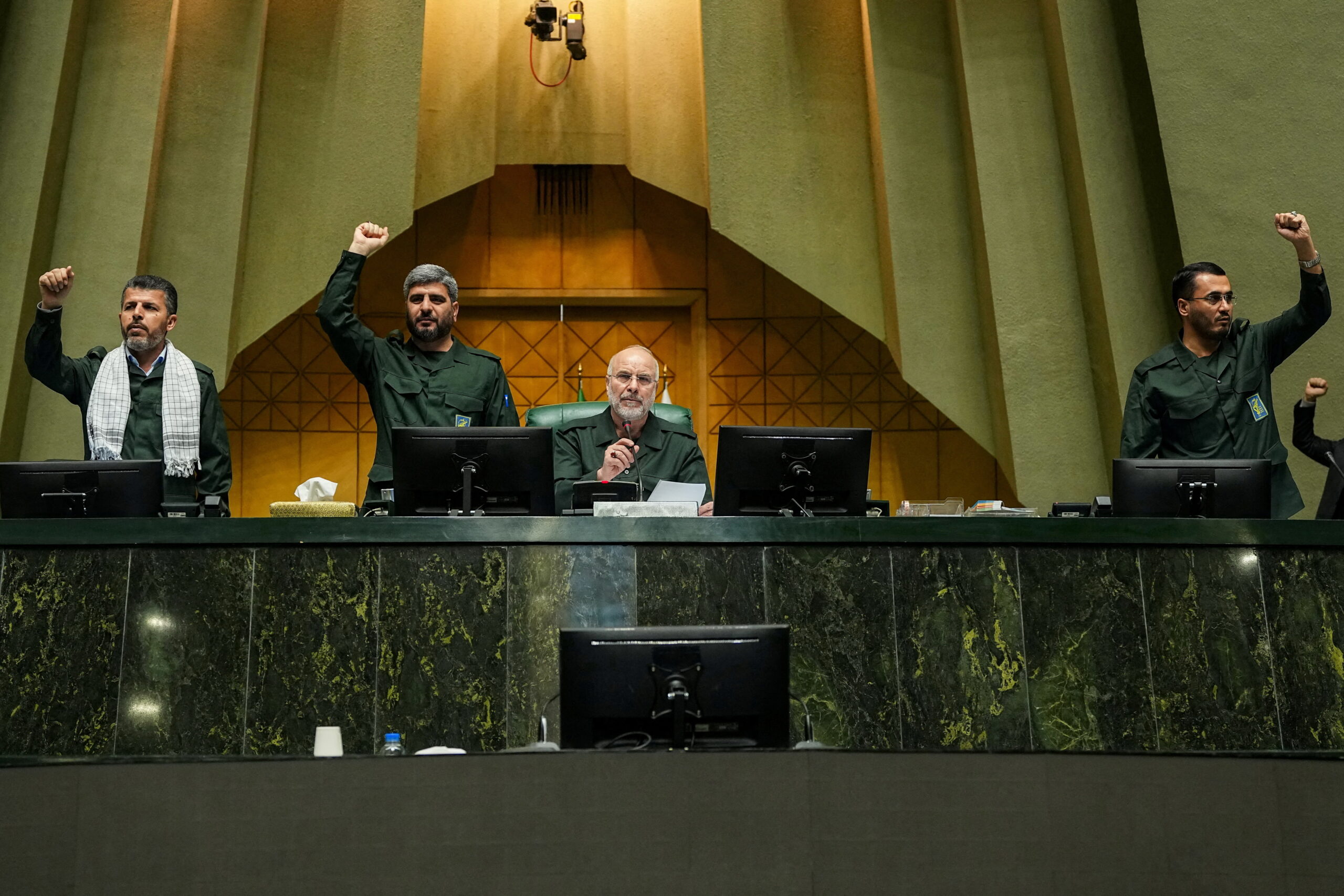
How Did the IRGC Seize Power in Iran?
The IRGC did not seize power in a single stroke. It accumulated it – patiently, methodically – until no counterweight remained.
Events
Book Talk: Iran and the Bomb: The United States, Iran and the Nuclear Question
On June 16, AGSI hosted a discussion on the evolution of Iran's nuclear program.

Speakers


Apr 21, 2026
Inside Iran’s Wartime Leadership: Power, Succession, and Regime Stability
On April 21, AGSI hosted a discussion on the evolution of Iran's leadership during the war.

Speakers

Mar 18, 2026
In Its Conflict With the United States and Israel, Does Escalation Favor Iran?
On March 18, AGSI hosted a discussion on the escalation of the Iran war.
Speakers



Mar 2, 2026
After the Shock: Implications of the U.S.–Israeli Strikes and Iran’s Leadership Transition
On March 2, AGSI hosted a discussion on the U.S.-Israeli strikes on Iran.
Speakers