Jan 12, 2024
Iran Fearful of Low Voter Participation in March 1 Parliamentary Elections
The January 12 edition of the Iran Media Review highlights regime concerns about participation in Iran’s March parliamentary elections.

Supreme Leader Ayatollah Ali Khamenei and the Islamic Revolutionary Guard Corps’ cultural and social deputy recently warned of alleged enemy machinations to reduce participation in Iran’s March 1 parliamentary elections. However, other news agencies have pointed at much simpler reasons for declining electoral participation: the Guardian Council’s disqualification of candidates, even current parliamentarians who were allowed to run for office and were elected four years ago.
- January 5: Centrist Borna News released the names of 26 current parliamentarians who registered to run for the March parliamentary elections but were disqualified by the Guardian Council on unclear grounds.
- January 9: Khamenei’s official website released the full text of his statements to a delegation visiting from the city of Qom:
- Referencing unnamed enemies of the Islamic Republic, he stated, “They are trying to make people lose hope in the future. Just look at home: Much of the enemy media … is trying to make people lose hope. They find one negative point and make broad generalizations and make it appear bigger so people lose hope – particularly the youth. They want the youth to lose hope and say, ‘What difference does it make to engage in politics? What is the benefit of participating in elections?’ This is how the enemy operates.”
- Khamenei further claimed the “enemy” is “showcasing deficiencies and hardships in the economy. Well, yes, we do have economic problems, and there is no doubt about it. Different economic weaknesses exist, and that is for certain, and they make these weaknesses manifest for everyone to see.”
- “They also try to frighten the people of the United States, of the Zionist regime, this and that” to reduce participation in elections, “but the Iranian nation has learned not to fear.”
- According to Khamenei, “the enemy” is also trying to “weaken the beliefs of the people … Look at the hijab issue and all the events related to it. The hijab itself is not the issue. Some may not know, or are not paying attention, or have certain motives, but the hijab is not the real issue … They are trying to polarize society.”
- January 10: As reported by reformist Entekhab News, Colonel Majid Bazrafkan, the IRGC’s cultural and social deputy, discussed potential threats facing the March elections while addressing members of the Basij in Arak, Markazi province:
- “The Basij is totally committed to increasing popular participation … and fighting the enemies.” Iran’s “model of resistance was manifested for the entire world to see in the victory of the Islamic Revolution, and, through popular participation in the elections, we must serve as role models to others.”
- Turning to challenges to popular participation, Bazrafkan continued: “The enemies possess cyberinfrastructure, and the people, too, are not inclined to watch television,” referencing the inability of the Islamic Republic of Iran Broadcasting to attract viewers. “The street level, however, is a venue for the Basij members to engage in propaganda and tell the truth, and this opportunity should not be wasted … Just like the Hamas and Islamic Jihad kids who are now living and fighting the enemies under the rubble, the Basij members, too, must resist the psychological warfare of the enemy.”
The views represented herein are the author's or speaker's own and do not necessarily reflect the views of AGSI, its staff, or its board of directors.
Related
Iran Media Review
Jan 9, 2024
Shargh Daily on the Joint Taliban/ISIL Threat
The January 9 edition of the Iran Media Review considers how Iran might retaliate against ISIL and address rising terrorist threats.
Iran Media Review
Jan 5, 2024
Iran’s State-Censored Media Blames Abstract Enemies for Bombings
The January 5 edition of the Iran Media Review examines reactions to the January 3 attack at a memorial for former Quds Force chief Qassim Suleimani.
Jan 9, 2024
Shargh Daily on the Joint Taliban/ISIL Threat
The January 9 edition of the Iran Media Review considers how Iran might retaliate against ISIL and address rising terrorist threats.
Jan 5, 2024
Iran’s State-Censored Media Blames Abstract Enemies for Bombings
The January 5 edition of the Iran Media Review examines reactions to the January 3 attack at a memorial for former Quds Force chief Qassim Suleimani.
Analysis
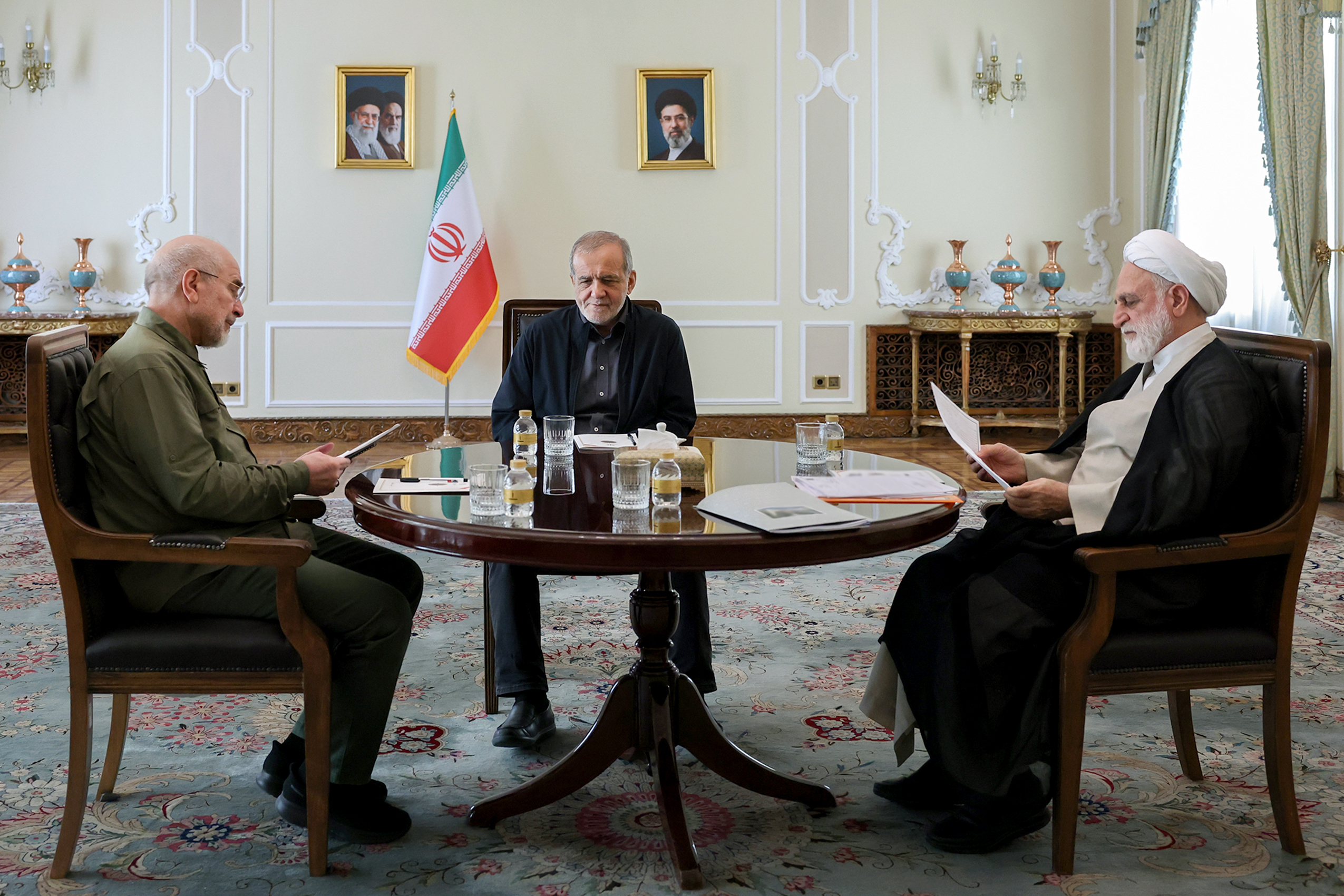
The Committee of Six and Strategic Decision Making in Iran
Remarks by Iran’s president offer a rare glimpse of how the Islamic Republic has adapted its decision making to the absence of its supreme leader.
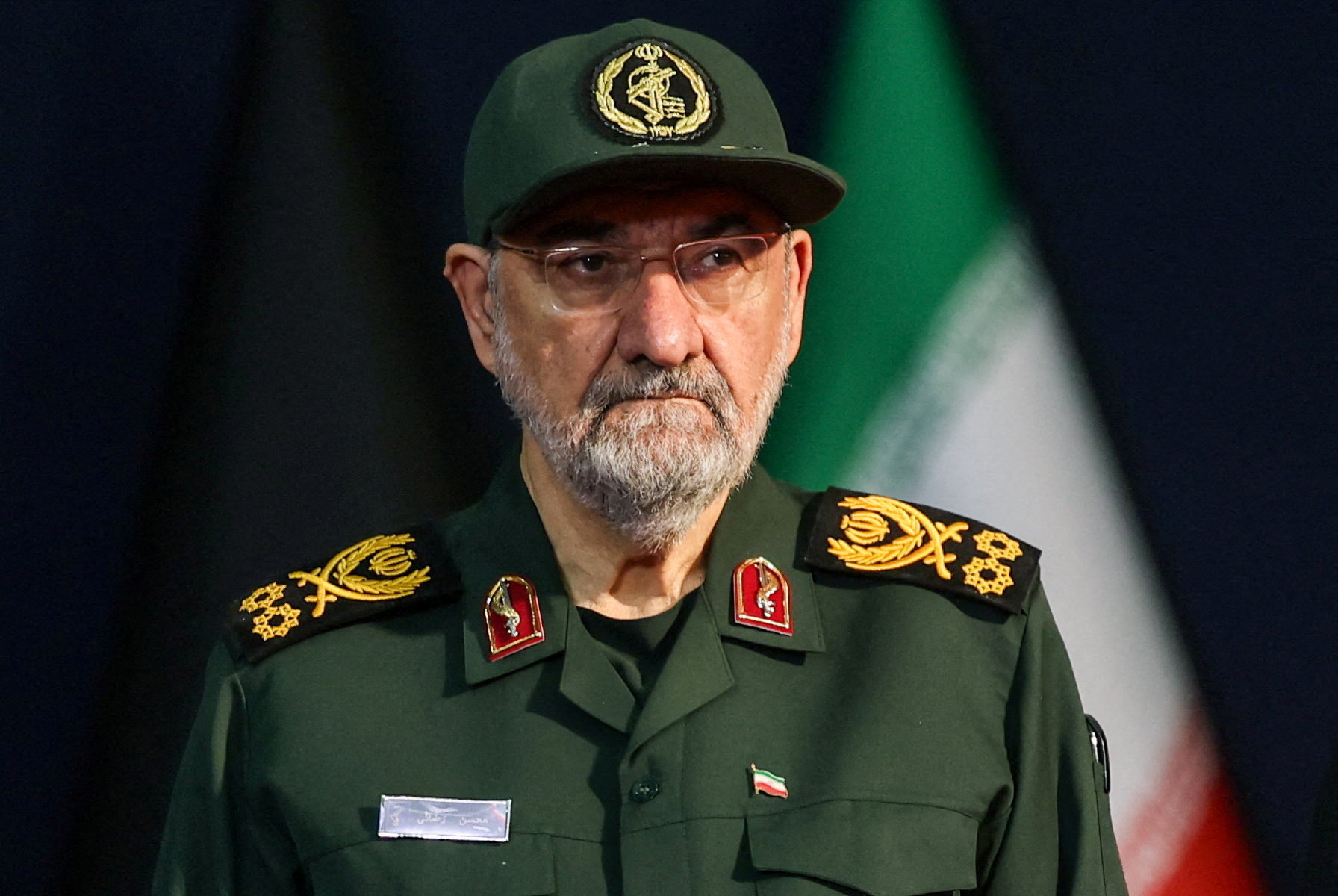
Mohsen Rezaei at the Helm of Iran’s Supreme National Security Council
Under Rezaei, the SNSC could prove constructive or paralyze strategic decision making.
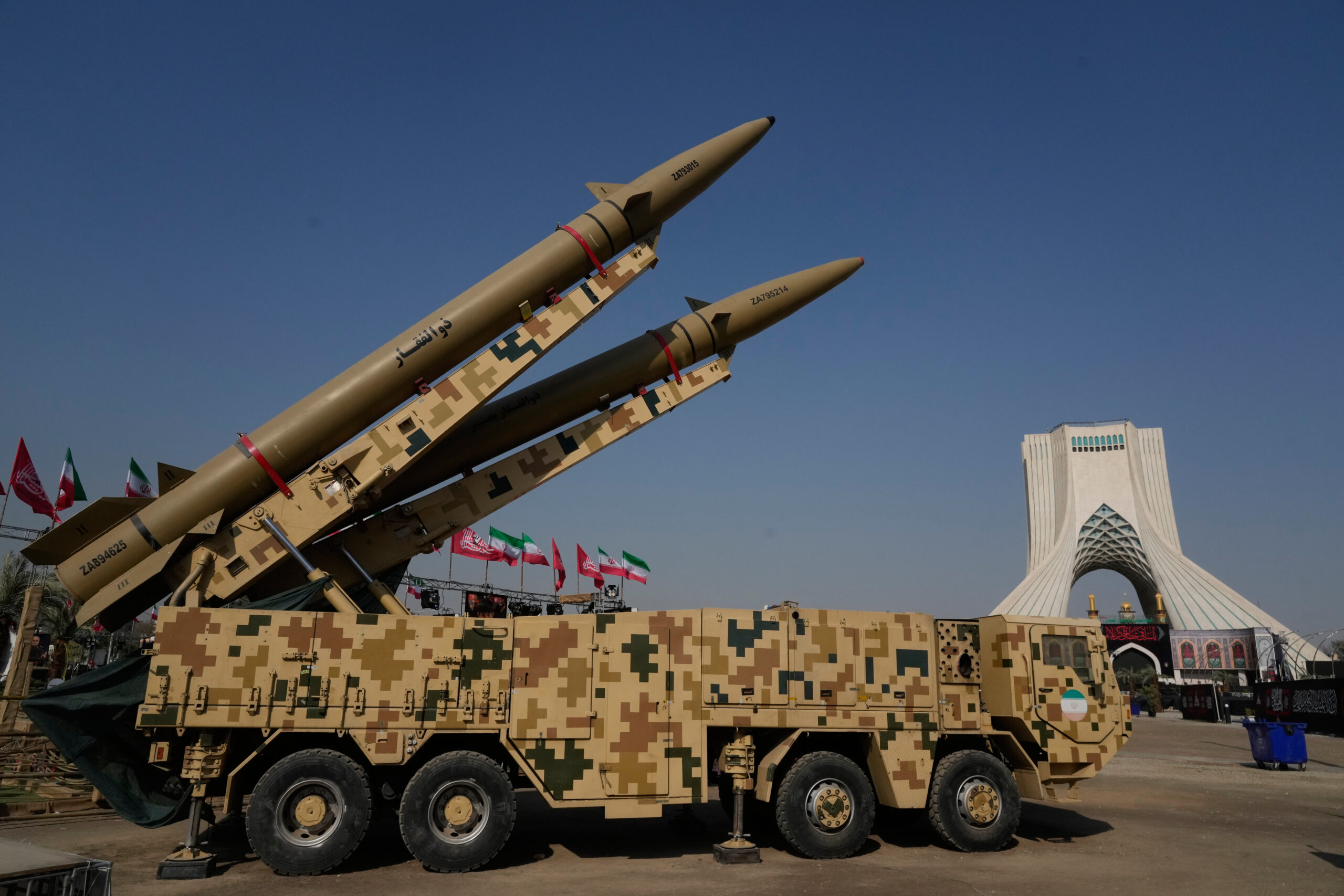
The Islamic Republic Returns to Offense
After U.S.-Israeli strikes killed Supreme Leader Ayatollah Ali Khamenei on February 28, Iran’s collective leadership has concluded that the best defense is a good offense.
Iran’s Collective Strategic Decision Making
Wartime pressure has temporarily aligned the leadership’s overriding interest in regime survival, even as its members continue to differ over the costs, methods, and ultimate objectives of the war.
Events
Oct 6, 2026
Is the U.S.-Iran Stalemate a “New Normal” or the Prelude to Another Explosion?
On October 6, AGSI hosted a discussion on the U.S.-Iran stalemate and the prospects for a cease-fire.
Speakers



Book Talk: Iran and the Bomb: The United States, Iran and the Nuclear Question
On June 16, AGSI hosted a discussion on the evolution of Iran's nuclear program.
Speakers
Apr 21, 2026
Inside Iran’s Wartime Leadership: Power, Succession, and Regime Stability
On April 21, AGSI hosted a discussion on the evolution of Iran's leadership during the war.
Speakers

Mar 18, 2026
In Its Conflict With the United States and Israel, Does Escalation Favor Iran?
On March 18, AGSI hosted a discussion on the escalation of the Iran war.
Speakers