Sep 19, 2023
IRGC Ratchets Up Threats Against Iraq-Based Kurdish Separatists
The September 19 edition of the Iran Media Review examines the Islamic Revolutionary Guard Corps’ threats to strike Kurdish separatists based in Iraq.
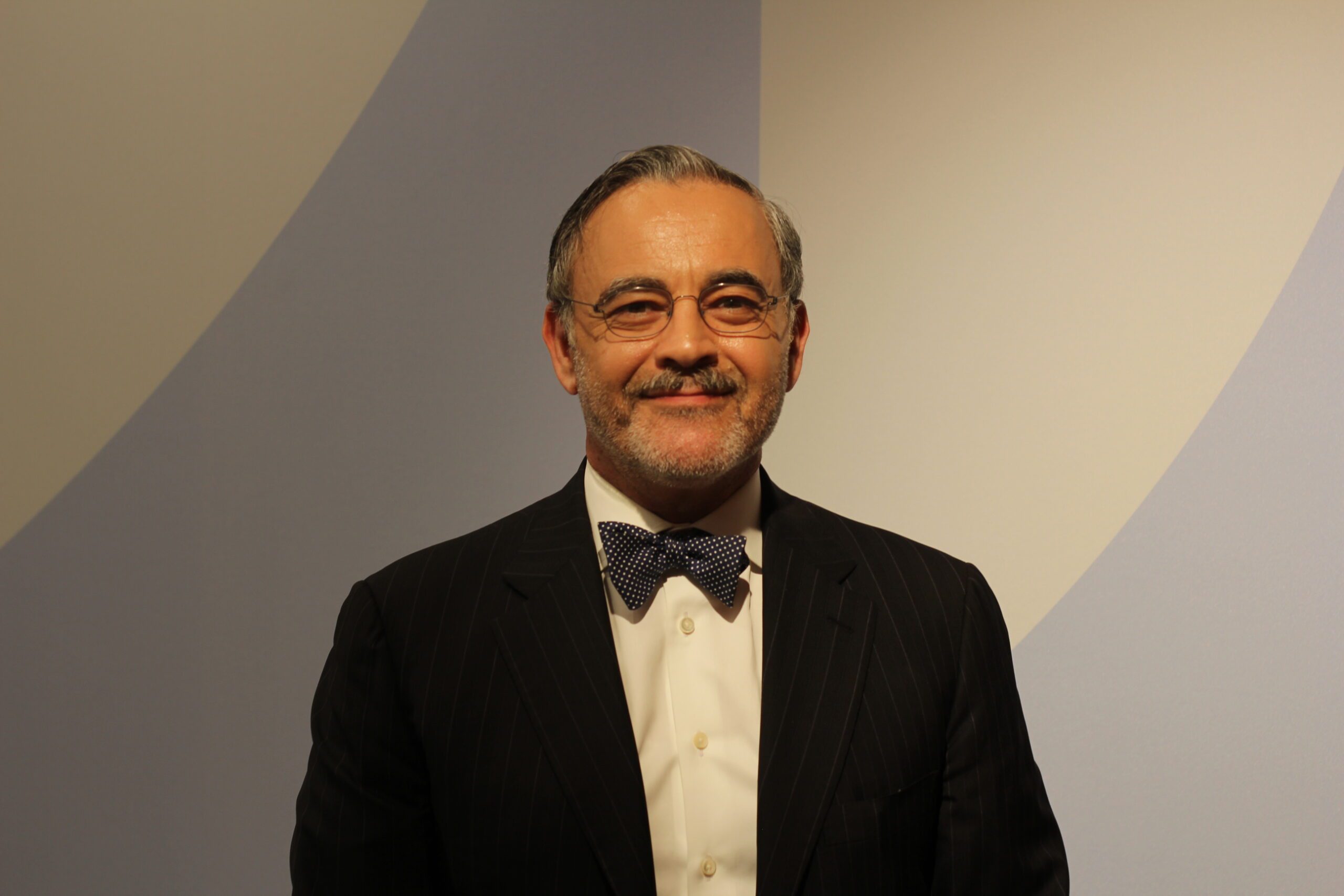
Perhaps as a way of deflecting public interest from the anniversary of Mahsa Amini’s death in the custody of the morality police, the Islamic Revolutionary Guard Corps has ratcheted up its threats against Iraq-Based Kurdish separatists.
- September 13: IRGC mouthpiece Mashregh News commented on the flurry of diplomatic activity between Iran and Iraq concerning the fate of armed Iranian Kurdish separatist groups based in Iraq, which are supposed to be disarmed under a March 19 agreement between Baghdad and Tehran:
- Iran “sending equipment to” the border “area” between Iran and Iraq “is a sign that the time for political and diplomatic negotiations has come to an end, and the fate of the terrorists will be sealed through military operations, missiles, and drones of the Revolutionary Guard … The doctrine behind dealings with the terrorists has three dimensions: defensive, operations, and offensive tactics, meaning Iran does not initially intend to attack any country, but should a threat arise, it will attack the source of the threat to annihilate it at its source. In such operations, equipment that does not impose the slightest harm on noncombatants will be used. The Revolutionary Guard will engage in surgical operations against the terrorists, but the operations will carry a message to the enemies and their mercenaries all over the region.”
- Ending the article by discussing the recent deployment of IRGC forces to northwestern Iran near the border of Iraq’s Kurdistan region, Mashregh concluded: “The fast transfer of armored vehicles to the northwestern borders shows the defeat of the enemy’s strategy of concentrating the terrorists outside of Iran’s borders … the recent activities of the Revolutionary Guard are a precise signal to the supporters and financial backers of terrorists in the region: The more tensions rise, the harder the blows will be!”
The views represented herein are the author's or speaker's own and do not necessarily reflect the views of AGSI, its staff, or its board of directors.
Related
Iran Media Review
Sep 15, 2023
Externalizing Iran’s Internal Crisis: IRGC, Protesters, and Kurdish Separatists
The September 15 edition of the Iran Media Review highlights tensions over Iranian Kurdish groups based in Iraq and the regime’s efforts to blame them for domestic unrest.
Iran Media Review
Sep 12, 2023
Islamic Republic Prepares Itself for Anniversary of Anti-Regime Protests
The September 12 edition of the Iran Media Review highlights comments on Iran’s 2022 protests from Islamic Revolutionary Guard Corps officials and Supreme Leader Ayatollah Ali Khamenei.
Sep 15, 2023
Externalizing Iran’s Internal Crisis: IRGC, Protesters, and Kurdish Separatists
The September 15 edition of the Iran Media Review highlights tensions over Iranian Kurdish groups based in Iraq and the regime’s efforts to blame them for domestic unrest.
Sep 12, 2023
Islamic Republic Prepares Itself for Anniversary of Anti-Regime Protests
The September 12 edition of the Iran Media Review highlights comments on Iran’s 2022 protests from Islamic Revolutionary Guard Corps officials and Supreme Leader Ayatollah Ali Khamenei.
Analysis
The Islamic Republic Returns to Offense
After U.S.-Israeli strikes killed Supreme Leader Ayatollah Ali Khamenei on February 28, Iran’s collective leadership has concluded that the best defense is a good offense.
Iran’s Collective Strategic Decision Making
Wartime pressure has temporarily aligned the leadership’s overriding interest in regime survival, even as its members continue to differ over the costs, methods, and ultimate objectives of the war.
The Islamic Republic’s Collective Leadership
While there is historical precedent for collective leadership in Iran, today’s leadership includes representatives of the IRGC and regular military – a reflection of the IRGC’s expanding role and the necessities of governing under wartime conditions.
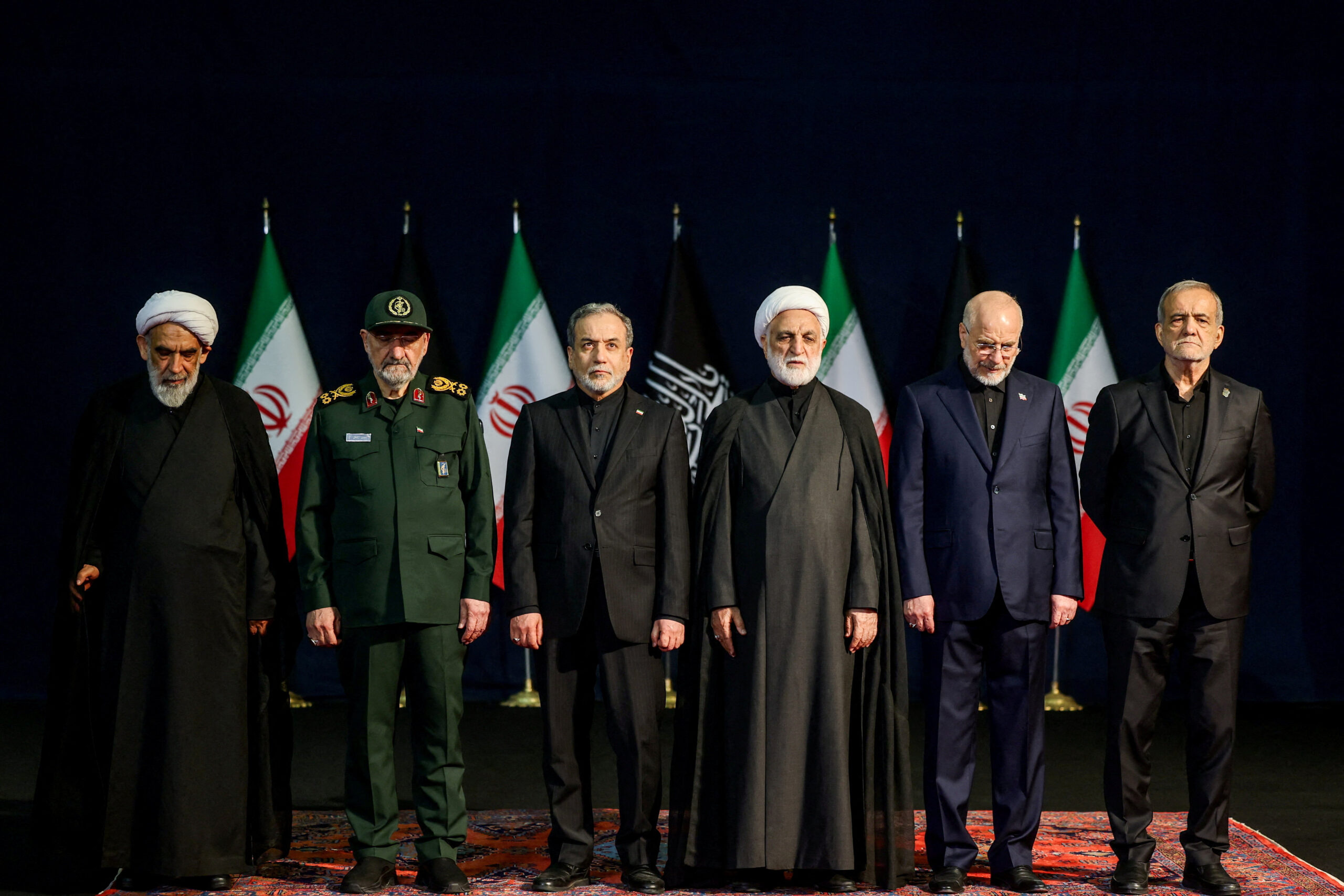
How Did the IRGC Seize Power in Iran?
The IRGC did not seize power in a single stroke. It accumulated it – patiently, methodically – until no counterweight remained.
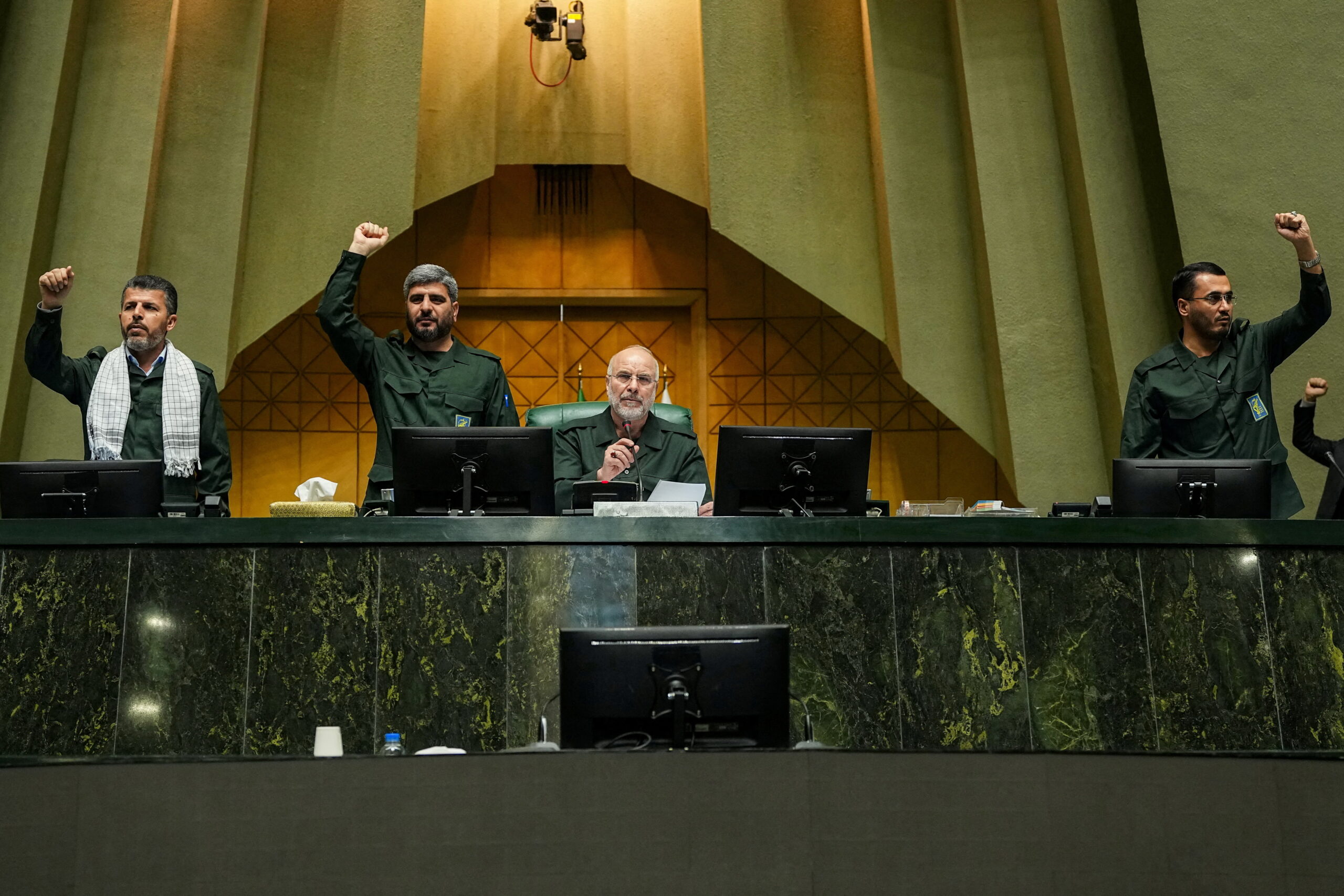
Events
Oct 6, 2026
10:00am - 11:00am
Is the U.S.-Iran Stalemate a “New Normal” or the Prelude to Another Explosion?
On October 6, AGSI will host a discussion on the U.S.-Iran stalemate and the prospects for a cease-fire.
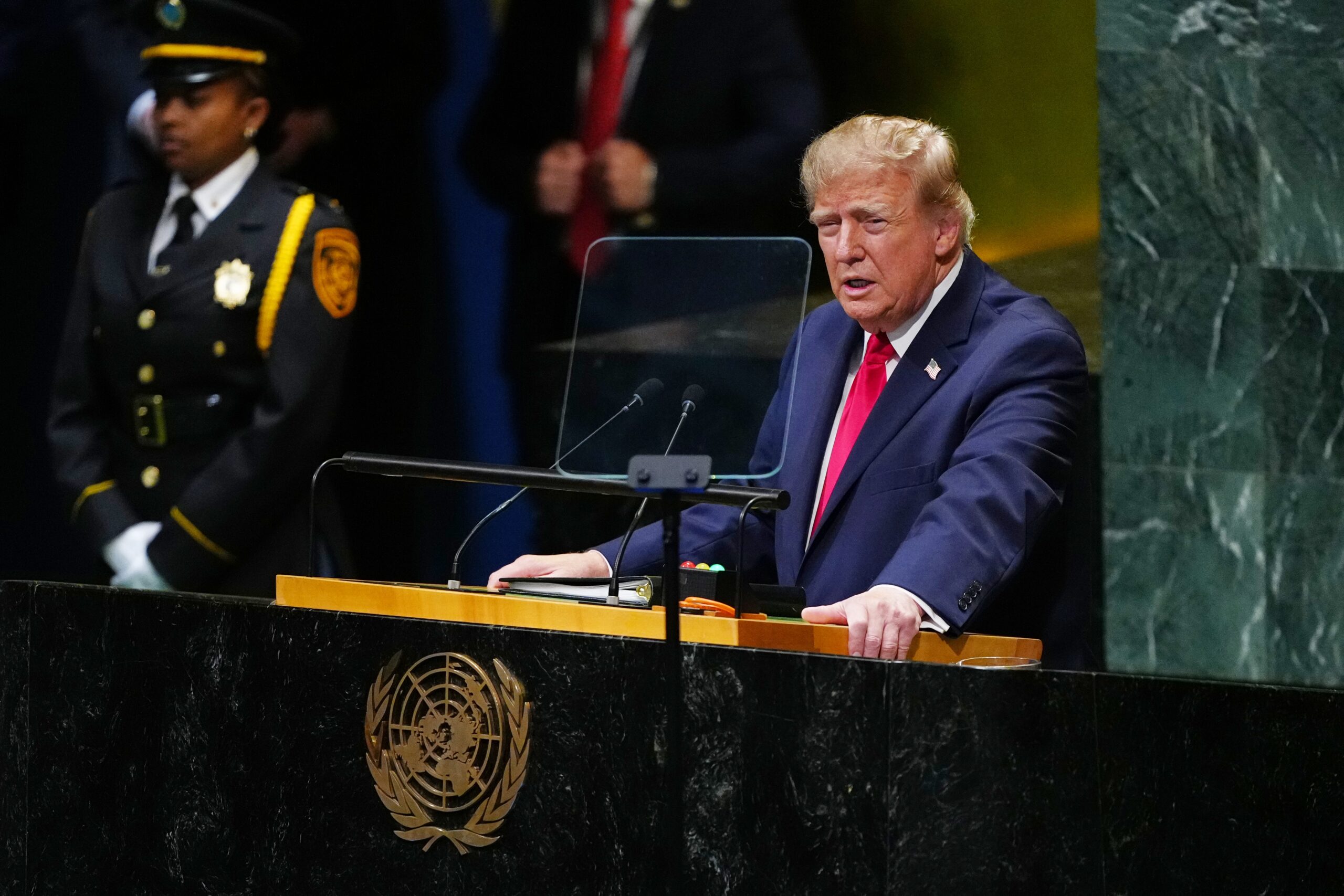
Speakers



Book Talk: Iran and the Bomb: The United States, Iran and the Nuclear Question
On June 16, AGSI hosted a discussion on the evolution of Iran's nuclear program.
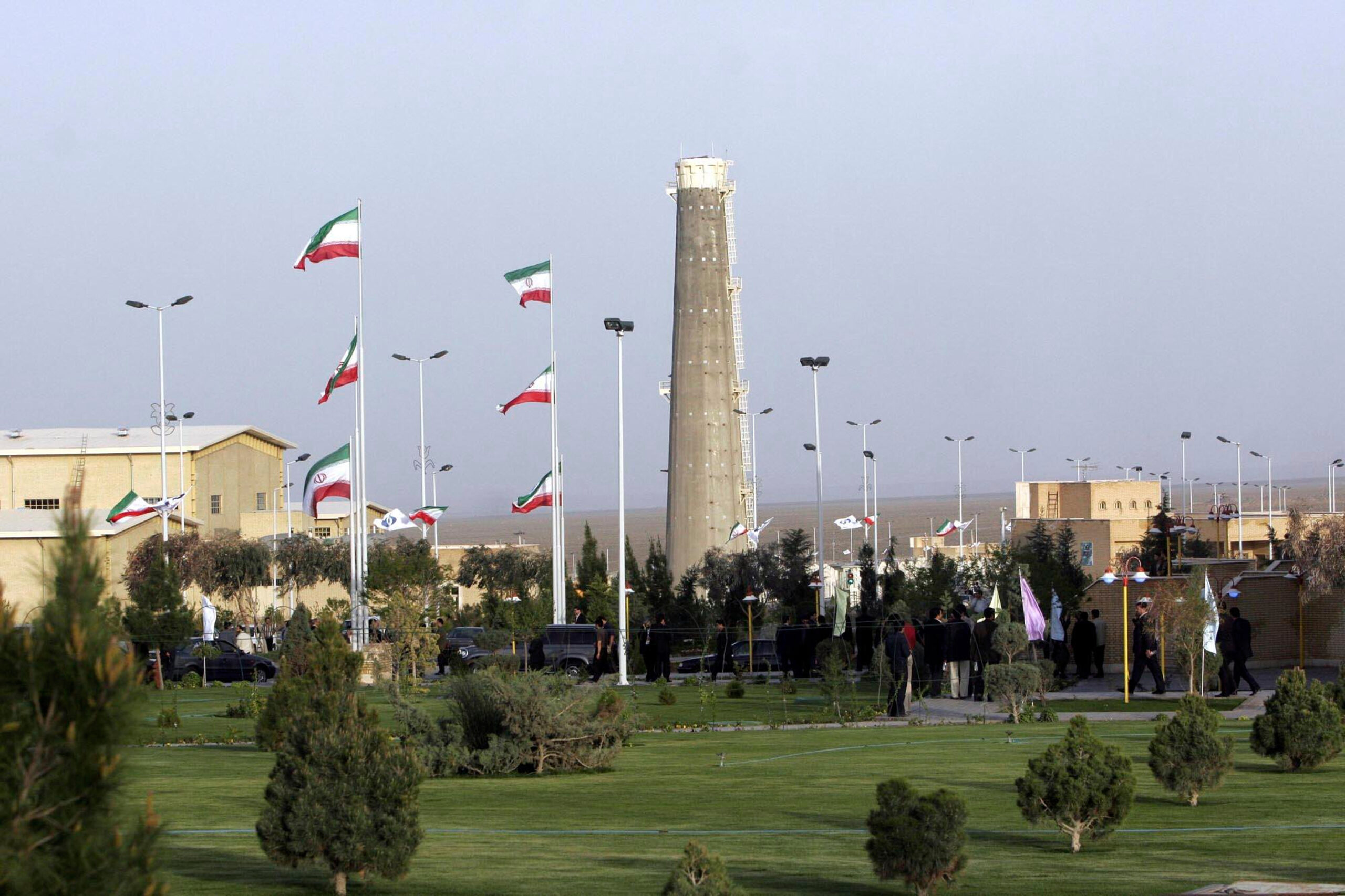
Speakers
Apr 21, 2026
Inside Iran’s Wartime Leadership: Power, Succession, and Regime Stability
On April 21, AGSI hosted a discussion on the evolution of Iran's leadership during the war.
Speakers

Mar 18, 2026
In Its Conflict With the United States and Israel, Does Escalation Favor Iran?
On March 18, AGSI hosted a discussion on the escalation of the Iran war.
Speakers