Jul 28, 2023
Iran: Return of Political Neighborhood Policing
The July 28 edition of the Iran Media Review highlights the revival of political neighborhood policing amid simmering public discontent.

In the wake of Iran’s 1979 Islamic Revolution, the collapse of the Imperial Police, and the Imperial Army’s declaration of neutrality in the course of the revolution, “Islamic Revolution Committees” emerged to fill the power vacuum and enforce political policing at the neighborhood level. By 1991, the committees were merged with the police under the name of the Islamic Republic Law Enforcement Forces. Nevertheless, certain neighborhood mosques were transformed into local headquarters for the Basij Resistance Force, which served as an ideological counterbalance to the Law Enforcement Forces. Facing widespread public discontent and latent anti-regime sentiments that can come up to the surface at any time, Iran is investing in establishing “democratic Islamic neighborhoods,” marking a return to the Islamic Revolution Committees and political neighborhood policing.
- July 16: While addressing a Basij seminar, Brigadier General 2nd Class Heydar Baba-Ahmadi, chief of the Basij of the Oppressed’s mosque and neighborhood unit, said, according to Basij News, the official mouthpiece of the organization: “The regime is inclined to form an Islamic society and neighborhood with the ultimate goal of establishing Islamic and democratic governance led by the Imam of the Era, may God hasten his return. This issue constitutes the core of the plan of the Neighborhood Basij Directorate and encompasses all 60,000 neighborhood Basij bases in the country. In doing so, they will be the vanguard of producing soft power and realizing democratic Islamic neighborhoods … Alongside this great nationwide plan, the Basij is establishing mosques with the help of local imams. Over the past year, 1,270 Basij mosque bases were revived.”
- July 17: The Basij’s chief commander, Brigadier General Gholam-Reza Suleimani, addressing the “Islamic Neighborhood” exhibit organized on the sidelines of the seminar, said, according to Basij News: “The plan to realize Islamic democracy neighborhoods began in 2021 and is currently being implemented in 15,000 neighborhoods, but it can expand to 50,000 neighborhoods … The Iranian Parliament is constantly passing laws, but if Islamic democracy spreads at the neighborhood level, there is no need for such an amount of legislation. Whenever the government wants to do something, it can ask the people to enforce it, and this is the best way of doing things.”
- July 17: According to Fars News, which is close to the Islamic Revolutionary Guard Corps, while visiting the exhibit, IRGC Chief Commander Major General Hossein Salami said: “The Basij is in the midst of the people and is trying to solve the problems of the people, in particular those of the meek, since washing away the dust of poverty from the face of the people is the raison d’etre of the Basij … What we see on display at this exhibit is the key to solving many of our societal problems, meaning the creation of Islamic neighborhoods revolving around Basij Resistance Force bases.” Turning to the question of the perceived threat from foreign enemies, Salami said: “The enemy is engaged in a global war against us. It is using all tools available to it – media, communications, political, economic, intelligence, and psychological – to fight against the Iranian nation. This is a total hybrid war against the Iranian nation … The Basij is adjusting itself to these circumstances.”
The views represented herein are the author's or speaker's own and do not necessarily reflect the views of AGSI, its staff, or its board of directors.
Related
Iran Media Review
Oct 23, 2026
Closing Borders: The Blockade Moves Inland
The October 23 edition of the Iran Media Review considers Iranian admissions that U.S. economic warfare is pressuring Iran.
Iran Media Review
Oct 20, 2026
Who Authorized Iranian Strikes Against U.S. Vessels?
The October 20 edition of the Iran Media Review examines IRGC messaging about July 7 strikes against U.S. Navy vessels and the debate surrounding the confirmation of a new Iranian defense minister.
Iran Media Review
Oct 16, 2026
Qalibaf’s New Equation: War, Negotiation, and Deterrence
The October 16 edition of the Iran Media Review highlights the call by Iran’s parliamentary speaker for a combination of war and negotiation to establish deterrence against further attacks on Iran.
Oct 23, 2026
Closing Borders: The Blockade Moves Inland
The October 23 edition of the Iran Media Review considers Iranian admissions that U.S. economic warfare is pressuring Iran.
Oct 20, 2026
Who Authorized Iranian Strikes Against U.S. Vessels?
The October 20 edition of the Iran Media Review examines IRGC messaging about July 7 strikes against U.S. Navy vessels and the debate surrounding the confirmation of a new Iranian defense minister.
Oct 16, 2026
Qalibaf’s New Equation: War, Negotiation, and Deterrence
The October 16 edition of the Iran Media Review highlights the call by Iran’s parliamentary speaker for a combination of war and negotiation to establish deterrence against further attacks on Iran.
Analysis
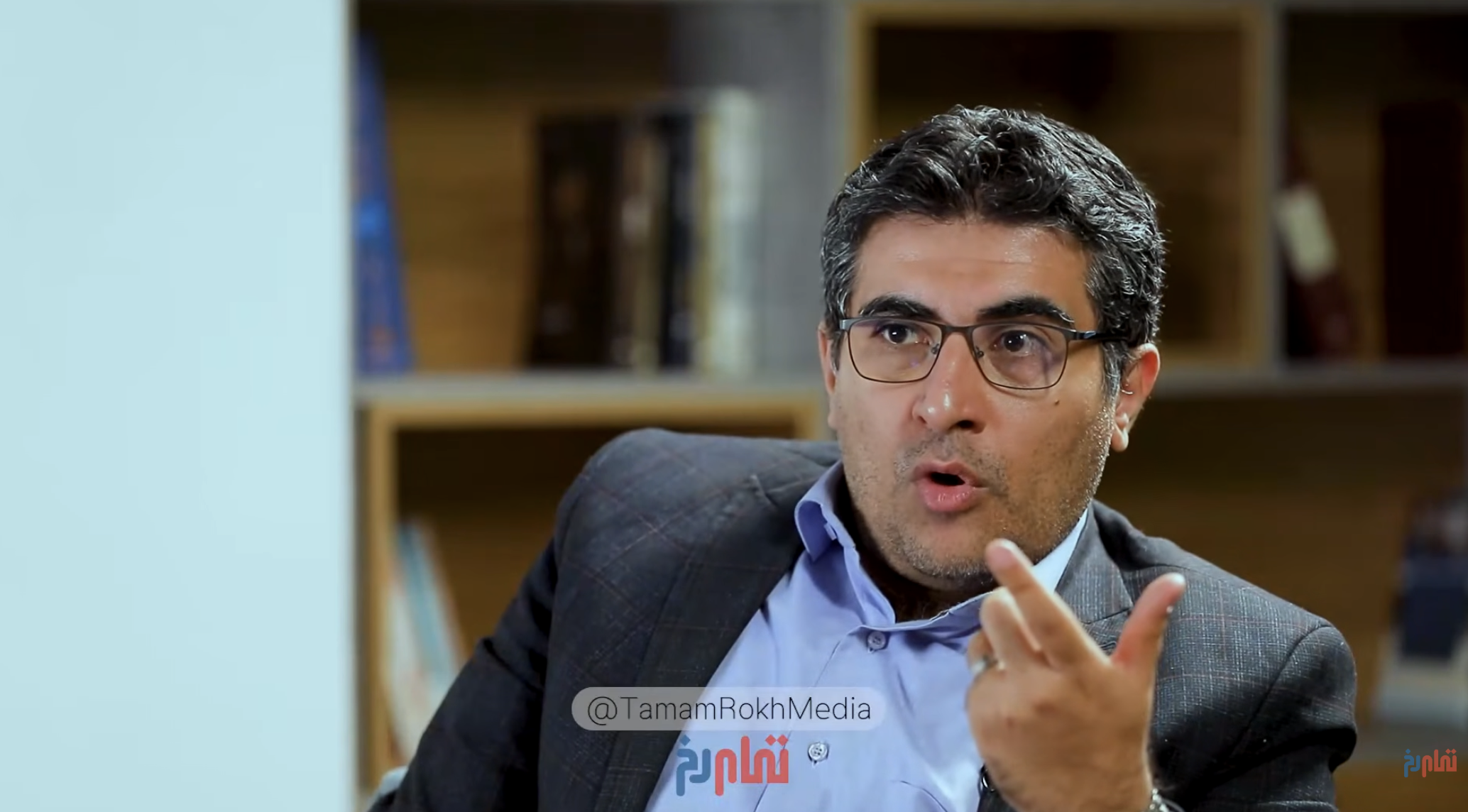
Debating Policy in Public: Iranian Elites Turn to YouTube
Rival camps within the Islamic Republic are increasingly turning to YouTube for policy debate, but there is a limit to the regime’s tolerance for that debate.
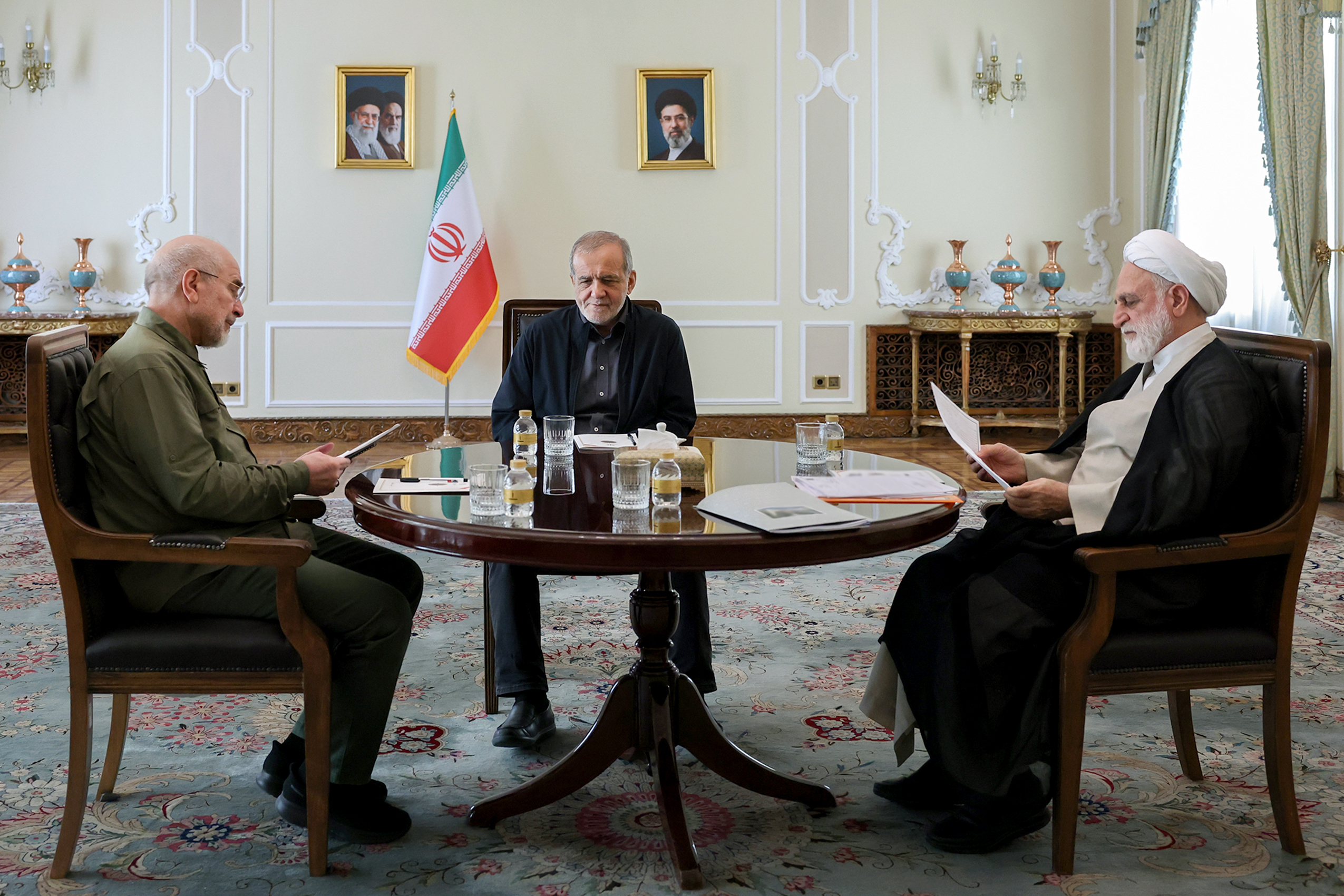
The Committee of Six and Strategic Decision Making in Iran
Remarks by Iran’s president offer a rare glimpse of how the Islamic Republic has adapted its decision making to the absence of its supreme leader.
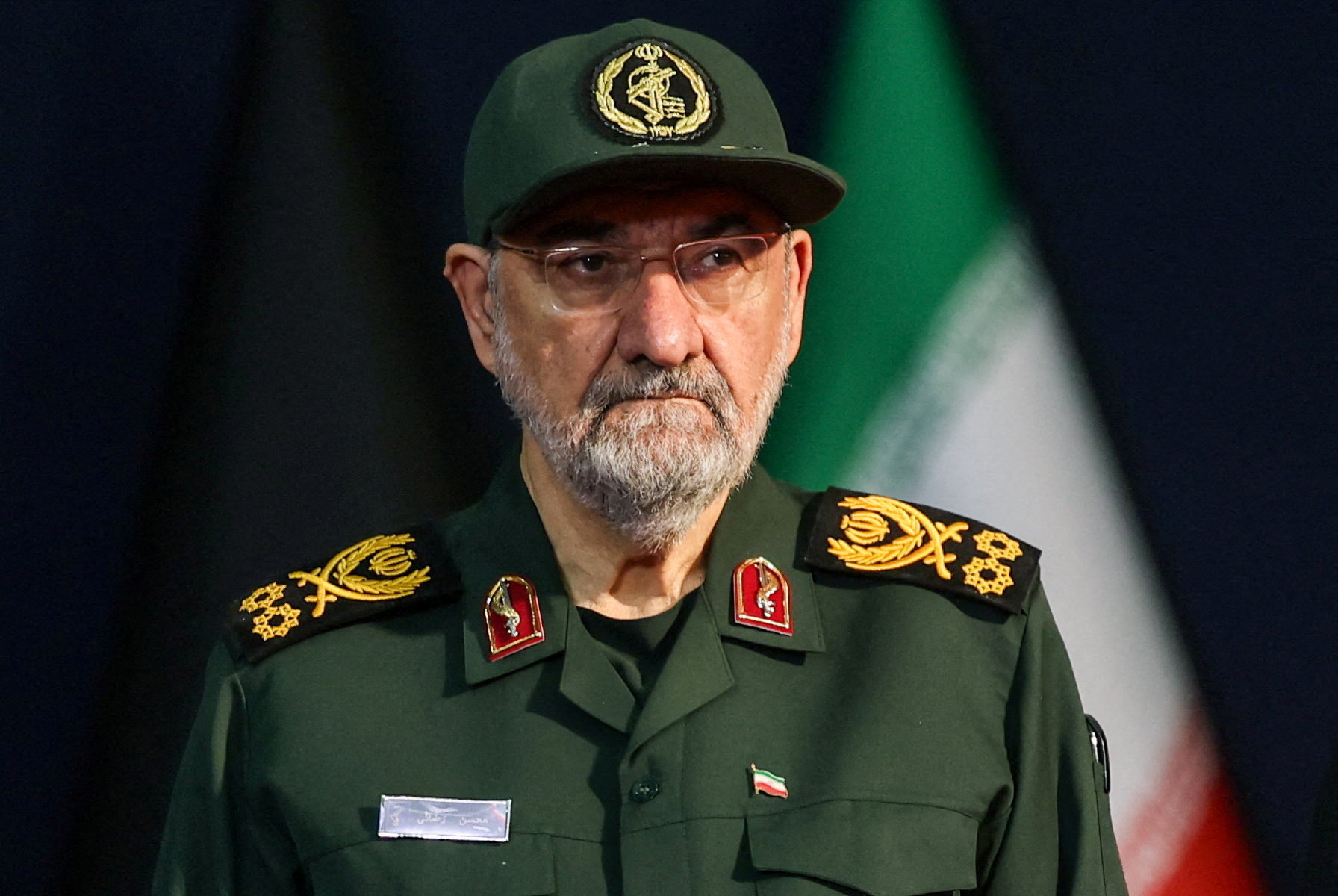
Mohsen Rezaei at the Helm of Iran’s Supreme National Security Council
Under Rezaei, the SNSC could prove constructive or paralyze strategic decision making.
The Islamic Republic Returns to Offense
After U.S.-Israeli strikes killed Supreme Leader Ayatollah Ali Khamenei on February 28, Iran’s collective leadership has concluded that the best defense is a good offense.
Events
Oct 6, 2026
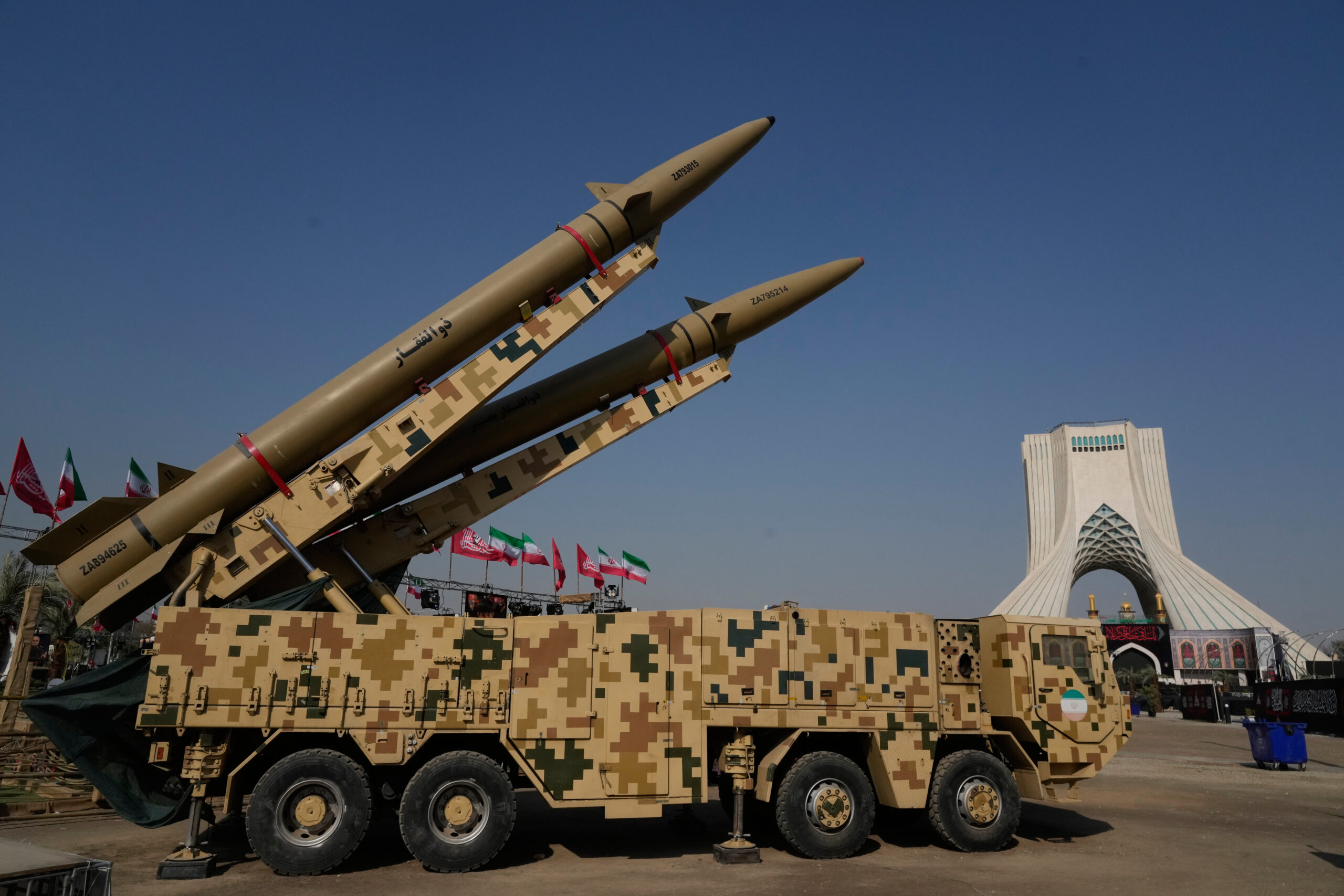
Is the U.S.-Iran Stalemate a “New Normal” or the Prelude to Another Explosion?
On October 6, AGSI hosted a discussion on the U.S.-Iran stalemate and the prospects for a cease-fire.
Speakers



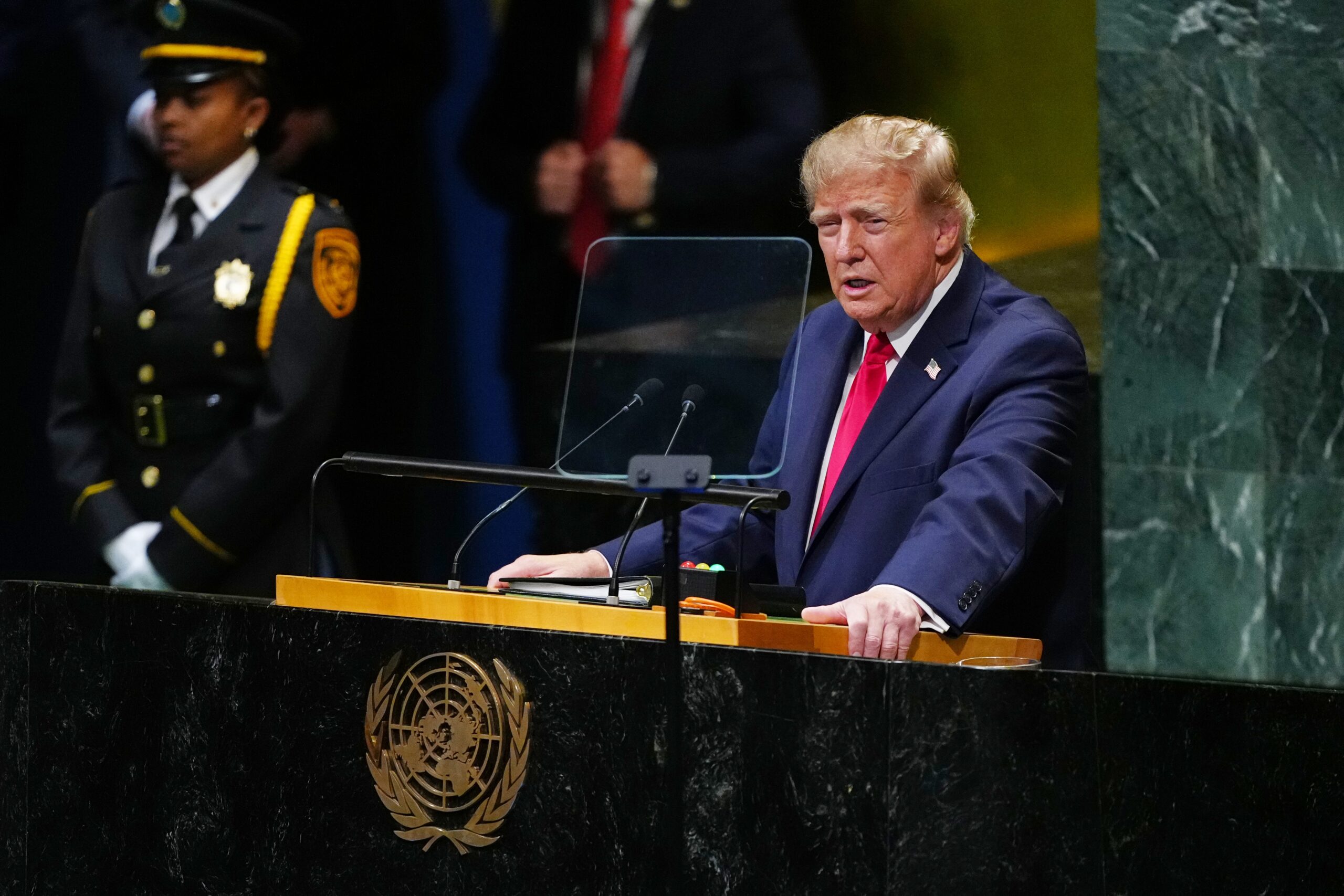
Book Talk: Iran and the Bomb: The United States, Iran and the Nuclear Question
On June 16, AGSI hosted a discussion on the evolution of Iran's nuclear program.
Speakers
Apr 21, 2026
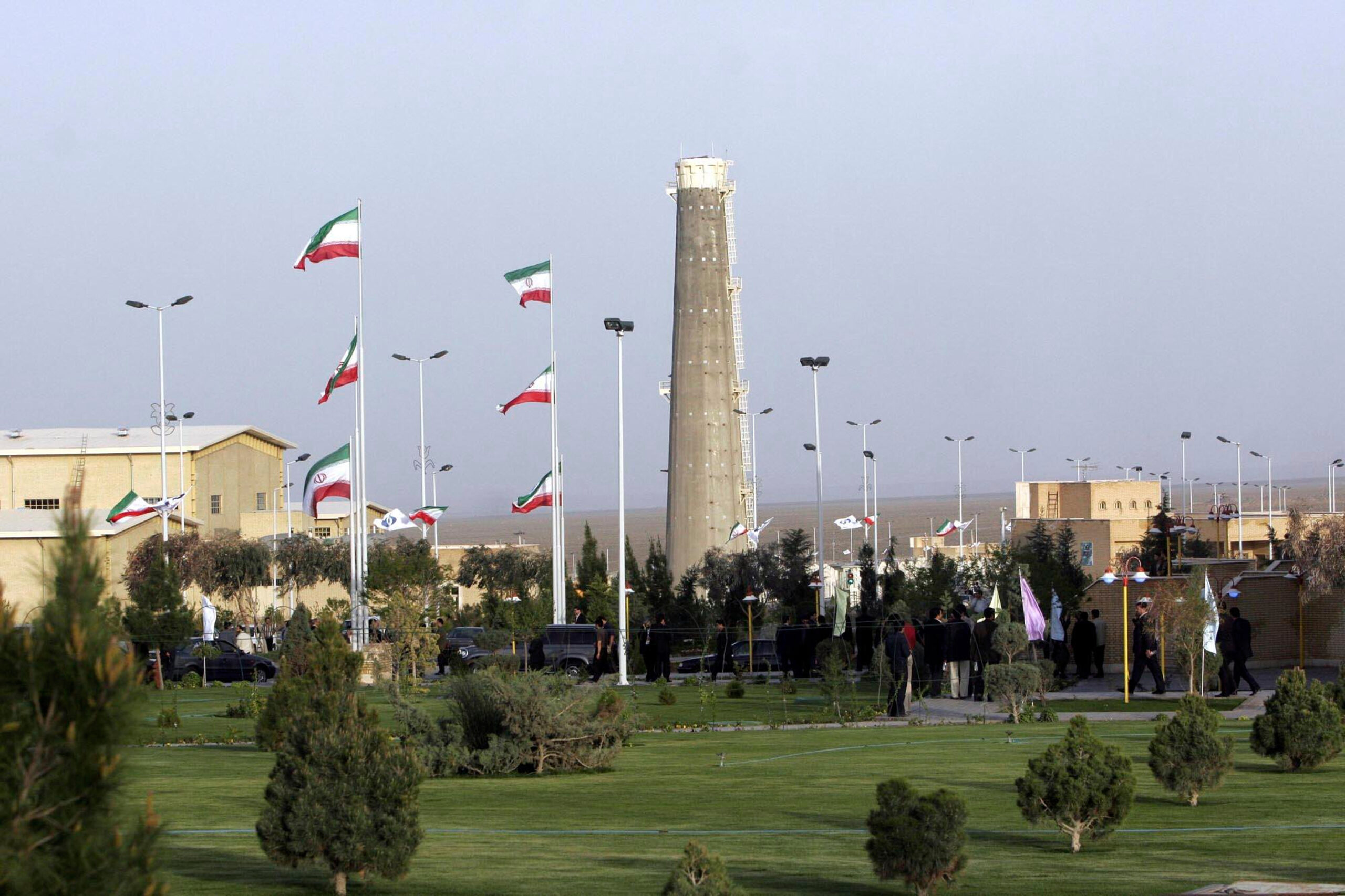
Inside Iran’s Wartime Leadership: Power, Succession, and Regime Stability
On April 21, AGSI hosted a discussion on the evolution of Iran's leadership during the war.
Speakers

Mar 18, 2026
In Its Conflict With the United States and Israel, Does Escalation Favor Iran?
On March 18, AGSI hosted a discussion on the escalation of the Iran war.
Speakers