Jul 7, 2023
Iranian Media Reacts to Special Envoy Robert Malley’s Leave
The July 7 edition of the Iran Media Review highlights reactions to U.S. Special Representative for Iran Robert Malley being placed on leave.

Reactions in Iran’s state-censored media to U.S. Special Representative for Iran Robert Malley being placed on leave following the suspension of his security clearance have ranged from optimism to indifference to pessimism. While the sole outlet to react to the news with optimism argued that Malley had to be removed for Iran and the United States to reach a diplomatic agreement, the pessimists warned of a harsher line in U.S. diplomacy toward Iran. Noor News of the Supreme National Security Council and a few other outlets, on the other hand, argued that the comings and goings of U.S. officials do not impact overall U.S. strategy.
- June 30: The municipality of Tehran’s newspaper, Hamshahri, wrote that Malley being placed on leave is “a sign of an impending agreement with Iran,” which the newspaper claimed could not be achieved as long as he was a part of the team.
- July 1: Rahman Qahremanpour, a foreign policy analyst, said in an interview with centrist Fararu News: “When Robert Malley was appointed … many anti-Iran groups in line with the Israel lobby opposed him and criticized the Biden administration for appointing someone who is too tolerant in his dealings with Iran and even claimed he has anti-Israeli tendencies … This pressure may have impacted the removal of Malley … I am expecting a harsher American line against Iran in the future.”
- July 2: Noor News, the official mouthpiece of the Supreme National Security Council, commenting on Malley’s leave, wrote: “The Democrats proved unsuccessful in their ‘pressure/negotiation’ tactic toward Iran. The reality is that the Islamic Republic not only managed to overcome the obstacle of the imposed internal unrest but also managed its economy based on domestic resources and effective economic diplomacy in the region. Separately, Iran has pursued the strategy of replacing the U.S. dollar with domestic currencies in its trade with neighboring countries … America’s strategy of creating a Hebrew-Arab alliance against Iran was foiled, and Arab states are pragmatically engaged in relations with Iran … Under such circumstances, all the talk about the importance of the coming and going of executives involved in Iran-U.S. relations is unprofessional.”
- July 2: In an interview with centrist Mehr News, Mostafa Khosh-Cheshm, a foreign affairs analyst, said: “Malley has for months not participated in joint meetings of the Cabinet and Congress. The Biden administration said he was on vacation, and this is nothing new … The issue of prisoner exchanges was agreed upon when Robert Malley was on vacation and the national security advisor was directing the talks … Fundamentally, the foreign policy of states is not decided by single individuals … Malley’s presence or absence will not cause a change in U.S. strategy.”
- July 3: Tasnim News, a mouthpiece of the Islamic Revolutionary Guard Corps, quoted Hanif Ghaffari, a foreign affairs expert, who argued that persistent strategic issues and the outcome of U.S.-Iranian negotiations are important for Iran not whether Robert Malley is a member of the U.S. negotiating team.
- July 3: Centrist Alef News depicted Malley’s leave as another sign of the “influence of the Zionist lobby” in the United States.
- July 4: An editorial in reformist Shargh Daily by Kourosh Ahmadi, a former Iranian diplomat, argued that Malley’s leave is a negative development: “In principle, a negotiator does not play a decisive role, since he negotiates within the framework of a policy declared by the government. But the negotiators have their own characteristics, capabilities, initiatives, and preferences, which can impact the process. Malley’s characteristics make us consider his suspension as a negative development in the process of negotiations, which will be harder” in the future. “Separately, at times, the suspension of negotiations may be due to a change in policy, which once again shows that we must always see the window of opportunity as narrow and something that must be utilized before it is closed by events.”
The views represented herein are the author's or speaker's own and do not necessarily reflect the views of AGSI, its staff, or its board of directors.
Related
Iran Media Review
Aug 21, 2026
Qalibaf and Pezeshkian at Odds With the IRGC?
The August 21 edition of the Iran Media Review examines arguments from Iranian leaders for ending the war with the United States through negotiations rather than escalating.
Iran Media Review
Aug 18, 2026
Qalibaf: The Strait of Hormuz Will Not Reopen
The August 18 edition of the Iran Media Review highlights a speech by Iran’s parliamentary speaker pledging not to reopen the Strait of Hormuz until the United States fulfills the conditions of the Islamabad memorandum of understanding.
Iran Media Review
Aug 14, 2026
Iran Has No Intention of Relinquishing the Strait of Hormuz
The August 14 edition of the Iran Media Review considers remarks made by the new Supreme National Security Council secretary on his first day in office.
Aug 21, 2026
Qalibaf and Pezeshkian at Odds With the IRGC?
The August 21 edition of the Iran Media Review examines arguments from Iranian leaders for ending the war with the United States through negotiations rather than escalating.
Aug 18, 2026
Qalibaf: The Strait of Hormuz Will Not Reopen
The August 18 edition of the Iran Media Review highlights a speech by Iran’s parliamentary speaker pledging not to reopen the Strait of Hormuz until the United States fulfills the conditions of the Islamabad memorandum of understanding.
Aug 14, 2026
Iran Has No Intention of Relinquishing the Strait of Hormuz
The August 14 edition of the Iran Media Review considers remarks made by the new Supreme National Security Council secretary on his first day in office.
Analysis
The Islamic Republic Returns to Offense
After U.S.-Israeli strikes killed Supreme Leader Ayatollah Ali Khamenei on February 28, Iran’s collective leadership has concluded that the best defense is a good offense.
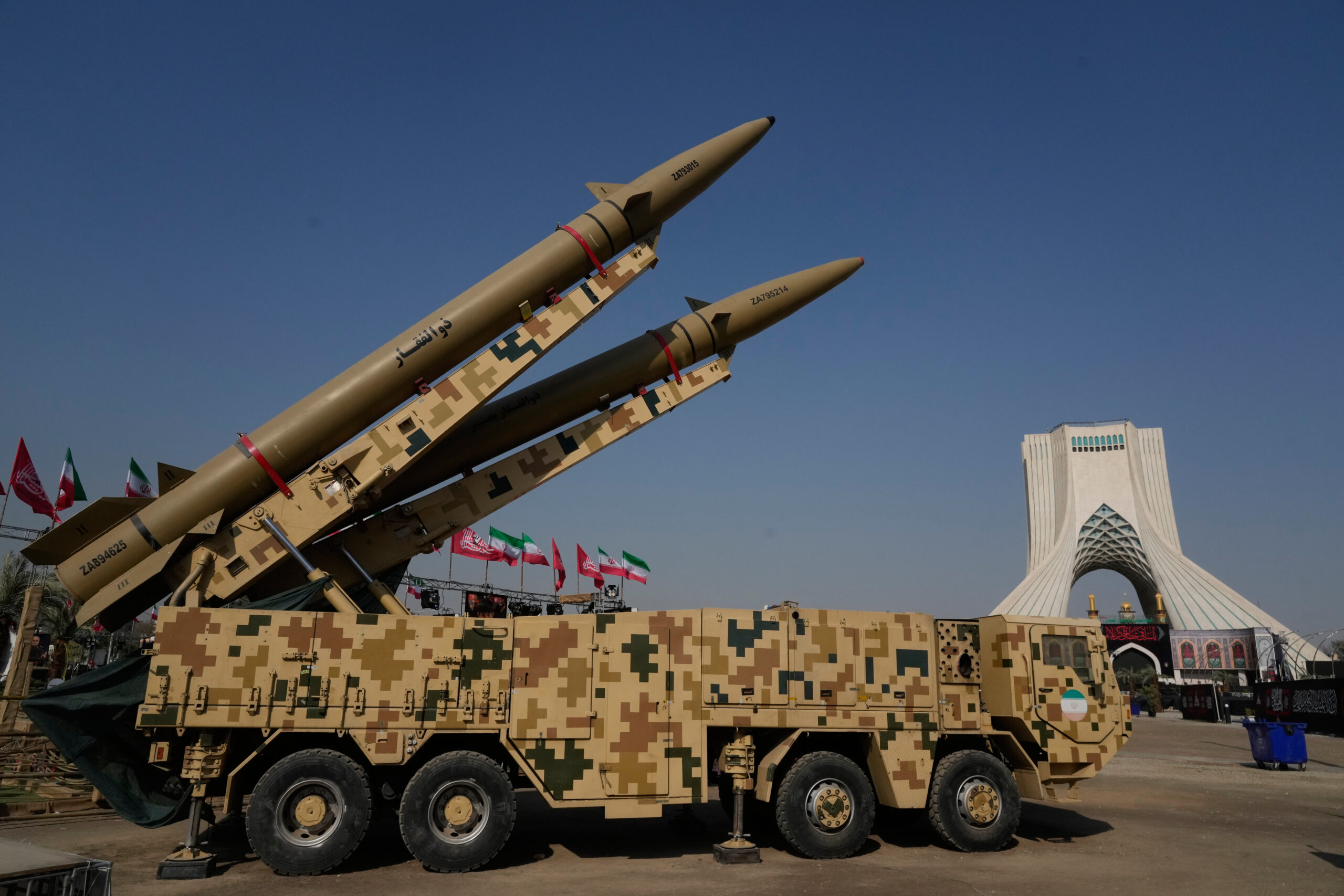
Iran’s Collective Strategic Decision Making
Wartime pressure has temporarily aligned the leadership’s overriding interest in regime survival, even as its members continue to differ over the costs, methods, and ultimate objectives of the war.
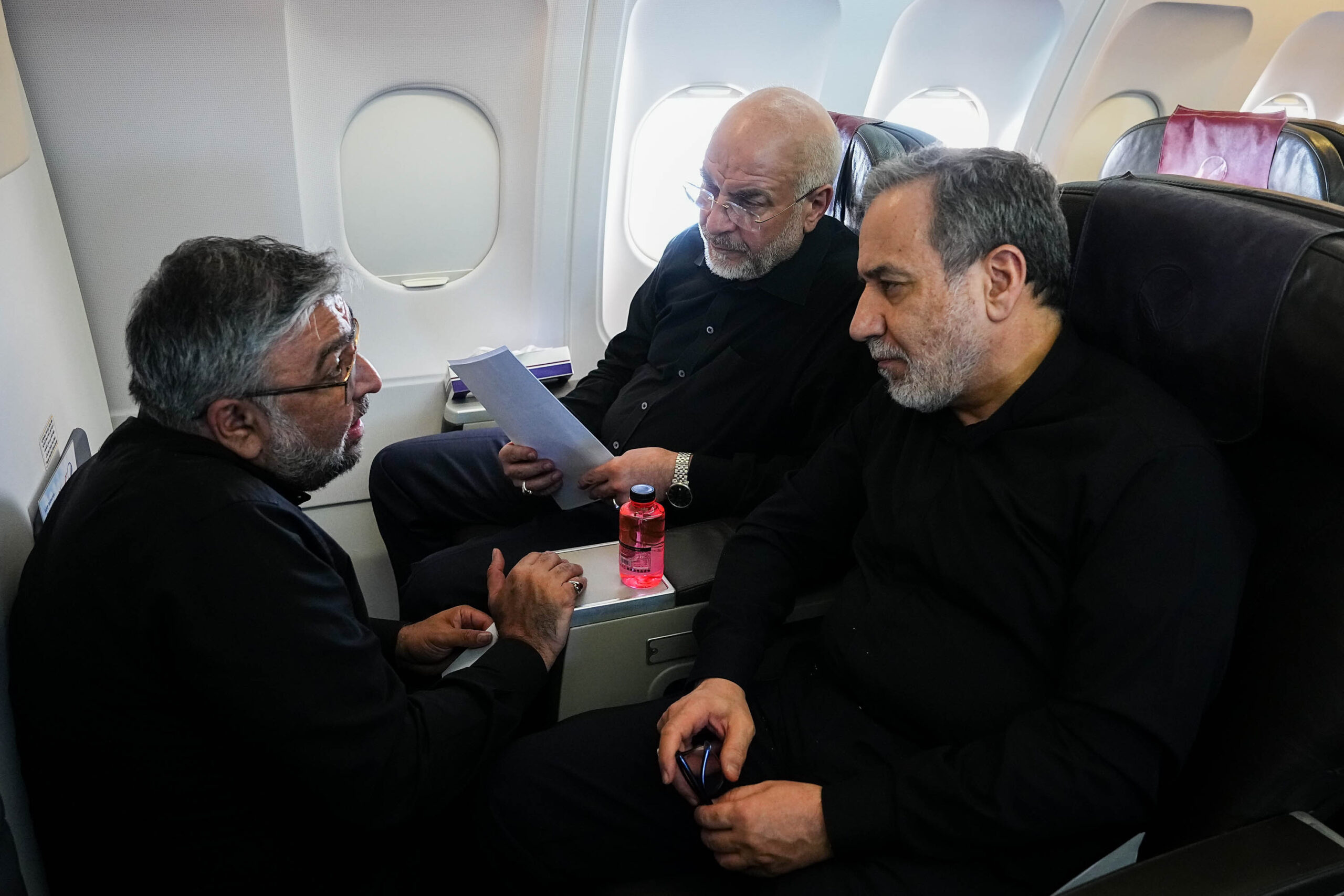
The Islamic Republic’s Collective Leadership
While there is historical precedent for collective leadership in Iran, today’s leadership includes representatives of the IRGC and regular military – a reflection of the IRGC’s expanding role and the necessities of governing under wartime conditions.
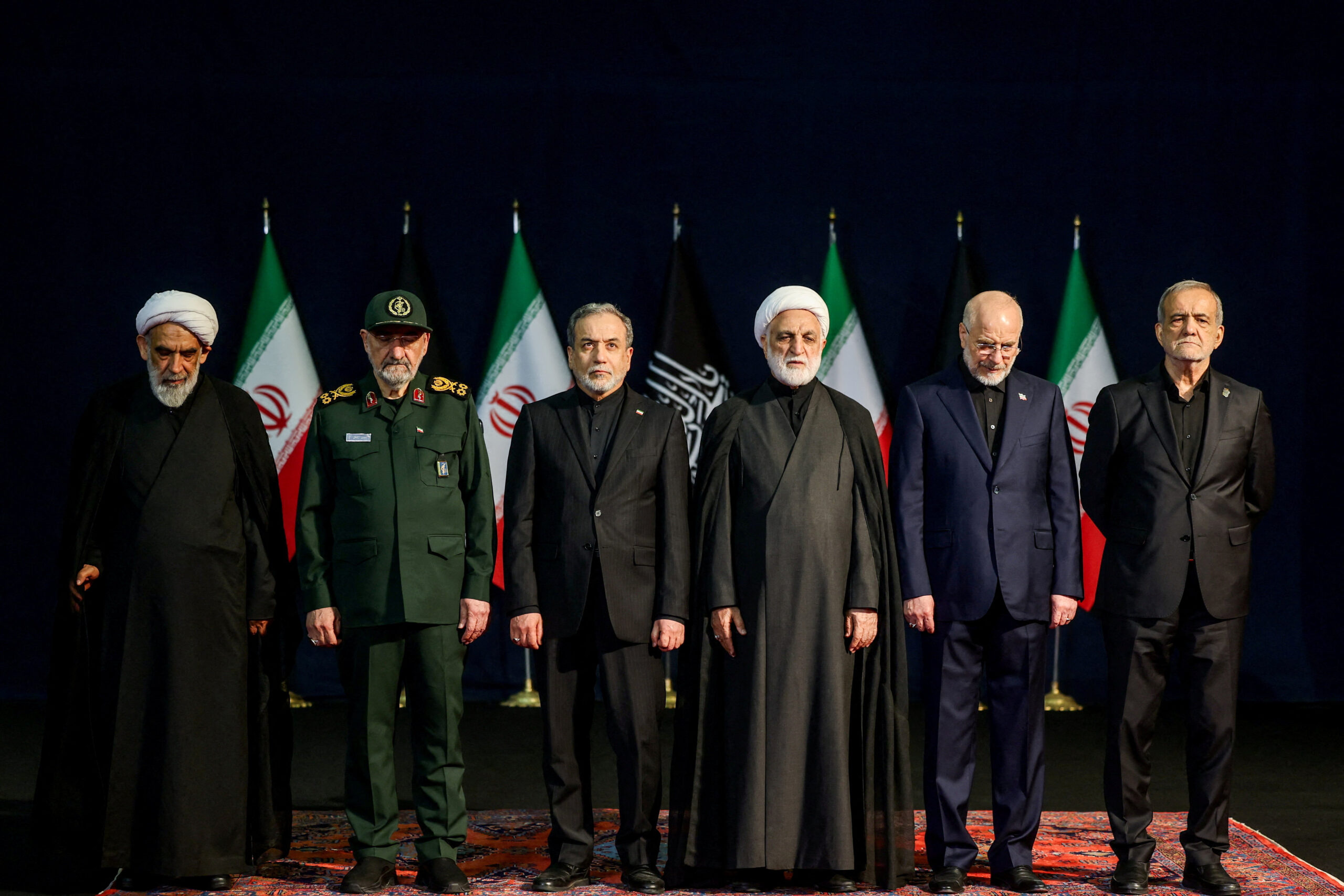
How Did the IRGC Seize Power in Iran?
The IRGC did not seize power in a single stroke. It accumulated it – patiently, methodically – until no counterweight remained.
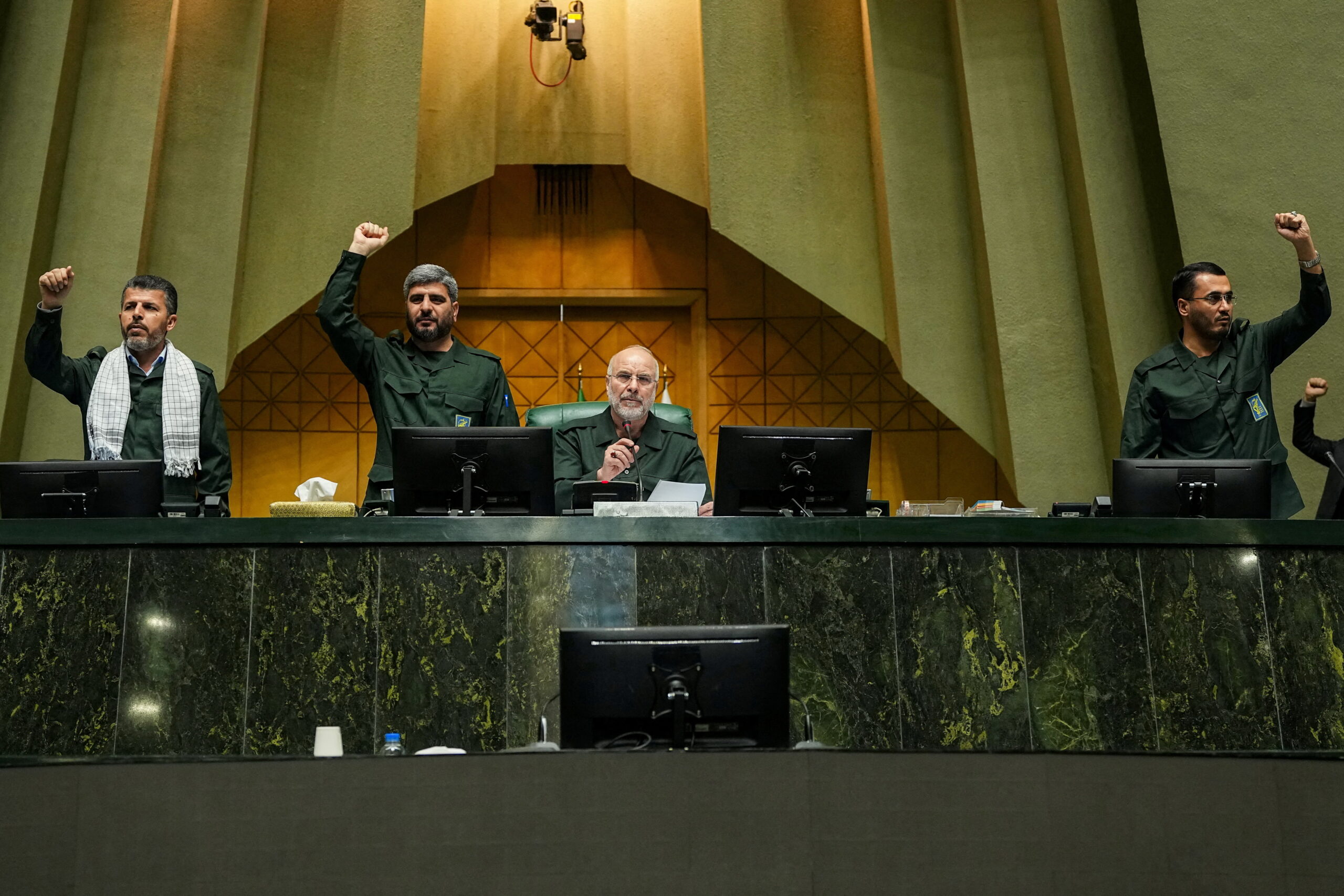
Events
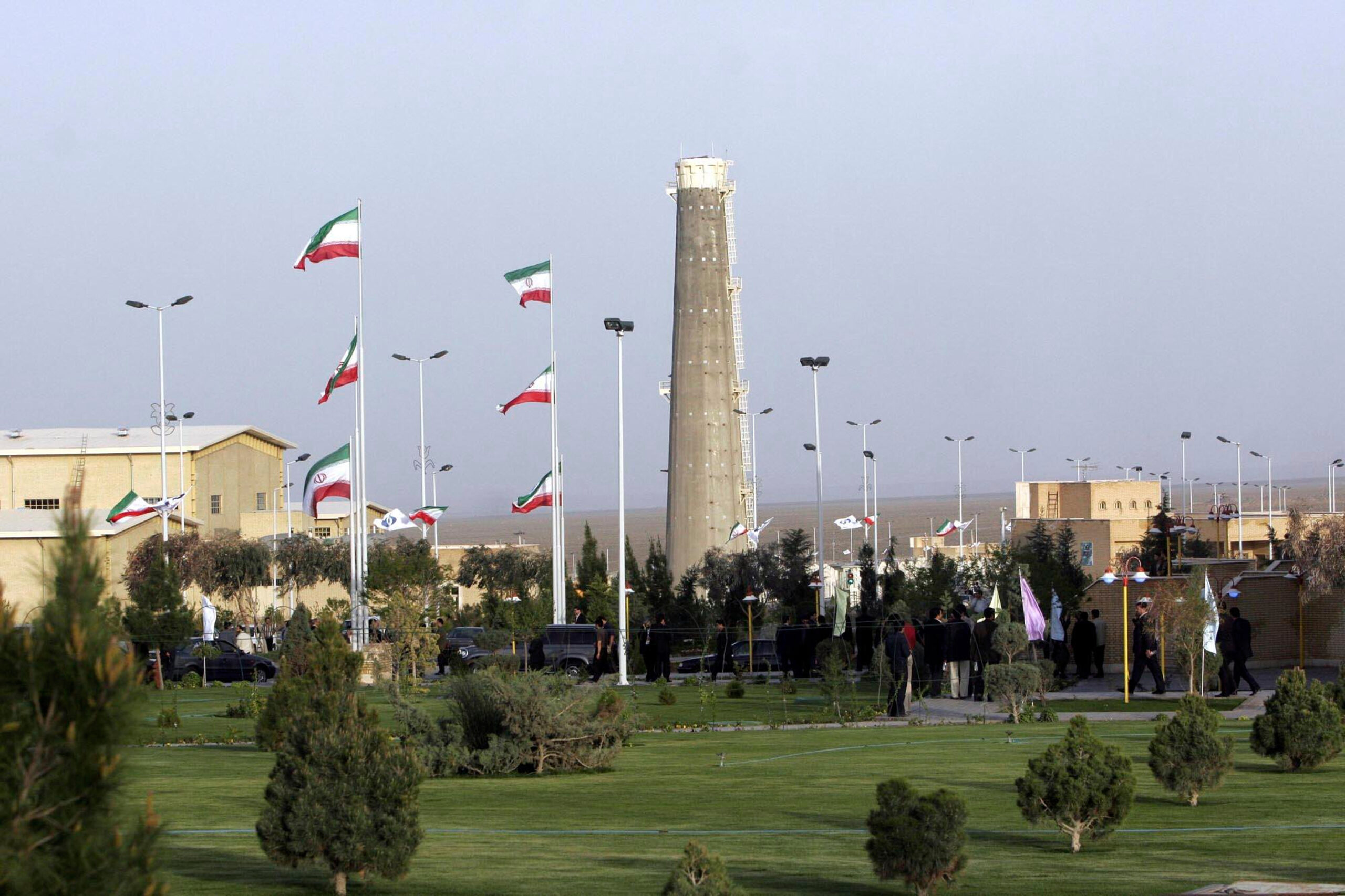
Book Talk: Iran and the Bomb: The United States, Iran and the Nuclear Question
On June 16, AGSI hosted a discussion on the evolution of Iran's nuclear program.
Speakers

Apr 21, 2026
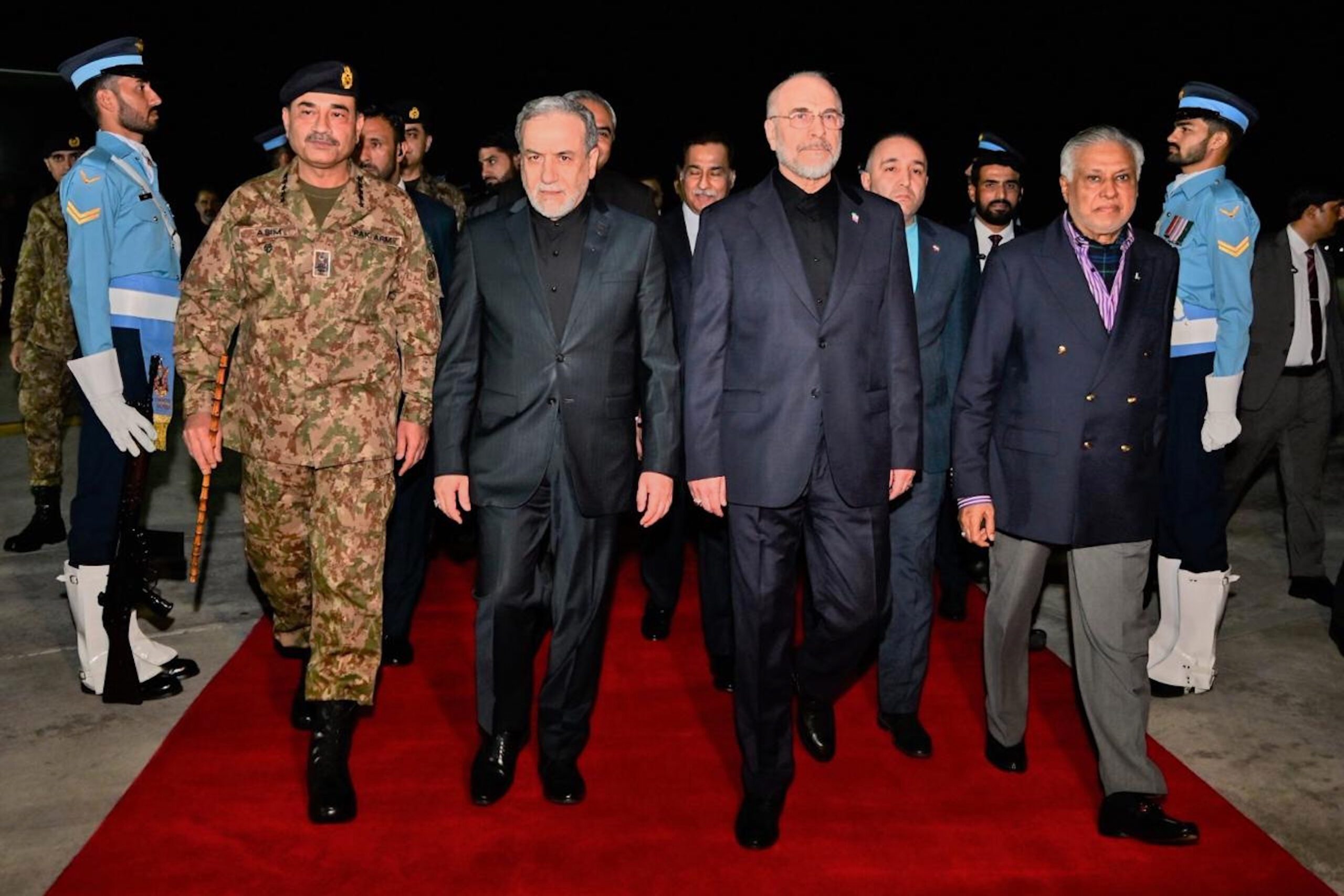
Inside Iran’s Wartime Leadership: Power, Succession, and Regime Stability
On April 21, AGSI hosted a discussion on the evolution of Iran's leadership during the war.
Speakers

Mar 18, 2026
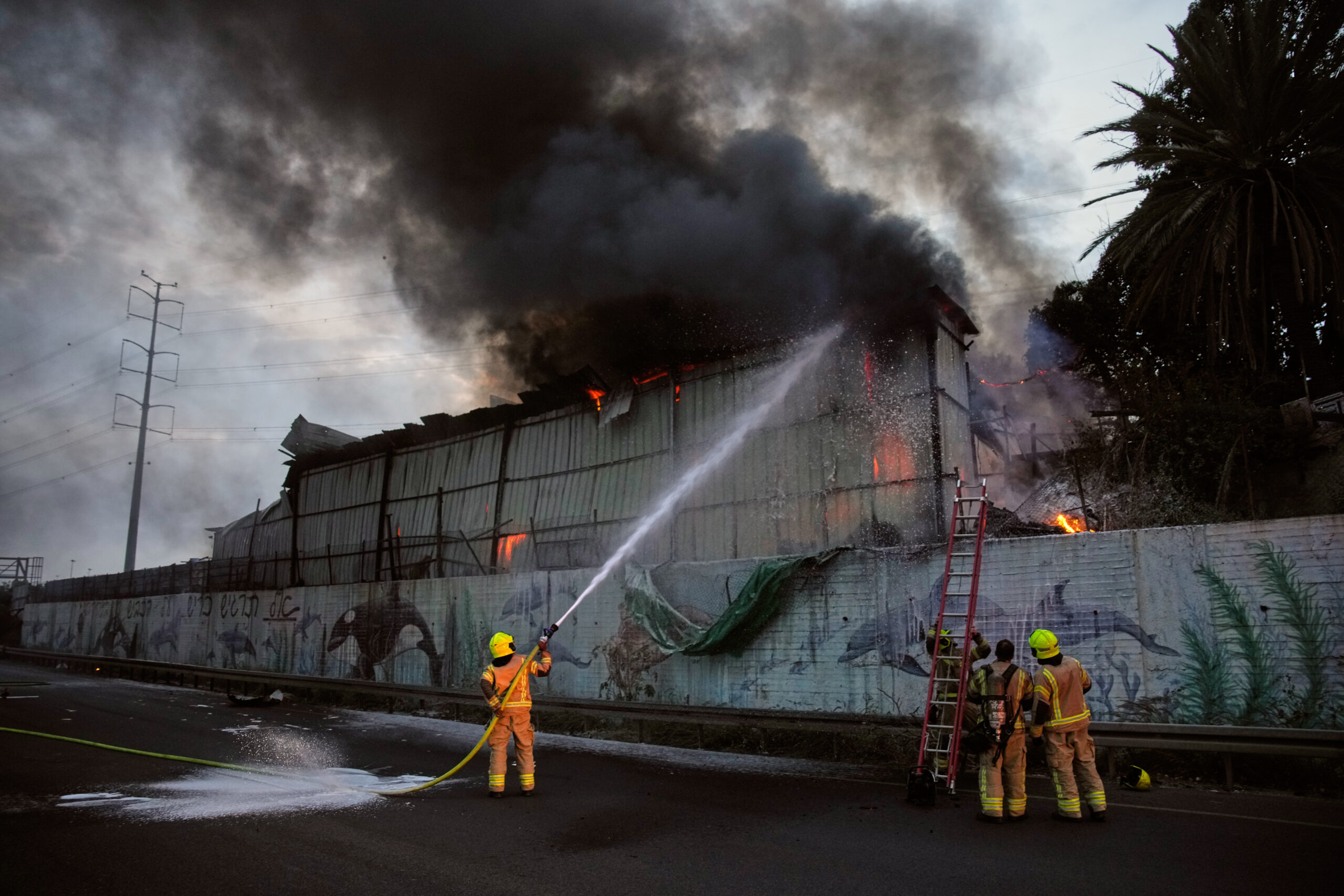
In Its Conflict With the United States and Israel, Does Escalation Favor Iran?
On March 18, AGSI hosted a discussion on the escalation of the Iran war.
Speakers


Mar 2, 2026
After the Shock: Implications of the U.S.–Israeli Strikes and Iran’s Leadership Transition
On March 2, AGSI hosted a discussion on the U.S.-Israeli strikes on Iran.
Speakers