Feb 17, 2023
Analysts Divided on Raisi’s Planned Visit to Beijing: Does China Prefer Saudi Arabia to Iran?
The February 17 edition of the Iran Media Review assesses Iranian commentary on the significance of President Ebrahim Raisi’s upcoming visit to Beijing.

While the Islamic Republic is depicting President Ebrahim Raisi’s planned visit to Beijing as a major diplomatic initiative heralding the expansion of economic ties between Iran and China, most Iranian analysts remain skeptical that such plans will be realized and argue Saudi Arabia remains the Asian power’s preferred trade partner.
- February 12: International affairs expert Hassan Hanizadeh, in a short analysis on Rooz Plus said: “Saudi Arabia’s allure made China make hasty policy positions concerning Iran, but this visit demonstrates that Tehran-Beijing relations remain strong and will not be impacted by China’s relations with other countries.”
- February 13: Mohammad Jamshidi, Raisi’s chief of staff, quoted in Khabar Online, said the Iranian president will embark on a three-day visit to Beijing February 14. Jamshidi explained the visit aims to expand economic relations with China within the framework of the comprehensive strategic partnership between Iran and China. Commenting on Jamshidi’s statements, Khabar Online wrote: “Two years after the signing of the agreement, it has not been operationalized, which indicates that the necessary preconditions for its realization are not in place under the present circumstances, or the Chinese party does not want to run the risk of realizing it and expand relations when Iran is under the sanctions regime … In contrast, China is realizing its strategic agreement with Riyadh.” The news agency concluded: “Due to the sanctions, Iran is in practice no longer prioritized to secure China’s energy needs. China prefers to engage in economic relations with countries that enjoy a normal position in the international political system and are capable of energy exports. None of these conditions are true of Iran today.”
- February 13: In an interview with the reformist Shargh newspaper, Ahmad Esfandiari Monfared, an East Asia expert, said President Xi Jinping’s visit to Saudi Arabia in December 2022 “opened a new chapter in relations between the two countries.” He admitted: “Tehran is not absent in Chinese diplomacy but no longer enjoys the position it previously enjoyed.” Esfandiari Monfared further said, “China is less inclined to strengthen economic and diplomatic relations with Iran,” but may “instrumentally use Iran” in its future dealings with the United States. The Shargh article also featured comments from Mohammad-Mehdi Sobhani-Nia, the former head of the Iran-China Parliamentary Friendship Group, who on the one hand claimed Raisi’s visit “brings Iran out of its monthslong diplomatic isolation,” but on the other hand admitted the visit is “not likely to help Iran escape its current circumstances.” He further warned Beijing may be using the visit to pressure Iran to “balance its position” concerning its dispute with the International Atomic Energy Agency so the crisis over Iran’s nuclear program “does not reach an unmanageable phase.”
- February 13: Under the headline “Neutralizing Sanctions in the Far East,” an article on the front page of Iran Newspaper, the official mouthpiece of Iran’s Cabinet, claimed Raisi’s visit will “foil unjust sanctions against Iran.”
The views represented herein are the author's or speaker's own and do not necessarily reflect the views of AGSI, its staff, or its board of directors.
Related
Iran Media Review
Feb 14, 2023
The Islamic Republic Reacts to Opposition Forum at Georgetown University
The February 14 edition of the Iran Media Review explores media coverage of a panel of opposition figures, revealing the Iranian regime’s fears over its rivals unifying.
Iran Media Review
Feb 10, 2023
Veteran Wrestler and Politician Urges the Regime to “Use” Dissident Celebrities
The February 10 edition of the Iran Media Review examines how the Iranian regime might use celebrities as a political tool.
Feb 14, 2023
The Islamic Republic Reacts to Opposition Forum at Georgetown University
The February 14 edition of the Iran Media Review explores media coverage of a panel of opposition figures, revealing the Iranian regime’s fears over its rivals unifying.
Feb 10, 2023
Veteran Wrestler and Politician Urges the Regime to “Use” Dissident Celebrities
The February 10 edition of the Iran Media Review examines how the Iranian regime might use celebrities as a political tool.
Analysis
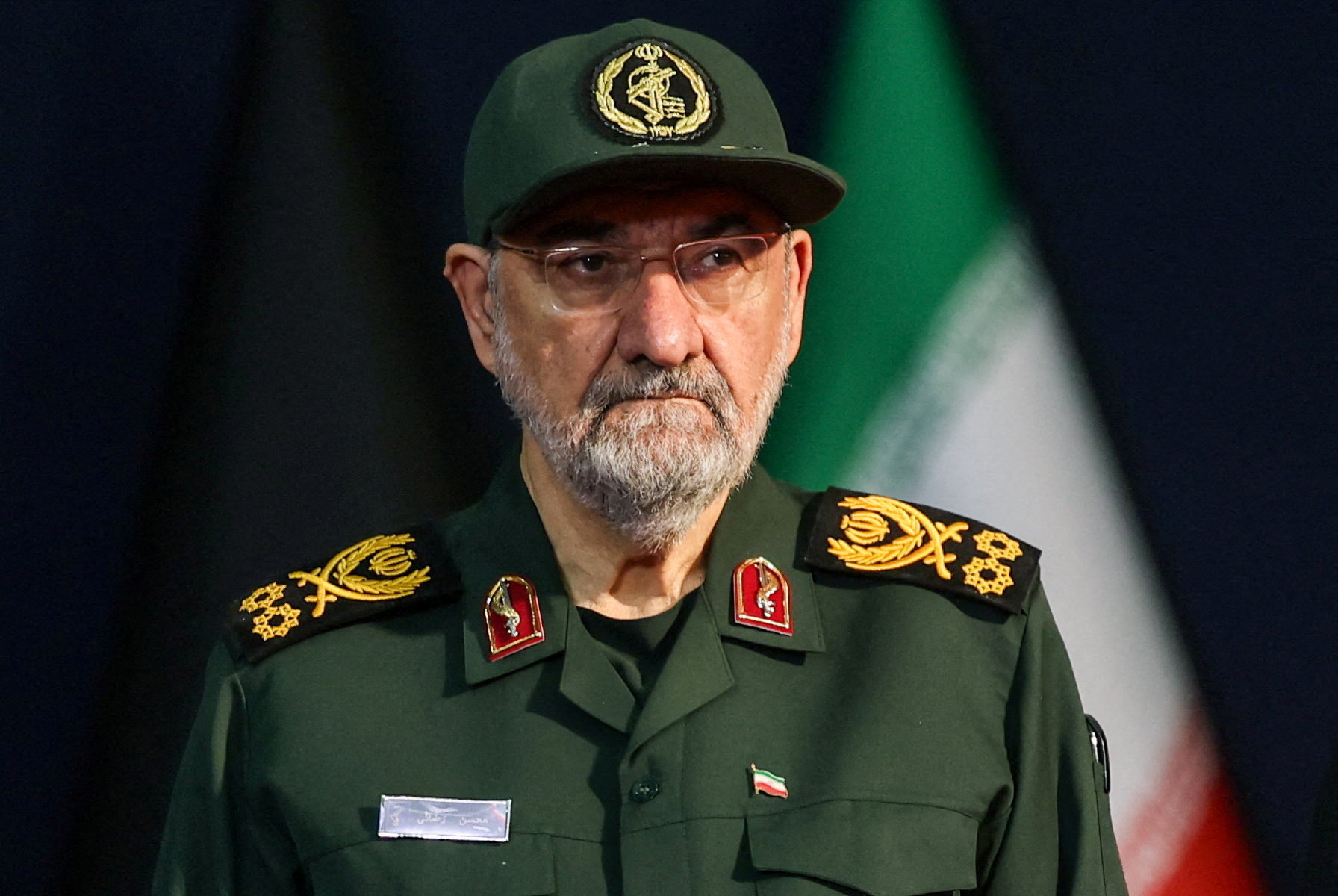
Mohsen Rezaei at the Helm of Iran’s Supreme National Security Council
Under Rezaei, the SNSC could prove constructive or paralyze strategic decision making.
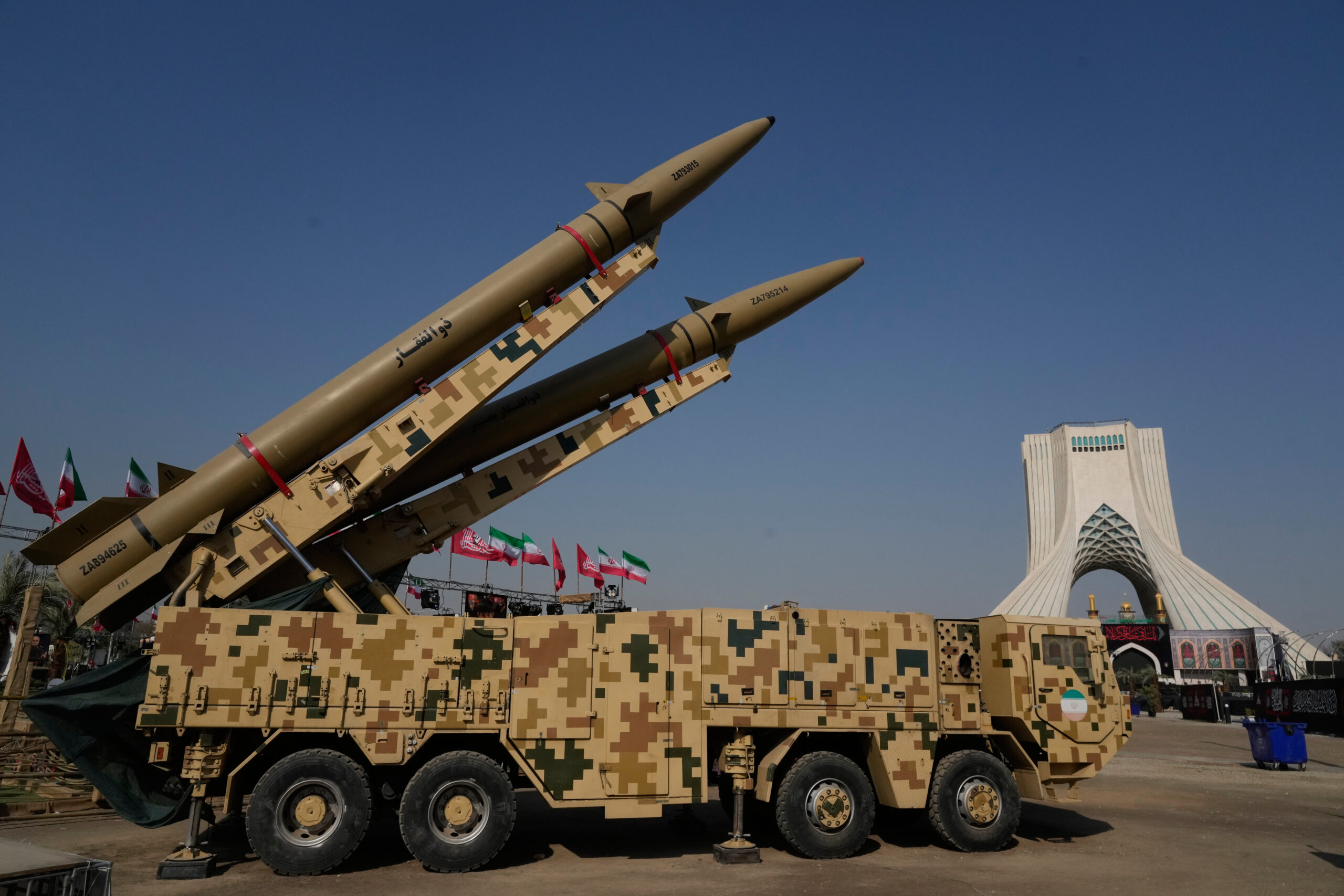
The Islamic Republic Returns to Offense
After U.S.-Israeli strikes killed Supreme Leader Ayatollah Ali Khamenei on February 28, Iran’s collective leadership has concluded that the best defense is a good offense.
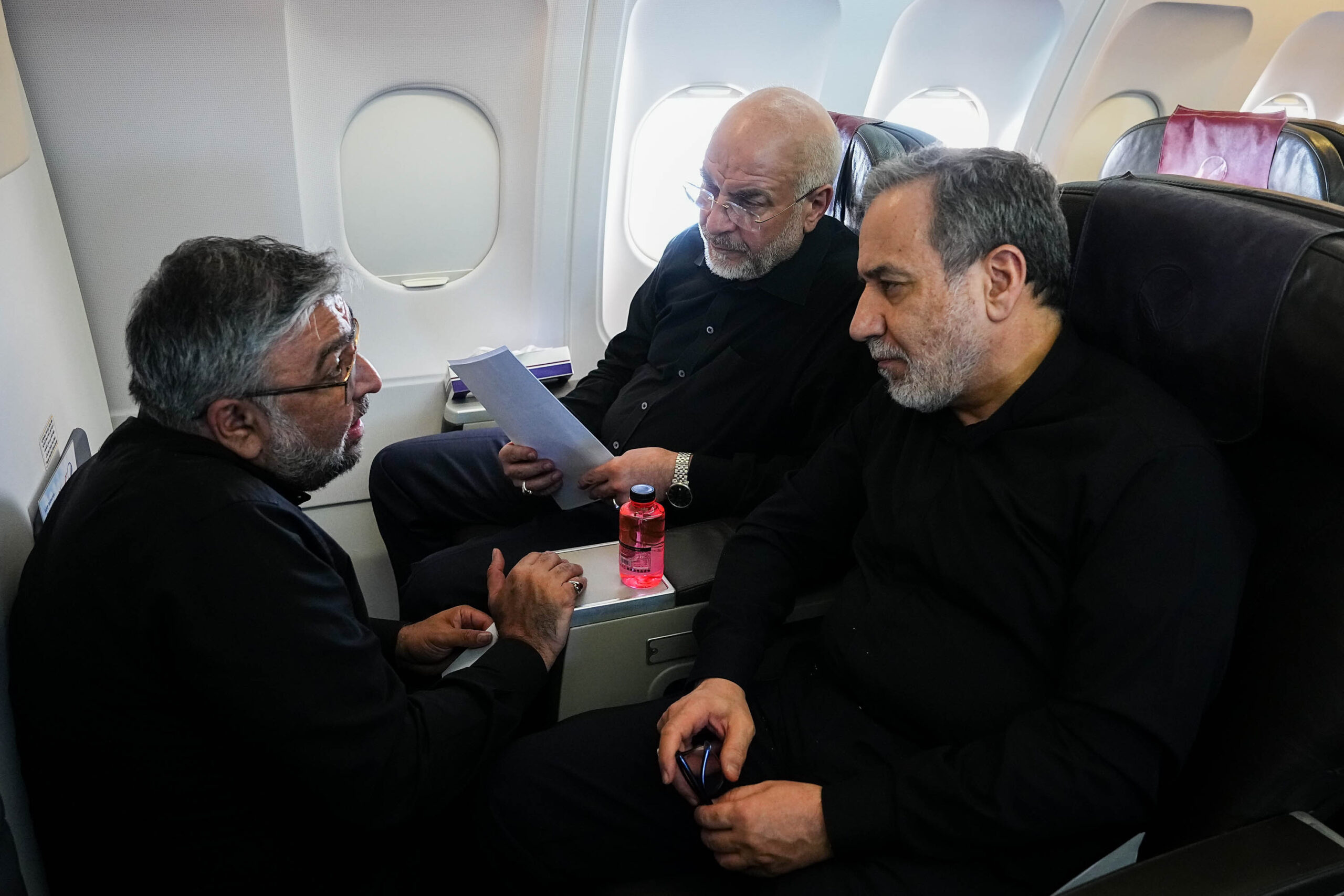
Iran’s Collective Strategic Decision Making
Wartime pressure has temporarily aligned the leadership’s overriding interest in regime survival, even as its members continue to differ over the costs, methods, and ultimate objectives of the war.
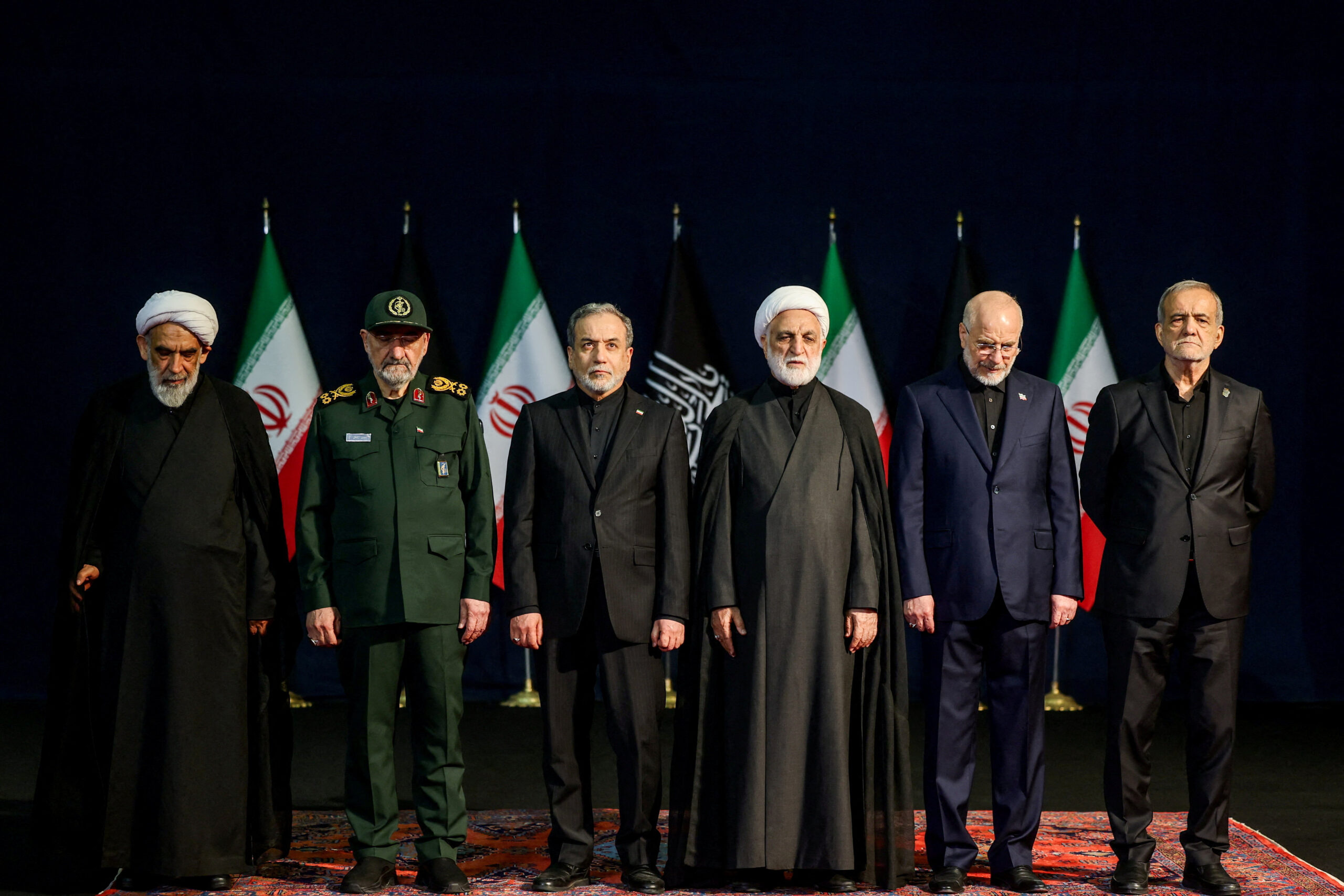
The Islamic Republic’s Collective Leadership
While there is historical precedent for collective leadership in Iran, today’s leadership includes representatives of the IRGC and regular military – a reflection of the IRGC’s expanding role and the necessities of governing under wartime conditions.
Events
Oct 6, 2026
Is the U.S.-Iran Stalemate a “New Normal” or the Prelude to Another Explosion?
On October 6, AGSI hosted a discussion on the U.S.-Iran stalemate and the prospects for a cease-fire.
Speakers



Book Talk: Iran and the Bomb: The United States, Iran and the Nuclear Question
On June 16, AGSI hosted a discussion on the evolution of Iran's nuclear program.

Speakers

Apr 21, 2026
Inside Iran’s Wartime Leadership: Power, Succession, and Regime Stability
On April 21, AGSI hosted a discussion on the evolution of Iran's leadership during the war.

Speakers

Mar 18, 2026
In Its Conflict With the United States and Israel, Does Escalation Favor Iran?
On March 18, AGSI hosted a discussion on the escalation of the Iran war.
Speakers