Dec 13, 2022
As China Sides With GCC States in Island Dispute, Shargh News Blames the Regime
The December 13 Iran Media Review explores reactions to a joint Chinese-GCC statement regarding the dispute over Abu Musa and the Greater and Lesser Tunbs.

Under pressure from anti-regime protests at home, Iran was also dealt a painful diplomatic blow abroad, as the Chinese president, Xi Jinping, and Gulf Cooperation Council states issued a joint statement December 9 affirming “their support for all peaceful efforts, including the initiative and endeavors of the United Arab Emirates to reach a peaceful solution to the issue of the three islands; Greater Tunb, Lesser Tunb, and Abu Musa.”
The Islamic Republic, which in line with the regime of Shah Mohammad Reza Pahlavi, considers the islands inseparable parts of Iranian territory, reacted angrily by summoning the Chinese ambassador to the Foreign Ministry; and Iranian parliamentarians too lashed out against China. Shargh Daily, on the other hand, blamed the regime’s imbalanced foreign policy and excessive reliance on China and Russia, rather than Chinese government, for what it perceived as a threat to Iran’s territorial integrity.
- December 10: Nasser Kanani, the Iranian Foreign Ministry spokesman, quoted by Tasnim, said the Chinese ambassador to Iran was summoned to the Foreign Ministry, which made clear that Abu Musa and the Greater and Lesser Tunbs are “inseparable and eternal parts of the land of the Islamic Republic of Iran,” and condemned “any intervention in internal affairs and territory” of Iran.
- December 11: The Iranian Students’ News Agency reviewed Twitter accounts of Iranian parliamentarians reacting to the joint China-GCC statements:
- Ahmad Naderi, Tehran: “China can’t even unify Taiwan with the mainland, but gives vain hopes to others.”
- Jalal Rashidi Kouchi, Marvdasht: “Any statement breaching Iran’s sovereignty over the three islands means fire in the haystack of peace in West Asia.”
- Nezam al-Din Mousavi, Tehran: “Just as the Islamic Republic of Iran does not intervene concerning Taiwan, China is expected to abstain from such interventions.”
- Mohammad-Reza Ahmadi Sangari, Rasht: “We expect the government of China to have a similar position concerning the three islands of Iran that it wants other countries to have concerning Taiwan.”
- Rouh-Allah Hazratpour, Urumia: “The latest claim of the government of China concerning Iran’s three islands is in clear breach of the international obligations of this country, including those of the Shanghai Pact … Had the Foreign Ministry dealt more decisively with China concerning various issues, including the massacre of Muslims in China, we would not have witnessed such audacities today.”
- December 11: An editorial published by Shargh Daily warned: “If China and Russia become Iran’s strategic intermediaries with the world, we will be reduced to passive players in international relations, losing not only the initiative, but our independence … It is true that we are encircled by the West, but there is a way out for which we must prepare the ground before we lose everything … In particular, since Iran can no longer use public diplomacy or mobilize the public opinion abroad, perhaps with the exception of a few African countries, … national accord ought to be the first step and a resolution to the nuclear issue the next … We will certainly face Western, Israeli, and Arab sabotage, but we must patiently move in that direction.”
The views represented herein are the author's or speaker's own and do not necessarily reflect the views of AGSI, its staff, or its board of directors.
Related
Iran Media Review
Dec 9, 2022
Rival Narratives of IRGC Mouthpiece and Former Officer
The December 9 edition of the Iran Media Review reflects on comments from a former IRGC officer that counter the IRGC narrative regarding protesters in Iran.
Iran Media Review
Dec 6, 2022
Kurds and Baluchis Make Up Half of Protesters Killed in Iran Protests
The December 6 edition of the Iran Media Review considers how death counts in Iran’s ongoing protests reflect the country’s ethnic and sectarian fault lines.
Dec 9, 2022
Rival Narratives of IRGC Mouthpiece and Former Officer
The December 9 edition of the Iran Media Review reflects on comments from a former IRGC officer that counter the IRGC narrative regarding protesters in Iran.
Dec 6, 2022
Kurds and Baluchis Make Up Half of Protesters Killed in Iran Protests
The December 6 edition of the Iran Media Review considers how death counts in Iran’s ongoing protests reflect the country’s ethnic and sectarian fault lines.
Analysis
The Islamic Republic Returns to Offense
After U.S.-Israeli strikes killed Supreme Leader Ayatollah Ali Khamenei on February 28, Iran’s collective leadership has concluded that the best defense is a good offense.
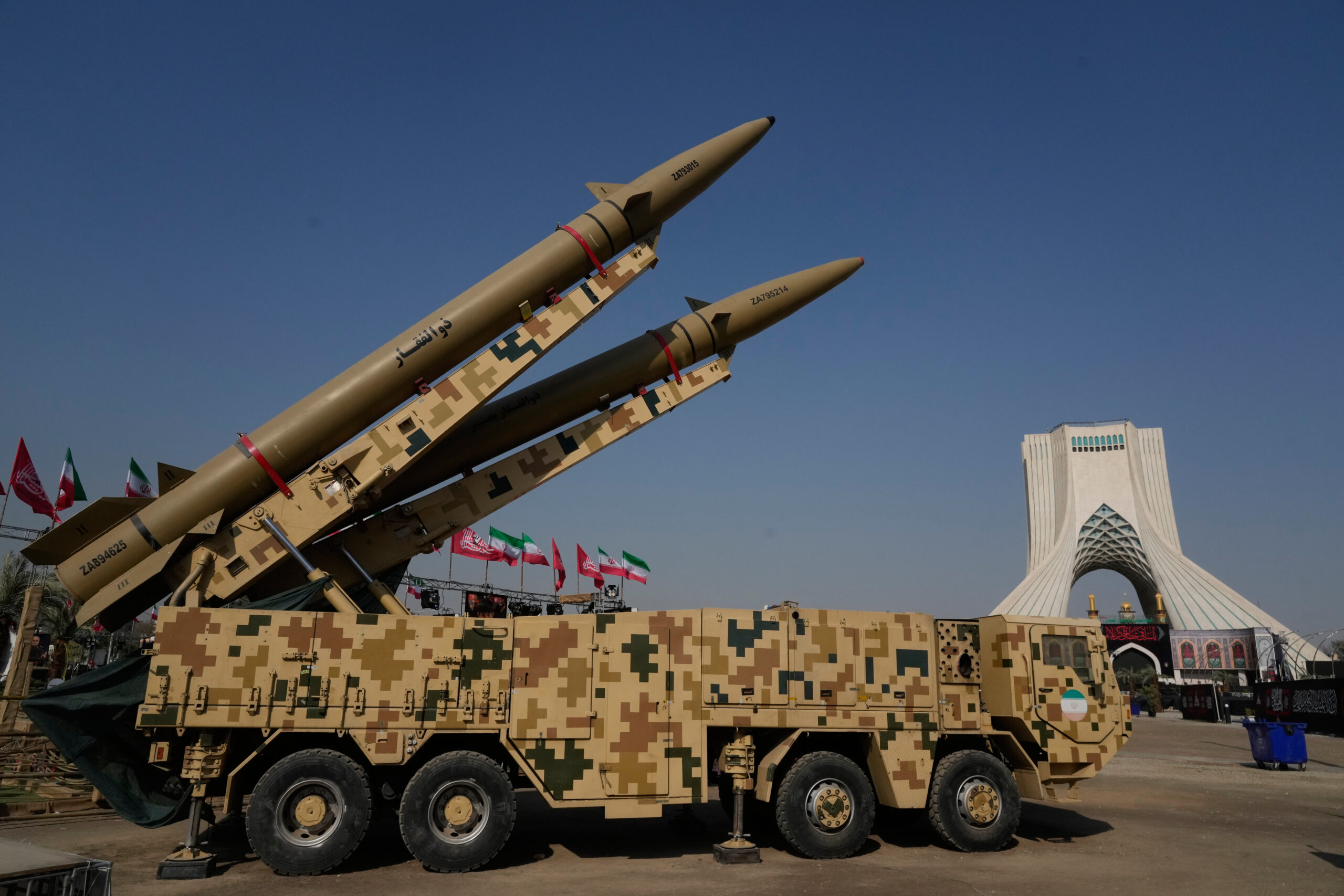
Iran’s Collective Strategic Decision Making
Wartime pressure has temporarily aligned the leadership’s overriding interest in regime survival, even as its members continue to differ over the costs, methods, and ultimate objectives of the war.
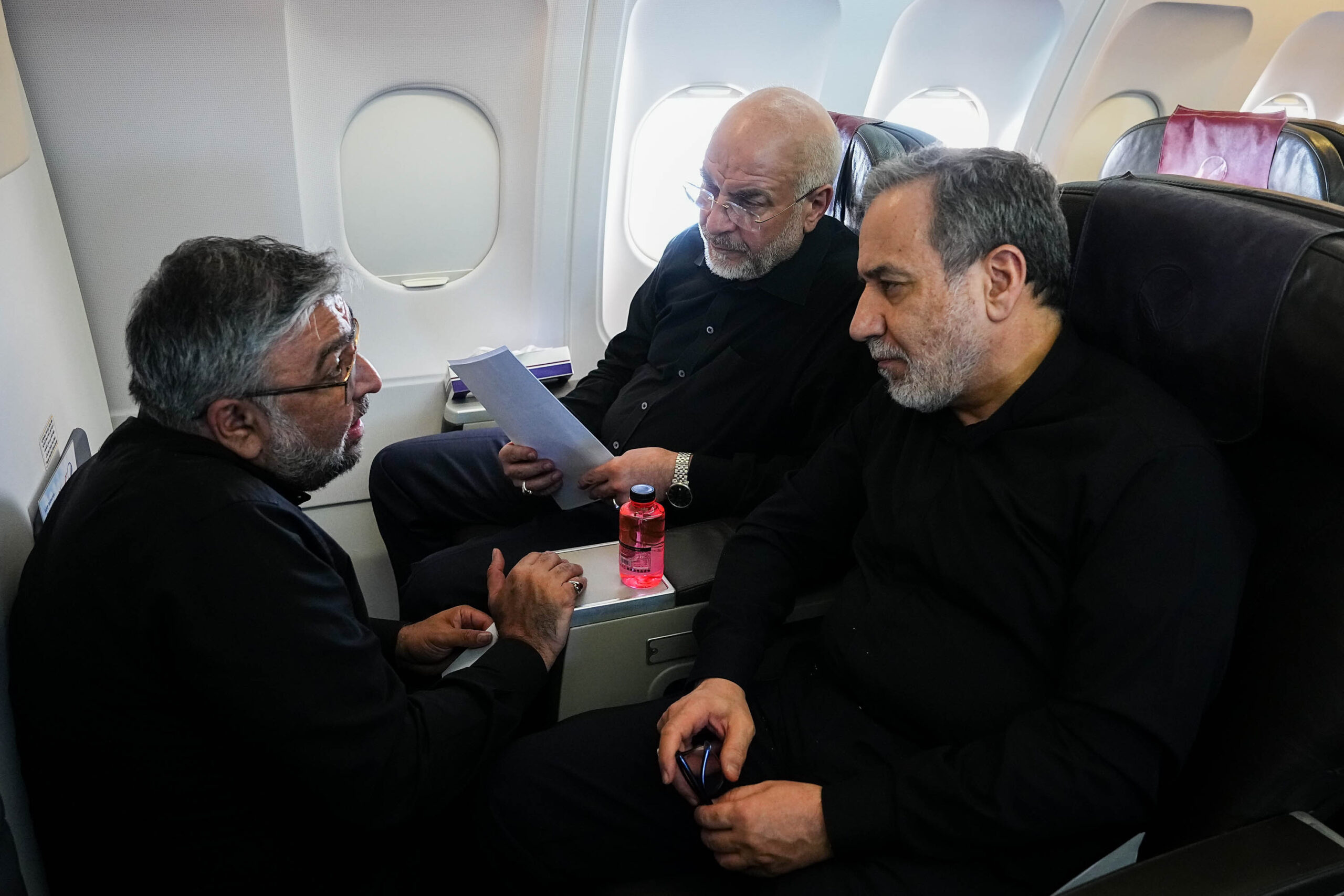
The Islamic Republic’s Collective Leadership
While there is historical precedent for collective leadership in Iran, today’s leadership includes representatives of the IRGC and regular military – a reflection of the IRGC’s expanding role and the necessities of governing under wartime conditions.
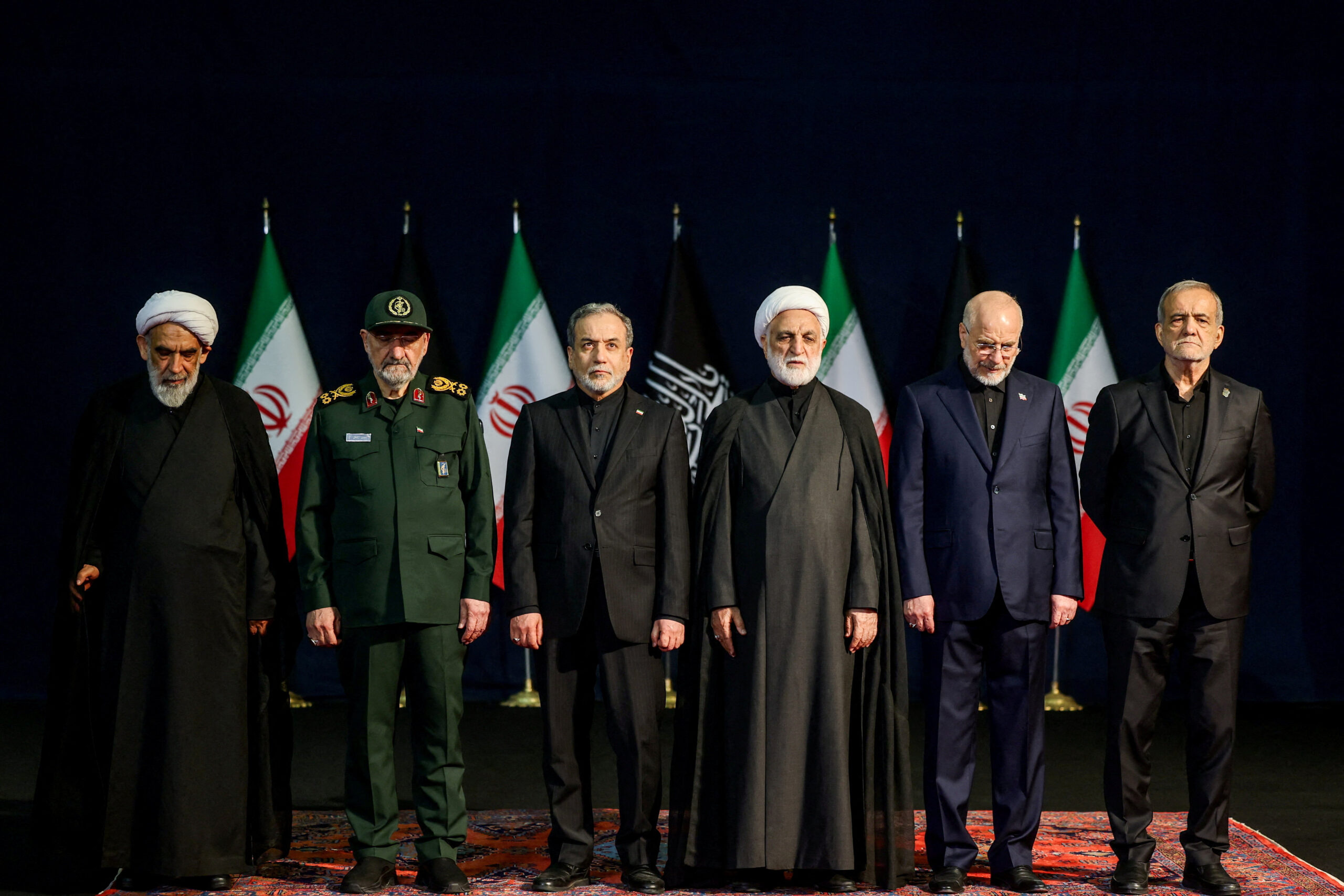
How Did the IRGC Seize Power in Iran?
The IRGC did not seize power in a single stroke. It accumulated it – patiently, methodically – until no counterweight remained.
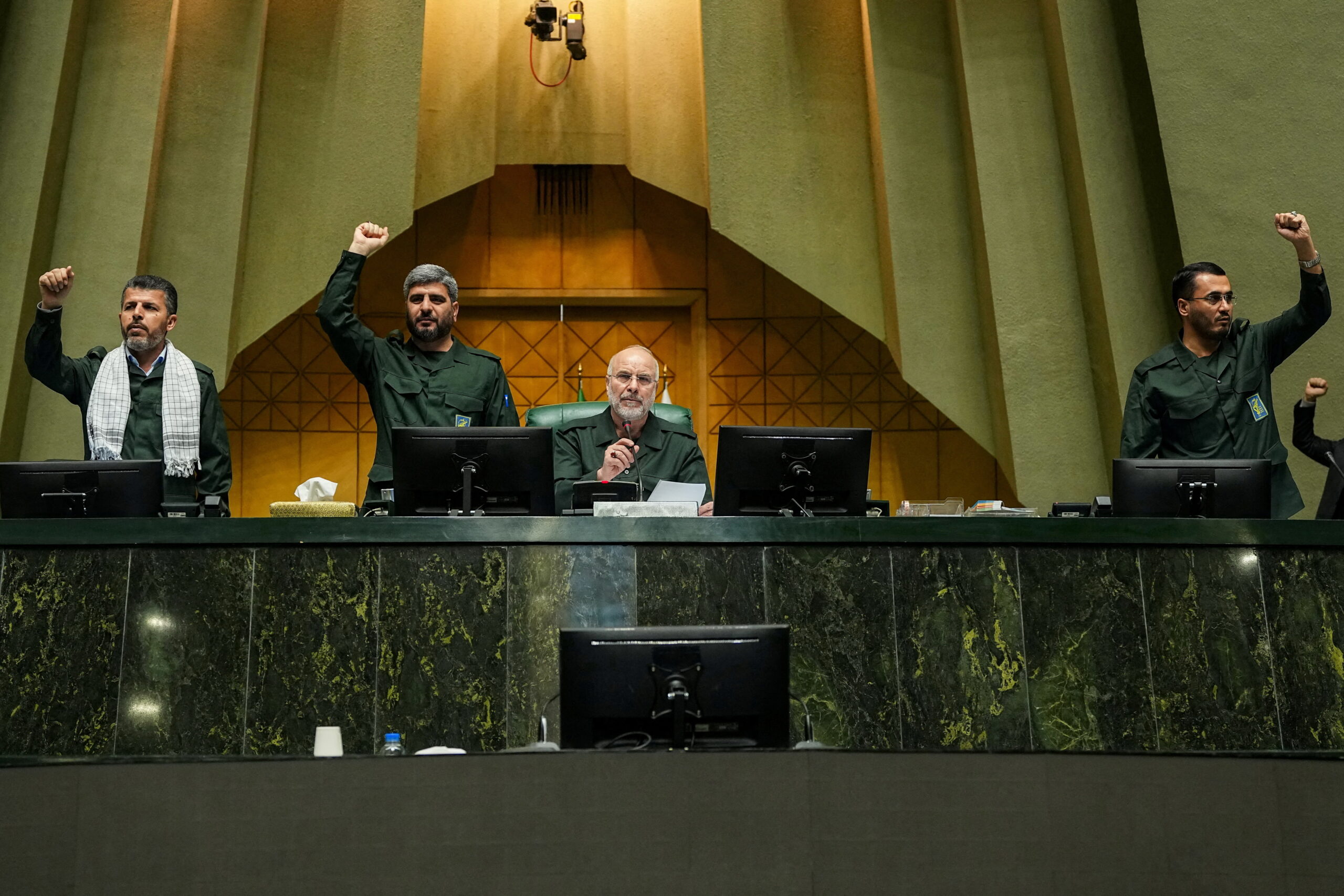
Events
Book Talk: Iran and the Bomb: The United States, Iran and the Nuclear Question
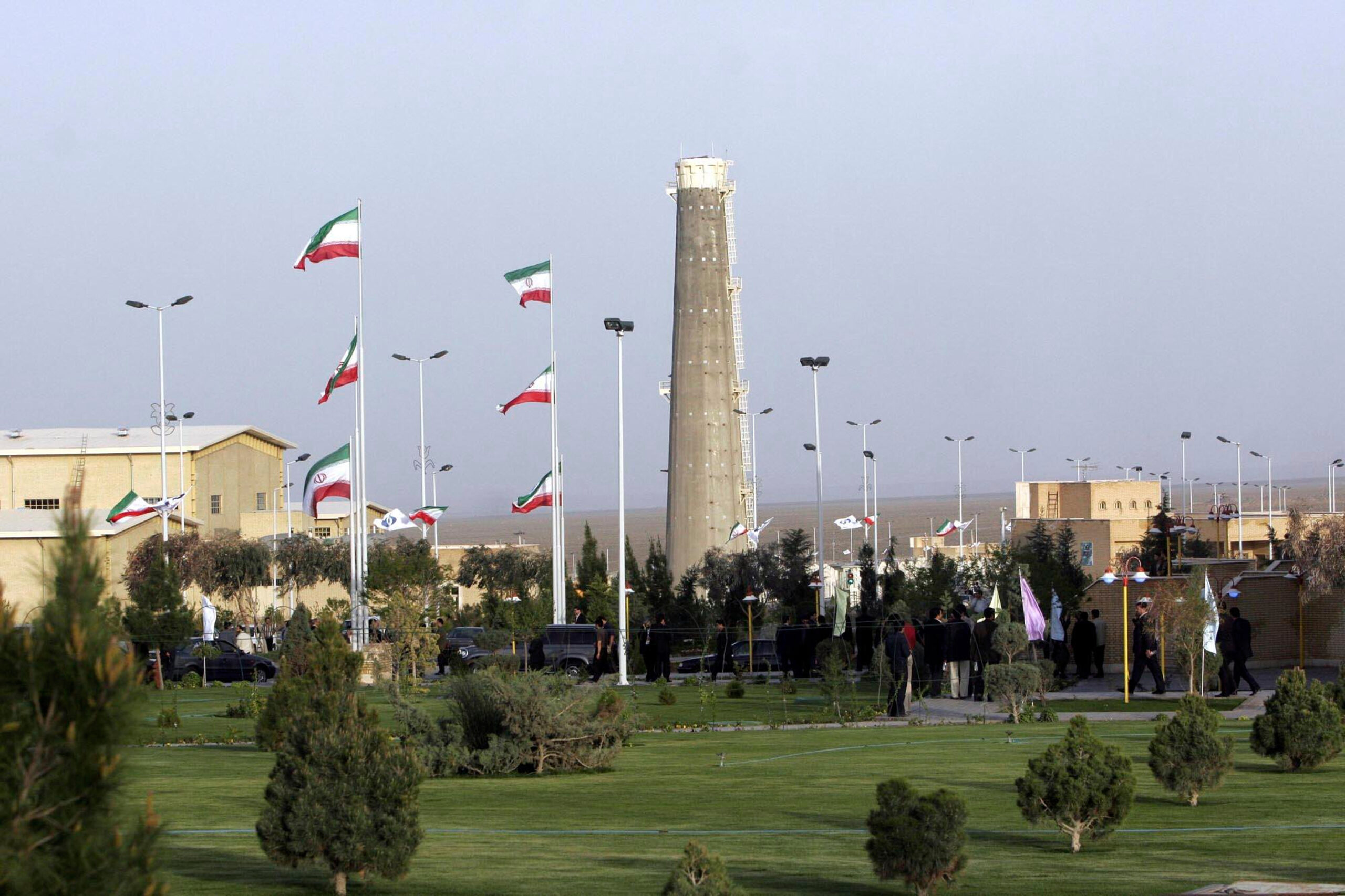
On June 16, AGSI hosted a discussion on the evolution of Iran's nuclear program.
Speakers

Apr 21, 2026
Inside Iran’s Wartime Leadership: Power, Succession, and Regime Stability
On April 21, AGSI hosted a discussion on the evolution of Iran's leadership during the war.
Speakers

Mar 18, 2026
In Its Conflict With the United States and Israel, Does Escalation Favor Iran?
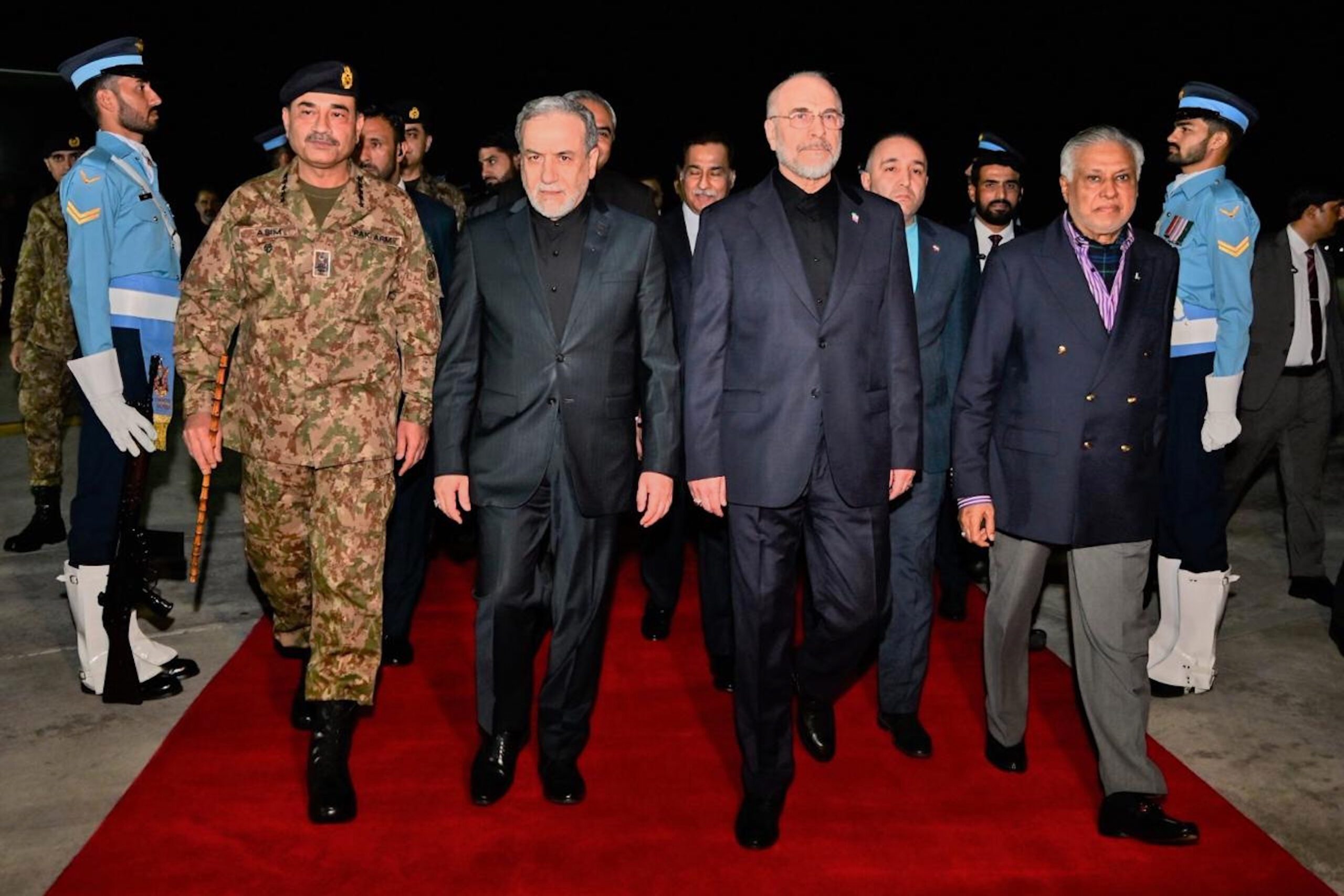
On March 18, AGSI hosted a discussion on the escalation of the Iran war.
Speakers


Mar 2, 2026
After the Shock: Implications of the U.S.–Israeli Strikes and Iran’s Leadership Transition
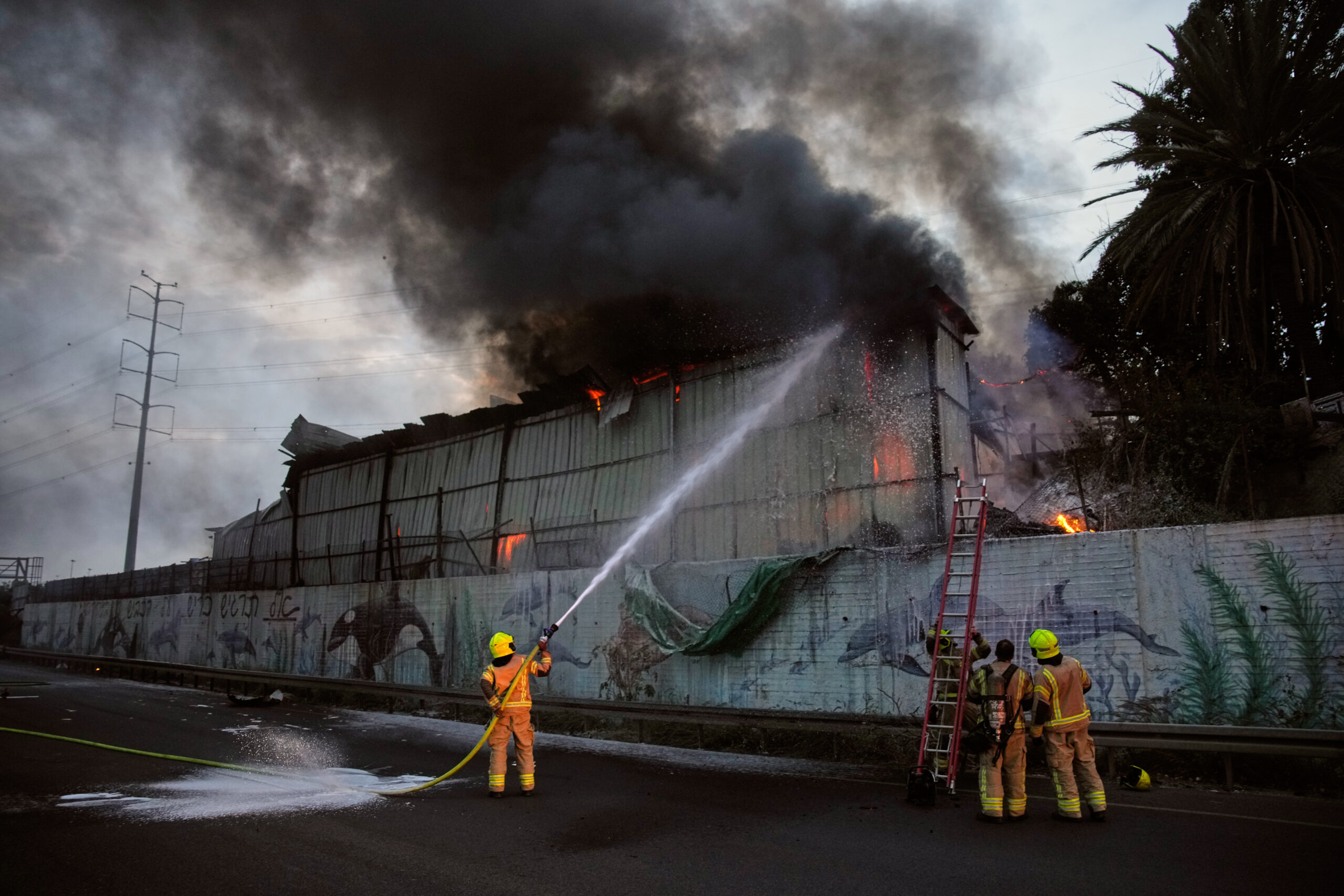
On March 2, AGSI hosted a discussion on the U.S.-Israeli strikes on Iran.
Speakers