Nov 10, 2022
Facing Rising Death Toll in Sistan and Baluchistan Province, the Regime Turns Against Local Sunni Leader
The November 10 edition of the Iran Media Review explores harsh criticism in Iran’s state-censored media of Sunni religious leader Molavi Abdolhamid Ismaeelzahi.

After publicly holding Supreme Leader Ayatollah Ali Khamenei, in his capacity as commander in chief of the armed forces, responsible for the harsh suppression of protests in Sistan and Baluchistan province, Molavi Abdolhamid Ismaeelzahi, the most prominent Sunni religious leader in the province, is facing harsher criticism in Iran’s state-censored media, which blames him for the unrest.
Regardless of the polemic, the province has suffered disproportionate fatalities in the course of the ongoing anti-regime protests, which have hitherto claimed the lives of at least 304 protesters and 42 security service personnel. Among these, 118 protesters and 11 security service personnel were killed in Sistan and Baluchistan. Approximately one hundred people were killed September 30, when a rumor of the rape of a Baluchi girl by the police chief in Chabahar provoked attacks against a police station in Zahedan. The others died November 4, when protesters tried to occupy the gubernatorial building in Khash.
In an attempt to legitimize the harsh crackdown on protesters in Sistan and Baluchistan, the Islamic Revolutionary Guard Corps initially blamed the Salafi militant group Jaish al-Adl, which was designated a foreign terrorist organization by the U.S. Department of State in November 2010, for stirring up the disturbances in the province. The authorities also sacked Zahedan’s police chief but still faced criticism from Ismaeelzahi, who is under constant attacks from hard-line Fars News Agency and clerics close to the IRGC.
A wiser Iranian leadership would have appreciated a religious and ethnic minority leader like Ismaeelzah, whose regime criticism is verbal and not expressed through the barrel of a gun.
- September 30: According to an account of his Friday prayer sermon published on his official website, Ismaeelzahi said, “It is hard for me to utter the word ‘rape,’ but the subject has surfaced, and a complaint was filed. The public expects the authorities to follow up on this extraordinary issue.”
- October 3: In a video posted on YouTube, Ismaeelzahi said, “Many are trying to hide the events of September 30, and we are trying to clarify it by explaining what happened … After the Friday prayer … some youth who had attended the prayer went to the local police station … which we knew had been reinforced with anti-riot police forces, and threw stones at the building … They began shooting to kill, even in the mosque yard, where some people were still praying … Plainclothes officers too got engaged … and some people were shot in the head or in the chest, which indicates they were shot by sharpshooters … More than one hundred were killed … The Law Enforcement Forces were armed with tear gas and pellet guns. Why did they kill the people? Is it because they are trying to deflect attention from their mistakes elsewhere? The events provoked the people to protest, and some government forces may have been killed in the disturbances … We are demanding of the authorities to investigate the bloodshed.”
- October 21: In a video posted on YouTube of Ismaeelzahi’s Friday prayer sermon, he said, “Why are high-ranking officials silent? Tens of totally innocent people were killed on these very streets. Most of them were shot in the head or in the chest. Who has killed them, and for what crime? Regime officials and executives and the leader of the Islamic Republic, to whom all branches of the armed forces report, are responsible. No one can evade responsibility.”
- November 4: According to an account of his Friday prayer sermon published on his official website, Ismaeelzahi said, “Let me tell you as it is: This nation will not take a step back from here.” He continued, addressing the Islamic Republic leadership: “Do not deal violently with the nation. Solve the problem through dialogue. The majority of the people are unhappy, and the people are the source of your legitimacy. If you disagree, immediately arrange a referendum” to discover the “popular will.”
- November 6: An editorial published by hard-line Fars News Agency on Ismaeelzahi noted: “As Molavi Abdolhamid’s sermons get more provocative … Sistan and Baluchistan is experiencing more security threats … This in turn means the public is increasingly willing to talk in earnest about Molavi Abdolhamid … What may be uttered about him in the coming days may for years impact the public opinion about him.”
- November 6: Hojjat al-Islam Hossein Momeni, a clerical figure close to the IRGC, addressed Ismaeelzahi at a religious ceremony in Qom reported on by Ghatreh: “What did you have before the revolution? Did you have a mosque? Or a school? Today, thanks to the blessings of Iran’s Islamic Revolution, you have everything, but you still don’t stop uttering falsehoods. If you claim your disciples are innocent, how come they were armed and targeted the Law Enforcement Forces? Sunni theologians should beware of such attempts at creating divisions and should know who is planting division among the sects.”
- November 6: An open letter from Hojjat al-Islam Abou al-Qassem Alizadeh, the representative of the supreme leader to the IRGC in Tehran, to Ismaeelzahi, released by Fars News Agency, asserted: “The Makki school and mosque,” in which Ismaeelzahi preaches, “has become a center of religious and political activity, thanks to the Islamic Revolution … Would this have been possible under a repressive regime …? Have you hitherto not been free in your uncritical support of liberal democracy and the line of sedition, from the beginning of the Islamic Revolution until now? Were you not free, when praising previous Cabinets, with which you share a worldview, and did you not in return benefit from their largesse …? Was that too evidence of repression …? How come you suddenly think of democracy? Was Abdolmalk Rigi not a product of your mosque and school, and was it not his hand that was soaked in the blood of innocent people? Was it not the followers of that rogue, who shed the blood of guardians of security in front of that mosque …? My dear brother, instead of blowing in the trumpet of sedition and conflict, and instead of all the talk about democracy and questioning the divine and Islamic policies of the regime to the delight of the sworn enemies of Muslims, rely on your own faculty of reason and sense of justice. Talk of unity, solidarity, and safety to please God.”
The views represented herein are the author's or speaker's own and do not necessarily reflect the views of AGSI, its staff, or its board of directors.
Related
Iran Media Review
Nov 8, 2022
Iranian Editor’s Damning Assessment of President Raisi’s Record, Call for Free Elections
The November 8 edition of the Iran Media Review highlights the increasing criticism of the administration of President Ebrahim Raisi by center to center-right political columnists.
Iran Media Review
Nov 4, 2022
IRGC Chief to Saudi Arabia: “We Shall Bereave You of Your Calm”
The November 4 edition of the Iran Media Review considers hostile statements made toward Saudi Arabia.
Nov 8, 2022
Iranian Editor’s Damning Assessment of President Raisi’s Record, Call for Free Elections
The November 8 edition of the Iran Media Review highlights the increasing criticism of the administration of President Ebrahim Raisi by center to center-right political columnists.
Nov 4, 2022
IRGC Chief to Saudi Arabia: “We Shall Bereave You of Your Calm”
The November 4 edition of the Iran Media Review considers hostile statements made toward Saudi Arabia.
Analysis
The Committee of Six and Strategic Decision Making in Iran
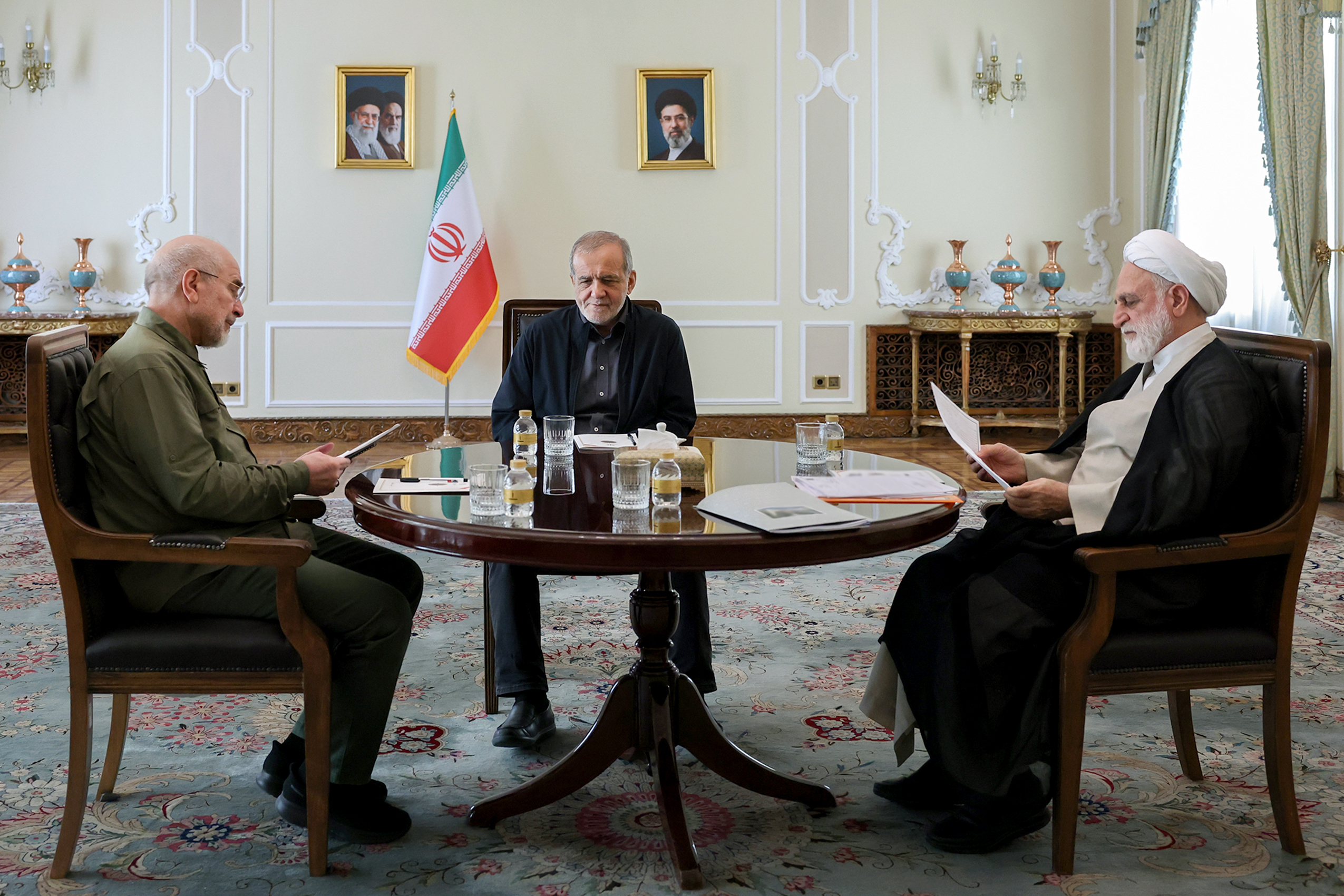
Remarks by Iran’s president offer a rare glimpse of how the Islamic Republic has adapted its decision making to the absence of its supreme leader.
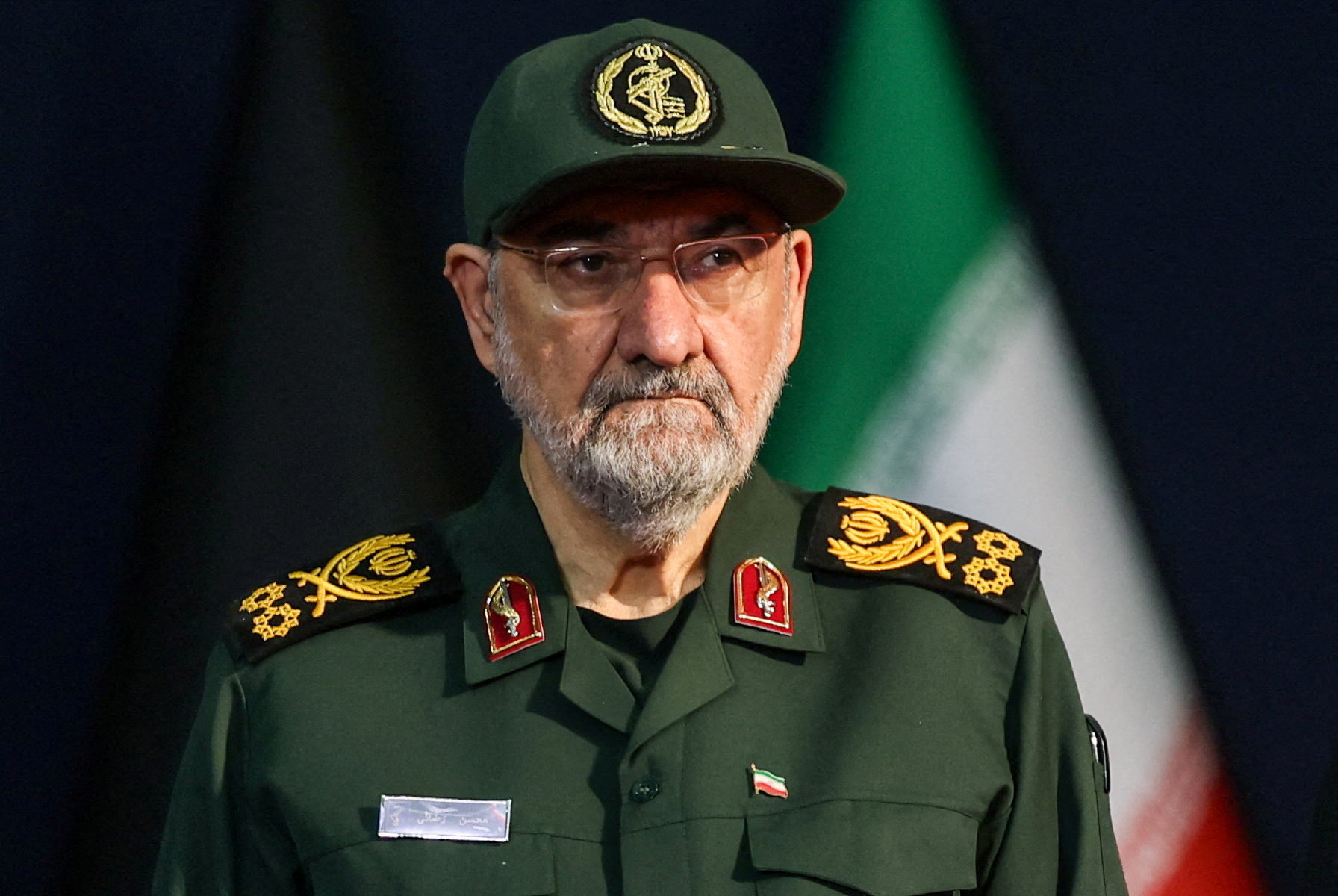
Mohsen Rezaei at the Helm of Iran’s Supreme National Security Council
Under Rezaei, the SNSC could prove constructive or paralyze strategic decision making.
The Islamic Republic Returns to Offense
After U.S.-Israeli strikes killed Supreme Leader Ayatollah Ali Khamenei on February 28, Iran’s collective leadership has concluded that the best defense is a good offense.
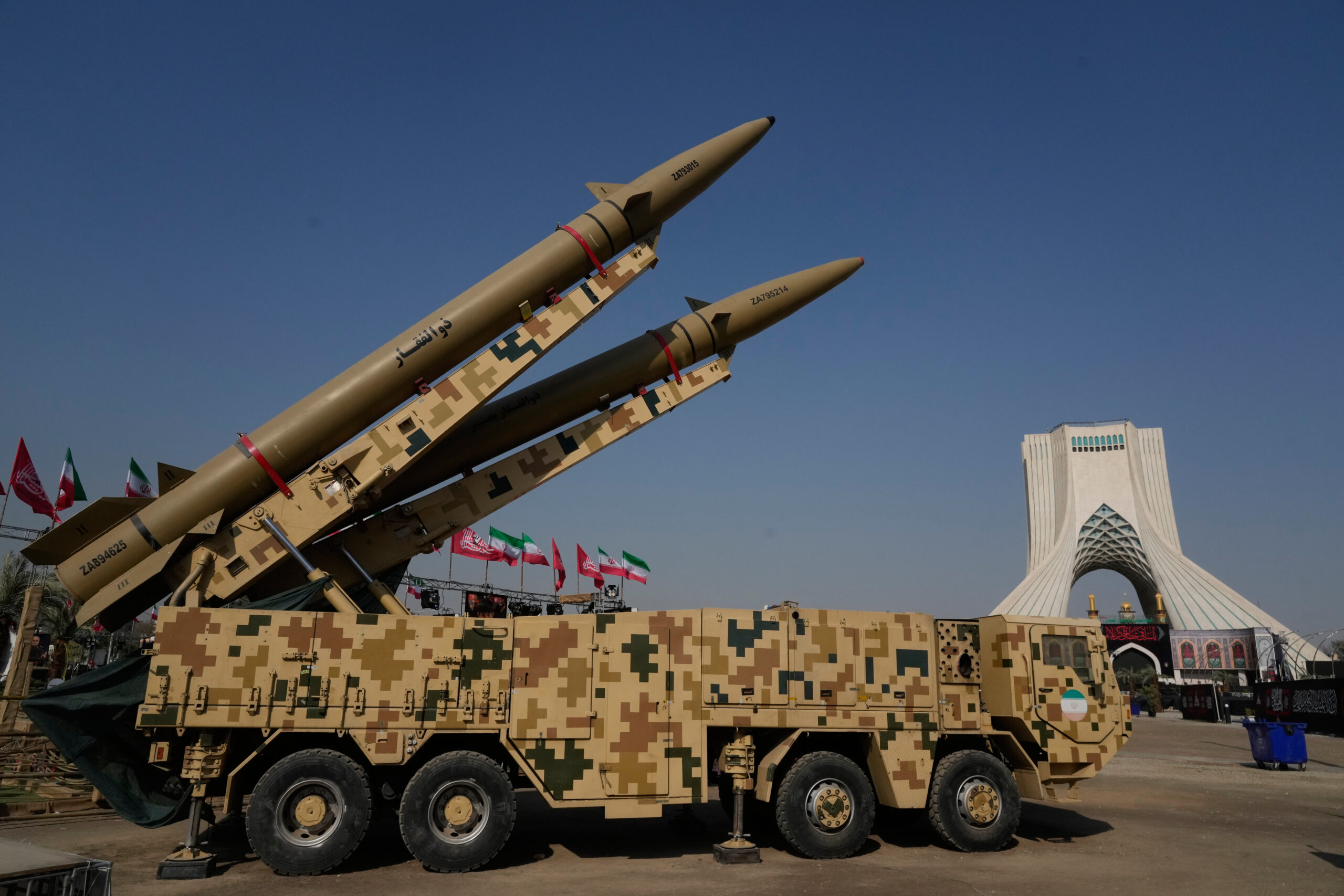
Iran’s Collective Strategic Decision Making
Wartime pressure has temporarily aligned the leadership’s overriding interest in regime survival, even as its members continue to differ over the costs, methods, and ultimate objectives of the war.
Events
Oct 6, 2026
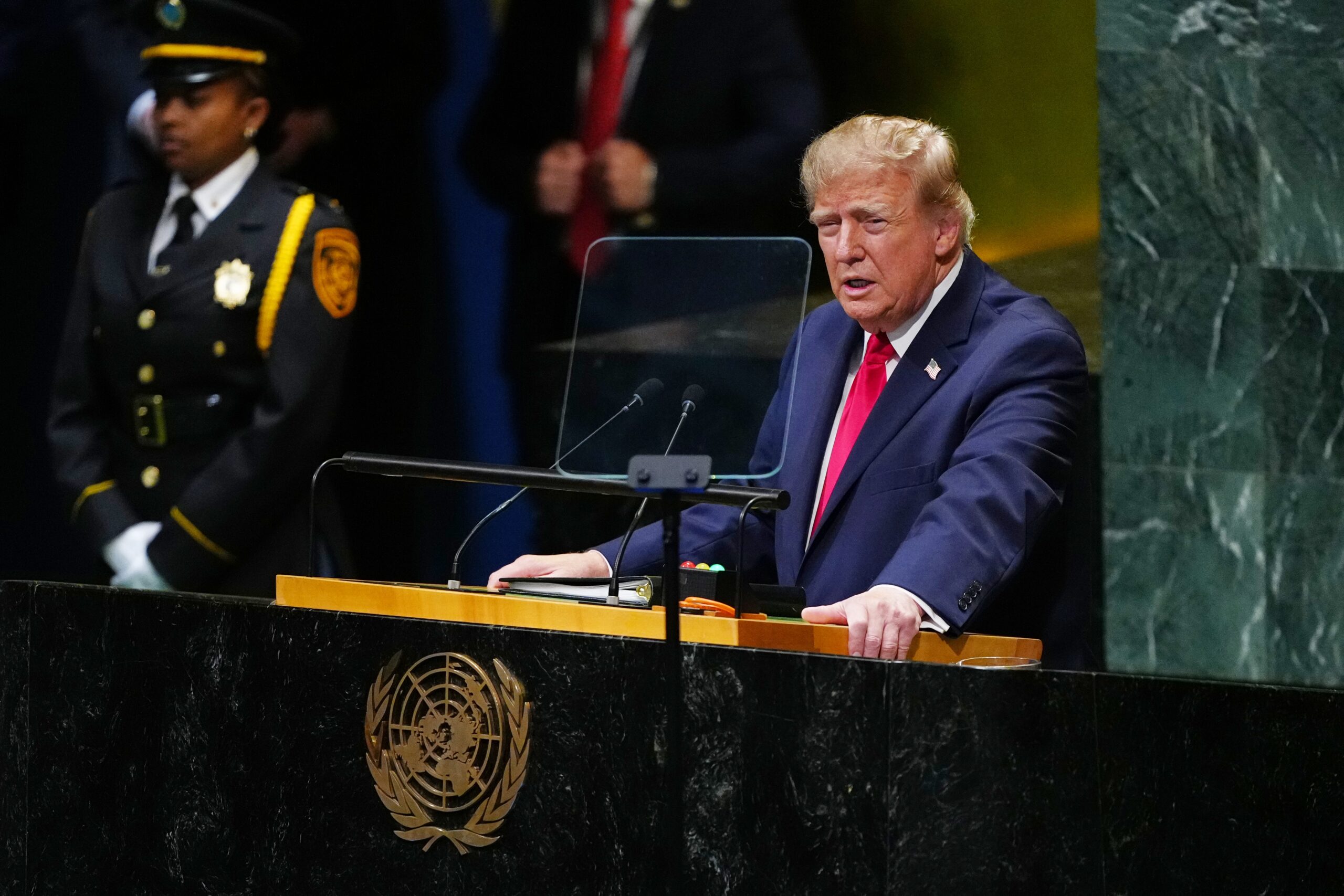
Is the U.S.-Iran Stalemate a “New Normal” or the Prelude to Another Explosion?
On October 6, AGSI hosted a discussion on the U.S.-Iran stalemate and the prospects for a cease-fire.
Speakers



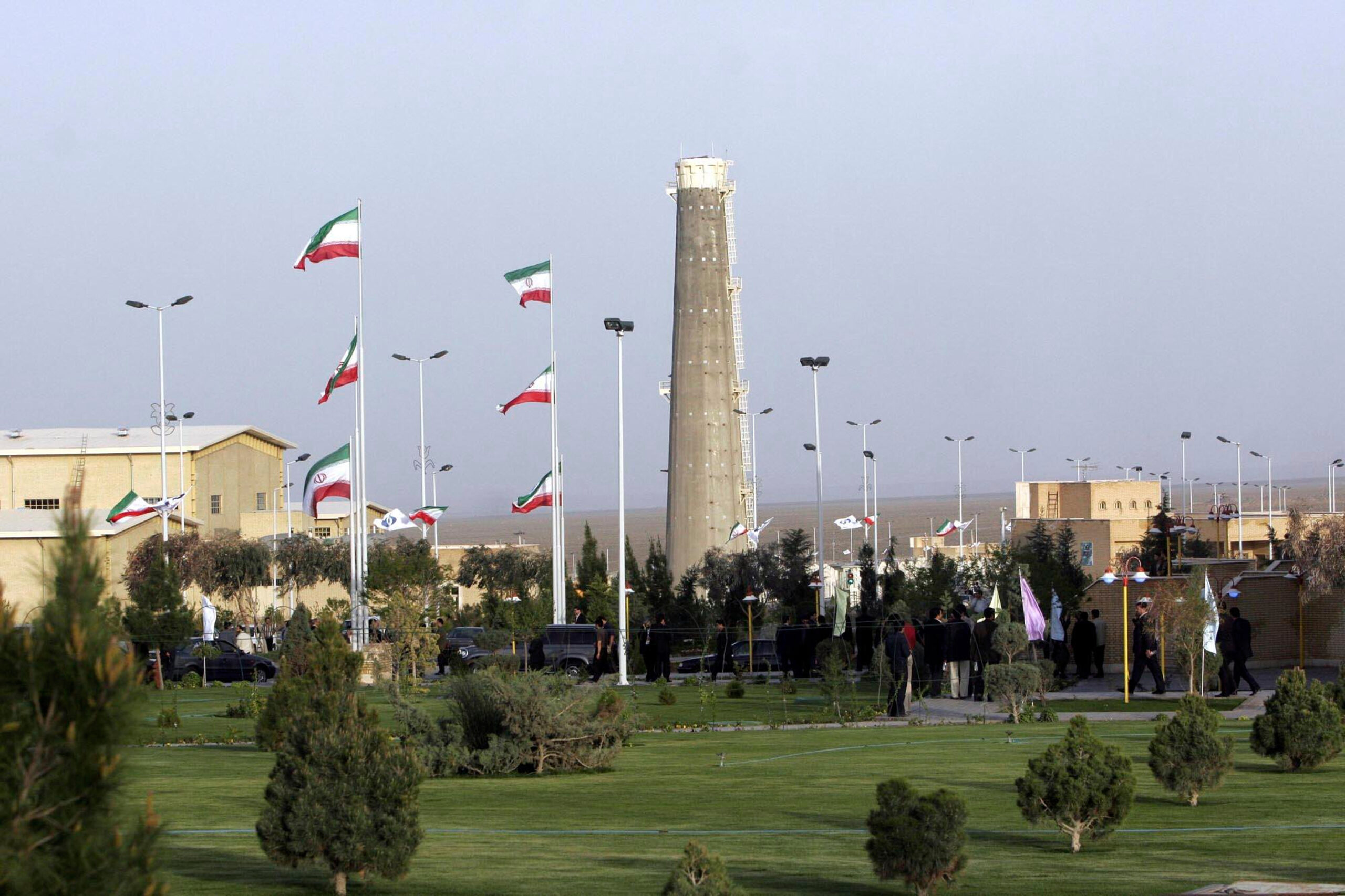
Book Talk: Iran and the Bomb: The United States, Iran and the Nuclear Question
On June 16, AGSI hosted a discussion on the evolution of Iran's nuclear program.
Speakers
Apr 21, 2026
Inside Iran’s Wartime Leadership: Power, Succession, and Regime Stability
On April 21, AGSI hosted a discussion on the evolution of Iran's leadership during the war.
Speakers

Mar 18, 2026
In Its Conflict With the United States and Israel, Does Escalation Favor Iran?
On March 18, AGSI hosted a discussion on the escalation of the Iran war.
Speakers