Nov 8, 2022
Iranian Editor’s Damning Assessment of President Raisi’s Record, Call for Free Elections
The November 8 edition of the Iran Media Review highlights the increasing criticism of the administration of President Ebrahim Raisi by center to center-right political columnists.
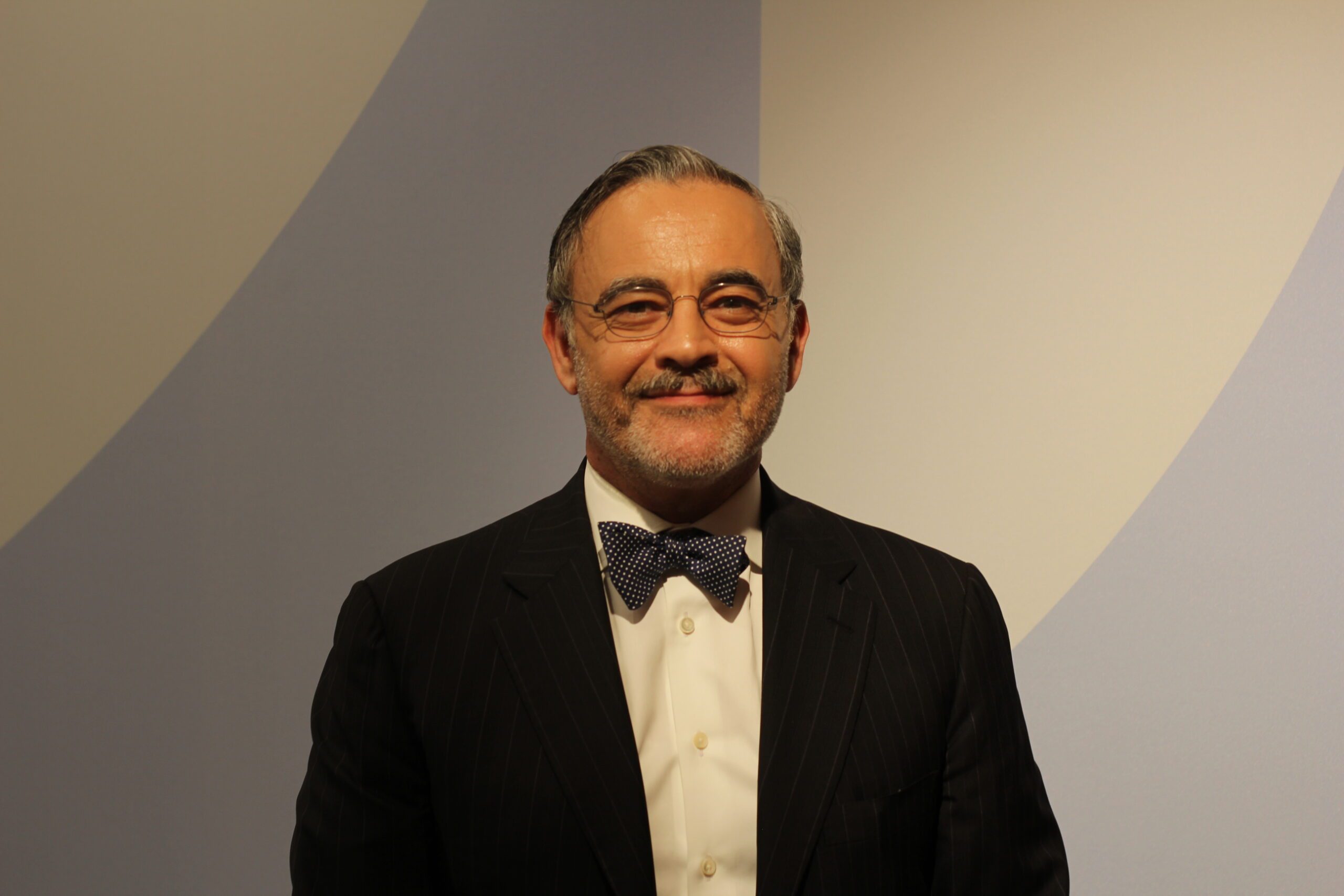
While liberal reformist criticism of President Ebrahim Raisi is perfectly normal in the public discourse of the Islamic Republic, the Cabinet’s performance is increasingly facing criticism from, for a lack of more precise definition, center to center-right political columnists. Increasingly sharper opinion pieces by Mohammad Mohajeri, the Khabar Online editor, provide an interesting example of erosion of Raisi’s support base in that quarter. Even more remarkable is Mohajeri’s call for free elections as a remedy to solve the regime’s problems with “leaderless protests.”
- October 26: In a damning assessment of Raisi’s record, Mohajeri wrote in his Khabar Online column: “Prior to entering office, he toured with a simplistic solution: Poor management was the cause of all the ills … Once he was elected, for long he blamed ‘those responsible for the current state of affairs,’ when facing shortcomings … And when Mahsa Amini passed away … Raisi tried to keep his distance not to be hit by shrapnel, but his backers did not allow the Cabinet just to watch from the spectator seats … Now, the track record of Raisi’s Cabinet is generally indefensible: Lack of solution to the rising prices; an automobile market left alone to its own devices; constant pressure from his own support base to appoint or dismiss officials; a nuclear deal, the fate of which is not known; involuntary entanglement in the Russia-Ukraine war; scarcity of medicine; air pollution; and tens of other big and small issues. He appears exhausted, overwrought, fed up, and impatient … He is not up to the job, and most of the people who voted for him reached the same conclusion months ago.”
- October 31: Mohajeri, interviewed by Etedaal, said in his assessment of the ongoing protests in Iran: “When demonstrations or riots do not have a leader … they may last 10 or 15 days or perhaps a month but will fade away in the end. There is, after all, no leader to provide a line or direction. On the other hand, absence of a leader is also a big threat. This means every single individual present in street unrest is a leader, and there is no one to organize. Such individuals can each act like a leader, explode wherever, and cause bitter events.” Turning to the average age and approximate size of the protests, he said: “Average age of those participating in the protests is 20 to 22 … But if we ignore them, and claim no wrong was committed to be rectified, we may guide society toward explosion … My friends on the right say a maximum of 150,000 to 200,000 people took to the streets. I am not dismissing this, but 200,000 is not a small number. Separately, how about those who sympathize with the 150,000 to 200,000 people? I believe we ought to multiply this number with 10, or perhaps 100, to assess the real number of protesters.” Concluding the interview, Mohajeri said: “In 2024, we will have parliamentary elections. From now on, we must signal to society that those elections will be free. I suggest the Guardian Council does not intervene at all in filtering of candidates. Let anyone who wants to run be a candidate. I am certain that the number of unfit people who, in the absence of filtering, will be elected into Parliament, will be lower than unfit people in the present Parliament!”
The views represented herein are the author's or speaker's own and do not necessarily reflect the views of AGSI, its staff, or its board of directors.
Related
Iran Media Review
Nov 4, 2022
IRGC Chief to Saudi Arabia: “We Shall Bereave You of Your Calm”
The November 4 edition of the Iran Media Review considers hostile statements made toward Saudi Arabia.
Iran Media Review
Oct 28, 2022
Attack in Shiraz May Herald Fierce Regime Suppression of Protests
The October 28 edition of the Iran Media Review demonstrates how the Iranian regime is taking advantage of an attack claimed by ISIL to fiercely suppress protesters.
Nov 4, 2022
IRGC Chief to Saudi Arabia: “We Shall Bereave You of Your Calm”
The November 4 edition of the Iran Media Review considers hostile statements made toward Saudi Arabia.
Oct 28, 2022
Attack in Shiraz May Herald Fierce Regime Suppression of Protests
The October 28 edition of the Iran Media Review demonstrates how the Iranian regime is taking advantage of an attack claimed by ISIL to fiercely suppress protesters.
Analysis
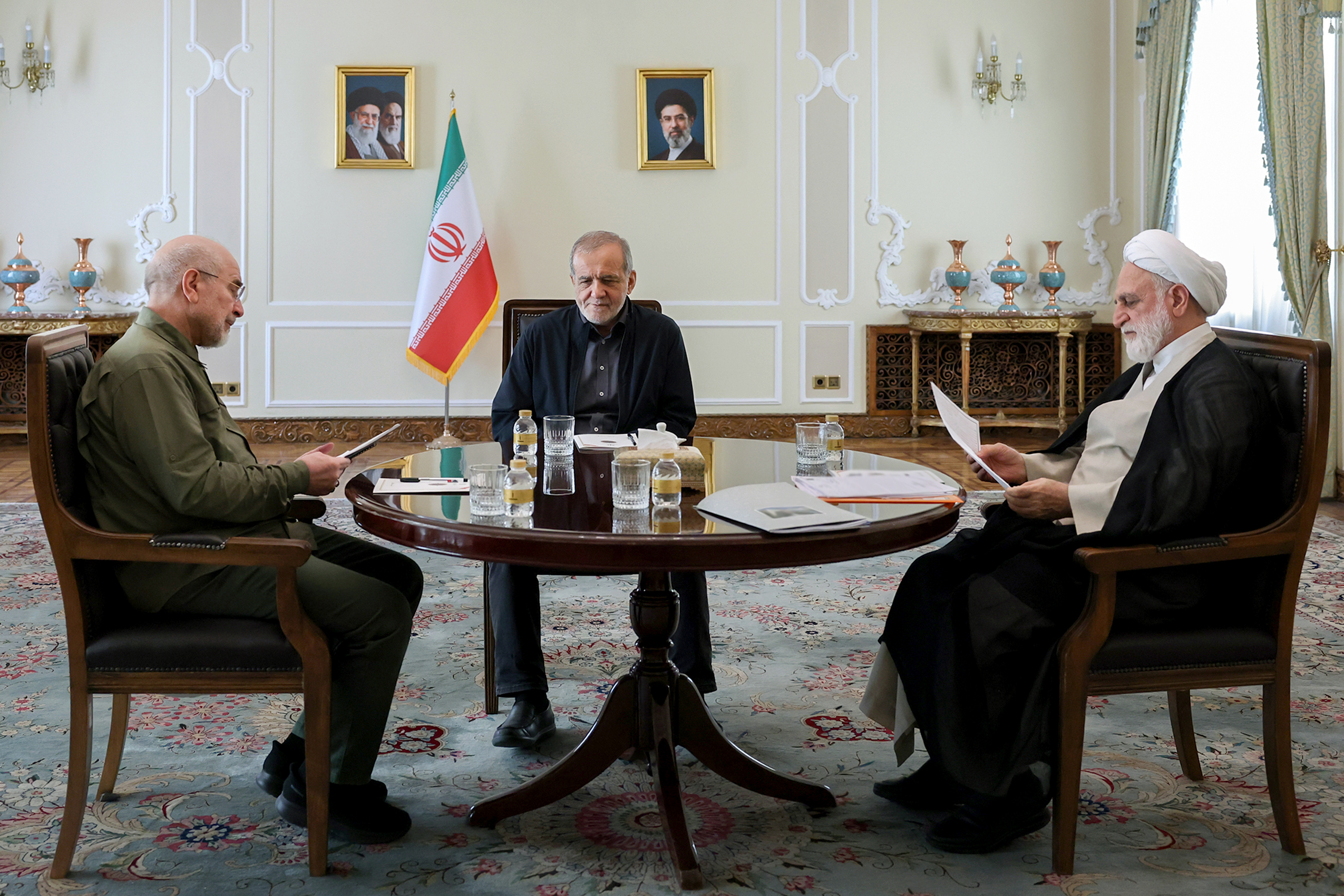
The Committee of Six and Strategic Decision Making in Iran
Remarks by Iran’s president offer a rare glimpse of how the Islamic Republic has adapted its decision making to the absence of its supreme leader.
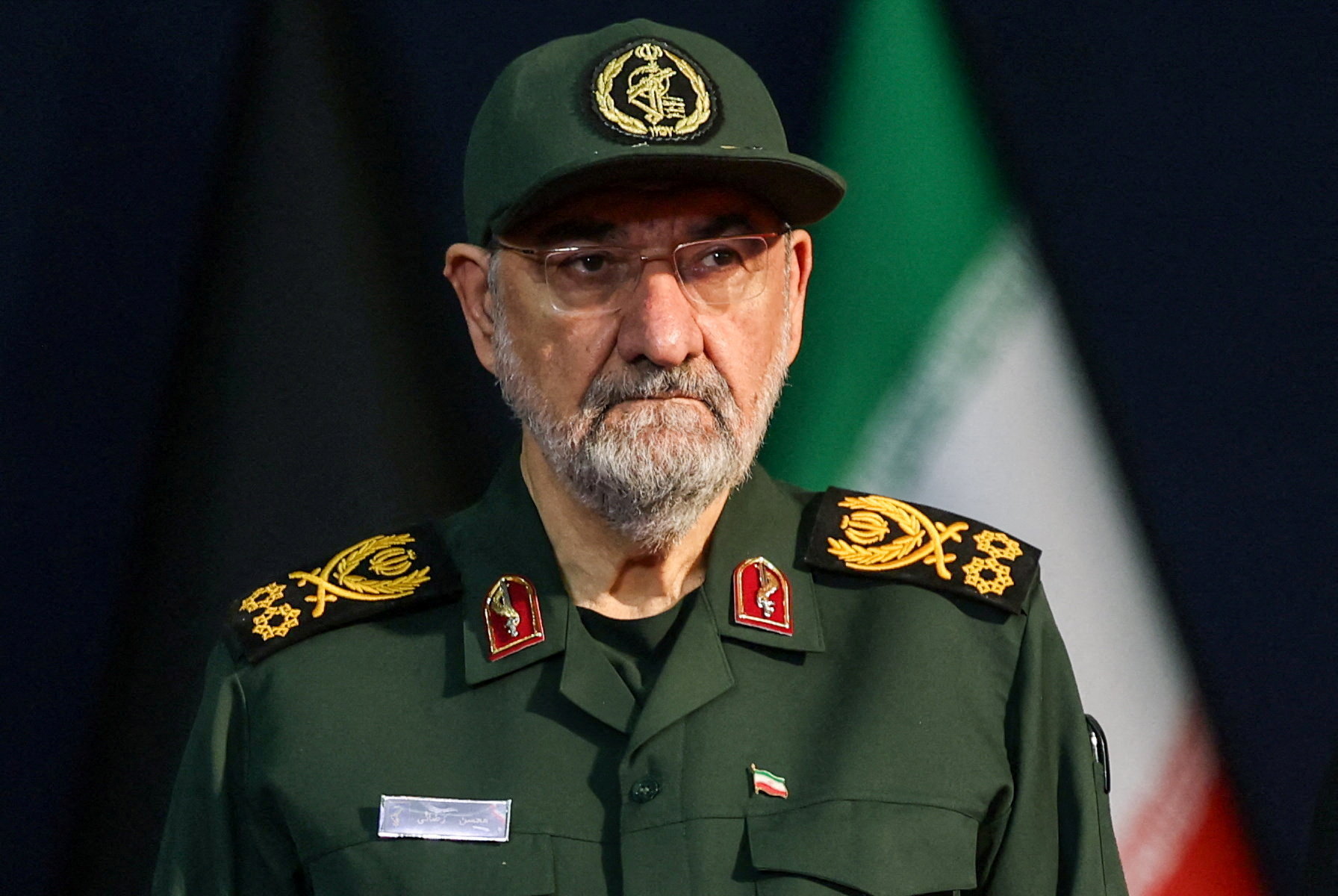
Mohsen Rezaei at the Helm of Iran’s Supreme National Security Council
Under Rezaei, the SNSC could prove constructive or paralyze strategic decision making.
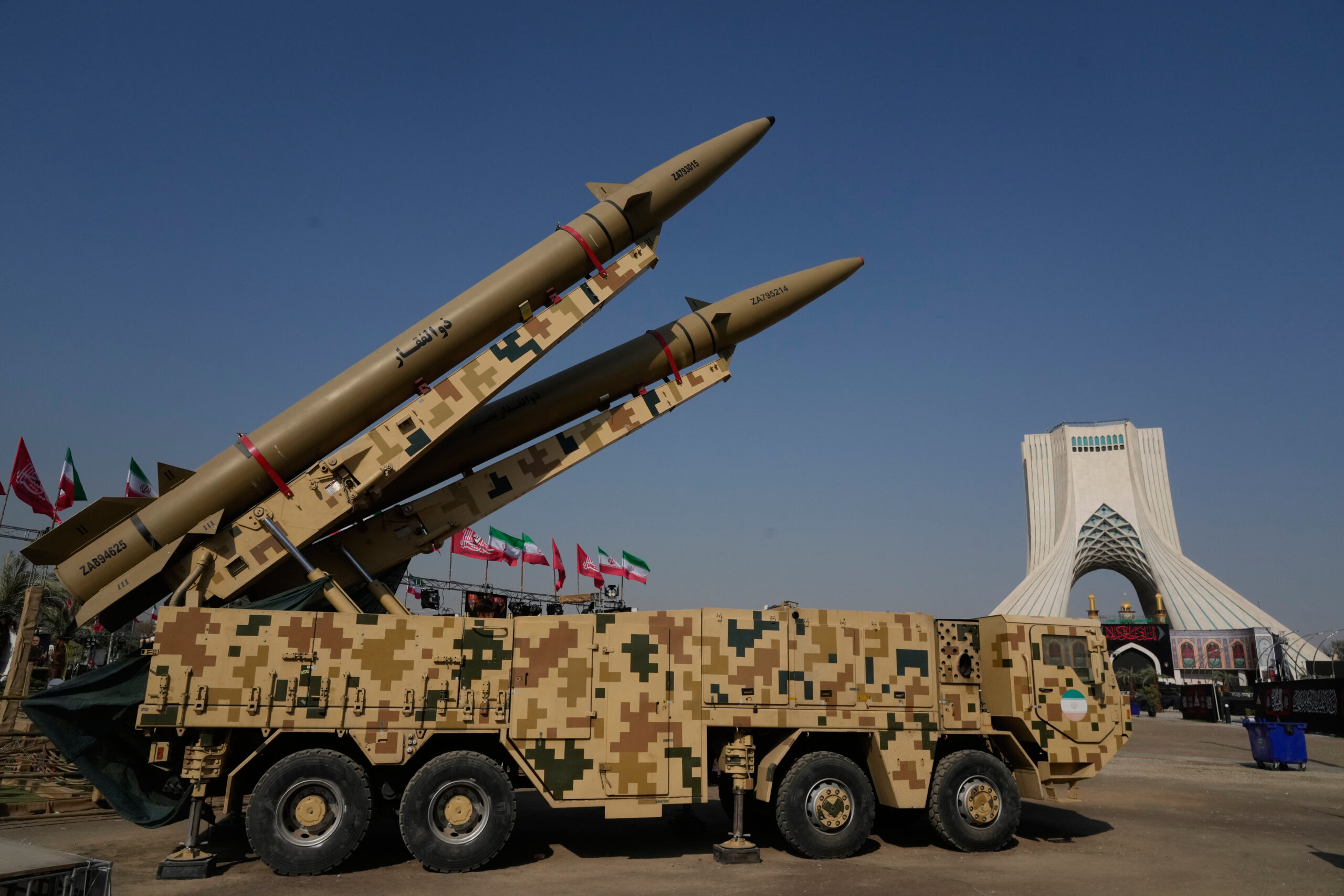
The Islamic Republic Returns to Offense
After U.S.-Israeli strikes killed Supreme Leader Ayatollah Ali Khamenei on February 28, Iran’s collective leadership has concluded that the best defense is a good offense.
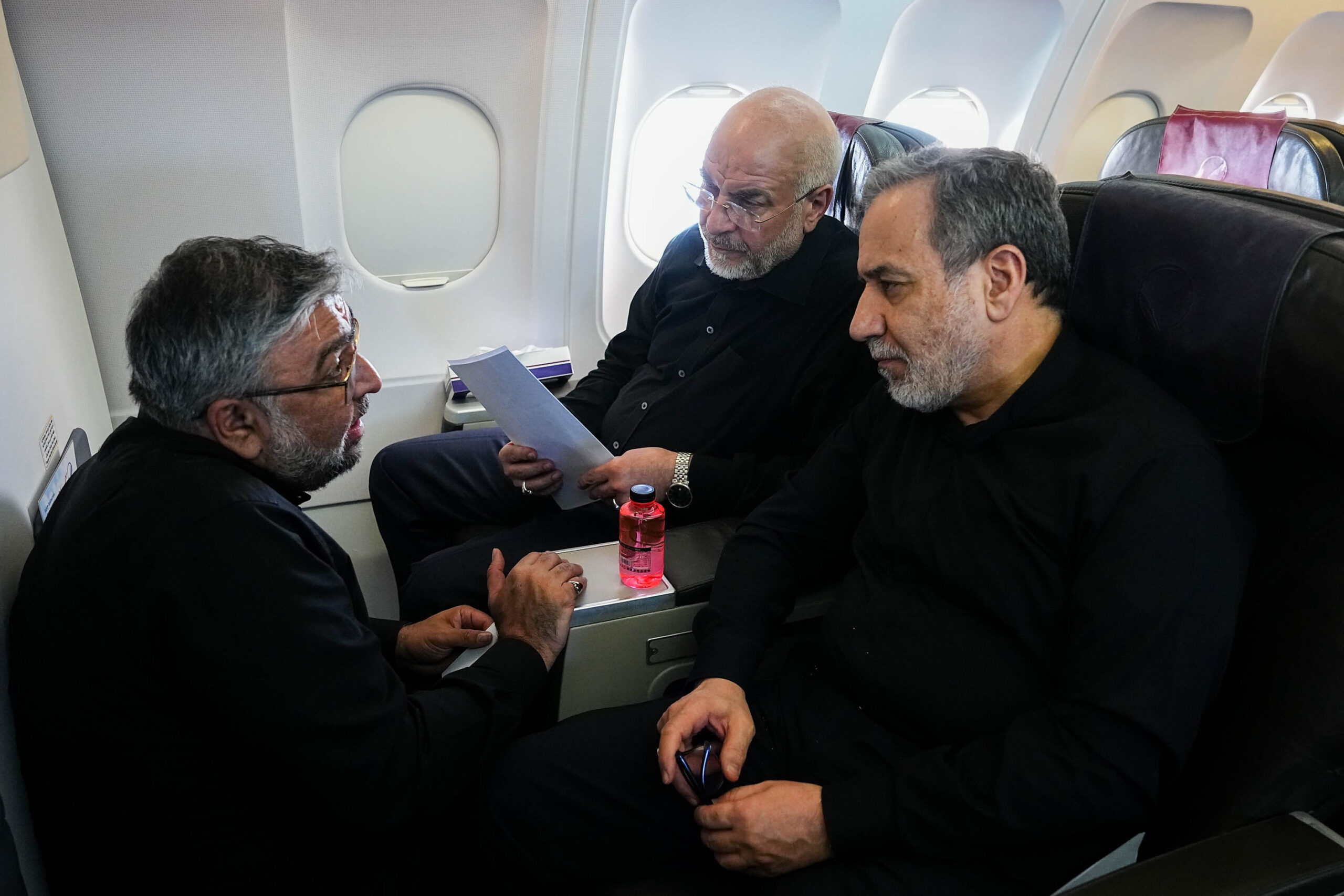
Iran’s Collective Strategic Decision Making
Wartime pressure has temporarily aligned the leadership’s overriding interest in regime survival, even as its members continue to differ over the costs, methods, and ultimate objectives of the war.
Events
Oct 6, 2026
Is the U.S.-Iran Stalemate a “New Normal” or the Prelude to Another Explosion?
On October 6, AGSI hosted a discussion on the U.S.-Iran stalemate and the prospects for a cease-fire.
Speakers


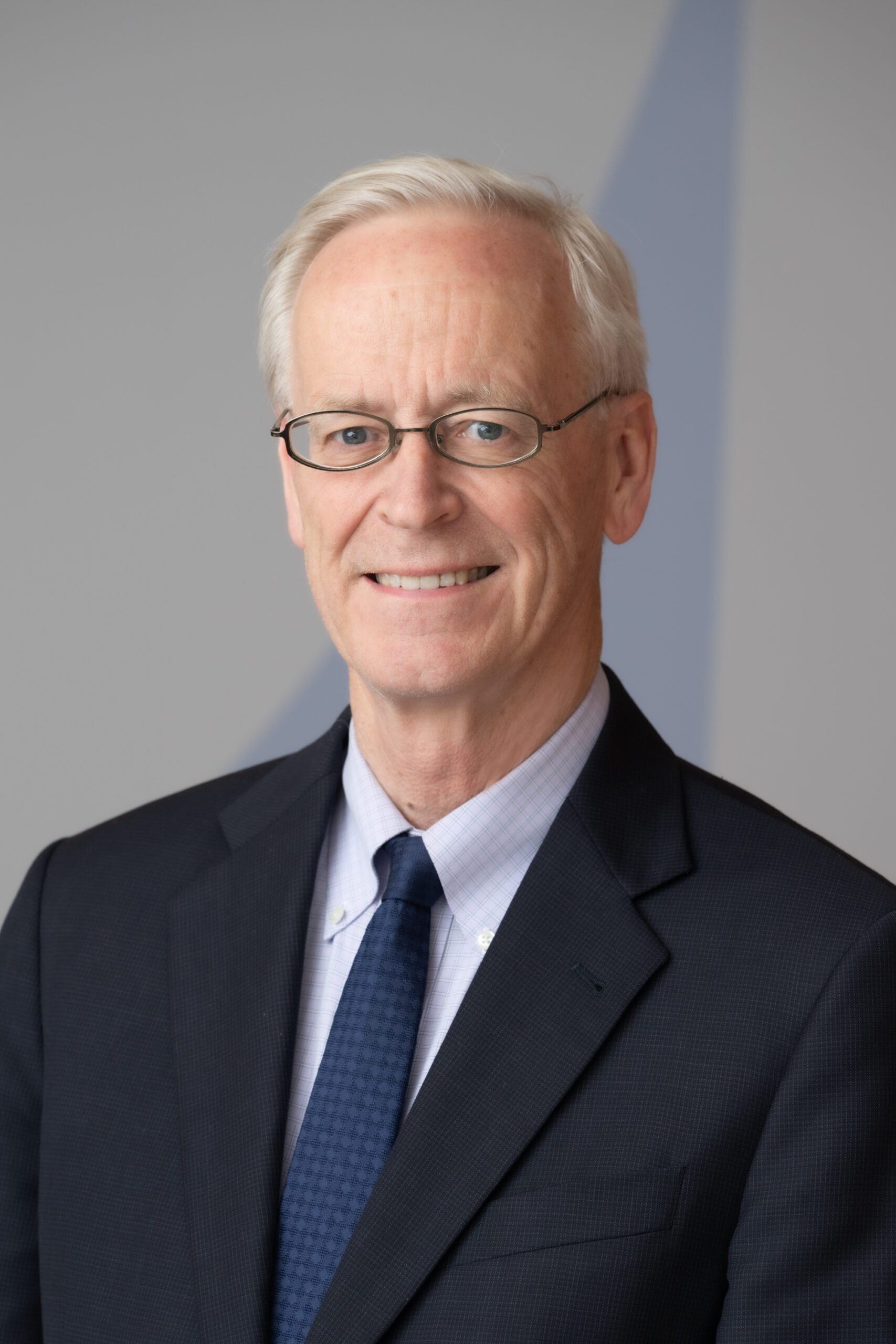
Book Talk: Iran and the Bomb: The United States, Iran and the Nuclear Question
On June 16, AGSI hosted a discussion on the evolution of Iran's nuclear program.
Speakers
Apr 21, 2026
Inside Iran’s Wartime Leadership: Power, Succession, and Regime Stability
On April 21, AGSI hosted a discussion on the evolution of Iran's leadership during the war.
Speakers

Mar 18, 2026
In Its Conflict With the United States and Israel, Does Escalation Favor Iran?
On March 18, AGSI hosted a discussion on the escalation of the Iran war.
Speakers