Sep 9, 2022
Who in Iran Benefits From Sanctions?
The September 9 edition of the Iran Media Review reflects on statements from a former Iranian vice president regarding government bodies and officials who benefit from U.S. sanctions.
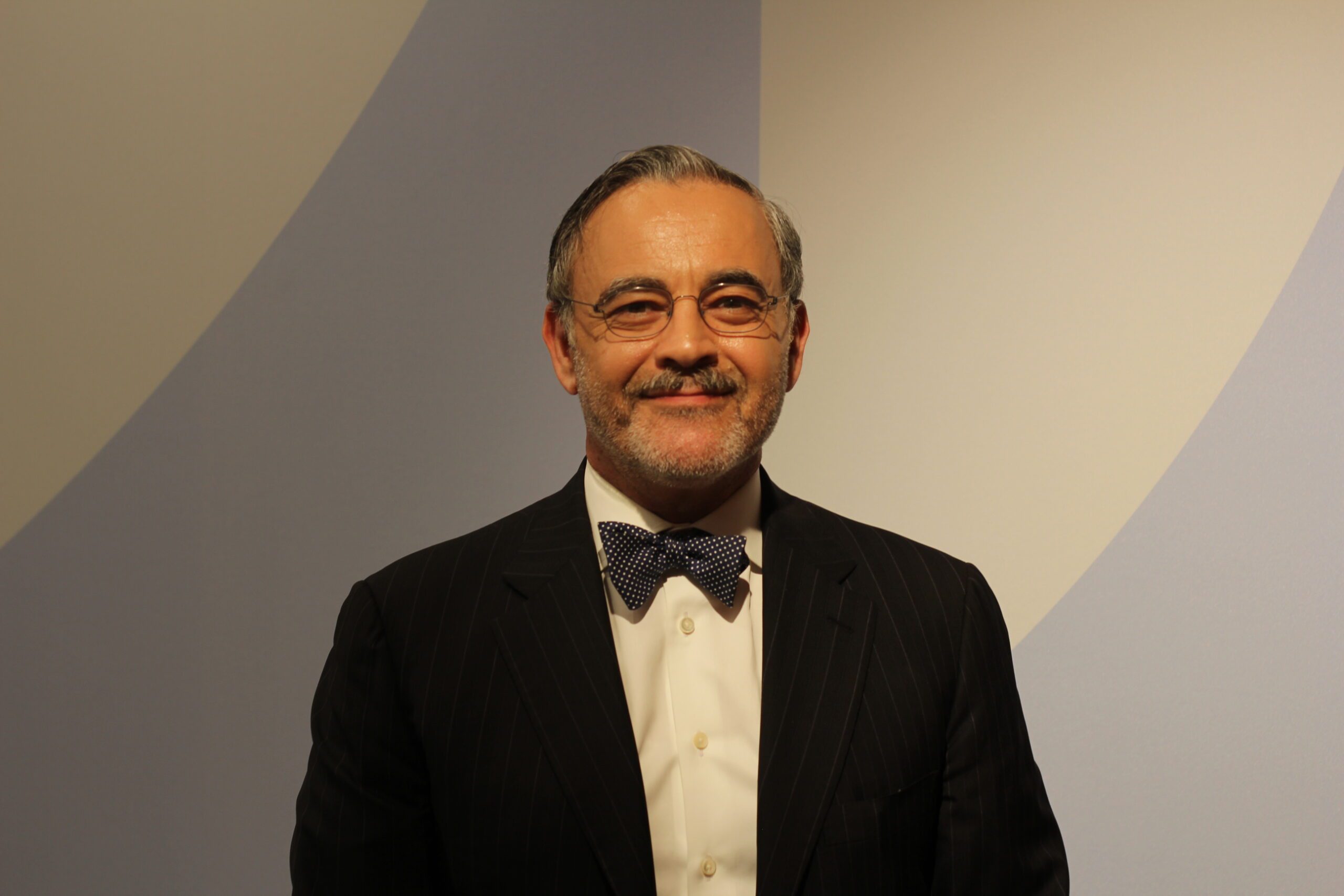
Certain government individuals and bureaucracies in Iran benefit from the U.S.-imposed sanctions, former Vice President Eshaq Jahangiri argued in Behrad Mehjou and Vali Khalili’s recently published book “Bedoun-e Doud va Atash va Khoun” (Without Smoke, Fire, and Blood), excerpts of which were published in reformist Shargh daily. If this is the case, it would hardly be surprising that these figures and institutions would do their utmost to sabotage nuclear negotiations between Tehran and Washington.
- September 6: Looking back at how some Iranians enriched themselves during Iran’s struggle to survive the “maximum pressure” campaign during the administration of former President Donald J. Trump Jr, Jahangiri said: “We were bringing $350 million in cash from the Azerbaijan border, in two phases. The money was stacked on wooden pallets. $31 million never made it to Tehran, and no one was held responsible for the loss … We were hoarding the cash so we could make our purchases of basic goods in cash, when all other paths of trade were closed to us.” Concluding the conversation, Jahangiri said: “The result of sanctions is corruption. Iran’s foreign trade is $70 billion, 20% of which ends up in the pockets of those inside Iran who welcome the sanctions regime. This group organizes its network in the United Arab Emirates to provide Iran with financial services” to bypass the sanctions, and in return “overcharge Iran … Another group establishes companies in China, with the sole purpose of plundering Iran when the sanctions bite. Their network is perfectly well known. They have the backing of political power centers within Iran. They are the profiteers of the sanctions and don’t care about the plight of the people.”
The views represented herein are the author's or speaker's own and do not necessarily reflect the views of AGSI, its staff, or its board of directors.
Related
Iran Media Review
Sep 6, 2022
IRGC Navy Warns Arab States Against Cooperation With Israel
The September 6 Iran Media Review considers threats around an Israeli naval presence in the region.
Iran Media Review
Sep 2, 2022
Who is in Charge of Iran’s Afghanistan Policy?
The September 2 edition of the Iran Media Review considers the struggle between the Foreign Ministry and IRGC over conducting foreign policy.
Sep 6, 2022
IRGC Navy Warns Arab States Against Cooperation With Israel
The September 6 Iran Media Review considers threats around an Israeli naval presence in the region.
Sep 2, 2022
Who is in Charge of Iran’s Afghanistan Policy?
The September 2 edition of the Iran Media Review considers the struggle between the Foreign Ministry and IRGC over conducting foreign policy.
Analysis
The Committee of Six and Strategic Decision Making in Iran
Remarks by Iran’s president offer a rare glimpse of how the Islamic Republic has adapted its decision making to the absence of its supreme leader.
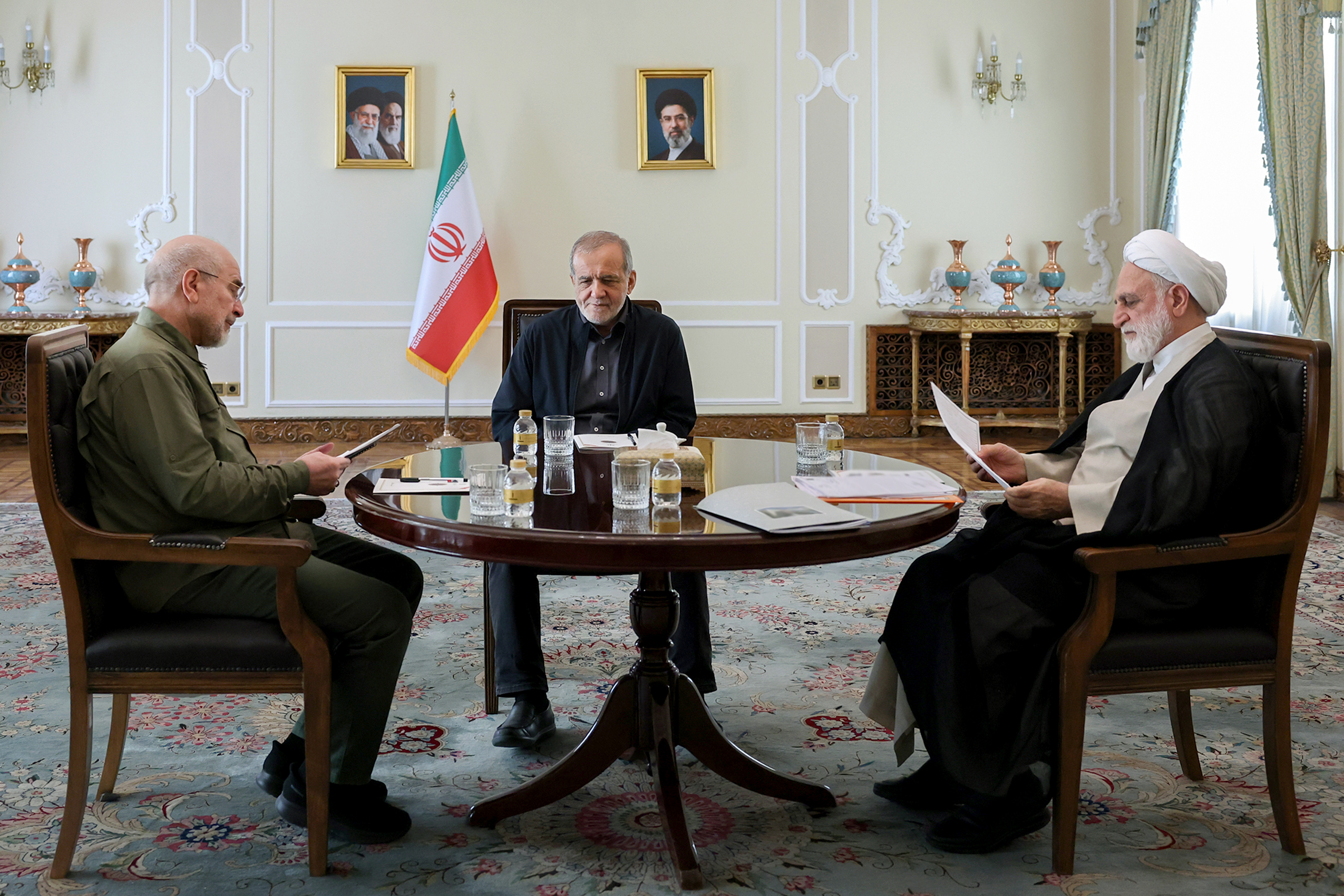
Mohsen Rezaei at the Helm of Iran’s Supreme National Security Council
Under Rezaei, the SNSC could prove constructive or paralyze strategic decision making.
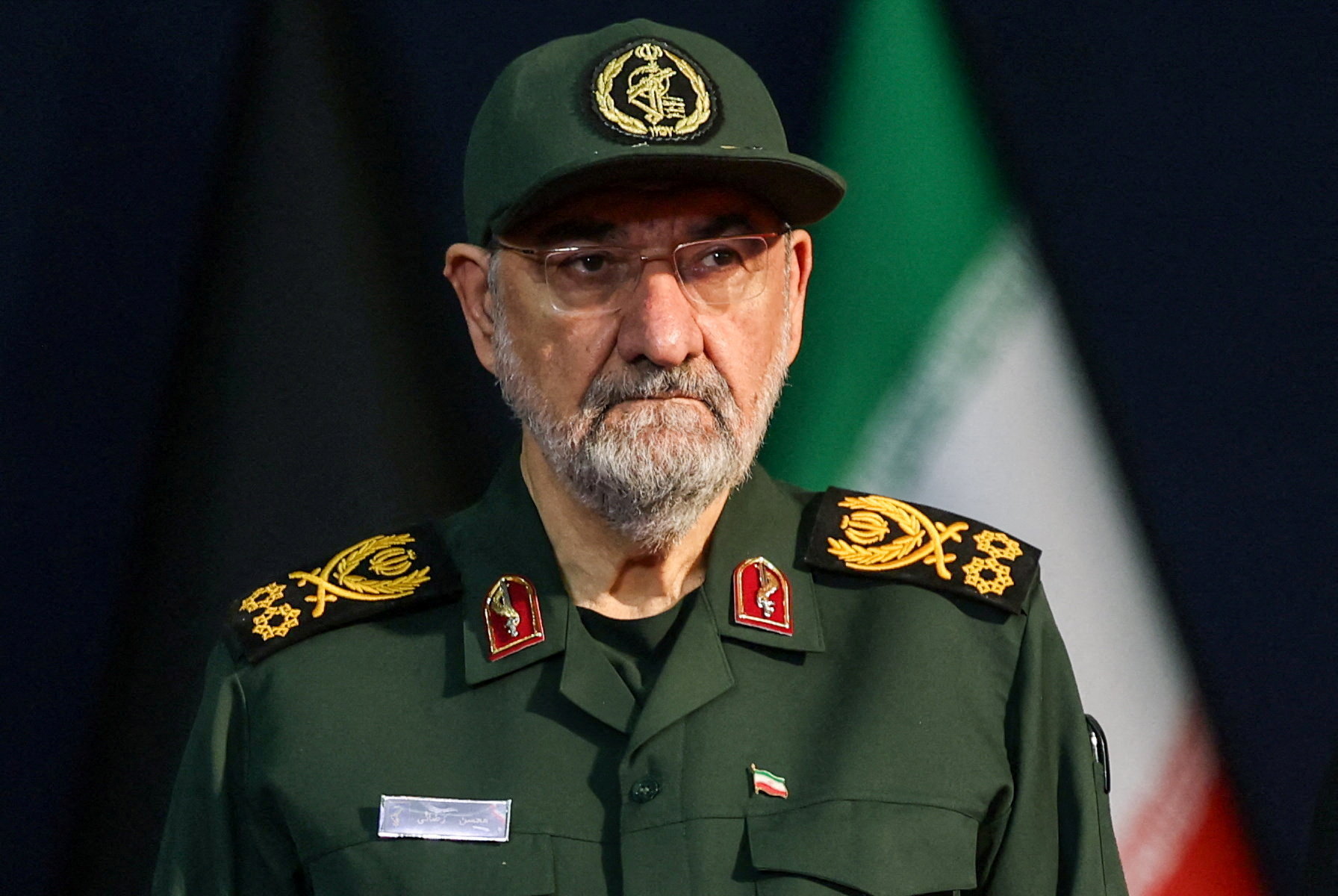
The Islamic Republic Returns to Offense
After U.S.-Israeli strikes killed Supreme Leader Ayatollah Ali Khamenei on February 28, Iran’s collective leadership has concluded that the best defense is a good offense.
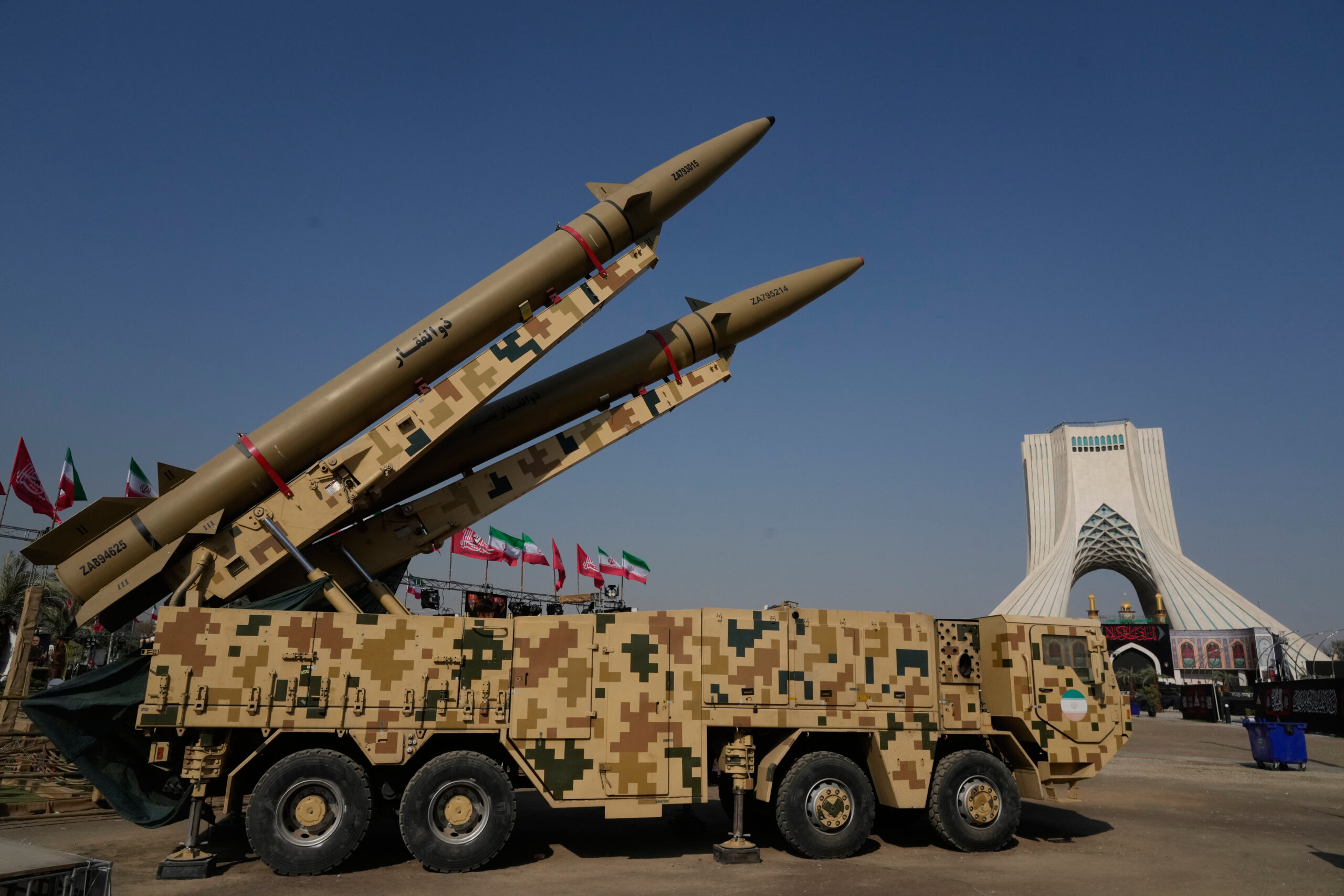
Iran’s Collective Strategic Decision Making
Wartime pressure has temporarily aligned the leadership’s overriding interest in regime survival, even as its members continue to differ over the costs, methods, and ultimate objectives of the war.
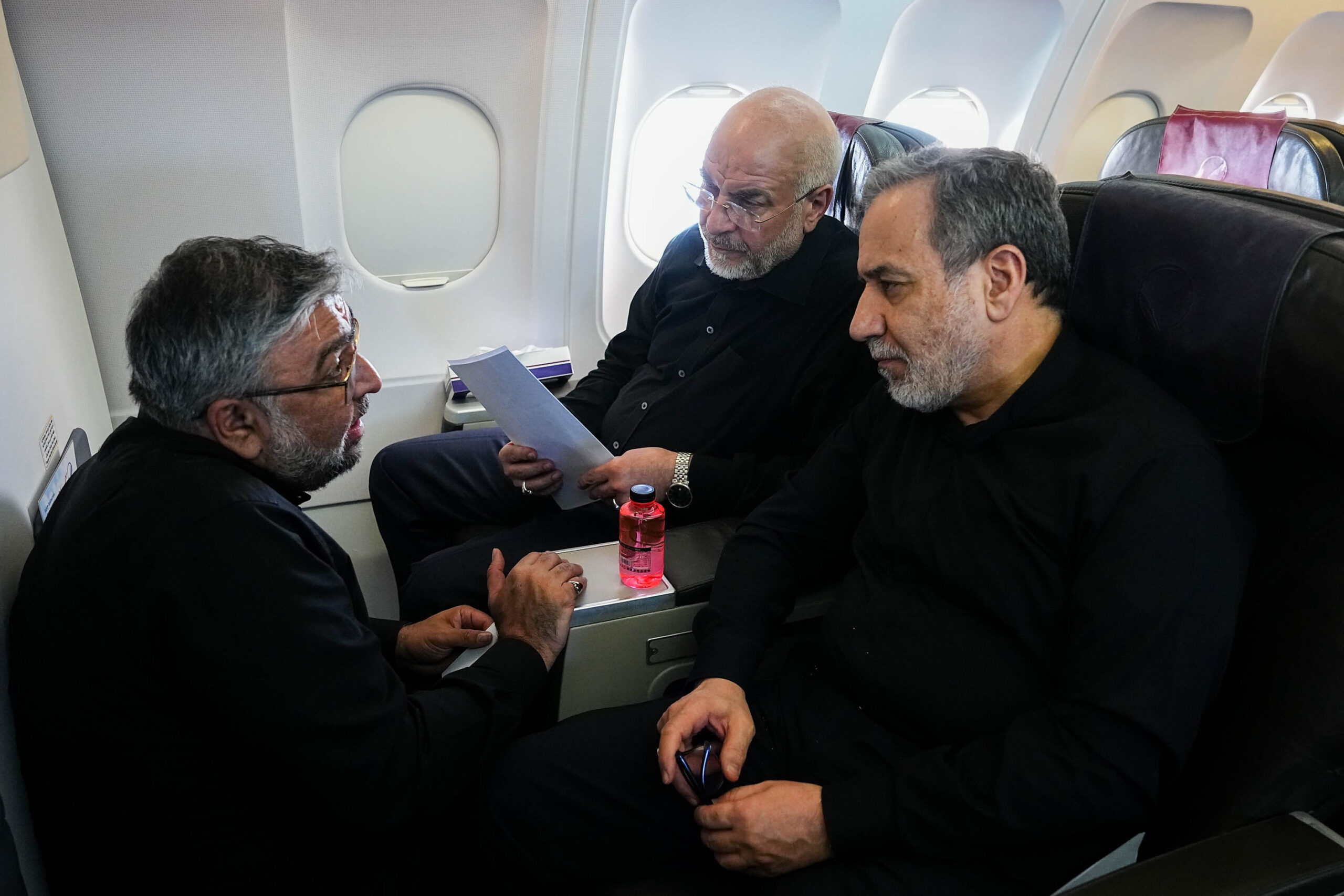
Events
Oct 6, 2026
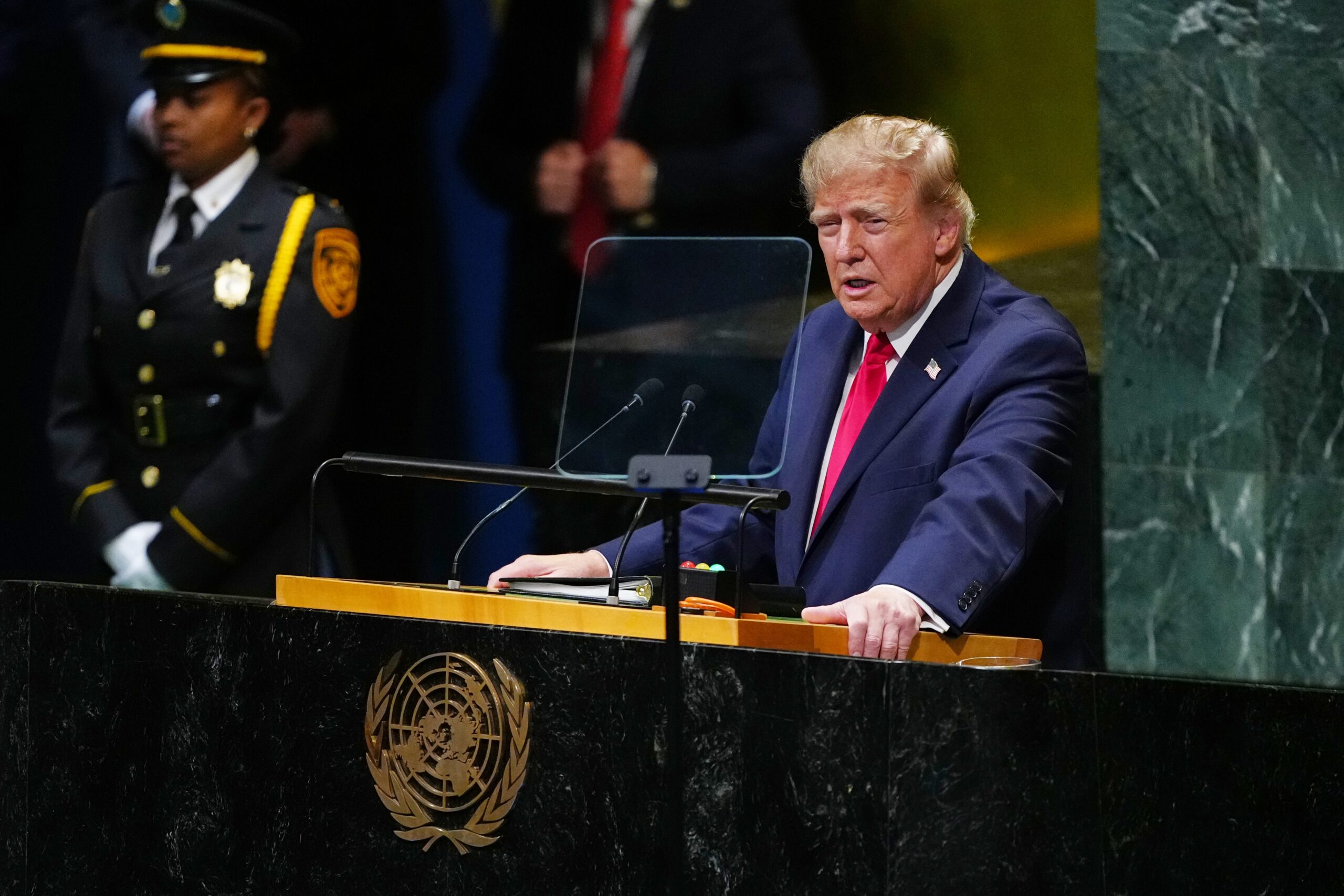
Is the U.S.-Iran Stalemate a “New Normal” or the Prelude to Another Explosion?
On October 6, AGSI hosted a discussion on the U.S.-Iran stalemate and the prospects for a cease-fire.
Speakers



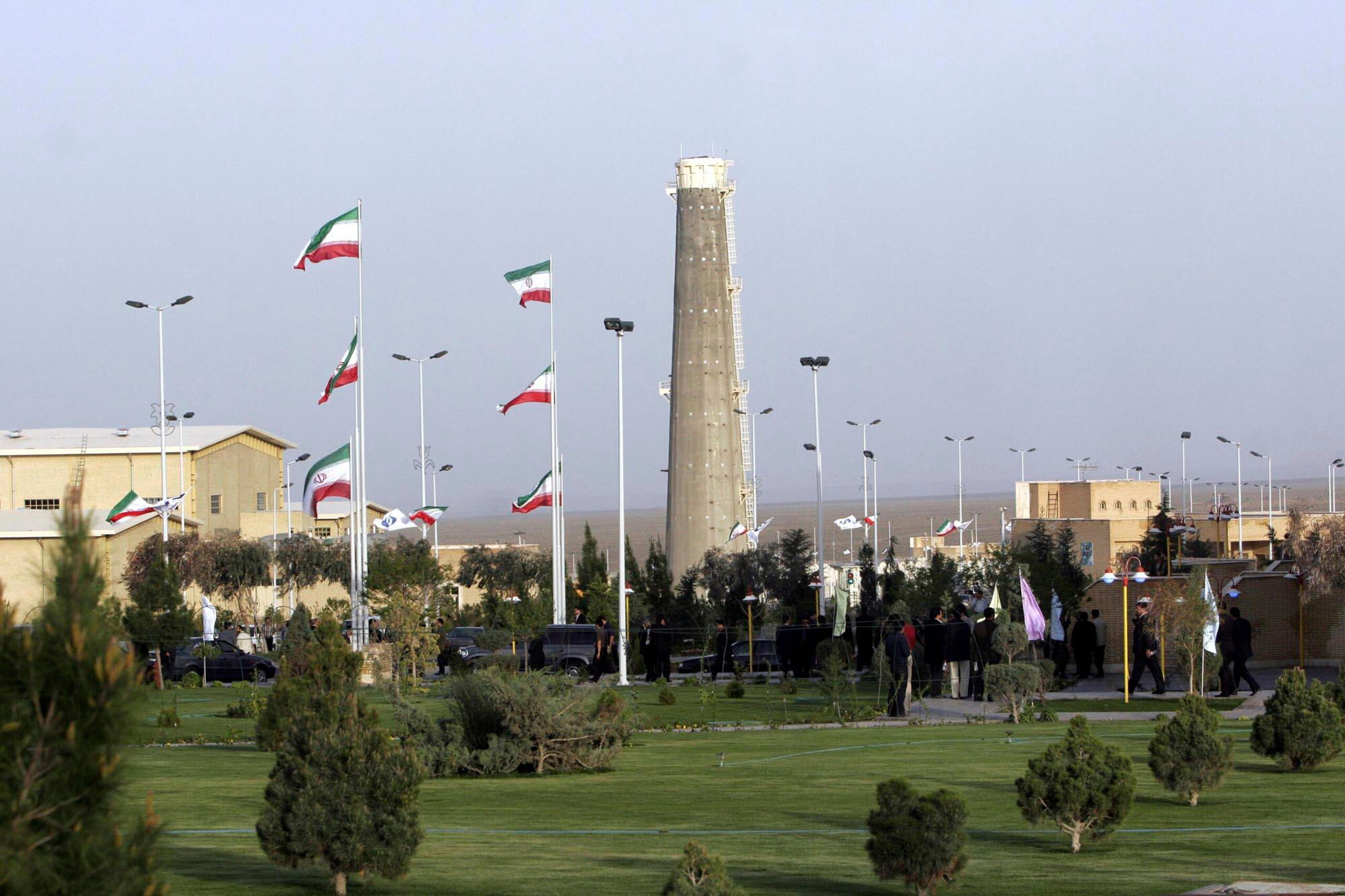
Book Talk: Iran and the Bomb: The United States, Iran and the Nuclear Question
On June 16, AGSI hosted a discussion on the evolution of Iran's nuclear program.
Speakers
Apr 21, 2026
Inside Iran’s Wartime Leadership: Power, Succession, and Regime Stability
On April 21, AGSI hosted a discussion on the evolution of Iran's leadership during the war.
Speakers

Mar 18, 2026
In Its Conflict With the United States and Israel, Does Escalation Favor Iran?
On March 18, AGSI hosted a discussion on the escalation of the Iran war.
Speakers