Sep 6, 2022
IRGC Navy Warns Arab States Against Cooperation With Israel
The September 6 Iran Media Review considers threats around an Israeli naval presence in the region.

Since 1995, the Islamic Revolutionary Guard Corps navy has been tasked with guarding “the Persian Gulf, Iran’s islands and coasts, continental shelf, oil platforms, and passage through the Strait of Hormuz.” With the growing regional rivalry between Iran and Israel, IRGC navy commander Commodore Ali Reza Tangsiri has recently expressed concern about prospects of an Israeli naval presence in the region. However, such warnings may be another factor chasing Iran’s neighbors into the arms of outside powers, including Israel.
- June 11: Diplomasi-ye Irani (Iranian Diplomacy) reported that, while visiting Greater Tunb, an island in the eastern Gulf, Tangsiri warned Iran’s neighbors: “If anyone, for whatever reason, opens the path of the pathetic, infanticidal Zionist regime, our number one enemy, to the region, it would be to his own detriment and to the detriment of the region, which will be haunted by insecurity, disorder, and instability. We are advising friendly and brotherly states in the Persian Gulf not to establish relations with the Zionist regime, since in doing so, they will harm regional security.”
- July 22: Shahrvand Online reported that, receiving the commander of the Royal Navy of Oman, Tangsiri said: “We are brothers and should not allow the aggressor infanticidal and seditionist regime to have a presence in the region.”
- August 19: Mashregh News, quoting Tangsiri, wrote: “We consider safety of our neighbors as our own security … However, should a state prepare the ground for presence or intervention of arrogant powers in the region, or should provide them with bases, or air or ground passage as a part of a military alliance against nations of the region, we warn them. They will pay the heaviest price for their unfriendly and provocative deed.”
The views represented herein are the author's or speaker's own and do not necessarily reflect the views of AGSI, its staff, or its board of directors.
Related
Iran Media Review
Sep 2, 2022
Who is in Charge of Iran’s Afghanistan Policy?
The September 2 edition of the Iran Media Review considers the struggle between the Foreign Ministry and IRGC over conducting foreign policy.
Iran Media Review
Aug 31, 2022
Iraq’s Muqtada, Iran’s Frankenstein
The August 31 edition of the Iran Media Review considers reactions by Iran’s state-censored media to Iraqi Shia cleric Muqtada al-Sadr's announcement that he is leaving politics.
Sep 2, 2022
Who is in Charge of Iran’s Afghanistan Policy?
The September 2 edition of the Iran Media Review considers the struggle between the Foreign Ministry and IRGC over conducting foreign policy.
Aug 31, 2022
Iraq’s Muqtada, Iran’s Frankenstein
The August 31 edition of the Iran Media Review considers reactions by Iran’s state-censored media to Iraqi Shia cleric Muqtada al-Sadr's announcement that he is leaving politics.
Analysis
How Did the IRGC Seize Power in Iran?
The IRGC did not seize power in a single stroke. It accumulated it – patiently, methodically – until no counterweight remained.
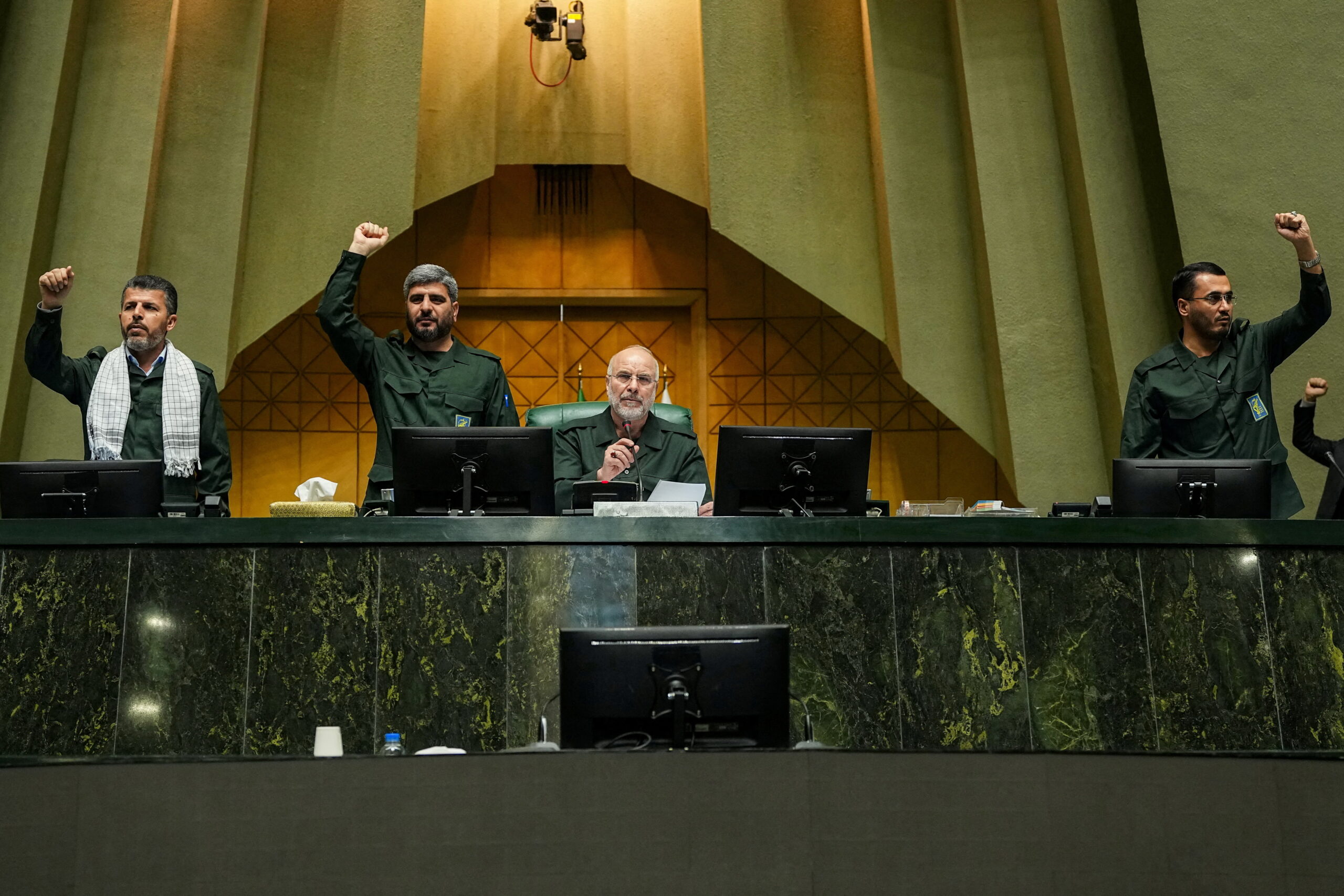
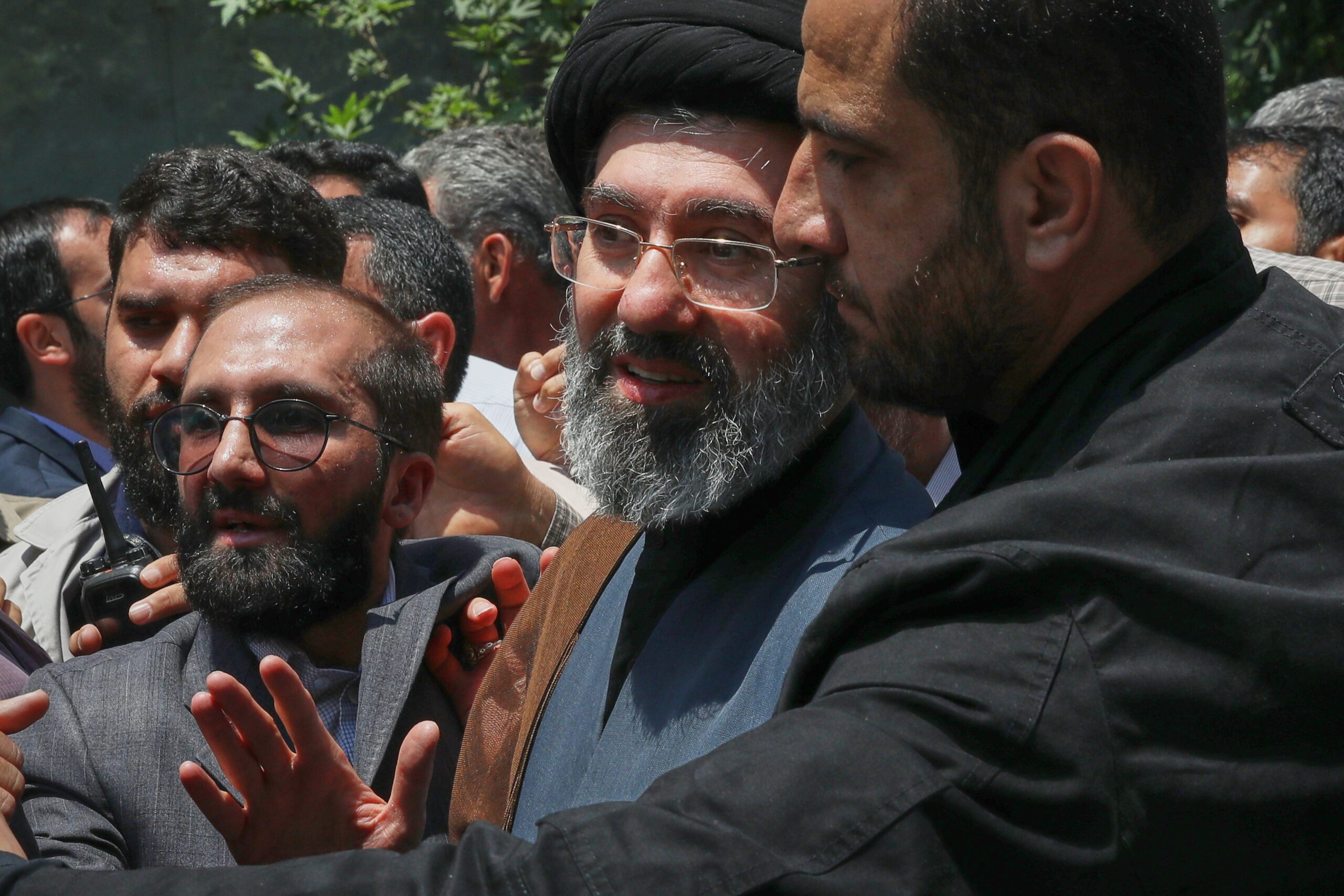
Under Mojtaba, the IRGC Will Reign Supreme
Iran may still call itself an Islamic Republic. In practice, however, it increasingly resembles a state in which the military governs from behind clerical robes.
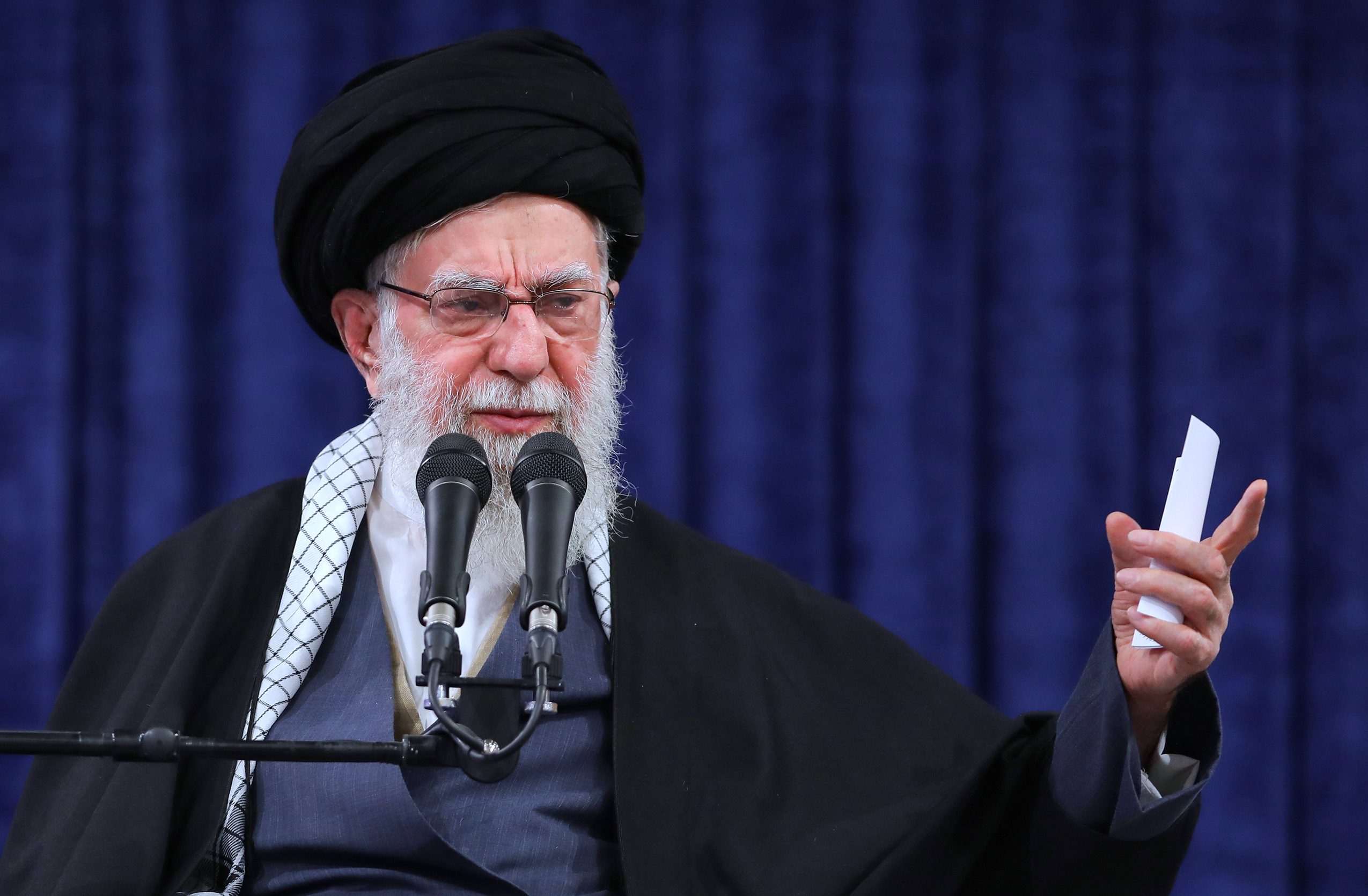
Political Life and Legacy of Iran’s Ayatollah Khamenei
Ayatollah Ali Khamenei was killed in his office in Tehran at age 86, leaving behind a country in ruins and on the verge of civil war and potential disintegration.
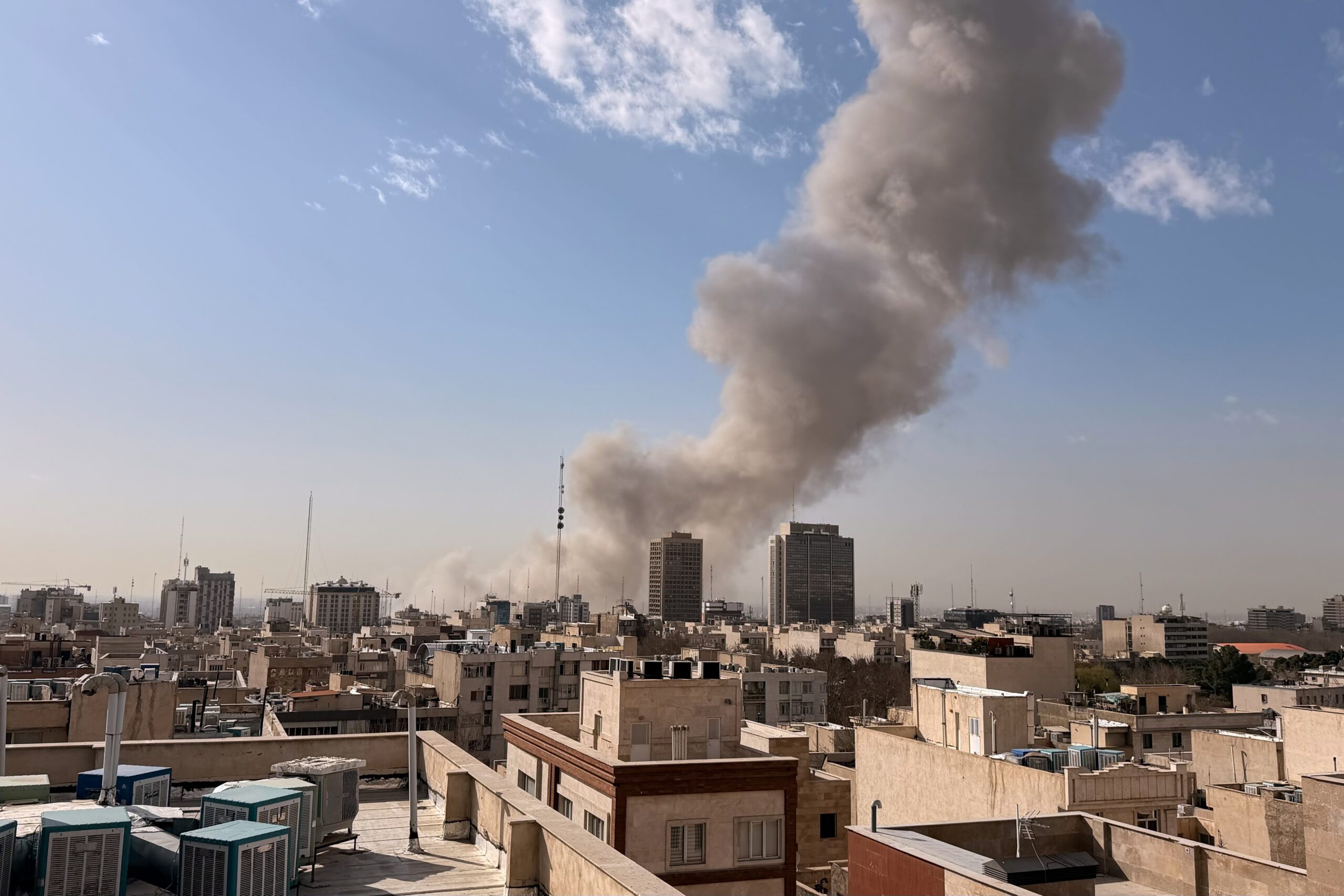
Iranian Regime Fighting for Survival
Iran is signaling that it will not absorb attacks passively. But whether this strategy ensures the regime’s survival, seals its fate, or accelerates a broader catastrophe will shape the region for years to come.
Events
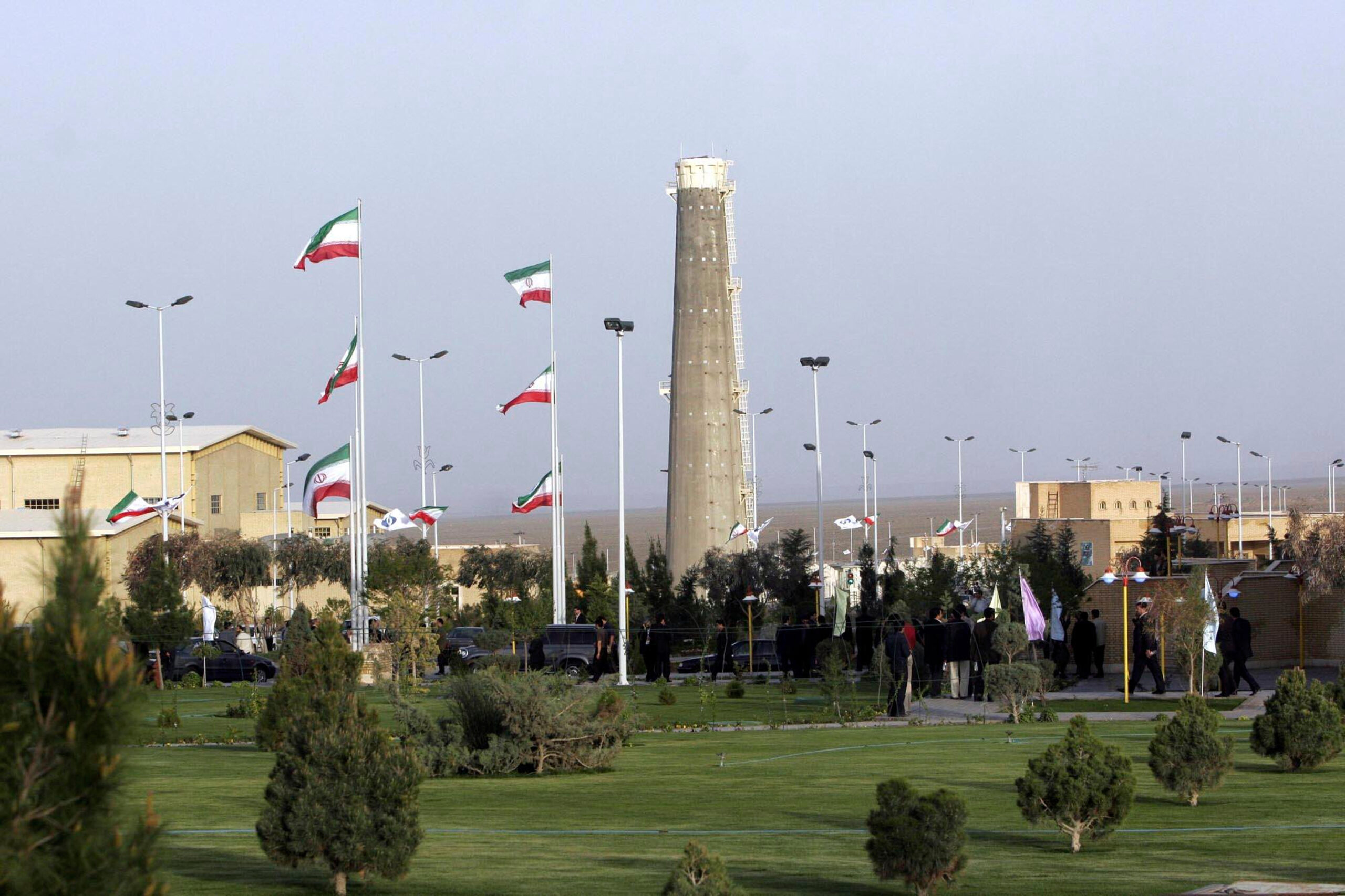
Book Talk: Iran and the Bomb: The United States, Iran and the Nuclear Question
On June 16, AGSI hosted a discussion on the evolution of Iran's nuclear program.
Speakers


Apr 21, 2026
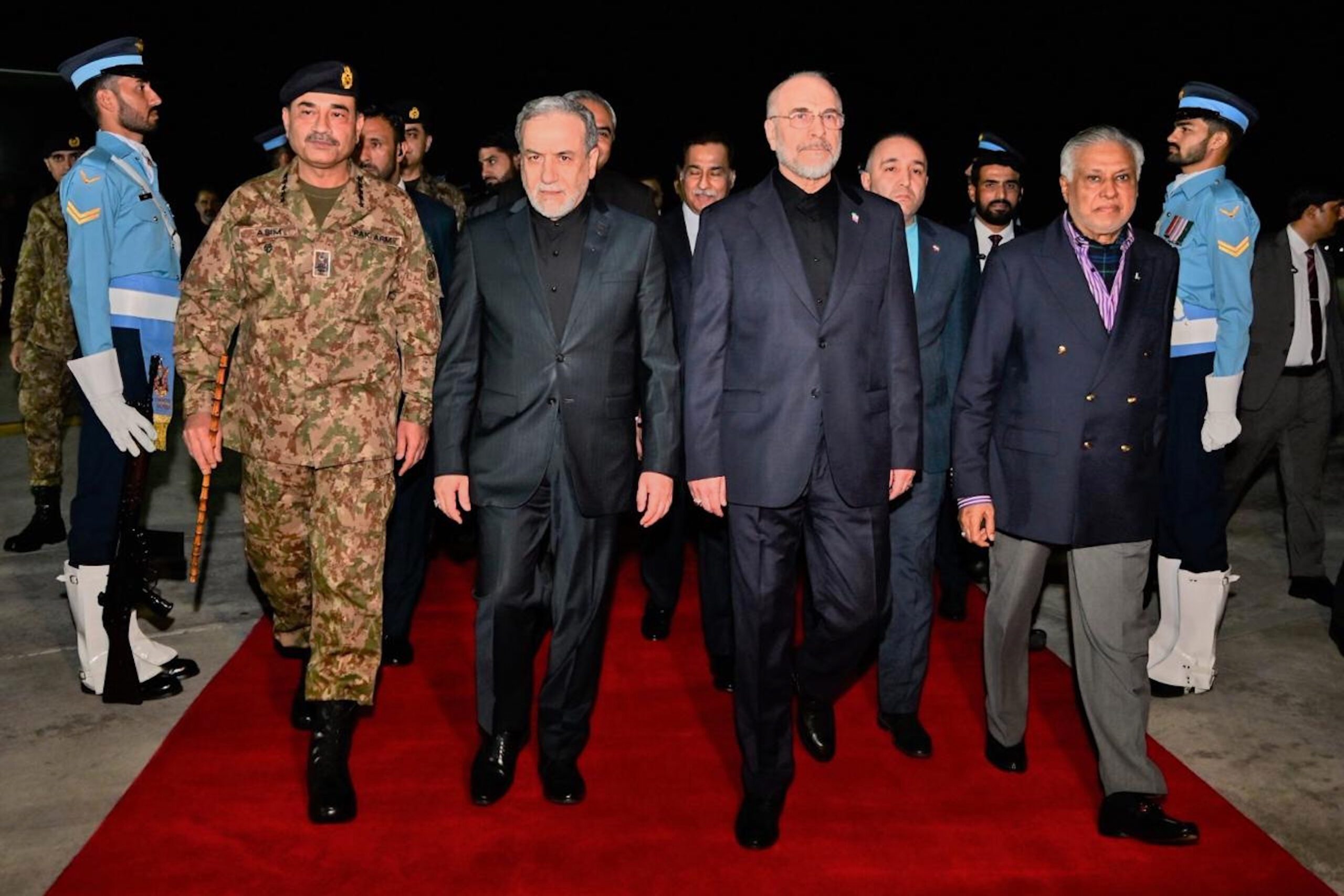
Inside Iran’s Wartime Leadership: Power, Succession, and Regime Stability
On April 21, AGSI hosted a discussion on the evolution of Iran's leadership during the war.
Speakers

Mar 18, 2026
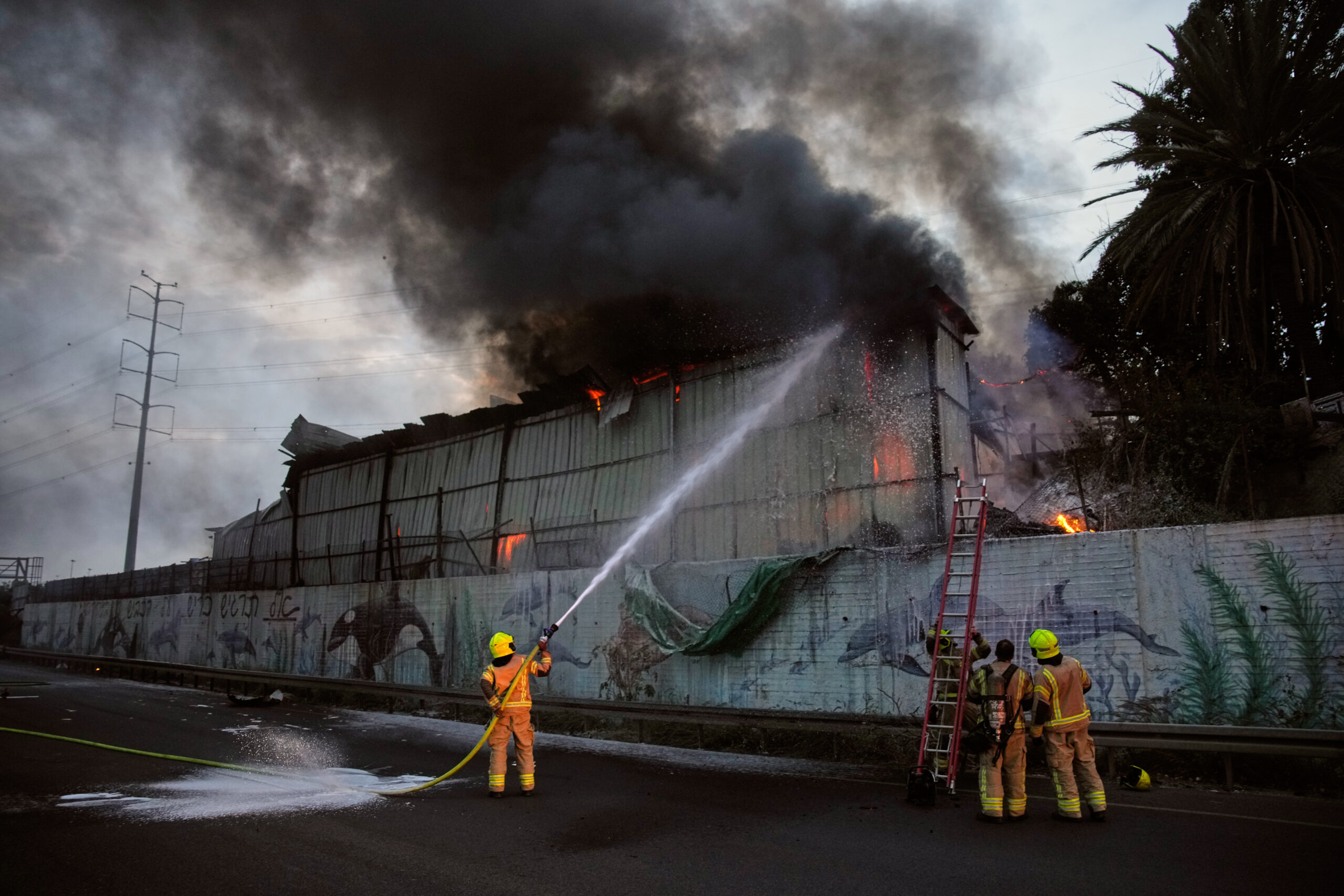
In Its Conflict With the United States and Israel, Does Escalation Favor Iran?
On March 18, AGSI hosted a discussion on the escalation of the Iran war.
Speakers



Mar 2, 2026
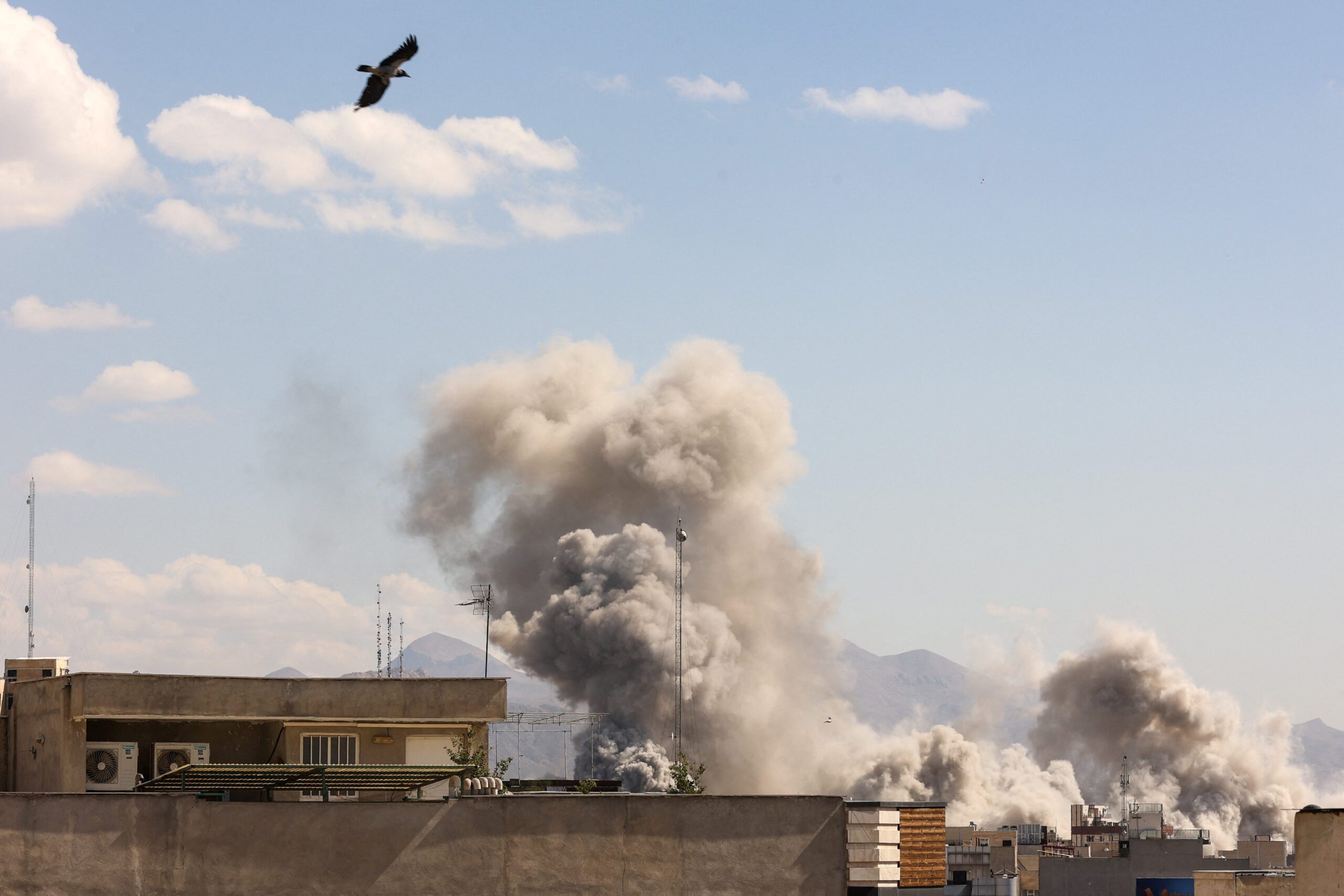
After the Shock: Implications of the U.S.–Israeli Strikes and Iran’s Leadership Transition
On March 2, AGSI hosted a discussion on the U.S.-Israeli strikes on Iran.
Speakers