Aug 5, 2022
Has Iran Left Its Afghan Allies to Their Own Devices?
The August 5 edition of the Iran Media Review assesses Iran’s silence regarding the targeting of Afghanistan’s Shia population.

There was a time when the Islamic Republic prided itself on its proxies, which helped the regime offset limitations in its traditional military capabilities and ensured plausible deniability when interfering in internal affairs of other states. Shia Afghans were among those allies, who were deployed, fought, and suffered significant casualties in the civil war in Syria. More recently, Iran appears to have left its Afghan allies to their own devices hoping to achieve better relations with the Taliban regime.
- June 8: The clearest example of Afghans complaining of being abandoned by Iran was expressed by Hamed Karimi, former Afghan Interior Ministry advisor, in a piece released by Diplomasi-ye Irani (Iranian Diplomacy), which is close to the Iranian Foreign Ministry. “The Islamic Republic of Iran, which is the claimant of leadership of the Shia world, has managed to use its position to exert influence in Syria, Yemen, Lebanon, Bahrain, and Iraq,” Karimi wrote. He continued, Iran “is now facing a serious challenge: Afghan Shia, who compose the ‘Fatemiyoun Division’ and played a considerable role in securing Iran’s military objectives, particularly in Syria, have become targets in Afghanistan and are being systematically killed.” Karimi admitted Iran’s direct intervention in “the Afghan quagmire” will further complicate matters for Tehran but warned “Iran’s silence harms its leadership position in the Shia world.”
- July 31: Tasnim News, which is close to the Islamic Revolutionary Guard Corps, reported clashes between Iran’s border patrol and Taliban forces on the Hirmand border. Quoting Taliban sources, Tasnim reported one Taliban fighter was killed in the clashes and that the Taliban “tried to raise the Taliban banner in an area that was not Afghanistan’s soil,” which led to intensified fire exchanges between the two parties.
The most recent clash between Iran and the Taliban was perhaps caused by local circumstances, and the two parties may well learn the art of peaceful coexistence in the future, but for the time being, the Islamic Republic appears to have forsaken its old allies, without gaining new friends.
The views represented herein are the author's or speaker's own and do not necessarily reflect the views of AGSI, its staff, or its board of directors.
Related
Iran Media Review
Sep 15, 2026
Despite Tactical Victories, Iran Struggles to Restore Deterrence
The September 15 edition of the Iran Media Review examines Iranian statements on a possible nuclear bomb, Iran’s relationship with the UAE, and developments in Yemen.
Iran Media Review
Sep 11, 2026
Diminishing Importance of the Straits?
The September 11 edition of the Iran Media Review contrasts hard-liners’ celebration of oil prices rising with a technocratic Iranian newspaper’s warning that the regime’s ability to take the world economy hostage is diminishing.
Iran Media Review
Sep 8, 2026
Mohsen Rezaei Explains Tehran’s Strategy
The September 8 edition of the Iran Media Review outlines the Iranian Supreme National Security Council secretary’s remarks on Iran’s strategic response to the U.S. naval blockade.
Sep 15, 2026
Despite Tactical Victories, Iran Struggles to Restore Deterrence
The September 15 edition of the Iran Media Review examines Iranian statements on a possible nuclear bomb, Iran’s relationship with the UAE, and developments in Yemen.
Sep 11, 2026
Diminishing Importance of the Straits?
The September 11 edition of the Iran Media Review contrasts hard-liners’ celebration of oil prices rising with a technocratic Iranian newspaper’s warning that the regime’s ability to take the world economy hostage is diminishing.
Sep 8, 2026
Mohsen Rezaei Explains Tehran’s Strategy
The September 8 edition of the Iran Media Review outlines the Iranian Supreme National Security Council secretary’s remarks on Iran’s strategic response to the U.S. naval blockade.
Analysis
The Islamic Republic Returns to Offense
After U.S.-Israeli strikes killed Supreme Leader Ayatollah Ali Khamenei on February 28, Iran’s collective leadership has concluded that the best defense is a good offense.
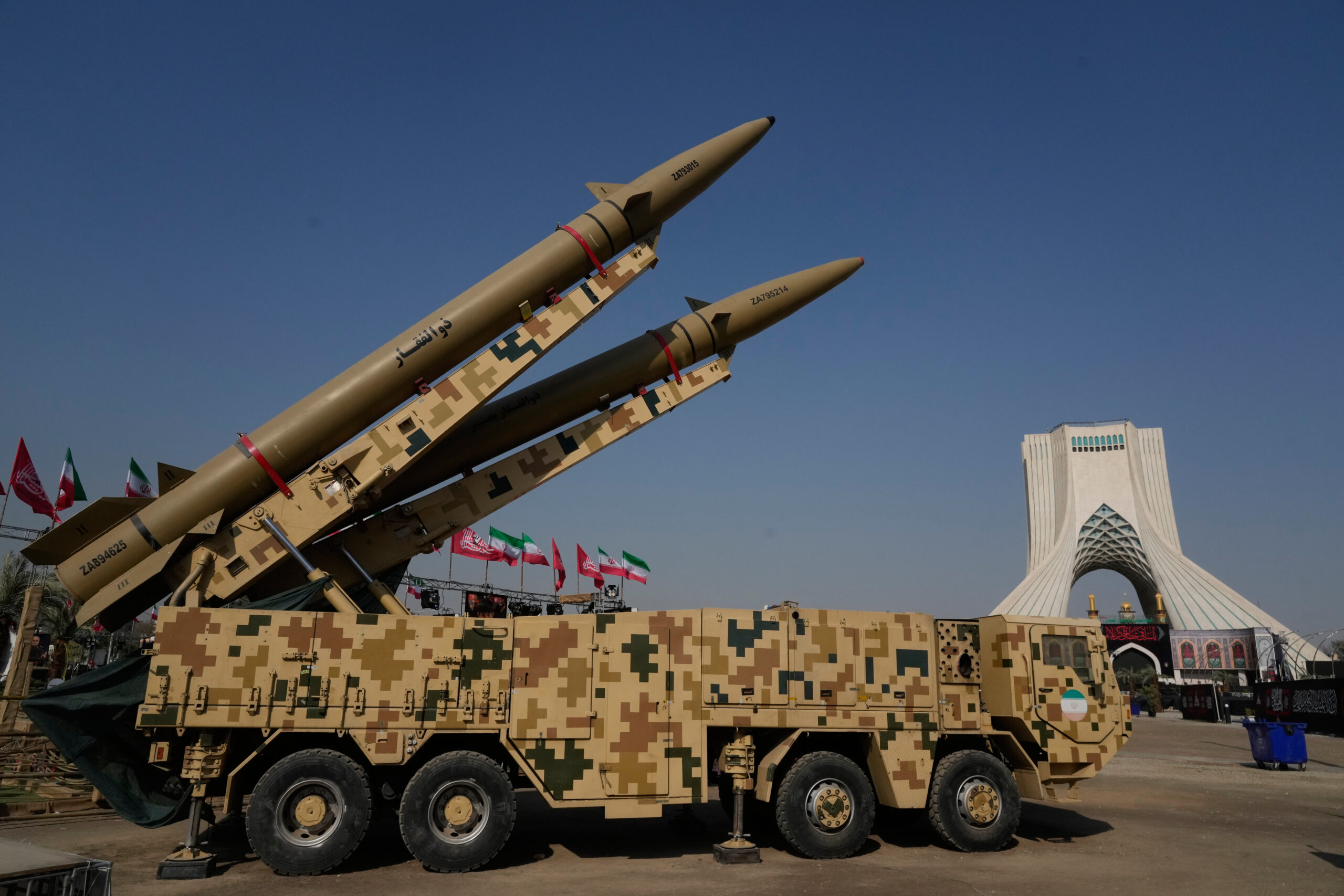
Iran’s Collective Strategic Decision Making
Wartime pressure has temporarily aligned the leadership’s overriding interest in regime survival, even as its members continue to differ over the costs, methods, and ultimate objectives of the war.
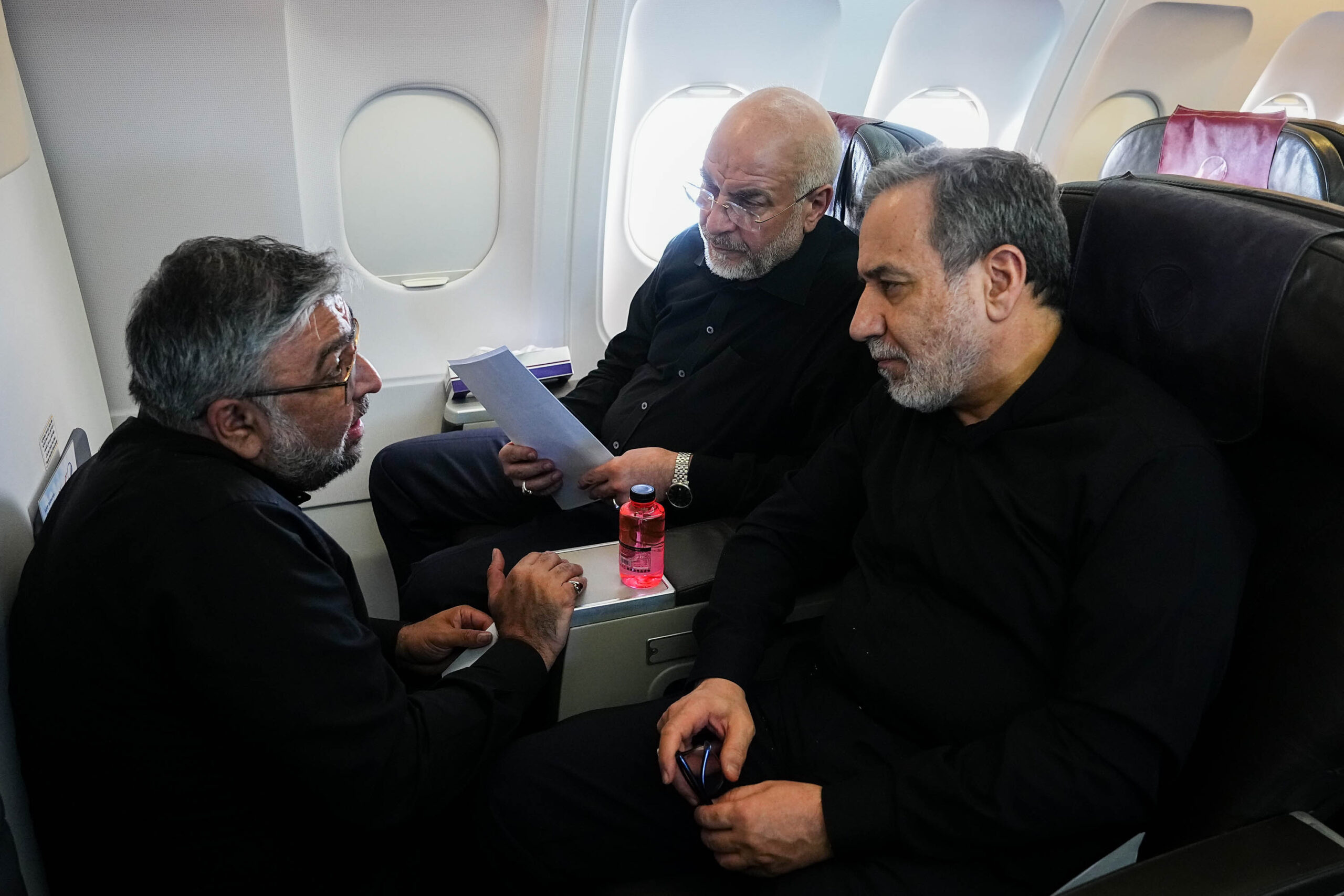
The Islamic Republic’s Collective Leadership
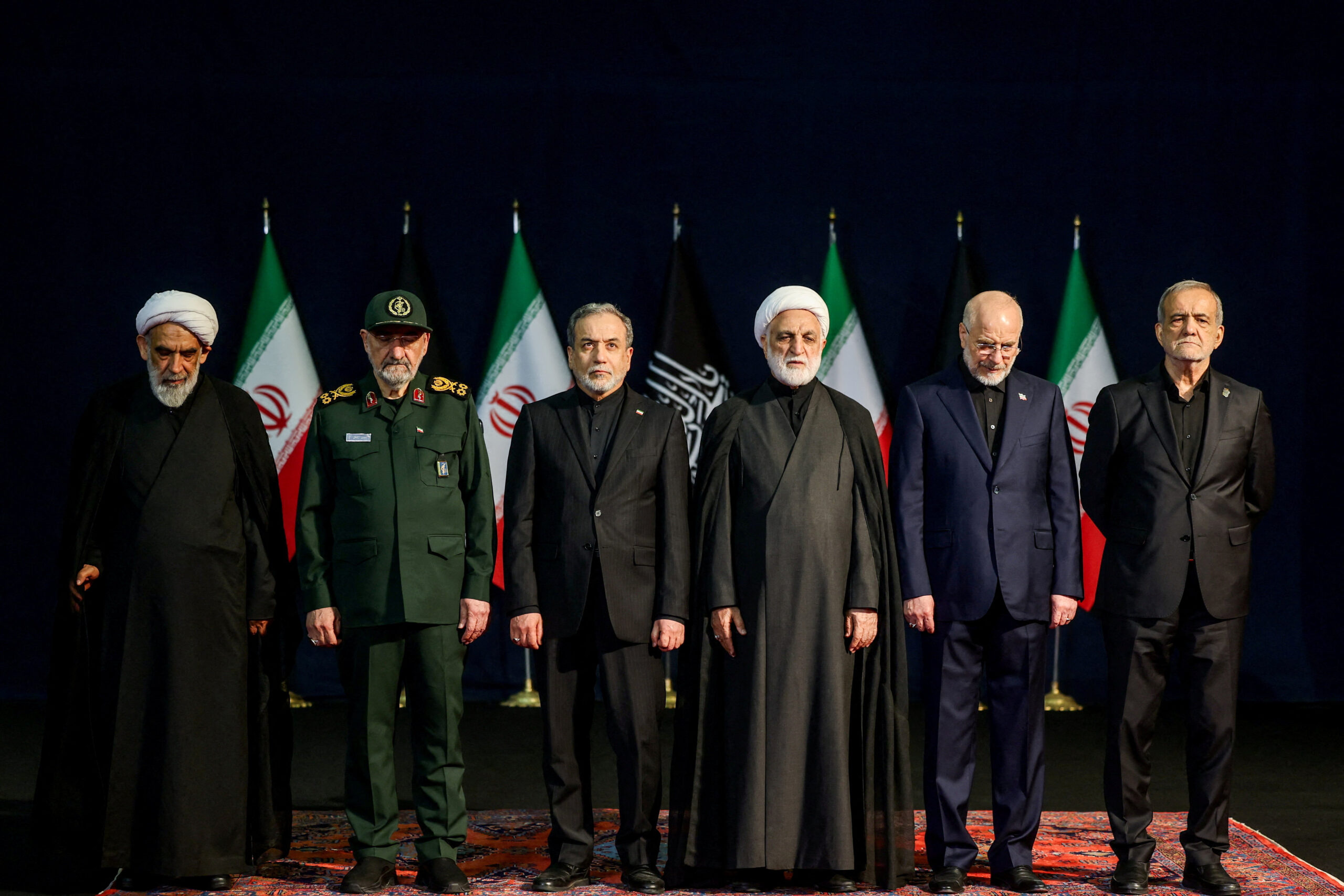
While there is historical precedent for collective leadership in Iran, today’s leadership includes representatives of the IRGC and regular military – a reflection of the IRGC’s expanding role and the necessities of governing under wartime conditions.
How Did the IRGC Seize Power in Iran?
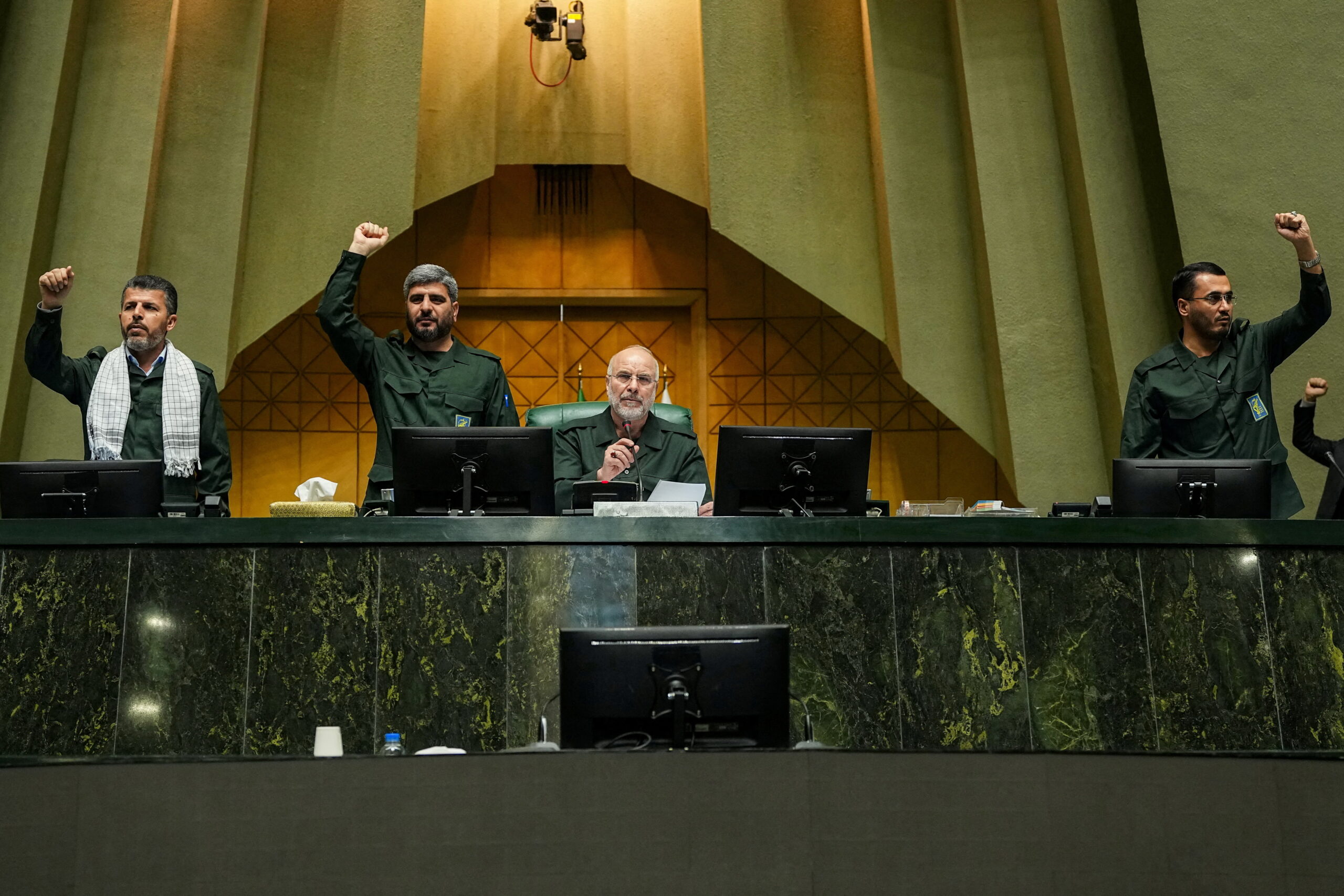
The IRGC did not seize power in a single stroke. It accumulated it – patiently, methodically – until no counterweight remained.
Events
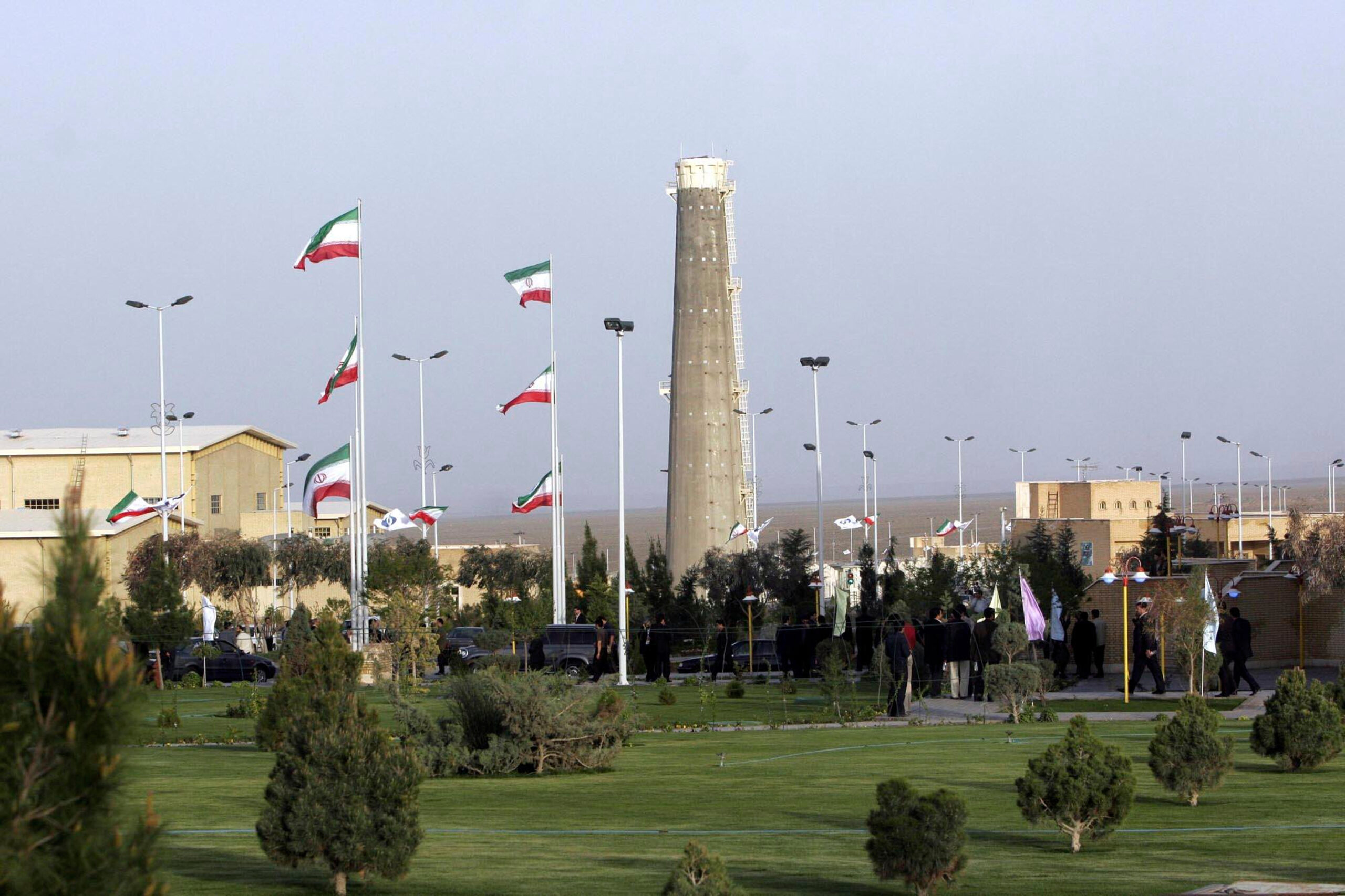
Book Talk: Iran and the Bomb: The United States, Iran and the Nuclear Question
On June 16, AGSI hosted a discussion on the evolution of Iran's nuclear program.
Speakers

Apr 21, 2026
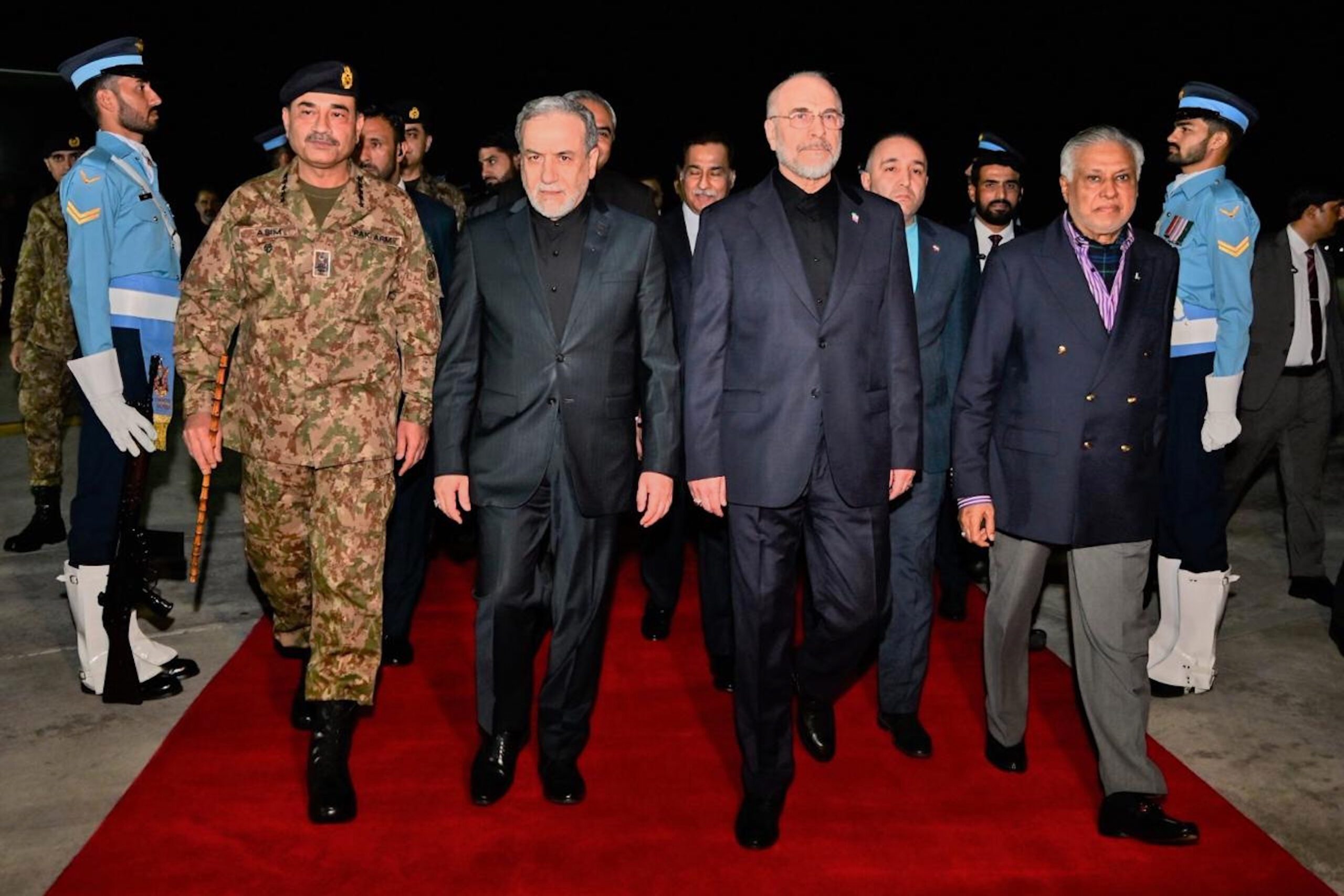
Inside Iran’s Wartime Leadership: Power, Succession, and Regime Stability
On April 21, AGSI hosted a discussion on the evolution of Iran's leadership during the war.
Speakers

Mar 18, 2026
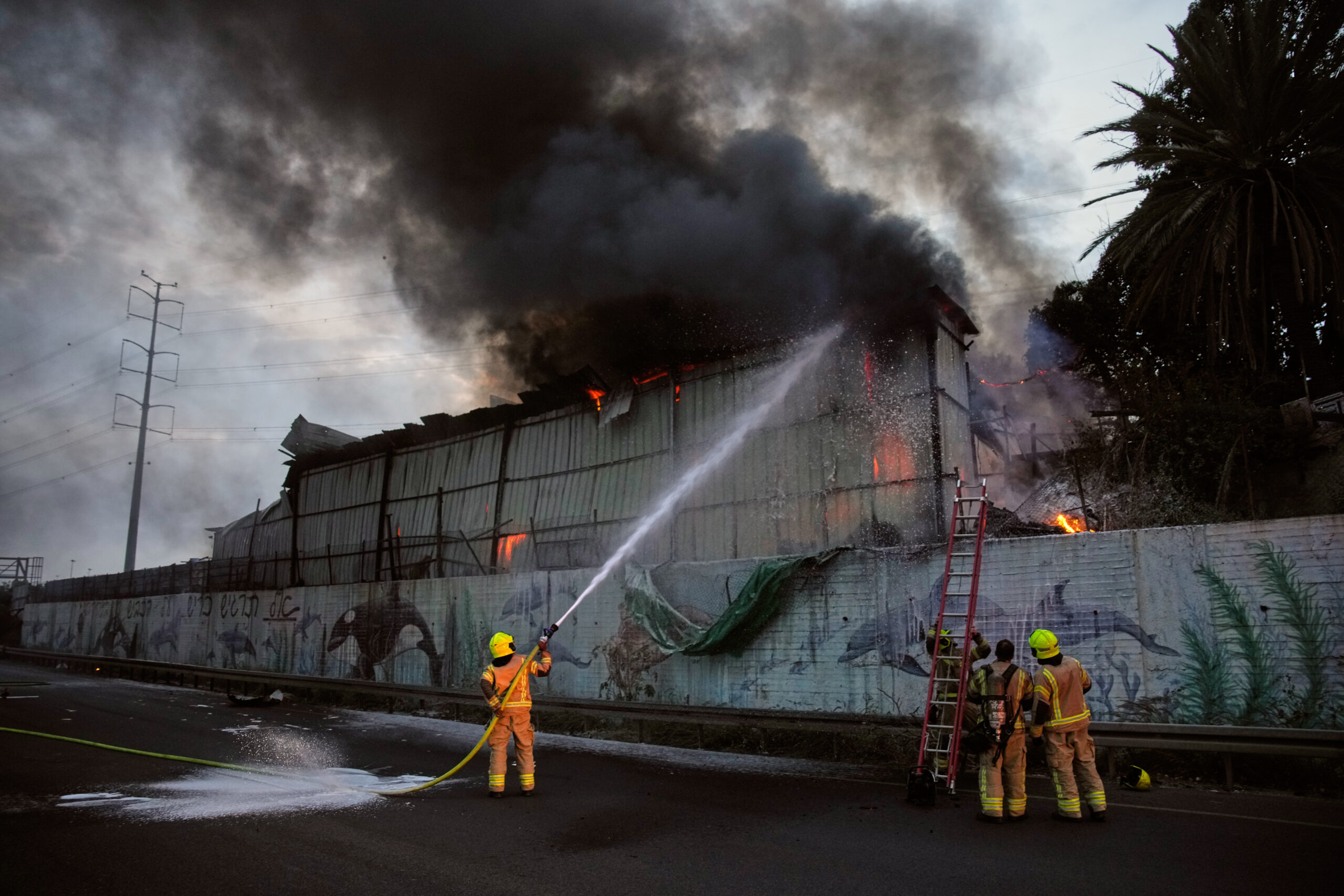
In Its Conflict With the United States and Israel, Does Escalation Favor Iran?
On March 18, AGSI hosted a discussion on the escalation of the Iran war.
Speakers


Mar 2, 2026
After the Shock: Implications of the U.S.–Israeli Strikes and Iran’s Leadership Transition
On March 2, AGSI hosted a discussion on the U.S.-Israeli strikes on Iran.
Speakers