Feb 10, 2023
Veteran Wrestler and Politician Urges the Regime to “Use” Dissident Celebrities
The February 10 edition of the Iran Media Review examines how the Iranian regime might use celebrities as a political tool.

Amir Reza Khadem, an Olympic medalist in wrestling, is also a former parliamentarian and deputy minister. His recent public praise of President Ebrahim Raisi may be an indication of his ambitions to return to politics. Interviewed by Etemad daily, Khadem urged the regime to invite other “celebrities,” even regime critics and dissidents, into politics as a means of bridging the gap between state and society. In a political culture with no political parties, and manipulated elections that do not reflect the popular will, the use of celebrities may indeed provide a short-term remedy for the regime’s legitimacy crisis, and perhaps even, in the future, avert the risk of small incidents igniting countrywide popular protests. However, the regime may find celebrities, some of whom may be critical of the government, difficult to deal with: Why should such celebrities engage in politics and thereby legitimize the regime if they don’t get political influence? If they are promised influence, and ride into office with a huge popular mandate, is the regime capable of or willing to deliver the kind of reforms demanded by the celebrities and the Iranian population at large?
- February 5: Khadem, as quoted in Etemad daily, said: “A couple of weeks ago, I was at the airport. The flight was canceled due to inclement weather, which led to extreme tensions at the gate with the passengers protesting loudly. I took a photo, but airport security asked me to delete it … They knew me, and asked me very politely, so I deleted the photo. What I mean is that we have reached a point where any small incident sparks civic protests … Children growing up in this society will be extremely impacted by the environment. I have a five-and-half-year-old kid who hears about societal tensions in kindergarten … ! These things do not point to a stable future in society.” Turning to the problem of dialogue between state and society, Khadem continued: Regime “officials say ‘lets talk about it.’ But talk with whom? With which group, movement, or individual? On the one hand, the regime has excluded everyone, and on the other hand, we see the emergence of a new class of celebrities, who do not have executive or political experience, but they understand society much better than our friends, who are in executive positions. These celebrities are not in financial need, and they are also not engaging in politics for the sake of visibility. They even accept the risk of imprisonment … If I was in a position of responsibility, I would use the celebrities in the present circumstances. They are the voice of the people, and they are trusted by the public. They are also in Iran, which means they abide by certain rules … Just look at Ali Daei,” he noted, referring to the Iranian soccer star, “who would not have reached this level of success and wealth without intelligence.”
The views represented herein are the author's or speaker's own and do not necessarily reflect the views of AGSI, its staff, or its board of directors.
Related
Iran Media Review
Feb 7, 2023
Abandoned by China, Iran Gravitates Toward Russia’s Orbit
The February 7 edition of the Iran Media Review explores increasing economic ties between Iran and Russia.
Iran Media Review
Feb 3, 2023
Bad Journalism or Declaration of Intent? Javan Newspaper on UAE Investment Security
The February 3 edition of the Iran Media Review asks what is behind an argument for expanding Iranian-Omani trade relations.
Feb 7, 2023
Abandoned by China, Iran Gravitates Toward Russia’s Orbit
The February 7 edition of the Iran Media Review explores increasing economic ties between Iran and Russia.
Feb 3, 2023
Bad Journalism or Declaration of Intent? Javan Newspaper on UAE Investment Security
The February 3 edition of the Iran Media Review asks what is behind an argument for expanding Iranian-Omani trade relations.
Analysis
The Islamic Republic Returns to Offense
After U.S.-Israeli strikes killed Supreme Leader Ayatollah Ali Khamenei on February 28, Iran’s collective leadership has concluded that the best defense is a good offense.
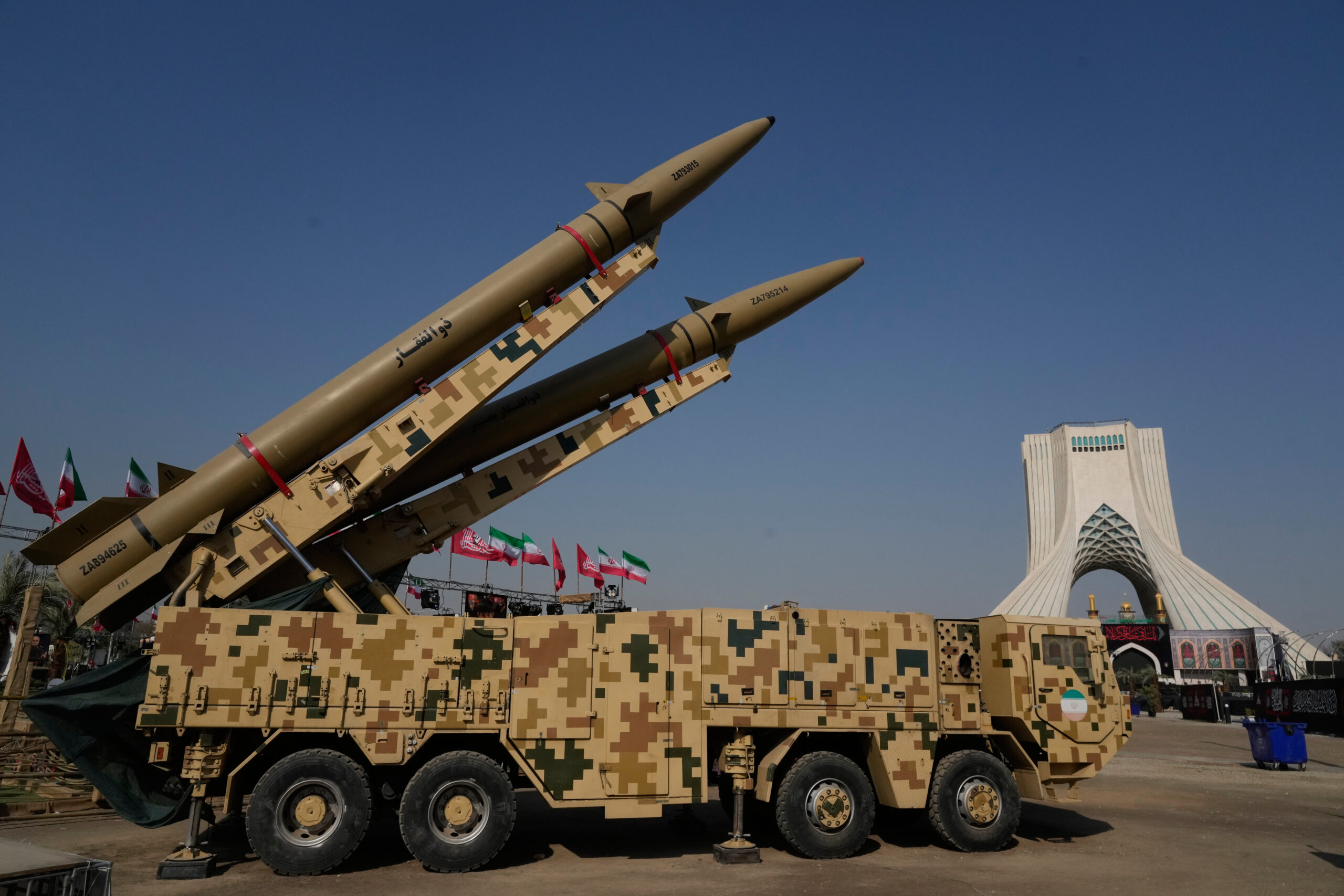
Iran’s Collective Strategic Decision Making
Wartime pressure has temporarily aligned the leadership’s overriding interest in regime survival, even as its members continue to differ over the costs, methods, and ultimate objectives of the war.
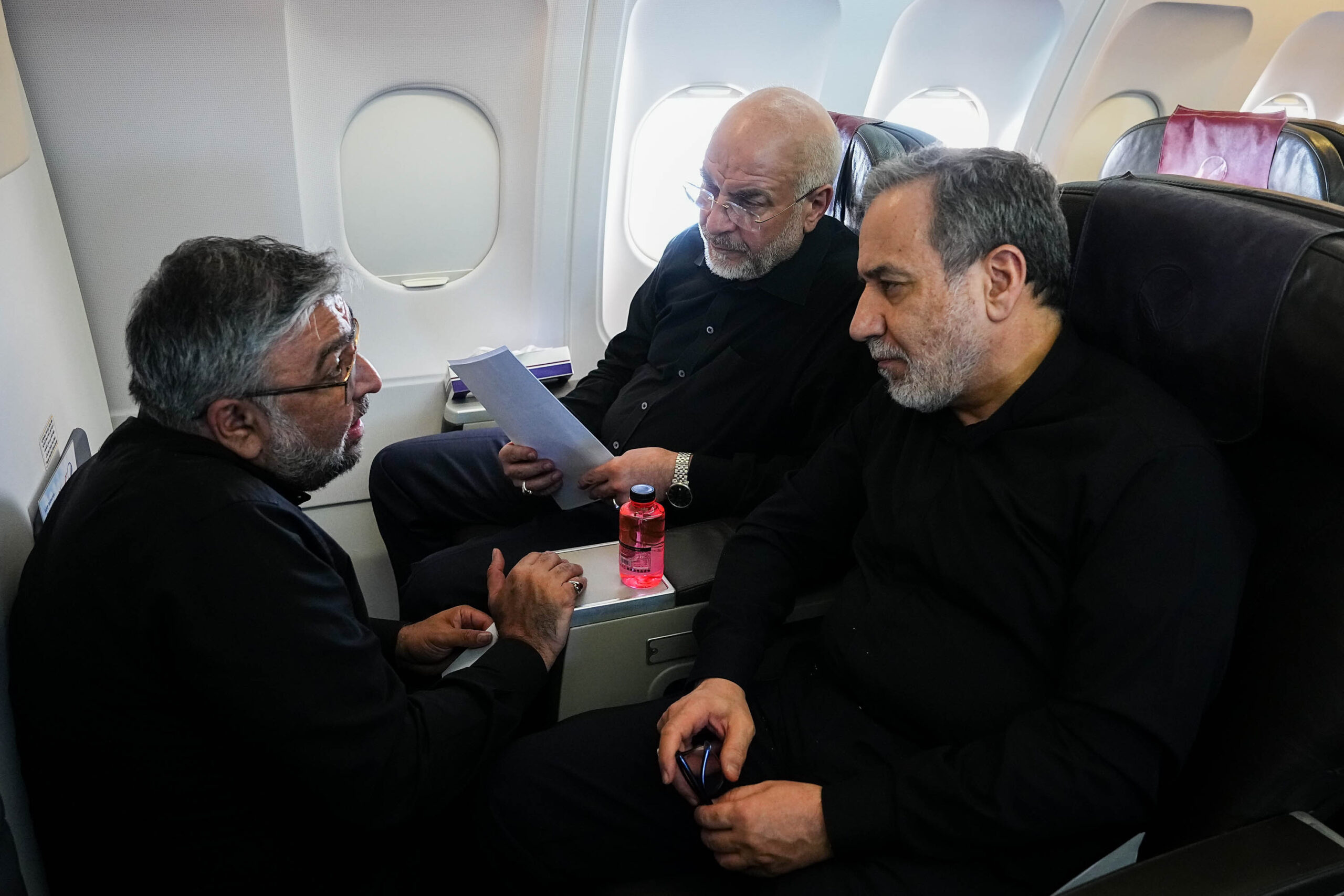
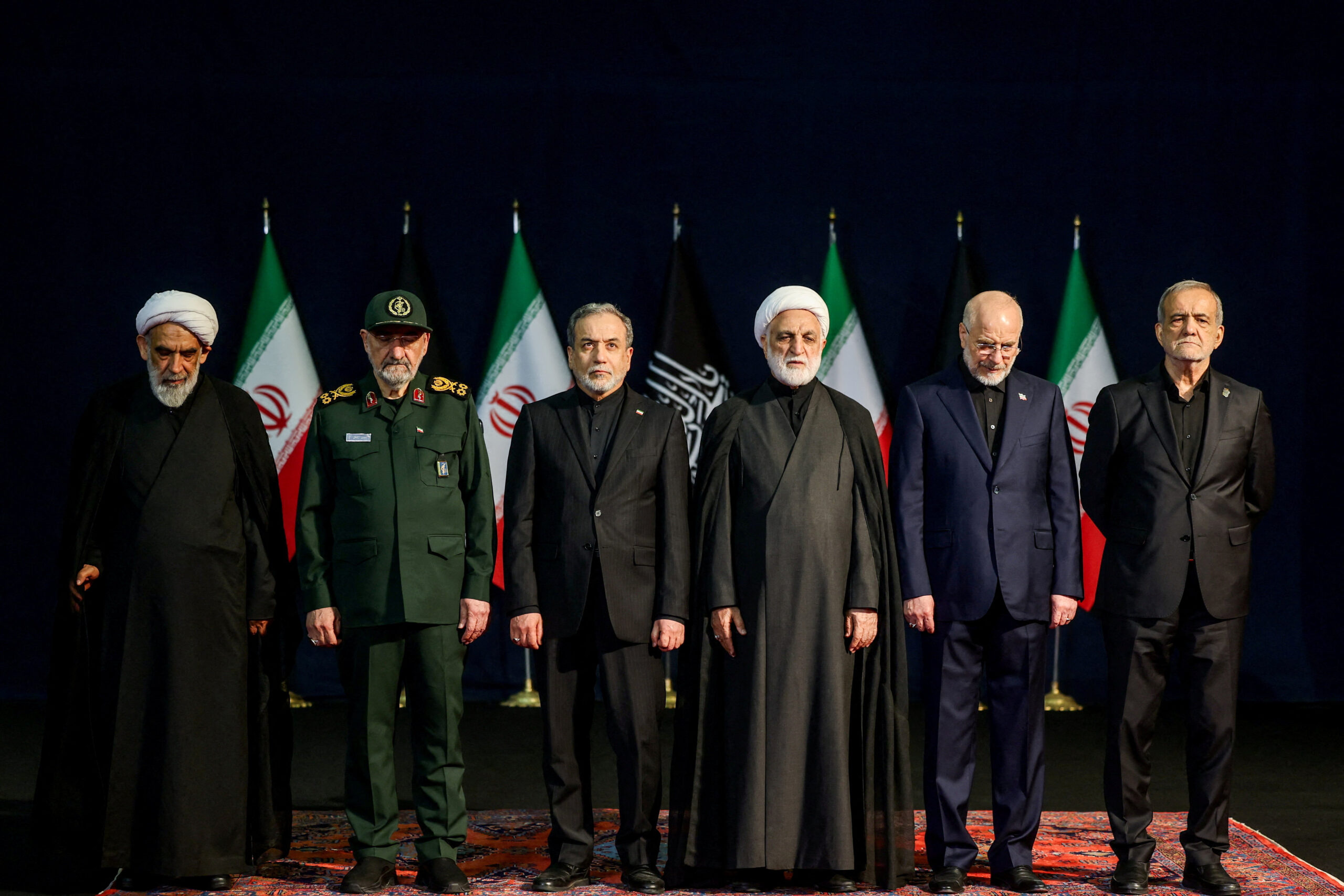
The Islamic Republic’s Collective Leadership
While there is historical precedent for collective leadership in Iran, today’s leadership includes representatives of the IRGC and regular military – a reflection of the IRGC’s expanding role and the necessities of governing under wartime conditions.
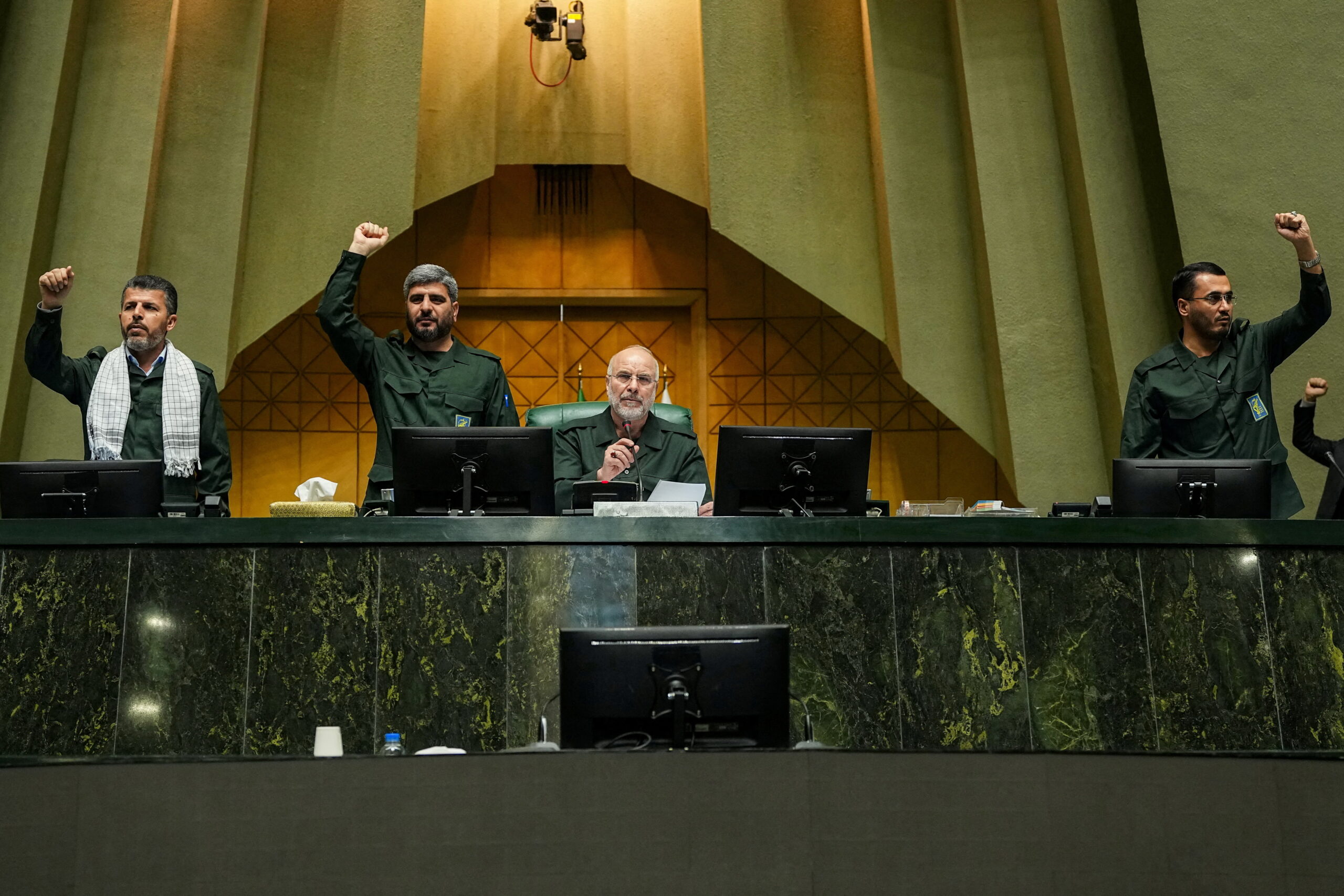
How Did the IRGC Seize Power in Iran?
The IRGC did not seize power in a single stroke. It accumulated it – patiently, methodically – until no counterweight remained.
Events
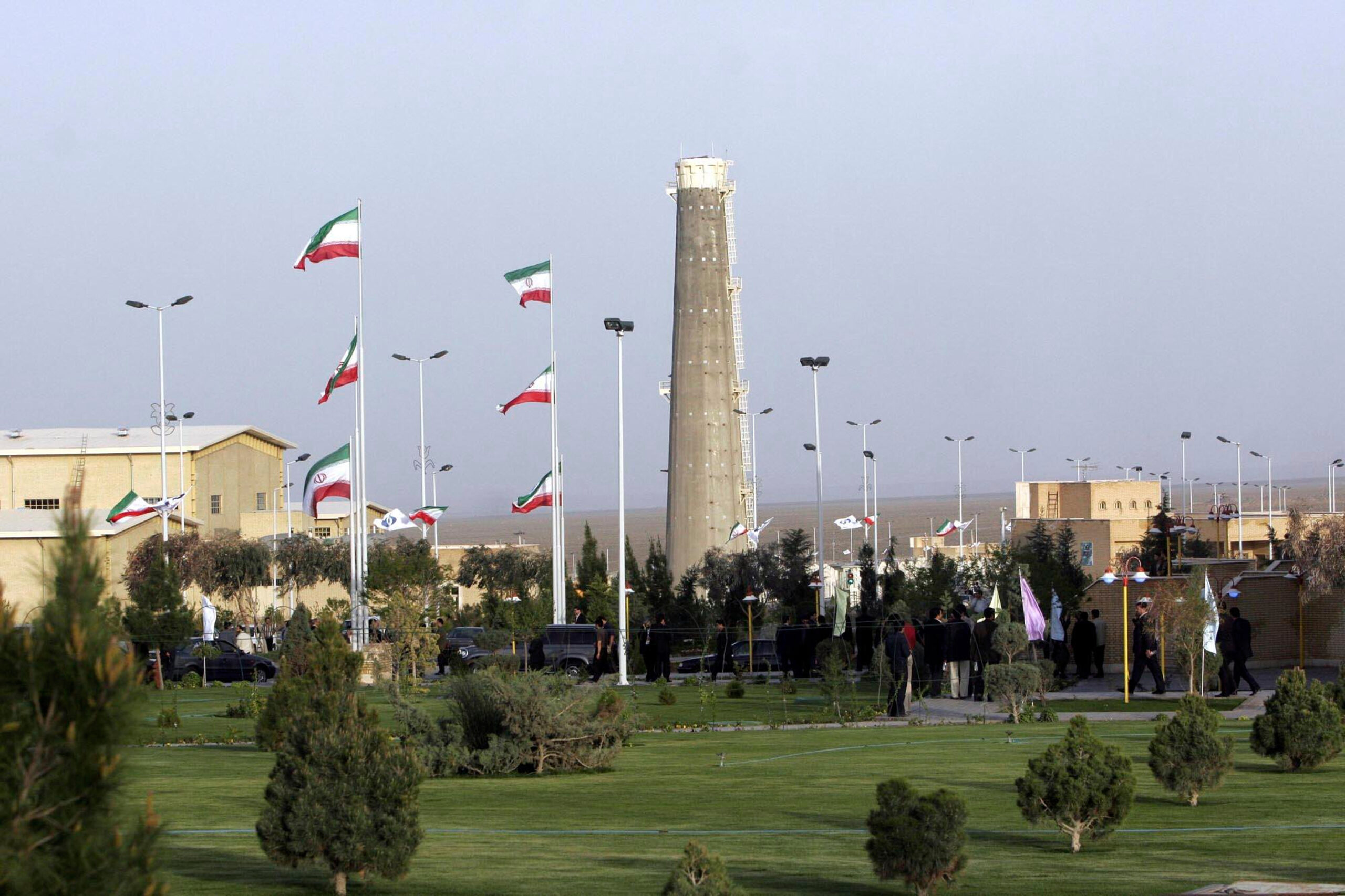
Book Talk: Iran and the Bomb: The United States, Iran and the Nuclear Question
On June 16, AGSI hosted a discussion on the evolution of Iran's nuclear program.
Speakers

Apr 21, 2026
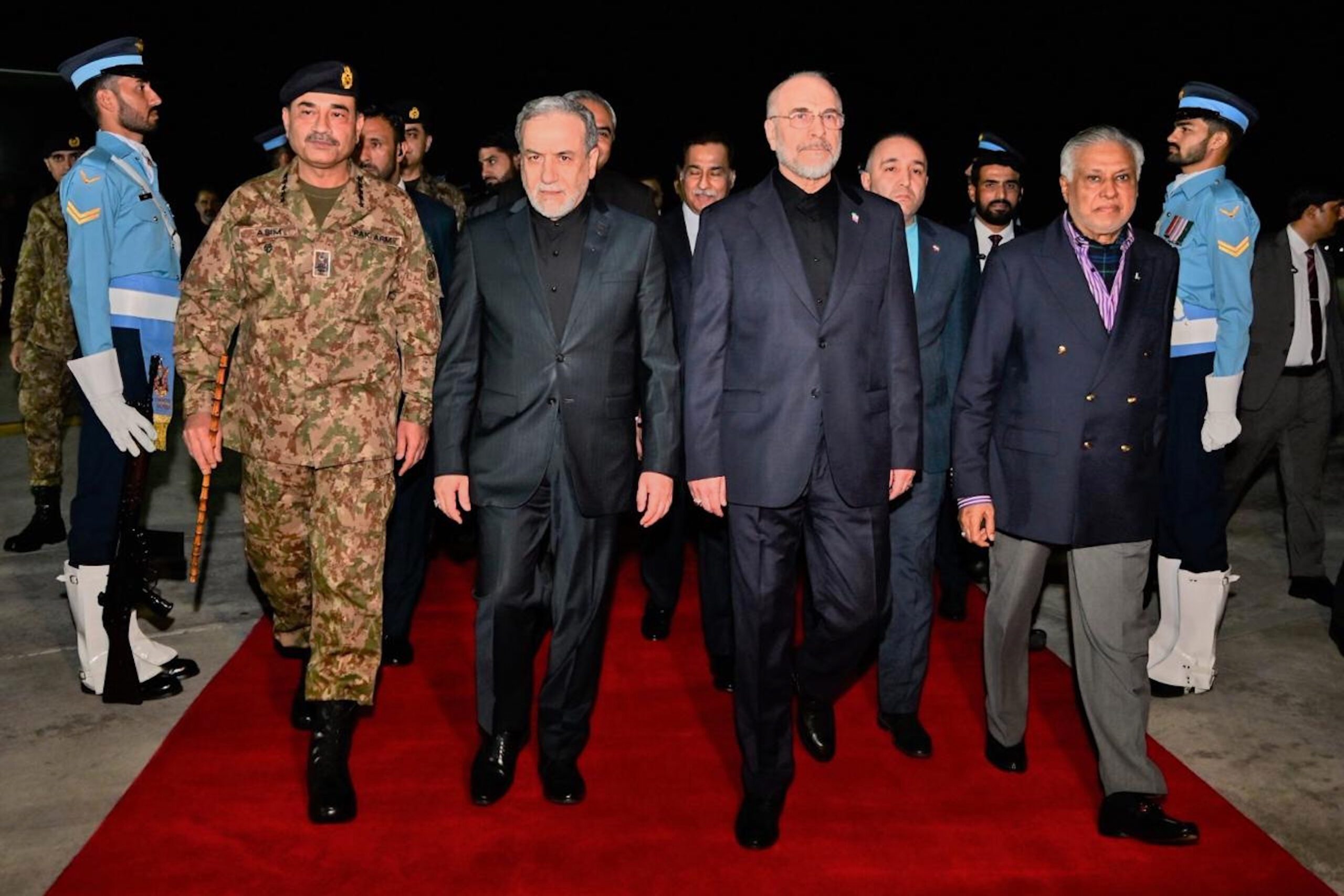
Inside Iran’s Wartime Leadership: Power, Succession, and Regime Stability
On April 21, AGSI hosted a discussion on the evolution of Iran's leadership during the war.
Speakers

Mar 18, 2026
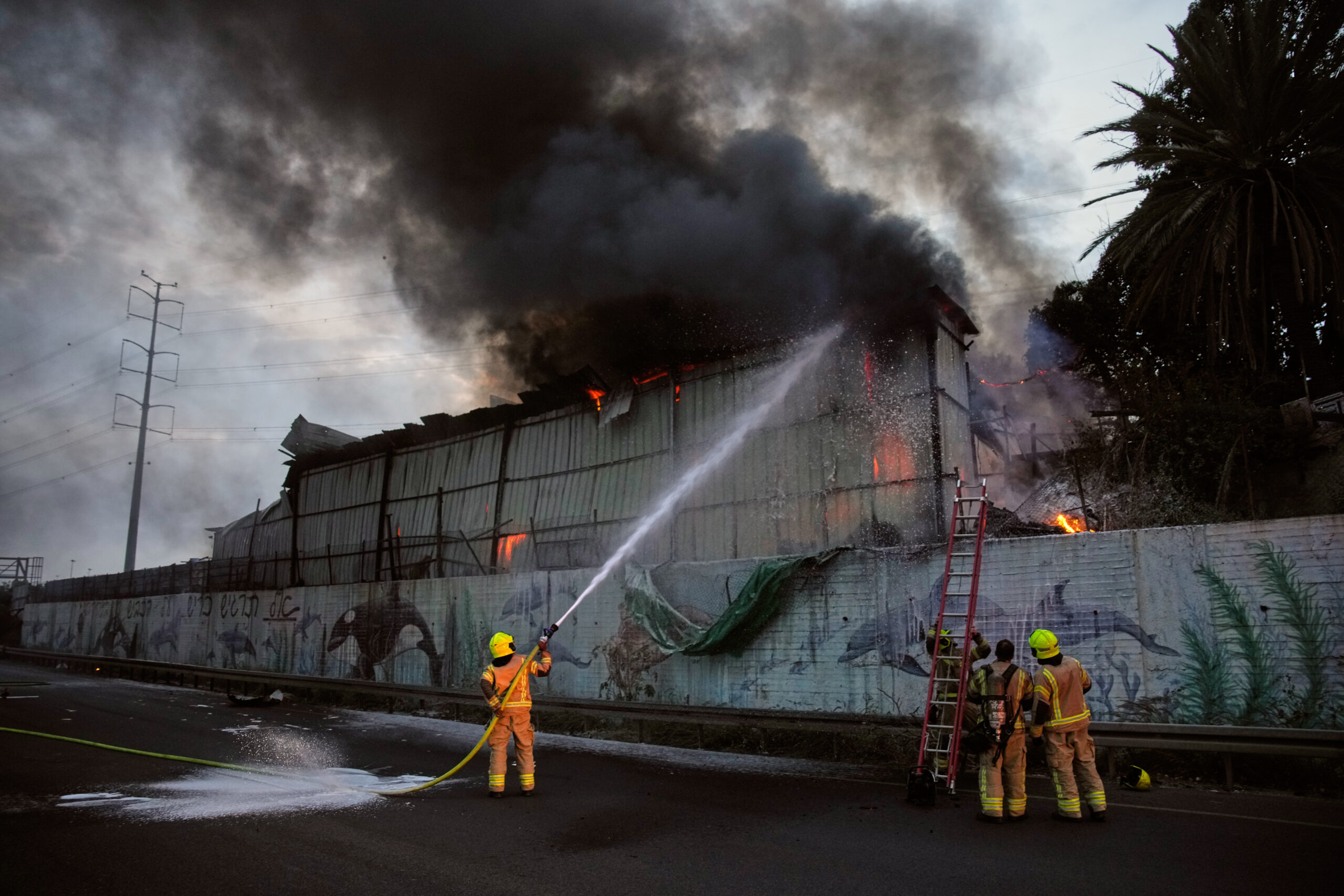
In Its Conflict With the United States and Israel, Does Escalation Favor Iran?
On March 18, AGSI hosted a discussion on the escalation of the Iran war.
Speakers


Mar 2, 2026
After the Shock: Implications of the U.S.–Israeli Strikes and Iran’s Leadership Transition
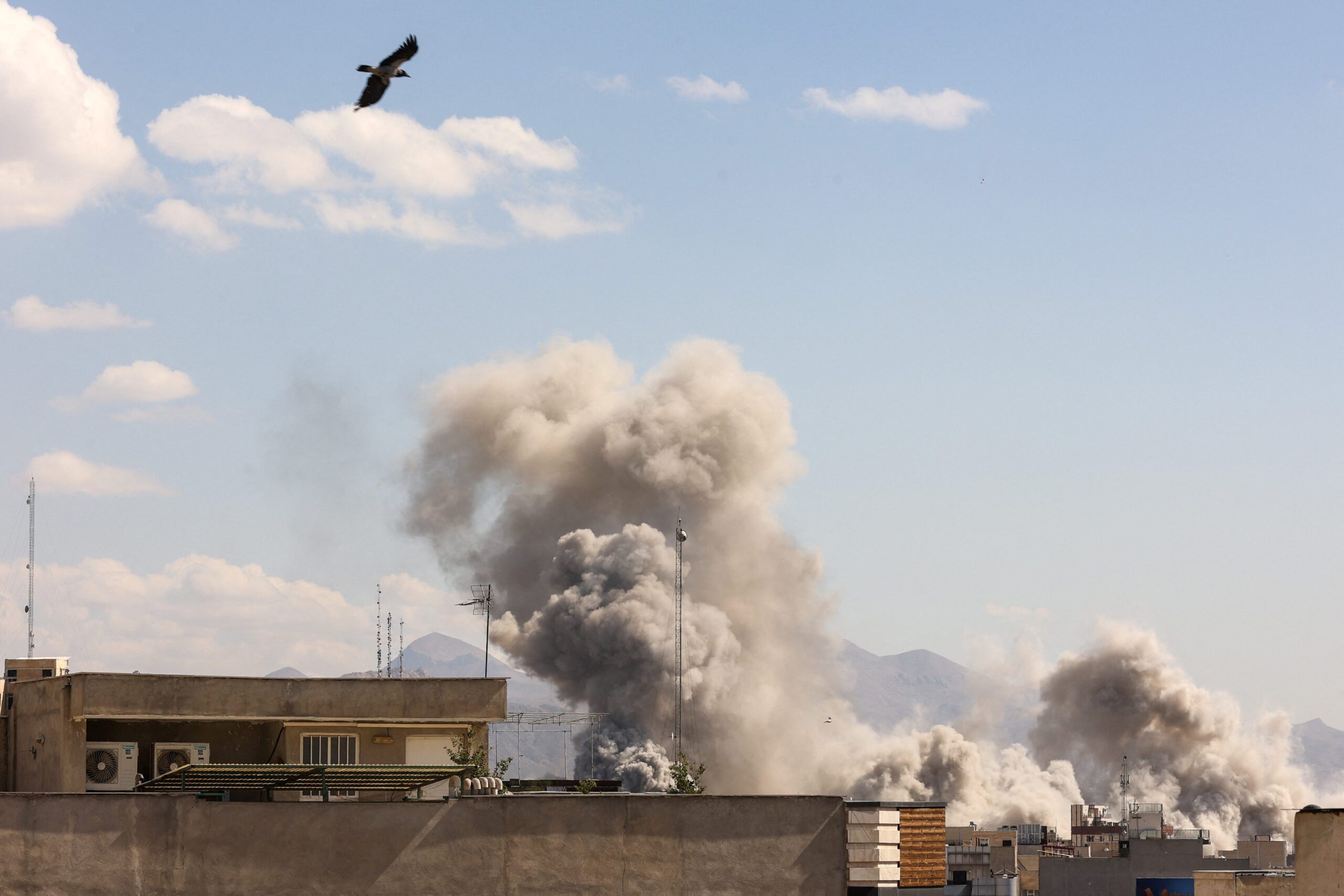
On March 2, AGSI hosted a discussion on the U.S.-Israeli strikes on Iran.
Speakers