"*" indicates required fields

This field is for validation purposes and should be left unchanged.

Subscribe

By subscribing you agree to our Privacy Policy

Subscription Settings
Analysis

Turkey’s Resurgence as a Regional Power Confronts a Fractured GCC

This paper reviews how Turkish-Gulf Arab relations have developed in recent years, particularly following the end of the main civil war in Syria.

2 min read

Executive Summary

Turkey’s relations with the Gulf Arab states have continued to intensify as Ankara and some Gulf Arab countries – Saudi Arabia, the United Arab Emirates, and Qatar – have steadily risen in regional prominence as traditional Arab power centers, such as Cairo, Damascus, and Baghdad, have faded in significance.

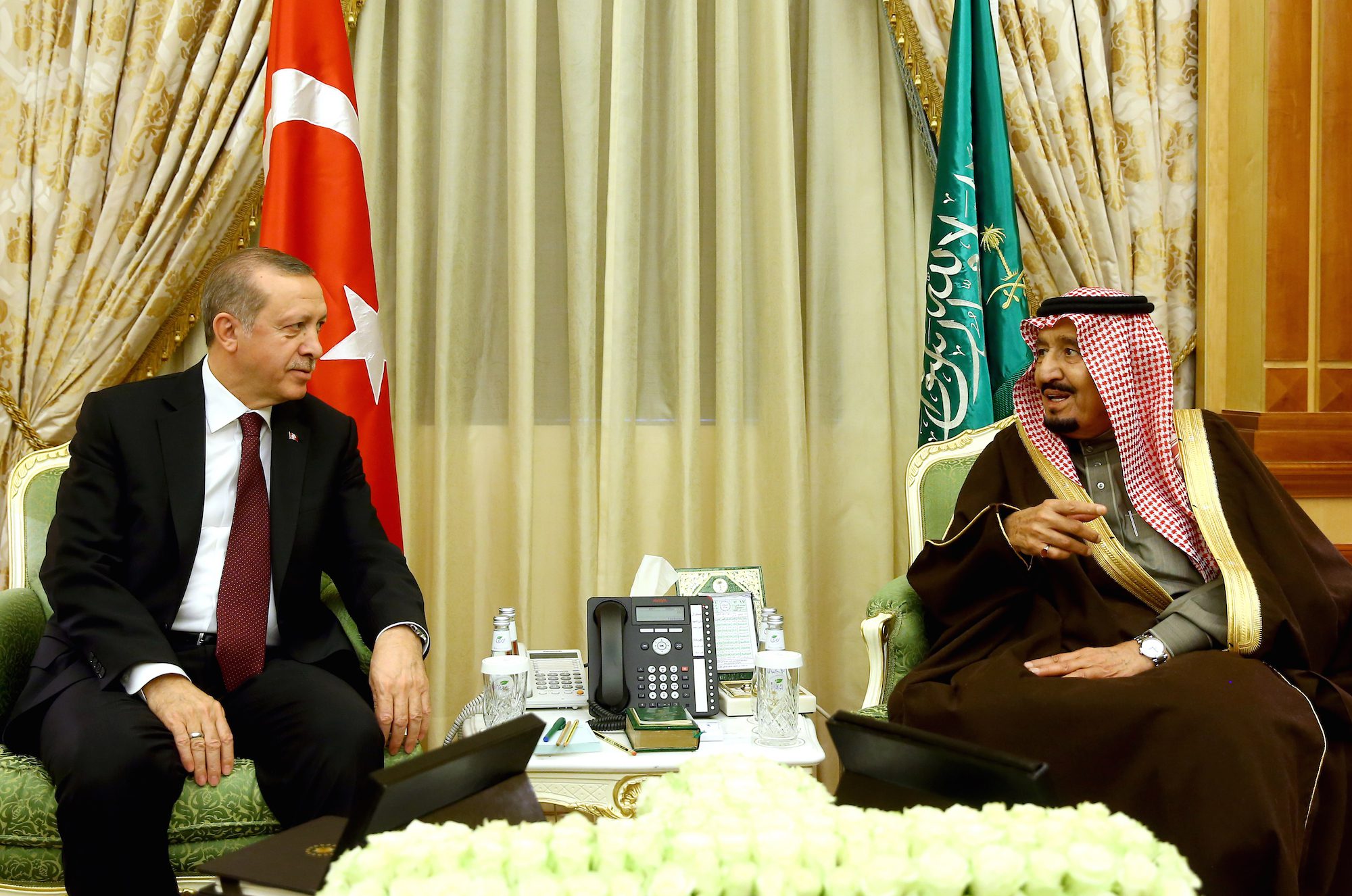
For Turkey, the engagement in the Arab world is part of an evolving international agenda that has, at least for now, turned largely away from Europe and toward Eurasia and the Middle East. Some Turks close to President Recep Tayyip Erdogan and his ruling Justice and Development Party (AKP) openly envisage the country reclaiming the political and religious leadership role once enjoyed by the Ottoman Empire, particularly in the Sunni-majority Arab world. But it is precisely these ambitions that have fueled increasing tensions with some Gulf Arab countries, especially Saudi Arabia and the UAE. They view Ankara’s regional ambitions as effectively seeking leadership of a Sunni Islamist-oriented regional bloc. They also fear the resurgence of Turkish hegemony and Saudi Arabia, in particular, harbors resentment over past conflicts with the Ottoman Empire.

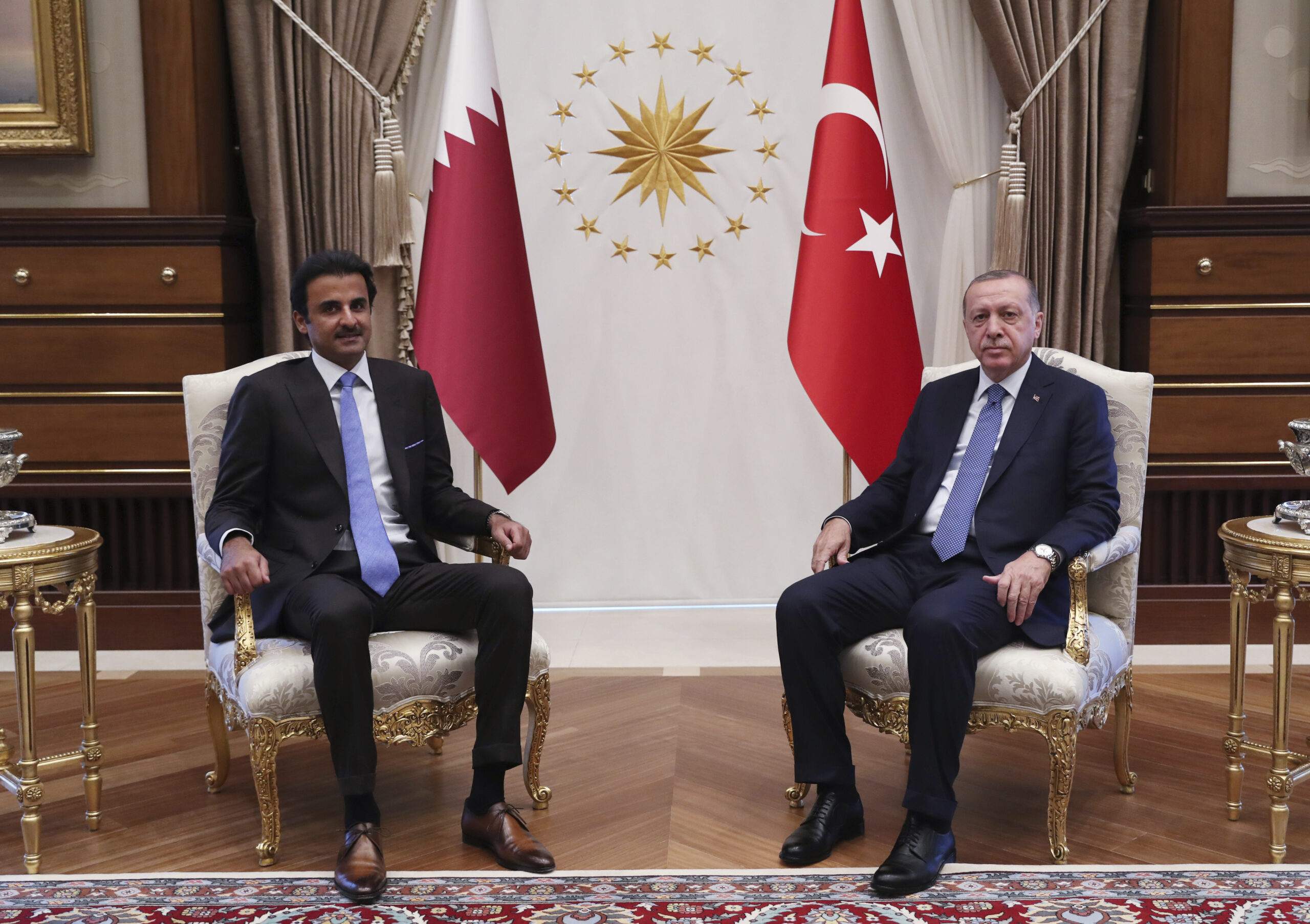
By contrast, Qatar has only grown closer to Turkey as the boycott by Saudi Arabia, the UAE, and Bahrain, along with Egypt, isolated Doha within the Gulf region. Ankara and Doha are now among each other’s closest allies, which has only exacerbated other Gulf Arab suspicions. These tensions were vividly illustrated following the murder of Saudi journalist Jamal Khashoggi at the Saudi Consulate in Istanbul. For the foreseeable future, it appears likely that Turkish-Gulf Arab tensions will persist, and even a rapprochement between Qatar and the boycotting countries might not do much to ease the situation. Despite areas of potential cooperation, including limiting Iran’s regional clout, Turkey is likely to remain mainly at loggerheads with at least half of the Gulf Arab states in coming years.

The AGSIW Gulf Rising Series

This paper was developed as part of AGSIW’s Gulf Rising series analyzing the energized role of the Gulf Arab states in the international system. The series looks beyond Gulf Arab relations with the United States to examine ties with other key countries and regions. Additionally, it investigates motivations behind Gulf Arab states’ foreign policy choices and evaluates the implications for U.S. foreign policy toward the Gulf Arab states and the region.

Read full paper

The views represented herein are the author's or speaker's own and do not necessarily reflect the views of AGSI, its staff, or its board of directors.

Steven A. Cook

Eni Enrico Mattei Senior Fellow, Middle East and Africa Studies, Director, International Affairs Fellowship for Tenured International Relations Scholars, Council on Foreign Relations

Analysis

Turkey and the GCC: Cooperation Amid Diverging Interests

The GCC countries view Turkey as an indispensable Sunni ally and counterweight to Iran, but a difficult, and at times unreliable, partner.

2 min read

View All
Hussein Ibish

Senior Resident Scholar, AGSI

Analysis

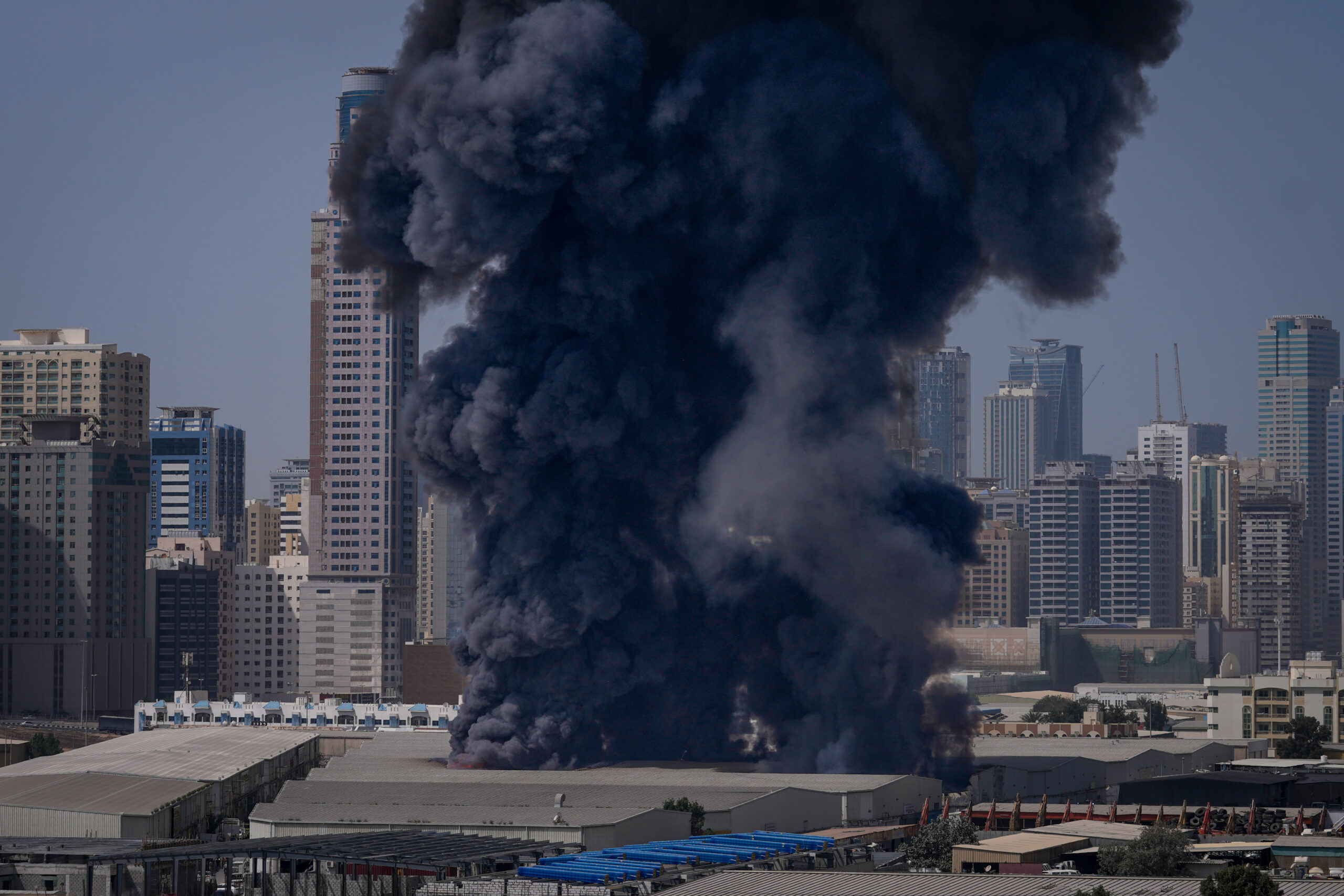
Why Saudi Arabia and the UAE Are Urging Trump to Continue a War They Did Not Want

Riyadh and Abu Dhabi urged President Trump not to attack Iran, but now that the war is into its second month, leaving the current situation in place would be an unthinkable fiasco for them.

Hussein Ibish

8 min read

A black plume of smoke rises from a warehouse at the industrial area of Sharjah in the United Arab Emirates, March 1. (AP Photo/Altaf Qadri)

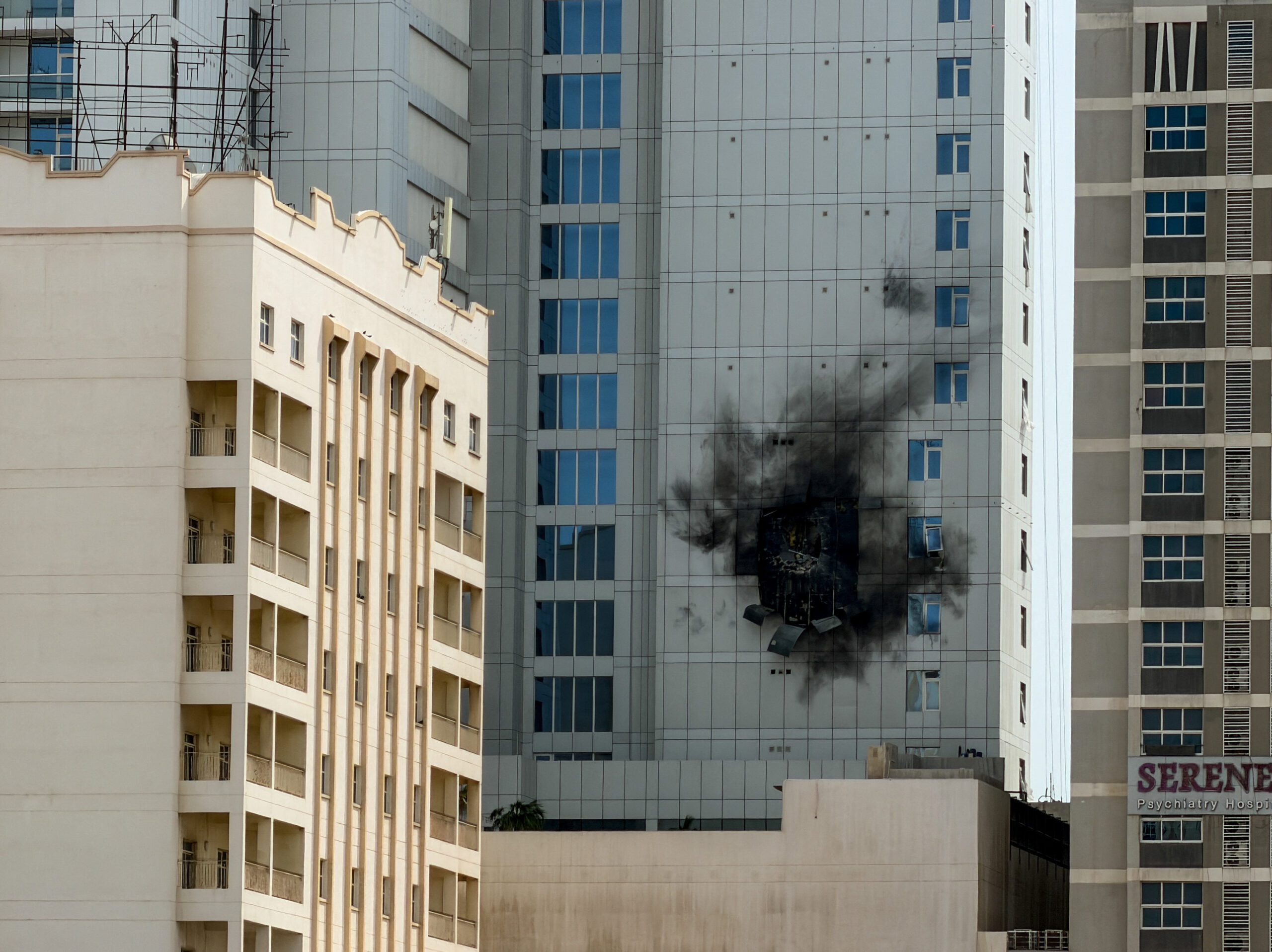
Caught in the Crosshairs, Gulf Arab Countries Remain Crucial to Peace

Though they were unsuccessful in preventing the current conflict, and, as expected, have been dragged into the U.S.-Israeli confrontation with Iran, Gulf Arab countries remain crucial to hopes for limiting the war and bringing it to a quick resolution.

Hussein Ibish

13 min read

A building damaged by an Iranian drone attack in Juffair, Manama, Bahrain, March 1. (REUTERS/Hamad I Mohammed)

Iran War Provides Decisive Test for Lebanon to Assert Authority Over Hezbollah

After decades of tolerating Hezbollah’s warmaking independence, the current crisis has compelled Lebanese leaders to ban its military activities; this project will do much to determine the reach Iran can maintain in the Arab world.

Hussein Ibish

8 min read

Smoke rises from Israeli airstrikes that struck a building housing Al-Manar channel studios in Dahiyeh, a southern suburb of Beirut, Lebanon, March 3. (AP Photo/Bilal Hussein)

Having Failed to Prevent a U.S. Attack Against Iran, Gulf Arab Countries Must Watch With Alarm

Gulf Arab countries urged the United States not to strike Iran, but now that is happening, they are in danger of being sucked into a conflict they cannot control but that will likely reshape their present and future realities.

Hussein Ibish

9 min read

Smoke rises following an explosion, after Israel and the U.S. launched strikes on Iran, in Tehran, Iran, February 28. (Majid Asgaripour/WANA via REUTERS)
View All

Events

Apr 21, 2026

Inside Iran’s Wartime Leadership: Power, Succession, and Regime Stability

On April 21, AGSI hosted a discussion on the evolution of Iran's leadership during the war.

In this photo released by the Pakistan Foreign Ministry, Iran's Parliament Speaker Mohammad Bagher Qalibaf, center right, and Iran's Foreign Minister Abbas Araghchi, center left, are greeted by Pakistan Foreign Minister Ishaq Dar, right, and Army Chief Field Marshal Gen. Asim Munir, left, upon their arrival at Nur Khan airbase in Rawalpindi, Pakistan, April 11. (Pakistan Ministry of Foreign Affairs via AP)
In this photo released by the Pakistani Foreign Ministry, Iranian Speaker of Parliament Mohammad Bagher Qalibaf, center right, and Iranian Foreign Minister Abbas Araghchi, center left, are greeted by Pakistani Foreign Minister Ishaq Dar, right, and Army Chief Field Marshal Gen. Asim Munir, left, upon their arrival at Nur Khan air base in Rawalpindi, Pakistan, April 11. (Pakistani Ministry of Foreign Affairs via AP)

Apr 13, 2026

Assessing the U.S.-Iranian Truce and First Round of Negotiations

On April 13, AGSI hosted a discussion on the recently announced U.S.-Iranian two-week cease-fire.

The main entrance of Pakistan's foreign ministry in Islamabad, Pakistan, April 9. (AP Photo/Anjum Naveed)
The main entrance of Pakistan's Foreign Ministry in Islamabad, Pakistan, April 9. (AP Photo/Anjum Naveed)

Mar 2, 2026

After the Shock: Implications of the U.S.–Israeli Strikes and Iran’s Leadership Transition

On March 2, AGSI hosted a discussion on the U.S.-Israeli strikes on Iran.

Smoke rises following an explosion, after Israel and the U.S. launched strikes on Iran, in Tehran, Iran, March 1. (Majid Asgaripour/WANA via REUTERS)
Smoke rises following an explosion, after Israel and the United States launched strikes on Iran, in Tehran, Iran, March 1. (Majid Asgaripour/WANA via REUTERS)

Jan 8, 2026

Outlook 2026: Prospects and Priorities for U.S.-Gulf Relations in the Year Ahead

On January 8, AGSI hosted a virtual roundtable with its leadership and scholars as they look ahead and assess trends likely to shape the Gulf region and U.S. foreign policy during the coming year. 

Secretary of State Marco Rubio attends a meeting with the foreign ministers of the Gulf Cooperation Council states as part of the 80th session of the United Nations General Assembly at the Lotte Palace Hotel in New York, September 24. (AP Photo/Stefan Jeremiah, Pool)
View All