Jun 20, 2023
Those Who Make Peaceful Change Impossible Will Make Violent Revolution Inevitable
The June 20 edition of the Iran Media Review highlights Sadegh Zibakalam’s criticism of the Iranian regime and the opposition.

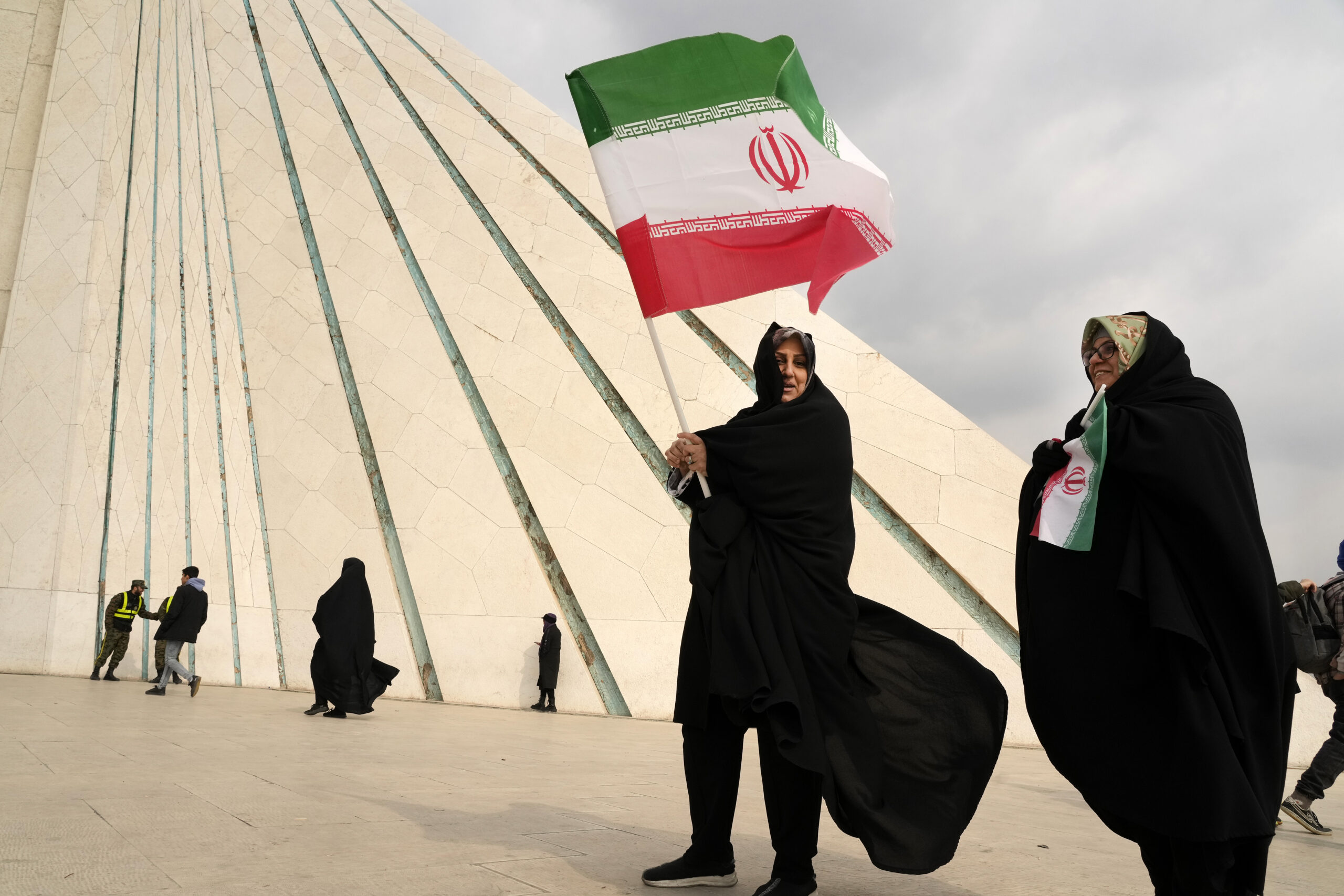
Sadegh Zibakalam, a professor of political science at Tehran University, personifies the generation of radical Iranian students who turned against and defeated the regime of Shah Mohammad Reza Pahlavi during the 1979 Islamic Revolution. Before long, most of the radicals discovered, and some even admitted, that the revolutionary regime replicated the evils of its predecessor. Despite his disappointment in the Islamic Republic, Zibakalam warns against radicalism and remains a proponent of gradual, rather than revolutionary, change. The behavior of those opposing the Iranian government, however, is not unrelated to the behavior of the regime, and to paraphrase the words of President John F. Kennedy, those who make peaceful change impossible will make violent revolution inevitable.
- June 12: Jamaran News published an interview with Sadegh Zibakalam:
- On the upcoming parliamentary elections, Zibakalam said: “Under the present circumstances, I think participation will not be particularly high. However, parliamentary elections are different than presidential elections due to regional, ethnic, and tribal rivalries, which impact parliamentary elections … There is usually intense rivalry in certain provinces that are only represented by one parliamentarian … In the big cities, it is unlikely that the people, in particular the educated classes, will participate in the elections … The regime’s social base will participate in the elections … In Tehran, we will see low electoral participation, as there is no incentive to participate.” Asked whether it is true that “influential political currents are not particularly unhappy with declining electoral participation,” Zibakalam responded: “The regime is not looking for change. Based on previous experiences, they know liberalization of the political atmosphere will not have a happy ending … The regime’s strategy is to control the political and social atmosphere, and there is limited freedom of action. The current approach is limited to control, and this is the regime’s strategy.”
- Asked about the impact of Iran’s 2022 protests on the thinking of the ruling elites, Zibakalam said: “I hoped they would reconsider their behavior. I thought many officials discovered that their behavior was wrong and that they could not continue in the same vein. But as the protests subsided, the regime continued its previous behavior … We must consider the ideological view. They try hard to present their ideology, such as the exportation of the revolution, the annihilation of Israel, and being the vanguards of the struggle against global arrogance,” a reference to the United States, “as successful … But of course, we can’t expect the regime to reconsider its policy after 40-odd years of sloganeering. To the extent it is capable of doing so, the regime will promote those same ideals. Our regime, just as all other ideological regimes, believes it has such vocations. Our regime, however, also has a supernatural element” in its ideology. “This inflexibility is present in ideological regimes. We can’t expect them to recognize their internal problems. They insist they have fulfilled their mission. If you tell them that 80% of the people don’t support them, they will not accept it. Even if it is proved to them that 80% of the people are not supporting them, in the end they will say that they are supposed to fulfill their mission.”
- Discussing what causes dissatisfaction among the electorate, Zibakalam said: “There are many, including the regime, who believe bad economic circumstances are to blame for the dissatisfaction, and if the economy gets better, dissatisfaction will subside … But they are fooling themselves. I wish the economy was the only reason, since economic problems can be solved easily … The main problem of the regime is political and social. Large parts of the young generation from the 1990s and the 2000s were frustrated by the defeat of the reformists … This generation has little hope in the future. It does not see any light at the end of the tunnel. This generation has problems with the past. It believes past events have led us to our present circumstances. It has issues with the revolution and with the war or anything else related to the past.
- Commenting on the Iranian opposition abroad, Zibakalam said that prior to the revolution, the leaders of the revolution “constantly promised us paradise, and it led us to where we are today. Imagine what will happen with these people at the helm. They are not even in power, and they are sharpening their knives! I have not seen a single person with democratic and free thoughts among the opposition abroad and among the domestic opposition. Suppose this regime collapses at some point. I don’t see any chance of democracy in Iran the day after. There is so much hatred and spite that there is no chance for democracy, and it will under no circumstances lead to democracy.”
- Assessing the scope of the 2022 anti-regime protests, Zibakalam argued that neither the regime nor the protesters can claim to have significant popular support: “During the daytime, Tehran has a population of 14 million, which is reduced to 12 million at night. At the peak of the unrest in Tehran, the number of protesters never reached 20,000. Had 10% of Tehran’s population gathered on the streets, we would have seen 1.2 million, and had just 1% of the population taken their protests to the streets, it would have been 120,000 people. In my opinion, such numbers were not present in the streets. There are some who are happy that the people did not go to the streets and believe 99% of the population agrees” with the regime. “However, the fact that 99% did not go to the streets does not equate to them agreeing with the regime. These people have even lost hope in protests. They have no hope in such movements, and they have become so apathetic that they are not willing to do anything.”
- Turning to the future, Zibakalam said: “I believe there is no other option but gradual change,” and concluded: “I do not at all believe that the collapse of the regime is a step forward. One of my questions to the opposition is this: You criticize the 1979 revolution and the overthrow of the shah’s regime and demanded reforms to the regime under” Shapour Bakhtiar, Iran’s last prime minister before the revolution. “Why don’t you hold a similar view concerning reforms to the Islamic Republic? If the behavior of the revolutionaries was bad in 1979, why are you replicating that behavior?”
The views represented herein are the author's or speaker's own and do not necessarily reflect the views of AGSI, its staff, or its board of directors.
Related
Iran Media Review
Mar 13, 2026
Quds Day in Iran
The March 13 edition of the Iran Media Review examines Iranian media reports of regime defiance at Quds Day rallies as the U.S.-Israeli conflict with Iran continues.
Iran Media Review
Mar 10, 2026
New Leader, Old Policy
The March 10 edition of the Iran Media Review analyzes Iranian messaging after the election of a new supreme leader.
Iran Media Review
Mar 6, 2026
Tehran Warns Iraq’s Kurdistan Regional Government
The March 6 edition of the Iran Media Review highlights an Iranian military official’s warning to the Kurdistan Regional Government to stay out of the escalating U.S.-Israeli conflict with Iran.
Mar 13, 2026
Quds Day in Iran
The March 13 edition of the Iran Media Review examines Iranian media reports of regime defiance at Quds Day rallies as the U.S.-Israeli conflict with Iran continues.
Mar 10, 2026
New Leader, Old Policy
The March 10 edition of the Iran Media Review analyzes Iranian messaging after the election of a new supreme leader.
Mar 6, 2026
Tehran Warns Iraq’s Kurdistan Regional Government
The March 6 edition of the Iran Media Review highlights an Iranian military official’s warning to the Kurdistan Regional Government to stay out of the escalating U.S.-Israeli conflict with Iran.
Analysis
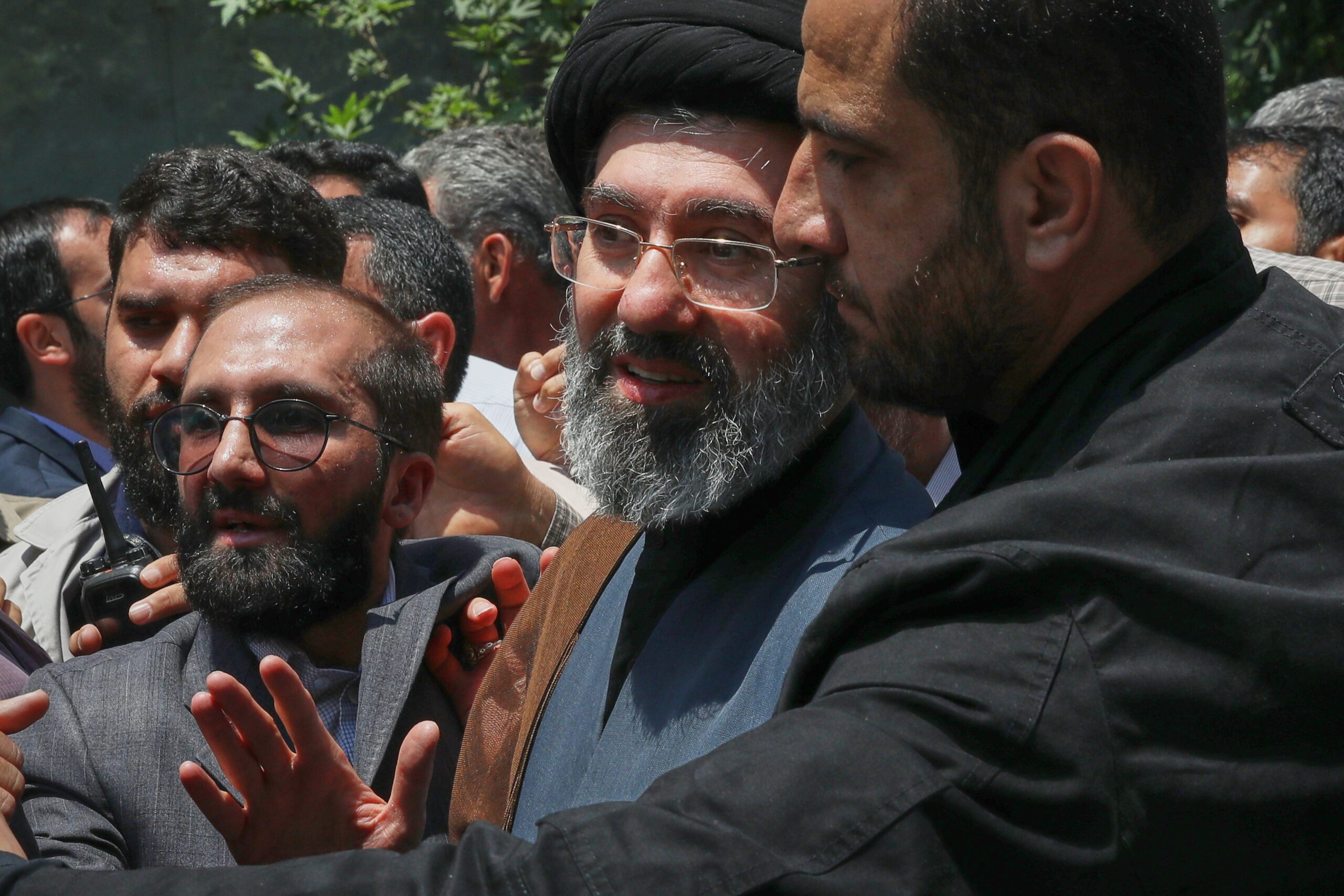
Under Mojtaba, the IRGC Will Reign Supreme
Iran may still call itself an Islamic Republic. In practice, however, it increasingly resembles a state in which the military governs from behind clerical robes.
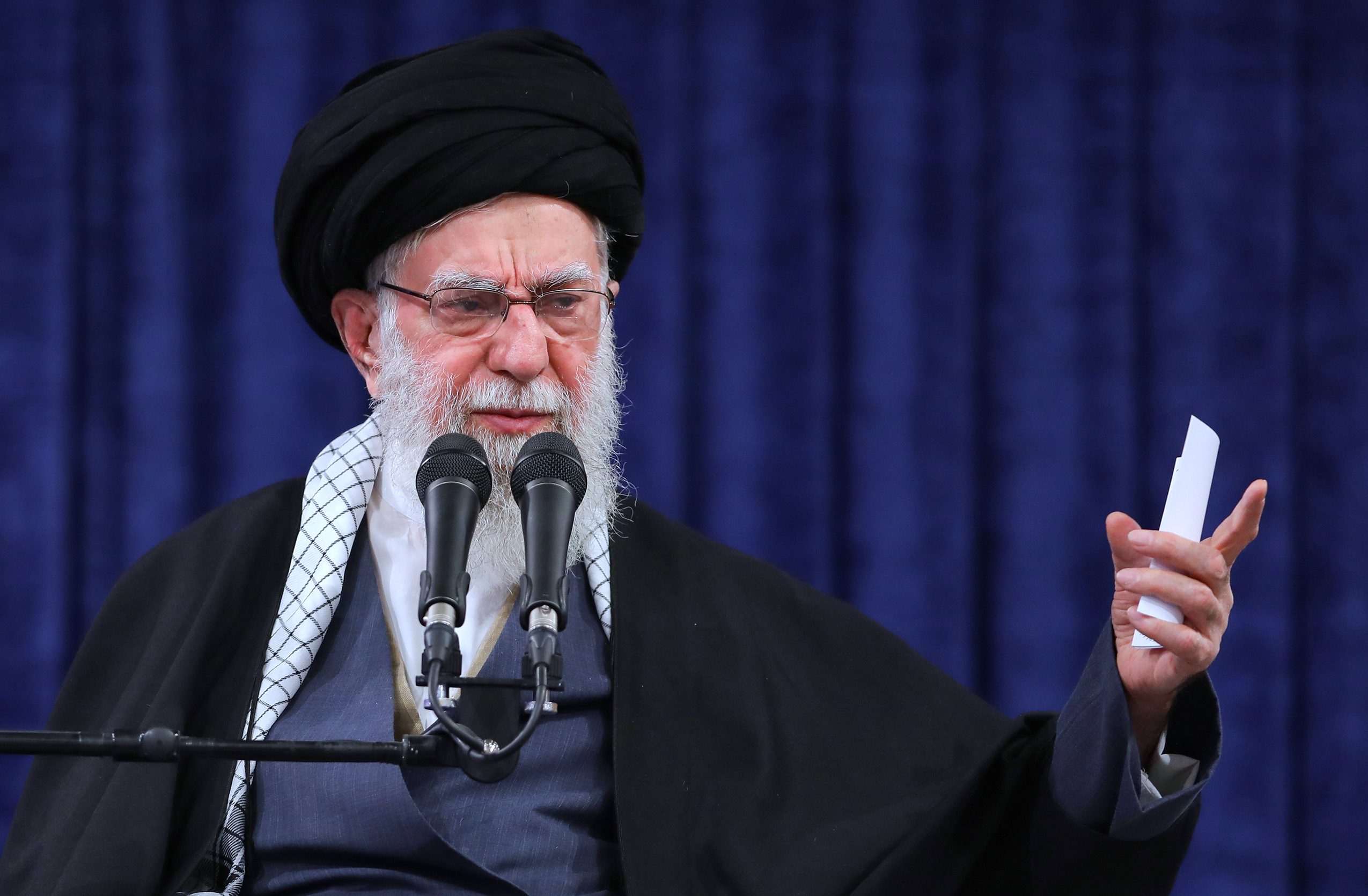
Political Life and Legacy of Iran’s Ayatollah Khamenei
Ayatollah Ali Khamenei was killed in his office in Tehran at age 86, leaving behind a country in ruins and on the verge of civil war and potential disintegration.
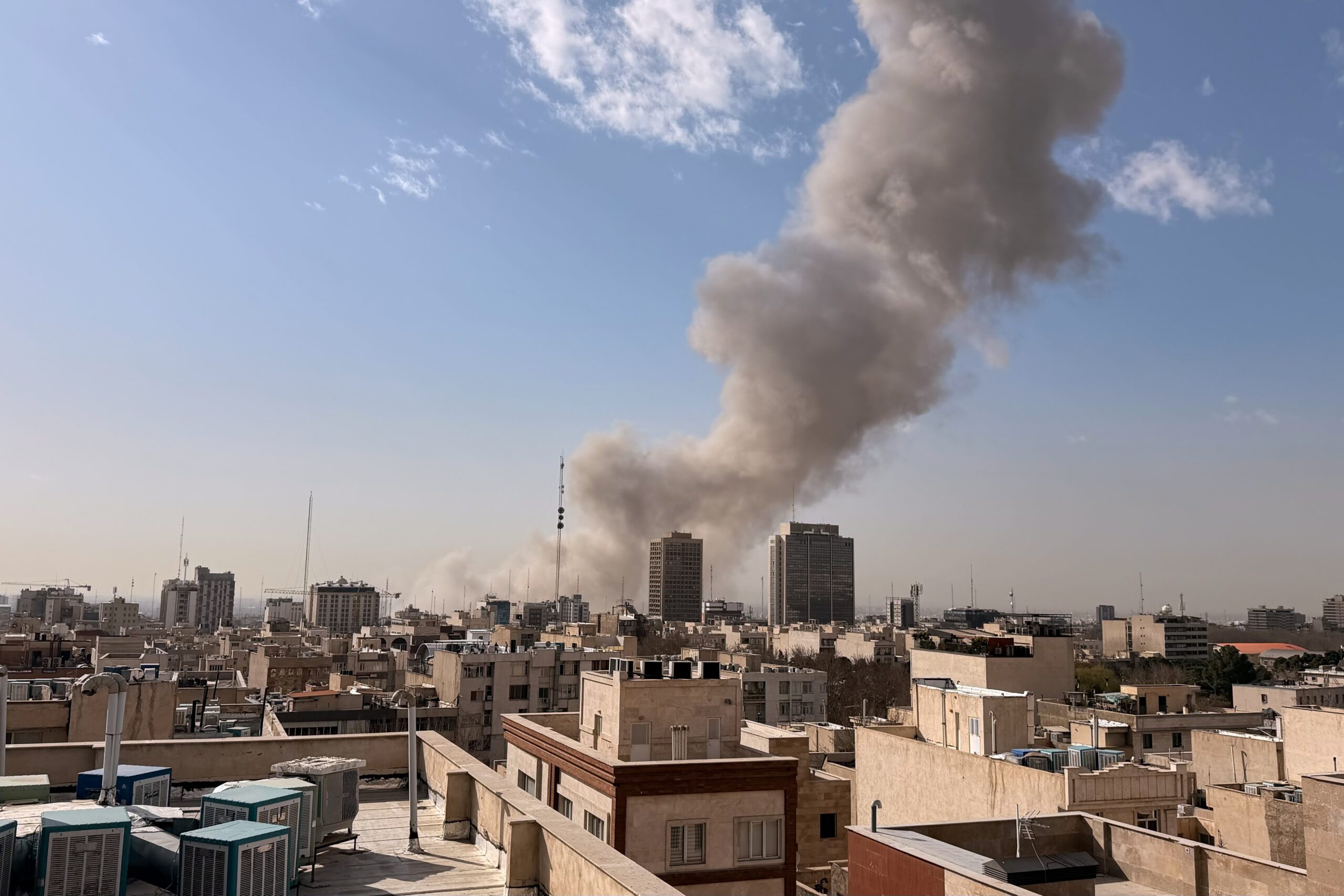
Iranian Regime Fighting for Survival
Iran is signaling that it will not absorb attacks passively. But whether this strategy ensures the regime’s survival, seals its fate, or accelerates a broader catastrophe will shape the region for years to come.
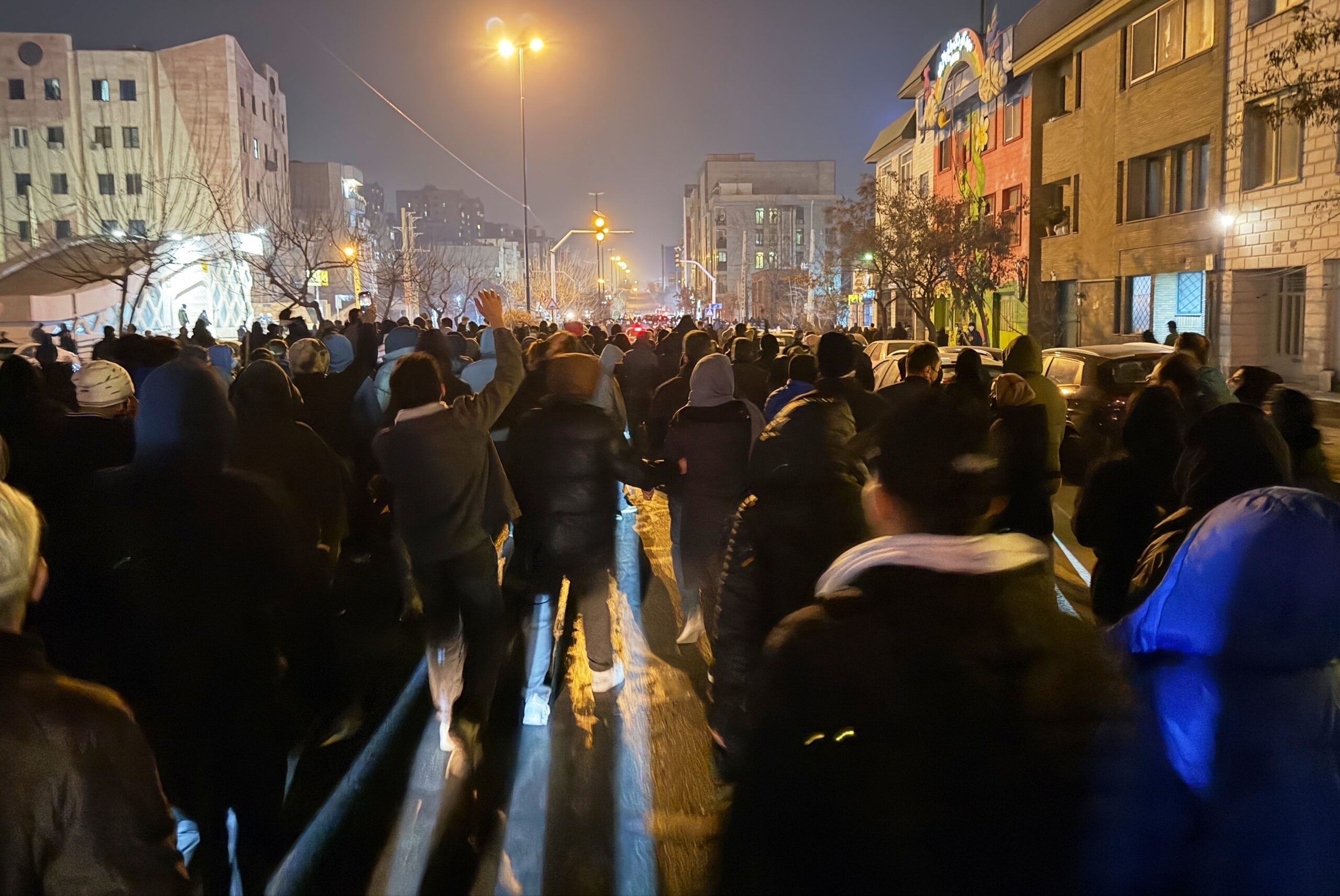
Iran’s 2025-26 Protests in Perspective
The erosion of the regime’s legitimacy across broad segments of society, combined with the breadth of the 2025-26 protest coalition, raises the possibility that a new confrontation could trigger renewed anti-regime mobilization.
Events
Mar 2, 2026
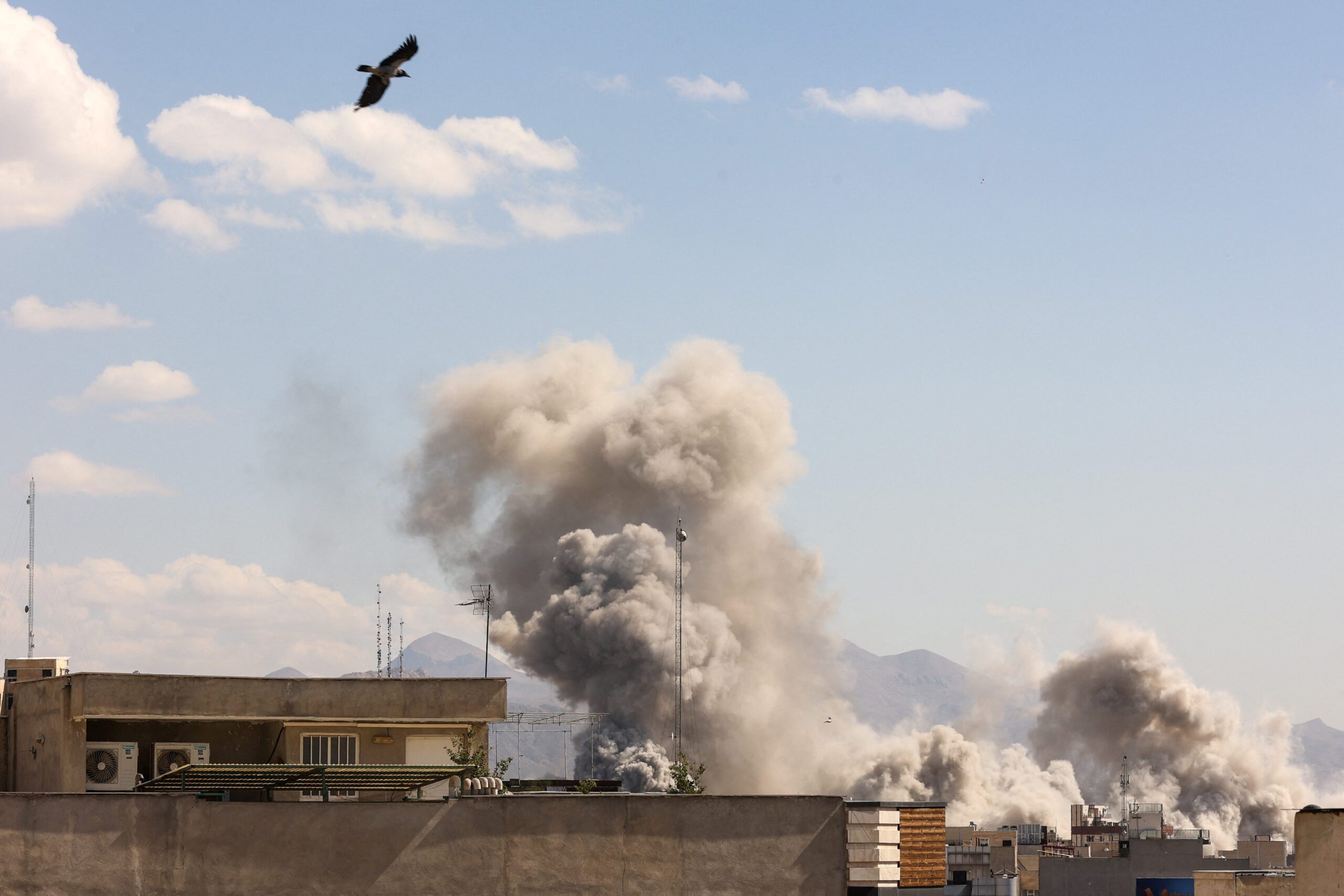
After the Shock: Implications of the U.S.–Israeli Strikes and Iran’s Leadership Transition
On March 2, AGSI hosted a discussion on the U.S.-Israeli strikes on Iran.
Speakers




Jan 8, 2026
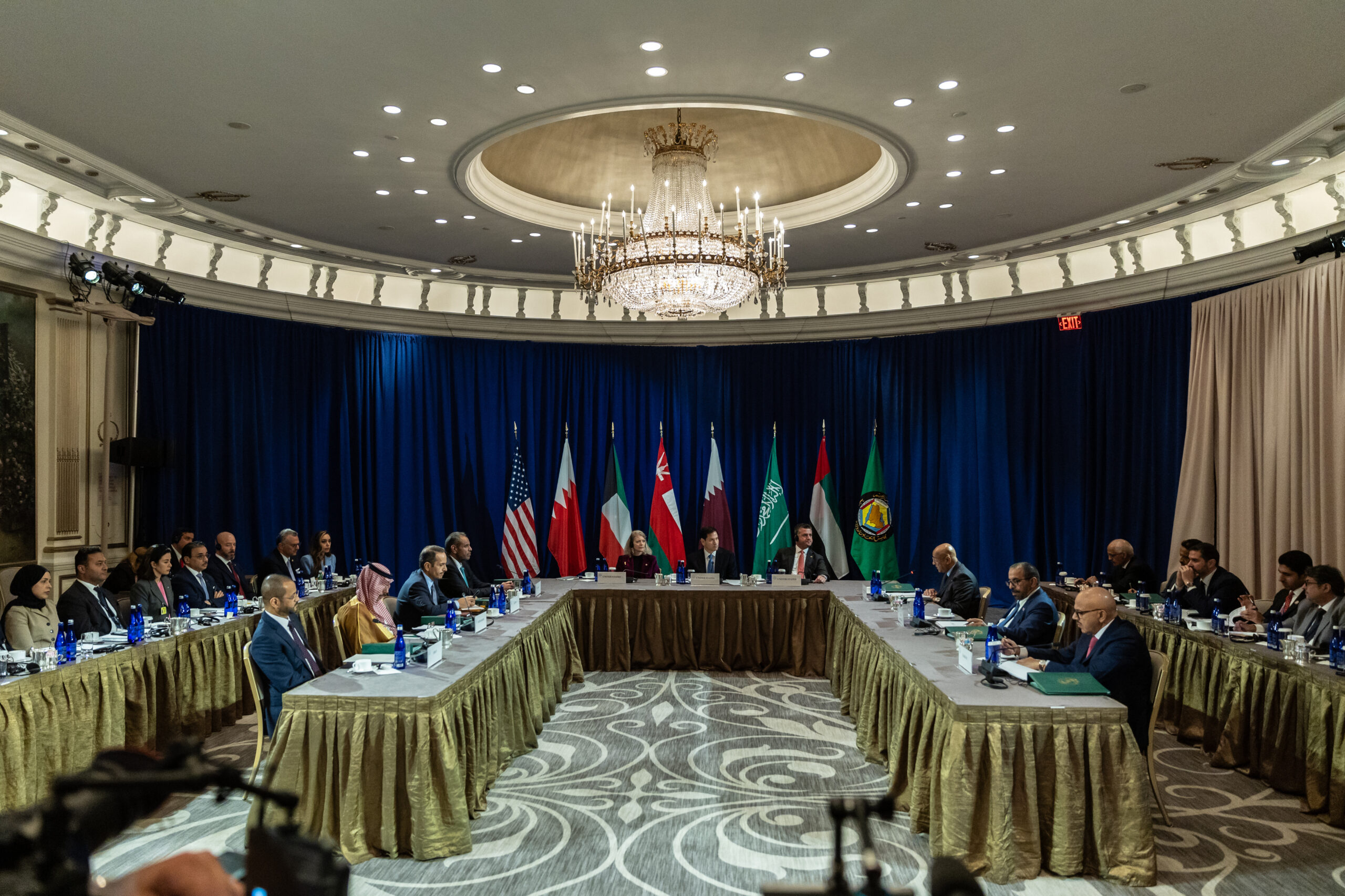
Outlook 2026: Prospects and Priorities for U.S.-Gulf Relations in the Year Ahead
On January 8, AGSI hosted a virtual roundtable with its leadership and scholars as they look ahead and assess trends likely to shape the Gulf region and U.S. foreign policy during the coming year.
Speakers
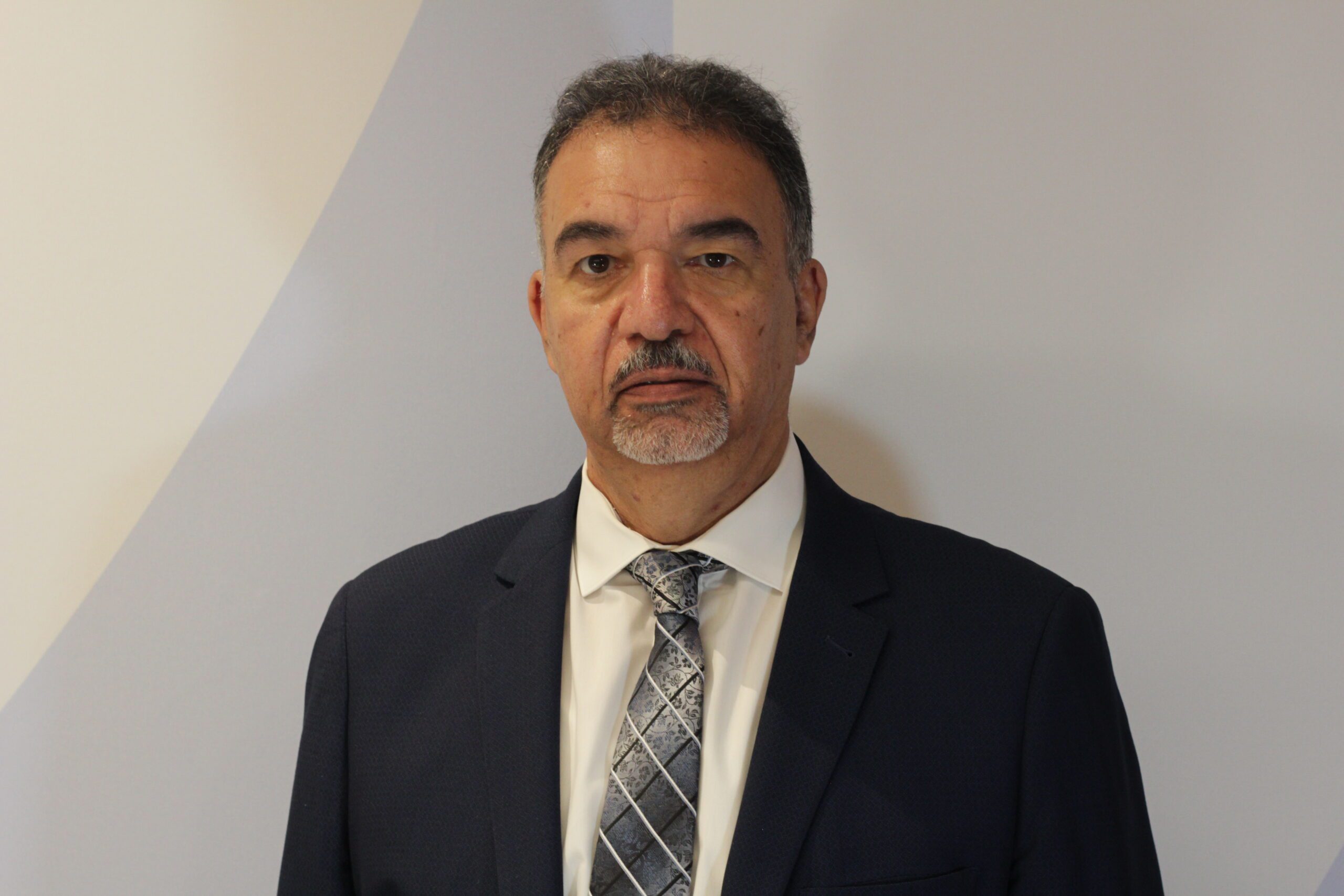
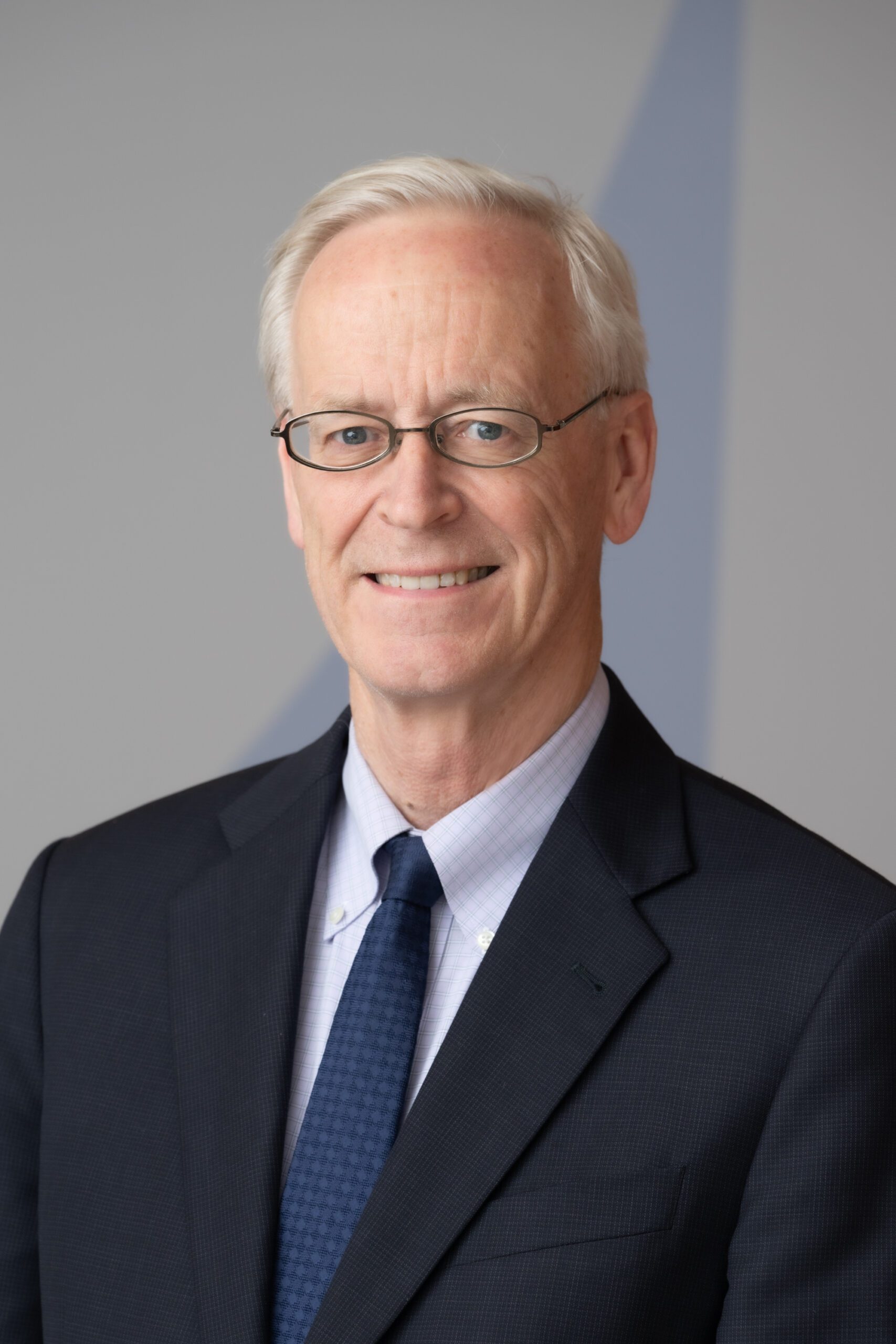

Sep 16, 2025
Book Talk: Iran’s Grand Strategy: A Political History
On September 16, AGSI hosted a discussion on the roots of Iran's strategic outlook.
Speakers
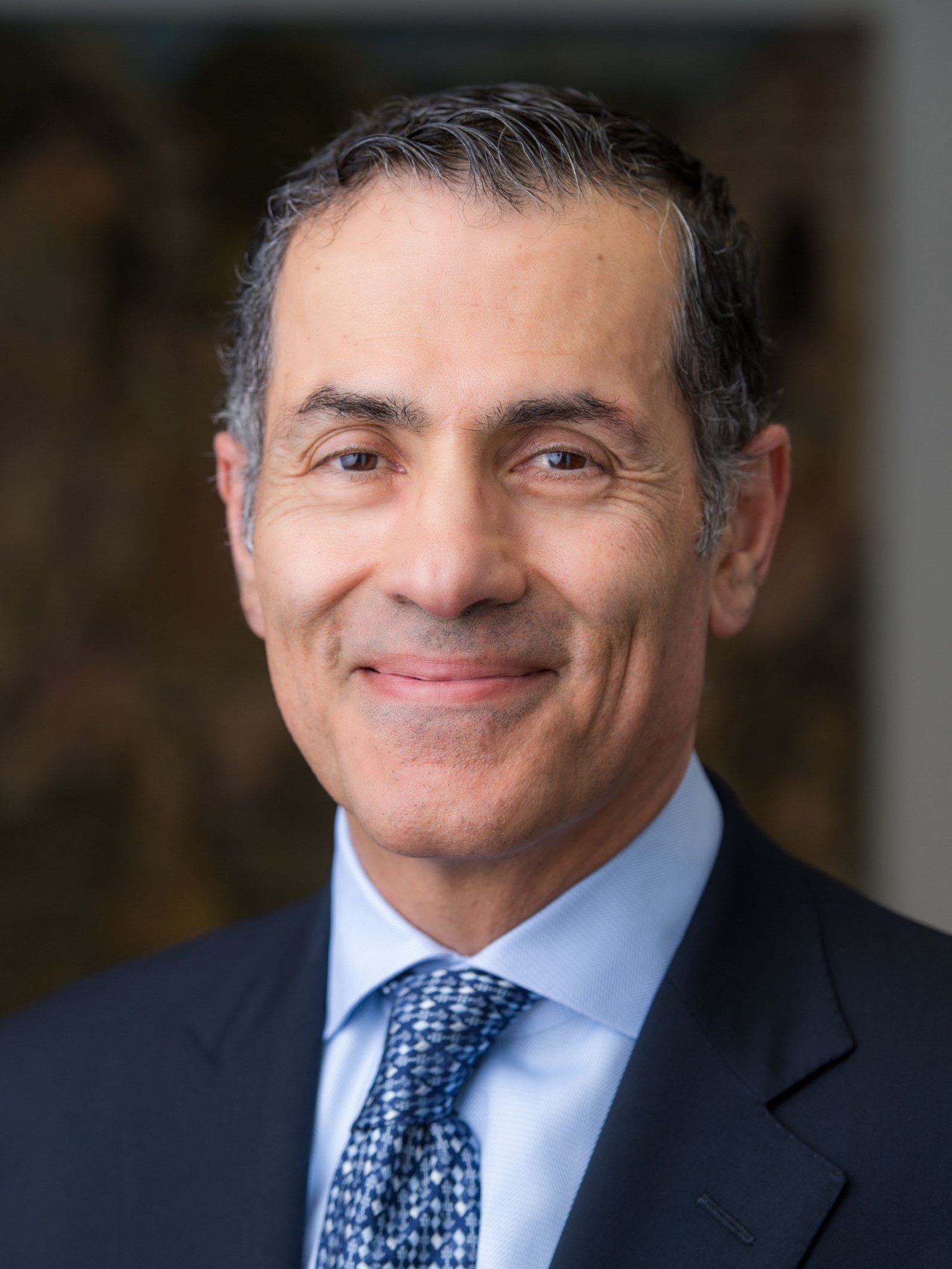
Jun 23, 2025
U.S. Strike on Iran: Regional and Diplomatic Fallout
On June 23, AGSI hosted a discussion on the United States' attack on Iranian nuclear sites.
Speakers
