Feb 14, 2023
The Islamic Republic Reacts to Opposition Forum at Georgetown University
The February 14 edition of the Iran Media Review explores media coverage of a panel of opposition figures, revealing the Iranian regime’s fears over its rivals unifying.

“What is zero plus zero?” Nour News Agency rhetorically asked on February 10, in its coverage of a panel discussion at Georgetown University featuring Iranian opposition figures, and answered: “Zero.” Javan newspaper, a mouthpiece of the Islamic Revolutionary Guard Corps, and hard-line Kayhan newspaper reached the same conclusion. But the fact that the mouthpieces of Iran’s Supreme National Security Council and the IRGC covered the Georgetown University opposition panel illustrates the importance the regime attached to it.
- February 10: In its coverage of “The Future of Iran’s Democracy Movement” panel at Georgetown University, Nour News Agency wrote: “Disparate counterrevolutionary groups took part in a joint propaganda forum at Georgetown University in the United States … These individuals have fundamental differences of opinion with each other … but are feigning unity … The timing of this forum can surely not be accidental.” Nour News claimed the “counterrevolution” is “trying to distract public attention from the most important event of public rallies commemorating the victory of the revolution,” referencing the February 11 commemoration of the anniversary of the victory of the 1979 Islamic Revolution. “Following several months of unrest, protests, and insurrection, calm has fully returned to the country. The enemy’s war against the Iranian nation proved fruitless, and by mobilizing the counterrevolution, the efficacy of which the enemy does not believe in, the enemy is using its last card. The enemy is running out of poisonous arrows with which it has hitherto targeted the national unity of Iranians.”
- February 12: Javan newspaper, reporting on the Georgetown University panel under the headline “Gathering of the Vanquished,” concluded Revolution Day rallies showed the opposition panelists, “were defeated.”
- February 13: Searching for support for its claim that “millions” of Iranians took part in February 11 Revolution Day rallies, in “a de facto referendum,” as Kayhan claimed, the hard-line daily referenced news sources such as the Syrian Arab News Agency and Russia’s Sputnik News.
The views represented herein are the author's or speaker's own and do not necessarily reflect the views of AGSI, its staff, or its board of directors.
Related
Iran Media Review
Feb 10, 2023
Veteran Wrestler and Politician Urges the Regime to “Use” Dissident Celebrities
The February 10 edition of the Iran Media Review examines how the Iranian regime might use celebrities as a political tool.
Iran Media Review
Feb 7, 2023
Abandoned by China, Iran Gravitates Toward Russia’s Orbit
The February 7 edition of the Iran Media Review explores increasing economic ties between Iran and Russia.
Feb 10, 2023
Veteran Wrestler and Politician Urges the Regime to “Use” Dissident Celebrities
The February 10 edition of the Iran Media Review examines how the Iranian regime might use celebrities as a political tool.
Feb 7, 2023
Abandoned by China, Iran Gravitates Toward Russia’s Orbit
The February 7 edition of the Iran Media Review explores increasing economic ties between Iran and Russia.
Analysis
How Did the IRGC Seize Power in Iran?
The IRGC did not seize power in a single stroke. It accumulated it – patiently, methodically – until no counterweight remained.
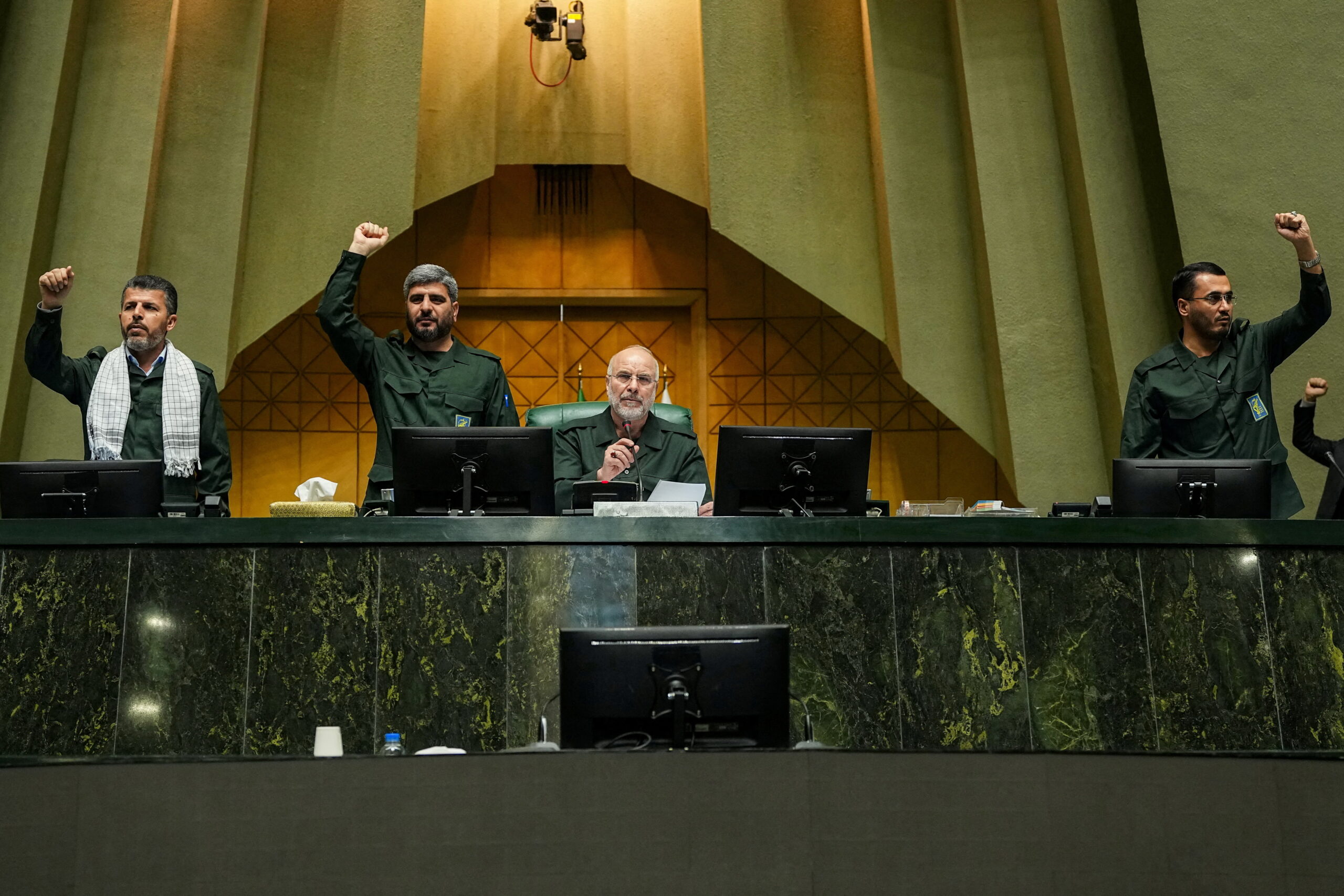
Under Mojtaba, the IRGC Will Reign Supreme
Iran may still call itself an Islamic Republic. In practice, however, it increasingly resembles a state in which the military governs from behind clerical robes.
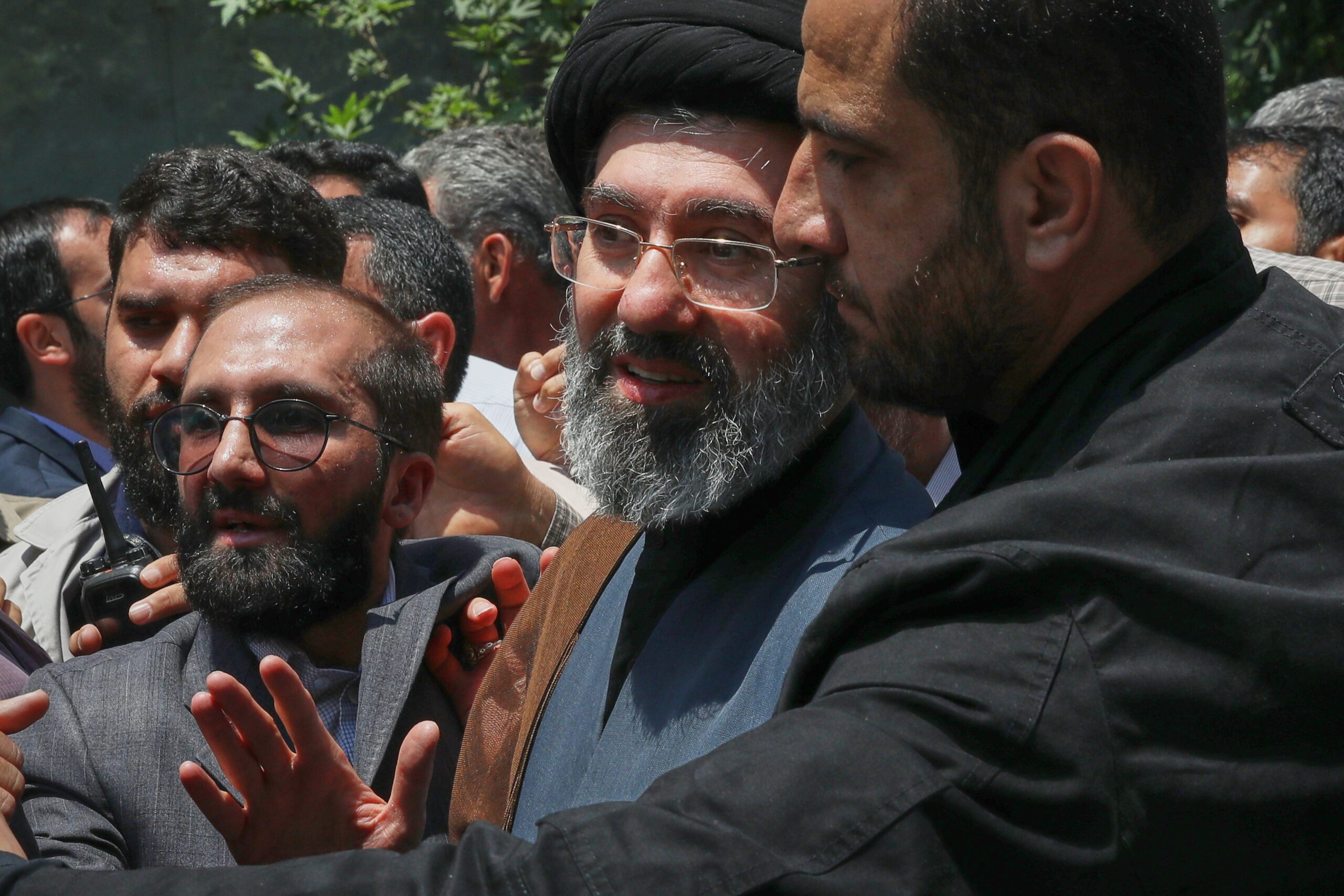
Political Life and Legacy of Iran’s Ayatollah Khamenei
Ayatollah Ali Khamenei was killed in his office in Tehran at age 86, leaving behind a country in ruins and on the verge of civil war and potential disintegration.
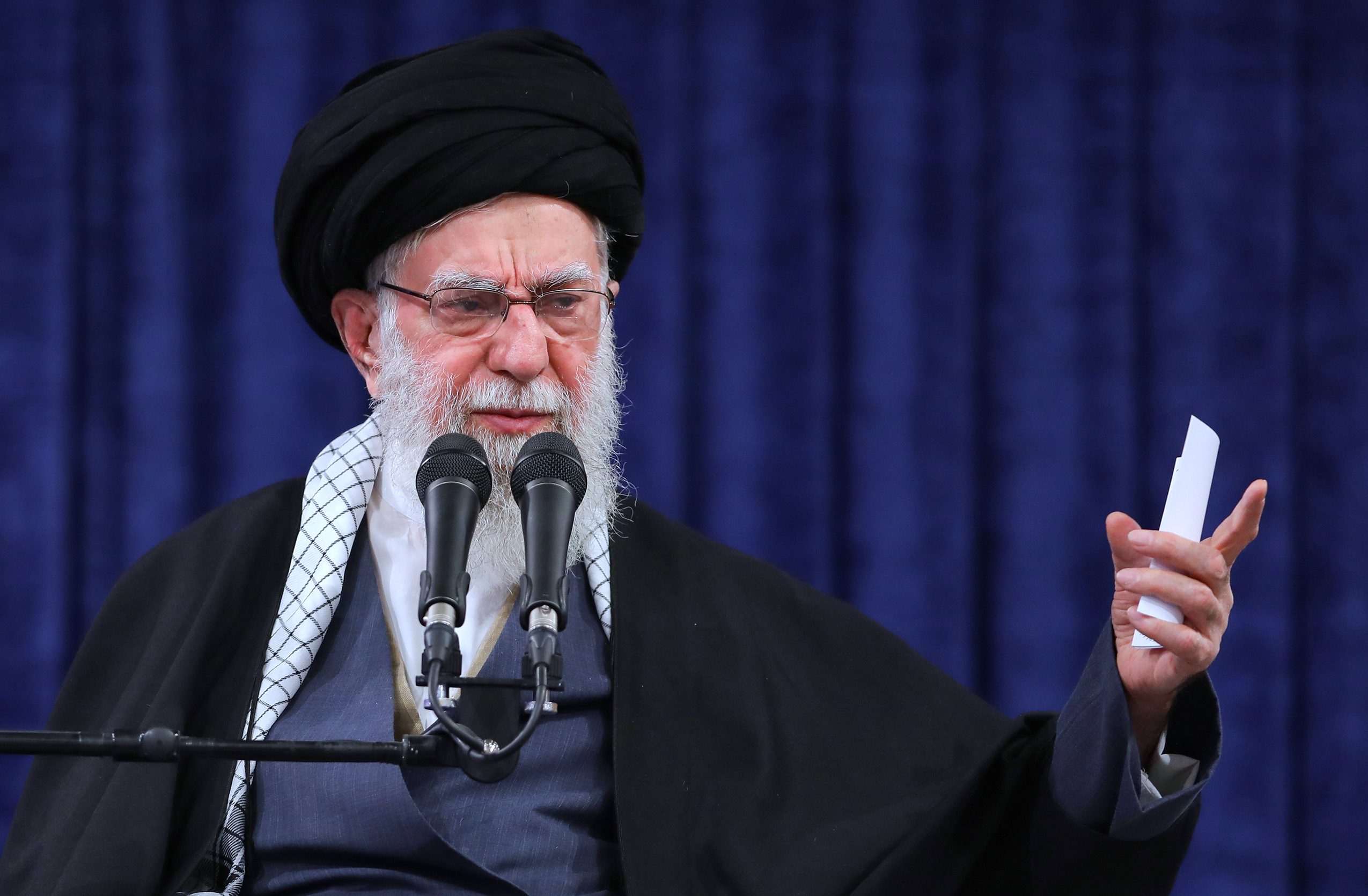
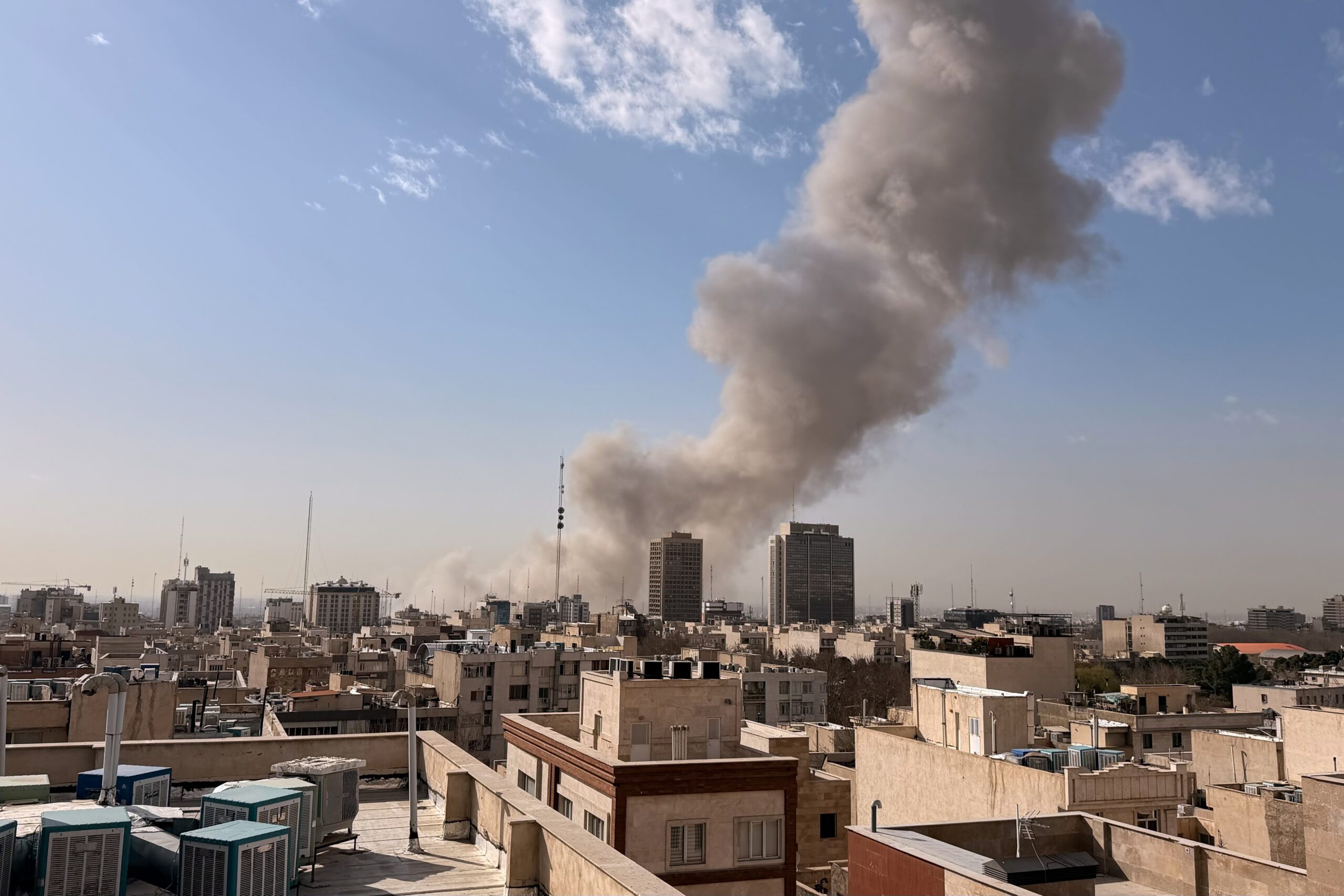
Iranian Regime Fighting for Survival
Iran is signaling that it will not absorb attacks passively. But whether this strategy ensures the regime’s survival, seals its fate, or accelerates a broader catastrophe will shape the region for years to come.
Events
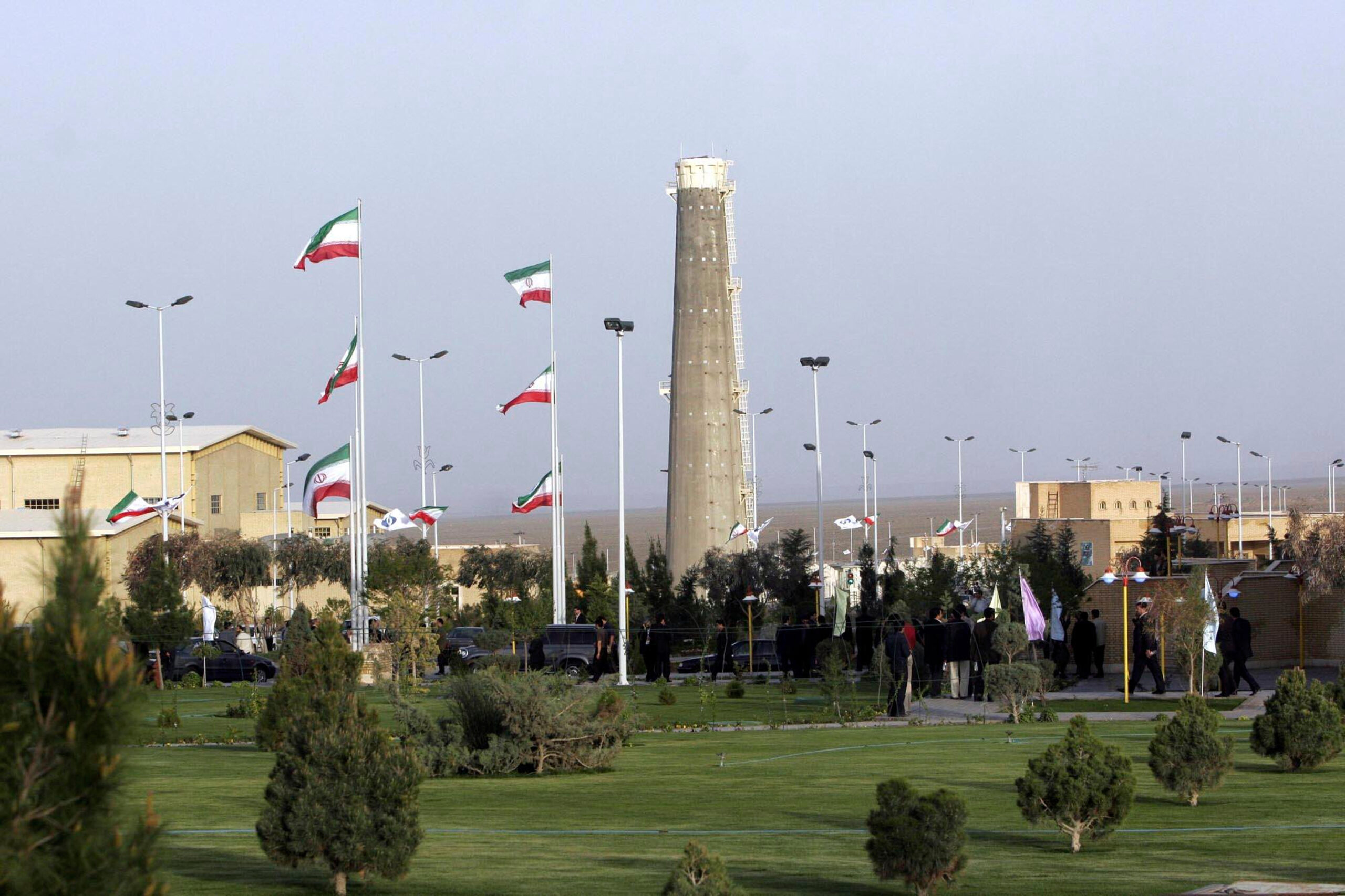
Book Talk: Iran and the Bomb: The United States, Iran and the Nuclear Question
On June 16, AGSI hosted a discussion on the evolution of Iran's nuclear program.
Speakers

Apr 21, 2026
Inside Iran’s Wartime Leadership: Power, Succession, and Regime Stability
On April 21, AGSI hosted a discussion on the evolution of Iran's leadership during the war.
Speakers

Mar 18, 2026
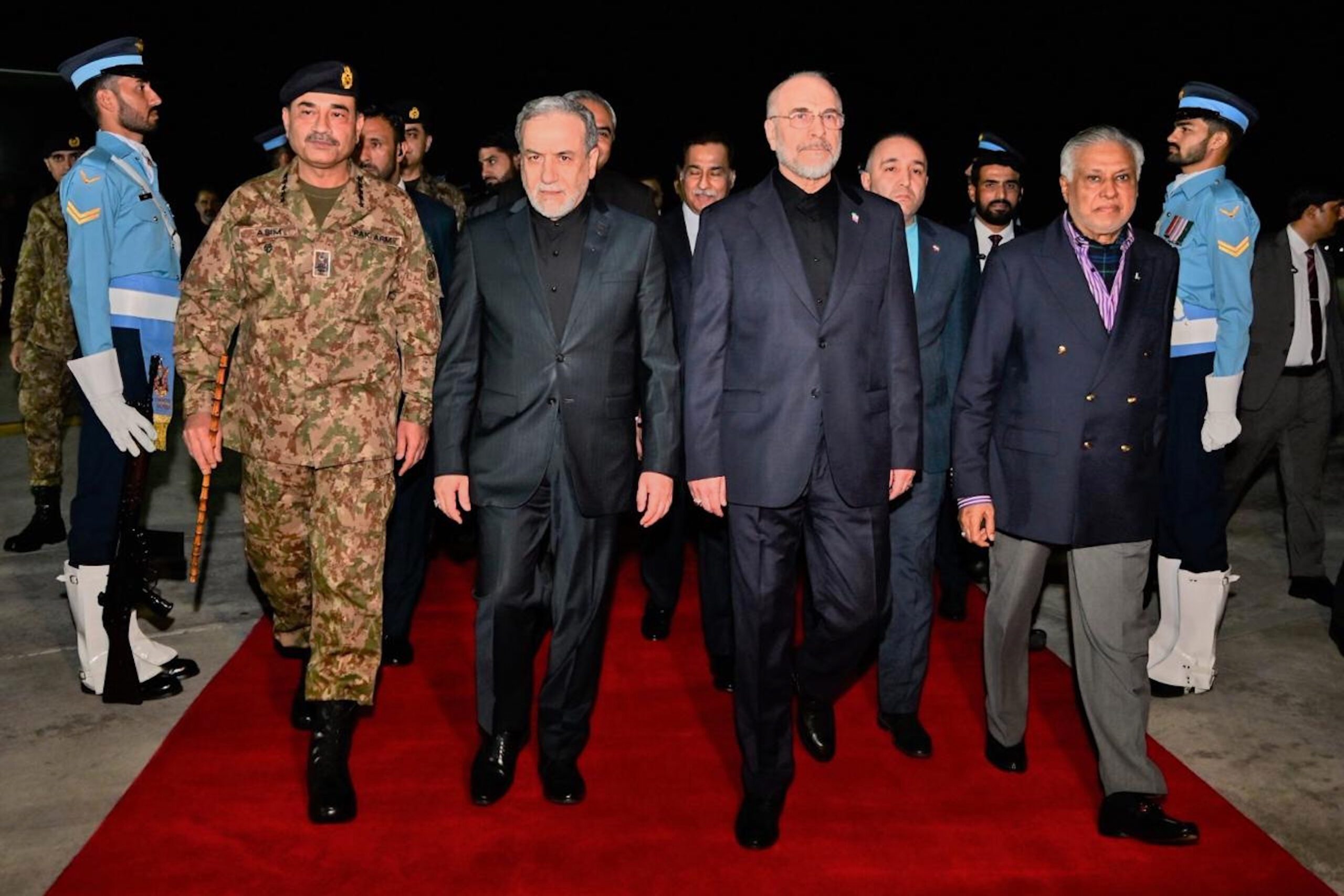
In Its Conflict With the United States and Israel, Does Escalation Favor Iran?
On March 18, AGSI hosted a discussion on the escalation of the Iran war.
Speakers

Mar 2, 2026
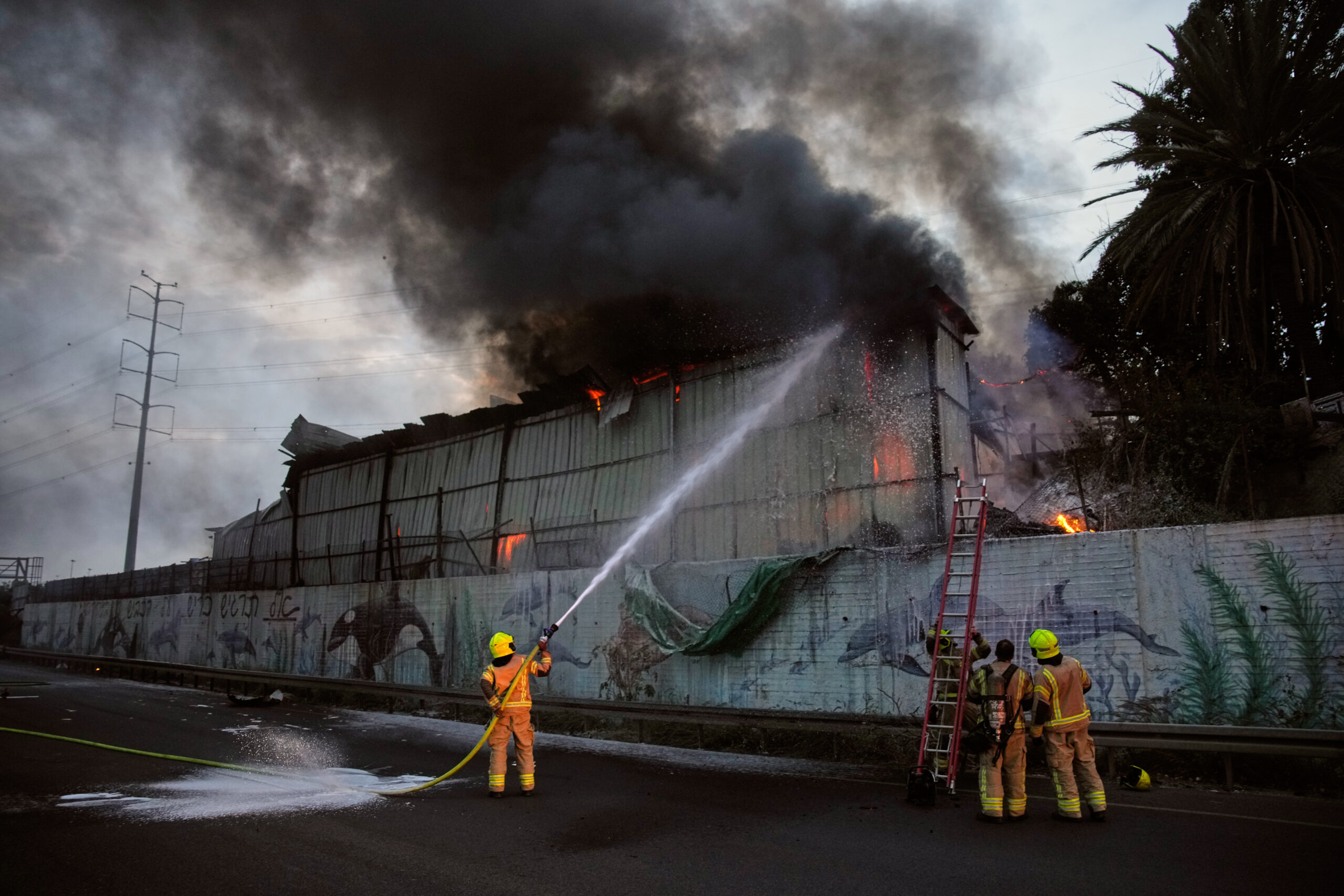
After the Shock: Implications of the U.S.–Israeli Strikes and Iran’s Leadership Transition
On March 2, AGSI hosted a discussion on the U.S.-Israeli strikes on Iran.
Speakers