Jan 3, 2023
The Great Iron Wall of Iran?
The January 3 edition of the Iran Media Review considers the implications of government restrictions and class-based internet access in Iran.

There has always been a correlation between technological advances and social and political change: Johannes Gutenberg’s printing press fueled the Protestant Reformation in Europe in the 1500s, and, from his exile in Iraq, Grand Ayatollah Ruhollah Khomeini famously used cassette tape recordings of his sermons to mobilize the Iranian public against the regime of Shah Mohammad Reza Pahlavi in the 1970s. The internet too has revolutionary potential, which explains the Islamic Republic’s systematic efforts to curtail and control it since Iran was connected to it in 1993. In the face of ongoing protests in Iran, the regime appears inclined to impose further restrictions on the general public’s access to the internet, which, according to Iranian observers, may provoke further protests.
- January 1: Under the headline “Are We Good at Becoming Chinese?” Saeed Arkanzadeh Yazdi, a journalist and an information technology specialist, wrote in the reformist Etemad newspaper: “Internet connectivity in Iran is getting harder by the day. Unfiltered parts of the internet are shrinking … VPNs too are no longer helpful … and connectivity appears much harder in the provinces than in Tehran.” The columnist suggested the internet in Iran is likely to follow a pattern currently seen in China: “Since the passing of Mahsa Amini in September 2022, Iran has experienced a combination of an iron wall and class-based internet … meaning certain individuals or classes of society, who possess the necessary qualifications, will have access to a state-authorized VPN through which they can connect to the internet, leaving the majority of the population cut off from the internet.” However, Arkanzadeh Yazdi also pointed at technical limitations of government restriction of the internet: “There are those who argue technology cannot be restricted … just as video tapes and satellite transmitted television were both prohibited in Iran … yet both spread to all homes in Iran.” However, should the Islamic Republic, perhaps with assistance from China, manage to effectively restrict the internet in Iran, Arkanzadeh Yazdi warned: “Access of a few chosen individuals in society to the internet, and lack of access to the rest, such as the system of privileges in China, will create a tremendous and intolerable sense of discrimination in society. This may cause an unprecedented sense of desperation and dissatisfaction, compared with which the unrest of September 2017 appears like a storm in a teacup.”
The views represented herein are the author's or speaker's own and do not necessarily reflect the views of AGSI, its staff, or its board of directors.
Related
Iran Media Review
Dec 20, 2022
Reformist Politician: “Dampening of Protests Does Not Mean Decreased Dissatisfaction”
The December 20 edition of the Iran Media Review highlights warnings from Mohsen Mir-Damadi regarding the roots of discontent in Iran.
Iran Media Review
Dec 16, 2022
The Regime is Unpopular and the IRGC Knows It
The December 16 edition of the Iran Media Review considers the implications of the release of a classified bulletin concerning the Iranian regime’s declining popularity.
Dec 20, 2022
Reformist Politician: “Dampening of Protests Does Not Mean Decreased Dissatisfaction”
The December 20 edition of the Iran Media Review highlights warnings from Mohsen Mir-Damadi regarding the roots of discontent in Iran.
Dec 16, 2022
The Regime is Unpopular and the IRGC Knows It
The December 16 edition of the Iran Media Review considers the implications of the release of a classified bulletin concerning the Iranian regime’s declining popularity.
Analysis
Under Mojtaba, the IRGC Will Reign Supreme
Iran may still call itself an Islamic Republic. In practice, however, it increasingly resembles a state in which the military governs from behind clerical robes.
Political Life and Legacy of Iran’s Ayatollah Khamenei
Ayatollah Ali Khamenei was killed in his office in Tehran at age 86, leaving behind a country in ruins and on the verge of civil war and potential disintegration.
Iranian Regime Fighting for Survival
Iran is signaling that it will not absorb attacks passively. But whether this strategy ensures the regime’s survival, seals its fate, or accelerates a broader catastrophe will shape the region for years to come.
Iran’s 2025-26 Protests in Perspective
The erosion of the regime’s legitimacy across broad segments of society, combined with the breadth of the 2025-26 protest coalition, raises the possibility that a new confrontation could trigger renewed anti-regime mobilization.
Events
Mar 2, 2026
After the Shock: Implications of the U.S.–Israeli Strikes and Iran’s Leadership Transition
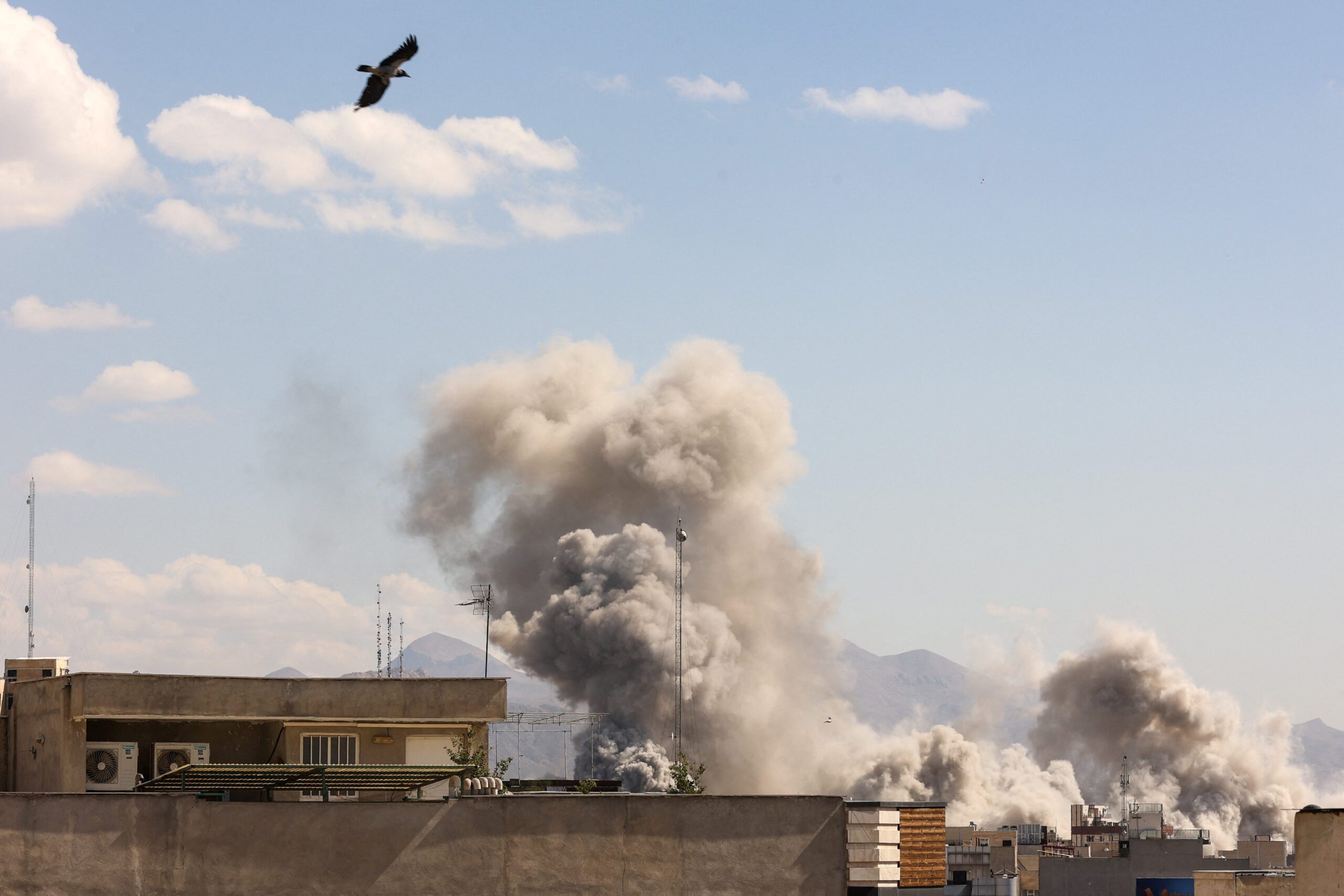
On March 2, AGSI hosted a discussion on the U.S.-Israeli strikes on Iran.
Speakers




Jan 8, 2026
Outlook 2026: Prospects and Priorities for U.S.-Gulf Relations in the Year Ahead
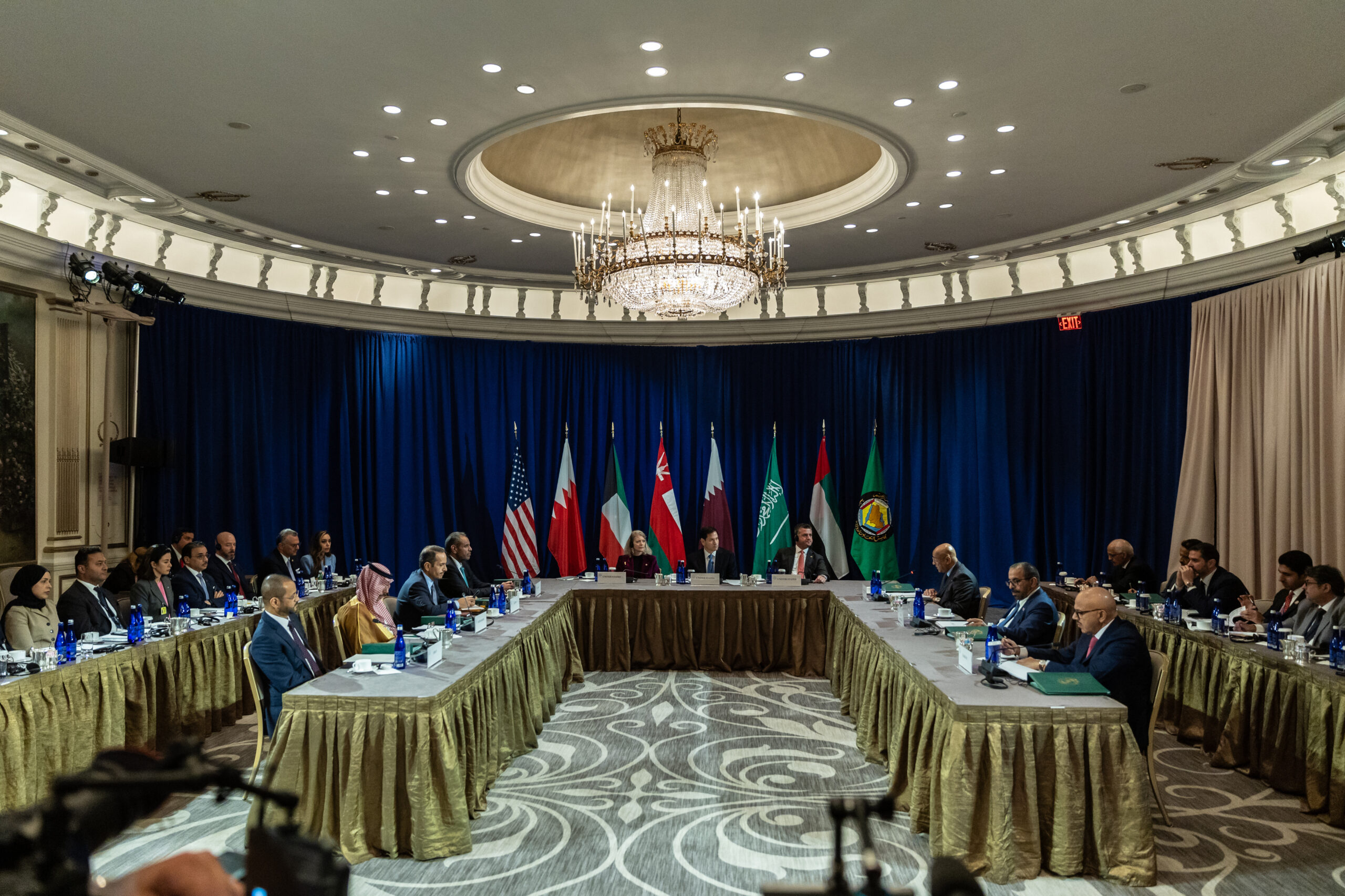
On January 8, AGSI hosted a virtual roundtable with its leadership and scholars as they look ahead and assess trends likely to shape the Gulf region and U.S. foreign policy during the coming year.
Speakers




Sep 16, 2025
Book Talk: Iran’s Grand Strategy: A Political History
On September 16, AGSI hosted a discussion on the roots of Iran's strategic outlook.
Speakers

Jun 23, 2025
U.S. Strike on Iran: Regional and Diplomatic Fallout
On June 23, AGSI hosted a discussion on the United States' attack on Iranian nuclear sites.
Speakers
