Dec 16, 2022
The Regime is Unpopular and the IRGC Knows It
The December 16 edition of the Iran Media Review considers the implications of the release of a classified bulletin concerning the Iranian regime’s declining popularity.

No man delights in the bearer of bad news, yet the Islamic Revolutionary Guard Corps leadership appears perfectly capable of processing unpleasant intelligence concerning the regime’s declining popularity. So much is clear after BBC Persian released a classified Fars News Agency bulletin prepared for IRGC Chief Commander Major General Hossein Salami. The bulletin stands in stark contrast to the sanitized intelligence reports Shah Mohammad Reza Pahlavi received from his subordinates in the 1970s. Fearing the wrath of the absolute monarch, Iran’s intelligence services reported what it thought he wanted to hear, rather than what he needed to know, which in turn explains the regime’s unpreparedness to counter the 1979 revolution. Supreme Leader Ayatollah Ali Khamenei too appears unwilling to hear the truth, which, at least in part, may explain why the author of the bulletin was arrested.
It remains to be seen if the Islamic Republic will fare better than the Pahlavi monarchy, but to judge by the bulletin, the IRGC appears to be in a position to make better informed decisions than the shah and the ayatollah.
- November 30: A Fars News Agency classified bulletin, released by BBC Persian, had two main sections: Reports concerning Khamenei’s statements in closed settings and domestic political news. In the latter, referring to opinion polls conducted by the Interior Ministry, the bulletin reported “56.3 percent of the people believe protests will continue with no end in sight. Thirty-four percent expect the protests to end within the next couple of weeks.” Turning to the separatist threat and the risk or dissolution of Iran, the poll showed “48 percent have absolutely no such concern or little concerned, while 43 percent are greatly concerned about it.” More controversial, the poll demonstrated “84 percent of the people perceive street protests as a way of solving the problems,” and “70 percent of the people have no inclination to go to the streets in support of the regime and the revolution.” Just as controversial, “51 percent of the people believe the hijab must be voluntary, while 36.8% insist on mandatory hijab.”
- December 5: According to Entekhab News Agency, the author of the bulletin was arrested by Iranian authorities on charges of spreading false news.
- December 6: BBC Persian identified Abbas Darvish Tavangar, who previously served as chief editor at the Fars and Tasnim news agencies of the IRGC, as the author of the bulletin.
- December 7: Hojjat al-Islam Hossein Taeb, advisor to the IRGC chief commander, and former IRGC Intelligence Organization chief, quoted by Entekhab News Agency delivering a speech in Zanjan, claimed “this brother had been warned on several occasions before, and the warnings even involved the law. One thing is reporting the news, another thing is writing free essays. He wrote news-based essays. It was not that he was reflecting the news, no, he heard something, and wrote essays based on hearsay. This is what he did. And he was warned, and as far as I know, but I may be wrong, his last position was not deputy editor at Fars News, as he had been removed. He was not tasked with producing bulletins but compiled things based on the general news and sold it to different organizations.”
The views represented herein are the author's or speaker's own and do not necessarily reflect the views of AGSI, its staff, or its board of directors.
Related
Iran Media Review
Dec 13, 2022
As China Sides With GCC States in Island Dispute, Shargh News Blames the Regime
The December 13 Iran Media Review explores reactions to a joint Chinese-GCC statement regarding the dispute over Abu Musa and the Greater and Lesser Tunbs.
Iran Media Review
Dec 9, 2022
Rival Narratives of IRGC Mouthpiece and Former Officer
The December 9 edition of the Iran Media Review reflects on comments from a former IRGC officer that counter the IRGC narrative regarding protesters in Iran.
Dec 13, 2022
As China Sides With GCC States in Island Dispute, Shargh News Blames the Regime
The December 13 Iran Media Review explores reactions to a joint Chinese-GCC statement regarding the dispute over Abu Musa and the Greater and Lesser Tunbs.
Dec 9, 2022
Rival Narratives of IRGC Mouthpiece and Former Officer
The December 9 edition of the Iran Media Review reflects on comments from a former IRGC officer that counter the IRGC narrative regarding protesters in Iran.
Analysis
The Islamic Republic Returns to Offense
After U.S.-Israeli strikes killed Supreme Leader Ayatollah Ali Khamenei on February 28, Iran’s collective leadership has concluded that the best defense is a good offense.
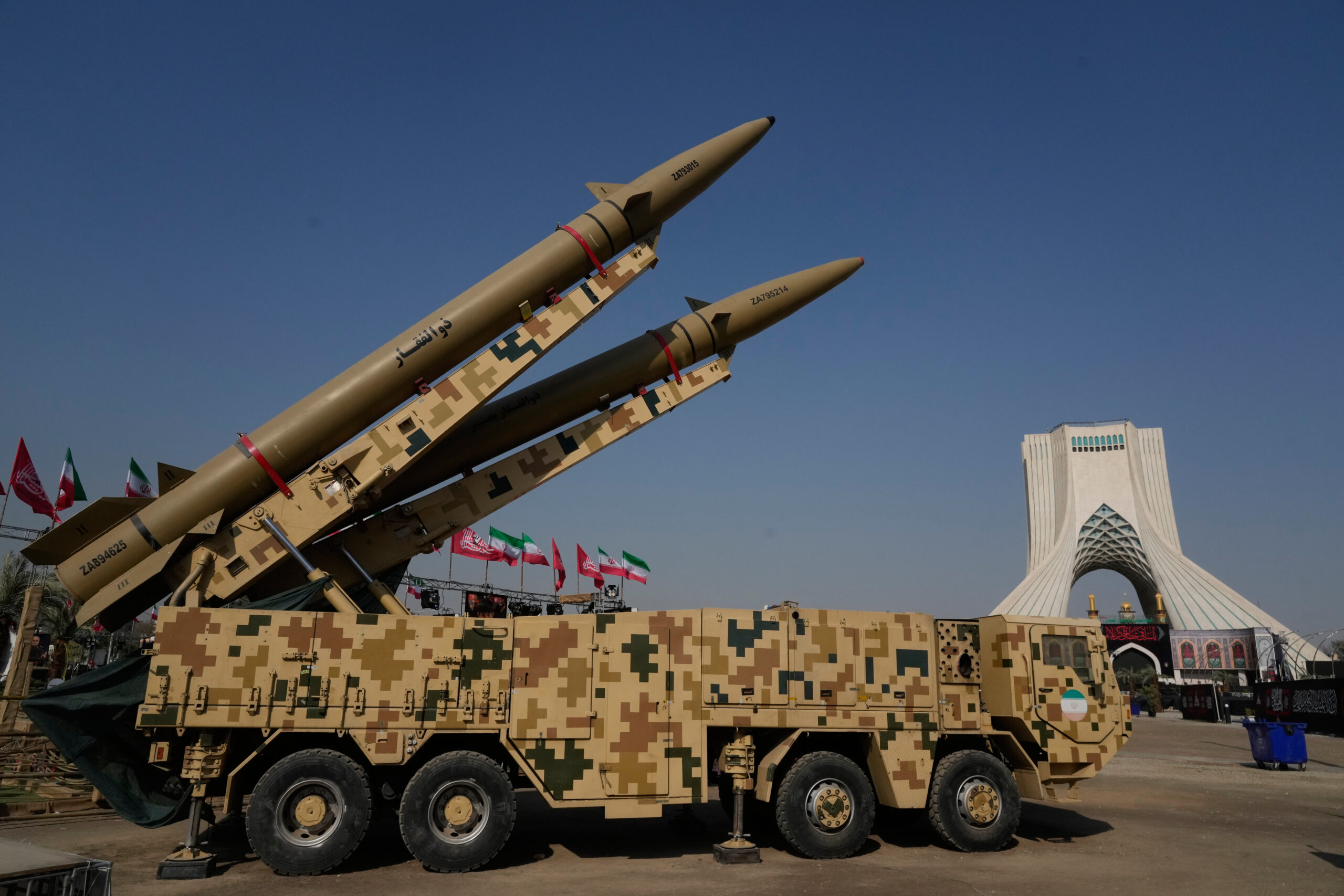
Iran’s Collective Strategic Decision Making
Wartime pressure has temporarily aligned the leadership’s overriding interest in regime survival, even as its members continue to differ over the costs, methods, and ultimate objectives of the war.
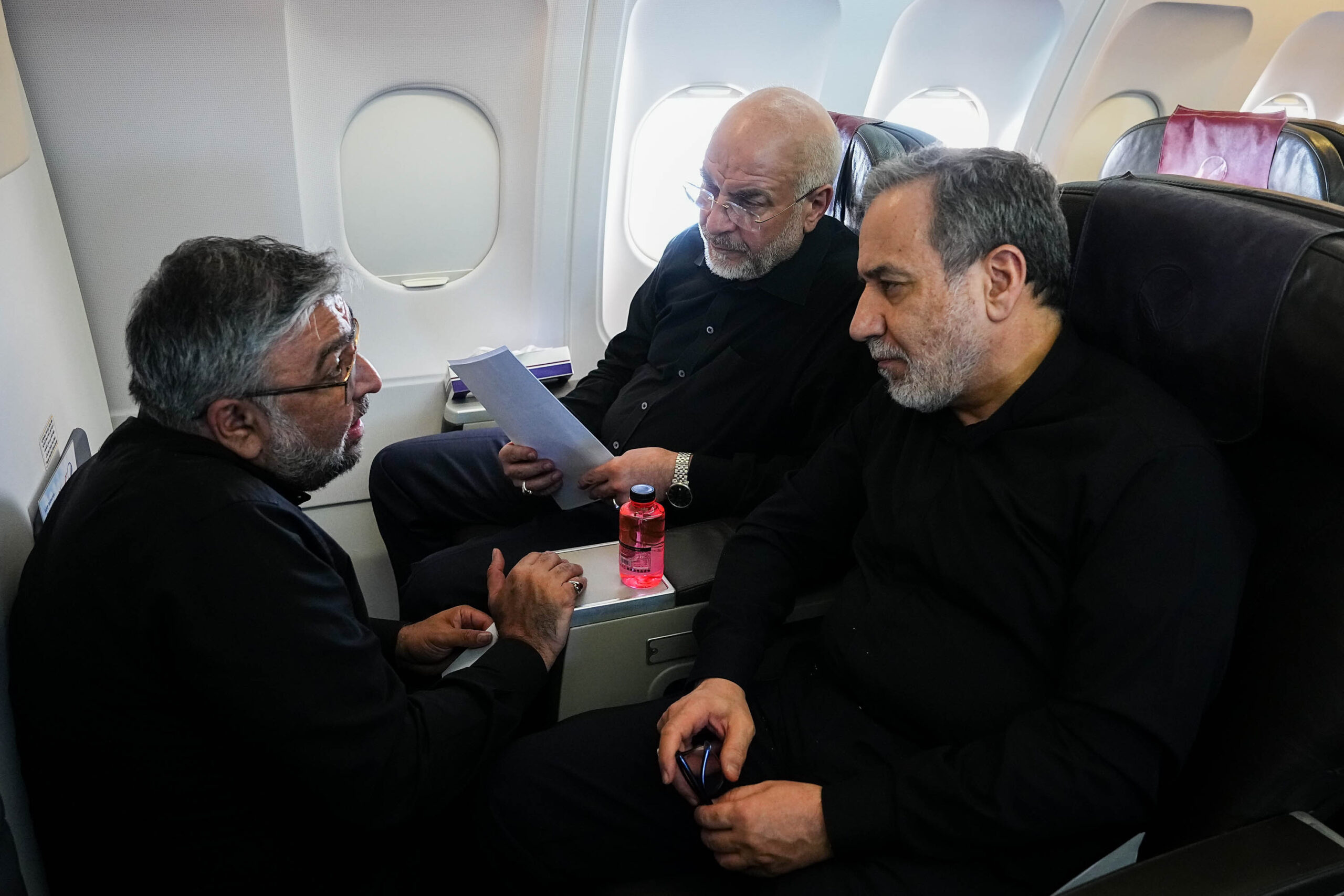
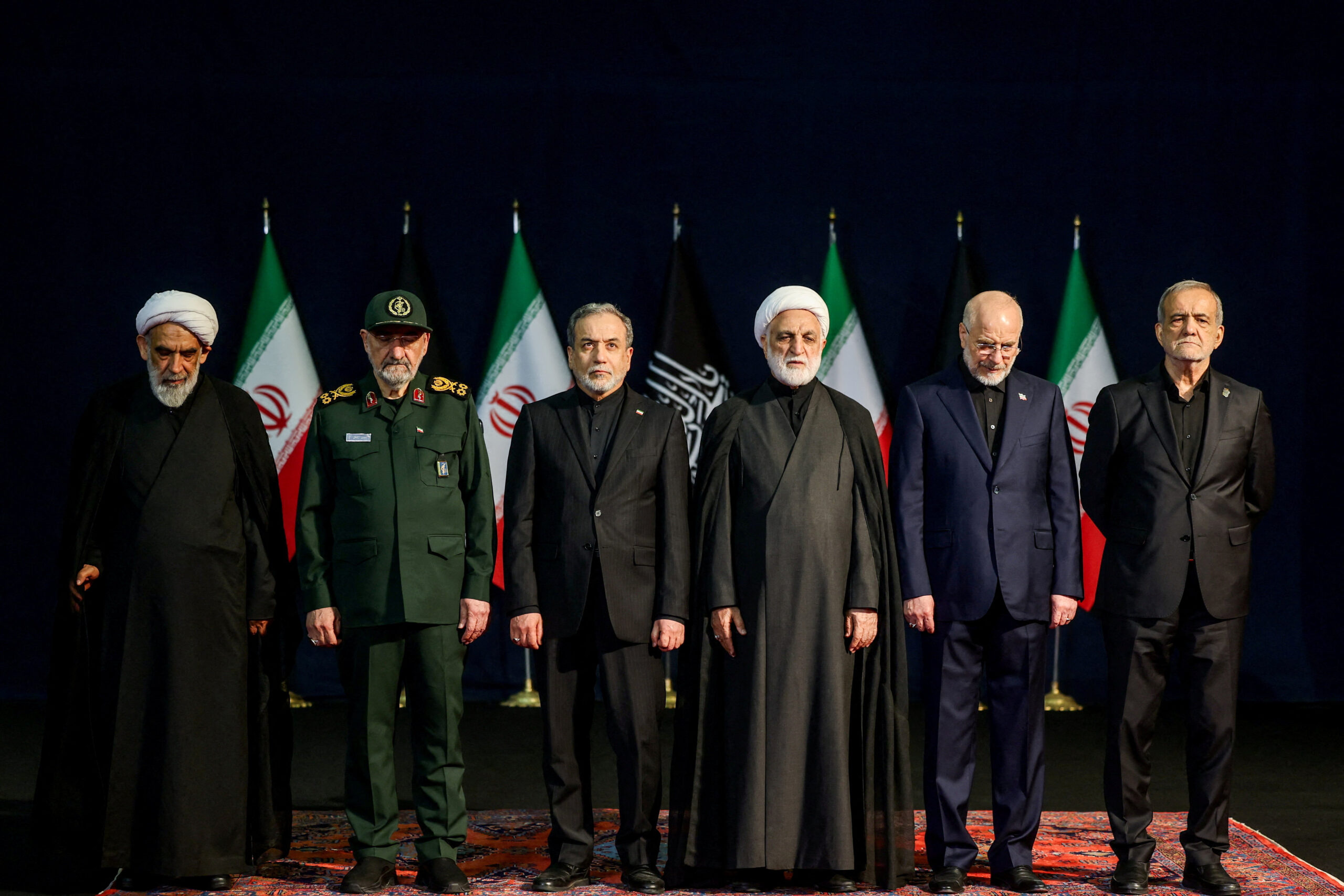
The Islamic Republic’s Collective Leadership
While there is historical precedent for collective leadership in Iran, today’s leadership includes representatives of the IRGC and regular military – a reflection of the IRGC’s expanding role and the necessities of governing under wartime conditions.
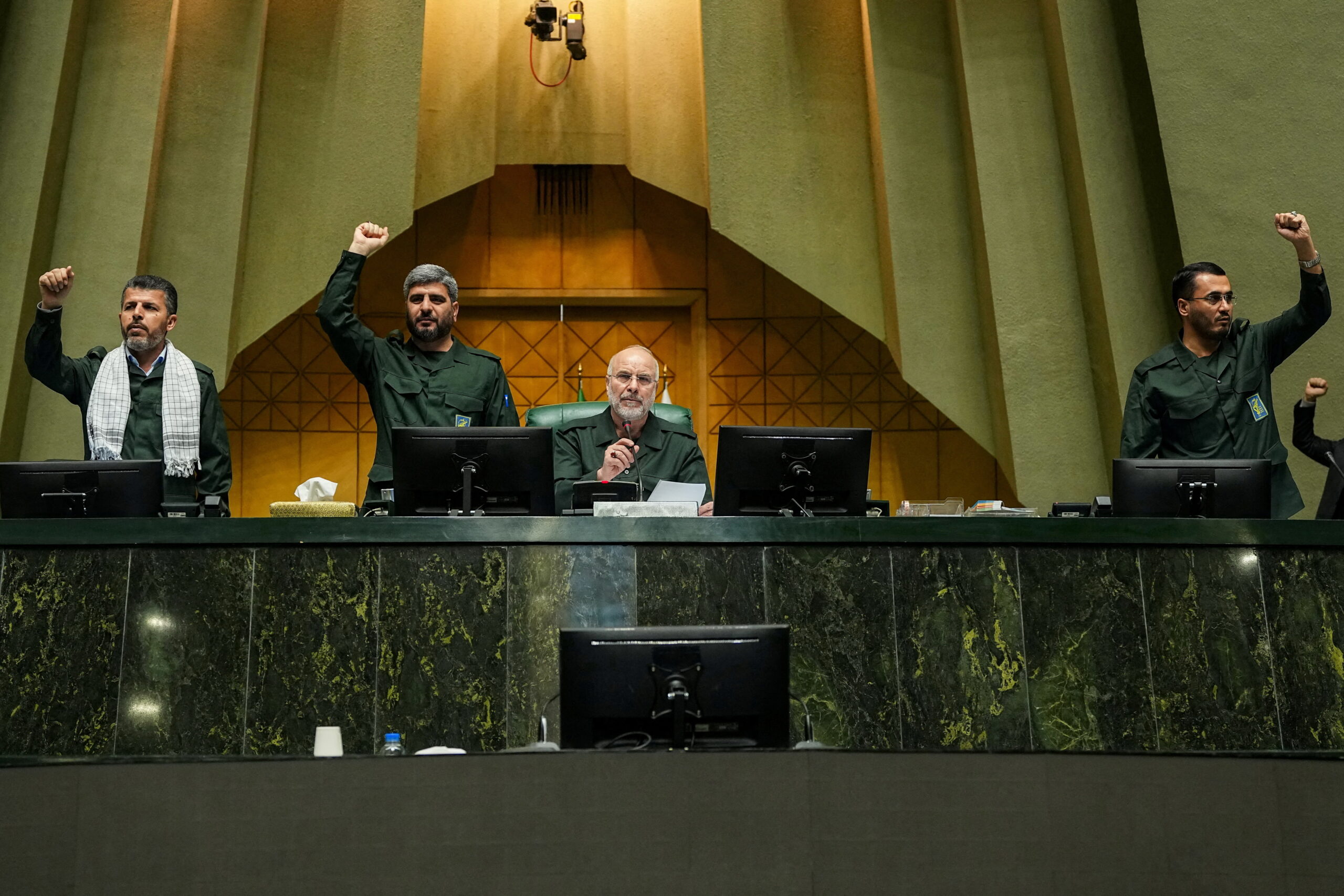
How Did the IRGC Seize Power in Iran?
The IRGC did not seize power in a single stroke. It accumulated it – patiently, methodically – until no counterweight remained.
Events
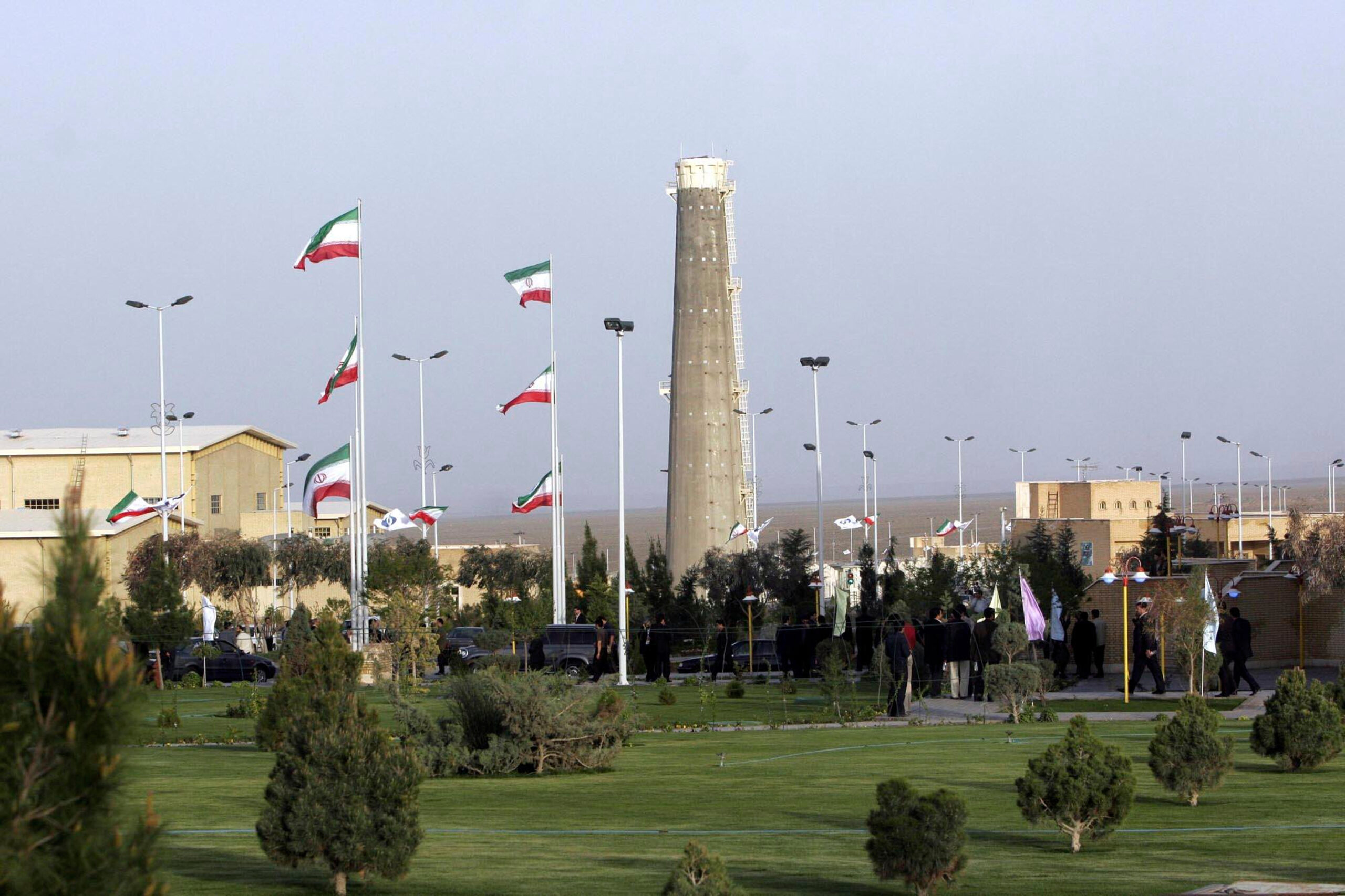
Book Talk: Iran and the Bomb: The United States, Iran and the Nuclear Question
On June 16, AGSI hosted a discussion on the evolution of Iran's nuclear program.
Speakers

Apr 21, 2026
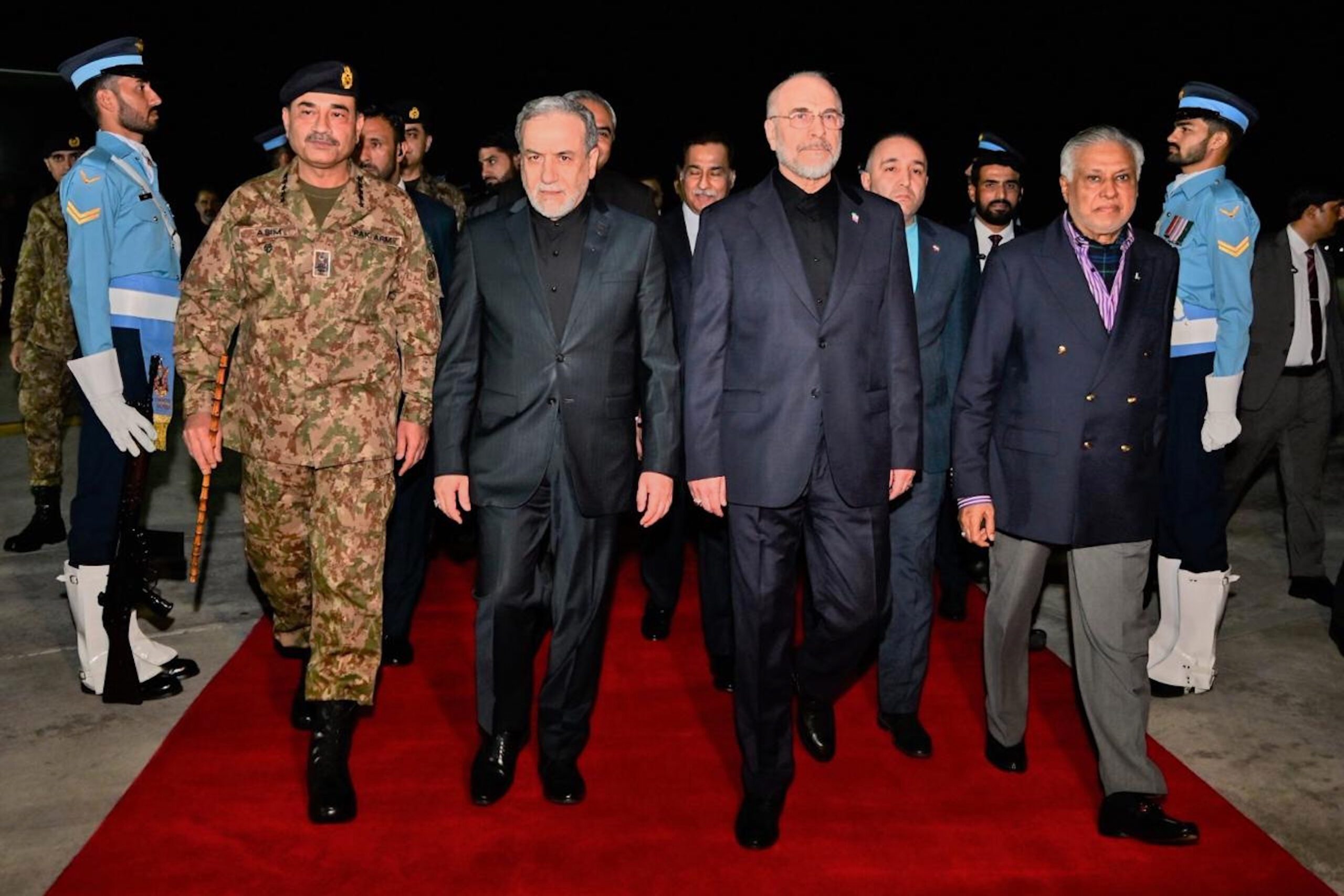
Inside Iran’s Wartime Leadership: Power, Succession, and Regime Stability
On April 21, AGSI hosted a discussion on the evolution of Iran's leadership during the war.
Speakers

Mar 18, 2026
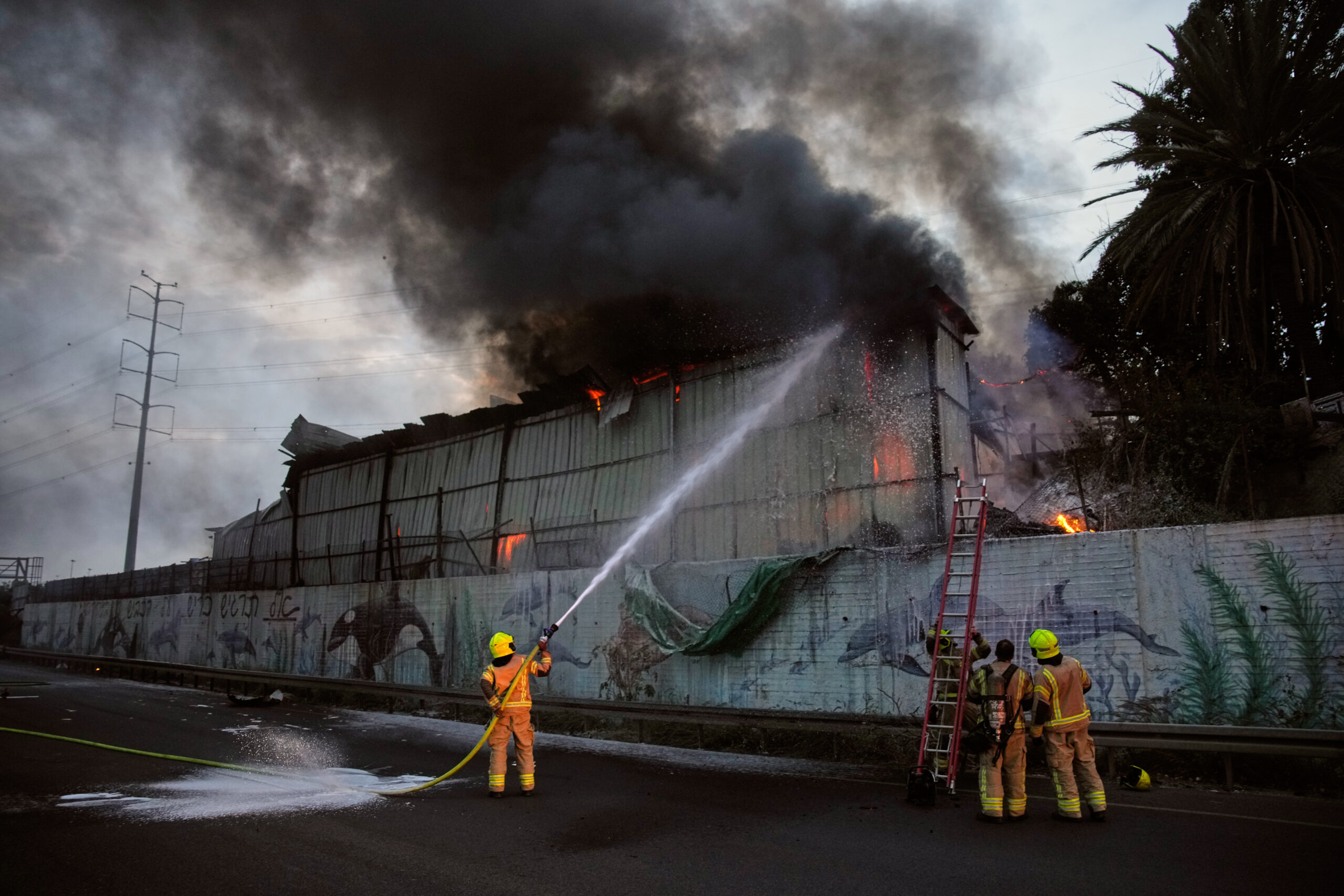
In Its Conflict With the United States and Israel, Does Escalation Favor Iran?
On March 18, AGSI hosted a discussion on the escalation of the Iran war.
Speakers



Mar 2, 2026
After the Shock: Implications of the U.S.–Israeli Strikes and Iran’s Leadership Transition
On March 2, AGSI hosted a discussion on the U.S.-Israeli strikes on Iran.
Speakers