The Centralization of Economic Policymaking in the Kingdom
Robert Mogielnicki discusses the centralization of economic policymaking and the consolidation of power amid the fast pace of new initiatives in the kingdom since the launch of Vision 2030.
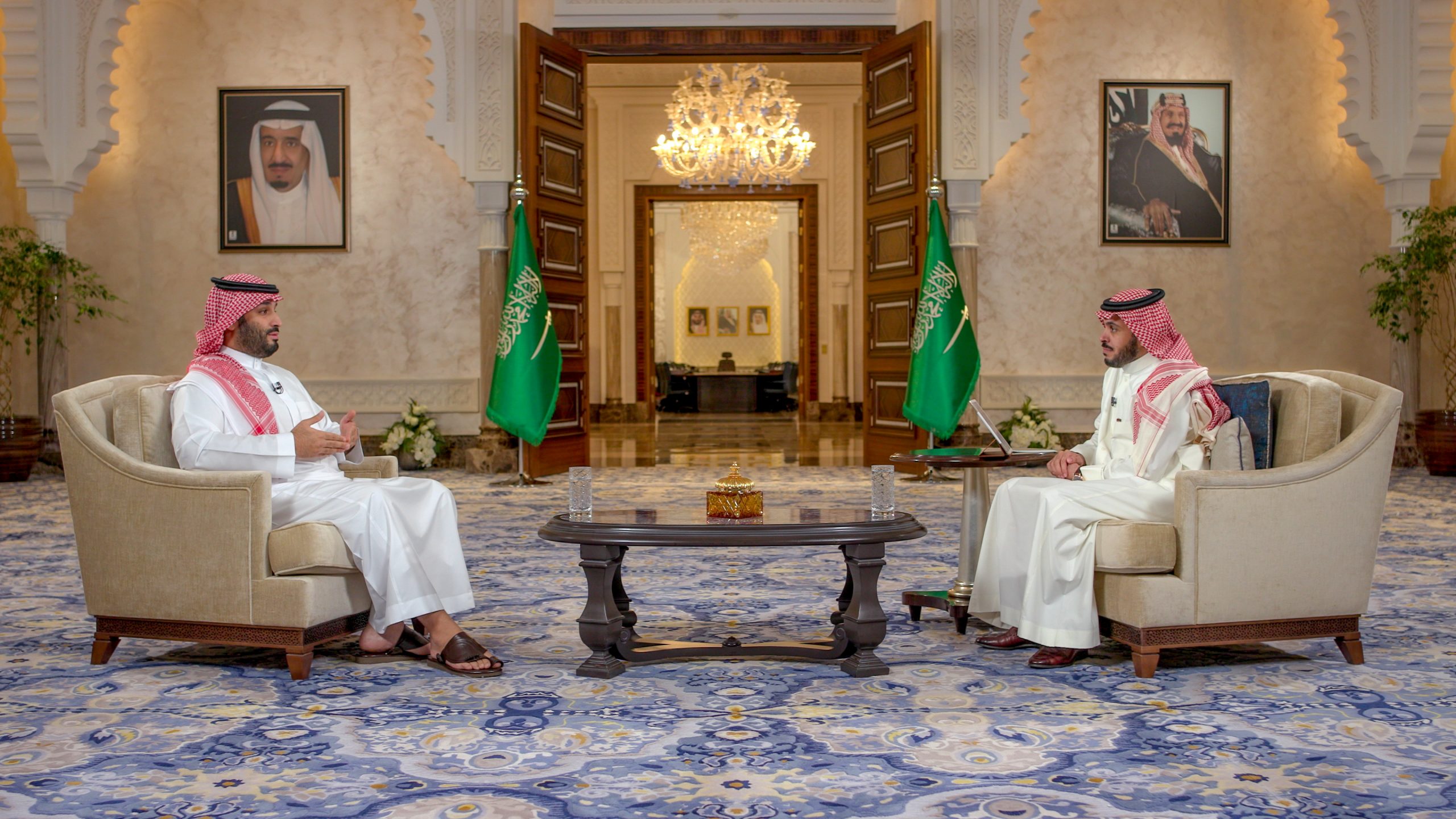
Saudi Crown Prince Mohammed Bin Salman speaks during a televised interview in Riyadh, Saudi Arabia, April 27, 2021. Picture taken April 27, 2021. Bandar Algaloud/Courtesy of Saudi Royal Court/Handout via REUTERS ATTENTION EDITORS - THIS PICTURE WAS PROVIDED BY A THIRD PARTY - RC2O4N93MOQN
On April 27, Saudi Crown Prince Mohammed bin Salman sat down for a televised interview five years after the announcement of Vision 2030. Robert Mogielnicki discusses the centralization of economic policymaking and the consolidation of power amid the fast pace of new projects and initiatives.
The views represented herein are the author's or speaker's own and do not necessarily reflect the views of AGSI, its staff, or its board of directors.
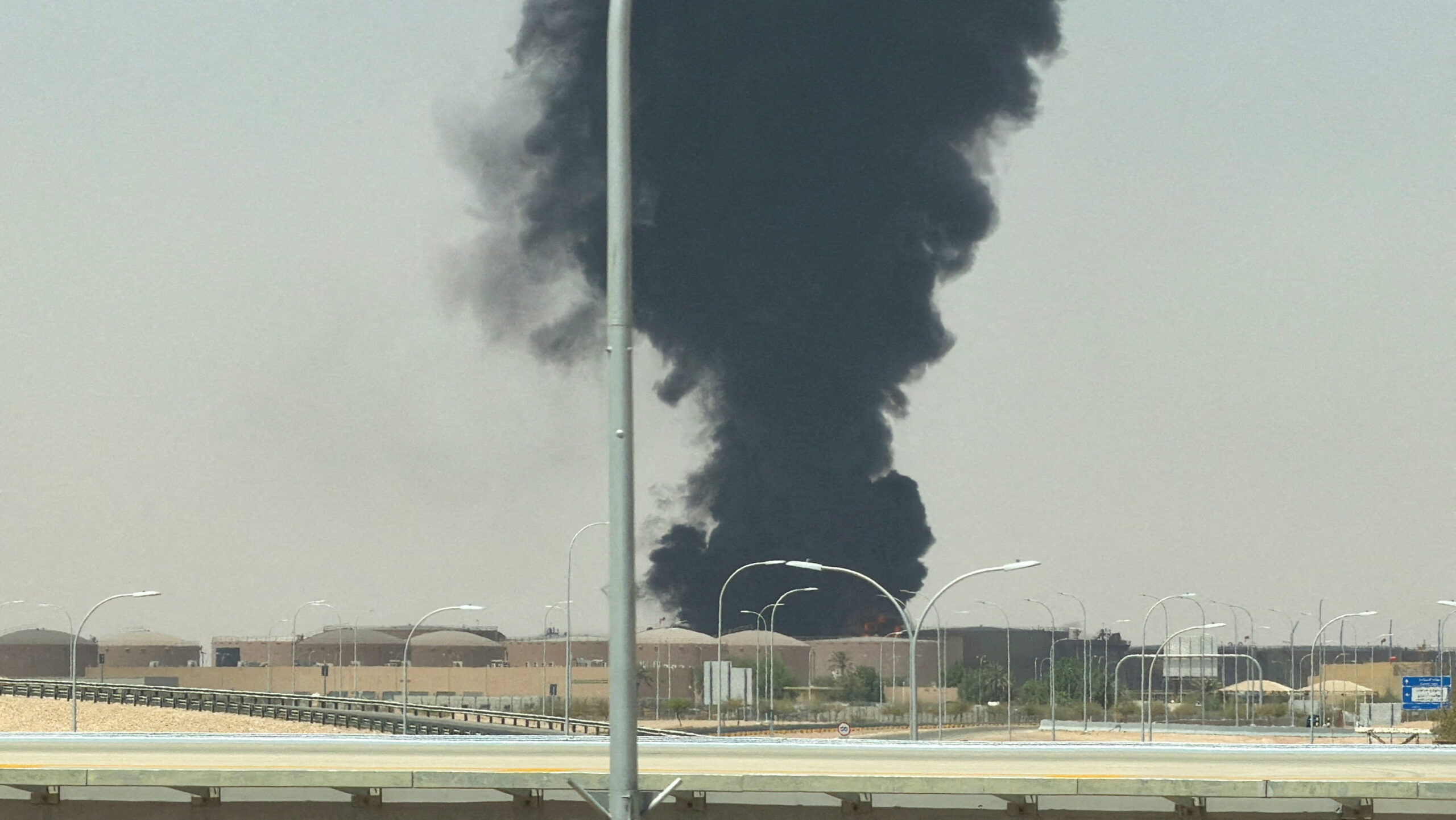
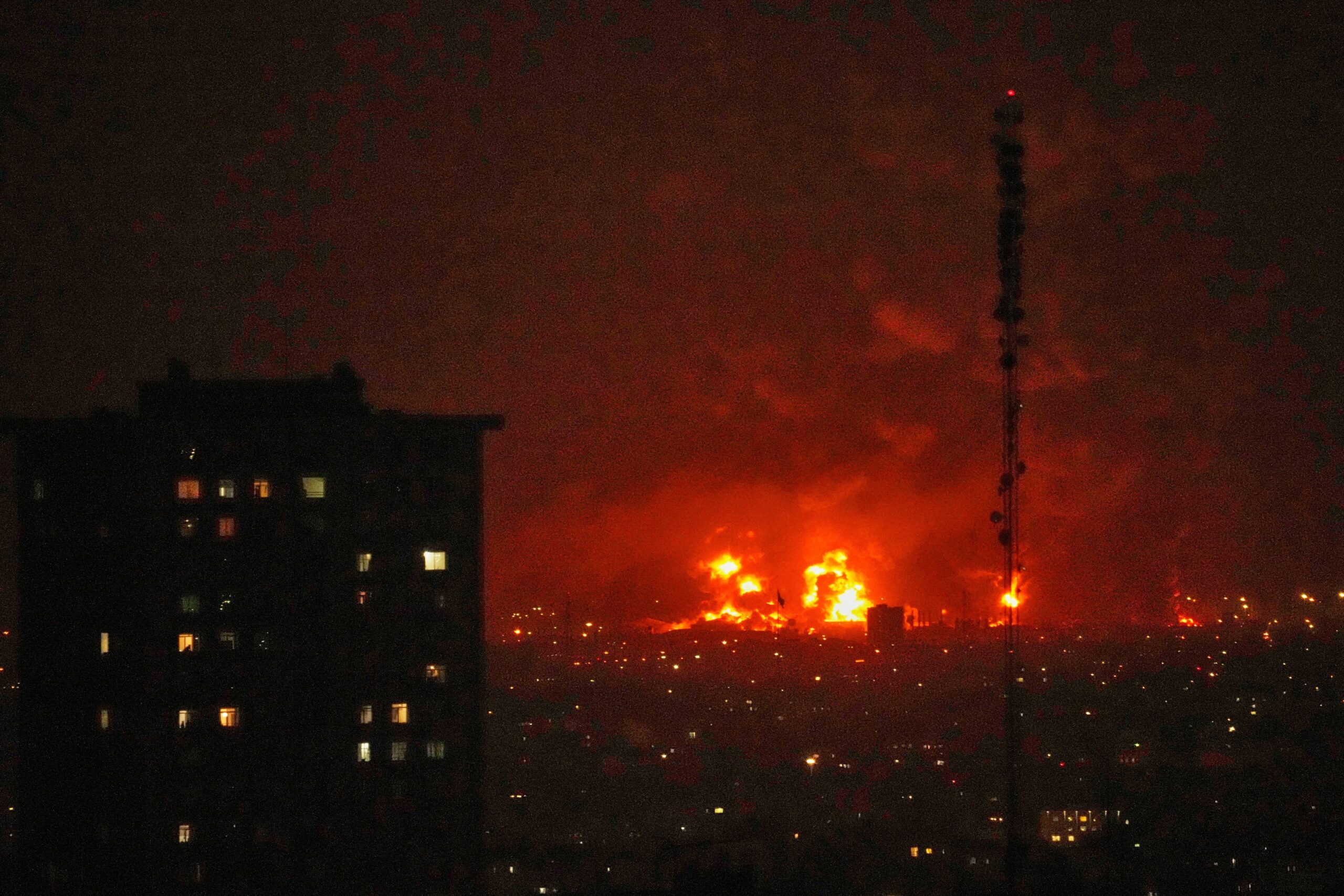
Attacks on the East-West oil pipeline and other targets in Saudi Arabia will result in a larger-than-expected economic contraction in the kingdom this year.
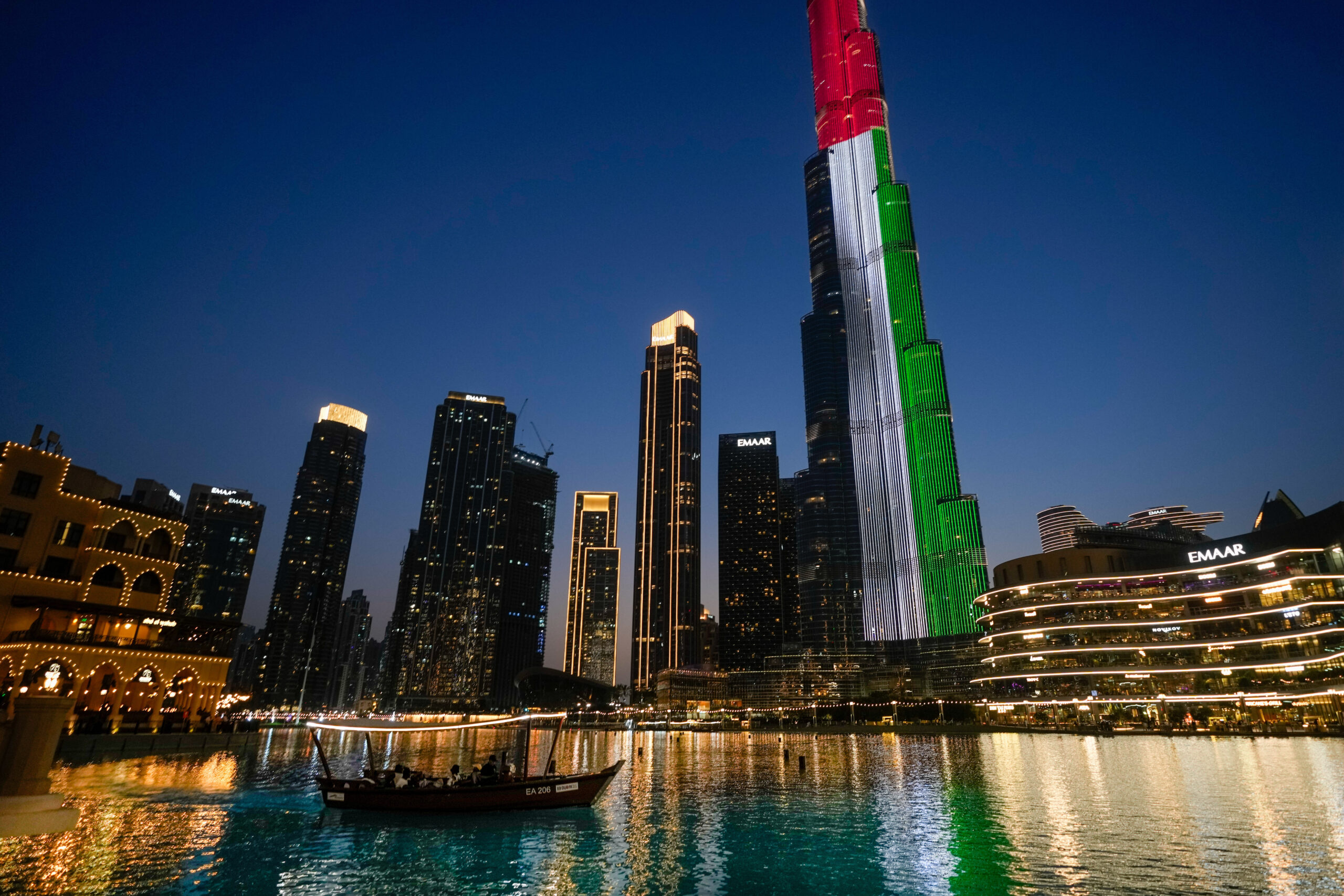
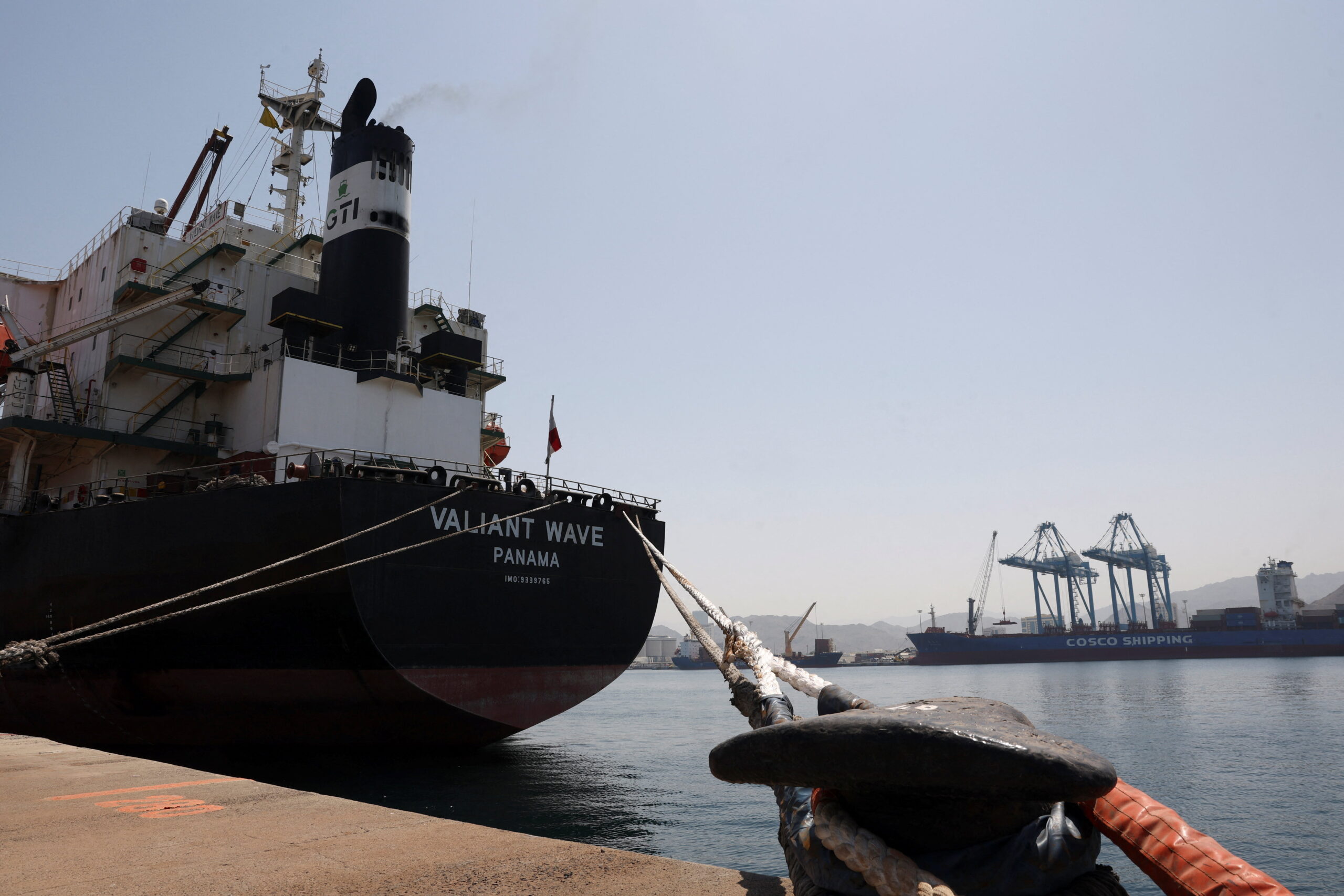
The UAE’s decision to halt trade and commercial ties with Iran reflects an exercise in applying carefully calibrated geoeconomic pressure amid an uncertain and evolving geopolitical context.
How the Gulf states choose to invest now could determine not just how they survive this crisis but how they sustain their role as both allocators and magnets of capital and superpowers in the global energy system.
The UAE’s decision to halt trade and commercial ties with Iran reflects an exercise in applying carefully calibrated geoeconomic pressure amid an uncertain and evolving geopolitical context.
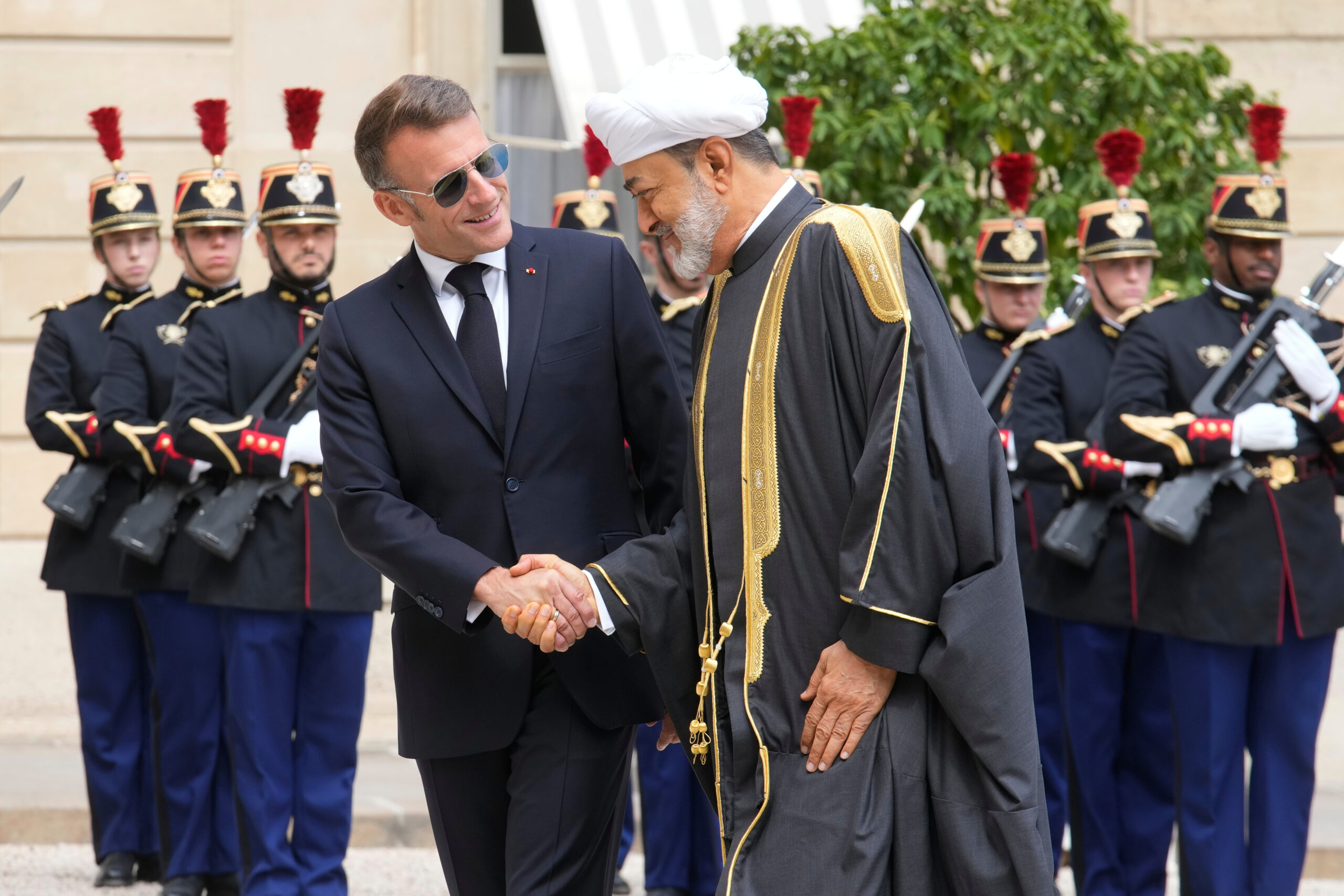
France is positioning to be a more influential actor across the Middle East, but the European powerhouse is most likely to see immediate traction on the economic tracks that run to and from the Gulf.