Jun 27, 2023
Target: Iran’s Shia Clergy
The June 27 edition of the Iran Media Review highlights the recent surge in attacks against Iran’s Shia clergy.

Iranian historian Ahmad Kasravi famously said that, unlike Europe, which experienced clerical rule in the Middle Ages, “Iran owes a clerical regime to history,” meaning the country had to go through the perils of clerical rule to be inoculated against it. Forty years after the 1979 revolution and establishment of the Islamic Republic, Iran appears to have paid its debt to history. However, living conditions in Iran are far from ideal, and the Iranian public is now holding the Shia clergy responsible for the regime’s shortcomings. Anti-clericalism manifests in jokes and sarcasm, people throwing clerics’ turbans on the ground – a trend since the killing of Mahsa Amini in the custody of the morality police in September 2022 – and, more recently, attempts on the lives of clerics.
- January 26: Hawzah News, a mouthpiece of the Theological Seminary in Qom, reported an attack against Hojjat al-Islam Ali Rana Rahbarkhah, a professor at the South Tehran branch of the Islamic Azad University. Quoting the brother of the victim, the news agency reported: “Dressed in clerical garb, my brother was standing on the escalator to reach the bus station. Someone attacked him with a knife from behind and dealt him several blows to his waist, head, and eyes. The blows were deep, and he is severely injured.”
- April 29: Colonel Amir Mokhtari, Qom’s police chief, said, as quoted by centrist Khabar Online: “In the wake of a traffic accident involving an automobile and two pedestrians on Shohada Avenue in Qom, the driver came out of the car and used a knife to stab one of the pedestrians, who was wearing a turban.” The driver of the car is in police custody, but his motives are not known, and the victims are hospitalized.
- May 7: Khabar Online reported a 21-year-old man carried out a knife attack against the Friday prayer leader of the village of Ahmad Abad in Markazi province. The province’s police chief called the assailant “mentally disturbed,” and he said the hospitalized cleric’s condition is improving.
- June 9: Reformist Entekhab News identified Hojjat al-Eslam Abouzar Hosseini, the Friday prayer leader at a mosque in the Hashemiyeh neighborhood of Mashhad, as the victim of an attack. The victim was hospitalized, and the assailant was arrested by the police.
- June 13: According to reformist daily Etemad, 41-year-old cleric Jaber Rezaei was attacked on June 12 by a man armed with a knife when exiting the Roudaki metro station in Tehran. The cleric was immediately brought to Imam Khomeini Hospital and survived the attack. An “informed source” told Etemad that the police are investigating the attack in the context of “serial attacks against clerics” in recent months.
The views represented herein are the author's or speaker's own and do not necessarily reflect the views of AGSI, its staff, or its board of directors.
Related
Iran Media Review
Oct 23, 2026
Closing Borders: The Blockade Moves Inland
The October 23 edition of the Iran Media Review considers Iranian admissions that U.S. economic warfare is pressuring Iran.
Iran Media Review
Oct 20, 2026
Who Authorized Iranian Strikes Against U.S. Vessels?
The October 20 edition of the Iran Media Review examines IRGC messaging about July 7 strikes against U.S. Navy vessels and the debate surrounding the confirmation of a new Iranian defense minister.
Iran Media Review
Oct 16, 2026
Qalibaf’s New Equation: War, Negotiation, and Deterrence
The October 16 edition of the Iran Media Review highlights the call by Iran’s parliamentary speaker for a combination of war and negotiation to establish deterrence against further attacks on Iran.
Oct 23, 2026
Closing Borders: The Blockade Moves Inland
The October 23 edition of the Iran Media Review considers Iranian admissions that U.S. economic warfare is pressuring Iran.
Oct 20, 2026
Who Authorized Iranian Strikes Against U.S. Vessels?
The October 20 edition of the Iran Media Review examines IRGC messaging about July 7 strikes against U.S. Navy vessels and the debate surrounding the confirmation of a new Iranian defense minister.
Oct 16, 2026
Qalibaf’s New Equation: War, Negotiation, and Deterrence
The October 16 edition of the Iran Media Review highlights the call by Iran’s parliamentary speaker for a combination of war and negotiation to establish deterrence against further attacks on Iran.
Analysis
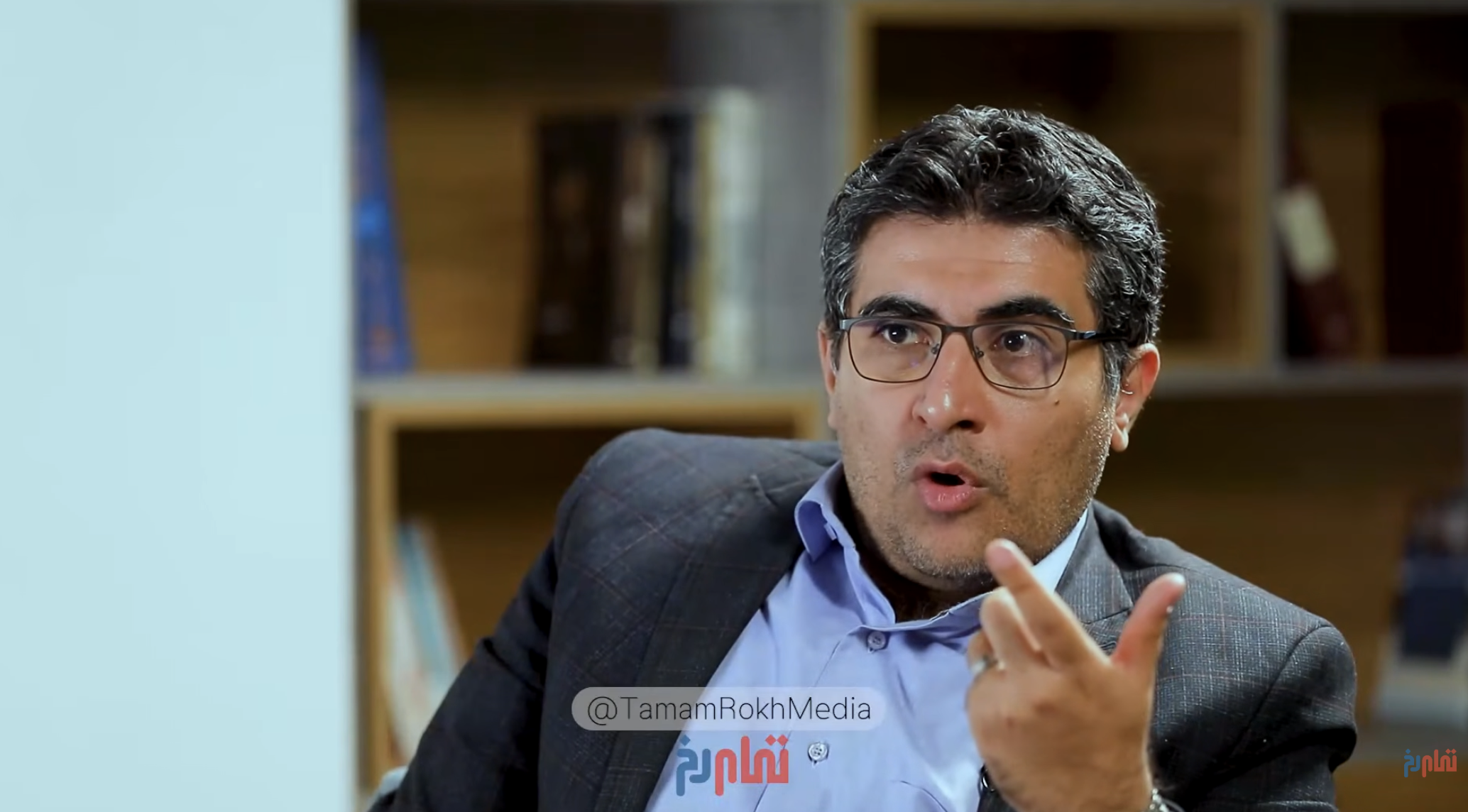
Debating Policy in Public: Iranian Elites Turn to YouTube
Rival camps within the Islamic Republic are increasingly turning to YouTube for policy debate, but there is a limit to the regime’s tolerance for that debate.
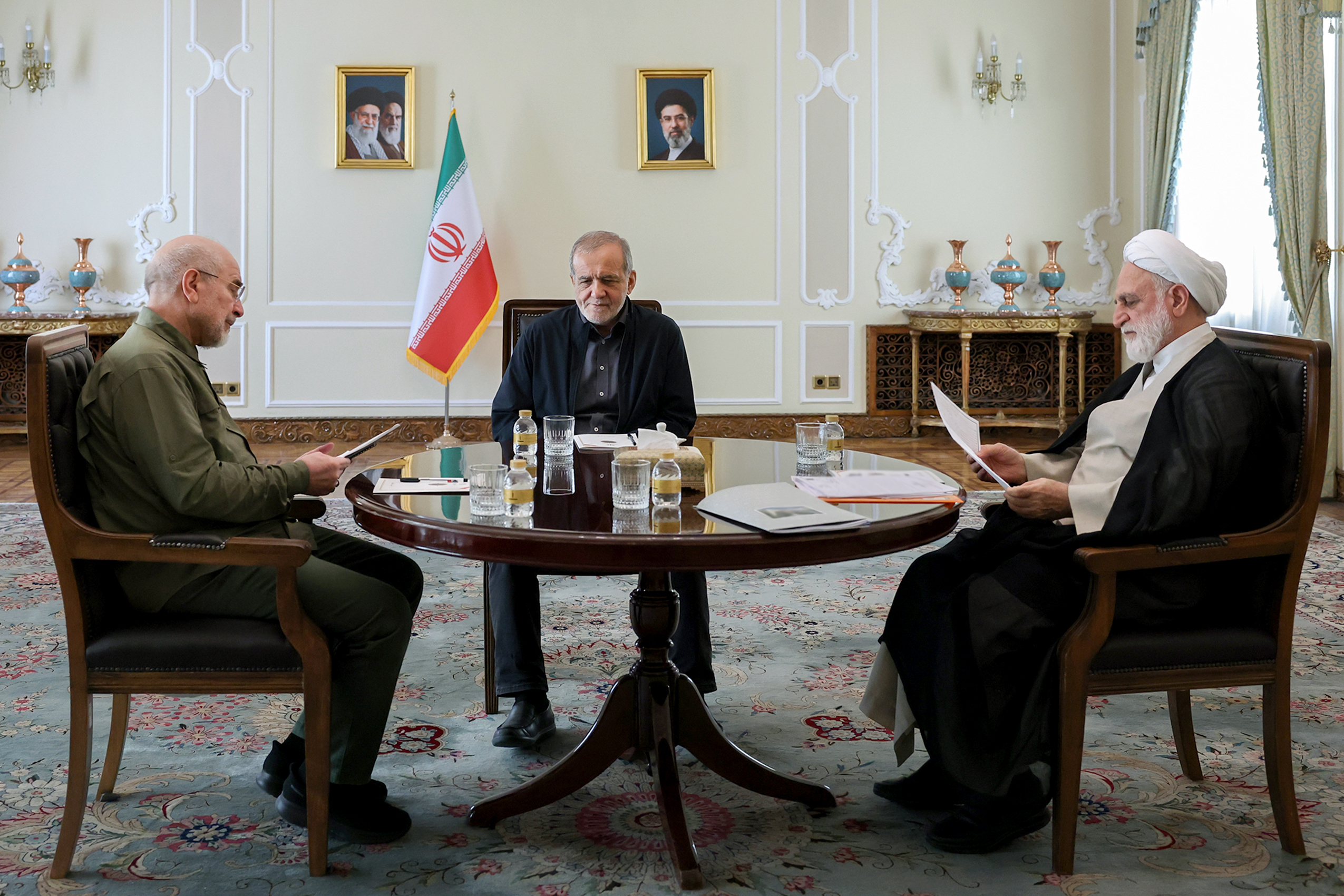
The Committee of Six and Strategic Decision Making in Iran
Remarks by Iran’s president offer a rare glimpse of how the Islamic Republic has adapted its decision making to the absence of its supreme leader.
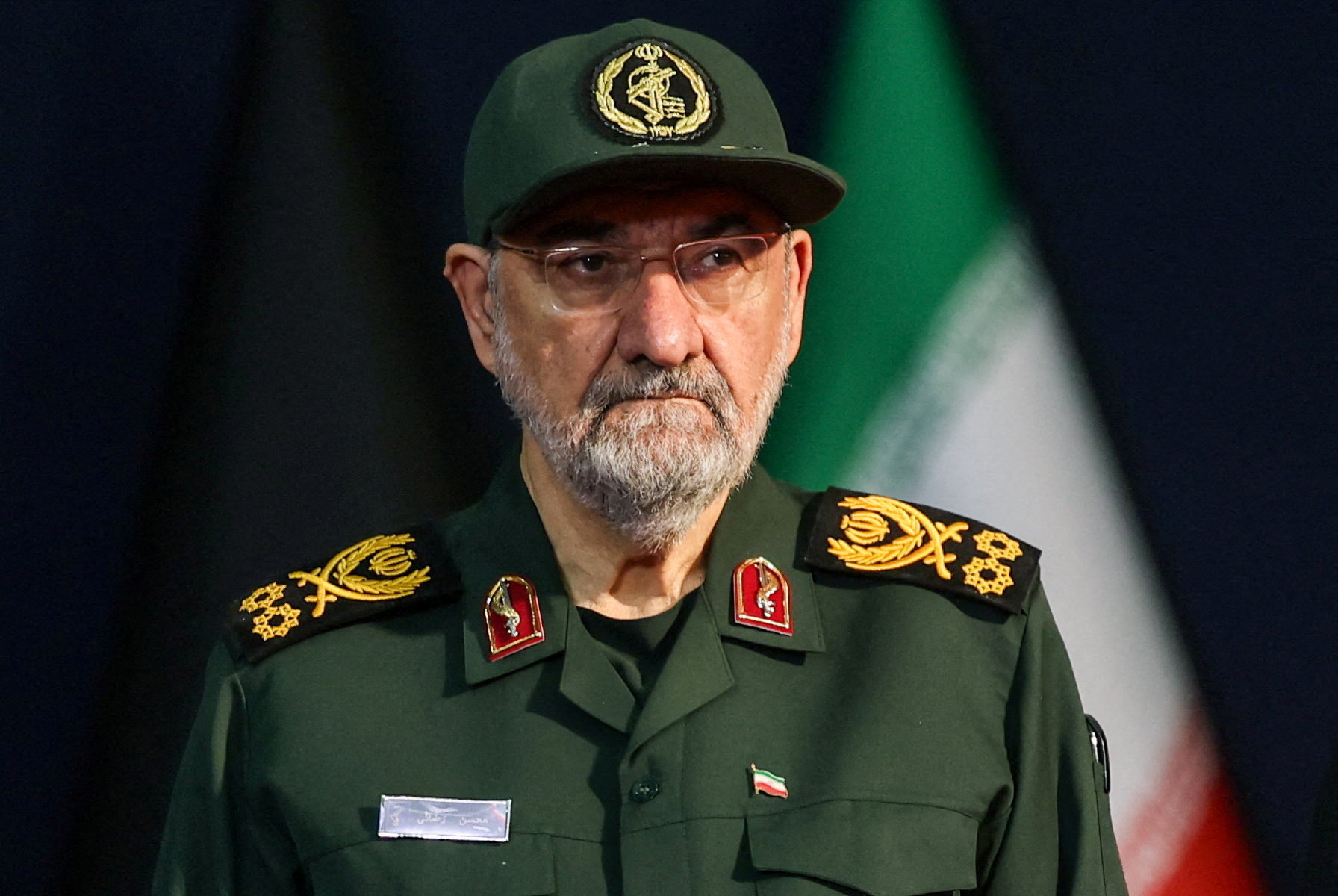
Mohsen Rezaei at the Helm of Iran’s Supreme National Security Council
Under Rezaei, the SNSC could prove constructive or paralyze strategic decision making.
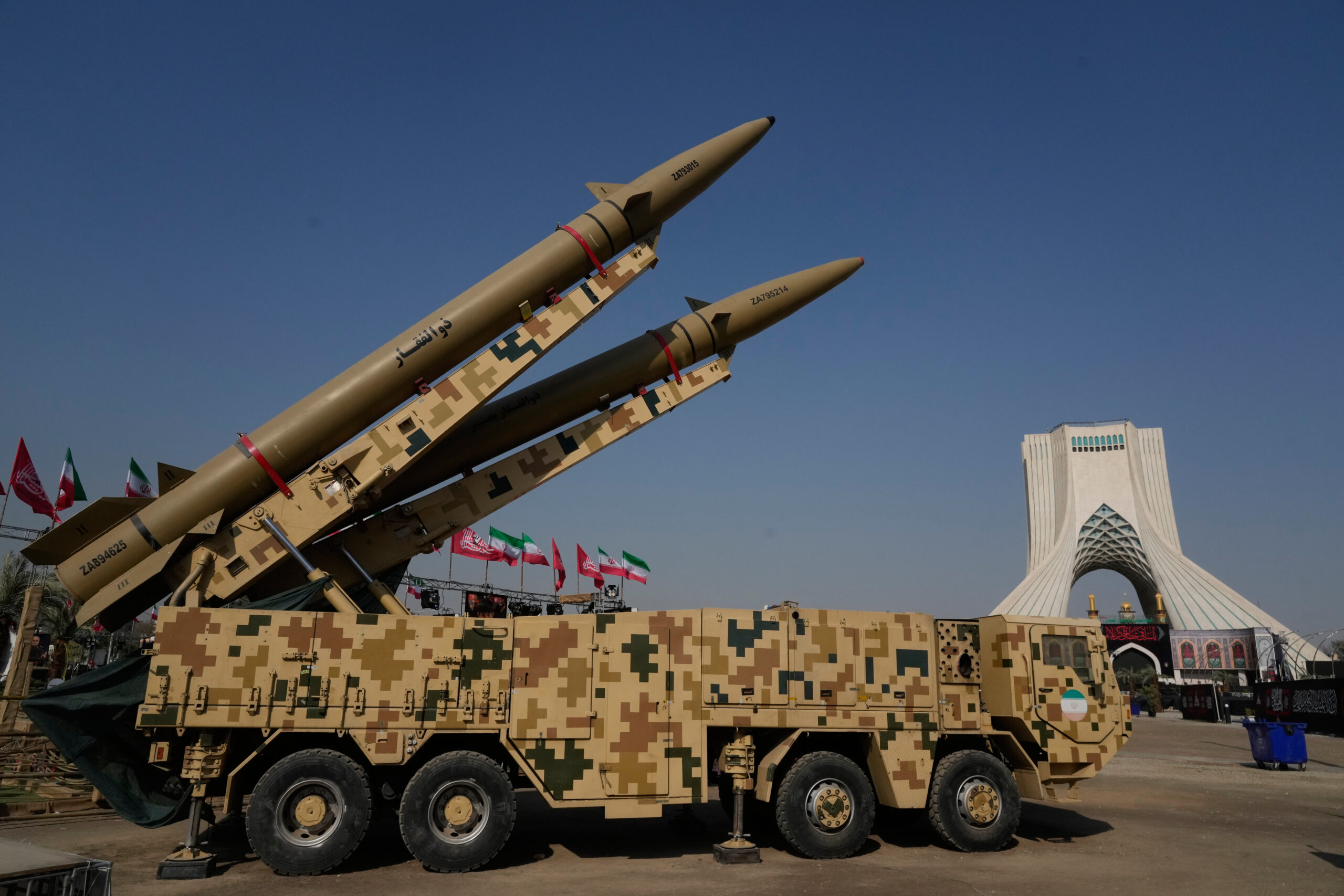
The Islamic Republic Returns to Offense
After U.S.-Israeli strikes killed Supreme Leader Ayatollah Ali Khamenei on February 28, Iran’s collective leadership has concluded that the best defense is a good offense.
Events
Oct 6, 2026
Is the U.S.-Iran Stalemate a “New Normal” or the Prelude to Another Explosion?
On October 6, AGSI hosted a discussion on the U.S.-Iran stalemate and the prospects for a cease-fire.
Speakers



Book Talk: Iran and the Bomb: The United States, Iran and the Nuclear Question
On June 16, AGSI hosted a discussion on the evolution of Iran's nuclear program.

Speakers

Apr 21, 2026
Inside Iran’s Wartime Leadership: Power, Succession, and Regime Stability
On April 21, AGSI hosted a discussion on the evolution of Iran's leadership during the war.
Speakers

Mar 18, 2026
In Its Conflict With the United States and Israel, Does Escalation Favor Iran?
On March 18, AGSI hosted a discussion on the escalation of the Iran war.
Speakers