Sep 3, 2024
Supreme National Security Council Interprets Khamenei’s Signals on Negotiations With the U.S.
The September 3 edition of the Iran Media Review explores comments from Iran’s supreme leader suggesting that he is open to negotiations with the United States over Iran’s nuclear program however warning not to pin hopes on or trust “the enemy.”
Supreme Leader Ayatollah Ali Khamenei lost face when the administration of President Donald J. Trump unilaterally renounced the Joint Comprehensive Plan of Action nuclear deal in 2018. It is therefore not surprising that he warns President Masoud Pezeshkian and his Cabinet against pinning their hopes on, or trusting, “the enemy.” Interpreting Khamenei’s abstract statements, the Supreme National Security Council points out that the Iranian leadership approves of reviving negotiations over Iran’s nuclear program with the United States as long as Iran’s regional behavior and defense capabilities are not on the table.
- August 27: Receiving Pezeshkian and his Cabinet ministers, Khamenei spoke about negotiations with the United States. Khamenei’s official website quoted him as saying:
- “Do not pin your hopes on the enemy. As he” referencing Pezeshkian, “pointed out and it appears the venerable foreign minister has also said this, we should not pin our hopes on the enemy. In order to achieve our goals, we should not wait for approval from those who are …” He trailed off and continued, “There is, however, no discrepancy. You can at some points reach deals with the same enemy. There is no obstacle to this. But don’t pin your hopes on and don’t trust the enemy.”
- August 31: Translating Khamenei’s abstract statements on nuclear negotiations into policy guidelines for the Cabinet, Nour News, unofficial mouthpiece of the Supreme National Security Council, reported in a video:
- “One among 13 recommendations of the leader of the revolution to the Cabinet has sparked speculation about reviving negotiations with the West,” the unnamed Nour News speaker said, followed by video from Khamenei’s August 27 address to the Cabinet: “Do not pin your hopes on the enemies … In order to achieve our goals, we should not wait for approval from our enemies. There is, however, no discrepancy between doing this and at some points reaching deals with the same enemy.” After the video segment, the Nour News speaker continued: “What sparked off speculation was the leader’s use of the expression ‘issue-based deals with the enemy.’ This is not the first time that the leader of the revolution speaks of negotiating with the enemy. Three years ago, during the first months of martyr Raisi, the leader said: ‘Talking with, negotiating with, or reaching a deal with the enemy at some point does not mean surrender. We have never surrendered to the enemy, and we shall not do so in the future.’ The day after these statements, Iranian and foreign experts engaged in indirect negotiations in Vienna.”
- The speaker continued: “The question now is this: Does ‘issue-based deals with the enemy’ mean a change in hitherto policies? Reviewing the statements of the leader of the revolution reminds us of the following: First, we should not tie government projects to negotiations with the foreigners. Past experiences, when Iran’s economy was tied to the fate of the negotiations, were harmful. We should develop our economy independent of the negotiations and by relying on our national resources. Second, we should avoid falling into the trap of attrition by negotiation. Negotiation for the sake of negotiation has no benefit for Iran. Negotiation must end in sanction relief. It must guarantee our economic benefits. Third, negotiating sanction relief should not involve irrelevant issues, such as regional policies, Iran’s defense capabilities, and the like. Past experiences demonstrate that the Westerners are trying to make the sanctions relief negotiations hostage to peripheral issues. With regard to negotiations for sanction relief, Iran’s position is clear, and as Foreign Minister Abbas Araghchi has said, negotiating with the West is not our priority. The ball has been in the court of the Westerners for months, and it remains to be seen in which direction it will move.”
The views represented herein are the author's or speaker's own and do not necessarily reflect the views of AGSI, its staff, or its board of directors.
Related
Iran Media Review
Aug 30, 2024
“Historical Revisionism”: IRGC Dismisses Saudi Film on Ancient Persia
The August 30 edition of the Iran Media Review considers commentary on a Saudi-funded film that provides an Arab interpretation of ancient Persia.
Iran Media Review
Aug 27, 2024
Araghchi on Future of Iran-U.S. Relations: “Managing Enmity”
The August 27 edition of the Iran Media Review analyzes Iranian Foreign Minister Abbas Araghchi’s best-case scenario for the future of Iran-U.S. relations.
Aug 30, 2024
“Historical Revisionism”: IRGC Dismisses Saudi Film on Ancient Persia
The August 30 edition of the Iran Media Review considers commentary on a Saudi-funded film that provides an Arab interpretation of ancient Persia.
Aug 27, 2024
Araghchi on Future of Iran-U.S. Relations: “Managing Enmity”
The August 27 edition of the Iran Media Review analyzes Iranian Foreign Minister Abbas Araghchi’s best-case scenario for the future of Iran-U.S. relations.
Analysis
Debating Policy in Public: Iranian Elites Turn to YouTube
Rival camps within the Islamic Republic are increasingly turning to YouTube for policy debate, but there is a limit to the regime’s tolerance for that debate.
The Committee of Six and Strategic Decision Making in Iran
Remarks by Iran’s president offer a rare glimpse of how the Islamic Republic has adapted its decision making to the absence of its supreme leader.
Mohsen Rezaei at the Helm of Iran’s Supreme National Security Council
Under Rezaei, the SNSC could prove constructive or paralyze strategic decision making.
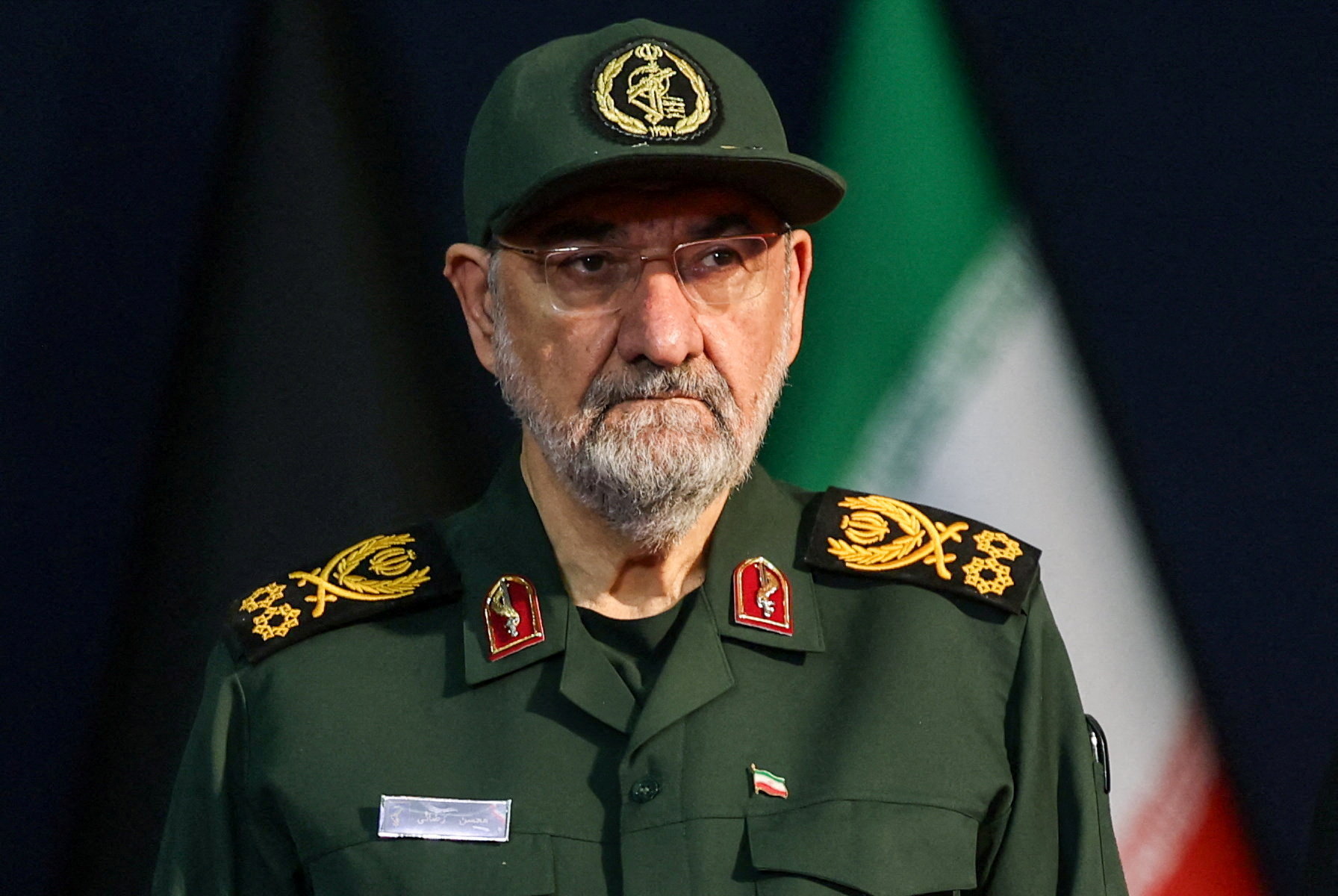
The Islamic Republic Returns to Offense
After U.S.-Israeli strikes killed Supreme Leader Ayatollah Ali Khamenei on February 28, Iran’s collective leadership has concluded that the best defense is a good offense.
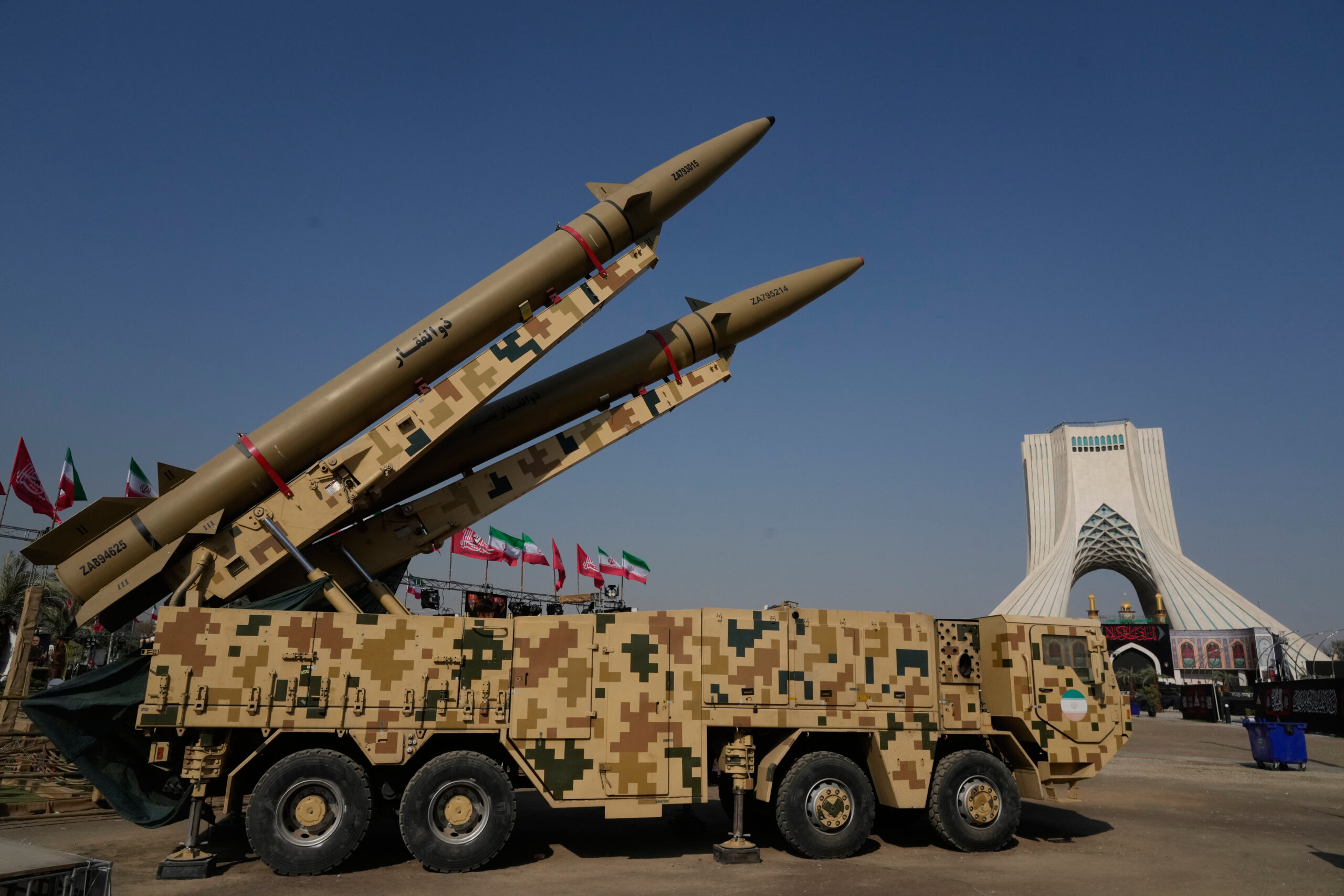
Events
Oct 6, 2026
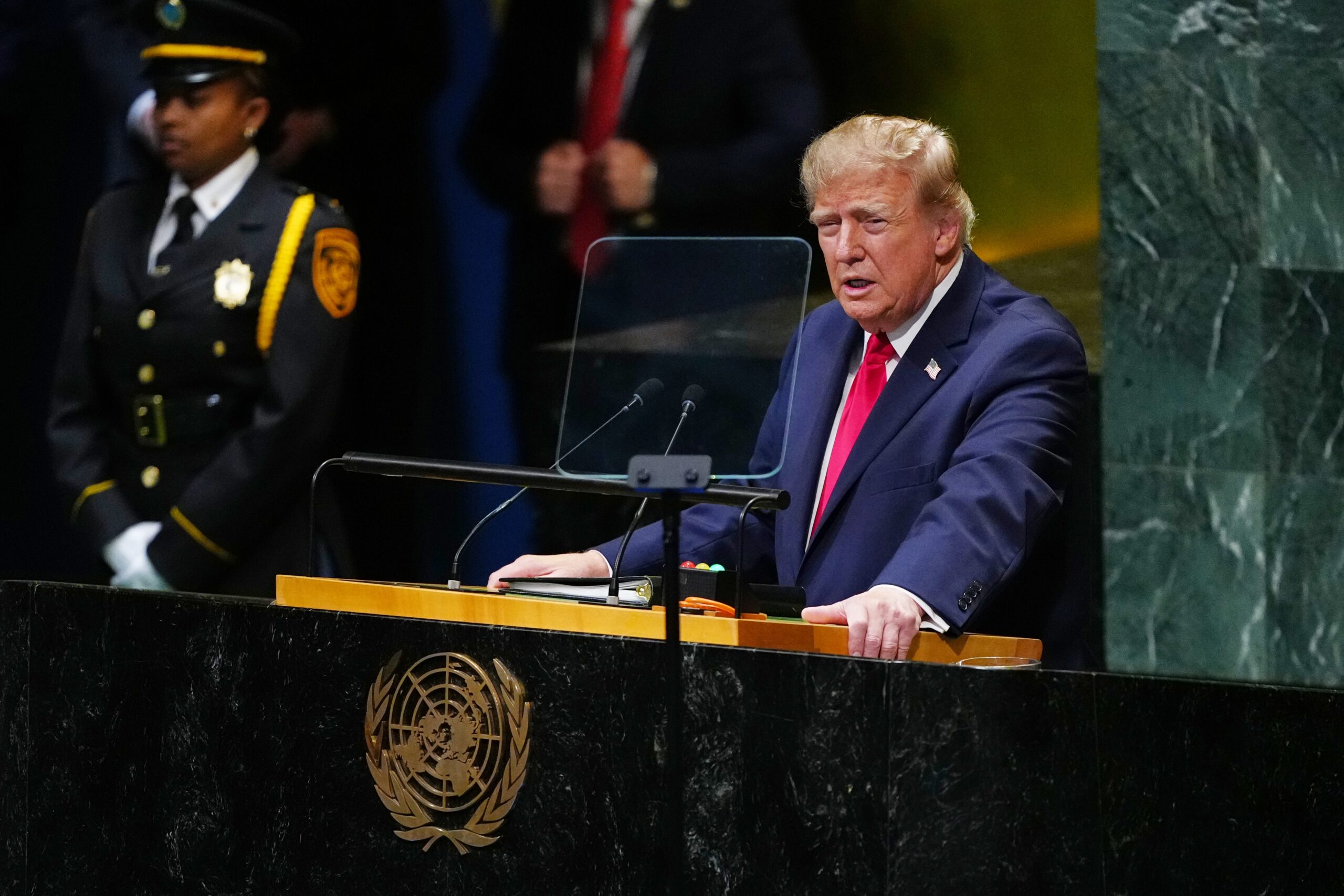
Is the U.S.-Iran Stalemate a “New Normal” or the Prelude to Another Explosion?
On October 6, AGSI hosted a discussion on the U.S.-Iran stalemate and the prospects for a cease-fire.
Speakers



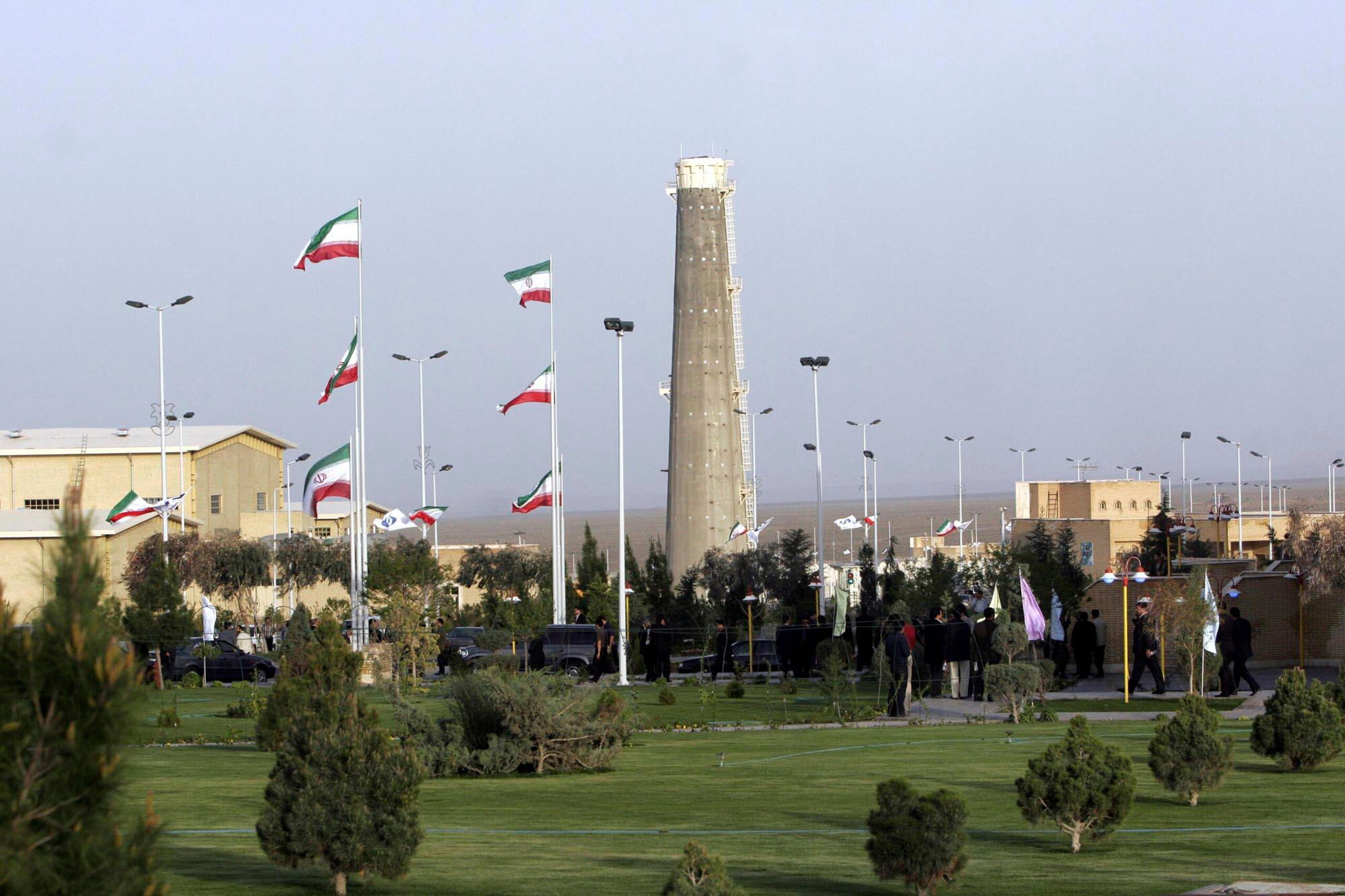
Book Talk: Iran and the Bomb: The United States, Iran and the Nuclear Question
On June 16, AGSI hosted a discussion on the evolution of Iran's nuclear program.
Speakers
Apr 21, 2026
Inside Iran’s Wartime Leadership: Power, Succession, and Regime Stability
On April 21, AGSI hosted a discussion on the evolution of Iran's leadership during the war.
Speakers

Mar 18, 2026
In Its Conflict With the United States and Israel, Does Escalation Favor Iran?
On March 18, AGSI hosted a discussion on the escalation of the Iran war.
Speakers