Mar 7, 2023
Shargh Daily Asks Why the Currencies of Crisis-Stricken Afghanistan, Iraq, and Russia Haven’t Collapsed
The March 7 edition of the Iran Media Review assesses how different Iranian media outlets are responding to Iran’s currency crisis.
As the value of the Iranian rial fell to 600,000 against the U.S. dollar, reformist Shargh Daily asked: Why haven’t other crisis-stricken countries experienced the collapse of their national currencies? An expert interviewed by Shargh provided a range of explanations, the most important of which is the existence of parallel exchange rate markets in Iran in which the government provides select importers of foreign goods and some members of the public access to purchase foreign currency at a state-subsidized rate, while everybody else must buy foreign currency at black-market prices. This policy nurtures corruption, as it enriches the select few with access to foreign currency at the government-subsidized rate, which may explain why the policy was introduced in the first place. However, Kayhan newspaper’s editorial criticizing the Iranian media’s “one-sided focus” on fluctuations in the price of the dollar demonstrates the newspaper’s blindness to the main concern of the Iranian public: the continued slide of Iran’s currency and, thereby, most Iranians’ living standards.
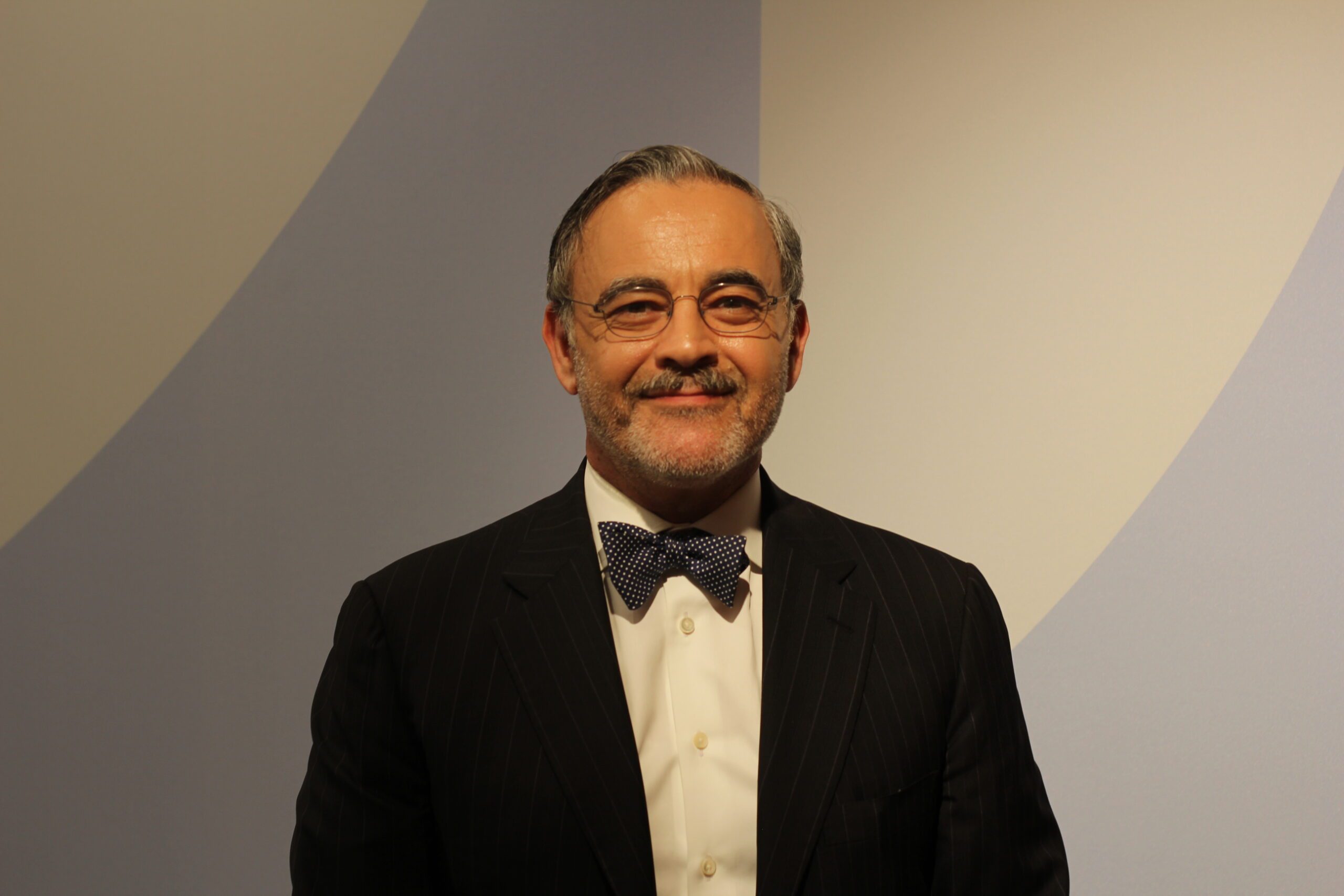
- February 28: Bahaeddin Hosseini Hashemi, a banking expert, said in an interview with Shargh: “In countries where the market decides the value of foreign currencies, there is no capital flight. In these countries, there are no parallel exchange rate markets, and nobody benefits from trading in foreign currencies. Separately, Russia, which is entangled in a war, and Iraq and Afghanistan, which have faced chaos, managed to control inflation by abstaining from printing money, which is why they don’t suffer from excess liquidity as we do in Iran. Therefore, there is a balance between existing products and services … and the available liquidity, as a result of which the prices are balanced … In our country, we have for years experienced capital flight, which, among other things, is due to the existence of multiple exchange rates … Revenue from exports, which is in foreign currency, is directly sold on the black market or used to import products and sell them on the Iranian market at black-market prices.” Comparing Iran and Russia, Hosseini Hashemi continued: “In the short term, Russia has managed international sanctions against it with the help of its exchange reserves accumulated over time. Separately, the Central Bank of Russia has been strong enough to manage the economy” free of political intervention and has compelled importers of Russian oil and gas to pay in rubles. “Iran, on the other hand, can’t engage in business in rials and thereby increase demand for its national currency.”
- February 28: In an editorial, Kayhan slammed the Iranian media for its “one-sided focus on the fluctuations of the price of the dollar” and offered positive stories on the government’s “achievements” under President Ebrahim Raisi.
- March 6: According to a report from the Ports and Maritime Organization of Iran quoted by Shargh, at Imam Khomeini Port alone, “37 ships carrying 2.2 million tons of products” remain waiting due to a “lack of foreign currency” to pay for the imported products. Shargh asserted: “The Central Bank of Iran claims it is not facing any constraints concerning access to foreign currency” and is providing Iranian importers with “foreign currency at government-subsidized rates.” Shargh went on to question, if that is the case “why can’t these ships be unloaded …? Who received foreign currency at government-subsidized rates?”
The views represented herein are the author's or speaker's own and do not necessarily reflect the views of AGSI, its staff, or its board of directors.
Related
Iran Media Review
Mar 3, 2023
With Eyes Wide Open, Iran Moves Toward More Unrest
The March 3 edition of the Iran Media Review examines commentary on the possibility that Iran’s economic troubles will trigger a new round of protests.
Iran Media Review
Feb 28, 2023
New Threats Against Iran International TV
The February 28 edition of the Iran Media Review explores responses to Iran International’s relocation from London to Washington, DC.
Mar 3, 2023
With Eyes Wide Open, Iran Moves Toward More Unrest
The March 3 edition of the Iran Media Review examines commentary on the possibility that Iran’s economic troubles will trigger a new round of protests.
Feb 28, 2023
New Threats Against Iran International TV
The February 28 edition of the Iran Media Review explores responses to Iran International’s relocation from London to Washington, DC.
Analysis
Debating Policy in Public: Iranian Elites Turn to YouTube
Rival camps within the Islamic Republic are increasingly turning to YouTube for policy debate, but there is a limit to the regime’s tolerance for that debate.
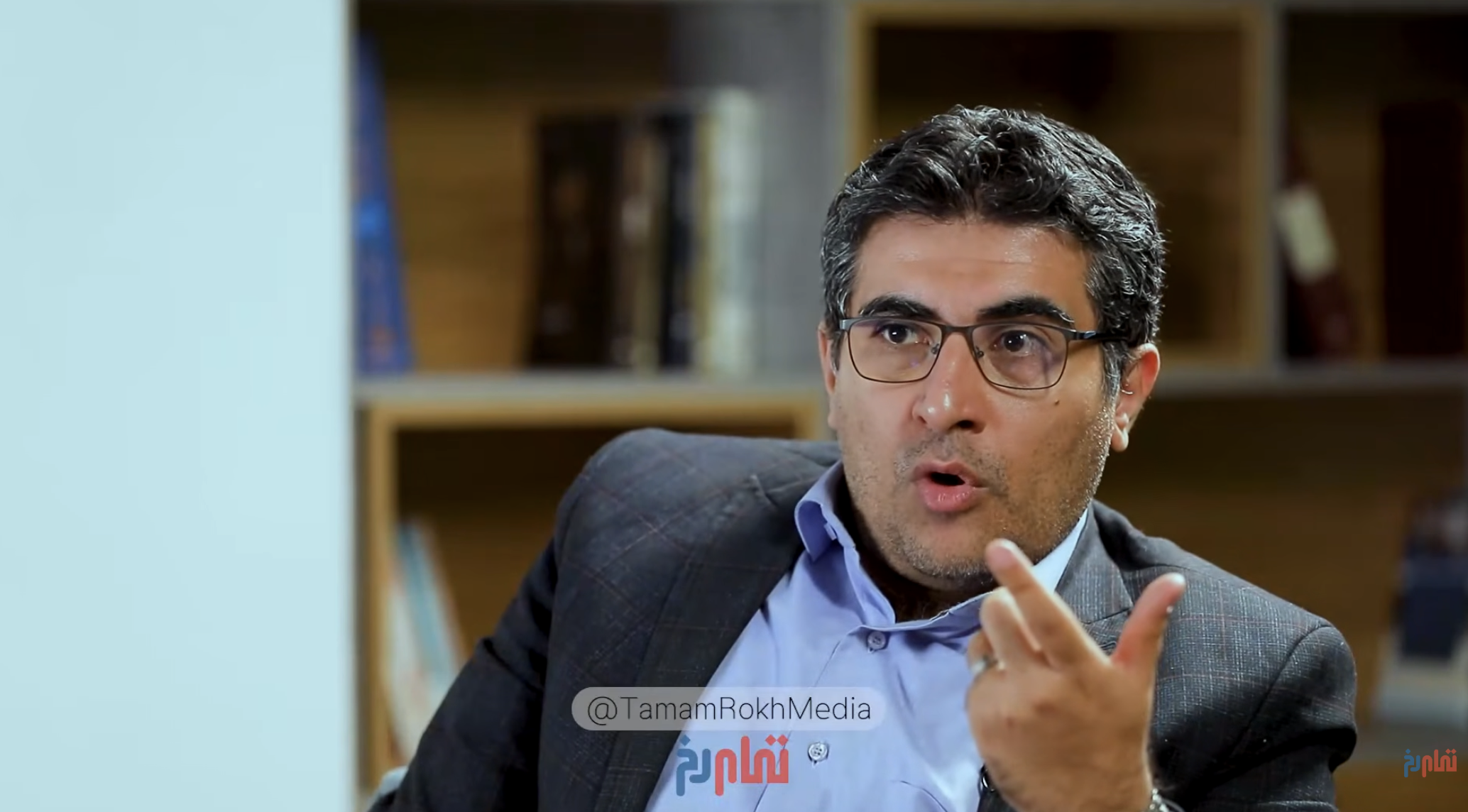
The Committee of Six and Strategic Decision Making in Iran
Remarks by Iran’s president offer a rare glimpse of how the Islamic Republic has adapted its decision making to the absence of its supreme leader.
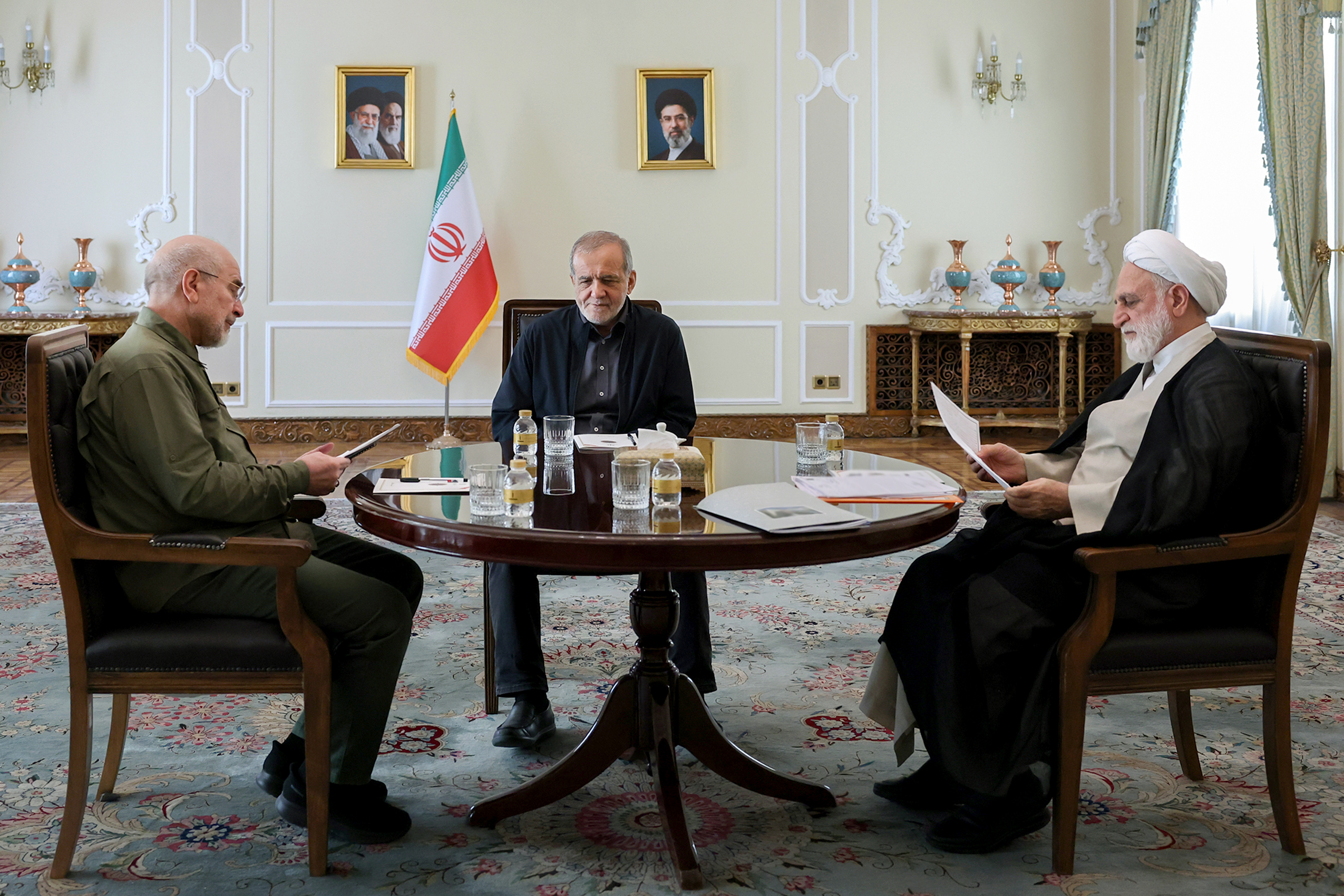
Mohsen Rezaei at the Helm of Iran’s Supreme National Security Council
Under Rezaei, the SNSC could prove constructive or paralyze strategic decision making.
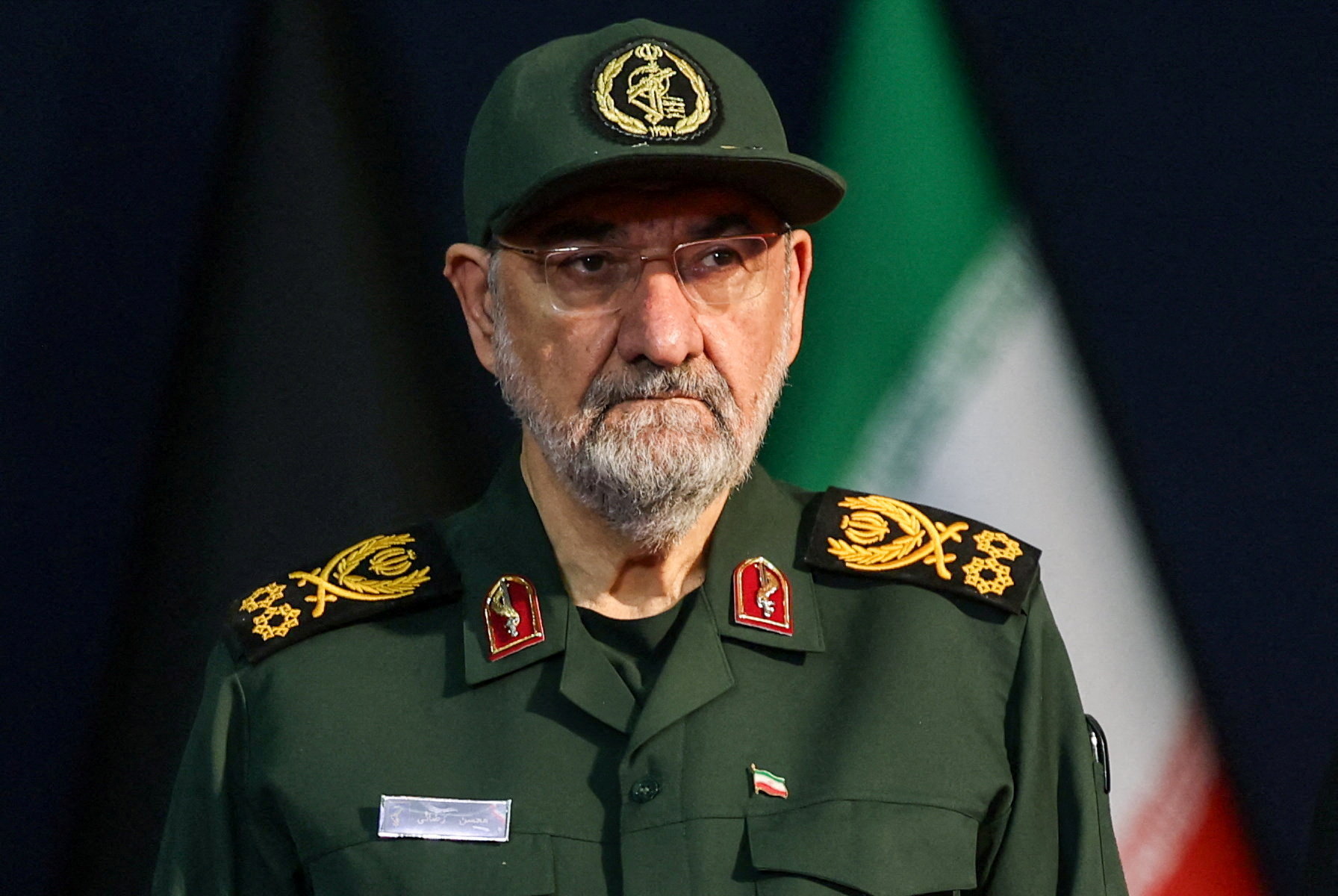
The Islamic Republic Returns to Offense
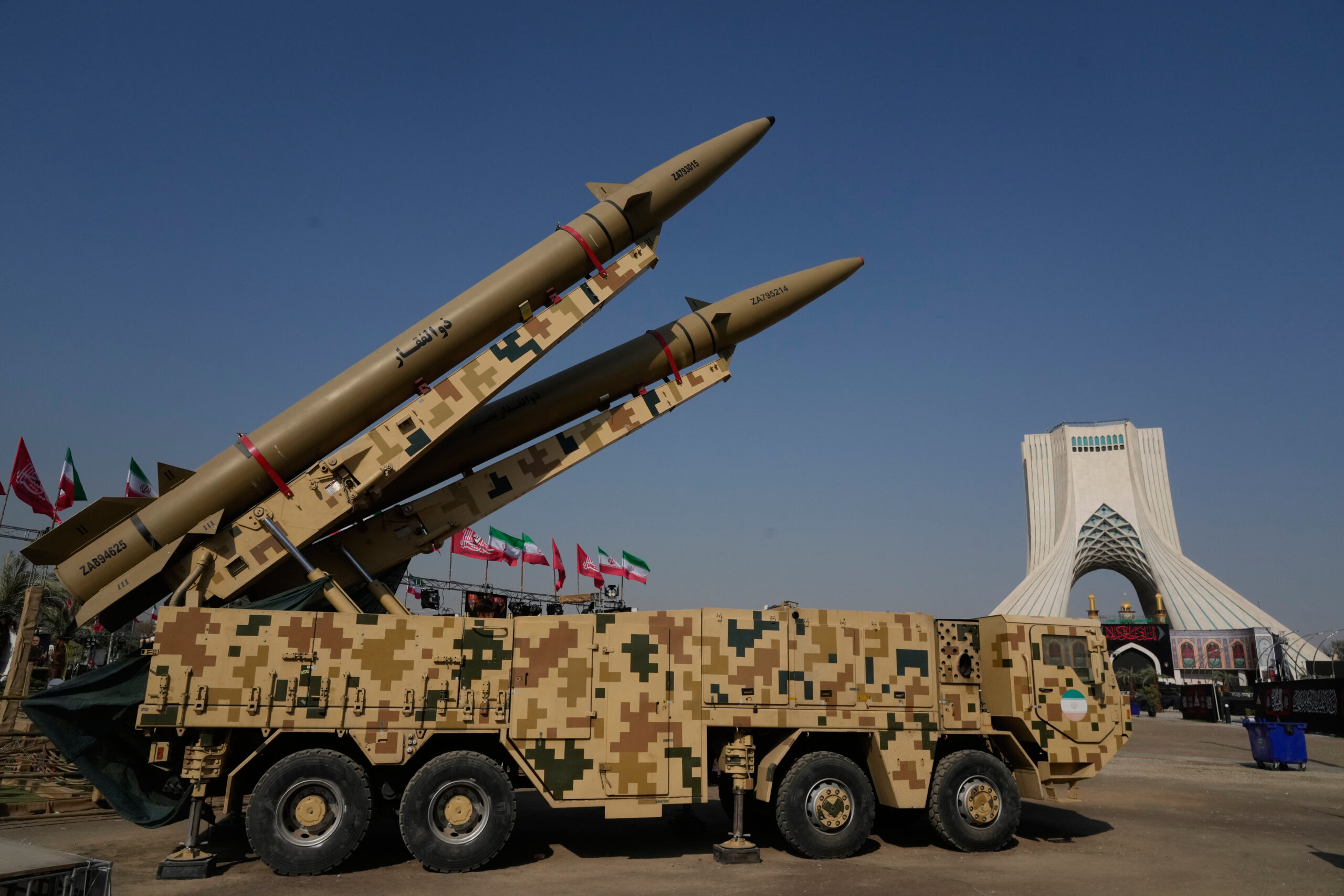
After U.S.-Israeli strikes killed Supreme Leader Ayatollah Ali Khamenei on February 28, Iran’s collective leadership has concluded that the best defense is a good offense.
Events
Oct 6, 2026
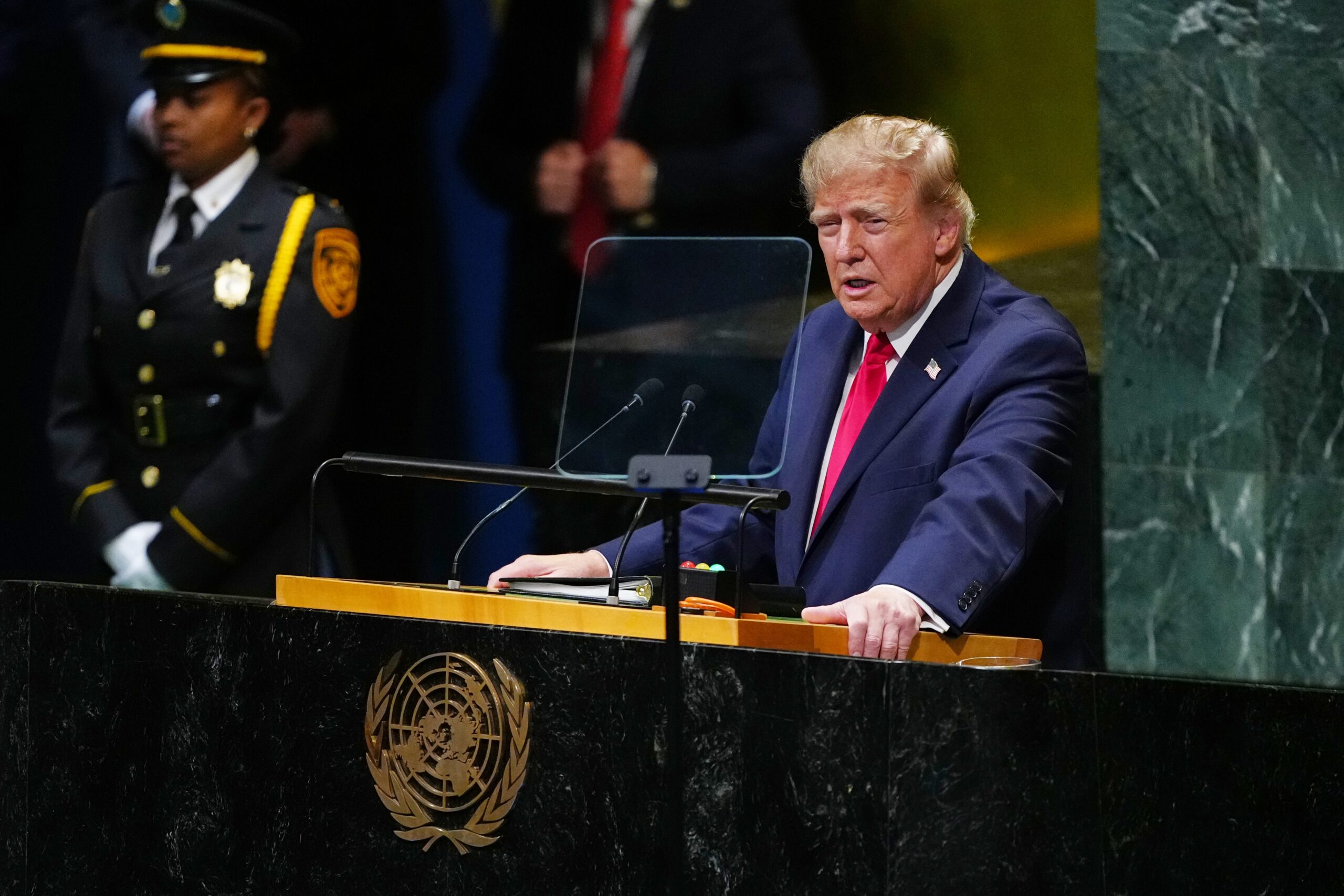
Is the U.S.-Iran Stalemate a “New Normal” or the Prelude to Another Explosion?
On October 6, AGSI hosted a discussion on the U.S.-Iran stalemate and the prospects for a cease-fire.
Speakers



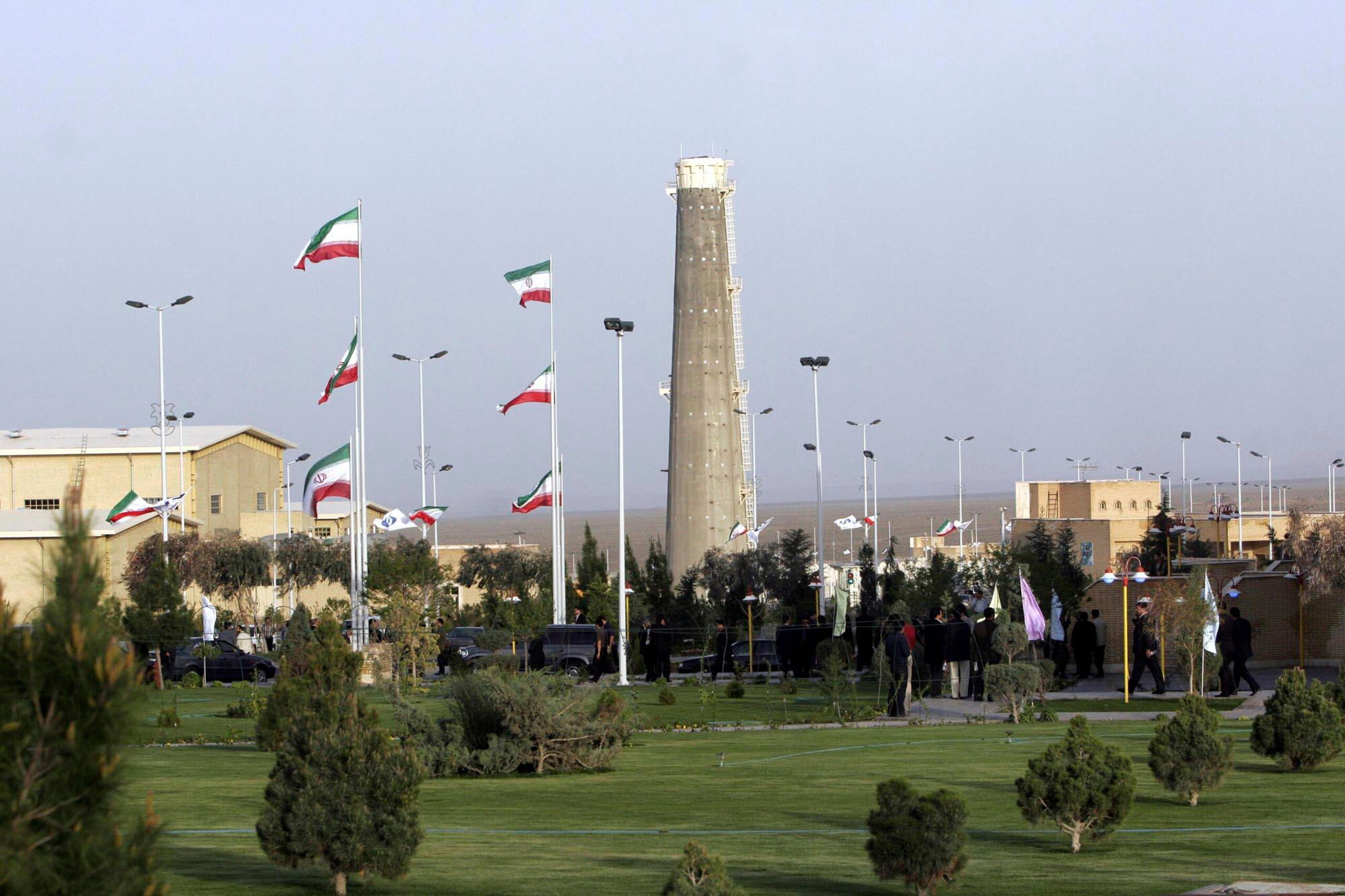
Book Talk: Iran and the Bomb: The United States, Iran and the Nuclear Question
On June 16, AGSI hosted a discussion on the evolution of Iran's nuclear program.
Speakers
Apr 21, 2026
Inside Iran’s Wartime Leadership: Power, Succession, and Regime Stability
On April 21, AGSI hosted a discussion on the evolution of Iran's leadership during the war.
Speakers

Mar 18, 2026
In Its Conflict With the United States and Israel, Does Escalation Favor Iran?
On March 18, AGSI hosted a discussion on the escalation of the Iran war.
Speakers