Jul 12, 2024
President-Elect Pezeshkian’s Inclusive Approach to Identifying Ministers Will Soon Meet Reality
The July 12 edition of the Iran Media Review examines the formation of President-elect Masoud Pezeshkian's Cabinet.
While Iran’s reformist media outlets have praised President-elect Masoud Pezeshkian’s democratic and inclusive approach to identifying Cabinet ministers, Pezeshkian and the reformist media will soon be reminded of the limits to presidential powers. As made apparent in the memoirs of former presidents, ministers of intelligence and interior are customarily chosen by the supreme leader and imposed on the president. Furthermore, since 1989, when the Ministry of the Islamic Revolutionary Guard Corps was abolished, the defense minister has in most cases been chosen by the IRGC. Once the president has a complete Cabinet composed of ministers of his choice, as well as a few imposed on him, he must obtain a parliamentary vote of confidence for each minister. The current Parliament, dominated by Pezeshkian’s political rivals, may well dismiss some of his ministerial hopefuls just to demonstrate its power and challenge the president.
- July 9: Reformist Ham-Mihan reported on the committee identifying candidates for Pezeshkian’s Cabinet:
- According to the newspaper, the committee is composed of former Foreign Minister Mohammad Javad Zarif, former Finance Minister Ali Tayebnia, former Interior Minister Ali Rabiee, former Minister of Housing and Urban Development Ali Abdolalizadeh, and former Culture and Islamic Guidance Minister Reza Salehi Amiri. Within their field of expertise, each is tasked with identifying candidates for Cabinet positions. Separately, four other individuals will take part in discussions on the qualifications of the candidates: Mohammad-Jafar Qaempanah, who previously served as Pezeshkian’s deputy at the Ministry of Health; Hossein Alaei, the founding father of the IRGC navy; Mohammad Sadouqi, son of the late Friday prayer imam of Yazd, who represents former President Mohammad Khatami; and Mohammad-Javad Azari Jahromi, former minister of information technology.
- Hami-Mihan further disclosed that Pezeshkian has demanded that the average age of the Cabinet be no older than 55.
- July 10: Updating its July 9 article, Ham-Mihan disclosed that each of the five core members of the committee will lead subcommittees identifying the candidates. Each subcommittee is composed of two academics; two experts outside of academia; one person from the reformist camp; two individuals from professional guilds, unions, or nongovernmental organizations; one private sector representative; one former Cabinet minister; two members of Pezeshkian’s provincial campaign headquarters; and one representative of women, ethnic groups, or minorities.
- July 10: Zarif, speaking at a panel on the role of the private sector in Iran’s economy, said, as quoted by reformist Shargh Daily: “The president-elect will soon send a letter to you asking for private sector recommendations concerning members of the economic team of the Cabinet, so you will take part in the formation of the committee identifying ministers … Separately, based on decisions made, it was decided to appoint a young Cabinet, and 60% of the ministers must not have previous Cabinet experience and must be less than 50 years old. It is decided to have a young Cabinet, and people like me, who have plenty of government experience, are not meant to serve in the Cabinet … I have said many times that I am not pursuing a Cabinet position, and I’ll not even accept the position of first vice president.”
The views represented herein are the author's or speaker's own and do not necessarily reflect the views of AGSI, its staff, or its board of directors.
Related
Iran Media Review
Jul 9, 2024
Iran: Endless Challenges Staring Iran’s President-Elect in the Eyes
The July 9 edition of the Iran Media Review highlights the crises President-elect Masoud Pezeshkian will face when he enters office.
Iran Media Review
Jul 2, 2024
Presidential Election in Iran: Pezeshkian and Jalili Proceed to Runoff July 5
The July 2 edition of the Iran Media Review examines commentary ahead of the second round of voting in Iran’s presidential election.
Jul 9, 2024
Iran: Endless Challenges Staring Iran’s President-Elect in the Eyes
The July 9 edition of the Iran Media Review highlights the crises President-elect Masoud Pezeshkian will face when he enters office.
Jul 2, 2024
Presidential Election in Iran: Pezeshkian and Jalili Proceed to Runoff July 5
The July 2 edition of the Iran Media Review examines commentary ahead of the second round of voting in Iran’s presidential election.
Analysis
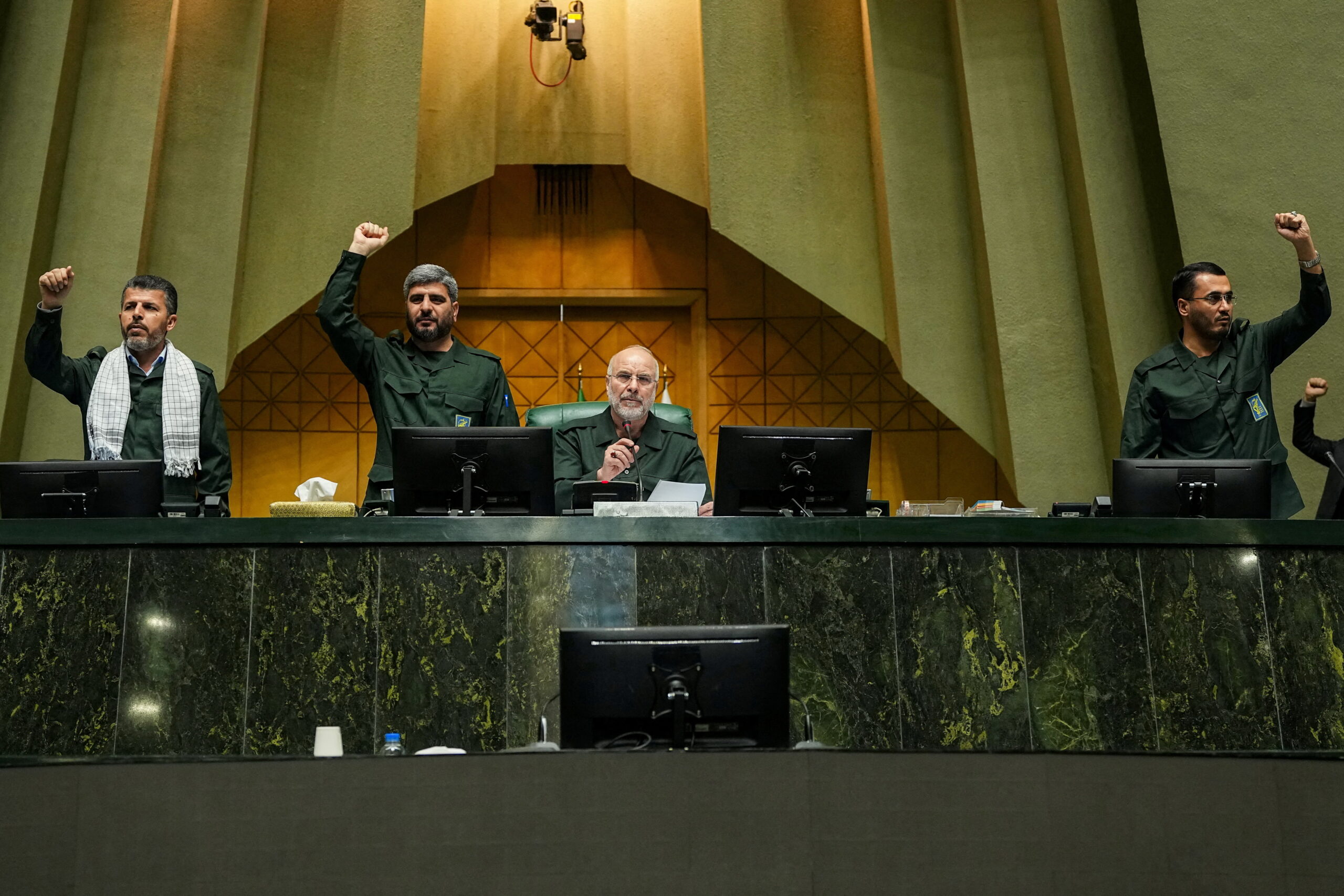
The Islamic Republic Returns to Offense
After U.S.-Israeli strikes killed Supreme Leader Ayatollah Ali Khamenei on February 28, Iran’s collective leadership has concluded that the best defense is a good offense.
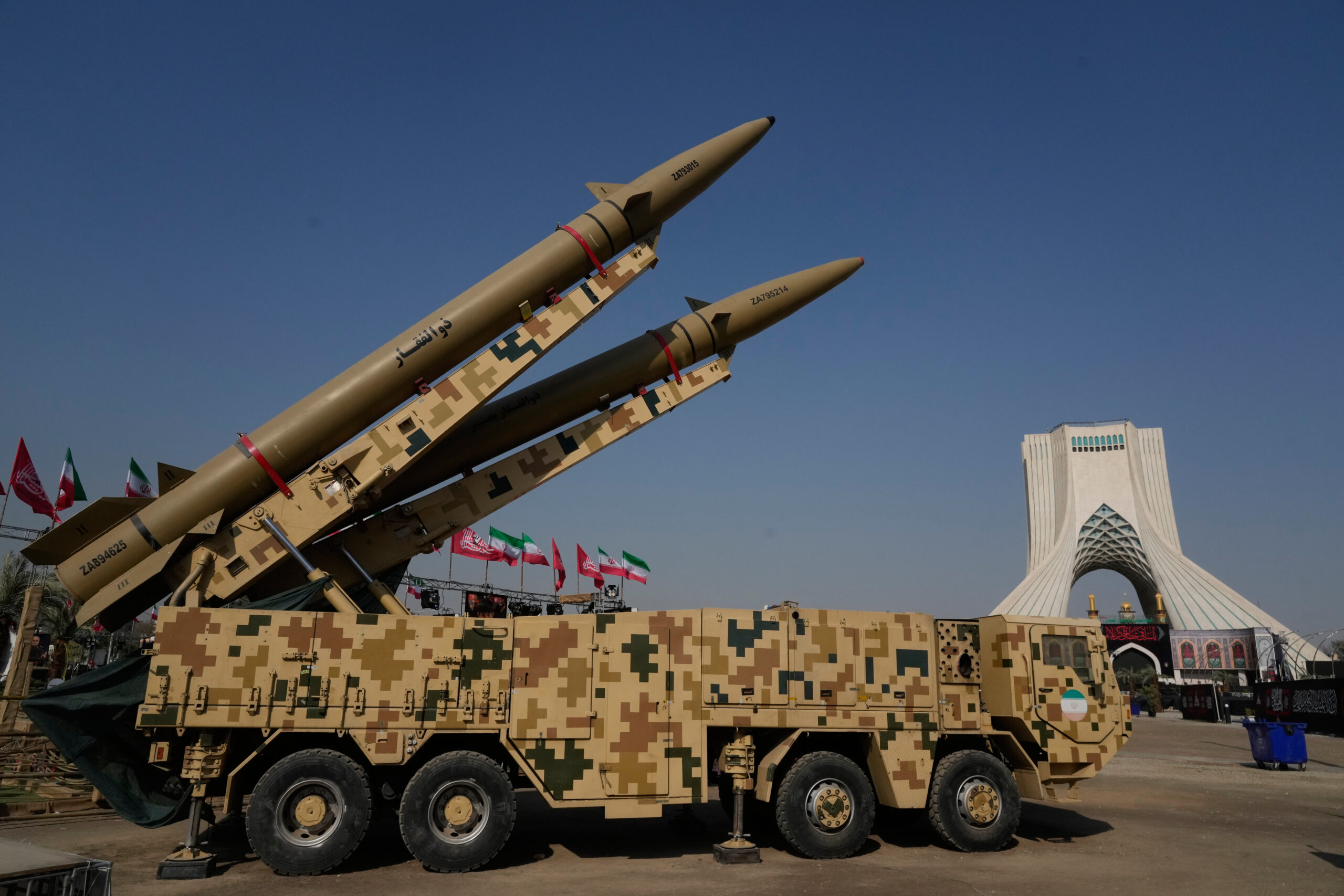
Iran’s Collective Strategic Decision Making
Wartime pressure has temporarily aligned the leadership’s overriding interest in regime survival, even as its members continue to differ over the costs, methods, and ultimate objectives of the war.
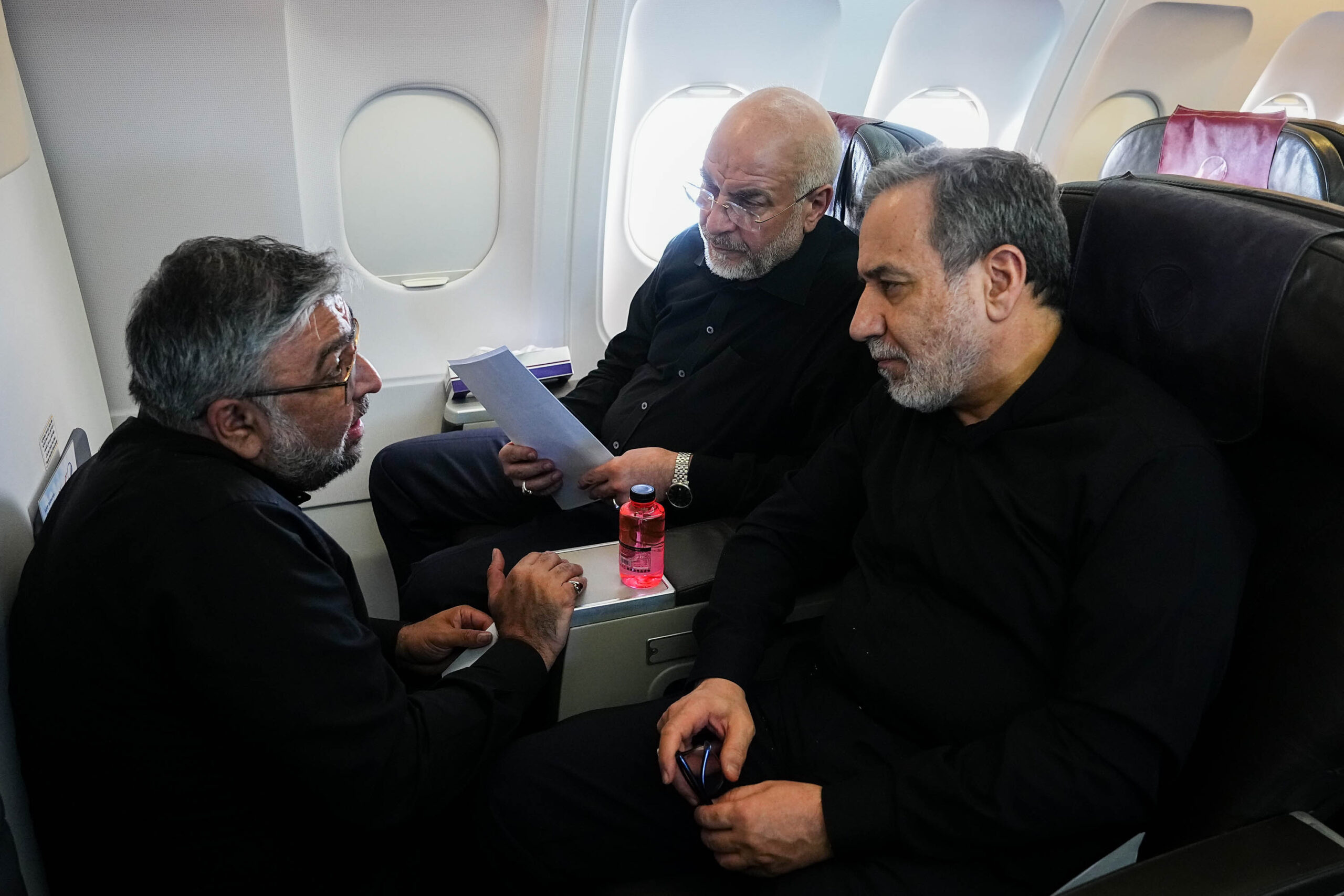
The Islamic Republic’s Collective Leadership
While there is historical precedent for collective leadership in Iran, today’s leadership includes representatives of the IRGC and regular military – a reflection of the IRGC’s expanding role and the necessities of governing under wartime conditions.
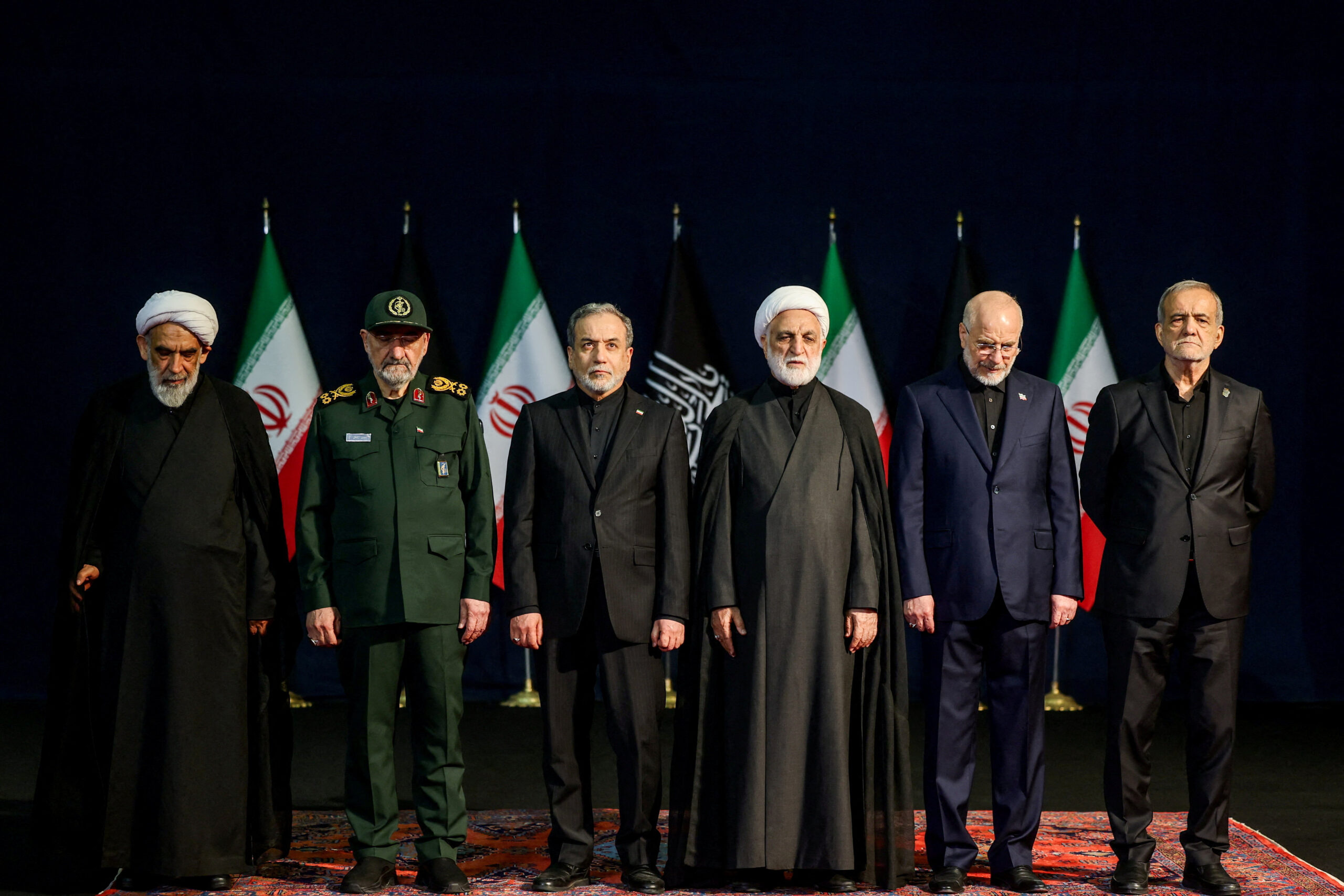
How Did the IRGC Seize Power in Iran?
The IRGC did not seize power in a single stroke. It accumulated it – patiently, methodically – until no counterweight remained.
Events
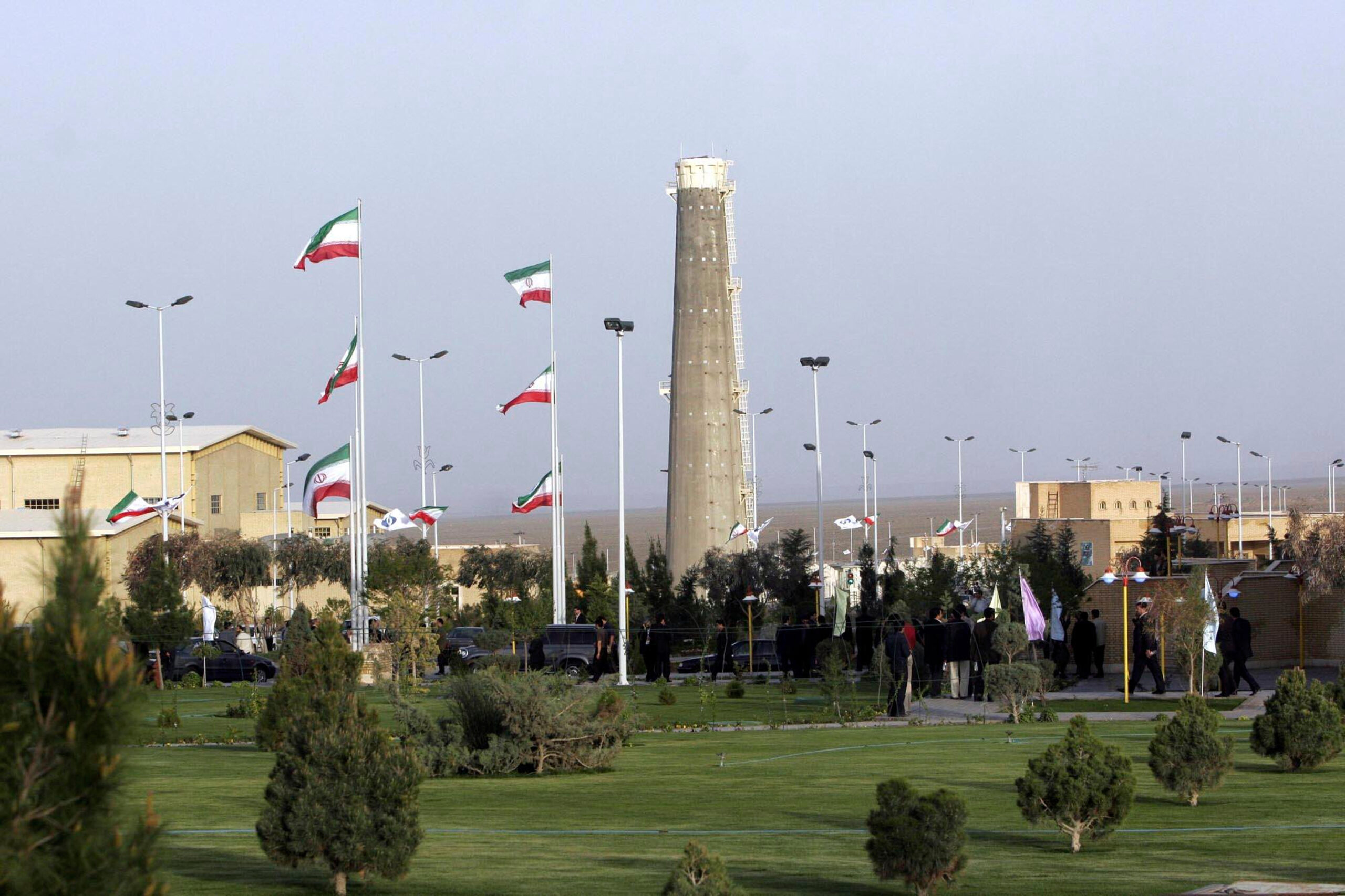
Book Talk: Iran and the Bomb: The United States, Iran and the Nuclear Question
On June 16, AGSI hosted a discussion on the evolution of Iran's nuclear program.
Speakers

Apr 21, 2026
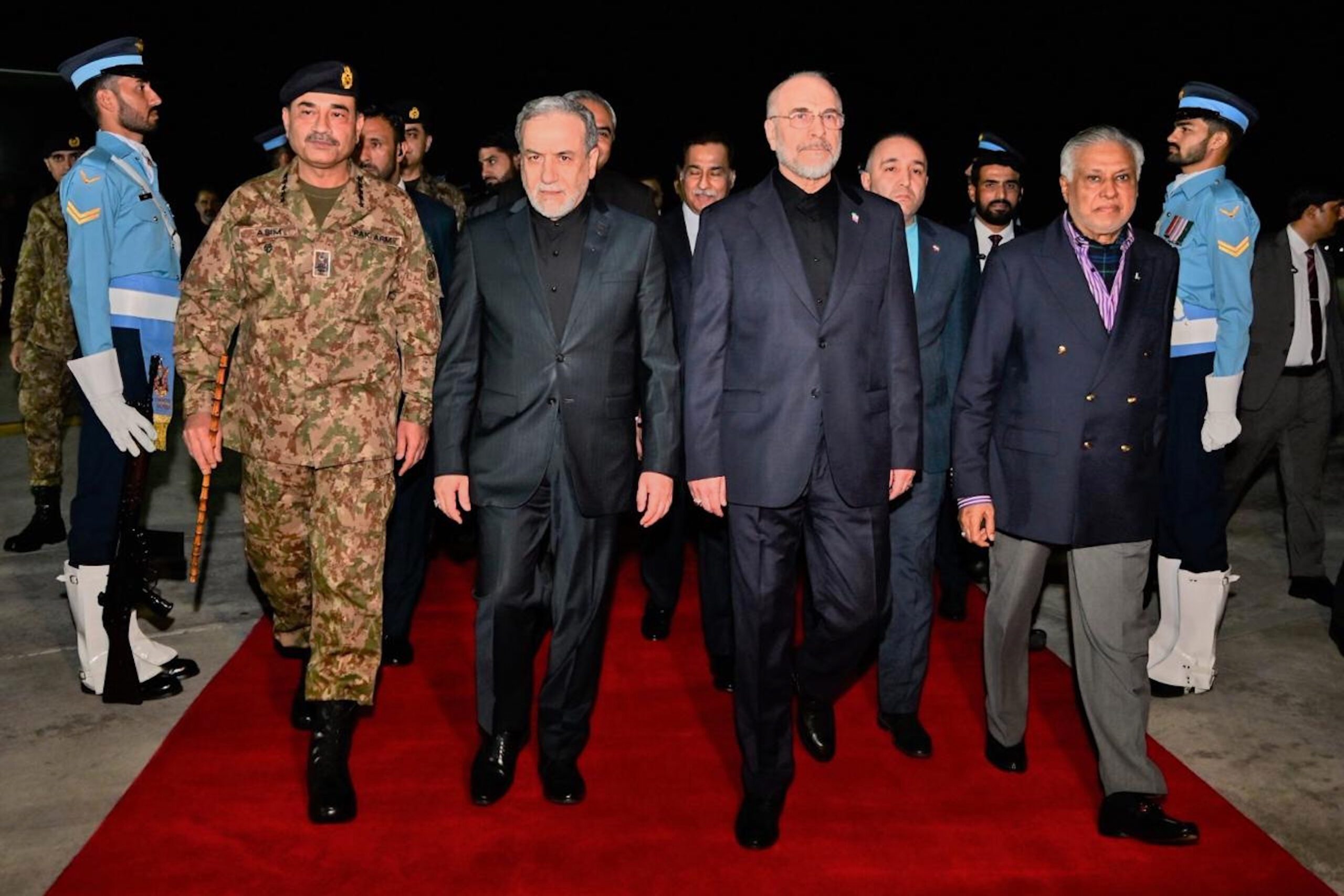
Inside Iran’s Wartime Leadership: Power, Succession, and Regime Stability
On April 21, AGSI hosted a discussion on the evolution of Iran's leadership during the war.
Speakers

Mar 18, 2026
In Its Conflict With the United States and Israel, Does Escalation Favor Iran?
On March 18, AGSI hosted a discussion on the escalation of the Iran war.
Speakers


Mar 2, 2026
After the Shock: Implications of the U.S.–Israeli Strikes and Iran’s Leadership Transition
On March 2, AGSI hosted a discussion on the U.S.-Israeli strikes on Iran.
Speakers