May 16, 2023
Power Outages Harm Iran’s Steel Industry
The May 16 edition of the Iran Media Review explores the toll power outages are taking on Iran’s steel industry, a key sector of the Iranian economy.

As the administration of former President Donald J. Trump subjected Iran to a “maximum pressure” sanctions campaign with the stated goal of reducing Iran’s oil exports “to zero,” Iran increased steel production and exports to partially compensate for its significantly reduced oil revenue. Increasing production, along with other measures, not only secured the regime’s survival but also made Iran the 10th-largest steel producer in the world. However, due to a lack of investment in Iran’s natural gas sector, the steel industry is facing power outages, reducing its output and revenue.
- April 26: Under the headline “Decreased Production and Hard Currency Headaches,” Shargh Daily columnist Mahfam Salman-Beygi discussed how power outages harm Iran’s steel exports: “According to the Iran Chamber of Commerce, Industries, Mines, and Agriculture, power outages cost Iran’s industries $7 billion” annually. “In the field of petrochemicals, due to natural gas shortages, exports of urea and methanol were reduced by 20% to 25% in comparison with last year, costing $700 million in revenue.” According to Salman-Beygi, the power outages are mainly due to the insufficient development of Iran’s natural gas sector: “Despite Iran having the second-largest natural gas reserves in the world … delays in the utilization of resources are not only weakening Iran’s position in the global energy market but also severely harming Iran’s industries … From 2018 to 2022, Iran was among the 10 largest steel producers in the world, but according to the World Steel Association’s 2023 report, Italy has replaced Iran as the 10th-largest steel producer.” The article quoted Bahador Ehramian, a member of the Iranian Steel Producers Association, as saying: “Iran has the capacity to produce 40 million tons of steel annually … but for four months a year, we can’t produce due to natural gas or electricity shortages.”
The views represented herein are the author's or speaker's own and do not necessarily reflect the views of AGSI, its staff, or its board of directors.
Related
Iran Media Review
Feb 27, 2026
Araghchi Optimistic Regarding the Talks
The February 27 edition of the Iran Media Review considers the Iranian foreign minister’s perspective on progress on the ongoing negotiations with the United States.
Iran Media Review
Feb 24, 2026
Iran Signals Deterrence Paired With Diplomacy
The February 24 edition of the Iran Media Review analyzes Iranian messaging in the lead up to a new round of negotiations with the United States.
Iran Media Review
Feb 20, 2026
Resigned to War Yet Still Working Toward a Deal
The February 20 edition of the Iran Media Review considers Iranian media analysis on the prospects for conflict and a potential deal to prevent it.
Feb 27, 2026
Araghchi Optimistic Regarding the Talks
The February 27 edition of the Iran Media Review considers the Iranian foreign minister’s perspective on progress on the ongoing negotiations with the United States.
Feb 24, 2026
Iran Signals Deterrence Paired With Diplomacy
The February 24 edition of the Iran Media Review analyzes Iranian messaging in the lead up to a new round of negotiations with the United States.
Feb 20, 2026
Resigned to War Yet Still Working Toward a Deal
The February 20 edition of the Iran Media Review considers Iranian media analysis on the prospects for conflict and a potential deal to prevent it.
Analysis
Political Life and Legacy of Iran’s Ayatollah Khamenei
Ayatollah Ali Khamenei was killed in his office in Tehran at age 86, leaving behind a country in ruins and on the verge of civil war and potential disintegration.
Iranian Regime Fighting for Survival
Iran is signaling that it will not absorb attacks passively. But whether this strategy ensures the regime’s survival, seals its fate, or accelerates a broader catastrophe will shape the region for years to come.
Iran’s 2025-26 Protests in Perspective
The erosion of the regime’s legitimacy across broad segments of society, combined with the breadth of the 2025-26 protest coalition, raises the possibility that a new confrontation could trigger renewed anti-regime mobilization.
Protests in Iran: Regime Deal With Trump or Degrade Toward Collapse?
Though the Iranian regime is facing increasing pressure from protesters and armed insurgent groups, it is not yet doomed – but without a deal with the United States, the regime is likely headed for a slow collapse.
Events
Mar 2, 2026
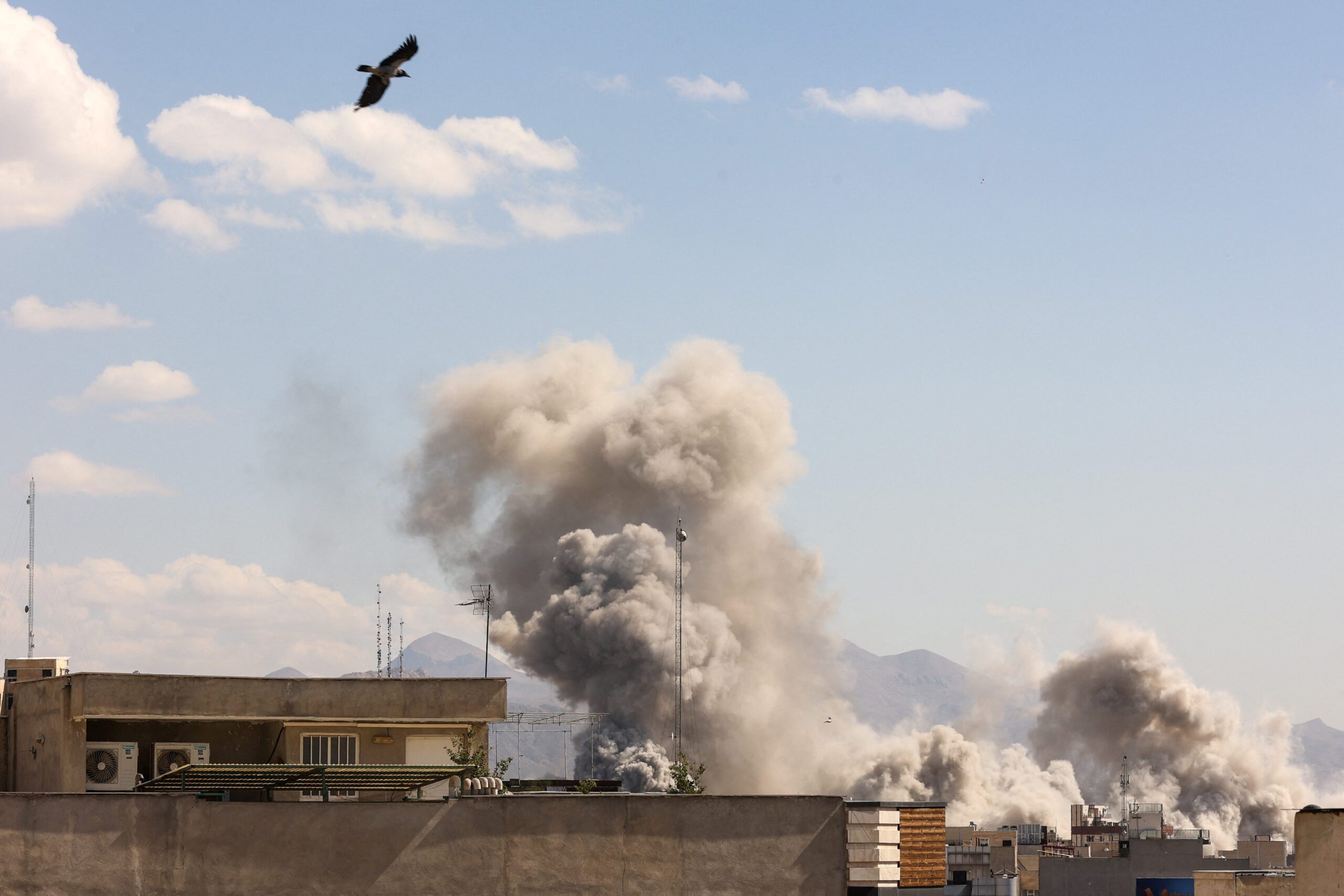
After the Shock: Implications of the U.S.–Israeli Strikes and Iran’s Leadership Transition
On March 2, AGSI will host a discussion on the U.S.-Israeli strikes on Iran.
Speakers




Jan 8, 2026
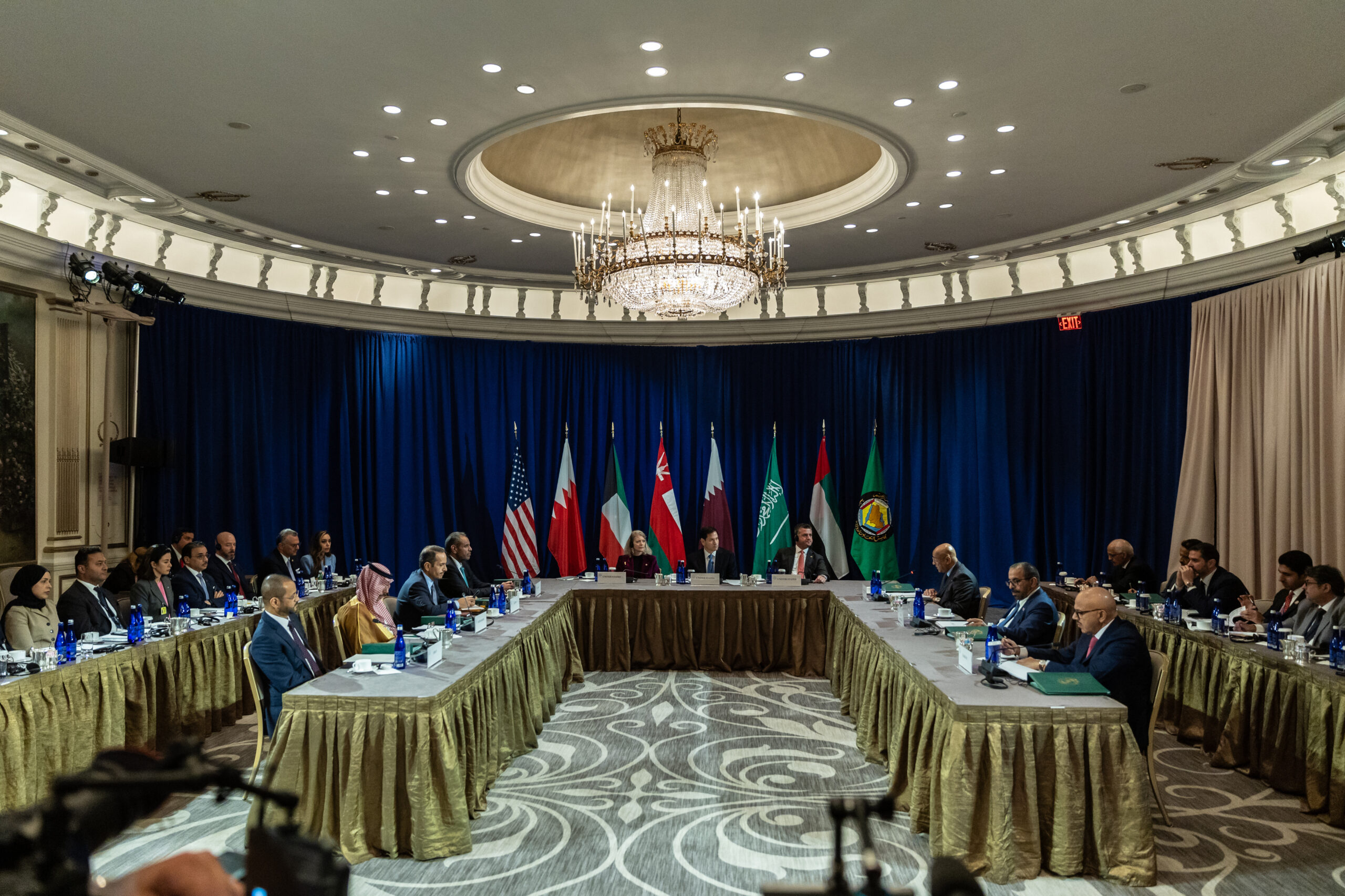
Outlook 2026: Prospects and Priorities for U.S.-Gulf Relations in the Year Ahead
On January 8, AGSI hosted a virtual roundtable with its leadership and scholars as they look ahead and assess trends likely to shape the Gulf region and U.S. foreign policy during the coming year.
Speakers




Sep 16, 2025
Book Talk: Iran’s Grand Strategy: A Political History
On September 16, AGSI hosted a discussion on the roots of Iran's strategic outlook.
Speakers
Jun 23, 2025
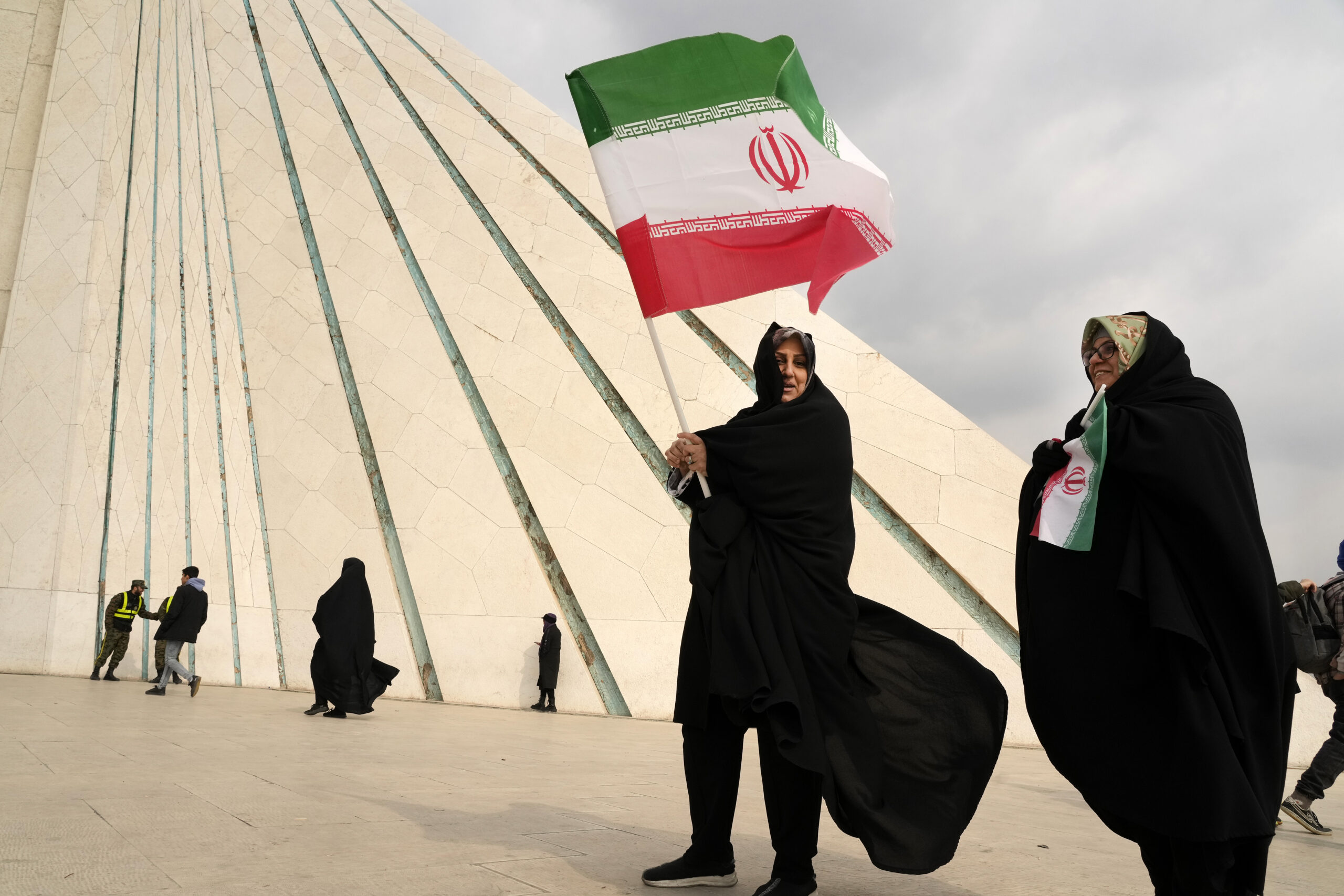
U.S. Strike on Iran: Regional and Diplomatic Fallout
On June 23, AGSI hosted a discussion on the United States' attack on Iranian nuclear sites.
Speakers
