Apr 16, 2024
New Jaish ul-Adl Attacks in Sistan and Baluchistan Province
The April 16 edition of the Iran Media Review highlights the continued attacks by Jaish ul-Adl in Sistan and Baluchistan province.

Jaish ul-Adl, or the Army of Justice, a Baluch separatist group designated a terrorist organization by Iran and the United States, has continued its attacks against Islamic Revolutionary Guard Corps bases and police stations in Iran’s southeastern Sistan and Baluchistan province.
- April 4: Deputy Interior Minister for Security Affairs Majid Mir-Ahmadi, quoted by IRGC mouthpiece Mashregh News, provided a briefing on ongoing attacks against IRGC bases and police stations in Rask and Chabahar in Sistan and Baluchistan province.
- April 4: Nour News Agency, the mouthpiece of Iran’s Supreme National Security Council, reported that three simultaneous attacks in Sistan and Baluchistan claimed the lives of “two policemen, two border police guards, three members of the Revolutionary Guard and four others,” most likely members of the Basij militia.
- April 4: In its coverage of the attacks in Rask and Chabahar, Mashregh News wrote:
- “Video footage shows scattered street fights in the vicinity of military and police stations, but according to the Sistan and Baluchistan deputy governor for security affairs, the terrorists have been killed or wounded, and the situation is under the control of the security forces.”
- Reporting on the terrorist attack in Rask, Mashregh wrote: “Jaish al-Zolm,” or the Army of Injustice, Iran’s nickname for Jaish ul-Adl, “took aim at the Revolutionary Guard station in Rask … some of them tried to detonate bombs to access the compound but were unsuccessful … According to the latest news … two policemen, two border police officers, and seven members of the Revolutionary Guard and the Basij were martyred in the attacks.”
- April 4: Brigadier General Mohammad Pakpour, the chief of the IRGC Ground Forces, commenting on the attacks, said, as quoted by Mashregh News: “Fifteen terrorists were killed, and three more may have been killed.”
- April 4: Mashregh News released a statement from the Pakistani government condemning the attacks in Iran.
- April 7: IRGC mouthpiece Tasnim News reported that two policemen were killed while patrolling in Kourin, Sistan and Baluchistan province.
The views represented herein are the author's or speaker's own and do not necessarily reflect the views of AGSI, its staff, or its board of directors.
Related
Iran Media Review
Apr 15, 2024
Iran-Israel Conflict: Retaliation and Risk of Further Escalation
The April 15 edition of the Iran Media Review examines a range of responses to Iran’s retaliatory attack against Israel.
Iran Media Review
Apr 16, 2024
New Jaish ul-Adl Attacks in Sistan and Baluchistan Province
The April 16 edition of the Iran Media Review highlights the continued attacks by Jaish ul-Adl in Sistan and Baluchistan province.
Apr 15, 2024
Iran-Israel Conflict: Retaliation and Risk of Further Escalation
The April 15 edition of the Iran Media Review examines a range of responses to Iran’s retaliatory attack against Israel.
Apr 16, 2024
New Jaish ul-Adl Attacks in Sistan and Baluchistan Province
The April 16 edition of the Iran Media Review highlights the continued attacks by Jaish ul-Adl in Sistan and Baluchistan province.
Analysis
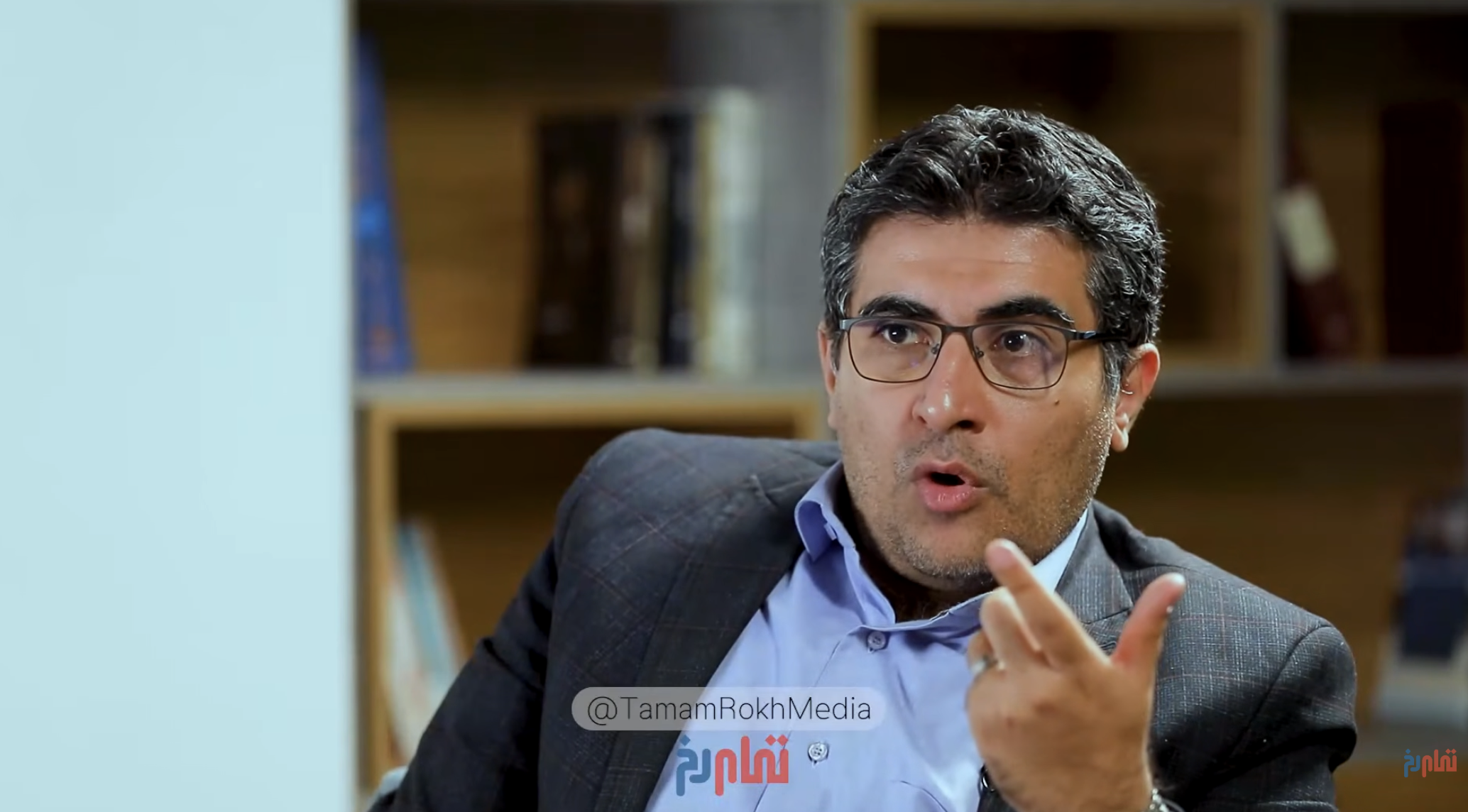
Debating Policy in Public: Iranian Elites Turn to YouTube
Rival camps within the Islamic Republic are increasingly turning to YouTube for policy debate, but there is a limit to the regime’s tolerance for that debate.
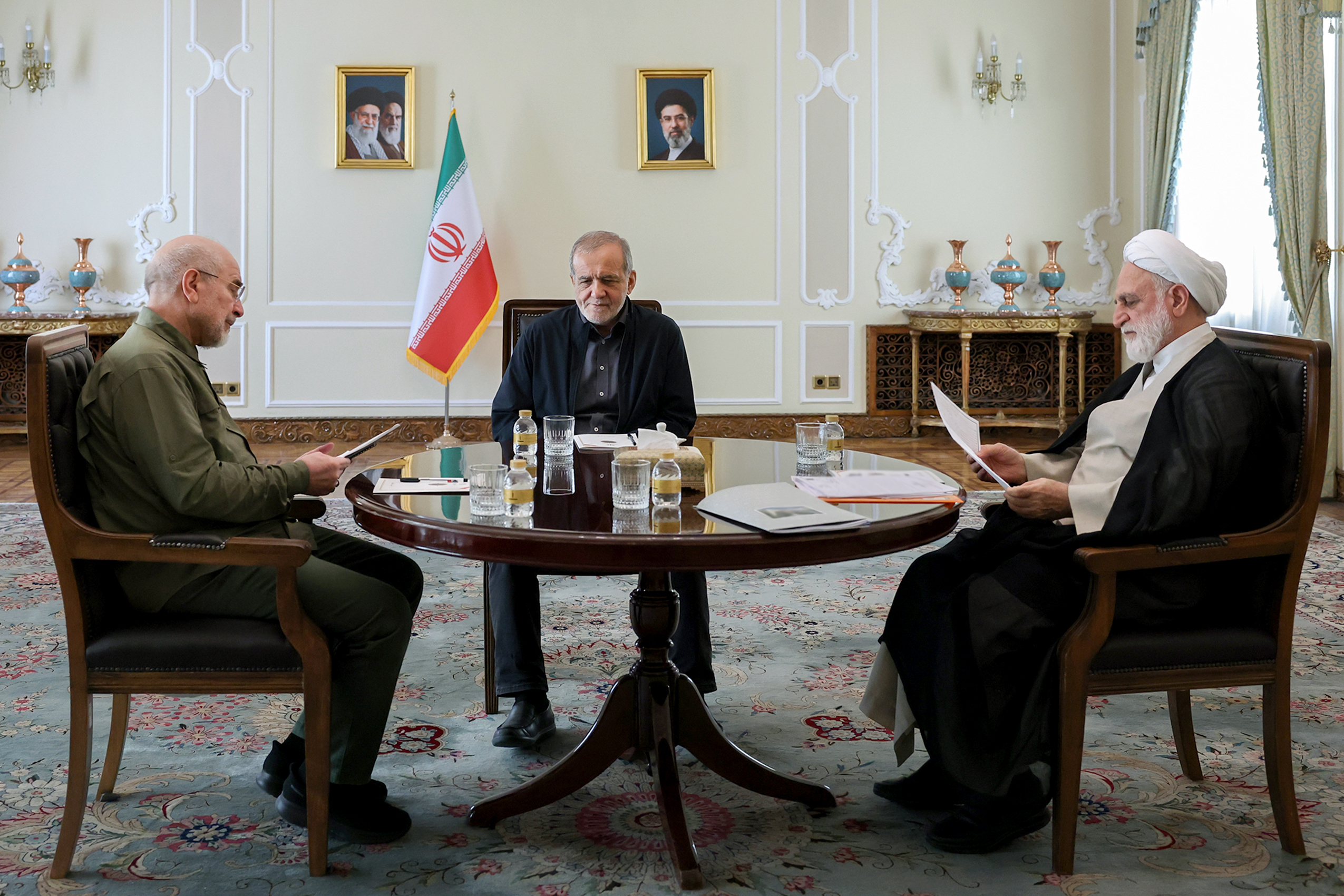
The Committee of Six and Strategic Decision Making in Iran
Remarks by Iran’s president offer a rare glimpse of how the Islamic Republic has adapted its decision making to the absence of its supreme leader.
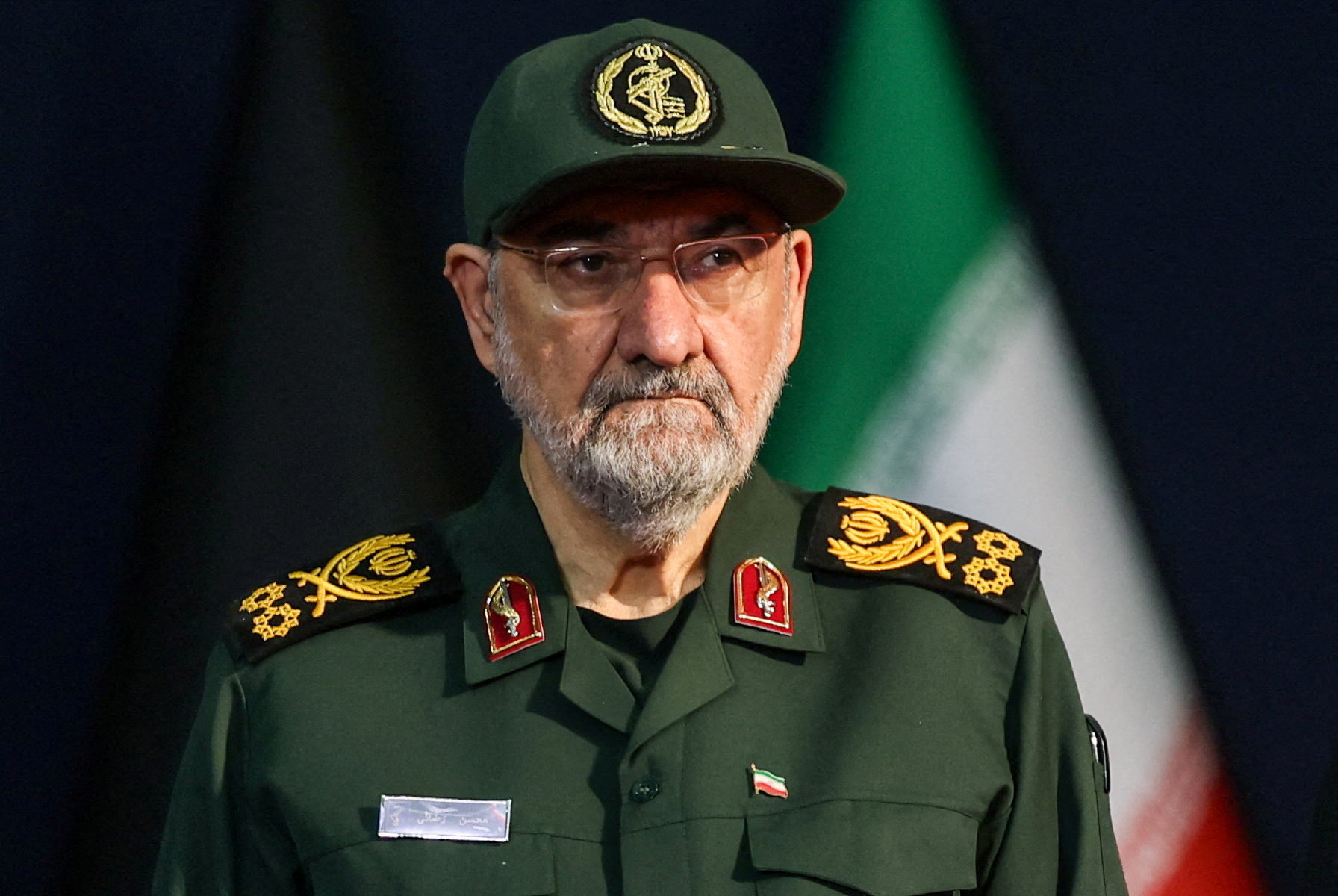
Mohsen Rezaei at the Helm of Iran’s Supreme National Security Council
Under Rezaei, the SNSC could prove constructive or paralyze strategic decision making.
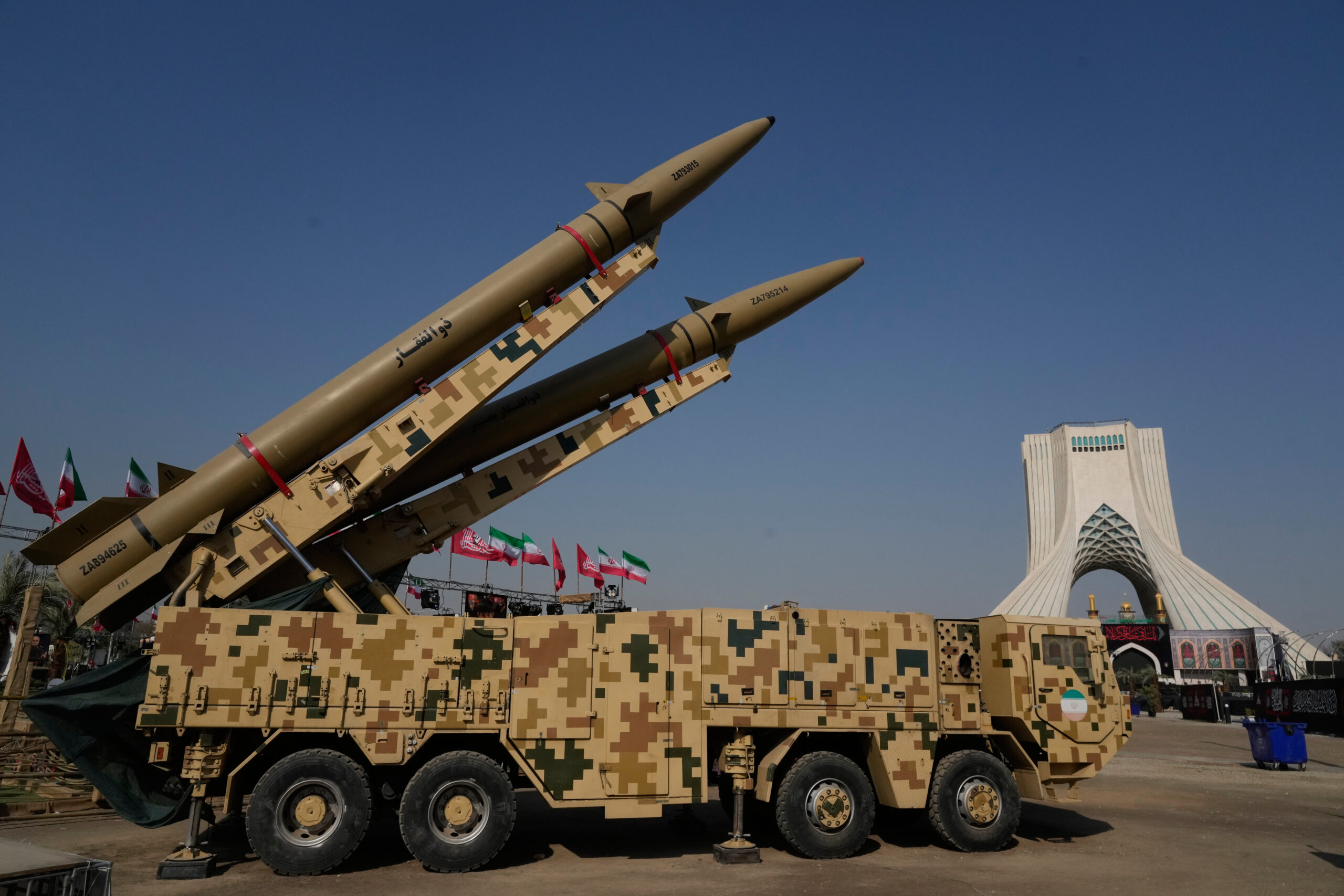
The Islamic Republic Returns to Offense
After U.S.-Israeli strikes killed Supreme Leader Ayatollah Ali Khamenei on February 28, Iran’s collective leadership has concluded that the best defense is a good offense.
Events
Oct 6, 2026
Is the U.S.-Iran Stalemate a “New Normal” or the Prelude to Another Explosion?
On October 6, AGSI hosted a discussion on the U.S.-Iran stalemate and the prospects for a cease-fire.
Speakers



Book Talk: Iran and the Bomb: The United States, Iran and the Nuclear Question
On June 16, AGSI hosted a discussion on the evolution of Iran's nuclear program.

Speakers

Apr 21, 2026
Inside Iran’s Wartime Leadership: Power, Succession, and Regime Stability
On April 21, AGSI hosted a discussion on the evolution of Iran's leadership during the war.
Speakers

Mar 18, 2026
In Its Conflict With the United States and Israel, Does Escalation Favor Iran?
On March 18, AGSI hosted a discussion on the escalation of the Iran war.
Speakers