Jun 16, 2023
Lebanese Hezbollah’s Unofficial Number Two on the Golan Heights: “We Do Not Intend to Open New Fronts”
The June 16 edition of the Iran Media Review highlights a Hezbollah official’s carefully worded message to Israel.
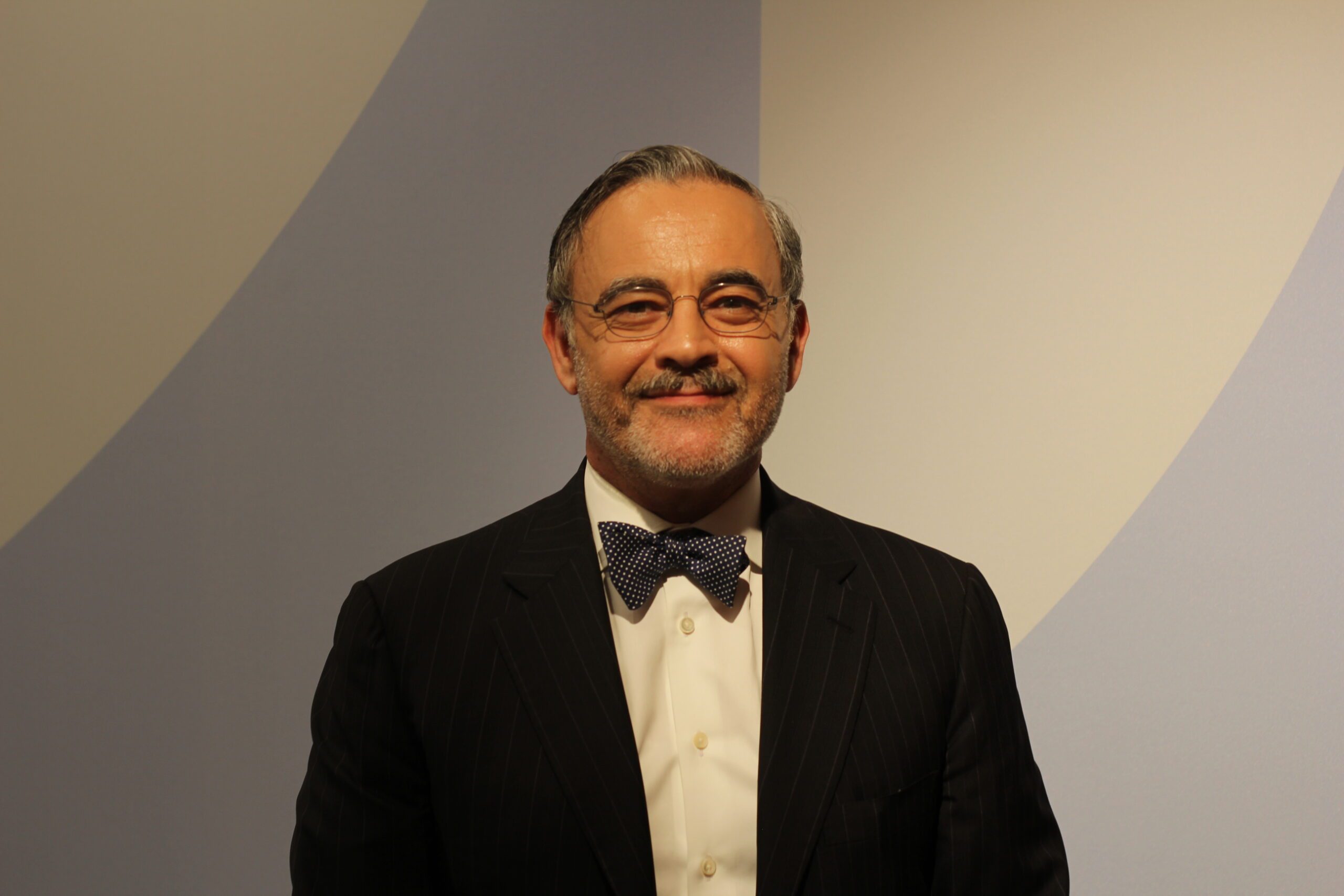
The words of Hashim Safi al-Din, widely recognized as second in command of Lebanese Hezbollah and the potential successor to Hezbollah Secretary General Hassan Nasrallah, matter, and they carry even greater weight when he is speaking to a mouthpiece of the Islamic Revolutionary Guard Corps. In a recent interview with Tasnim News, Safi al-Din communicated a carefully worded message to Israel expressing Hezbollah’s readiness to strike back against Israel if it is attacked on Lebanese soil and its disinterest in opening a front against Israel from Syria.
- June 13: Hashim Safi al-Din, the secretary of Hezbollah’s Executive Council, in an exclusive interview with Tasnim News, a mouthpiece of the IRGC, commented on Israel’s unilateral withdrawal from southern Lebanon in 2000 and current affairs:
- “Back in the year 2000, we just saw resistance in Lebanon and Palestine, but today, a complete, solid, and powerful axis has been shaped all over the Arab world and the Islamic world … What counts is the stance and source of the power of this axis, which is the Islamic Republic of Iran. The solid bedrock of the Iranian nation, leadership, Cabinet, and the guard resisted with all its values, as evident in the strength of the ‘axis of resistance’”
- Commenting on a recent war game carried out by Hezbollah’s Radwan special operations unit, Safi al-Din said: “Israel thought that by preventing the transfer of arms to Lebanon, it could defeat ‘the resistance’ and Hezbollah, but on the other hand, it was more or less aware of the qualitative and quantitative strengths of ‘the resistance,’ along with the will, resolve, intentions, and aims of ‘the resistance.’ Hezbollah Secretary General Seyyed Hassan Nasrallah has on many occasions declared our missiles would reach Tel Aviv and the Radwan Unit would enter al-Jalil,” Arabic for Galilee, if the Israelis “commit any mistakes, so Israel knows. Now, what is the story behind this war game? Well, I must say that this war game was held on the occasion of the feast of the resistance and liberation. It also conveyed the message that it hardly matters if the Radwan Unit enters al-Jalil or is entangled in a great struggle. We are always prepared. This is our serious message … It is only natural that they get nervous and fearful. This is one of our objectives, not only in war games but in general … The more they panic, the better they realize their unstable circumstances. They expressed concerns about the war game, which makes us content. They said they would be destabilized, which is exactly what we want.”
- Commenting on oil and gas exploration in Lebanese territorial waters, Safi al-Din said: “If there is oil or gas, we will not allow Israel to abuse our resources. These resources belong to Lebanon. We will not intervene in the process from the very beginning. We will allow things to take their natural course. Companies that will engage in exploration and extraction will continue their activities under direction from the government of Lebanon. We will let the Lebanese government do all these things and merely monitor the circumstances. However, should anything threaten the exploitation of these resources, we will be prepared … Fundamentally, Hezbollah was formed to protect our inalienable rights, including national sovereignty with regard to oil, gas, and other resources. We protect Lebanese national sovereignty with all our power.”
- Turning to the issue of the Golan Heights, Safi al-Din said: “The Golan is Syrian land, and it is the Syrian leadership that decides what happens in Golan … In other words, we do not intend to open new fronts, but we will always be at the service of the rights of Arabs, Palestinians, Syrians, the Lebanese, and any other place in the world. This is a routine and natural matter. As a resistance movement, we are always on the side of nations that have taken the path of resistance and steadfastness, be it in Palestine, in the Golan, or any other region.”
The views represented herein are the author's or speaker's own and do not necessarily reflect the views of AGSI, its staff, or its board of directors.
Related
Iran Media Review
Mar 13, 2026
Quds Day in Iran
The March 13 edition of the Iran Media Review examines Iranian media reports of regime defiance at Quds Day rallies as the U.S.-Israeli conflict with Iran continues.
Iran Media Review
Mar 10, 2026
New Leader, Old Policy
The March 10 edition of the Iran Media Review analyzes Iranian messaging after the election of a new supreme leader.
Iran Media Review
Mar 6, 2026
Tehran Warns Iraq’s Kurdistan Regional Government
The March 6 edition of the Iran Media Review highlights an Iranian military official’s warning to the Kurdistan Regional Government to stay out of the escalating U.S.-Israeli conflict with Iran.
Mar 13, 2026
Quds Day in Iran
The March 13 edition of the Iran Media Review examines Iranian media reports of regime defiance at Quds Day rallies as the U.S.-Israeli conflict with Iran continues.
Mar 10, 2026
New Leader, Old Policy
The March 10 edition of the Iran Media Review analyzes Iranian messaging after the election of a new supreme leader.
Mar 6, 2026
Tehran Warns Iraq’s Kurdistan Regional Government
The March 6 edition of the Iran Media Review highlights an Iranian military official’s warning to the Kurdistan Regional Government to stay out of the escalating U.S.-Israeli conflict with Iran.
Analysis
Under Mojtaba, the IRGC Will Reign Supreme
Iran may still call itself an Islamic Republic. In practice, however, it increasingly resembles a state in which the military governs from behind clerical robes.
Political Life and Legacy of Iran’s Ayatollah Khamenei
Ayatollah Ali Khamenei was killed in his office in Tehran at age 86, leaving behind a country in ruins and on the verge of civil war and potential disintegration.
Iranian Regime Fighting for Survival
Iran is signaling that it will not absorb attacks passively. But whether this strategy ensures the regime’s survival, seals its fate, or accelerates a broader catastrophe will shape the region for years to come.
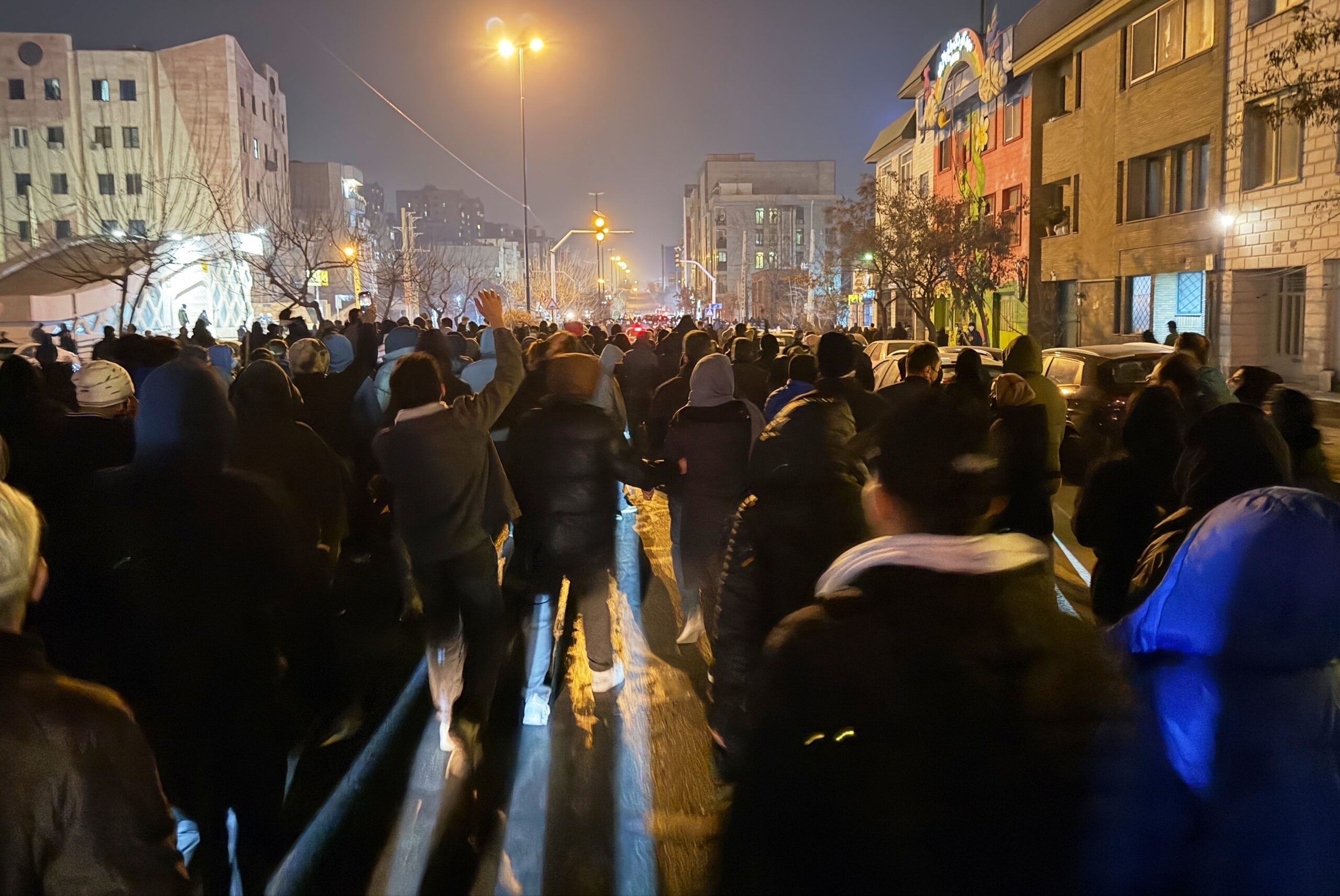
Iran’s 2025-26 Protests in Perspective
The erosion of the regime’s legitimacy across broad segments of society, combined with the breadth of the 2025-26 protest coalition, raises the possibility that a new confrontation could trigger renewed anti-regime mobilization.
Events
Mar 2, 2026
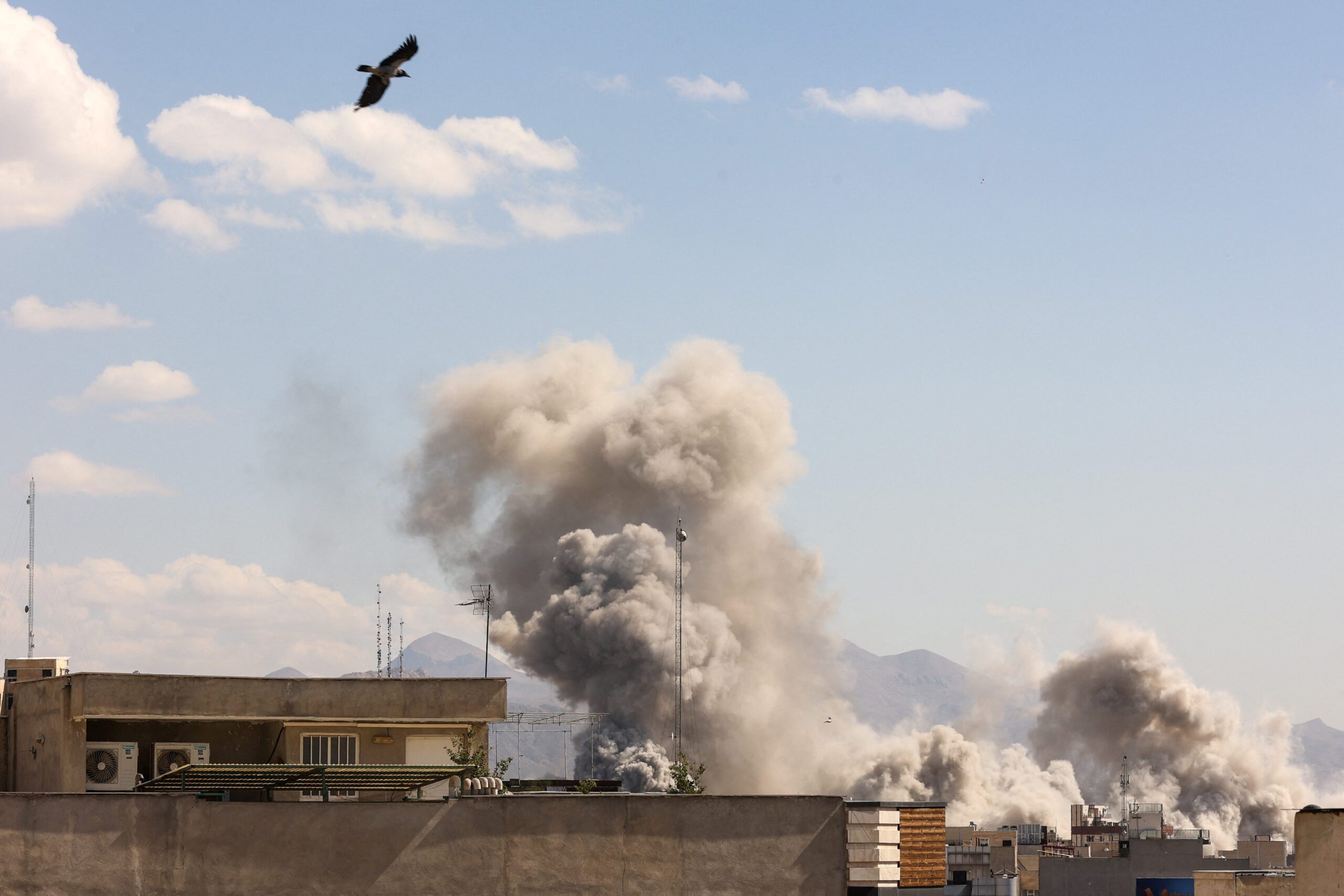
After the Shock: Implications of the U.S.–Israeli Strikes and Iran’s Leadership Transition
On March 2, AGSI hosted a discussion on the U.S.-Israeli strikes on Iran.
Speakers




Jan 8, 2026
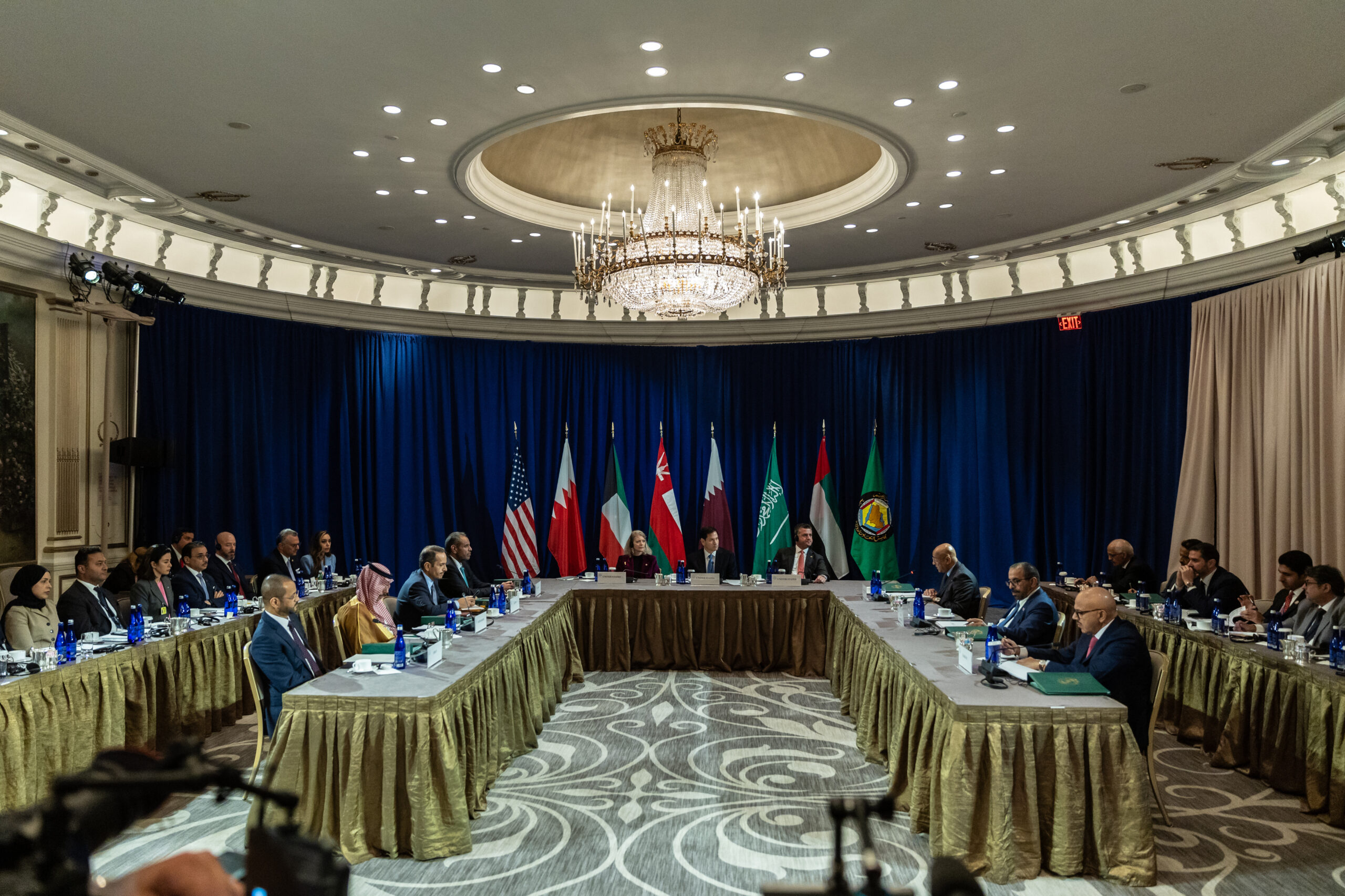
Outlook 2026: Prospects and Priorities for U.S.-Gulf Relations in the Year Ahead
On January 8, AGSI hosted a virtual roundtable with its leadership and scholars as they look ahead and assess trends likely to shape the Gulf region and U.S. foreign policy during the coming year.
Speakers


Sep 16, 2025
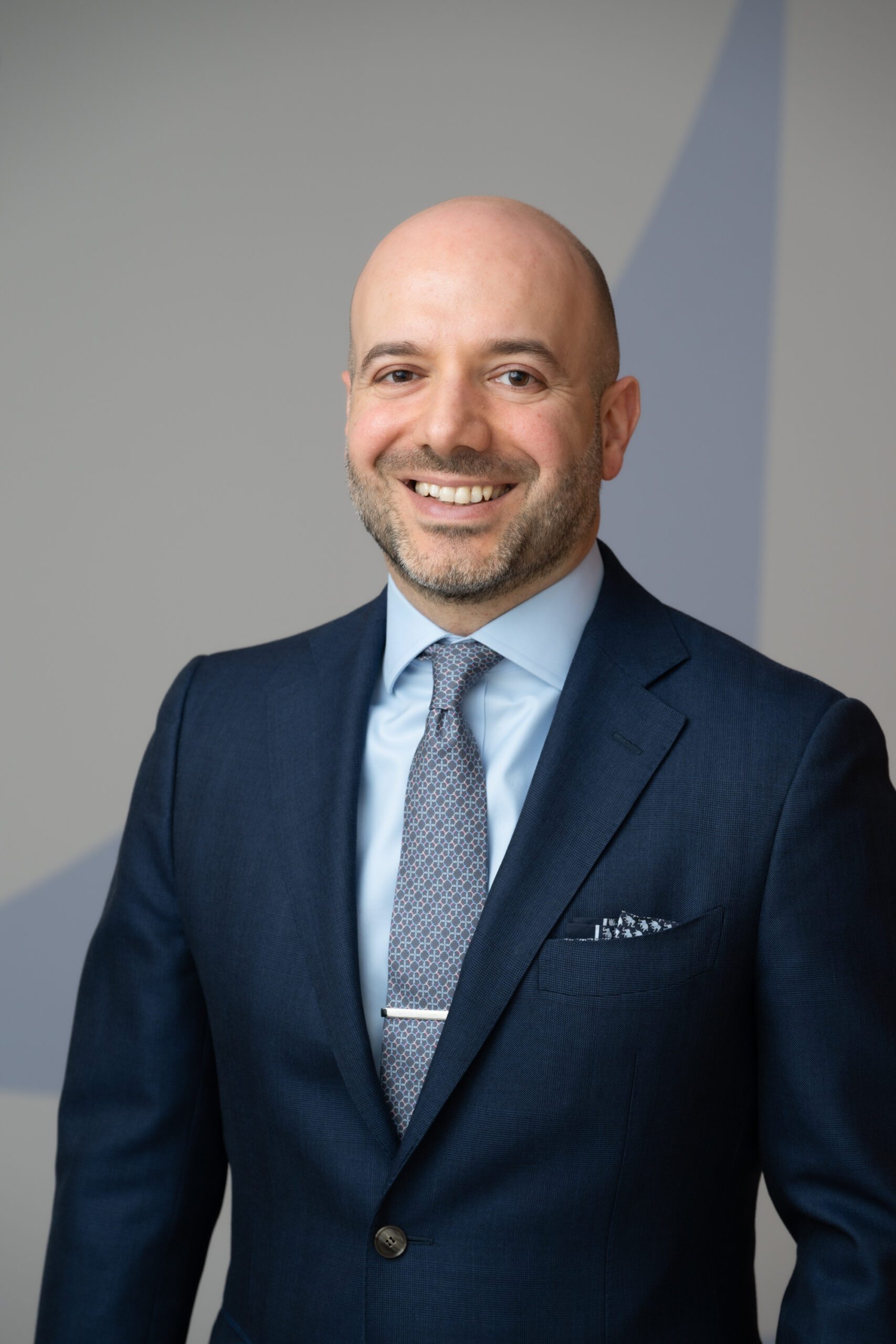
Book Talk: Iran’s Grand Strategy: A Political History
On September 16, AGSI hosted a discussion on the roots of Iran's strategic outlook.
Speakers
Jun 23, 2025
U.S. Strike on Iran: Regional and Diplomatic Fallout
On June 23, AGSI hosted a discussion on the United States' attack on Iranian nuclear sites.

Speakers
