Sep 22, 2023
IRGC Mouthpiece: Iran “Increased Oil Exports Despite Sanctions”
The September 22 edition of the Iran Media Review highlights triumphant commentary about the resilience of Iran’s oil industry.

“President Donald J. Trump is taking action intended to bring Iran’s oil exports to zero and deny the regime its principal source of revenue,” the White House declared in an April 22, 2019 statement. While former Secretary of State Mike Pompeo claimed Iranian crude oil exports decreased by over 95% under the Trump administration’s “maximum pressure campaign,” Iran, aided by China and Russia, still managed to sell some oil on the black market. Furthermore, by increasing non-oil exports, such as steel, cement, and other building materials, Iran was able to partially compensate for lost oil revenue and keep its economy afloat. At present, while Iranian oil exports appear to be under less pressure from U.S. sanctions, they are still very limited in comparison with other regional exporters.
- September 10: Under the headline “Fourfold Increase of Oil Exports Despite 223 Sanctions,” Islamic Revolutionary Guard Corps mouthpiece Javan newspaper triumphantly discussed the resilience of Iran’s oil industry and exports:
- “The revenue generated from Iran’s crude exports to China alone has surpassed $3.3 billion per month. Iran’s crude and natural gas refined at refineries in Latin America exceeds 500,000 barrels per day. This is at a time when the U.S. Treasury reports the United States imposed 223 new oil sanctions against Iran from May 2022 to June 2023 … Nevertheless … Iran’s oil exports in the same time period grew fourfold.”
- Praising President Ebrahim Raisi’s policies, Javan columnist Vahid Azimnia continued: “In response to Western sanctions, the Oil Ministry focused on finding new markets for its crude oil, concentrating on South America, Central Asia, Africa, and West Asia as well as private refineries in East Asia. Through joint ventures and trade deals with countries in Latin America and Africa, Iran expanded its crude exports to these places. This cooperation encompassed not only selling crude oil but also updating oil refineries in these countries, which was mutually beneficial … Separately, by finding markets in East Asia and targeting private and state-owned refineries, Iran managed to increase exports and revenue despite Western sanctions.”
- “According to the latest statistics, Iran’s crude exports have reached 8.1 million barrels per day. In 2019, Iran’s crude exports were reduced to 300,000 barrels per day.”
The views represented herein are the author's or speaker's own and do not necessarily reflect the views of AGSI, its staff, or its board of directors.
Related
Iran Media Review
Sep 19, 2023
IRGC Ratchets Up Threats Against Iraq-Based Kurdish Separatists
The September 19 edition of the Iran Media Review examines the Islamic Revolutionary Guard Corps’ threats to strike Kurdish separatists based in Iraq.
Iran Media Review
Sep 15, 2023
Externalizing Iran’s Internal Crisis: IRGC, Protesters, and Kurdish Separatists
The September 15 edition of the Iran Media Review highlights tensions over Iranian Kurdish groups based in Iraq and the regime’s efforts to blame them for domestic unrest.
Sep 19, 2023
IRGC Ratchets Up Threats Against Iraq-Based Kurdish Separatists
The September 19 edition of the Iran Media Review examines the Islamic Revolutionary Guard Corps’ threats to strike Kurdish separatists based in Iraq.
Sep 15, 2023
Externalizing Iran’s Internal Crisis: IRGC, Protesters, and Kurdish Separatists
The September 15 edition of the Iran Media Review highlights tensions over Iranian Kurdish groups based in Iraq and the regime’s efforts to blame them for domestic unrest.
Analysis
How Did the IRGC Seize Power in Iran?
The IRGC did not seize power in a single stroke. It accumulated it – patiently, methodically – until no counterweight remained.
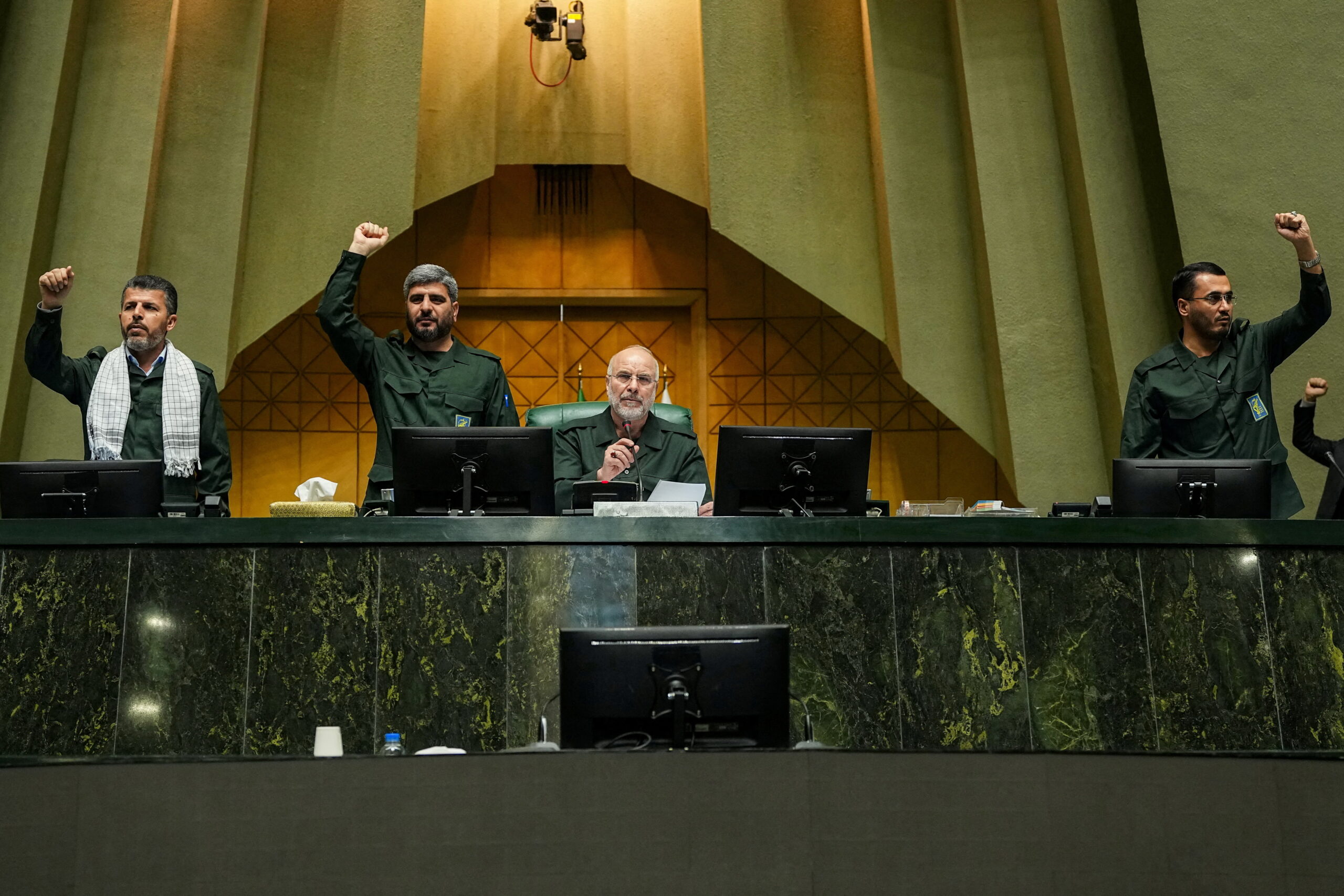
Under Mojtaba, the IRGC Will Reign Supreme
Iran may still call itself an Islamic Republic. In practice, however, it increasingly resembles a state in which the military governs from behind clerical robes.
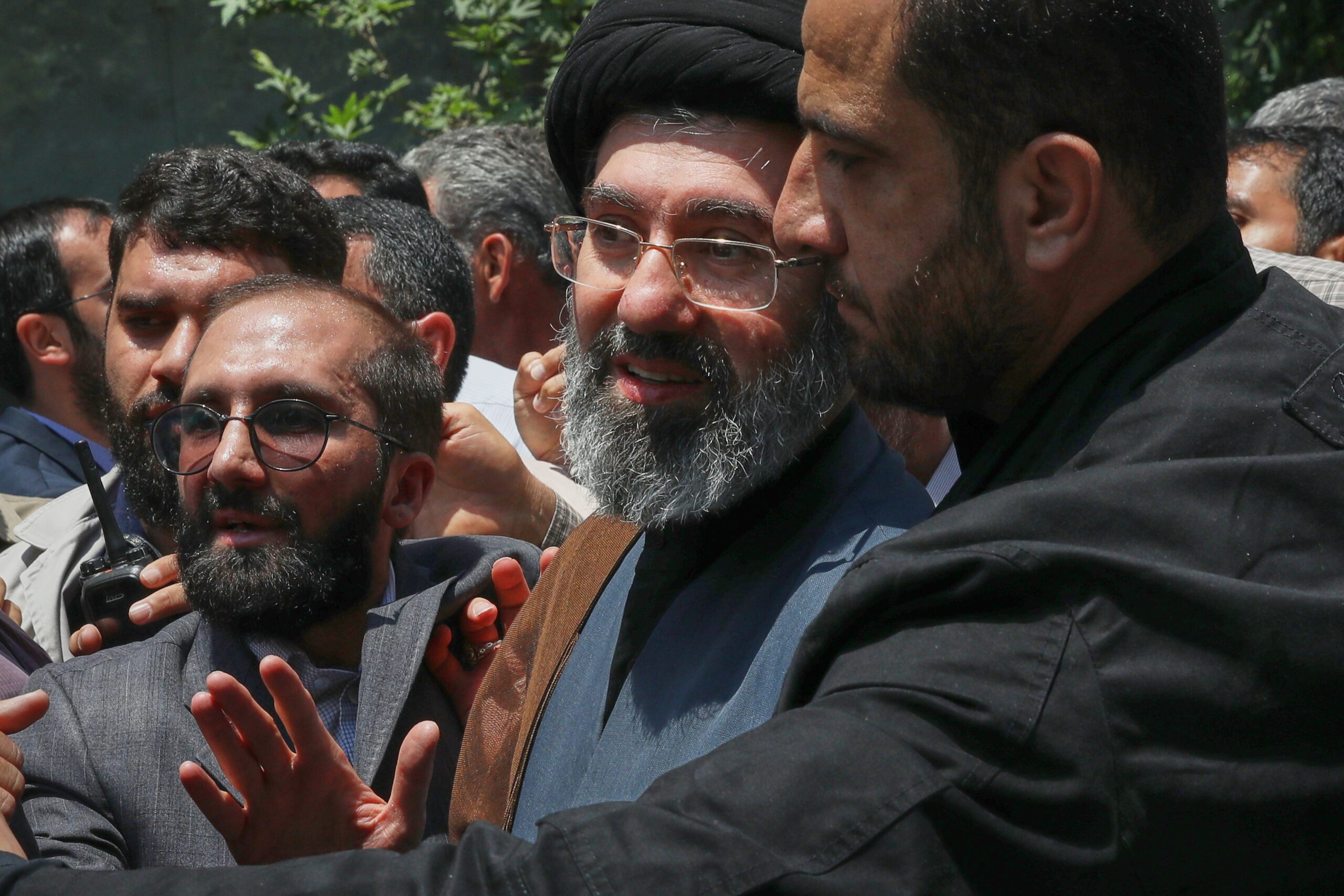
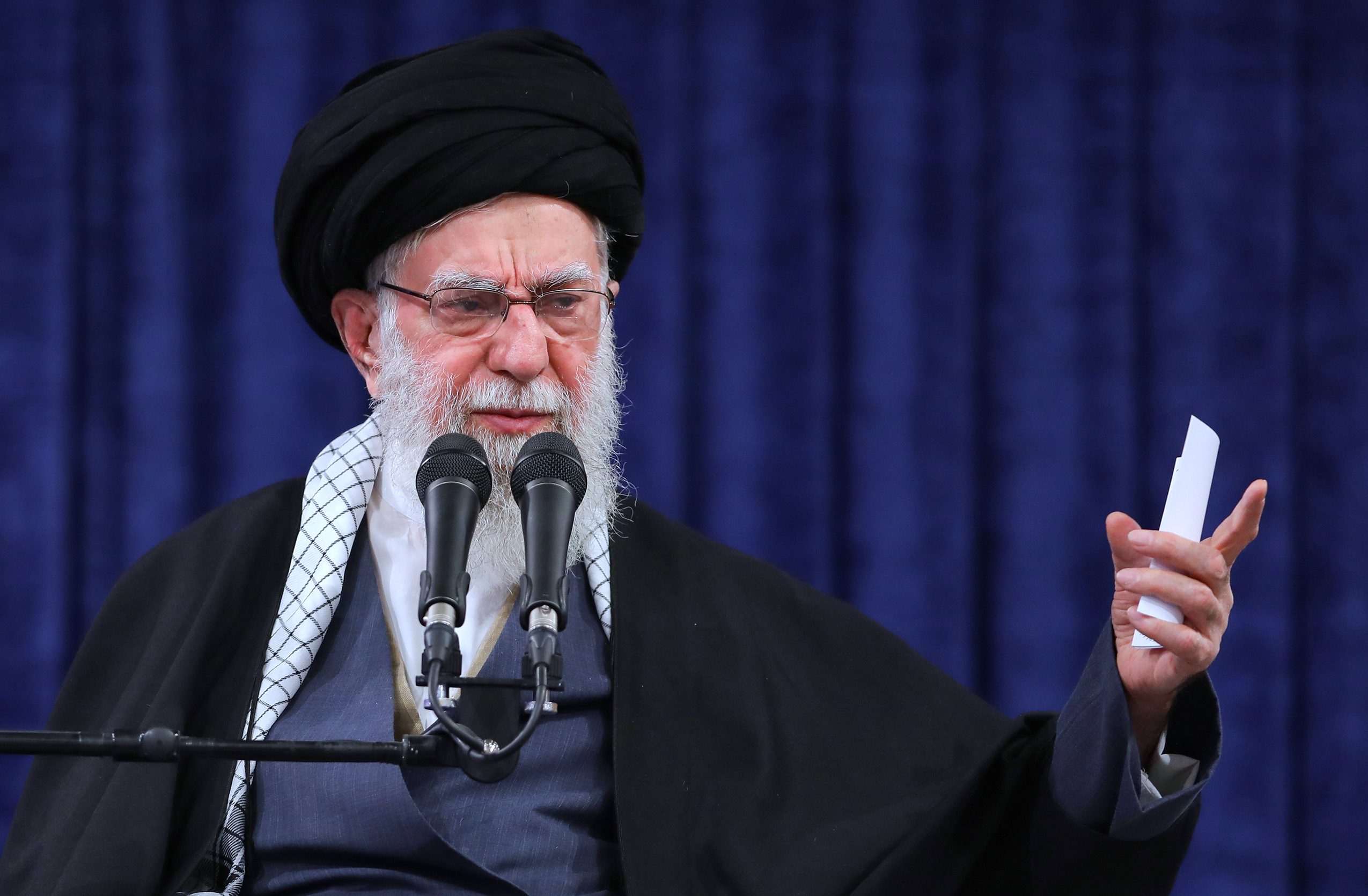
Political Life and Legacy of Iran’s Ayatollah Khamenei
Ayatollah Ali Khamenei was killed in his office in Tehran at age 86, leaving behind a country in ruins and on the verge of civil war and potential disintegration.
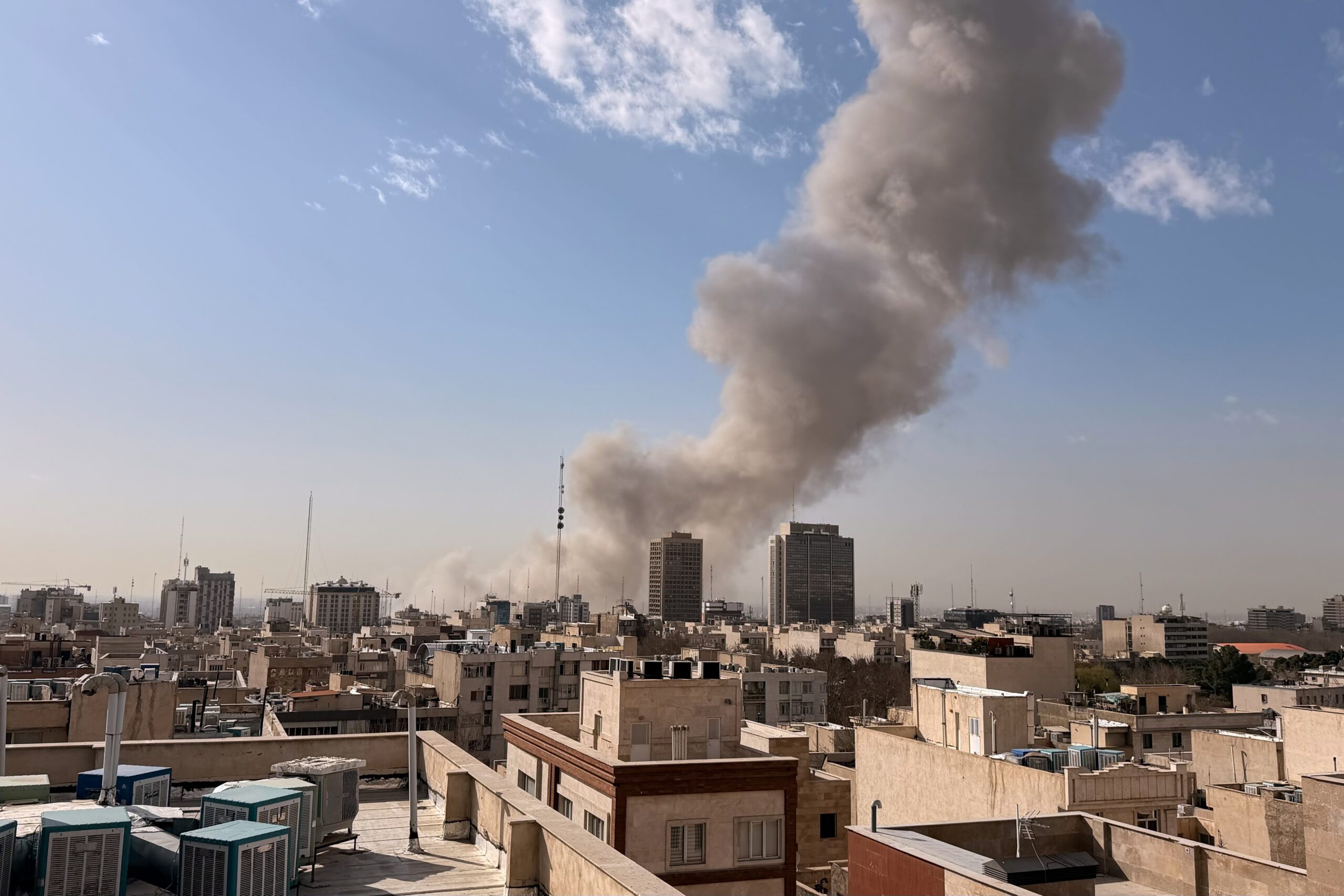
Iranian Regime Fighting for Survival
Iran is signaling that it will not absorb attacks passively. But whether this strategy ensures the regime’s survival, seals its fate, or accelerates a broader catastrophe will shape the region for years to come.
Events
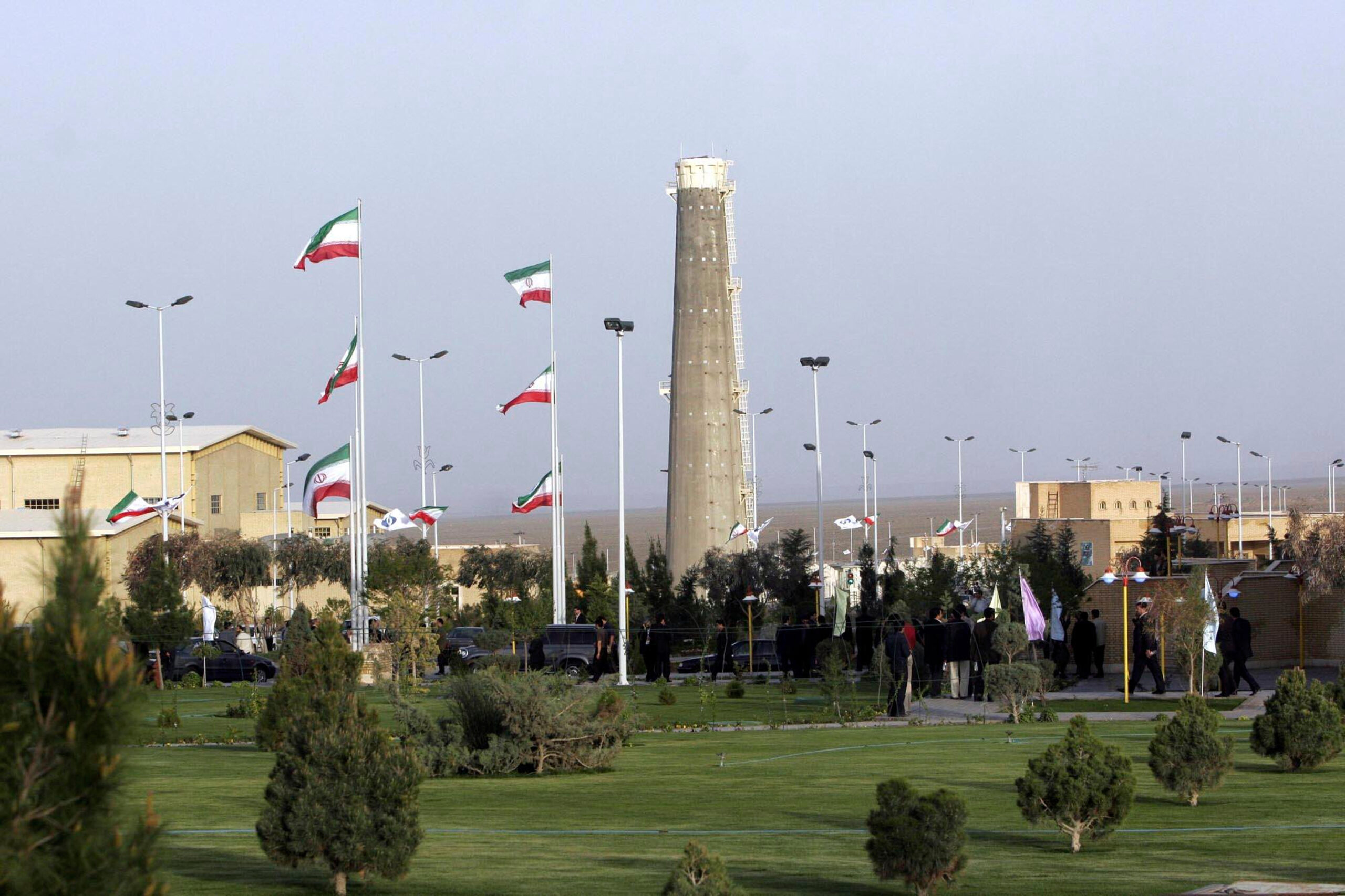
Book Talk: Iran and the Bomb: The United States, Iran and the Nuclear Question
On June 16, AGSI hosted a discussion on the evolution of Iran's nuclear program.
Speakers

Apr 21, 2026
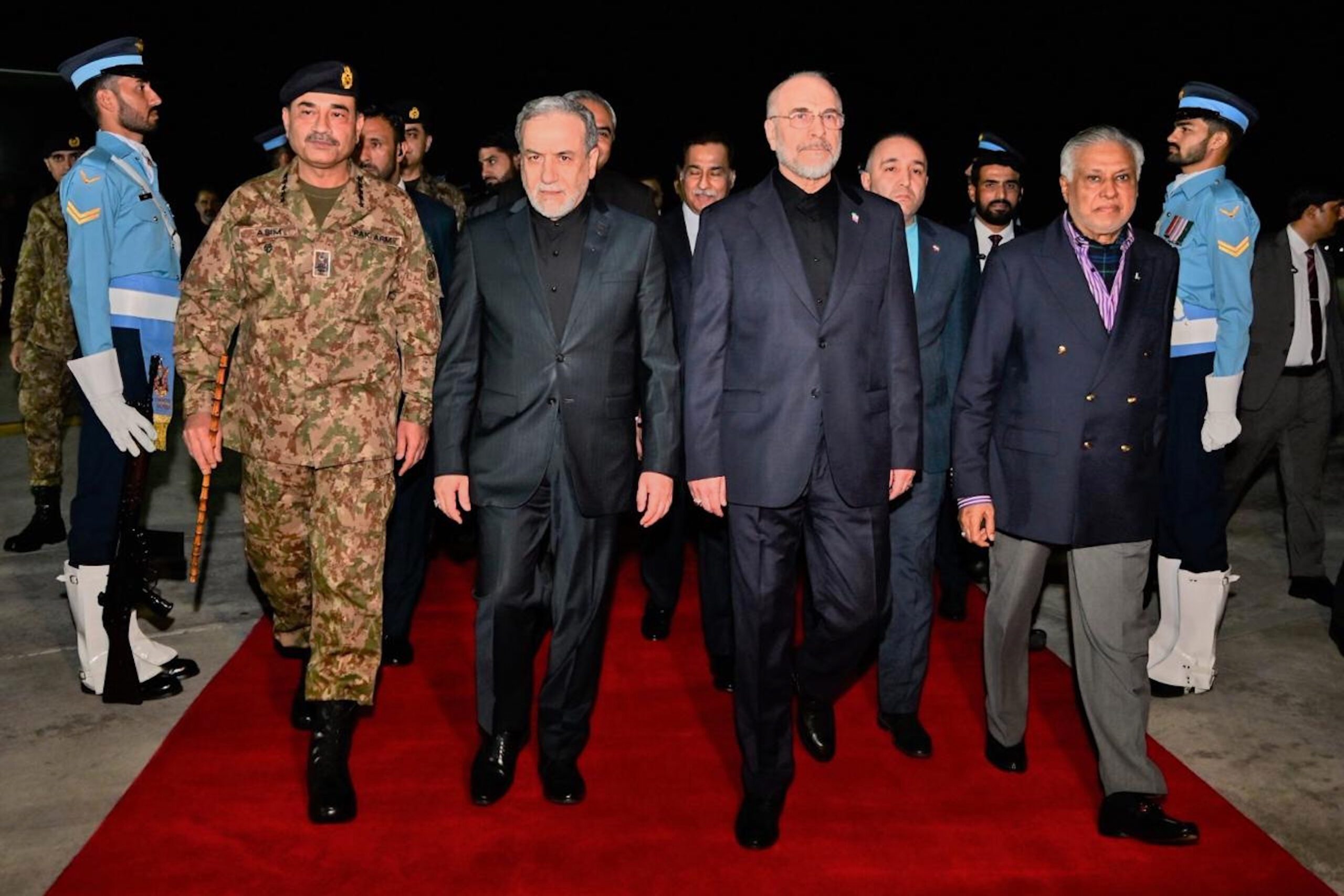
Inside Iran’s Wartime Leadership: Power, Succession, and Regime Stability
On April 21, AGSI hosted a discussion on the evolution of Iran's leadership during the war.
Speakers

Mar 18, 2026
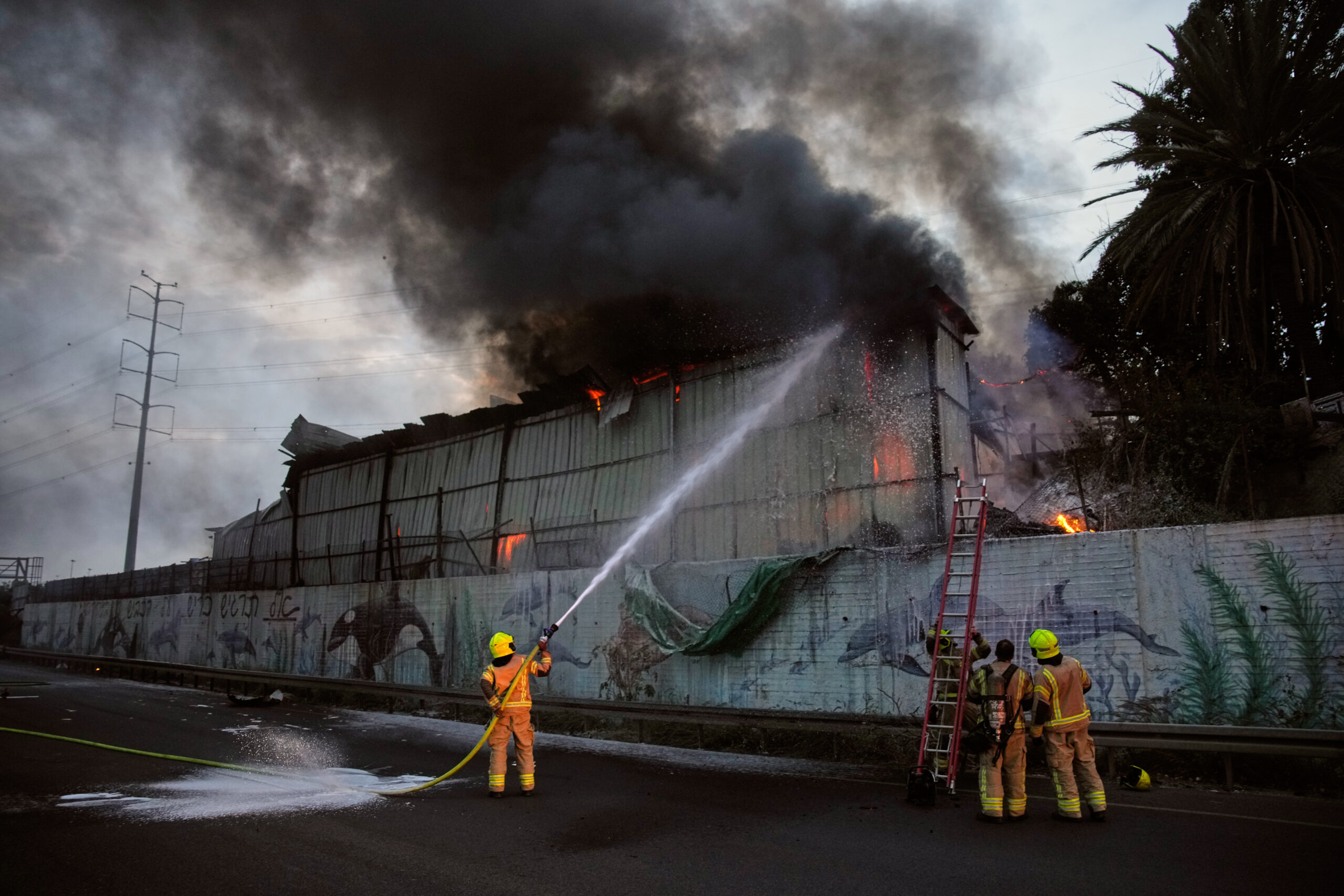
In Its Conflict With the United States and Israel, Does Escalation Favor Iran?
On March 18, AGSI hosted a discussion on the escalation of the Iran war.
Speakers


Mar 2, 2026
After the Shock: Implications of the U.S.–Israeli Strikes and Iran’s Leadership Transition
On March 2, AGSI hosted a discussion on the U.S.-Israeli strikes on Iran.
Speakers