Aug 15, 2023
Iran’s State-Owned Online Service Platforms Choose Profit Over Government Policy
The August 15 edition of the Iran Media Review highlights a controversy over the political stances and ownership of Iranian technology companies.

After Kayhan Daily editor Hossein Shariatmadari accused Iran’s online service platforms of siding with Iran’s “enemies” in the culture war over the hijab, a former minister of information and communications technology and intelligence officer disclosed that most of those online platforms are partially owned by government agencies. This revelation suggests that some of Iran’s partially state-owned online service platforms have chosen profit over government policy.
- August 13: Shariatmadari, in an editorial for hard-line Kayhan Daily, called for further restriction of Persian-language online platforms. According to Shariatmadari, Iran-registered online platforms – such as Snapp!, a vehicle for hire company; TAPSI, a ride-sharing company; Digikala, an e-commerce company; Taaghche, an online bookstore; Divar, a trading platform for secondhand products; Filmo, an on-demand streaming service; Aparat, a video-sharing service; and Rubika, a social media platform – constitute a realm outside of government control:
- “Take a glance at the performance of some of the most popular online platforms. What do you see? Illegality, delinquency, cooperation with the enemies of the people of the land of Iran, assisting the enemy against their own homeland … When tens of millions of the people of this nation rose in protest against the violation of the hijab legislation, some of these online platforms released photos of their female employees without the hijab … These online platforms have morphed into a parallel government that treads upon current law.”
- Concluding the editorial, Shariatmadari wrote: “If such service platforms are necessary, why are they not taken over by the government so they can be managed by qualified individuals and directly managed by the regime? Why should they not be owned by the regime?”
- August 13: According to reformist Entekhab News, in response to the Kayhan editorial, Mohammad-Javad Azari Jahromi, Iran’s former minister of information and communications technology, said: “Revolutionary institutions,” referencing institutions established after the 1979 revolution to counterbalance the bureaucracy, “already own a considerable share of the stocks of some of the platforms he mentions.”
The views represented herein are the author's or speaker's own and do not necessarily reflect the views of AGSI, its staff, or its board of directors.
Related
Iran Media Review
Aug 11, 2023
Neither Free Nor Fair: Iran Prepares for March 2024 Parliamentary Elections
The August 11 edition of the Iran Media Review examines commentary about Iran’s upcoming elections amid concerns of an electoral boycott.
Iran Media Review
Aug 8, 2023
Naval War Game and a Former Diplomat’s Warning on the Risk of Unintended Clashes With the U.S.
The August 8 edition of the Iran Media Review examines reactions to an Iranian naval exercise amid heightened tensions with the United States.
Aug 11, 2023
Neither Free Nor Fair: Iran Prepares for March 2024 Parliamentary Elections
The August 11 edition of the Iran Media Review examines commentary about Iran’s upcoming elections amid concerns of an electoral boycott.
Aug 8, 2023
Naval War Game and a Former Diplomat’s Warning on the Risk of Unintended Clashes With the U.S.
The August 8 edition of the Iran Media Review examines reactions to an Iranian naval exercise amid heightened tensions with the United States.
Analysis
The Islamic Republic Returns to Offense
After U.S.-Israeli strikes killed Supreme Leader Ayatollah Ali Khamenei on February 28, Iran’s collective leadership has concluded that the best defense is a good offense.
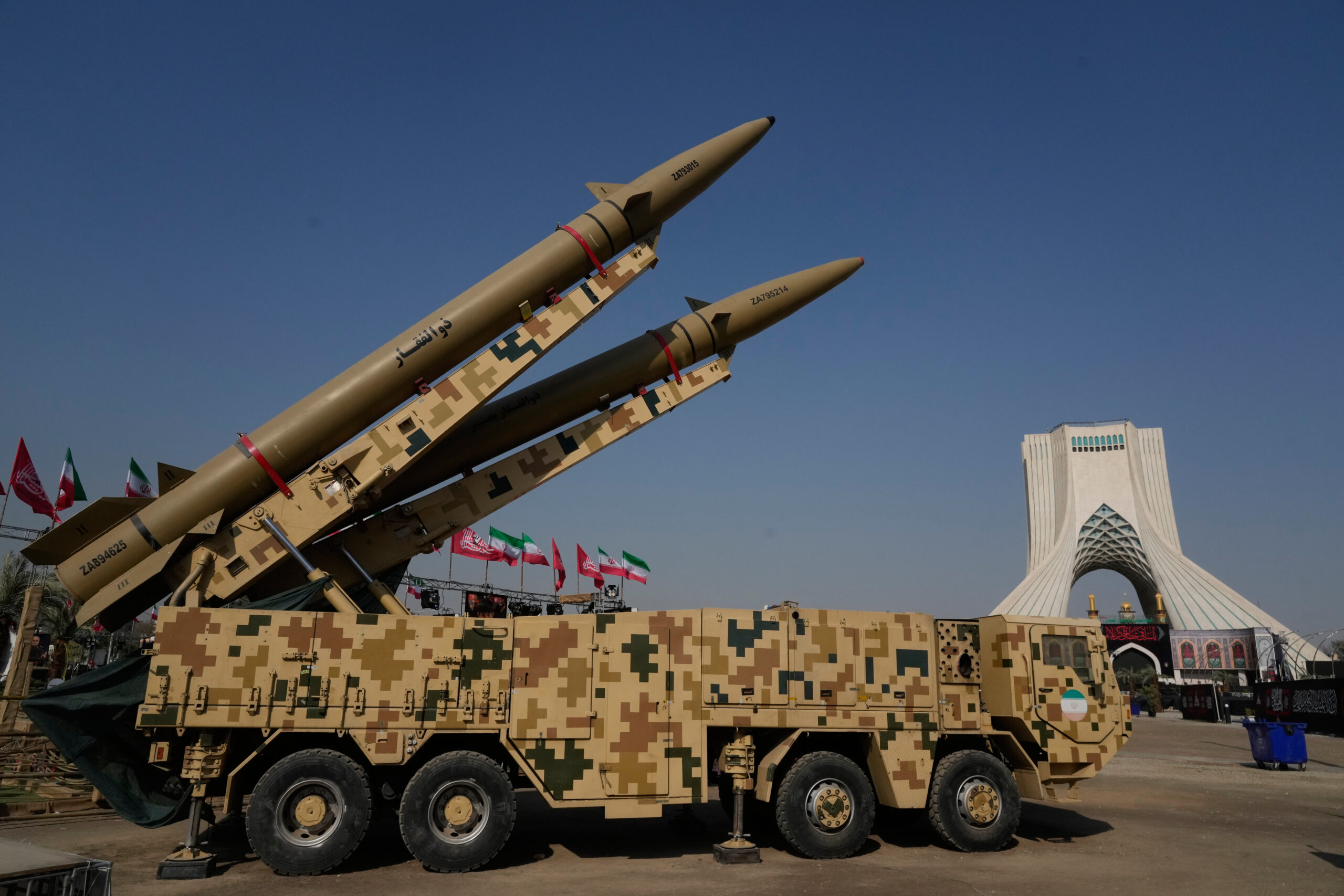
Iran’s Collective Strategic Decision Making
Wartime pressure has temporarily aligned the leadership’s overriding interest in regime survival, even as its members continue to differ over the costs, methods, and ultimate objectives of the war.
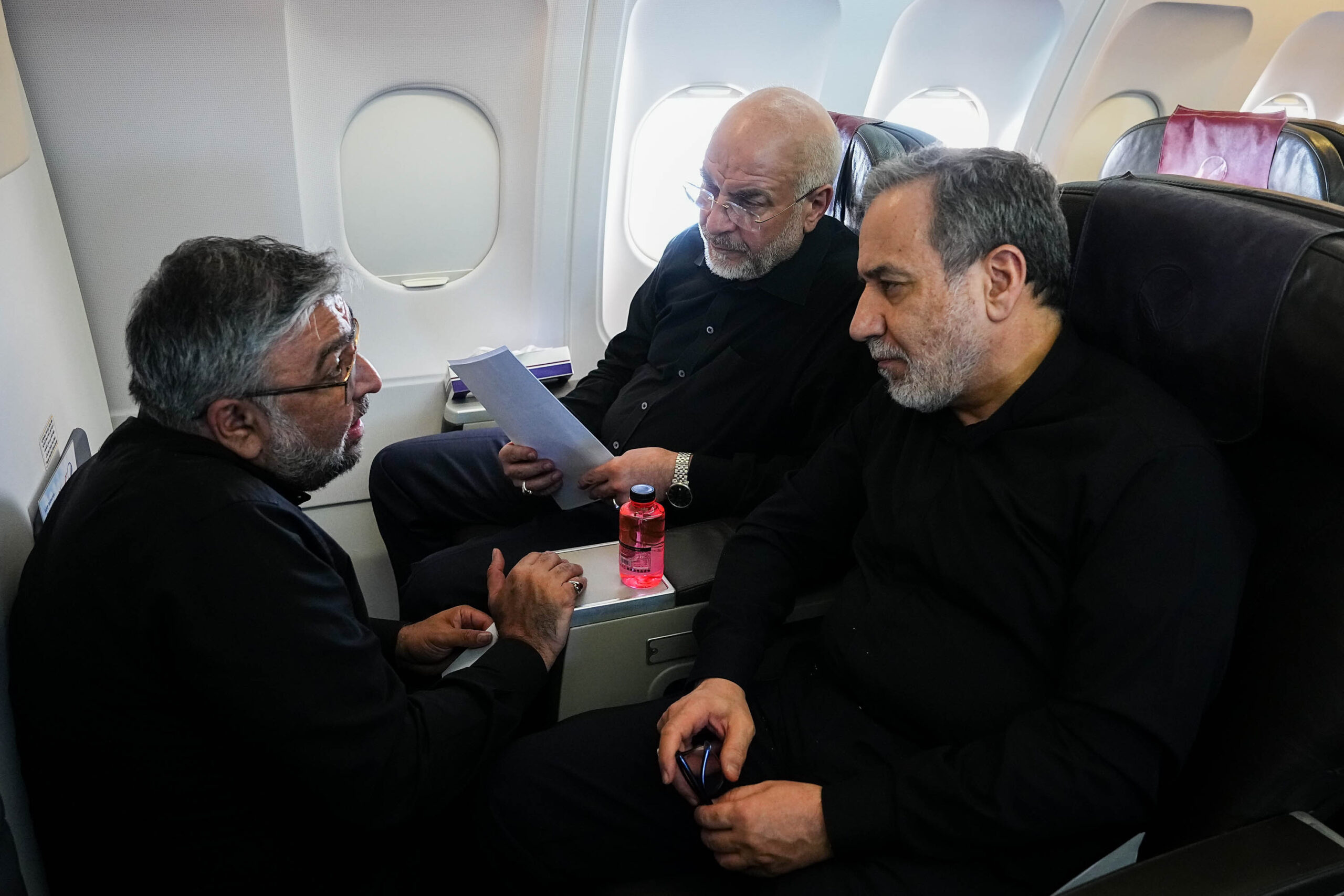
The Islamic Republic’s Collective Leadership
While there is historical precedent for collective leadership in Iran, today’s leadership includes representatives of the IRGC and regular military – a reflection of the IRGC’s expanding role and the necessities of governing under wartime conditions.
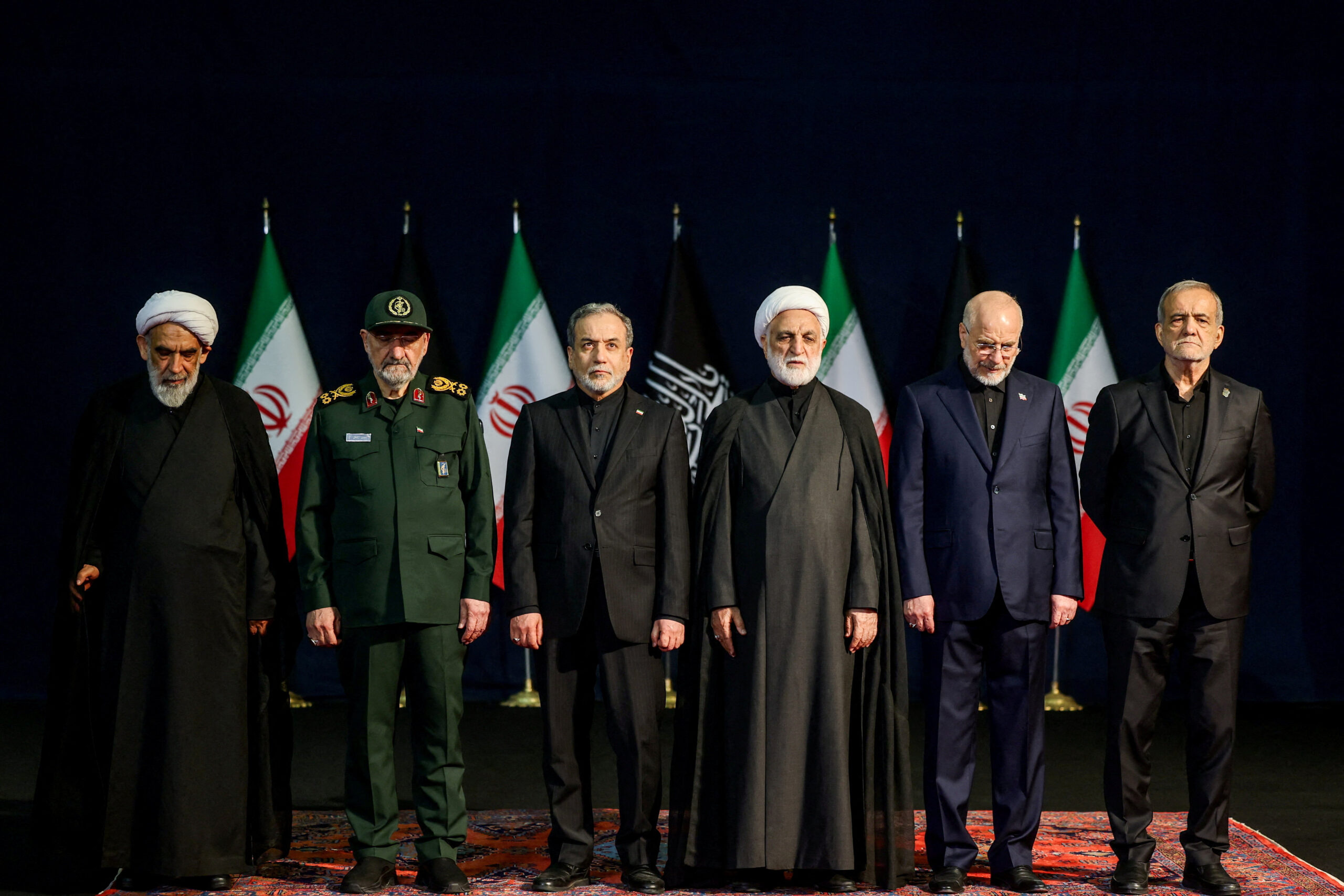
How Did the IRGC Seize Power in Iran?
The IRGC did not seize power in a single stroke. It accumulated it – patiently, methodically – until no counterweight remained.
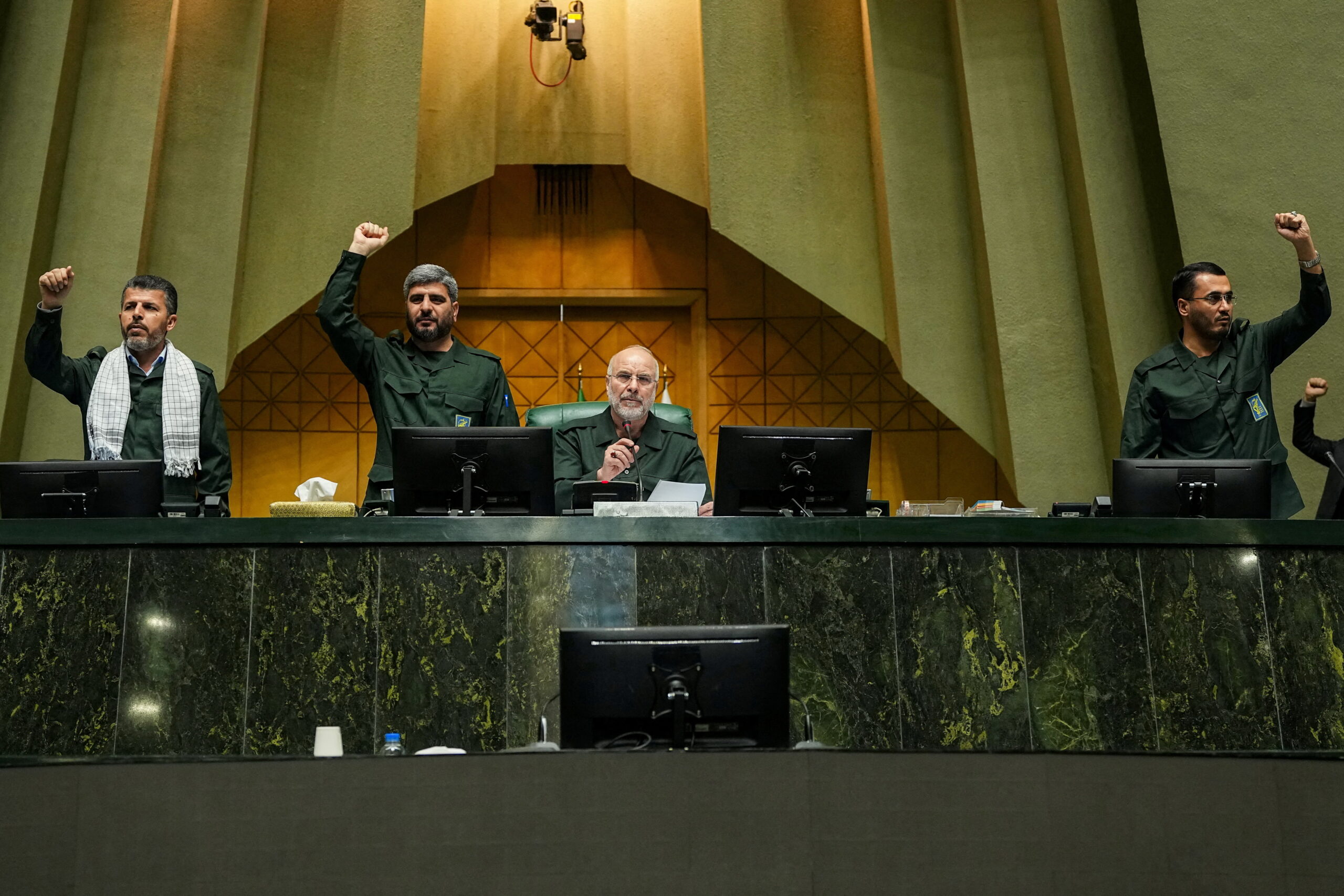
Events
Book Talk: Iran and the Bomb: The United States, Iran and the Nuclear Question
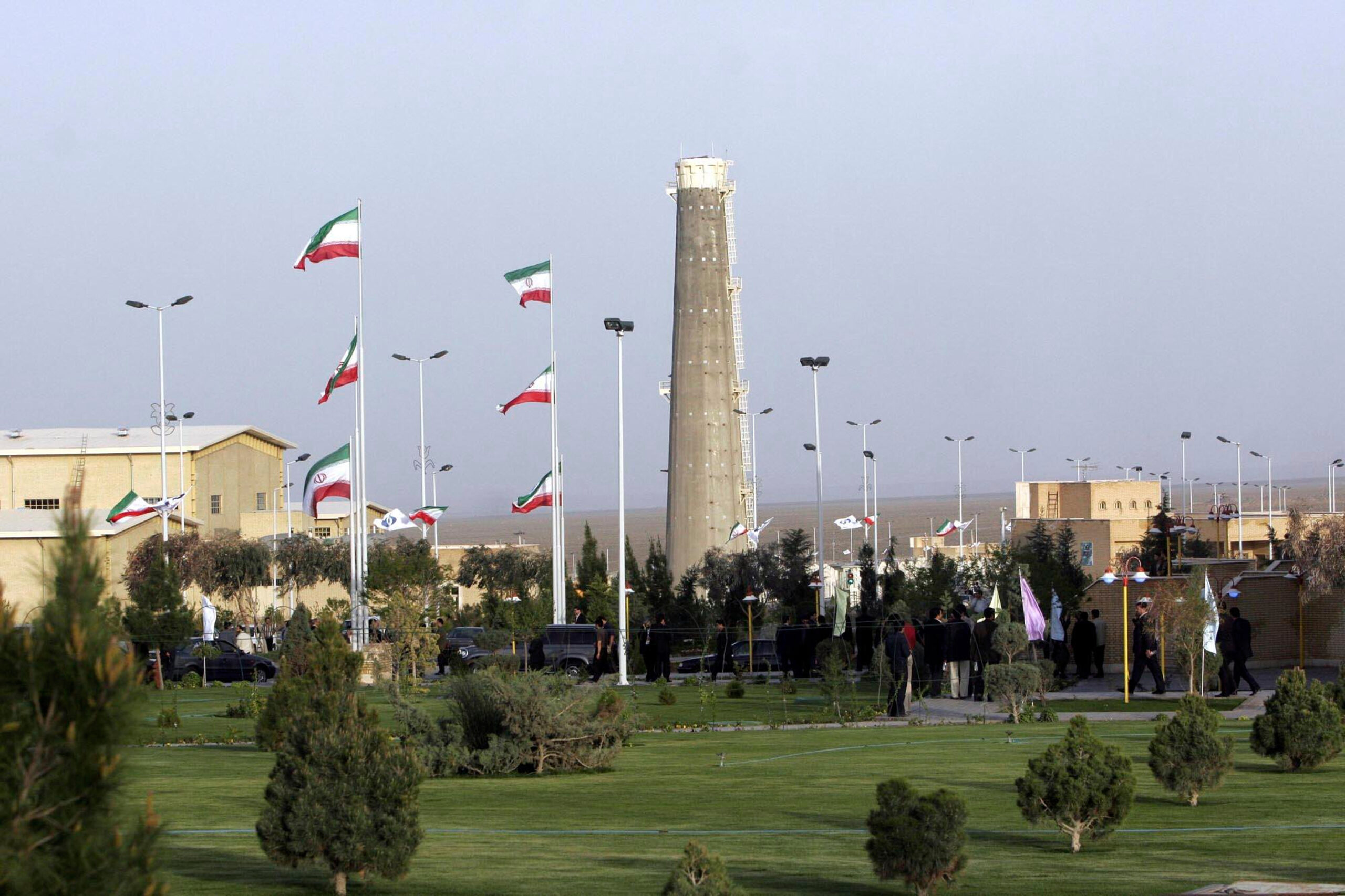
On June 16, AGSI hosted a discussion on the evolution of Iran's nuclear program.
Speakers

Apr 21, 2026
Inside Iran’s Wartime Leadership: Power, Succession, and Regime Stability
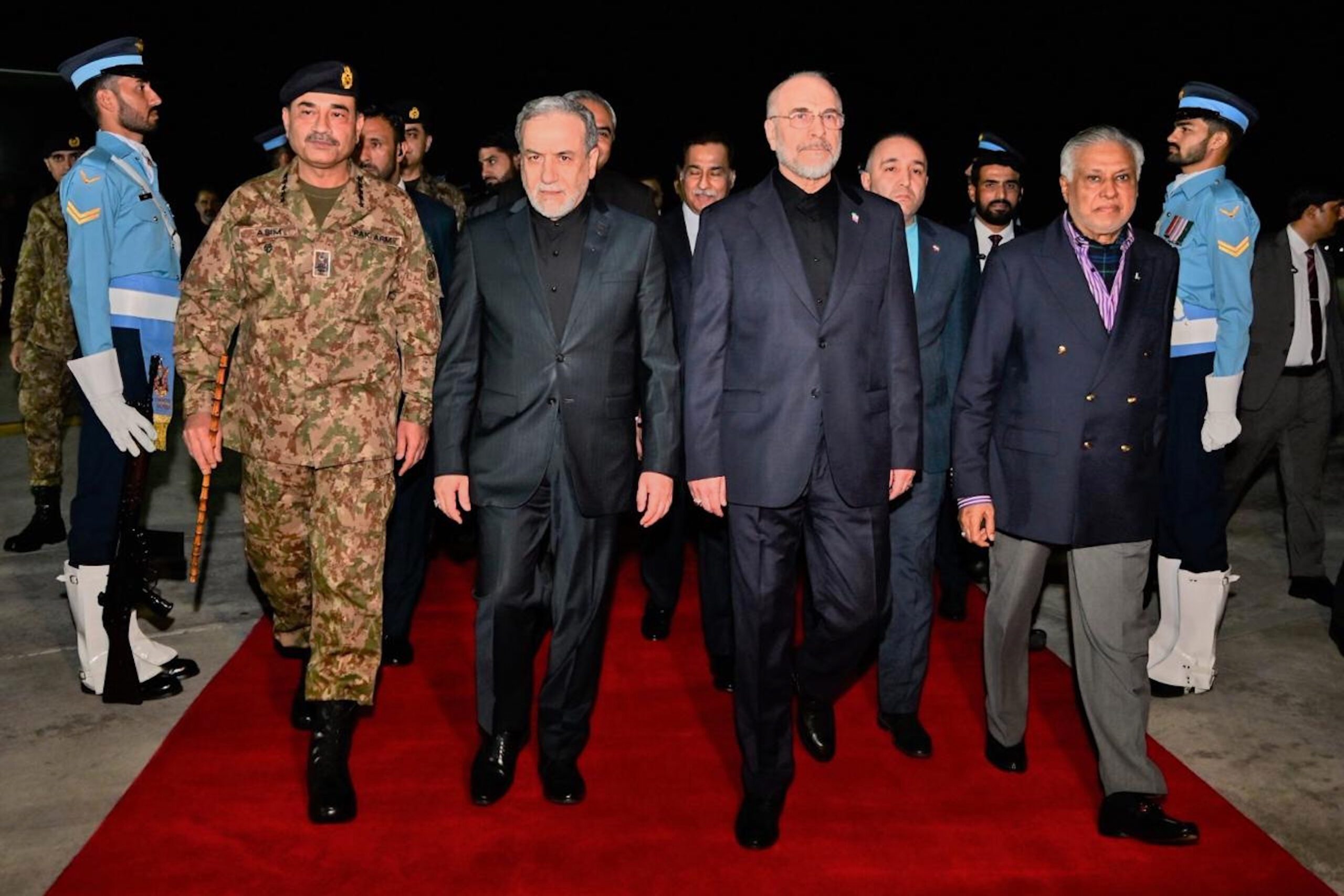
On April 21, AGSI hosted a discussion on the evolution of Iran's leadership during the war.
Speakers

Mar 18, 2026
In Its Conflict With the United States and Israel, Does Escalation Favor Iran?
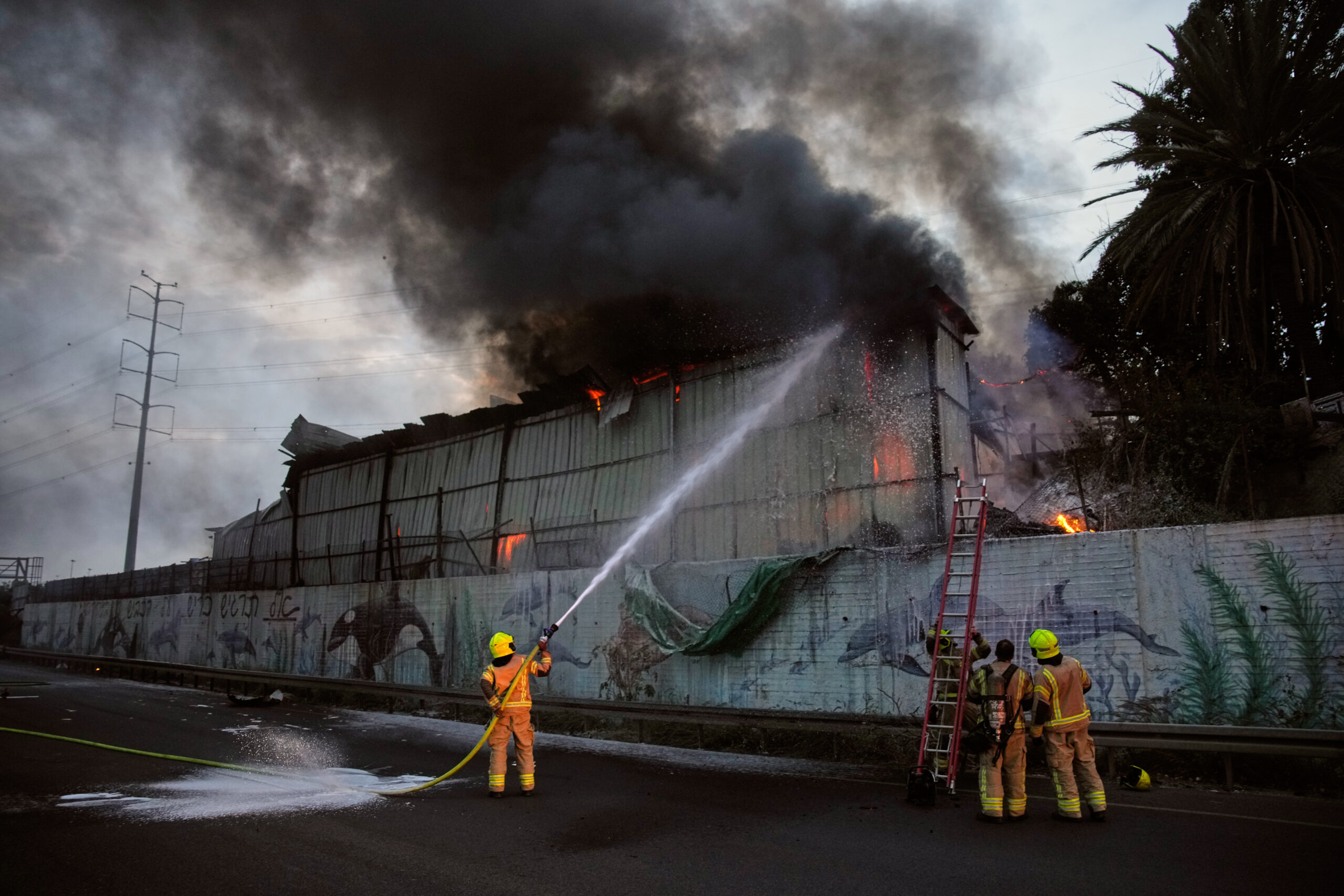
On March 18, AGSI hosted a discussion on the escalation of the Iran war.
Speakers



Mar 2, 2026
After the Shock: Implications of the U.S.–Israeli Strikes and Iran’s Leadership Transition
On March 2, AGSI hosted a discussion on the U.S.-Israeli strikes on Iran.
Speakers