Jun 11, 2024
Iran’s Six Presidential Hopefuls
The June 11 edition of the Iran Media Review examines the six candidates approved to run in Iran’s upcoming presidential election.

As the Guardian Council, Iran’s candidate vetting body, qualified six candidates to run for the June 28 presidential election, it disqualified more than 80 individuals who had registered to run for office. With the possible exception of the parliamentary speaker, whose candidacy was approved, a lack of a social base appears to be the common denominator among the qualified candidates. On the other hand, the disqualified candidates, particularly the better known among them, are characterized by their ability to mobilize voters. For instance, former Vice President Eshaq Jahangiri is capable of mobilizing reformist-minded voters, and former President Mahmoud Ahmadinejad is a peerless campaigner capable of mobilizing the countryside but also the underprivileged suburban voters who feel forgotten by the government.
- June 9: Nour News, the official Supreme National Security Council mouthpiece, quoting an Interior Ministry statement, announced the six candidates qualified by the Guardian Council to run for president: Parliamentarian Masoud Pezeshkian, former Minister of Justice Mostafa Pourmohammadi, Representative of the Supreme Leader to the SNSC Saeed Jalili, Tehran Mayor Ali Reza Zakani, Vice President Amir Hossein Ghazizadeh Hashemi, and Parliamentary Speaker Mohammad-Bagher Qalibaf.
- June 9: Nour News‘ survey of election news released the names of prominent individuals whose bids for president were blocked by the Guardian Council, including former Parliamentary Speaker Ali Larijani, Jahangiri, Ahmadinejad, and Vahid Haqanian, a mysterious individual in the Office of the Supreme Leader.
- June 9: Islamic Revolutionary Guard Corps mouthpiece Javan newspaper praised the candidate list, claiming it has made for a “competitive race.”
- June 9: Centrist Mehr News released short biographies of presidential candidates:
- Pezeshkian, born in Mahabad in 1954, is a member of parliament representing Tabriz, Azar-Shahr, and Oskou. He previously served as health minister in President Mohammad Khatami’s Cabinet and is a doctor and surgeon.
- Pourmohammadi, born in Qom in 1959, is a Shia cleric and was formerly head of the Intelligence Ministry’s External Espionage Directorate and deputy minister of intelligence.
- Jalili, born in Mashhad in 1965, is a veteran of the Iran-Iraq War and holds a PhD in international relations. He previously served as a nuclear negotiator and is currently one of two representatives of Supreme Leader Ayatollah Ali Khamenei to the SNSC.
- Ali Reza Zakani, born in Shahr-e Rey in 1966, is a former parliamentarian and the current mayor of Tehran.
- Hashemi, born in Fariman in 1971, is a parliamentarian and the head of the Foundation of Martyrs and Veterans Affairs.
- Qalibaf, born in Torqabeh in 1961, serves as the speaker of parliament. He is a veteran of the Iran-Iraq War and previously served as commander of the IRGC Aerospace Force and Iran’s chief of police.
The views represented herein are the author's or speaker's own and do not necessarily reflect the views of AGSI, its staff, or its board of directors.
Related
Iran Media Review
Jun 7, 2024
Nour News Expects Eight Candidates Will Be Qualified to Run in Presidential Election
The June 7 edition of the Iran Media Review highlights developments surrounding Iran’s upcoming presidential election.
Jun 7, 2024
Nour News Expects Eight Candidates Will Be Qualified to Run in Presidential Election
The June 7 edition of the Iran Media Review highlights developments surrounding Iran’s upcoming presidential election.
Analysis
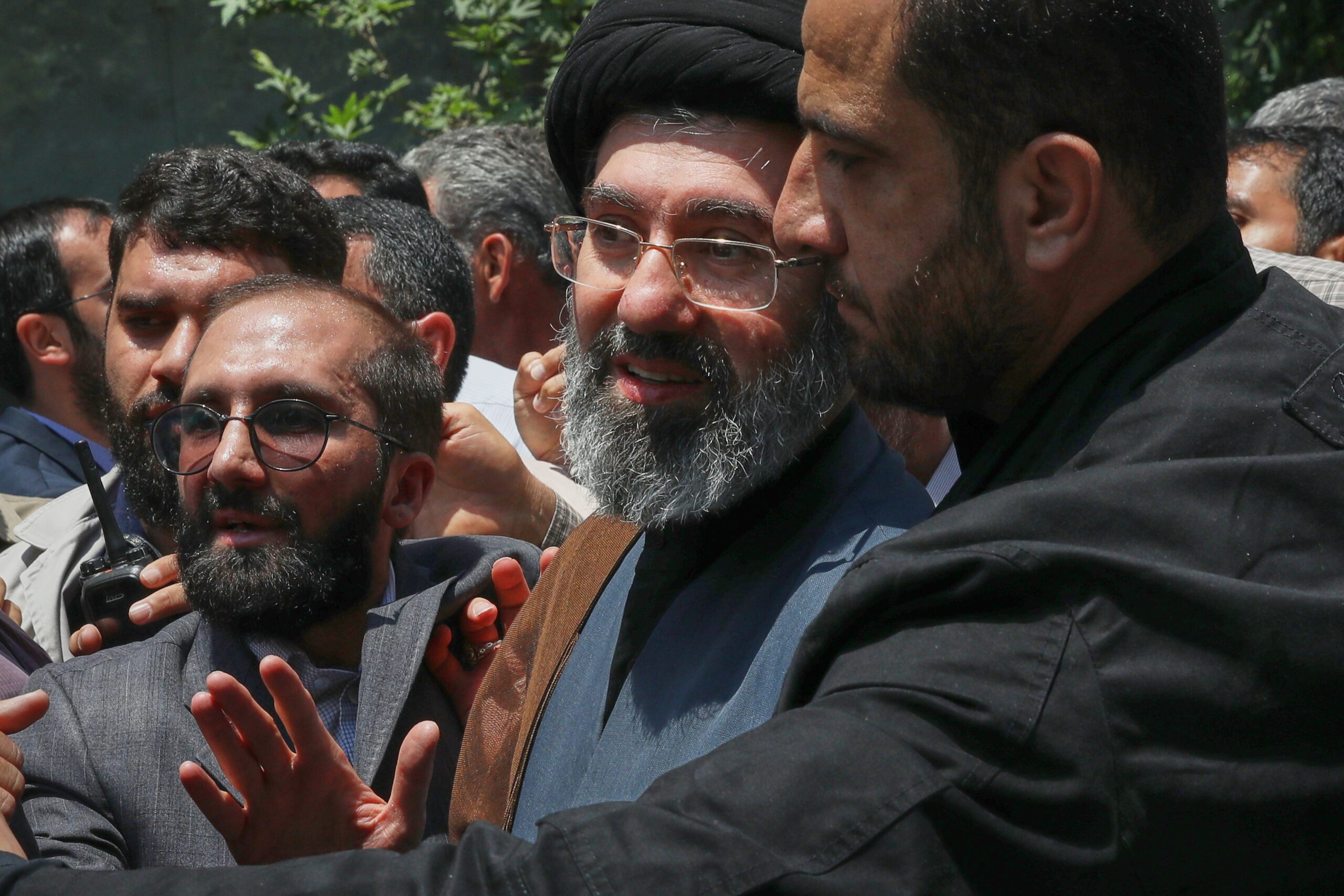
Under Mojtaba, the IRGC Will Reign Supreme
Iran may still call itself an Islamic Republic. In practice, however, it increasingly resembles a state in which the military governs from behind clerical robes.
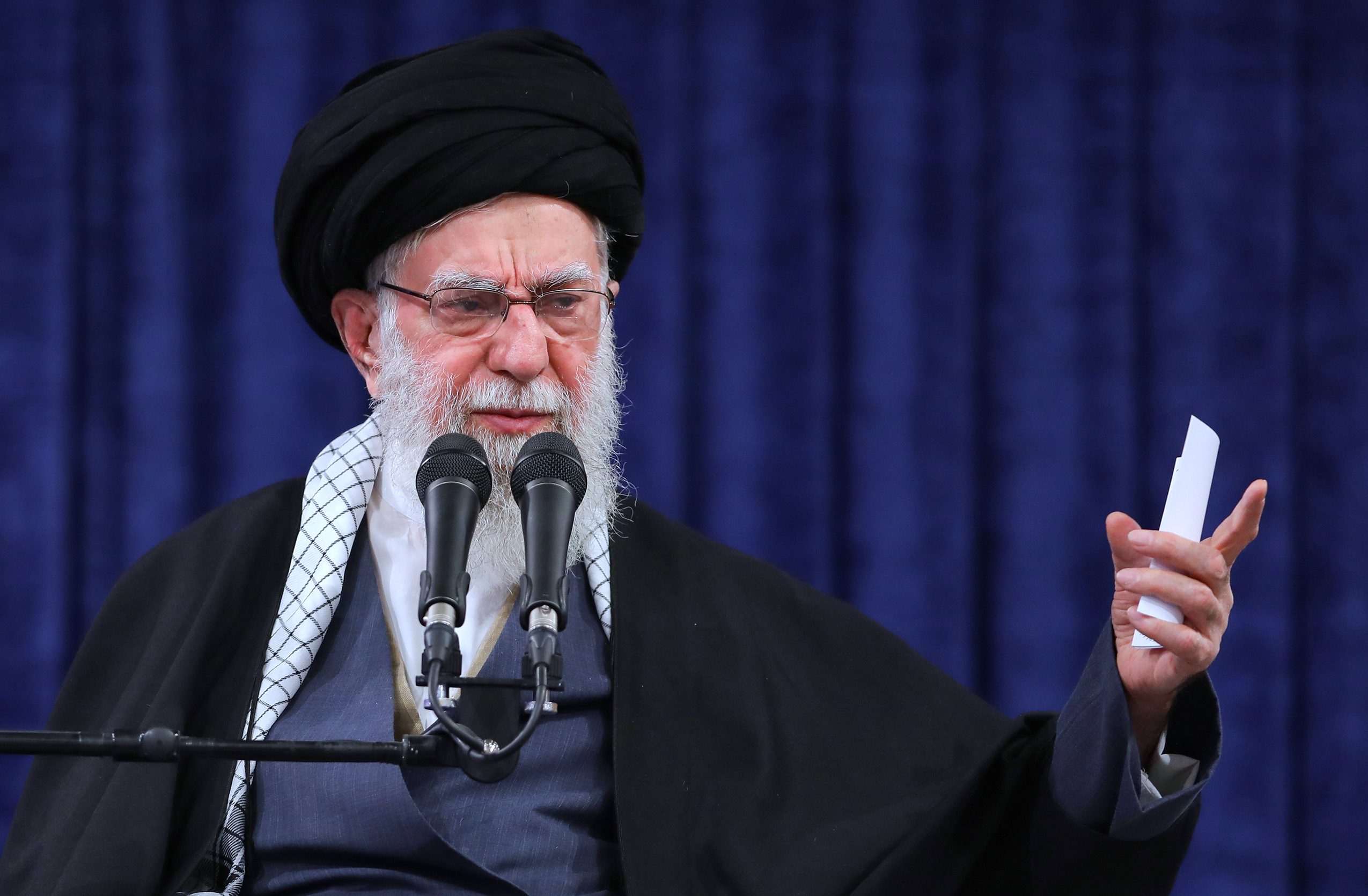
Political Life and Legacy of Iran’s Ayatollah Khamenei
Ayatollah Ali Khamenei was killed in his office in Tehran at age 86, leaving behind a country in ruins and on the verge of civil war and potential disintegration.
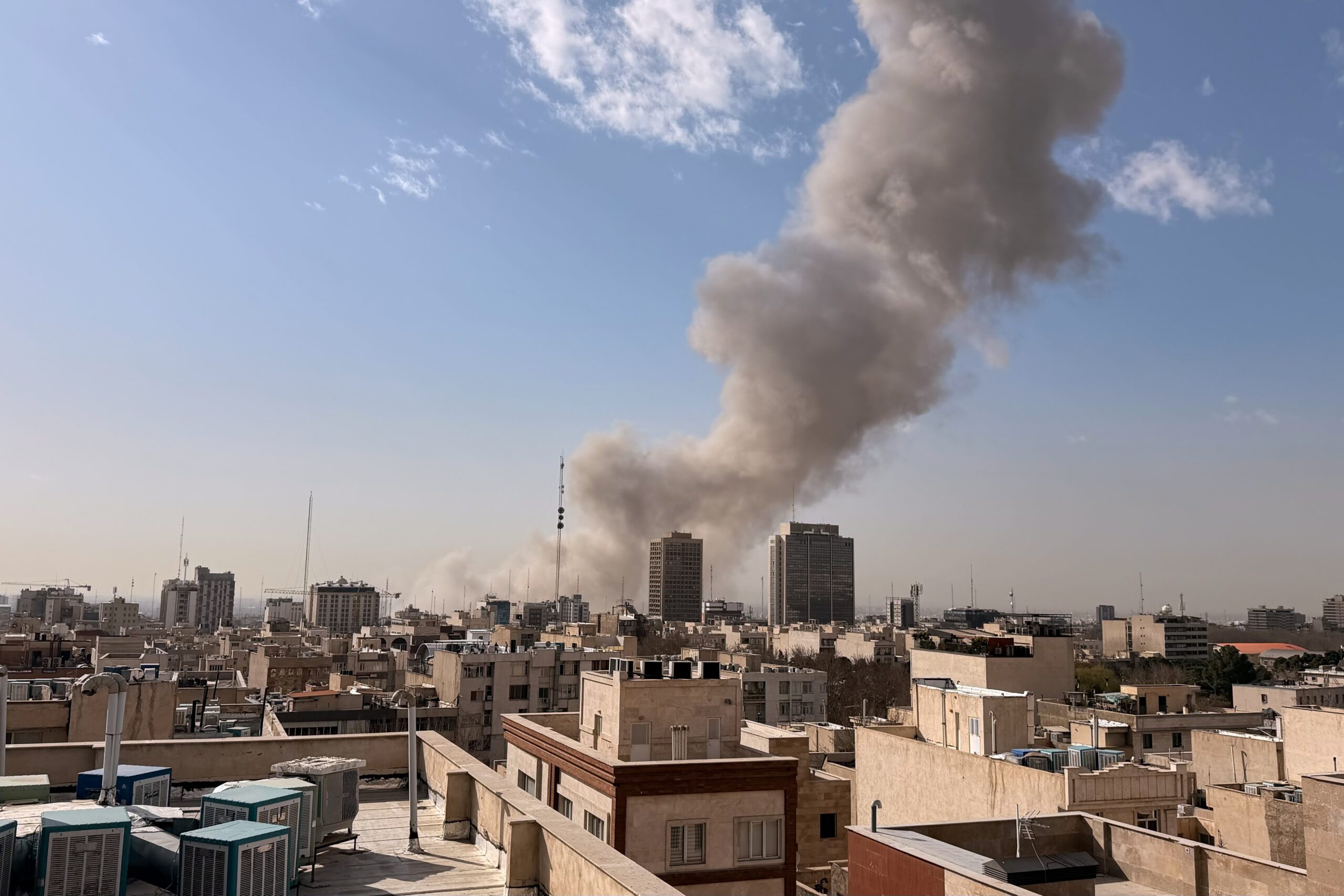
Iranian Regime Fighting for Survival
Iran is signaling that it will not absorb attacks passively. But whether this strategy ensures the regime’s survival, seals its fate, or accelerates a broader catastrophe will shape the region for years to come.
Iran’s 2025-26 Protests in Perspective
The erosion of the regime’s legitimacy across broad segments of society, combined with the breadth of the 2025-26 protest coalition, raises the possibility that a new confrontation could trigger renewed anti-regime mobilization.
Events
Mar 18, 2026
In Its Conflict With the United States and Israel, Does Escalation Favor Iran?
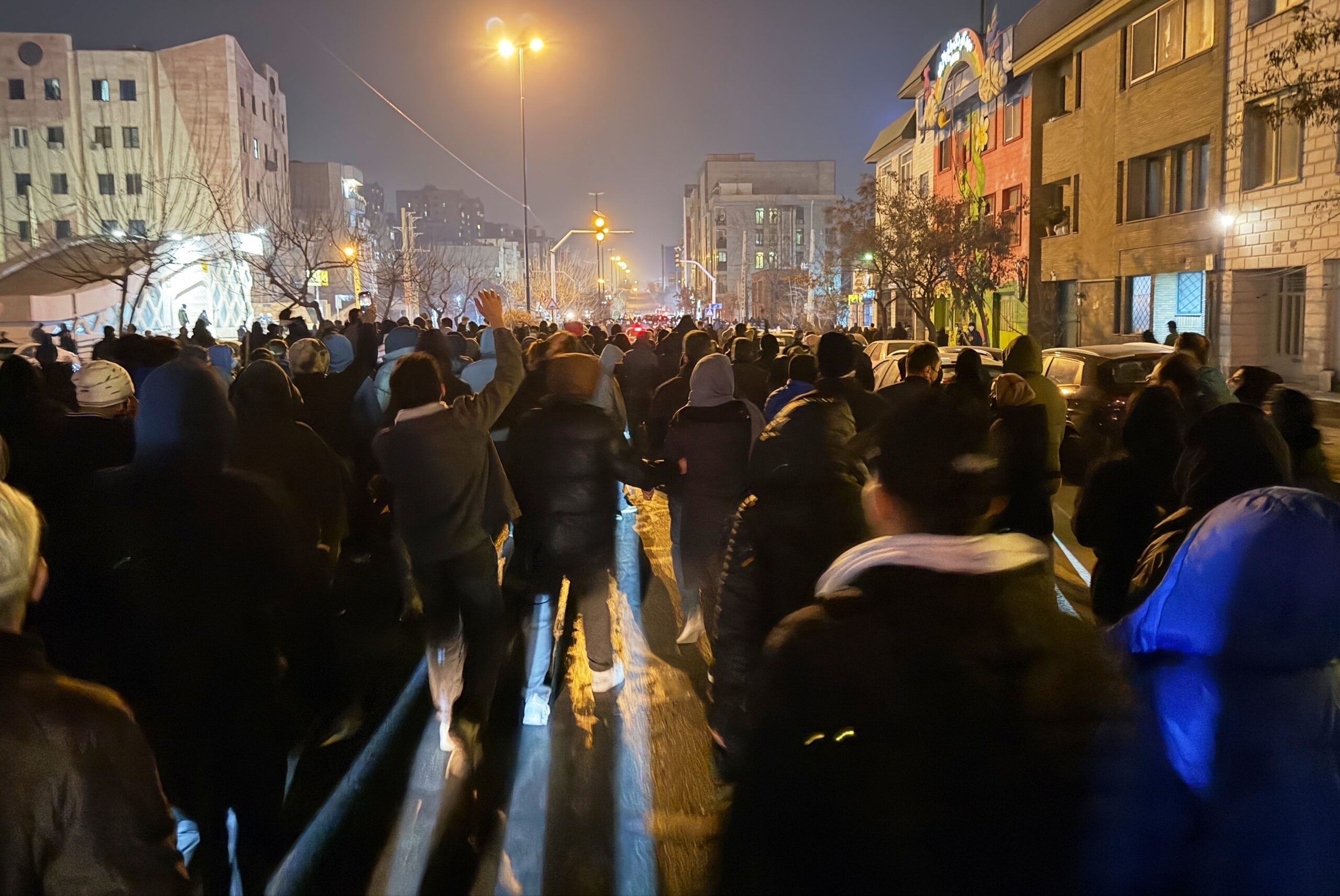
On March 18, AGSI hosted a discussion on the escalation of the Iran war.
Speakers


Mar 2, 2026
After the Shock: Implications of the U.S.–Israeli Strikes and Iran’s Leadership Transition
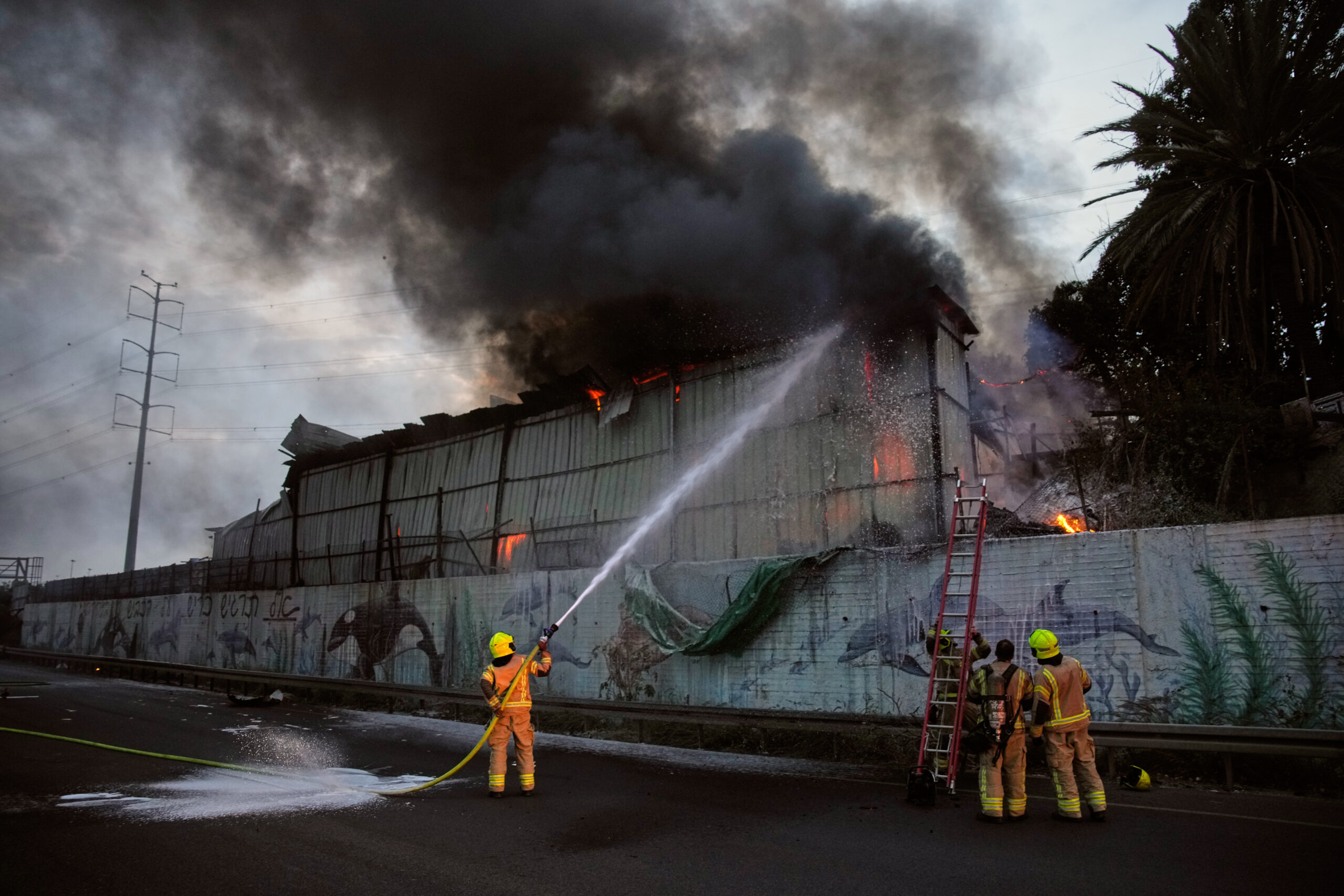
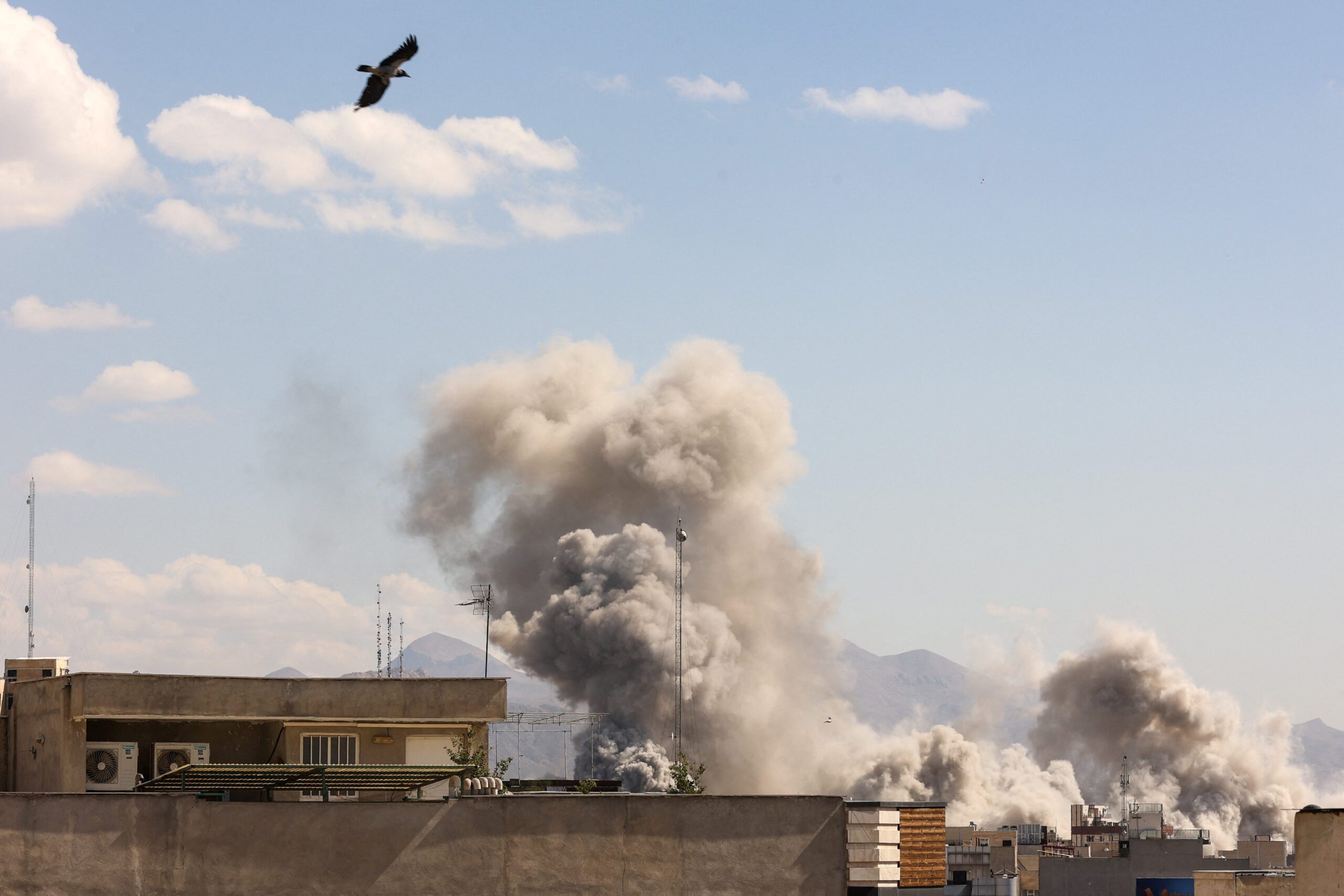
On March 2, AGSI hosted a discussion on the U.S.-Israeli strikes on Iran.
Speakers



Jan 8, 2026
Outlook 2026: Prospects and Priorities for U.S.-Gulf Relations in the Year Ahead
On January 8, AGSI hosted a virtual roundtable with its leadership and scholars as they look ahead and assess trends likely to shape the Gulf region and U.S. foreign policy during the coming year.
Speakers


Sep 16, 2025
Book Talk: Iran’s Grand Strategy: A Political History
On September 16, AGSI hosted a discussion on the roots of Iran's strategic outlook.
Speakers