Sep 23, 2022
Iran’s Hard-Line Media: “Do Not Show Mercy to Criminals”
The September 23 edition of the Iran Media Review considers warnings to protesters from media outlets close to the IRGC.
As the protests against the suspicious death of Mahsa Amini in police custody continue to spread in most cities in Iran, media outlets close to the Islamic Revolutionary Guard Corps are stepping up their warnings to the protesters. For the time being, however, there is no sign of the protesters being intimidated by the warnings.
- September 22: Hard-line Kayhan newspaper’s lead article argued “It is clear that the tense situation in some cities of Iran is the result of tolerance and forbearance toward the sedition of 2009,” a reference to the post-presidential election unrest that year, and continued: “In the following couple of days, the line between citizens will separate from that of the villains … This is the demand of the informed people of Iran: Do not show mercy to criminals!”
- September 22: According to Mashregh News, the Intelligence Ministry is sending text messages to mobile phones in protest zones warning against “illegal gatherings.”
- September 22: In a public statement reported by the Islamic Republic News Agency, the IRGC asserted: “The front of the spiteful and the hypocrites, who pretend to sympathize with the Iranian nation, are those same individuals who urged the enemies to impose sanctions against the people of Iran, assassinate scientists, continue economic pressure, and even engage in military attack against this country. In their heart of hearts, they are doubtlessly joyful of the events of these days.”
- September 22: Sobh-e Sadeq, the official weekly of the IRGC, attacked reformist politicians under the headline “Profiteers of Mahsa’s Death.” “In the first step, the reformist movement took advantage of the situation to present itself as the defender of freedom and opponent of the morality police … Some of them insist, contrary to evidence, on police brutality … Radicals among them used the opportunity to attack the Islamic Republic … arguing ‘this is no way to govern the country. The regime’s laws are contrary to popular demands, its enforcement of the law is unbalanced, and the regime does not subject itself to transparency.’”
- September 22: IRGC mouthpiece Javan’s lead article rhetorically asked: “Do you protest violence or are its agent?” and answered: “The slogans and behavior of those assembled demonstrate they are not protesting against the passing of a girl to defend women’s rights or even to oppose the morality police. Mahsa Amini is just a pretext.”
- September 22: On Telegram, the IRGC Cyber Army reported that there will be a demonstration in Tehran Friday in condemnation of “recent desperate moves.”
- September 23: The Islamic Republic News Agency reported countrywide rallies in support of Supreme Leader Ayatollah Ali Khamenei and the Law Enforcement Forces.
The views represented herein are the author's or speaker's own and do not necessarily reflect the views of AGSI, its staff, or its board of directors.
Related
Iran Media Review
Sep 21, 2022
IRGC Media Prepares the Ground for Harsher Suppression of Protests in Iran
The September 21 edition of the Iran Media Review considers state-censored media reactions to widespread protests spurred by the death of 22-year-old Mahsa Amini.
Sep 21, 2022
IRGC Media Prepares the Ground for Harsher Suppression of Protests in Iran
The September 21 edition of the Iran Media Review considers state-censored media reactions to widespread protests spurred by the death of 22-year-old Mahsa Amini.
Analysis
The Committee of Six and Strategic Decision Making in Iran
Remarks by Iran’s president offer a rare glimpse of how the Islamic Republic has adapted its decision making to the absence of its supreme leader.
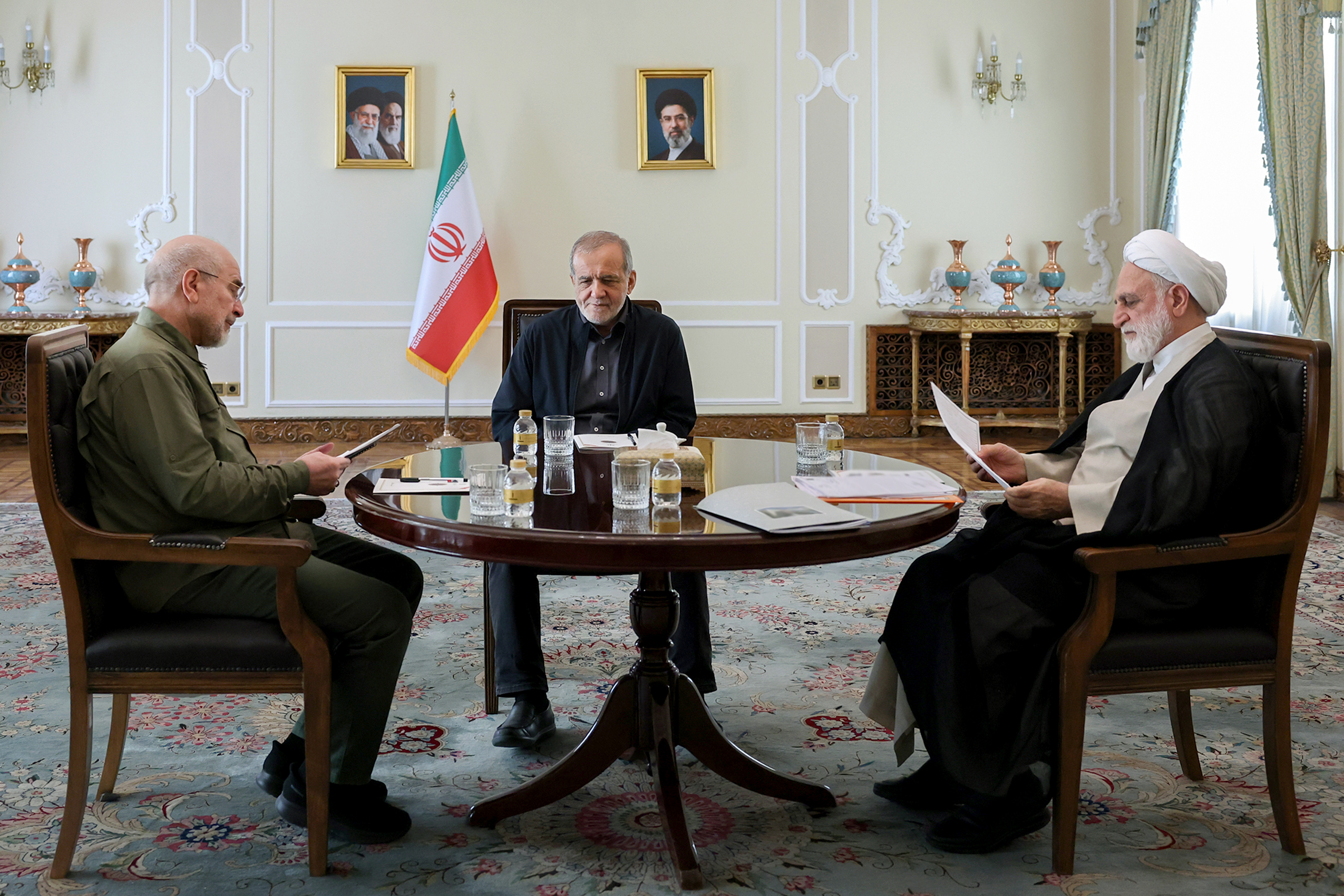
Mohsen Rezaei at the Helm of Iran’s Supreme National Security Council
Under Rezaei, the SNSC could prove constructive or paralyze strategic decision making.
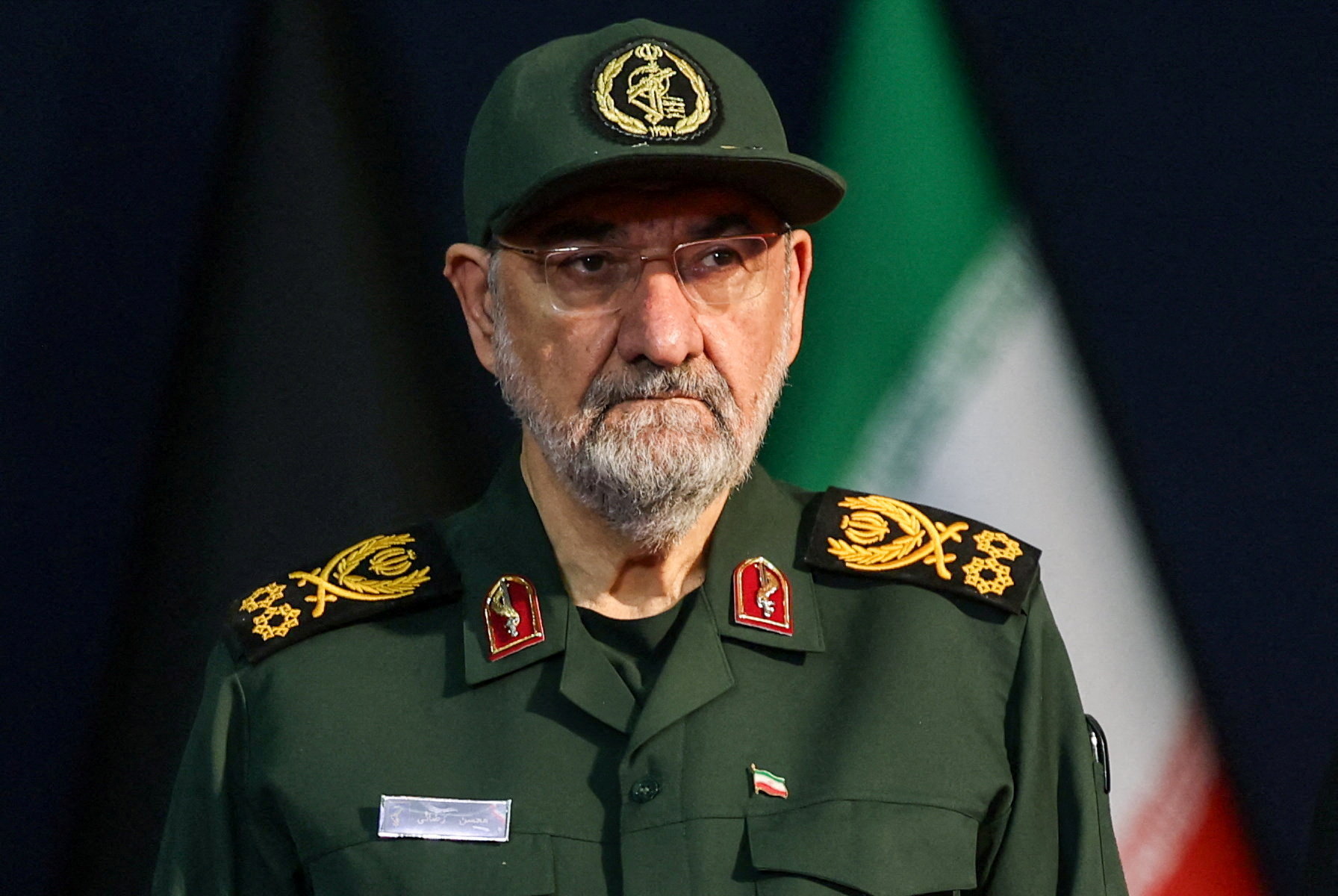
The Islamic Republic Returns to Offense
After U.S.-Israeli strikes killed Supreme Leader Ayatollah Ali Khamenei on February 28, Iran’s collective leadership has concluded that the best defense is a good offense.
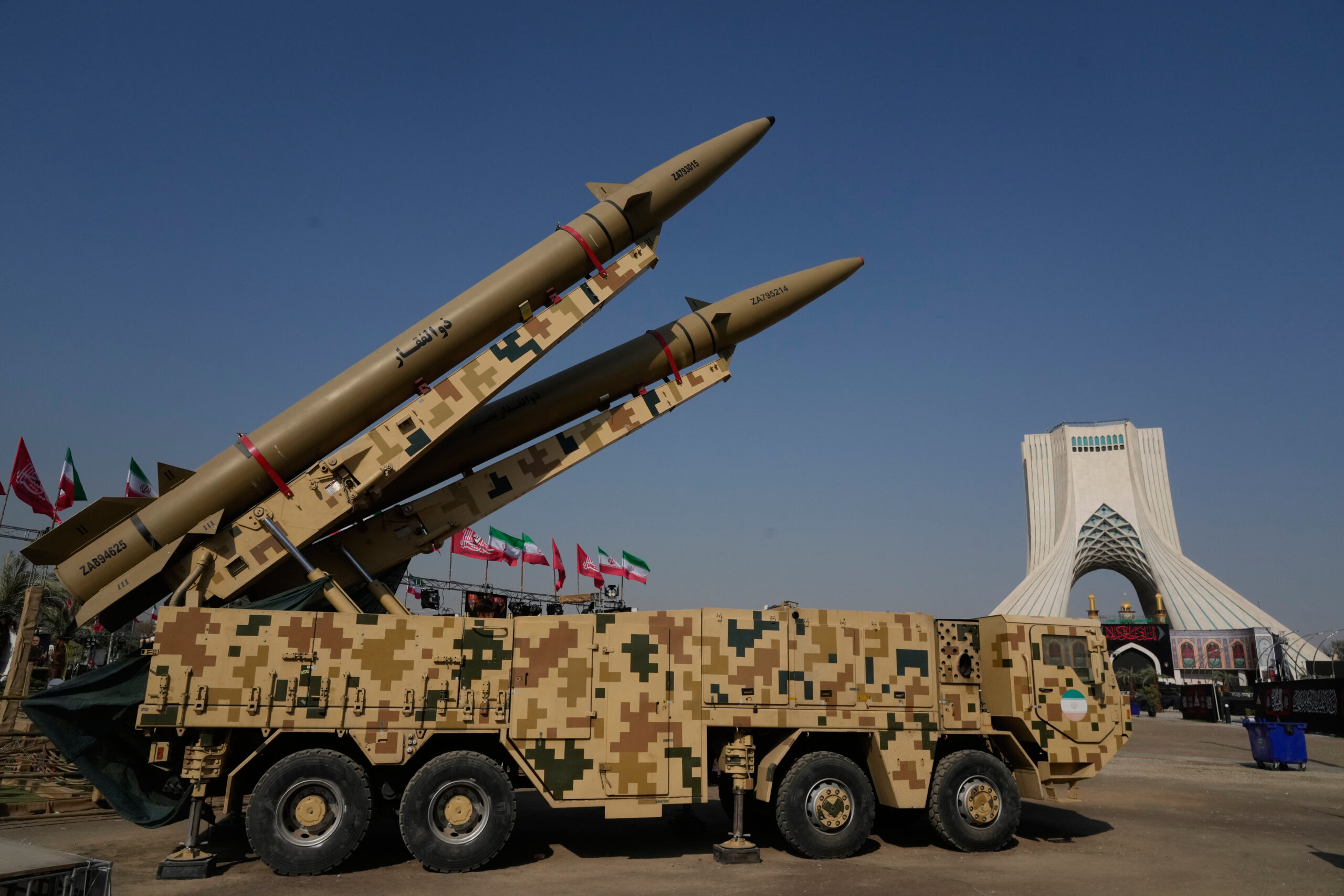
Iran’s Collective Strategic Decision Making
Wartime pressure has temporarily aligned the leadership’s overriding interest in regime survival, even as its members continue to differ over the costs, methods, and ultimate objectives of the war.
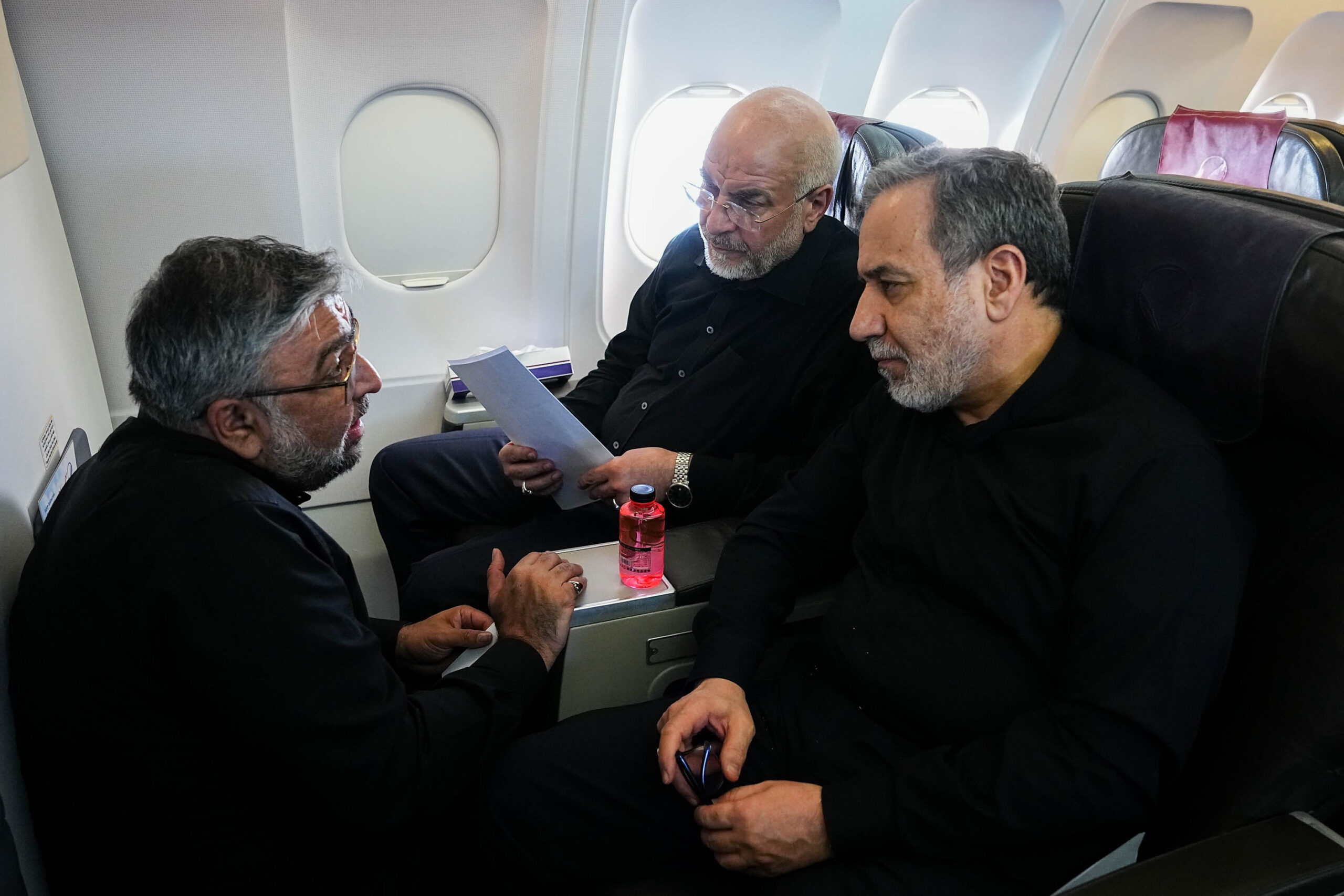
Events
Oct 6, 2026
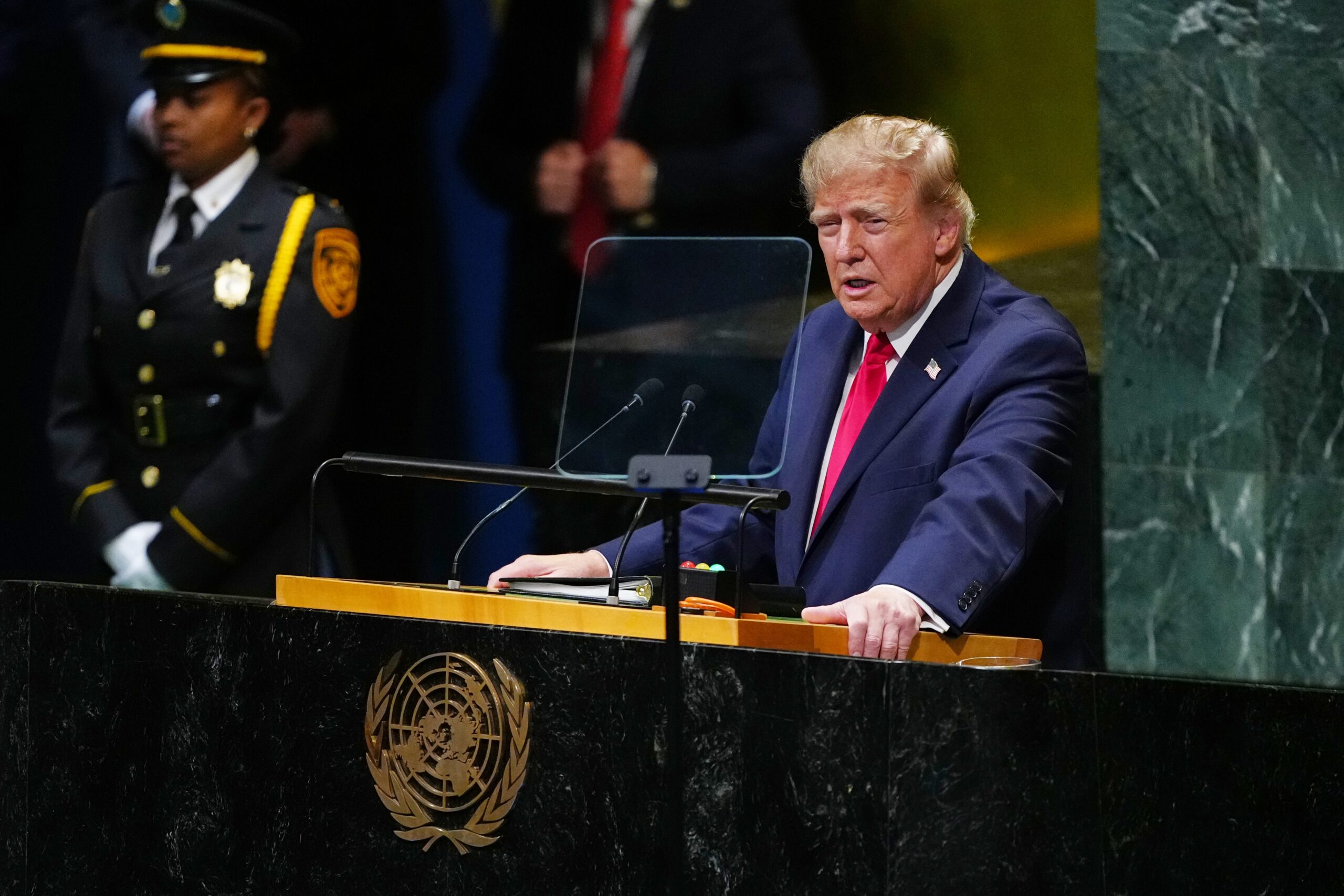
Is the U.S.-Iran Stalemate a “New Normal” or the Prelude to Another Explosion?
On October 6, AGSI hosted a discussion on the U.S.-Iran stalemate and the prospects for a cease-fire.
Speakers



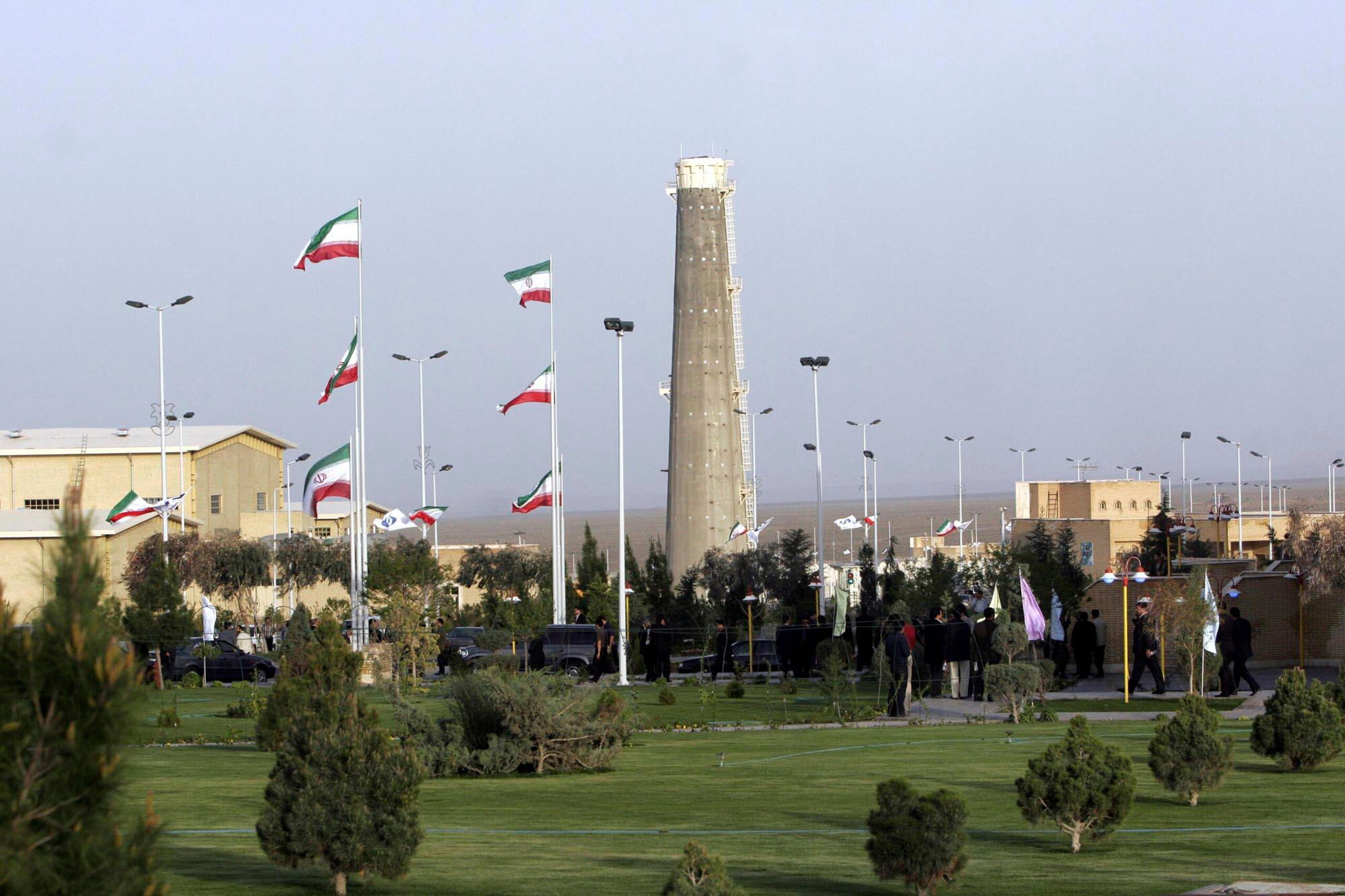
Book Talk: Iran and the Bomb: The United States, Iran and the Nuclear Question
On June 16, AGSI hosted a discussion on the evolution of Iran's nuclear program.
Speakers
Apr 21, 2026
Inside Iran’s Wartime Leadership: Power, Succession, and Regime Stability
On April 21, AGSI hosted a discussion on the evolution of Iran's leadership during the war.
Speakers

Mar 18, 2026
In Its Conflict With the United States and Israel, Does Escalation Favor Iran?
On March 18, AGSI hosted a discussion on the escalation of the Iran war.
Speakers