Apr 15, 2025
Iranian Reactions to the First Round of U.S.-Iranian Negotiations
The April 15 edition of the Iran Media Review highlights Iranian media responses to the first round of U.S.-Iranian negotiations.

Following the conclusion of the first round of indirect negotiations between Iran and the United States in Oman, Foreign Minister Abbas Aragchi, speaking to an Islamic Republic of Iran Broadcasting journalist, conveyed cautious optimism regarding the talks. He confirmed a follow-up meeting with U.S. Special Envoy to the Middle East Steven Witkoff. With the exception of hard-line Kayhan, most major Iranian media outlets – including the Islamic Revolutionary Guard Corps-affiliated Javan – reacted favorably to the initial round of diplomatic engagement. This indicates a tentative but notable ruling elite support for continued negotiations.
- April 13: Foreign Minister Abbas Aragchi responded to questions from an Islamic Republic of Iran Broadcast journalist in an interview that was later disseminated by the IRGC-aligned Tasnim News Agency:
- “We engaged in the first round of indirect negotiations for approximately two and a half hours, facilitated by the diligent shuttle diplomacy of His Excellency Mr. Busaidi, the esteemed minister of Foreign Affairs of Oman, who relayed messages between the two delegations on multiple occasions – approximately four rounds of exchange … From my perspective, this initial engagement was constructive and took place in a calm and mutually respectful atmosphere. No inappropriate or undiplomatic language was employed, and both parties exhibited a clear commitment to pursuing a negotiated settlement on the basis of parity and mutual interest and on equal terms. It was agreed that a second round of talks would be convened next week, most likely on Saturday. During that session, we intend to deliberate on the general framework for a potential agreement and assess the extent to which progress can be made.”
- “It is evident that neither we nor the other side are interested in protracted or performative negotiations. Both delegations, including the American side, expressed a shared interest in reaching a substantive agreement within the shortest feasible time frame. However, it must be emphasized that the path ahead is complex and requires demonstrable political will on both sides. The other party made a discernible effort to signal its seriousness and commitment to a fair and balanced accord. Our task now is to review and analyze the content of today’s discussions with greater precision and at multiple institutional levels. With God’s help, we will prepare ourselves thoroughly for the next round. We must think, and it must be investigated and discussed at different levels, and God willing, we will be ready for the next round.”
- The journalist asked: “Will the negotiations next Saturday continue at the same diplomatic level as today?”
- Araghchi answered: “Yes, they will proceed at the same level. While the venue will likely change, Oman will continue to serve as host.”
- The journalist asked: “Earlier today you mentioned that, contingent on political will, a negotiation timetable could be established. Given that next Saturday’s session is already scheduled, does this reflect the beginning of a structured negotiation timeline?”
- Araghchi responded: “Well, today’s atmosphere was conducive to the continuation of dialogue. In the next session, we aim to define the agenda of the negotiations, which will naturally entail establishing a formal timetable. This is how structured diplomatic engagement evolves. However, what remains paramount is the substantive basis of the talks. I believe we came close to reaching a foundational understanding in this session. Should we succeed in finalizing this basis during the next meeting, I would consider it significant progress and a starting point for substantive negotiations. I think we have made considerable progress, and we can, based on this foundation, start real negotiations.”
- The journalist asked: “According to an official report, there was an unplanned encounter between you and the U.S. delegation upon departure from the venue. Can you provide further clarification?”
- Araghchi answered: “In my view, it was a routine diplomatic interaction. As both delegations were exiting the venue, we encountered each other and exchanged brief courtesies. Such interactions fall within the bounds of accepted diplomatic protocol. As always, our conduct remained within the parameters of formal decorum. There was nothing out of the ordinary.”
- April 13: Nour News, an unofficial mouthpiece of the Supreme National Security Council, assessed the initial diplomatic round:
- “Despite positive initial signals, we must admit that the path ahead of us is very difficult and filled with obstacles. Complications regarding sanction relief and the breadth of nuclear commitments and verification methods are likely to remain the main challenges. On the other hand, pressure from warmongering lobbies in the United States, which oppose an agreement, may restrict the maneuvering room of the diplomats. However, the fact that the negotiations began is an important achievement. Resumption of the diplomatic path, following monthslong tensions, provides the opportunity for restoration of relative trust and adjustment of Iran-U.S. relations, at least when it comes to technical matters. If both parties are capable of taking advantage of the constructive atmosphere at present and continue the work with precision, patience, and innovation, the knots of the past can perhaps be untied through diplomacy.”
- April 13: The financial daily Donya-ye Eqtesad ran a front-page headline: “The Return of Hope to the Markets,” reporting an appreciation of the national currency, the rial, against the U.S. dollar and gains in the Tehran Stock Exchange.
- April 13: The reformist Etemad published an editorial about the negotiations under the headline: “A Positive Step.”
- April 13: Under the headline: “Oman Negotiations: A Show of Iran’s Power vs. American Impotence,” Javan asserted in an editorial that: “Iran has the upper hand in the negotiations.”
- April 13: The hard-line Kayhan’s front page declared: “The Horizon of Agreement With Trump Is Unclear, Don’t Waste Your Time.” The newspaper further called upon decision makers to consider a “Plan B.”
- April 13: The reformist Shargh featured the headline: “Hope in Real Talks.”
- April 13: The headline of a front-page piece on the talks on the technocratic Sazandegi was: “Constructive, Calm, Respectful.”
The views represented herein are the author's or speaker's own and do not necessarily reflect the views of AGSI, its staff, or its board of directors.
Related
Iran Media Review
Apr 11, 2025
Final Signaling From Tehran
The April 11 edition of the Iran Media Review evaluates messaging from Iranian officials ahead of planned U.S.-Iranian negotiations.
Iran Media Review
Apr 8, 2025
Tehran Signals Readiness as U.S.-Iran Talks Remain on Hold
The April 8 edition of the Iran Media Review examines Iranian views on Tehran’s position regarding negotiating with the United States.
Apr 11, 2025
Final Signaling From Tehran
The April 11 edition of the Iran Media Review evaluates messaging from Iranian officials ahead of planned U.S.-Iranian negotiations.
Apr 8, 2025
Tehran Signals Readiness as U.S.-Iran Talks Remain on Hold
The April 8 edition of the Iran Media Review examines Iranian views on Tehran’s position regarding negotiating with the United States.
Analysis
How Did the IRGC Seize Power in Iran?
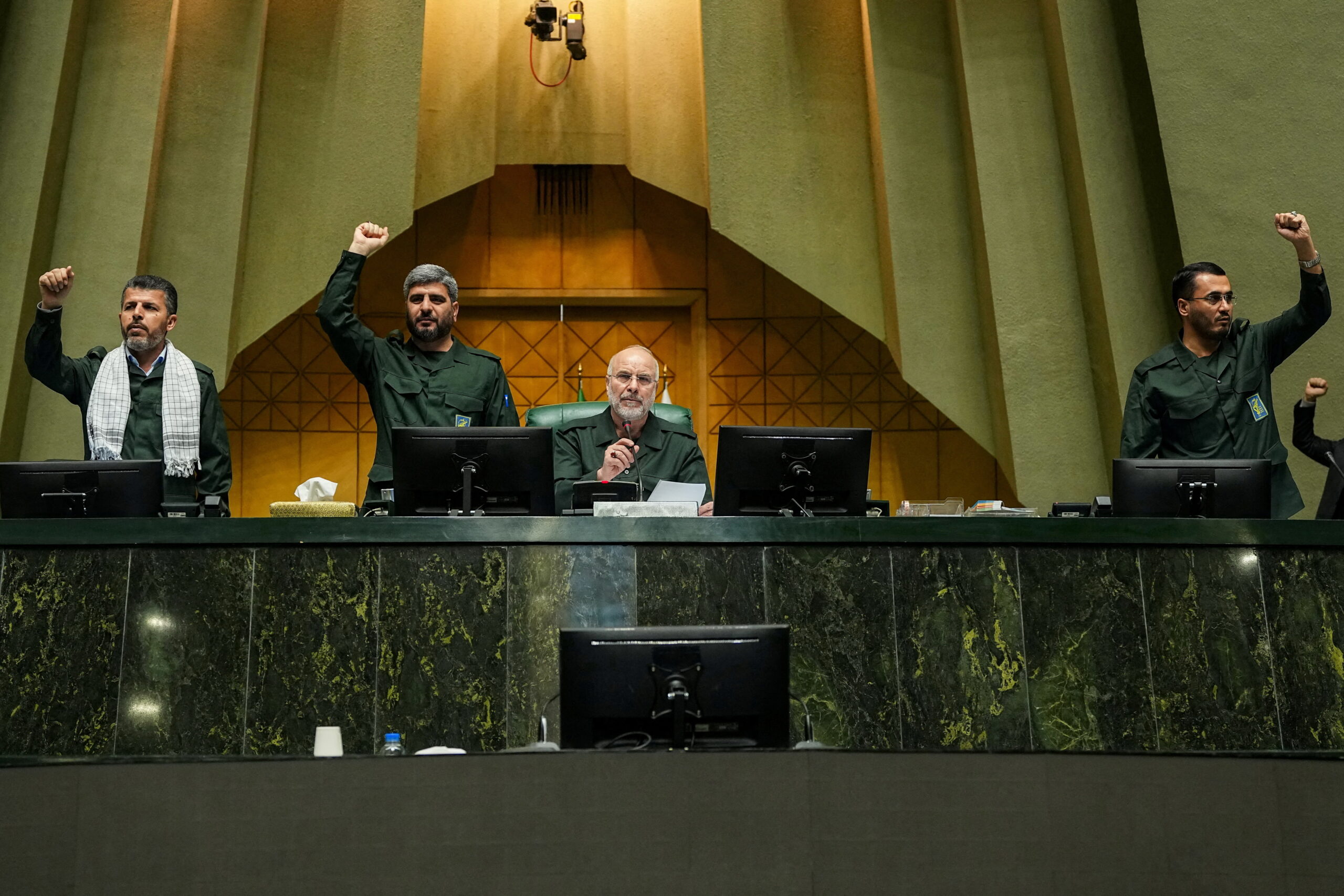
The IRGC did not seize power in a single stroke. It accumulated it – patiently, methodically – until no counterweight remained.
Under Mojtaba, the IRGC Will Reign Supreme
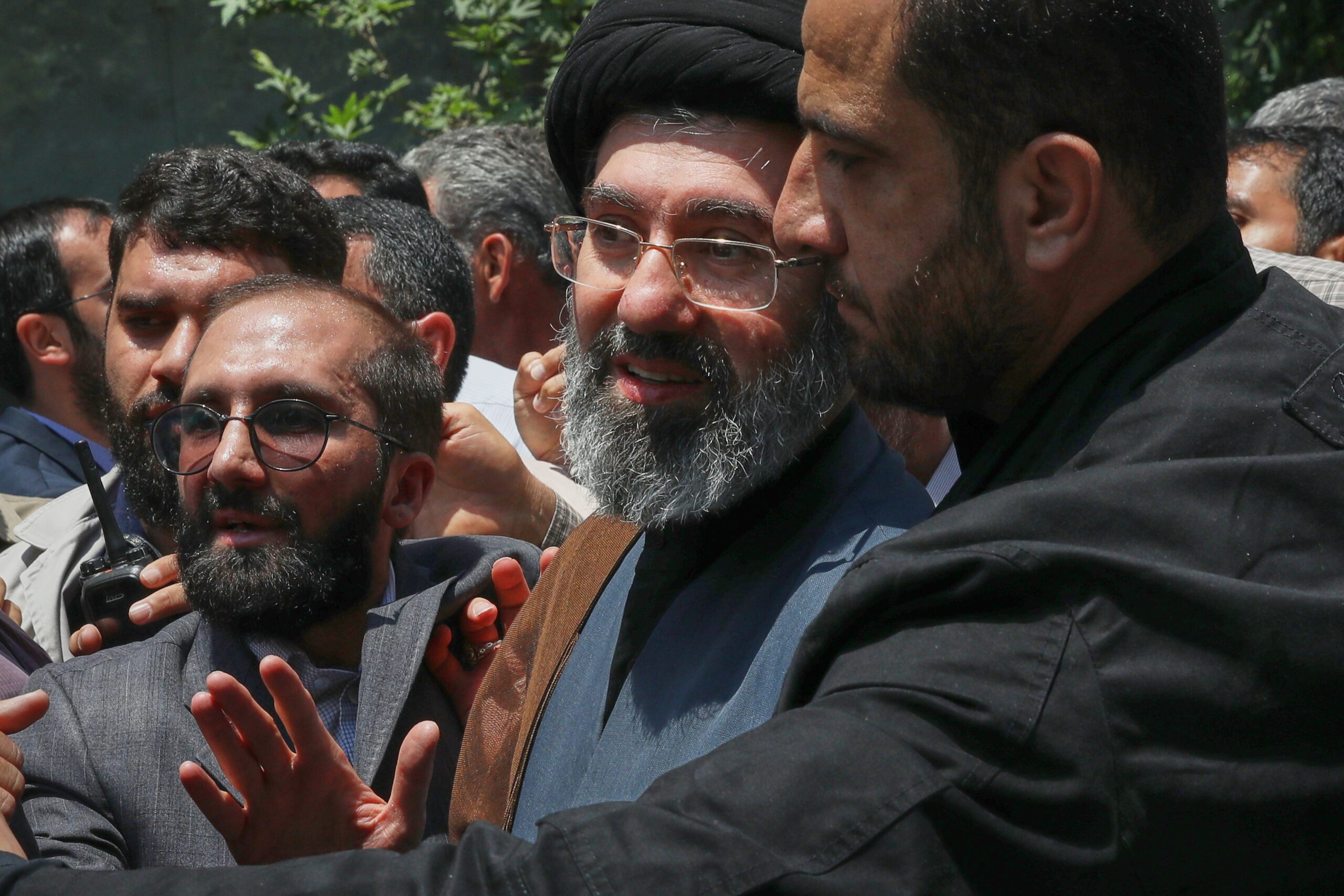
Iran may still call itself an Islamic Republic. In practice, however, it increasingly resembles a state in which the military governs from behind clerical robes.
Political Life and Legacy of Iran’s Ayatollah Khamenei
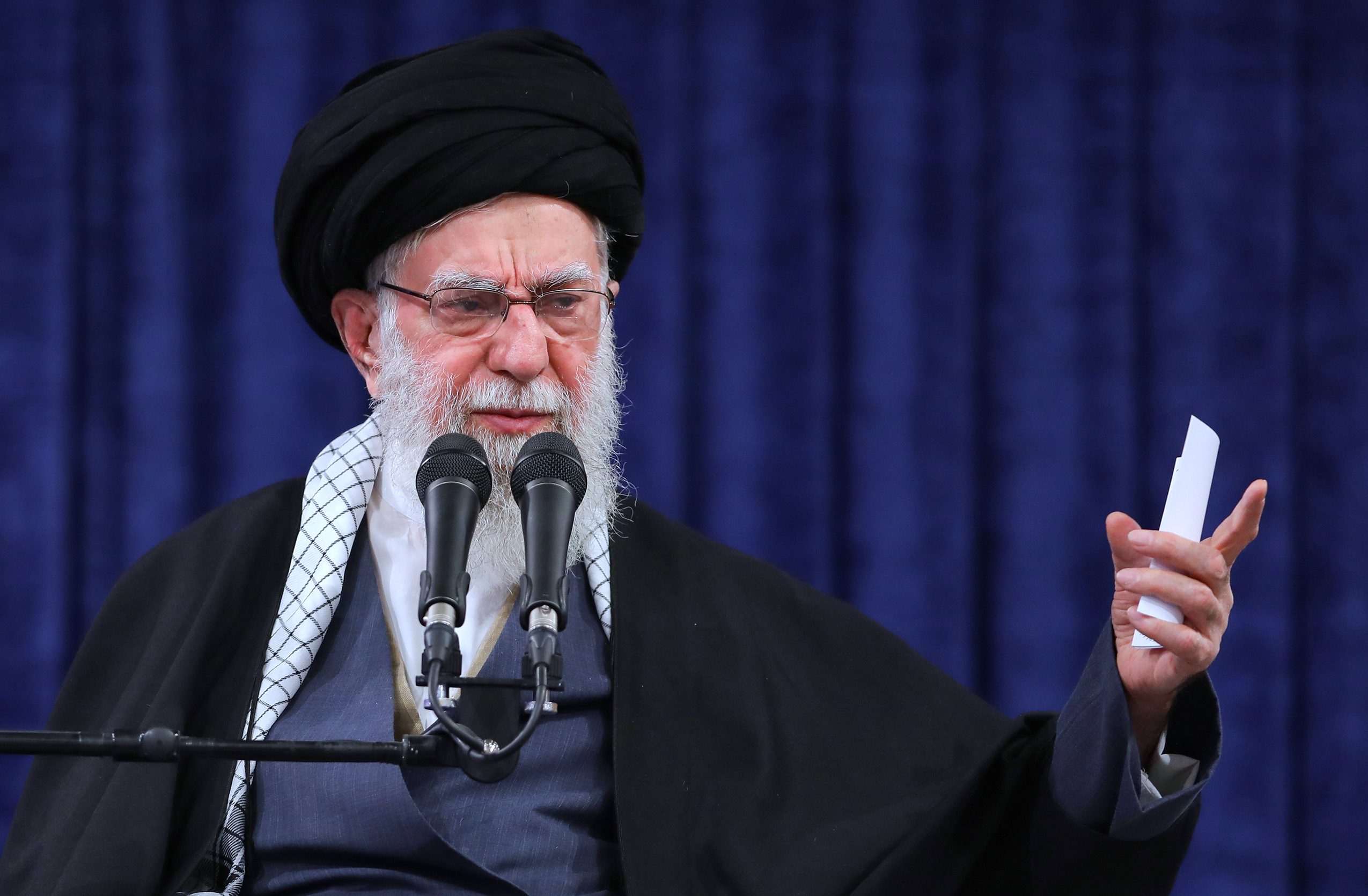
Ayatollah Ali Khamenei was killed in his office in Tehran at age 86, leaving behind a country in ruins and on the verge of civil war and potential disintegration.
Iranian Regime Fighting for Survival
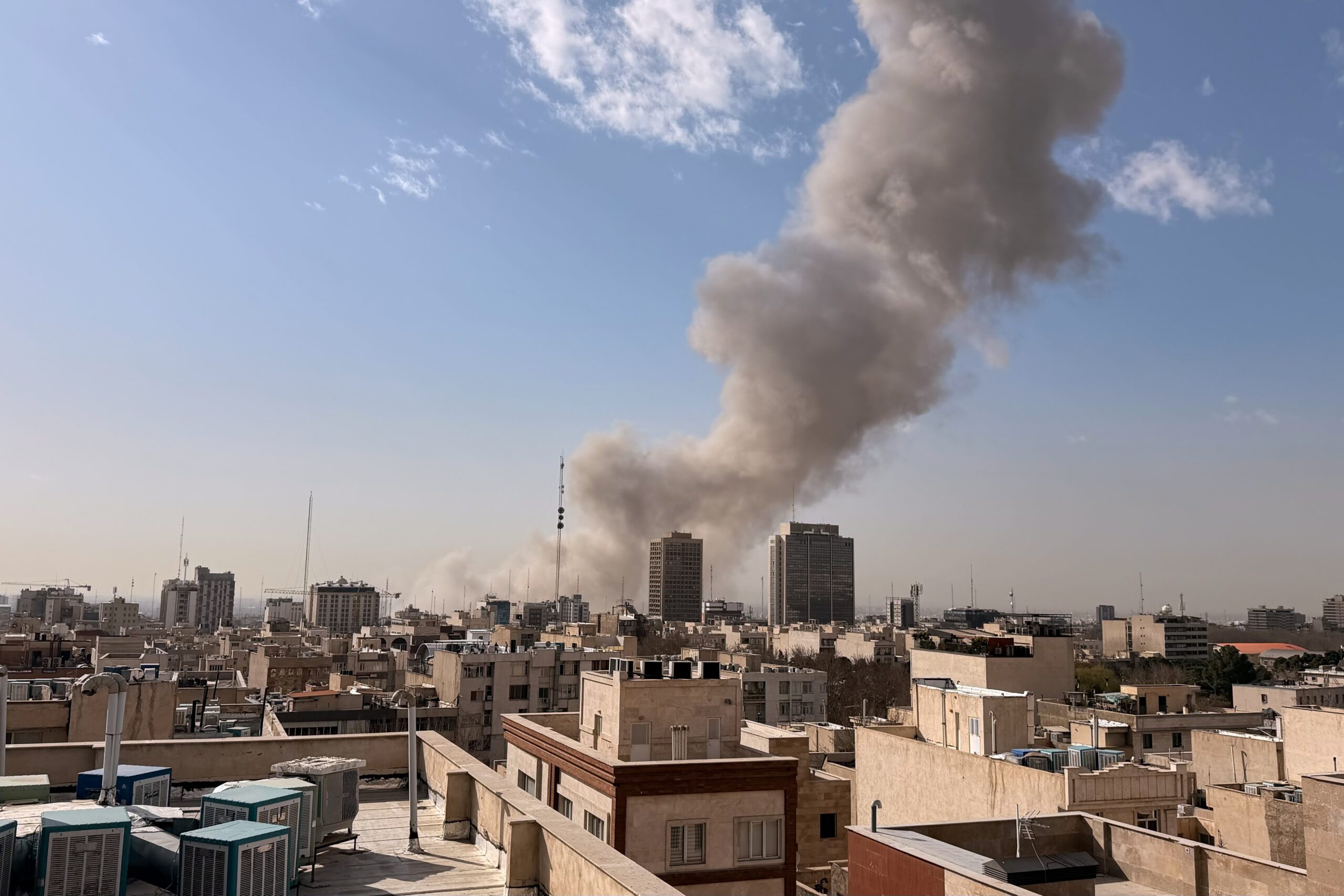
Iran is signaling that it will not absorb attacks passively. But whether this strategy ensures the regime’s survival, seals its fate, or accelerates a broader catastrophe will shape the region for years to come.
Events
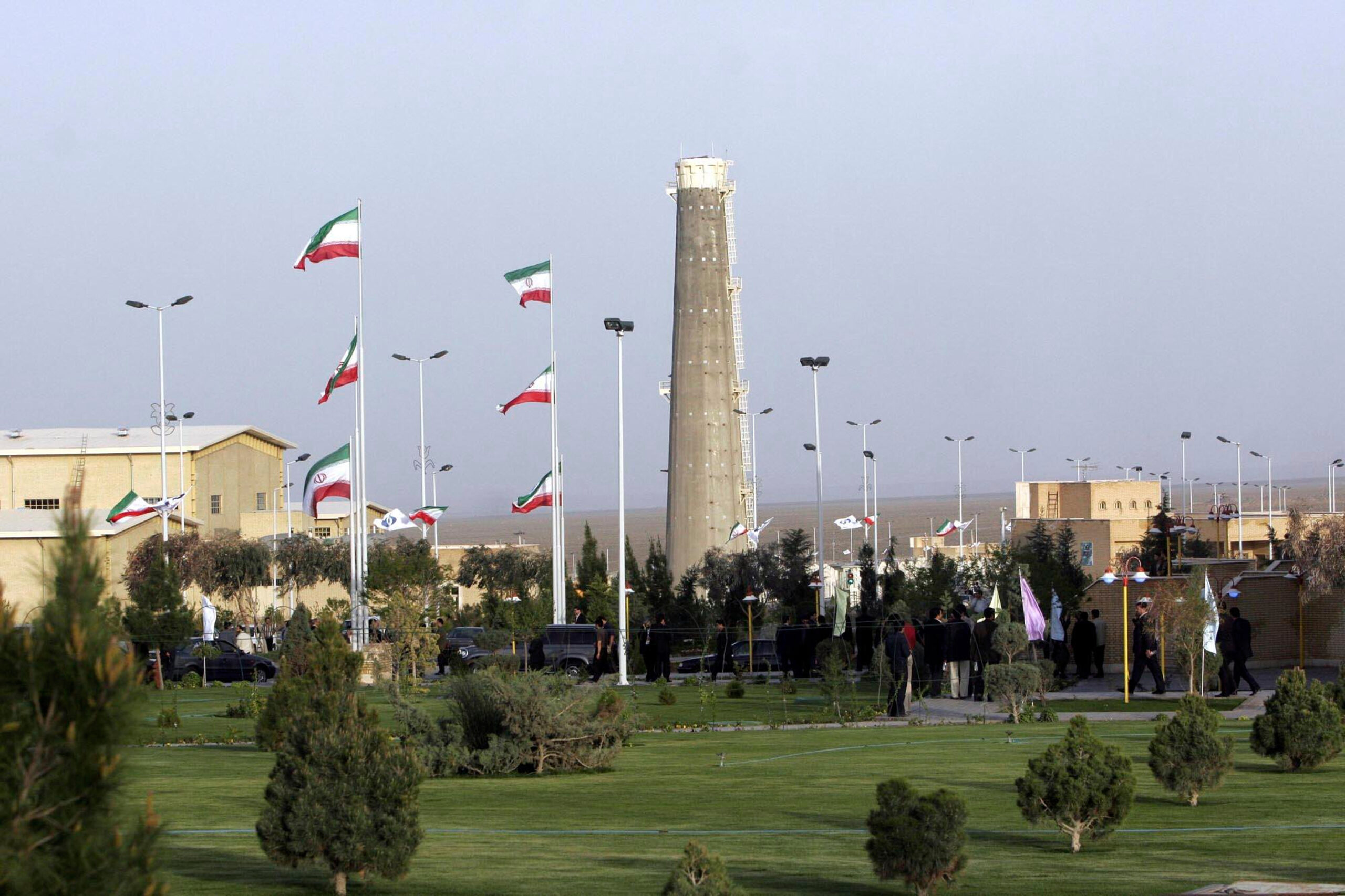
Book Talk: Iran and the Bomb: The United States, Iran and the Nuclear Question
On June 16, AGSI hosted a discussion on the evolution of Iran's nuclear program.
Speakers

Apr 21, 2026
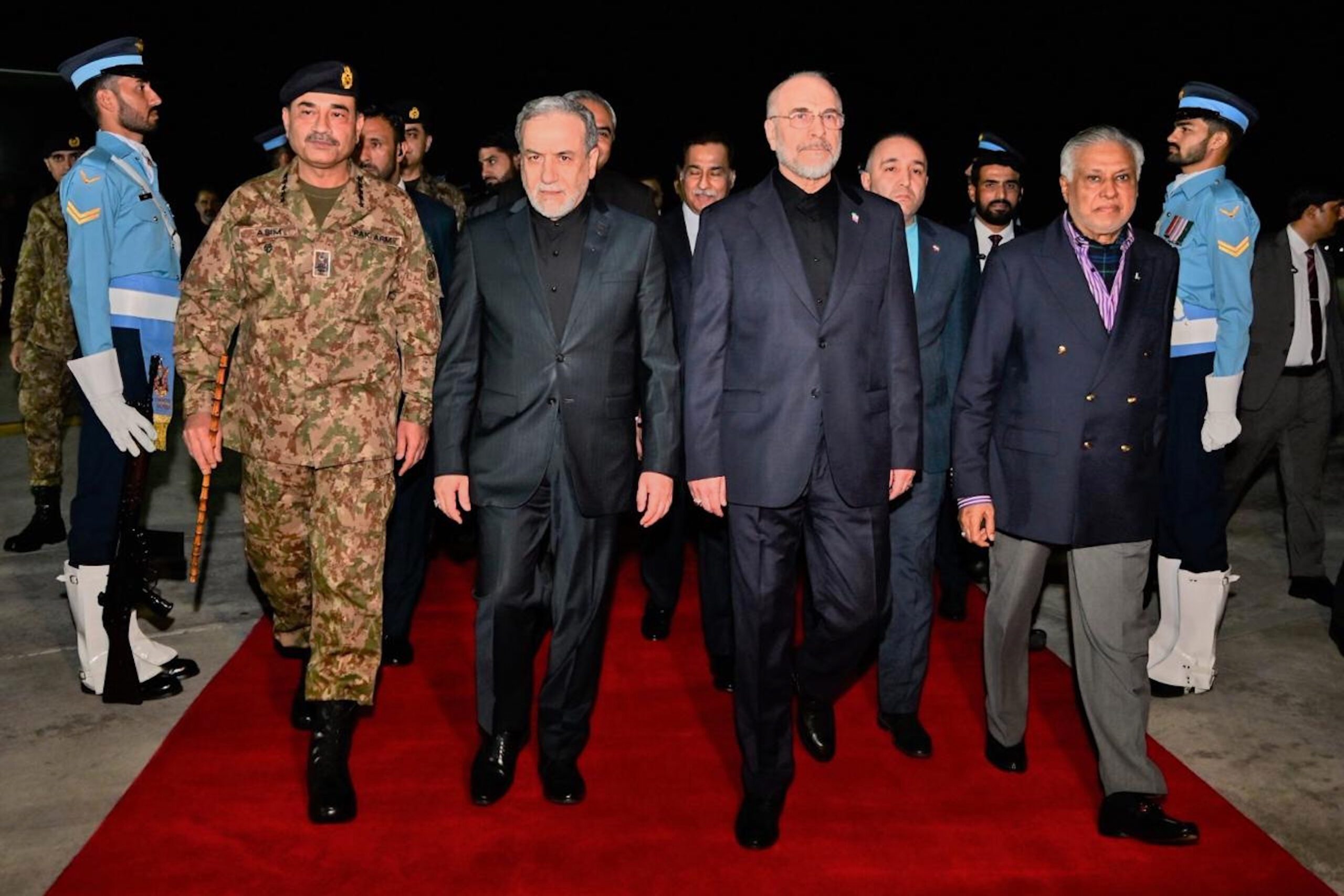
Inside Iran’s Wartime Leadership: Power, Succession, and Regime Stability
On April 21, AGSI hosted a discussion on the evolution of Iran's leadership during the war.
Speakers

Mar 18, 2026
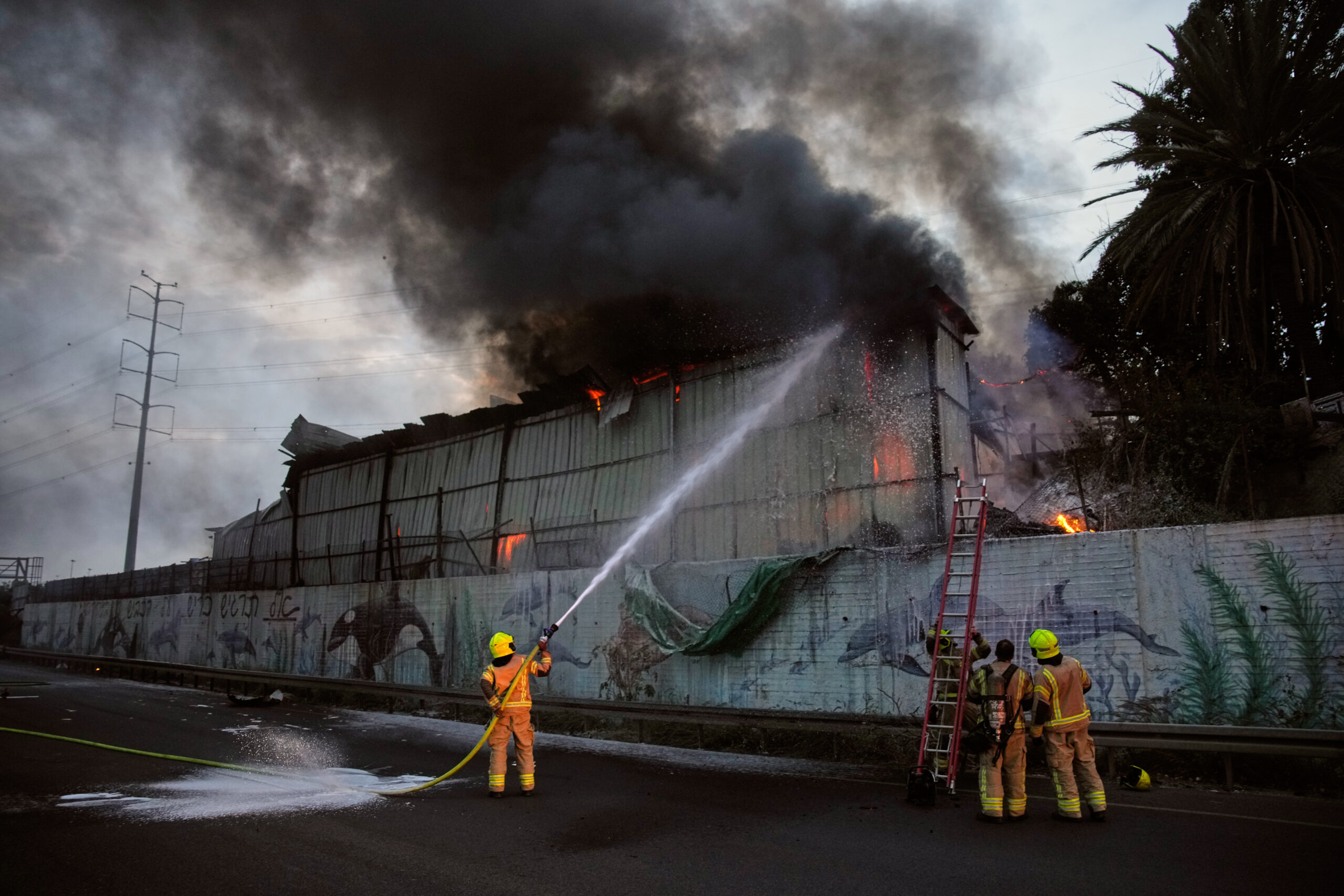
In Its Conflict With the United States and Israel, Does Escalation Favor Iran?
On March 18, AGSI hosted a discussion on the escalation of the Iran war.
Speakers
Mar 2, 2026
After the Shock: Implications of the U.S.–Israeli Strikes and Iran’s Leadership Transition
On March 2, AGSI hosted a discussion on the U.S.-Israeli strikes on Iran.
Speakers