Sep 20, 2024
Iranian Officials on Attacks in Lebanon
The September 20 edition of the Iran Media Review examines Iranian commentary regarding what Tehran’s response should be to suspected Israeli attacks against Lebanese Hezbollah.
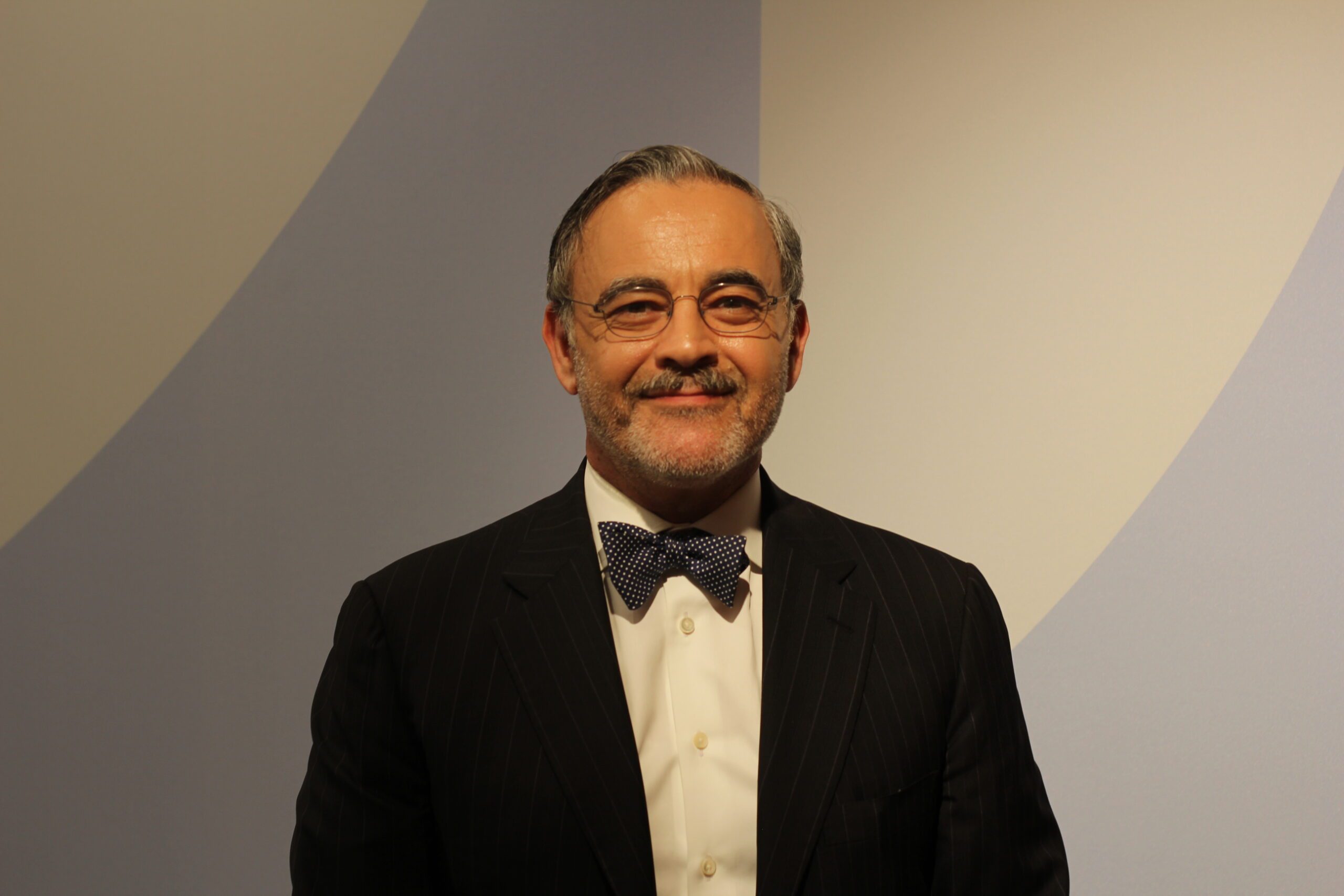
Following 24 hours of confusion and silence, Iranian officials and state-censured media are commenting on suspected Israeli attacks against Lebanese Hezbollah, but the regime does not appear to have a clear answer to its regional adversary Israel.
- September 19: Addressing the Cabinet, President Masoud Pezeshkian said in his first comments on the attacks against Lebanese Hezbollah, as quoted in reformist Shargh Daily:
- “What transpired in Lebanon is a source of embarrassment to the West, in particular the United States … Instruments made for the sake of easing the work of human beings are now used as instruments of terror and elimination of those with whom they disagree … Savagery and crime are on the rise … More than anything, this event demonstrated that Western countries, and the Americans, contrary to their claims, are not in favor of a cease-fire. They are wholeheartedly supporting the crimes, murders, and blind terror of the Zionist regime.”
- September 19: “Divine punishment awaits the criminals,” said Islamic Revolutionary Guard Corps Chief Commander Hossein Salami, in an open letter to Hezbollah Secretary General Hassan Nasrallah, as quoted by IRGC mouthpiece Tasnim News.
- September 19: In an interview with IRGC mouthpiece Javan newspaper, former Communications Minister Reza Taghipour commented on how to protect Iran against “cyber infiltration”:
- “In the past, we emphasized the importance of cyber security. If we don’t pay attention and do not follow the necessarily protocols and security standards when it comes to our networks and equipment used by our citizens, we will be extremely vulnerable. These things happen all over the world, and naturally, we are not immune from such threats … The one lesson we should learn from these events is to rely on domestic technology when it comes to our networks.”
- September 19: In its first commentary on the Israeli attacks against Lebanese Hezbollah, Kayhan newspaper, mouthpiece of Supreme Leader Ayatollah Ali Khamenei, called it “a sign of helplessness” and warned “the axis of resistance is ready to exact revenge.”
- September 19: In reformist Etemad newspaper, Ali-Reza Shaker argued:
- “Israel is using any means at its disposal to entangle Iran and its allies in an all-out war in the region … This regime knows well that it is incapable of countering Iran and Iranian allies on its own. During Iran’s missile attack, Israeli allies, such as the United States and Britain, defended it and intercepted many of the missiles and drones. Now, it is with the backing of these countries that Israel is engaged in new adventurism.”
- “In such delicate circumstances, Lebanese Hezbollah and Iran are facing difficult choices: If they don’t answer Israel’s provocations, they may lose credibility … and if they retaliate, they will face a harsh reaction from the United States and other allies of Israel.”
- “Iran and Hezbollah can subject Israel to international diplomatic pressure … Iran and Hezbollah can also engage in asymmetric tactics against Israel … short of an all-out war … Iran can also demonstrate its military power in war games and the like … all in order to preserve the credibility of Iran and Hezbollah … But most important of all, Iran must keep its cool and avoid entering the trap Israel has prepared for Iran!”
The views represented herein are the author's or speaker's own and do not necessarily reflect the views of AGSI, its staff, or its board of directors.
Related
Iran Media Review
Sep 17, 2024
Nuclear Negotiations Under the Shadow of the Ukraine War
The September 17 edition of the Iran Media Review explores debates by Iranian political activists and analysts over Iran’s close ties with Russia.
Iran Media Review
Sep 13, 2024
Territorial Disputes Threaten Iran-Arab Detente
The September 13 edition of the Iran Media Review explores commentary regarding disputed territory and shared oil and gas fields among Iran and its neighbors.
Sep 17, 2024
Nuclear Negotiations Under the Shadow of the Ukraine War
The September 17 edition of the Iran Media Review explores debates by Iranian political activists and analysts over Iran’s close ties with Russia.
Sep 13, 2024
Territorial Disputes Threaten Iran-Arab Detente
The September 13 edition of the Iran Media Review explores commentary regarding disputed territory and shared oil and gas fields among Iran and its neighbors.
Analysis
The Committee of Six and Strategic Decision Making in Iran
Remarks by Iran’s president offer a rare glimpse of how the Islamic Republic has adapted its decision making to the absence of its supreme leader.
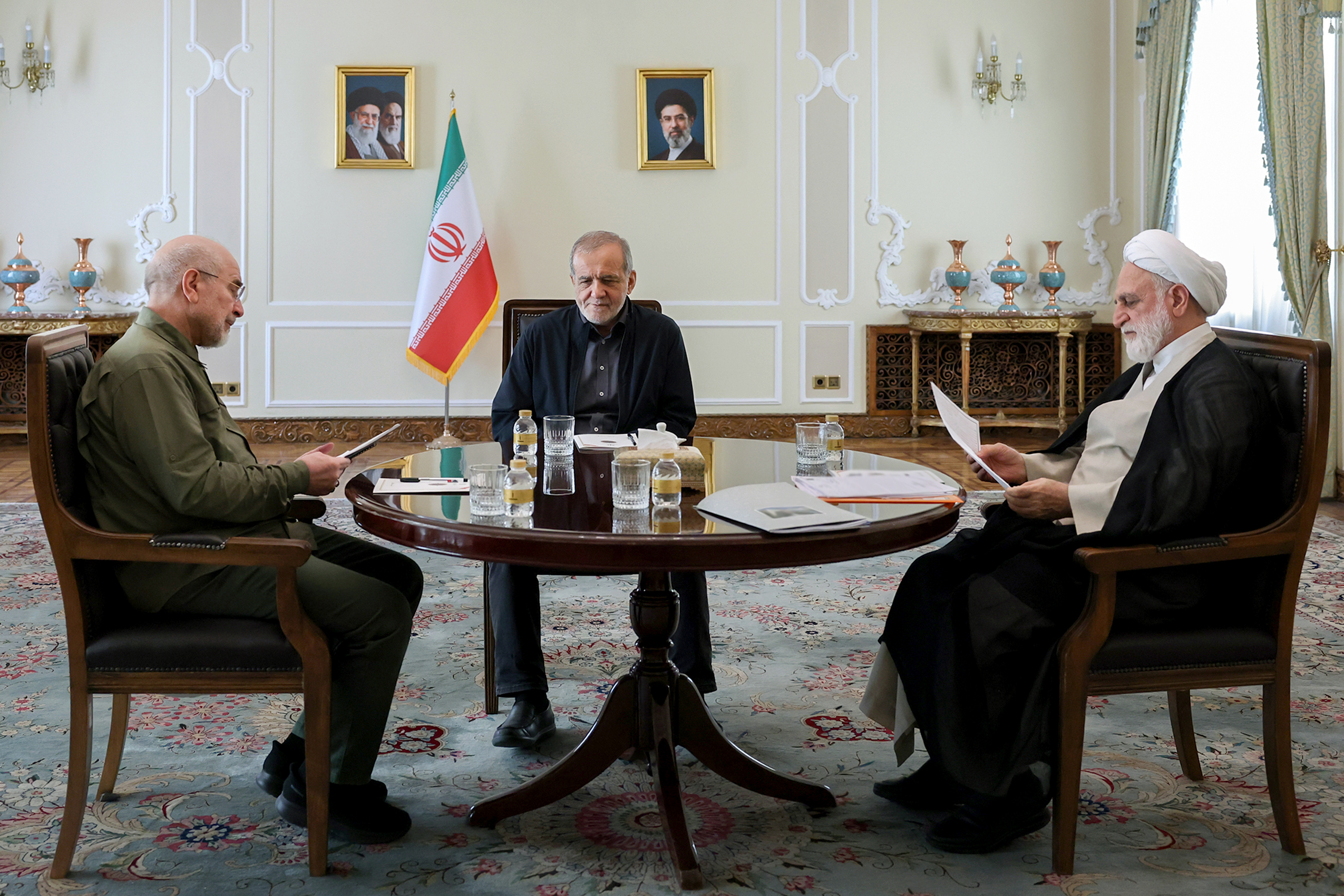
Mohsen Rezaei at the Helm of Iran’s Supreme National Security Council
Under Rezaei, the SNSC could prove constructive or paralyze strategic decision making.
The Islamic Republic Returns to Offense
After U.S.-Israeli strikes killed Supreme Leader Ayatollah Ali Khamenei on February 28, Iran’s collective leadership has concluded that the best defense is a good offense.
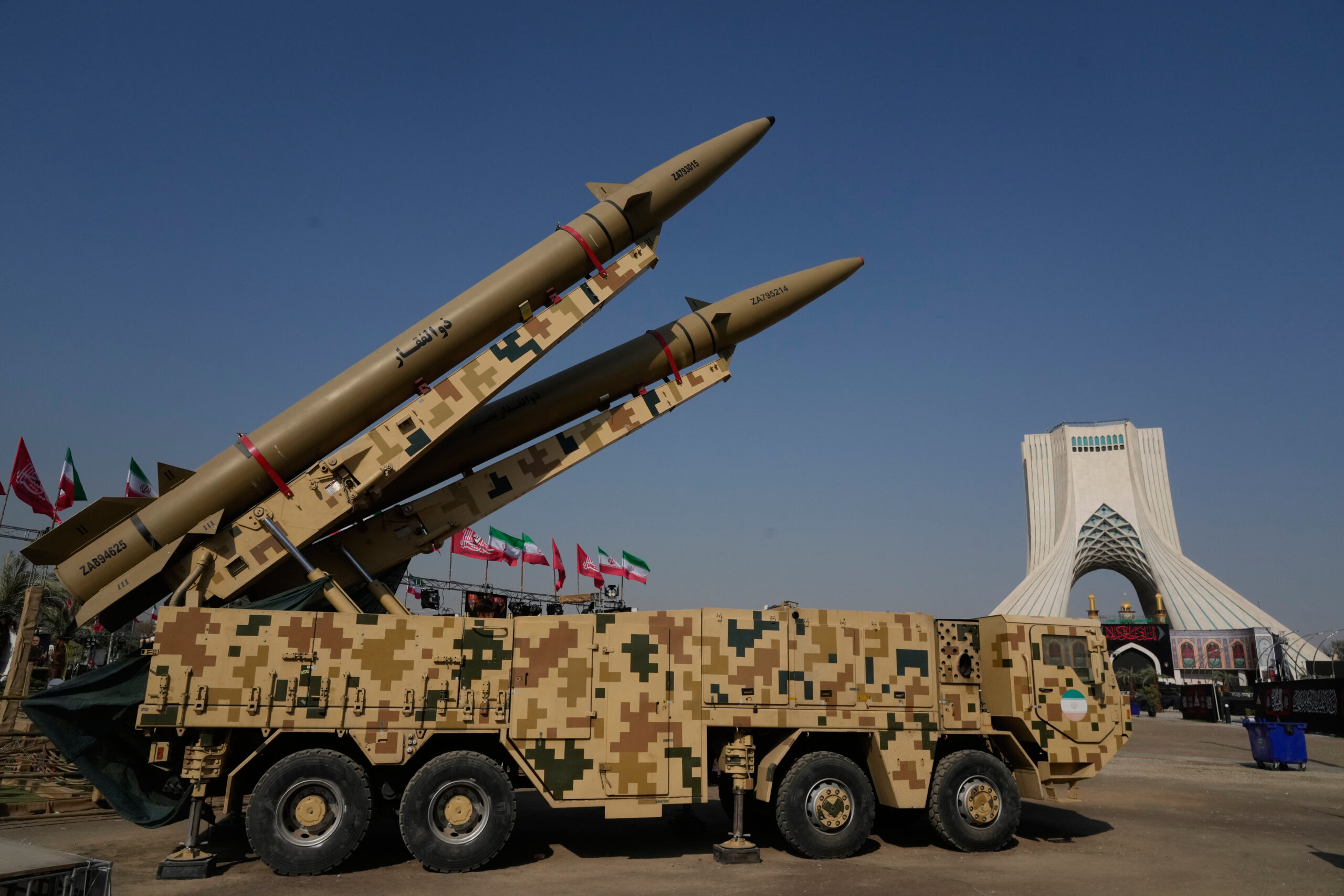
Iran’s Collective Strategic Decision Making
Wartime pressure has temporarily aligned the leadership’s overriding interest in regime survival, even as its members continue to differ over the costs, methods, and ultimate objectives of the war.
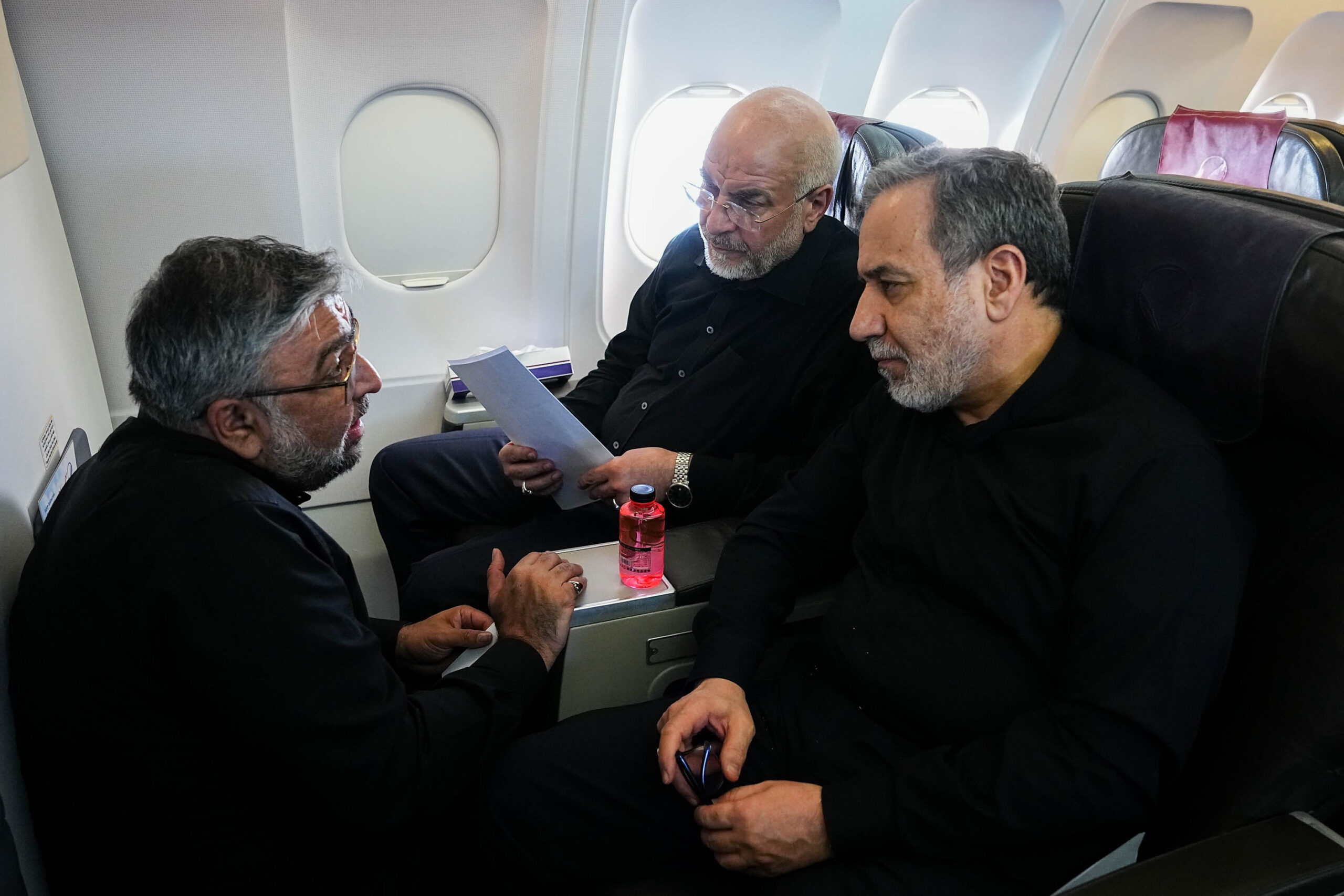
Events
Oct 6, 2026
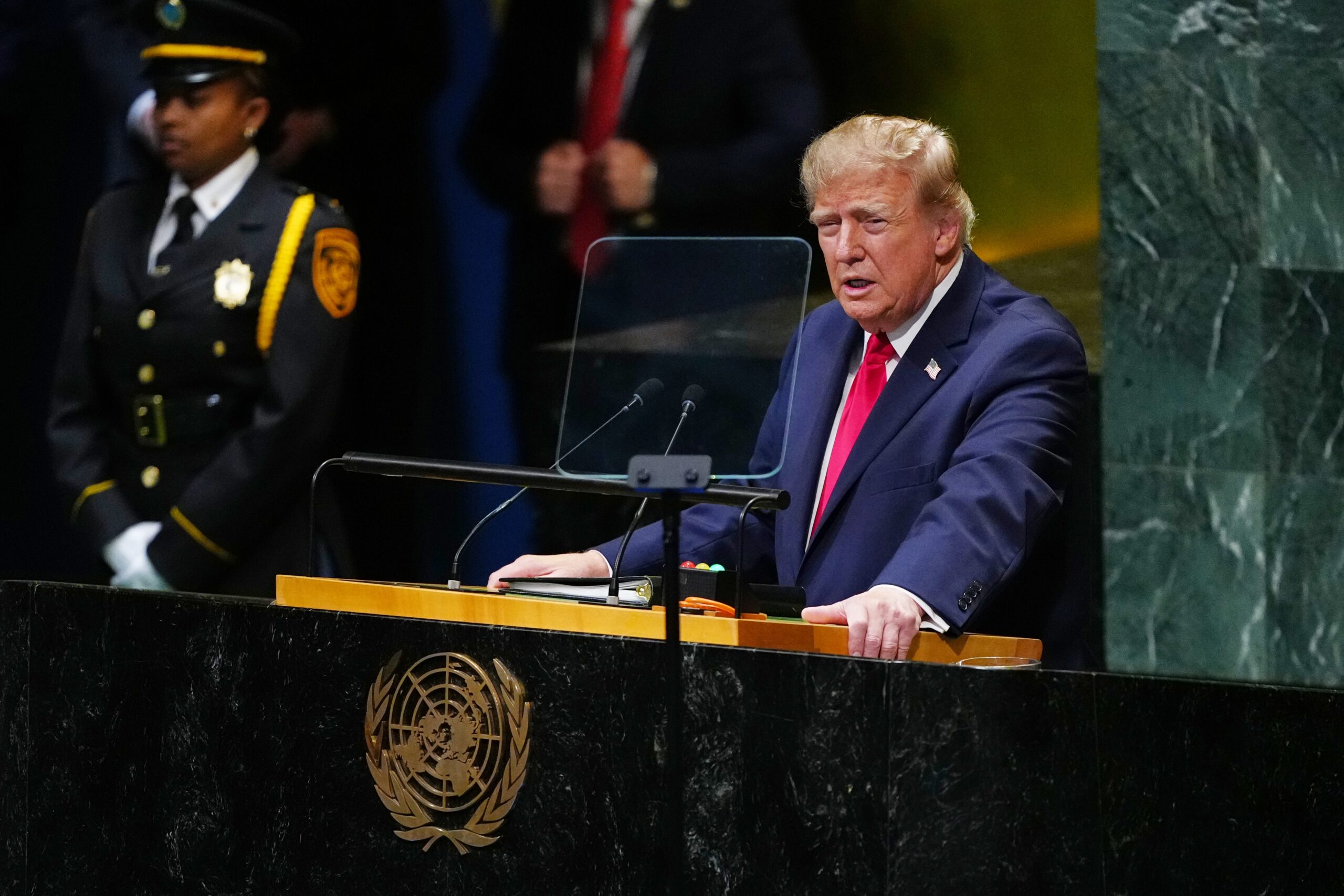
Is the U.S.-Iran Stalemate a “New Normal” or the Prelude to Another Explosion?
On October 6, AGSI hosted a discussion on the U.S.-Iran stalemate and the prospects for a cease-fire.
Speakers



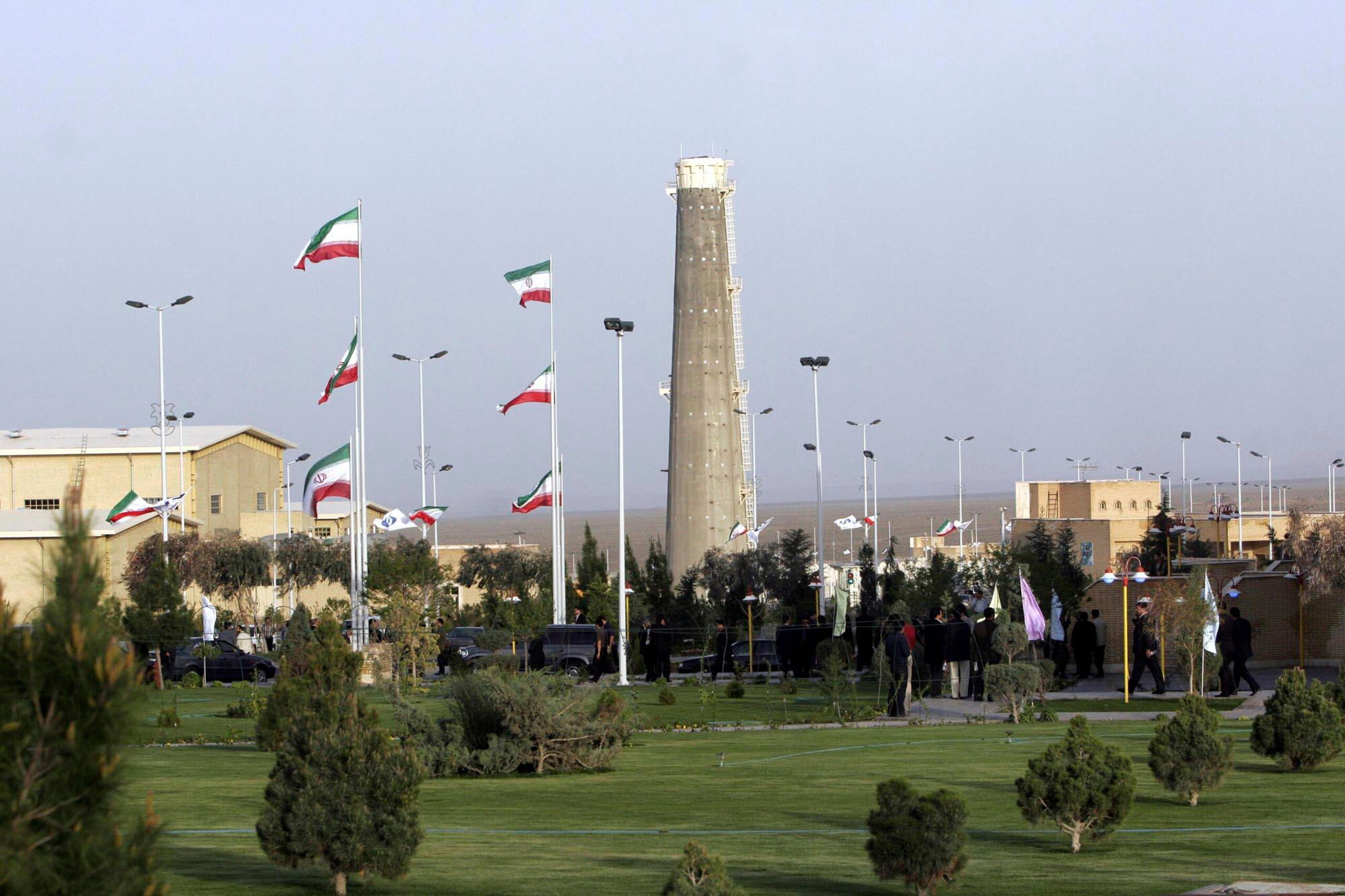
Book Talk: Iran and the Bomb: The United States, Iran and the Nuclear Question
On June 16, AGSI hosted a discussion on the evolution of Iran's nuclear program.
Speakers
Apr 21, 2026
Inside Iran’s Wartime Leadership: Power, Succession, and Regime Stability
On April 21, AGSI hosted a discussion on the evolution of Iran's leadership during the war.
Speakers

Mar 18, 2026
In Its Conflict With the United States and Israel, Does Escalation Favor Iran?
On March 18, AGSI hosted a discussion on the escalation of the Iran war.
Speakers