Nov 3, 2023
Iranian Proxies and Proxies of the Proxies
The November 3 edition of the Iran Media Review examines the stances of Iran and its allied militias on recent attacks against Israel.

Under the Islamic Republic, Iran has perfected the art of proxy warfare as a means of advancing its strategic objectives while obfuscating Iranian involvement and avoiding all-out war with its adversaries. Remarkably, Iranian proxies have also learned to cultivate “subproxies” while keeping their distance in times of trouble. Iranian Foreign Minister Hossein Amir-Abdollahian dismissed Iranian involvement in both Hamas’ October 7 attack against Israel and recent attacks by other Iranian-backed militias against Israel and the United States. Likewise, a top Hezbollah leader also claimed the Lebanese militia had no prior knowledge of the attack by Hamas, a group that in some ways serves as a proxy of Hezbollah.
- October 31: During a meeting with Qatari Emir Tamim bin Hamad al-Thani, Amir-Abdollahian said, according to Islamic Revolutionary Guard Corps mouthpiece Mashregh News: “As a result of the continued crimes of the Zionist regime against the defenseless people who are totally encircled in Gaza, we are witnessing more reactions and an expansion of the conflict in the region. It is only natural that groups and movements of the resistance will not remain silent in the face of all these crimes and the full-fledged support of America to the Zionist regime.” Iran’s allies and allied militias in the region “will not wait for recommendations from anyone. Therefore, we must use the last political opportunity to stop the war. Should the situation get out of control, no party will remain immune from consequences.”
- October 31: Nour News, the official mouthpiece of Iran’s Supreme National Security Council, discussing Hezbollah Secretary General Hassan Nasrallah’s “silence” since the October 7 Hamas attack, wrote:
- “Is this the calm before the storm? In the course of the past three weeks, Seyyed Hassan Nasrallah hosted an important meeting: On October 25, he hosted Ziad Nakhale, the leader of Palestinian Islamic Jihad, and Saleh al-Arouri, the head of Hamas’ political bureau, in a room whose walls were adorned with photos of Imam Khomeini and Grand Ayatollah Khamenei … The media, which tried to decode Hezbollah’s public statements and speculated on what transpired behind the closed doors of the meeting, missed the basic point of the meeting, which is the unity displayed in the photo featuring the three individuals … In the past few days, two Hezbollah videos made it to the headlines … The first features a few seconds of footage with Nasrallah walking past the Hezbollah emblem … Hezbollah later released the fifth verse of the 17th Quranic surah: ‘So when the time for the first of the two came, we roused against you slaves of ours of great might who ravaged your country, and it was a threat performed.’ In the second video, it was declared that Seyyed Hassan Nasrallah will deliver an address on Friday, November 3.”
- October 31: IRGC mouthpiece Fars News, quoting Hezbollah sources, reported on the militia’s alleged military actions against the Israel Defense Forces.
- “The Lebanese Hezbollah movement reported that since October 8, it has engaged in 108 operations against Israel’s espionage, logistical, and radar facilities … Hezbollah emphasized that in the course of the operations on the southern borders of” Lebanon, “120 Zionist military personnel were either killed or injured, nine tanks were destroyed, and one aerial drone was downed.”
- October 31: Hashim Safi al-Din, the head of Hezbollah’s Executive Council who is widely recognized as second in command of Hezbollah, said in an exclusive interview with IRGC mouthpiece Tasnim News:
- “Lebanese Hezbollah had no previous knowledge of the Palestinian operations and was informed of them by the media … These operations were exclusively Palestinian, and Lebanese Hezbollah is pleased that Hamas has such intelligence superiority … It is asked why Hezbollah had no previous knowledge” of Hamas’ attack, “but we are proud of our holy warrior brethren, who displayed their superior strength in complex operations.”
- Concerning Hezbollah’s response, he said: “From the very beginning, we said that we are involved in the war, but what our reaction will be, at what level, and when, is not something that we will disclose, since fundamentally our strategy is not to make declarations or pledges. Whenever we find it necessary, we will act rather than talk.”
- October 31: Tasnim News quoted Houthi military spokesperson Brigadier General Yahya Saree as saying: “By popular demand, the armed forces of Yemen engaged in comprehensive missile and aerial drone operations against the occupied territories,” referencing Israel.
- October 31: Fars News published a statement from the political bureau of the Houthi movement in which the Yemeni group took responsibility for firing “missiles and aerial drones” against “occupied Palestine,” referencing Israel, and described the operation as “a victory for the Palestinian nation aimed at supporting the holy warriors of the resistance.”
The views represented herein are the author's or speaker's own and do not necessarily reflect the views of AGSI, its staff, or its board of directors.
Related
Iran Media Review
Oct 31, 2023
Iran Prepares for 2024 Parliamentary Elections
The October 31 edition of the Iran Media Review highlights efforts to make the Israel-Hamas conflict a theme in Iran’s 2024 elections.
Iran Media Review
Oct 27, 2023
For Now, Iran and Hezbollah Court Trouble but Avoid It
The October 27 edition of the Iran Media Review examines Iran’s delicate balancing act amid the Israel-Hamas conflict.
Oct 31, 2023
Iran Prepares for 2024 Parliamentary Elections
The October 31 edition of the Iran Media Review highlights efforts to make the Israel-Hamas conflict a theme in Iran’s 2024 elections.
Oct 27, 2023
For Now, Iran and Hezbollah Court Trouble but Avoid It
The October 27 edition of the Iran Media Review examines Iran’s delicate balancing act amid the Israel-Hamas conflict.
Analysis
The Islamic Republic Returns to Offense
After U.S.-Israeli strikes killed Supreme Leader Ayatollah Ali Khamenei on February 28, Iran’s collective leadership has concluded that the best defense is a good offense.
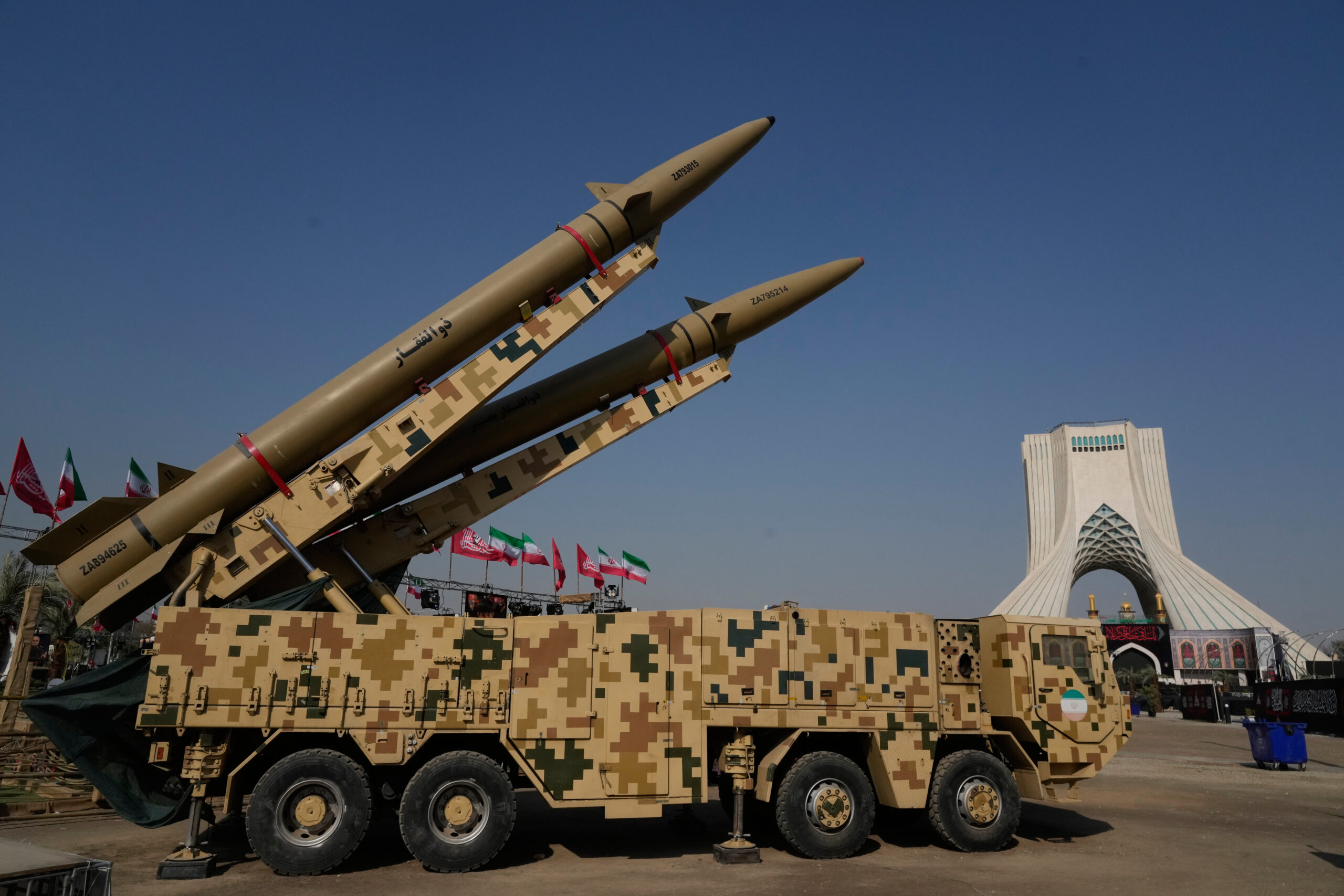
Iran’s Collective Strategic Decision Making
Wartime pressure has temporarily aligned the leadership’s overriding interest in regime survival, even as its members continue to differ over the costs, methods, and ultimate objectives of the war.
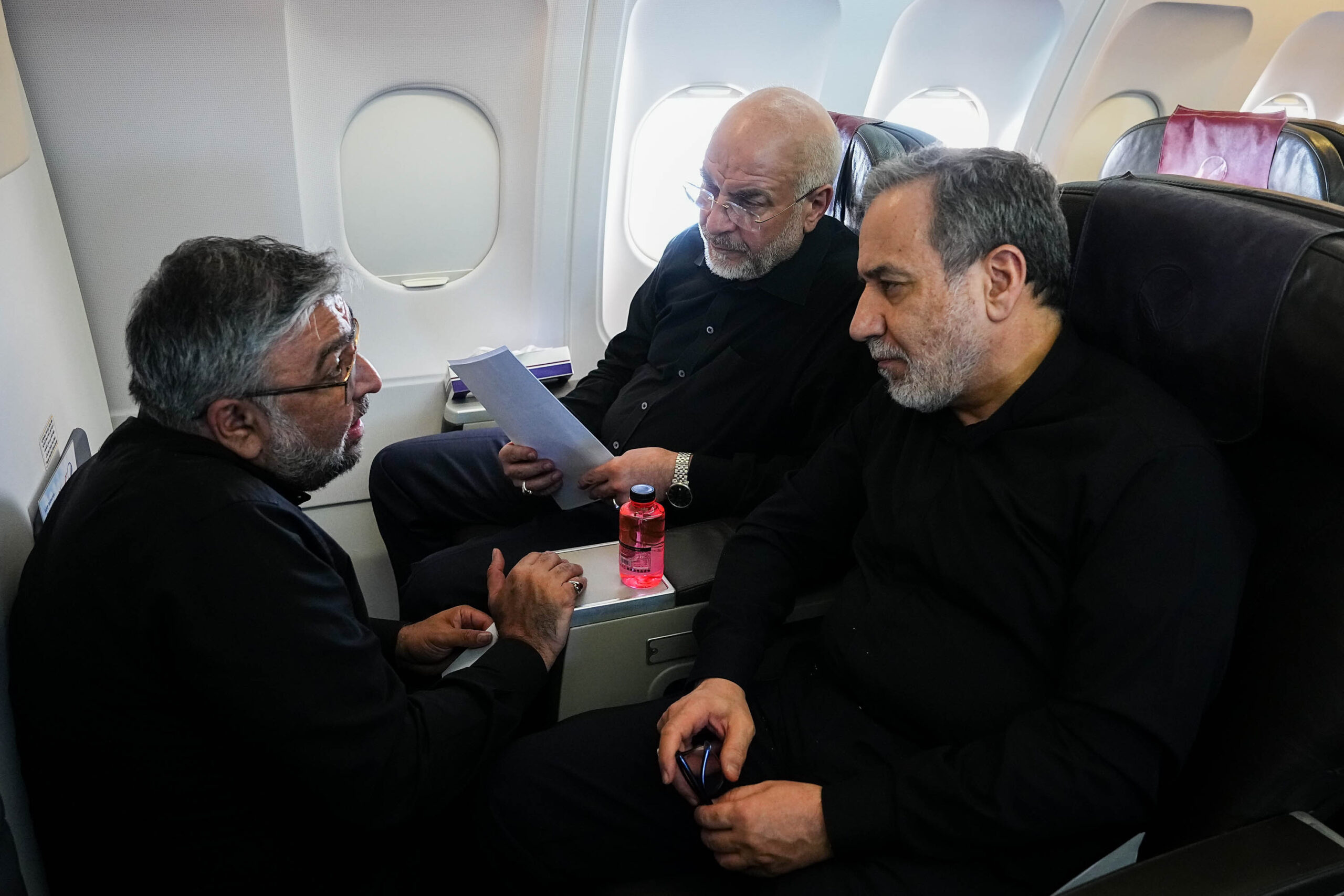
The Islamic Republic’s Collective Leadership
While there is historical precedent for collective leadership in Iran, today’s leadership includes representatives of the IRGC and regular military – a reflection of the IRGC’s expanding role and the necessities of governing under wartime conditions.
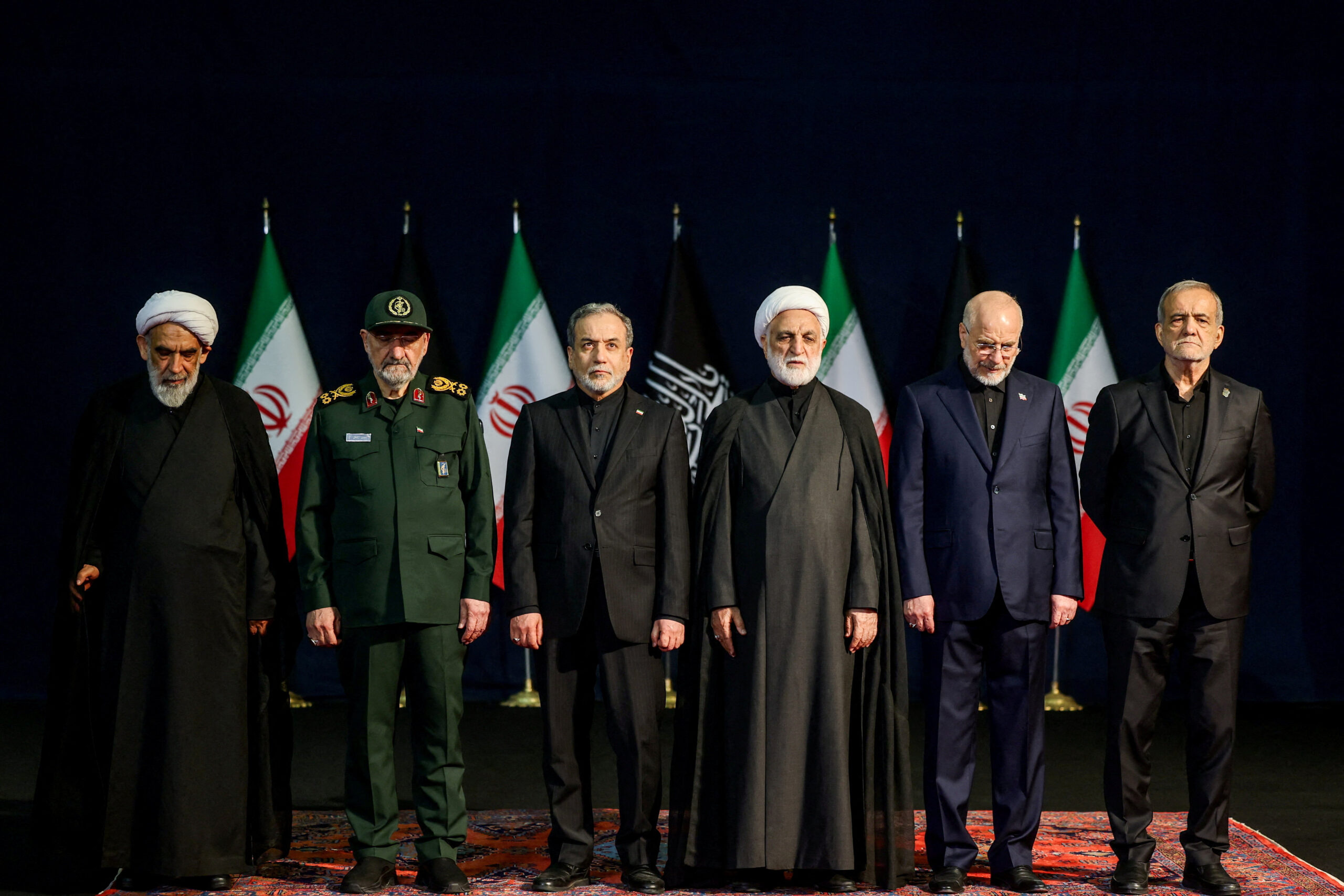
How Did the IRGC Seize Power in Iran?
The IRGC did not seize power in a single stroke. It accumulated it – patiently, methodically – until no counterweight remained.
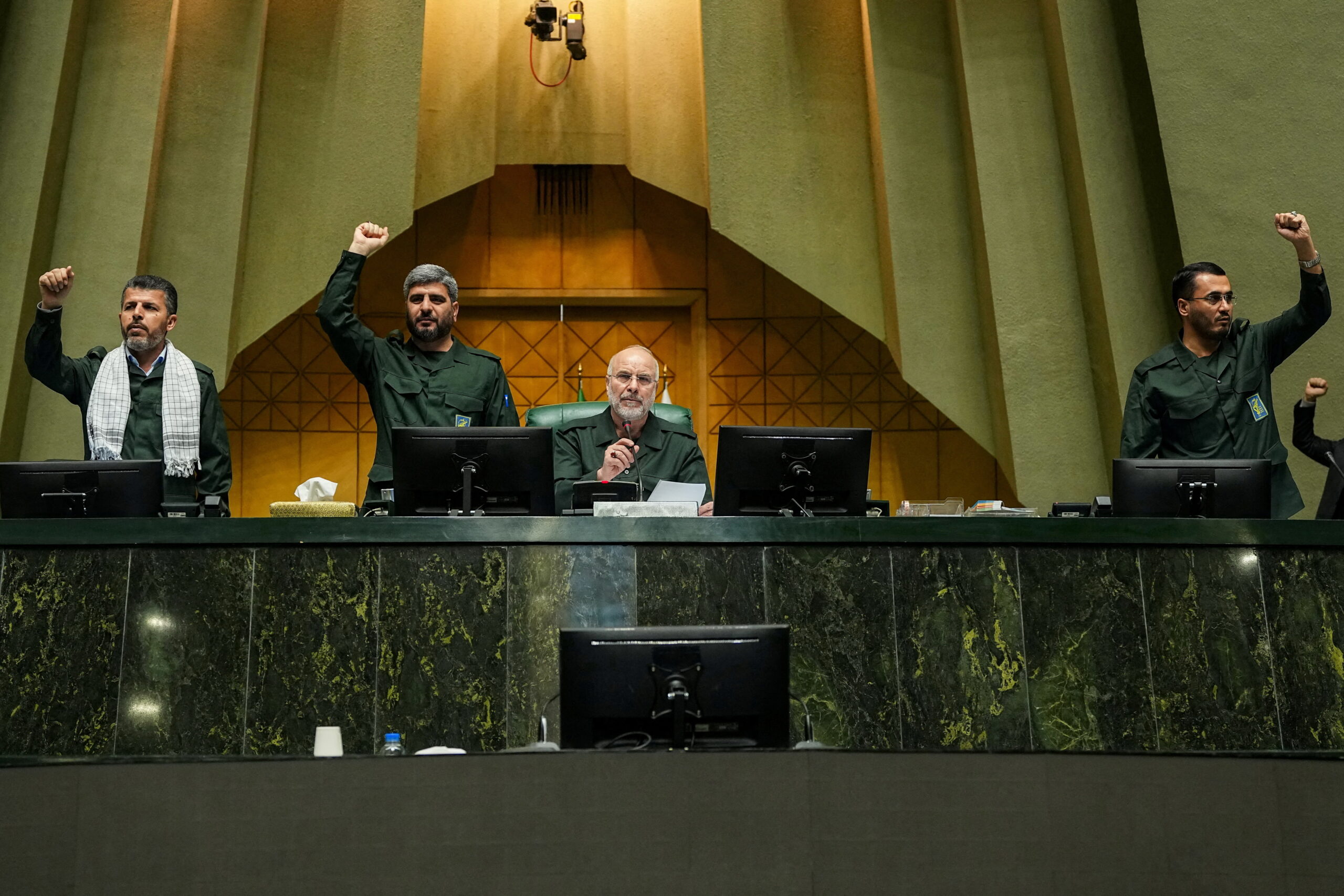
Events
Book Talk: Iran and the Bomb: The United States, Iran and the Nuclear Question
On June 16, AGSI hosted a discussion on the evolution of Iran's nuclear program.
Speakers

Apr 21, 2026
Inside Iran’s Wartime Leadership: Power, Succession, and Regime Stability
On April 21, AGSI hosted a discussion on the evolution of Iran's leadership during the war.
Speakers

Mar 18, 2026
In Its Conflict With the United States and Israel, Does Escalation Favor Iran?
On March 18, AGSI hosted a discussion on the escalation of the Iran war.
Speakers


Mar 2, 2026
After the Shock: Implications of the U.S.–Israeli Strikes and Iran’s Leadership Transition
On March 2, AGSI hosted a discussion on the U.S.-Israeli strikes on Iran.
Speakers