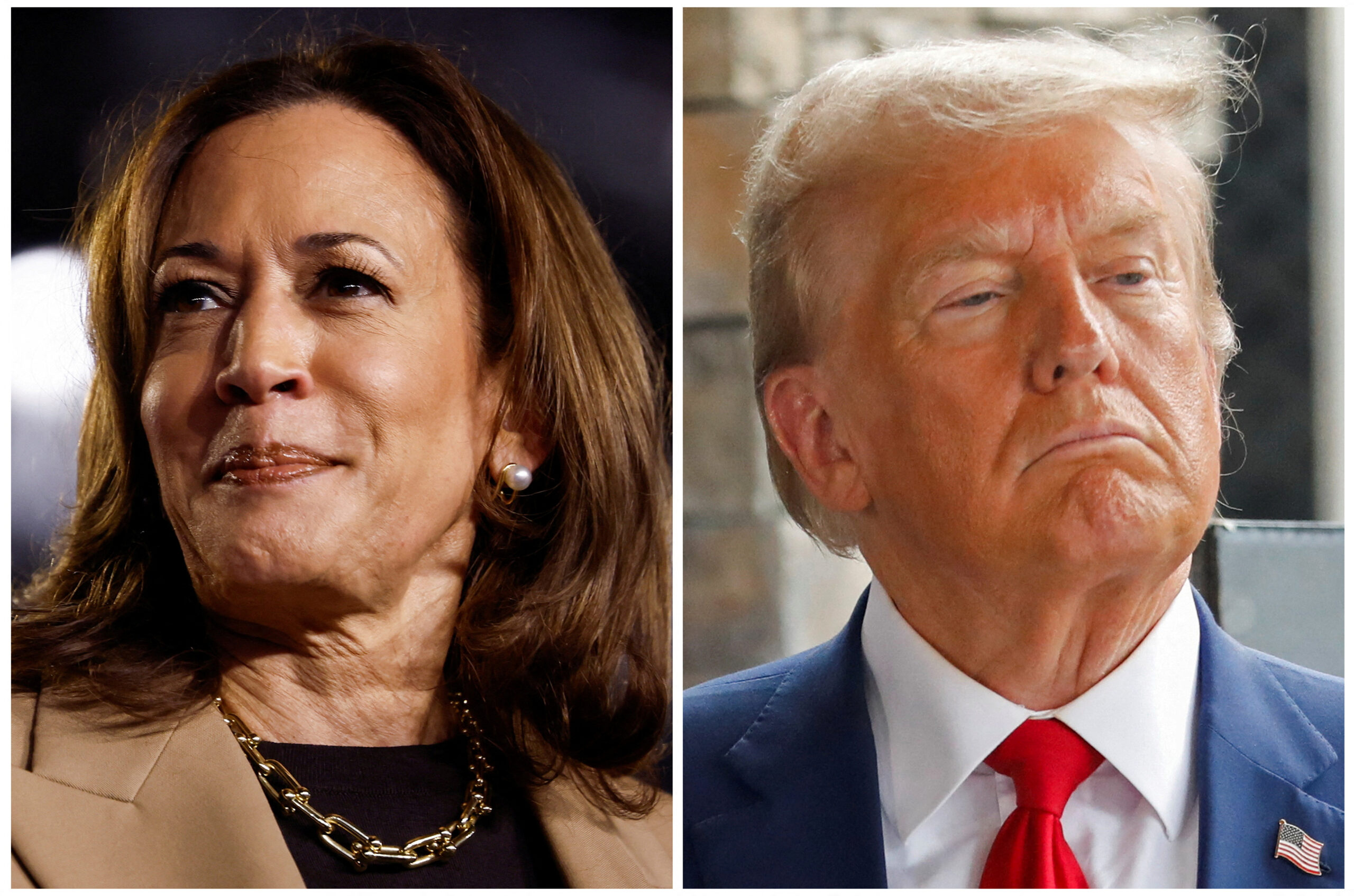
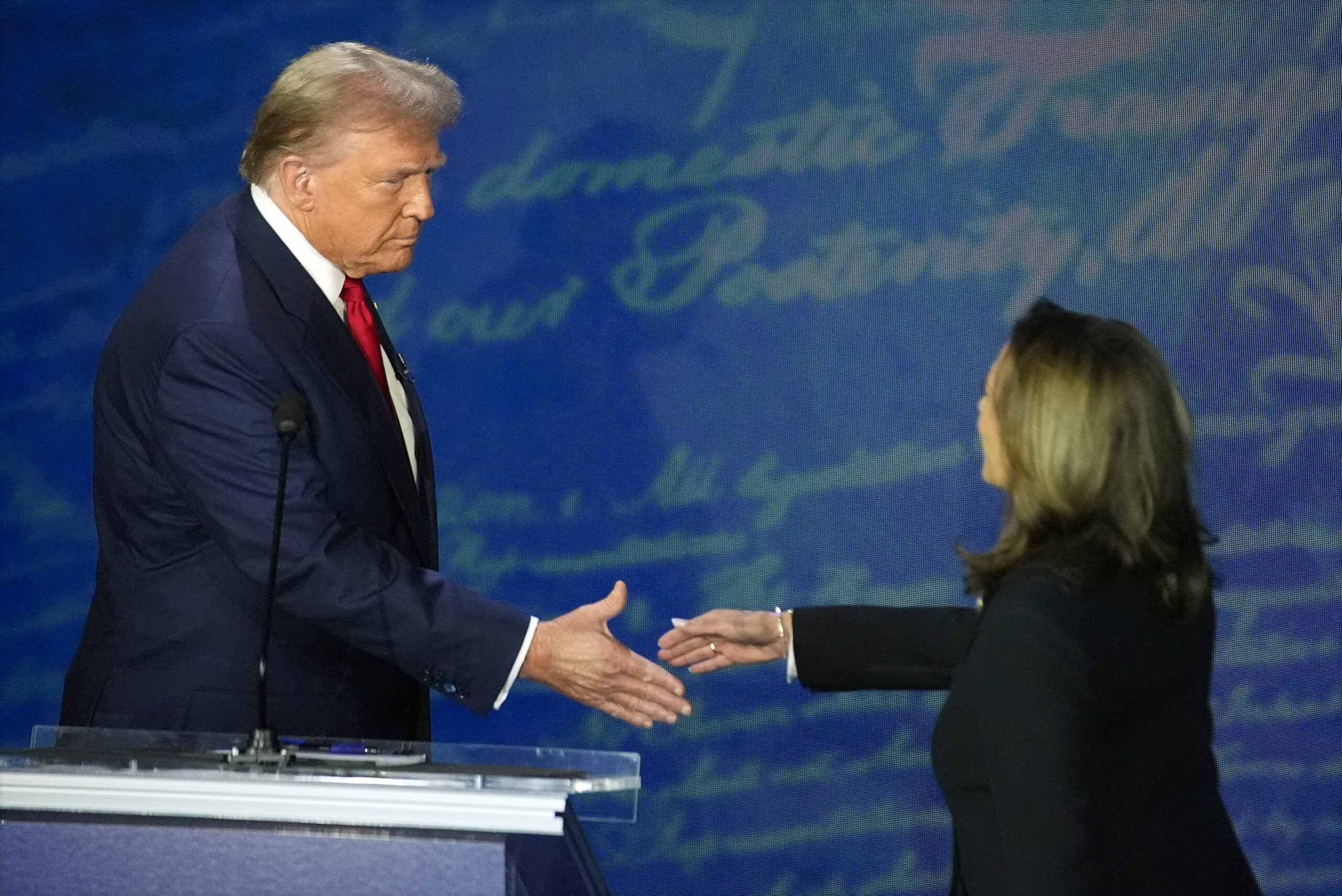
While any U.S.-Iran rapprochement could potentially ease sanctions on Iran, such a shift is poised to generate sharply divergent responses among U.S. allies.
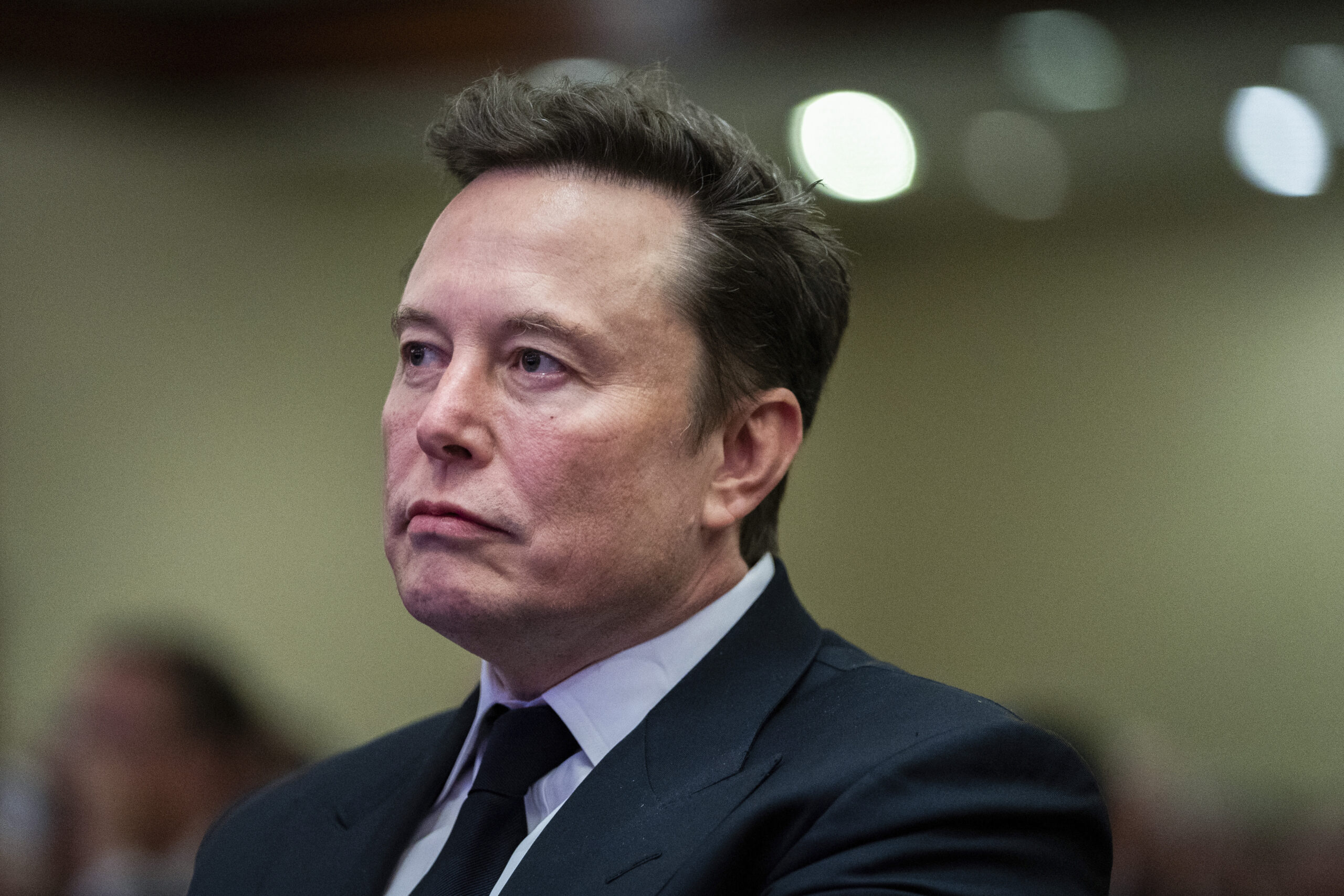
'Elon Musk listens as President-elect Donald Trump speaks during a meeting with the House GOP conference, November 13, Washington, DC. (Allison Robbert/Pool via AP)'
Elon Musk, a close advisor to President-elect Donald J. Trump, reportedly met Amir Saeid Iravani, Iran’s ambassador to the United Nations, on November 11 to discuss strategies to de-escalate tensions between Iran and the United States. Iravani allegedly urged Musk to “obtain sanctions exemptions from the Treasury and bring some of his businesses to Tehran.” While individuals close to the president-elect and Iran’s Permanent Mission to the United Nations have so far declined to comment on the meeting, Iranian Foreign Minister Abbas Araghchi, on November 17, outright denied the meeting occurred, dismissing media reports as “fabrications.”
If Musk indeed met Iravani and engaged in the discussion as a representative of the president-elect rather than a private citizen, it would signal a major departure in Trump’s approach toward Iran: prioritizing economic interests over confrontation, ideological rigidity, and previous strategic calculations. Likewise, Iran’s participation in such a dialogue could reflect a growing recognition of the Trump presidency as a durable phenomenon that requires a developed response. If – as the extensive background sourcing indicates – this meeting occurred, it raises pivotal questions: What implications does it carry for U.S.-Iran relations under a second Trump administration? And what effects could it have on the United States’ regional allies, particularly the Gulf Cooperation Council member states and Israel? While any U.S.-Iran rapprochement could potentially ease sanctions on Iran, such a shift is poised to generate sharply divergent responses among U.S. allies, potentially proving particularly debilitating for Israel.
Trump’s inner circle reflects a complex interplay of ideological and policy differences. Figures like Musk, who represent a focus on economic engagement and pragmatism, clash with staunchly pro-Israel and anti-Iran figures such as Senator Marco Rubio and Representative Michael Waltz, respectively tapped for secretary of state and national security advisor roles, who have advocated for maximal pressure on Iran. For now, Musk’s apparent influence signals a potential recalibration of U.S. economic warfare tactics toward Iran. Notably, the “maximum pressure” campaign of the first Trump administration neither succeeded in altering Iran’s behavior for the better nor achieved the tacit objective of regime change. Nor was there any high-level, unorthodox diplomatic outreach early on to gauge alternative approaches. In the current circumstances, if Musk were to fall out of favor with Trump, it is possible that the administration would revert to its previous strategies, despite their proven inefficacy.
Within Iran, too, historical divisions persist over the approach to the United States. While many elites support the normalization of relations, infighting often undermines progress, as factions jockey to deny others the political dividends of success of normalizing relations with the United States. Following significant political and military setbacks – such as the decapitation of Lebanese Hezbollah’s military and political leadership and Israel’s sustained dominance in aerial and missile defense – Iran faces stark strategic choices. It could either pursue a nuclear breakout, with all the attendant risks, to restore a “balance of terror” strategic deterrence with Israel or engage with the Trump administration to protect itself from Israeli aggression.
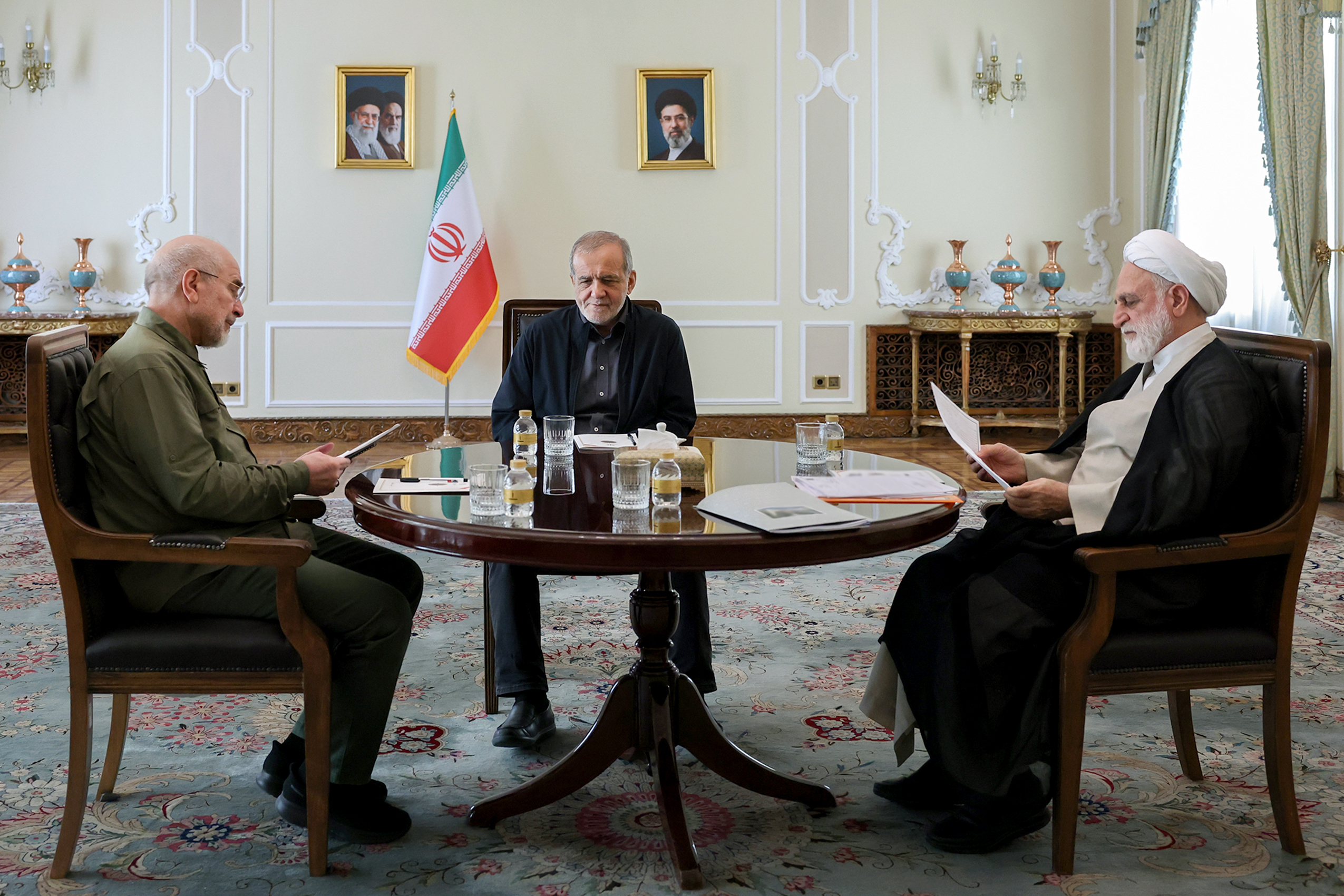
Persian-language sources suggest that Tehran is actively evaluating both paths. The Musk-Iravani meeting appears to have bolstered advocates of constructive diplomacy. Notably, a November 13 speech by President Masoud Pezeshkian to senior diplomats, two days after the Musk meeting, emphasized steering future engagements with the United States, rather than letting Iran be steered by external events, a sentiment echoed by Nour News Agency, a mouthpiece of Iran’s Supreme National Security Council, which on November 14 called for direct negotiations between Iran and the United States without intermediaries. At the time, Islamic Revolutionary Guard Corps mouthpiece Javan newspaper interpreted Pezeshkian’s statement as a “prelude to secret negotiations with Trump, even before he is sworn in.”
However, dissenting voices, such as Kayhan newspaper, which in the past was perceived as a mouthpiece of Supreme Leader Ayatollah Ali Khamenei but presently represents hard-line anti-Americanism, questioned the wisdom of such overtures, framing them as either “naivete or betrayal.” The ultimate authority, Khamenei, has yet to comment explicitly, but the meeting likely occurred with his tacit approval.
The IRGC does not appear explicitly opposed to the overture initiated by Musk. On November 17, Javan, which had previously cautioned against clandestine negotiations with Trump, published remarks from Hamid-Reza Asefi, a former Foreign Ministry spokesman, which may signify the prevailing sentiment within the IRGC: “While the first Trump administration imposed severe measures on Iran, regional and global conditions have shifted … Now, we must observe what Trump intends to do. Will he persist with his earlier policies, or is he genuinely altering his approach?”
On November 18, Javan’s front page prominently featured a statement from Basij commander Hossein Maroufi: “Poverty is more of an enemy to us than America is.” This assertion may be a subtle endorsement of engaging with the Trump administration to secure sanctions relief, thereby addressing Iran’s pressing economic challenges. The remarks suggest a pragmatic acknowledgment within segments of the IRGC that economic stability, even if it necessitates rapprochement with the United States, may take precedence over ideological rigidity in confronting external adversaries.
Should the Musk-Iravani meeting lead to an improvement of relations between Tehran and Washington, a Trump-Khamenei summit, reminiscent of the Trump-Kim Jong Un summit, cannot be ruled out. It remains to be seen if the central position Musk commands in the incoming second Trump administration will help Iran follow the North Korean playbook for significant de-escalation with Trump. The prize for Iran would be achieving meaningful sanctions relief from the United States.
Improved U.S.-Iran relations would present a mixed calculus for the United States’ Middle Eastern allies: For the GCC states, many of which have already recalibrated their relations with Tehran after witnessing Washington’s reluctance to respond following Iran’s 2019 attacks, the Musk initiative might offer relief. However, any lack of consultation with these states could foster mistrust, especially given their wariness of unilateral U.S. moves. For Israel, the implications are dire. Having invested heavily in isolating Iran diplomatically and pushing for U.S.-Iran confrontation, Israel’s leadership faces the prospect of losing its most potent diplomatic leverage. Consequently, the Israeli government is likely to resist Musk’s efforts and might actively seek to derail any rapprochement.
The Musk-Iravani meeting, if verified, marks a potentially transformative moment in U.S.-Iran relations. It underscores the primacy of economics and marks a departure from the strategic calculations of the first Trump administration. For Iran, the opening represents an opportunity to mitigate its strategic vulnerabilities, yet such an opening comes at the price of revolutionary ideology. For Washington, it offers a chance to reassess the limitations of the “maximum pressure” campaign and may involve personal economic gains for the president-elect and Musk, such as Trump Towers in Tehran and Khamenei giving Musk preferential access to Iran’s lithium reserves, an estimated 10% of the world’s known reserves, for use in Tesla vehicles. However, these developments also risk exacerbating fissures among U.S. allies in the Middle East, particularly Israel and to a lesser extent, the GCC states.
Ultimately, whether this initiative leads to a historic breakthrough or devolves into another missed opportunity will depend on the willingness of both sides to transcend entrenched hostilities and navigate the competing pressures of domestic and regional politics. If Musk’s unconventional approach prevails, it could redefine U.S.-Iran relations for years to come, potentially reshaping the geopolitical landscape of the Middle East. Conversely, failure could reinforce the cyclical antagonism that has long defined this fraught relationship.
The views represented herein are the author's or speaker's own and do not necessarily reflect the views of AGSI, its staff, or its board of directors.
Regardless of who prevails in November's presidential election, the next U.S. administration may contend with either a nuclear-armed or fragmented Iran.
The short-term effects of the U.S. presidential election for policy toward the Gulf region are likely to be minimal, though the most consequential effect may be indirect and long term.
GCC states will see advantages and disadvantages from either outcome in the U.S. presidential election but will rely on the persistence of long-standing ties.
Rival camps within the Islamic Republic are increasingly turning to YouTube for policy debate, but there is a limit to the regime’s tolerance for that debate.
After U.S.-Israeli strikes killed Supreme Leader Ayatollah Ali Khamenei on February 28, Iran’s collective leadership has concluded that the best defense is a good offense.