Dec 19, 2023
Iran Engulfed by the Deluge of “Sadeq the Trumpetist”
The December 19 edition of the Iran Media Review highlights public support for social media sensation “Sadeq the Trumpetist.”

While Iran’s state-censored media bombards the public with wall-to-wall coverage of Hamas’ “Deluge of Al-Aqsa” attack against Israel, a 70-year-old fishmonger has started a national wave of anti-regime mockery and ridicule that provoked a response from Iran’s Supreme National Security Council. The affair began in mid-December when Sadeq Banna Motejadded began singing and dancing in the seafood market in the city of Rasht in Mazandaran province. Better known as “Sadeeq Booghy,” or “Sadeq the Trumpetist,” due to his other passion, blowing a horn in support of the local football team, his antics attracted crowds day after day, with onlookers joining him in impromptu street dance parties.
Motejadded’s fame soon reached cyberspace as he and his fans posted street dance videos on Instagram. Iranian authorities reacted by censoring Motejadded’s Instagram page with 128,000 followers, and, according to some sources, the police briefly arrested Motejadded. The Law Enforcement Forces, however, claim he was never arrested but had received a “warning” against “uploading culturally unconventional content” online.
Regardless, Persian-language social media accounts have since hurled insults and ridicule at Iranian authorities in support of Motejadded, who says he will continue as before. This time around, the little man appears to have won, as Nour News, the mouthpiece of the Supreme National Security Council, has also offered public support for Sadeq the Trumpetist.
- December 11: Nour News wrote:
- “When the singing of a citizen from Gilan province in public space in the city of Rasht was met with negative reactions from certain policing institutions, a wave of positioning for and against him was shaped on social media and in cyberspace, giving a local event a national and even international dimension … In the shortest imaginable time, the songs, which were performed in the local dialect, and even the unprofessional filming of the street scenes by bystanders recording the happiness made it to social media, producing thumbs-ups and likes. When news spread that Instagram pages showing video footage of these happy scenes were filtered, a terrible tsunami started in defense of the songs … Riding the wave, Persian-language media abroad contributed to the affair by making the point that within the regime, there is systemic opposition to the Iranian public’s happiness, and suppressing the happiness of the citizens is a regime strategy.”
- Concluding with policy recommendations, Nour News wrote: “The priority now is to strengthen national solidarity and improve human capital … The behavior of certain institutions demonstrates a particularly poor taste and immaturity when dealing with popular expressions of happiness … Anti-Iran media has always taken advantage of such circumstances to claim this poor taste represents the regime’s policy.”
The views represented herein are the author's or speaker's own and do not necessarily reflect the views of AGSI, its staff, or its board of directors.
Related
Iran Media Review
Dec 15, 2023
Own Goal: Bust of Assassinated Quds Force Chief to Remain at Stadium
The December 15 edition of the Iran Media Review highlights fallout from a controversy over a statue of Quds Force chief Qassim Suleimani at an Iranian stadium.
Iran Media Review
Dec 12, 2023
Rare Insight Into Iran’s Decision Not to Wage War Against the Taliban in 1998
The December 12 edition of the Iran Media Review examines new revelations about Iran’s decision not to intervene in Afghanistan following the Taliban’s killing of 12 Iranians.
Dec 15, 2023
Own Goal: Bust of Assassinated Quds Force Chief to Remain at Stadium
The December 15 edition of the Iran Media Review highlights fallout from a controversy over a statue of Quds Force chief Qassim Suleimani at an Iranian stadium.
Dec 12, 2023
Rare Insight Into Iran’s Decision Not to Wage War Against the Taliban in 1998
The December 12 edition of the Iran Media Review examines new revelations about Iran’s decision not to intervene in Afghanistan following the Taliban’s killing of 12 Iranians.
Analysis
How Did the IRGC Seize Power in Iran?
The IRGC did not seize power in a single stroke. It accumulated it – patiently, methodically – until no counterweight remained.
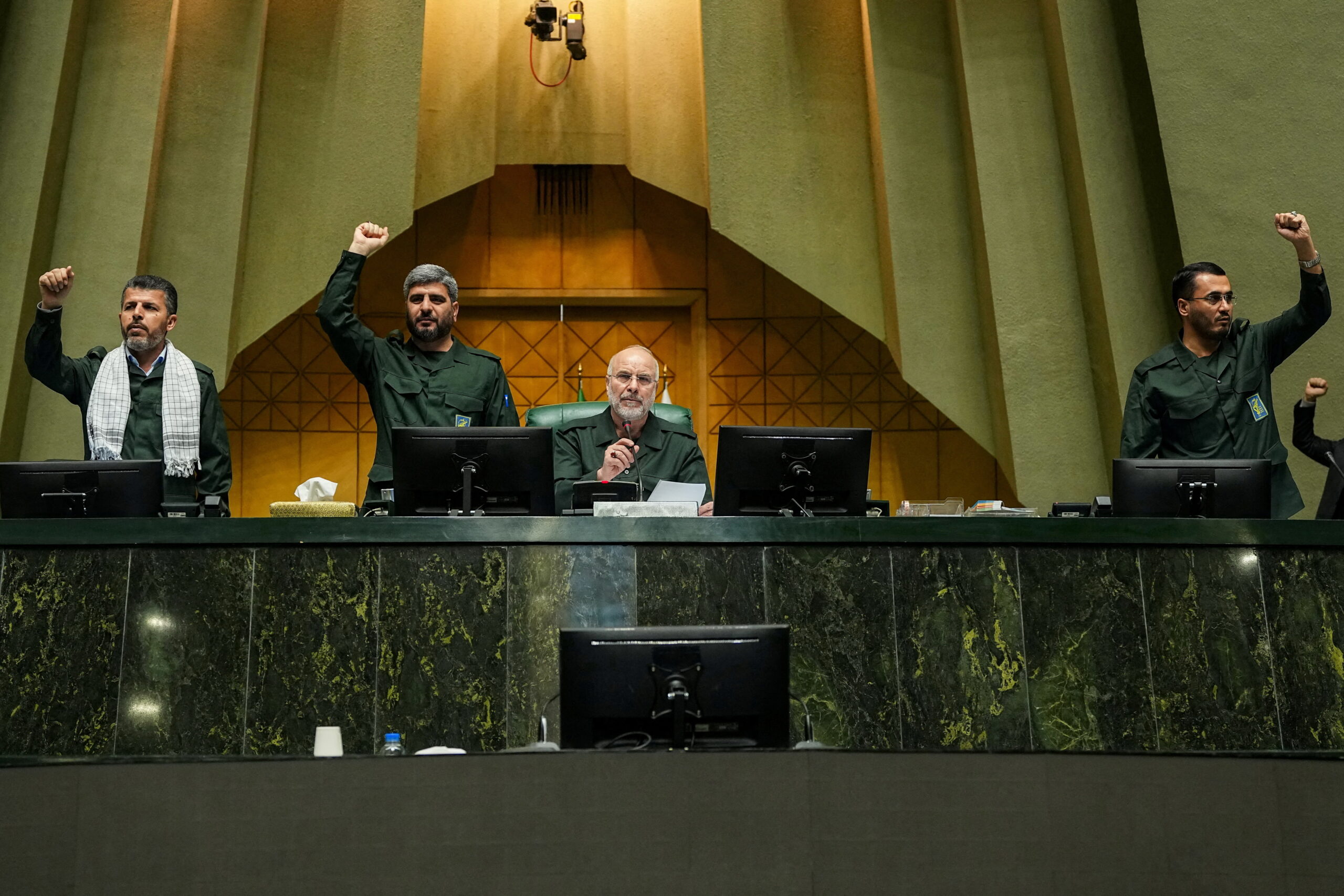
Under Mojtaba, the IRGC Will Reign Supreme
Iran may still call itself an Islamic Republic. In practice, however, it increasingly resembles a state in which the military governs from behind clerical robes.
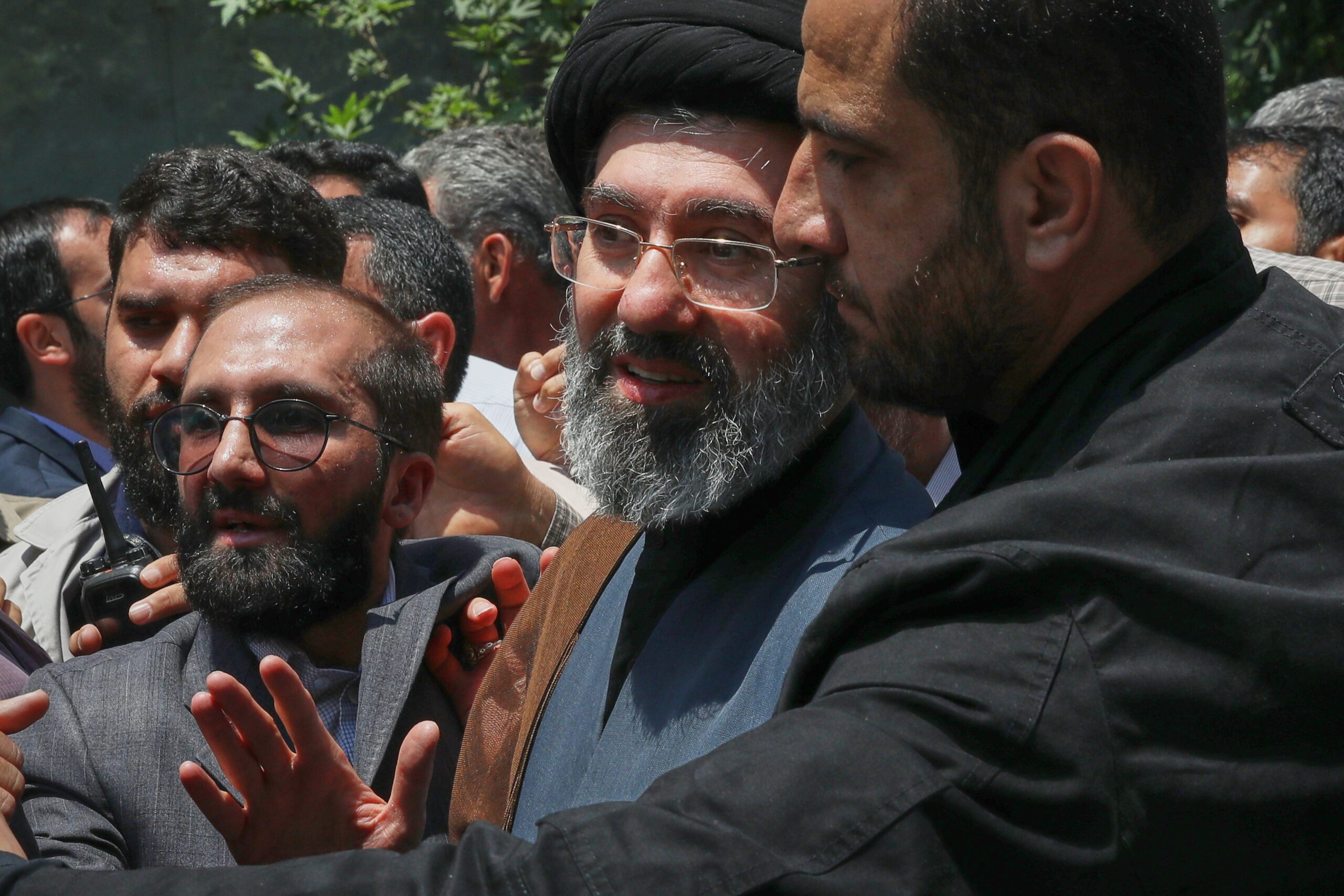
Political Life and Legacy of Iran’s Ayatollah Khamenei
Ayatollah Ali Khamenei was killed in his office in Tehran at age 86, leaving behind a country in ruins and on the verge of civil war and potential disintegration.
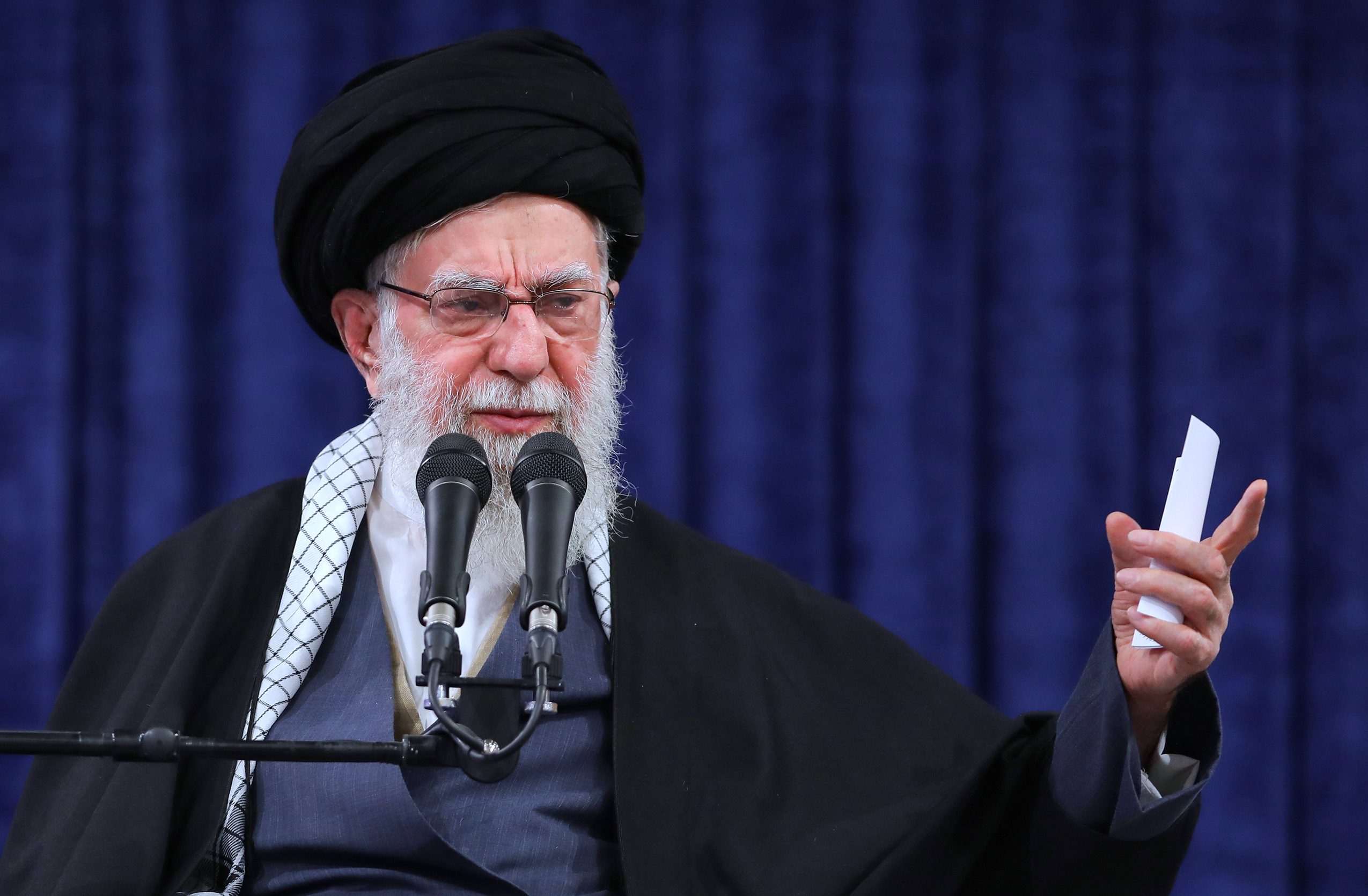
Iranian Regime Fighting for Survival
Iran is signaling that it will not absorb attacks passively. But whether this strategy ensures the regime’s survival, seals its fate, or accelerates a broader catastrophe will shape the region for years to come.
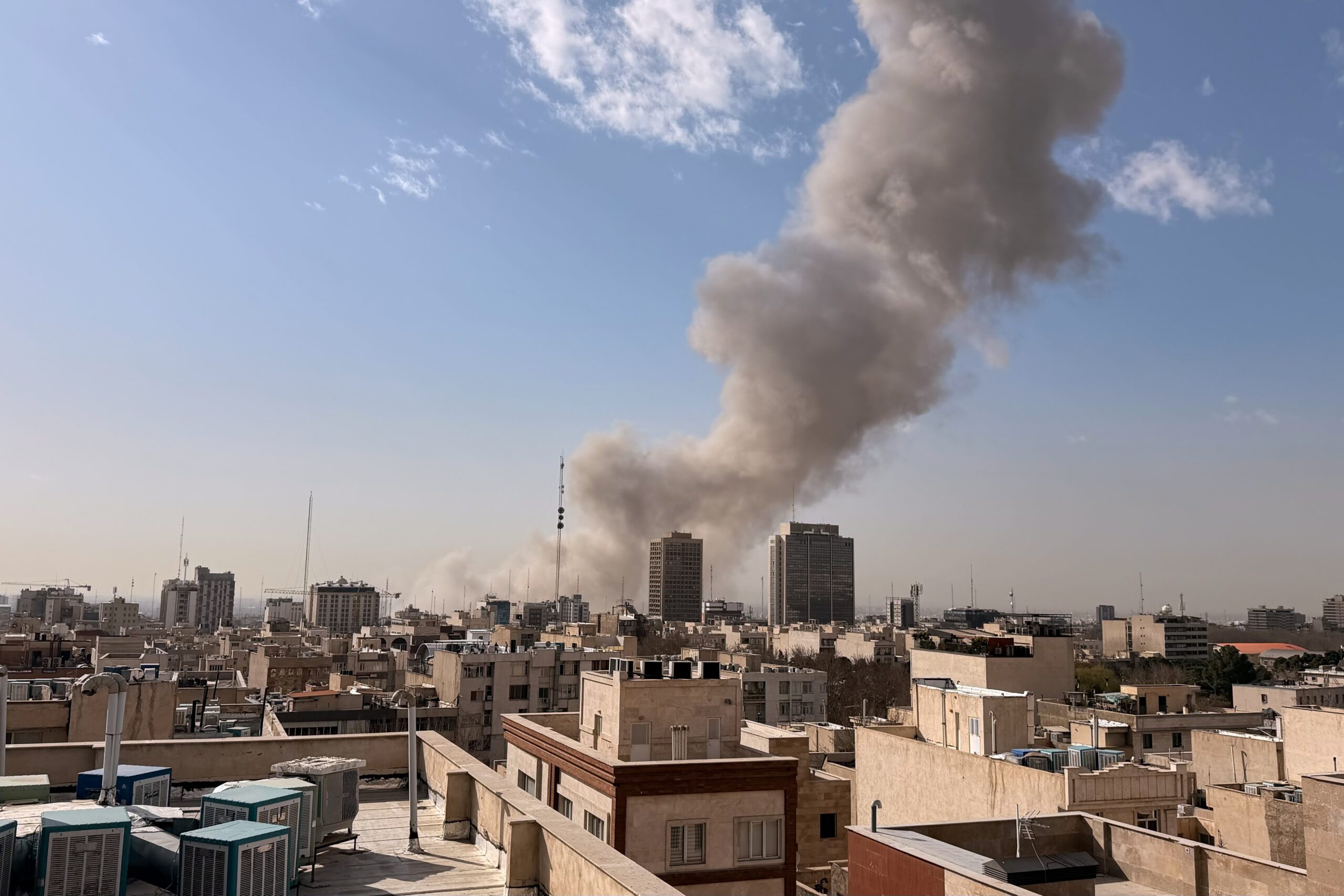
Events
Book Talk: Iran and the Bomb: The United States, Iran and the Nuclear Question
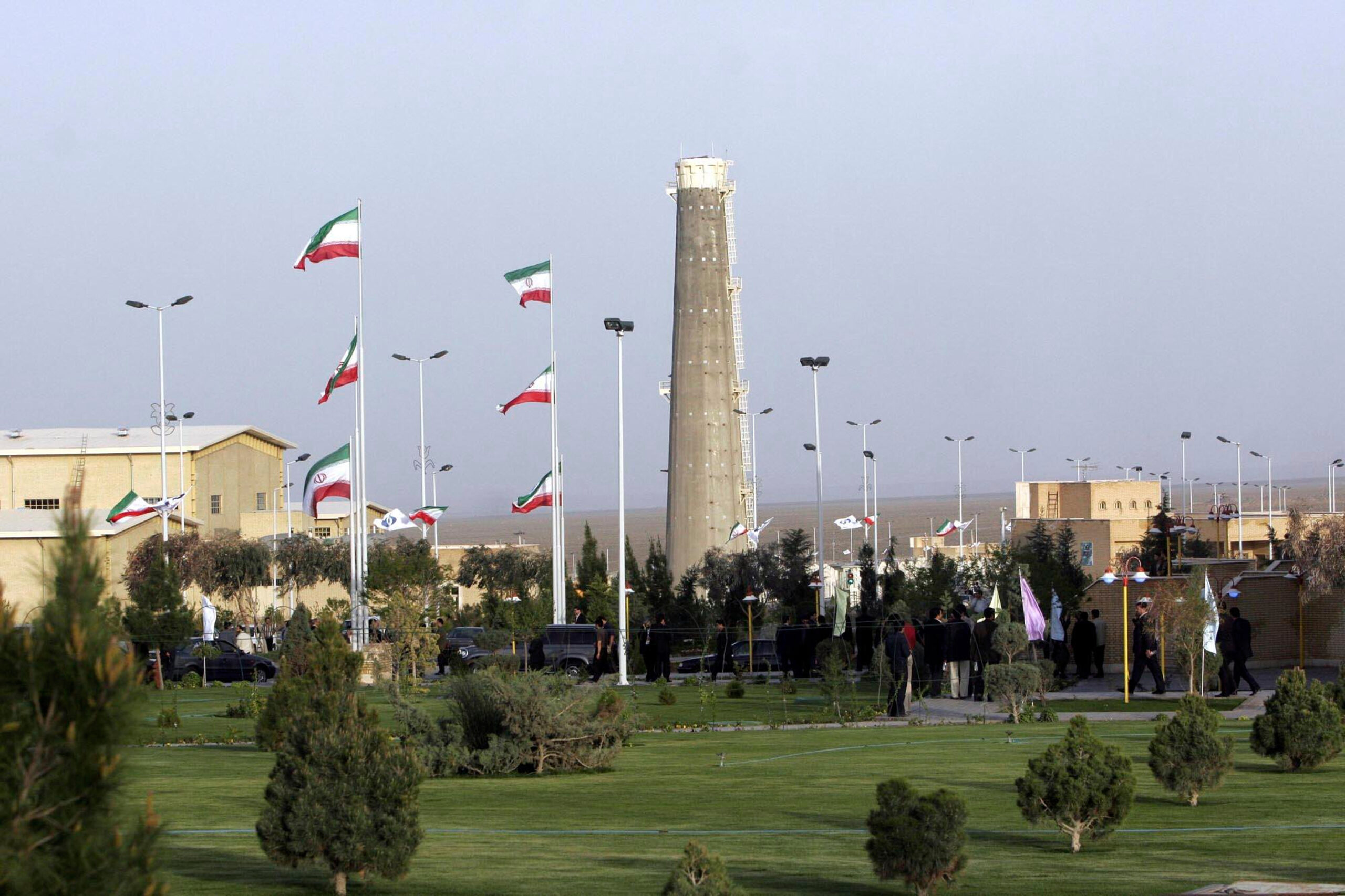
On June 16, AGSI hosted a discussion on the evolution of Iran's nuclear program.
Speakers

Apr 21, 2026
Inside Iran’s Wartime Leadership: Power, Succession, and Regime Stability
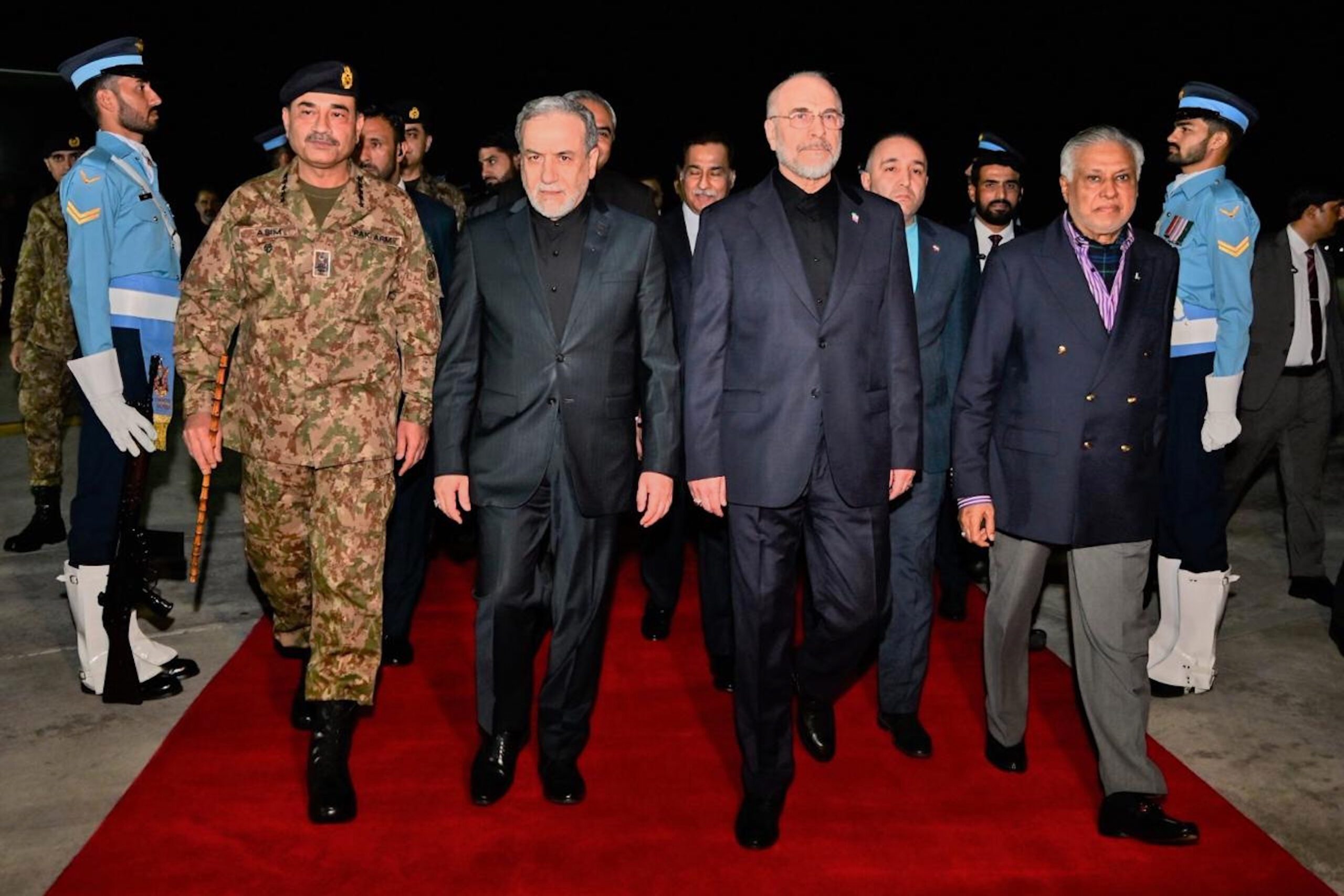
On April 21, AGSI hosted a discussion on the evolution of Iran's leadership during the war.
Speakers

Mar 18, 2026
In Its Conflict With the United States and Israel, Does Escalation Favor Iran?
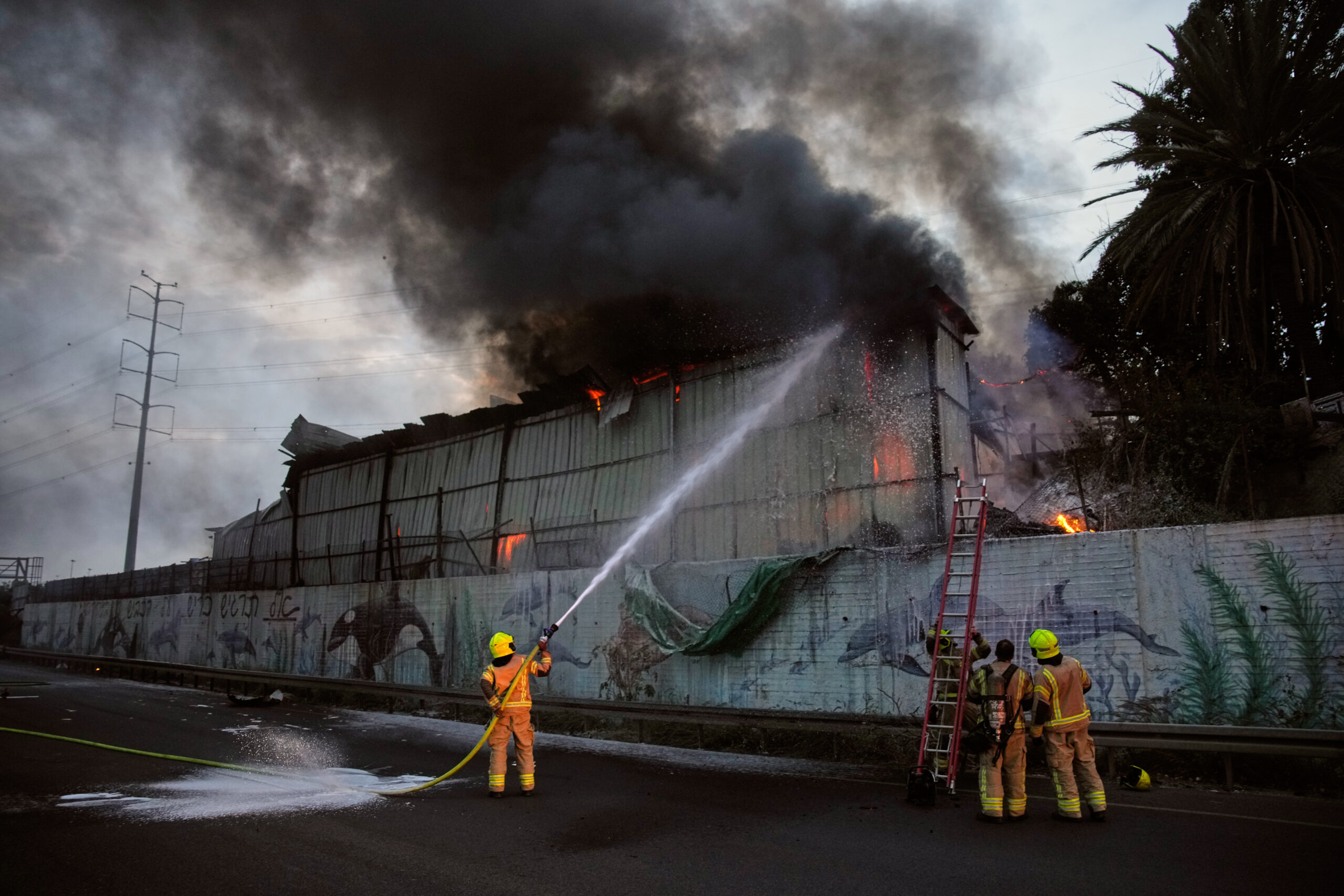
On March 18, AGSI hosted a discussion on the escalation of the Iran war.
Speakers



Mar 2, 2026
After the Shock: Implications of the U.S.–Israeli Strikes and Iran’s Leadership Transition
On March 2, AGSI hosted a discussion on the U.S.-Israeli strikes on Iran.
Speakers