Dec 10, 2024
In the Wake of Fiasco, Catastrophic Outlook
The December 10 edition of the Iran Media Review analyzes Iranian reactions to the collapse of the Assad regime in Syria and concerns over increasing uncertainty in the region.
Iran’s national security strategy stands at a critical juncture, fraught with vulnerabilities and exposed to multifaceted challenges. Lebanese Hezbollah, Iran’s most significant proxy in the region, has been rendered ineffectual by Israeli countermeasures. In Syria, Tehran’s sole state ally in the region, the regime of President Bashar al-Assad has succumbed to forces financed and armed by Iran’s regional adversaries and competitors. The Iranian leadership, meanwhile, faces strategic paralysis, finding the prospect of a nuclear breakout fraught with intolerable risks.
There are additional concerns and added uncertainty surrounding the intentions of Syria’s new rulers. Will their ambitions remain confined to Syria, or might they project power into Iraq, compounding Iran’s geopolitical isolation? Domestically, there looms the question of whether Iran’s disaffected Sunni populations in peripheral provinces might align with Syrian factions, potentially sparking internal unrest and civil war. These domestic insecurities are exacerbated by the enduring opacity surrounding the policies of external actors, including Israel’s strategic intentions and the stance of the incoming U.S. administration of President-elect Donald J. Trump. Within this climate of unpredictability, Iranian analysts are preoccupied with envisaging catastrophic scenarios, while the tightly controlled Iranian media landscape offers no apparent viable remedies.
- December 5: Ahmad Qadiri, an analyst close to the Islamic Revolutionary Guard Corps, quoted by Saberin, an IRGC-affiliated Telegram channel, predicted:
- “The collapse of Syria will lead to the encirclement of Lebanese Hezbollah. Chaos will ensue in Iraq. Iraqi Kurdistan will break away. Kurdish separatism will spread to Iran’s Kurdistan province. Iranian pan-Turkists will get activated due to the mobilization of Turkish members of Hayat Tahrir al-Sham. The Republic of Azerbaijan will take military action, and Jaish al-Adl,” an Iranian Baluch separatist group the United States has designated a foreign terrorist organization, “will call for separatism. The Taliban, too, will take military action.”
- December 7: A jointly authored analysis by regional experts Fayaz Zahed and Mohammad Mohajeri, published in the reformist Etemad newspaper, warned of heightened geopolitical pressure on Iran following the collapse of the Assad regime:
- “We are facing a new map in the Middle East in which the Syrian government collapses, and there is increased pressure against Palestinian resistance movements. Israel’s borders will be safe, and the takfiri movements will redirect their pressure against fellow Muslims. Should the Islamic State and the takfiris face the choice of waging holy war against Christians, Jews, or the Shia, do not be in doubt: They will opt to fight the Shia … This will, in turn, provide Israel with the opportunity to strategically reinforce itself. We should expect a chain of destructive events, first on our borders and then within the country … Some countries and the occupying regime,” a reference to Israel, “blame Iran for the resistance. It is most unlikely that they will forego this opportunity to deal blows to Iran … Their approach to Iran will be more offensive.”
- On domestic vulnerabilities, the authors emphasized: “Public distrust in government, desperation, reduced political participation, widespread corruption, inefficacy of strategic policies in governance and foreign policy, ever-greater economic problems, and the impoverishment of the country are all weaknesses that will increase the chances of the enemy.”
- December 8: Tabnak News Agency, a mouthpiece of former IRGC Chief Commander Mohsen Rezaei, released an undated interview with Ahmed Hussein al-Shara, leader of Hayat Tahrir al-Sham, which the United States has designated a foreign terrorist organization. He said:
- “We will not only work toward severing Iran’s hands in the region, if necessary, we will also bring the war into Iran. Iran is sitting on a volcano ready to erupt anytime. Iran has a Kurdish population of 8 million. Then, there are the Arabs of Ahwaz, who are marginalized and are subjected to mistreatment. There are also the tribes of Baluchistan, who are spread in Afghanistan, Pakistan, and Iran, and are outside of Iran’s control. There are also 4 million Turks. Most of them are Sunnis. This is more than 20 million Sunnis.”
- When the journalist referred to anti-government movements in Iran, Shara said: “With proper support – Iran pays great attention to its national security, since the calm and security there helps them engage abroad – so, as I said, if there is insecurity within Iran, they will automatically withdraw … We will sever their hands in our regions, and areas within Iran, where the millions of meek, whom I mentioned, live, they will rise.”
The views represented herein are the author's or speaker's own and do not necessarily reflect the views of AGSI, its staff, or its board of directors.
Related
Iran Media Review
Dec 6, 2024
Intelligence Failure: Hajjarian’s Introspection, the IRGC in Denial
The December 6 edition of the Iran Media Review highlights statements by a co-founder of the Ministry of Intelligence on the alleged infiltration of Iran’s intelligence services.
Iran Media Review
Dec 3, 2024
Iran-Allied Syria on the Verge of Collapse or Defection
The December 3 edition of the Iran Media Review examines Iranian commentary on Hayat Tahrir al-Sham’s offensive in Syria.
Dec 6, 2024
Intelligence Failure: Hajjarian’s Introspection, the IRGC in Denial
The December 6 edition of the Iran Media Review highlights statements by a co-founder of the Ministry of Intelligence on the alleged infiltration of Iran’s intelligence services.
Dec 3, 2024
Iran-Allied Syria on the Verge of Collapse or Defection
The December 3 edition of the Iran Media Review examines Iranian commentary on Hayat Tahrir al-Sham’s offensive in Syria.
Analysis
Debating Policy in Public: Iranian Elites Turn to YouTube
Rival camps within the Islamic Republic are increasingly turning to YouTube for policy debate, but there is a limit to the regime’s tolerance for that debate.
The Committee of Six and Strategic Decision Making in Iran
Remarks by Iran’s president offer a rare glimpse of how the Islamic Republic has adapted its decision making to the absence of its supreme leader.
Mohsen Rezaei at the Helm of Iran’s Supreme National Security Council
Under Rezaei, the SNSC could prove constructive or paralyze strategic decision making.
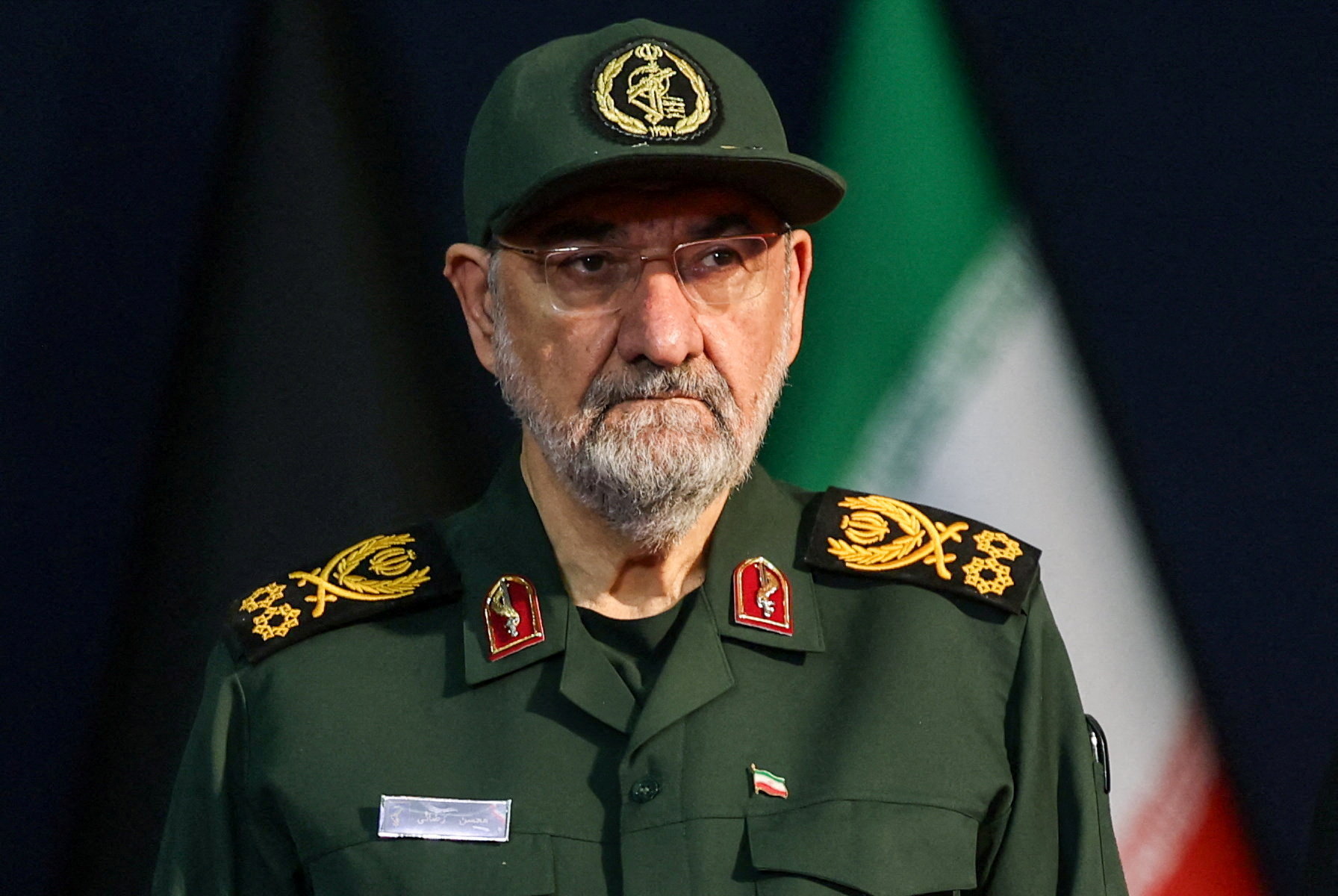
The Islamic Republic Returns to Offense
After U.S.-Israeli strikes killed Supreme Leader Ayatollah Ali Khamenei on February 28, Iran’s collective leadership has concluded that the best defense is a good offense.
Events
Oct 6, 2026
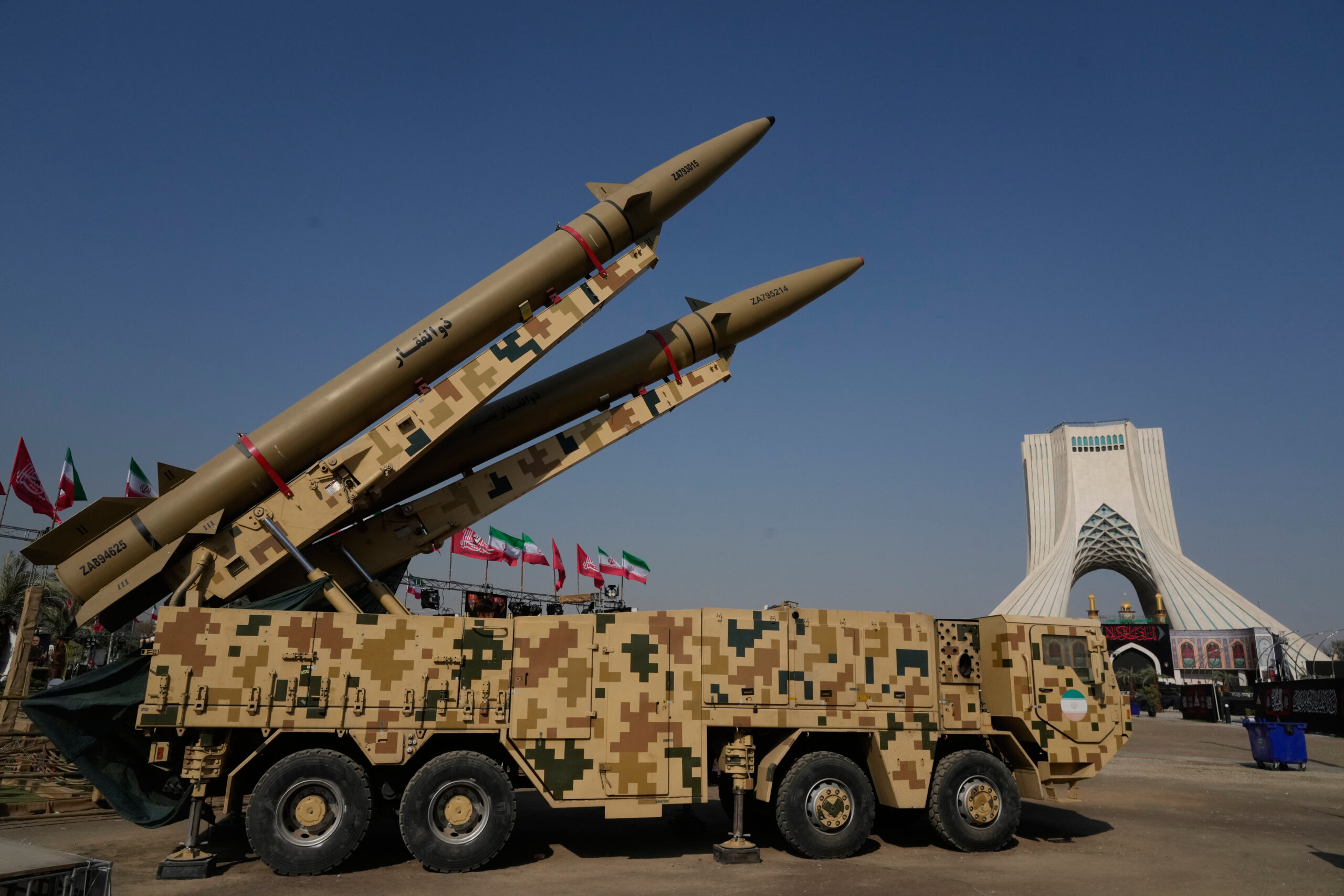
Is the U.S.-Iran Stalemate a “New Normal” or the Prelude to Another Explosion?
On October 6, AGSI hosted a discussion on the U.S.-Iran stalemate and the prospects for a cease-fire.
Speakers



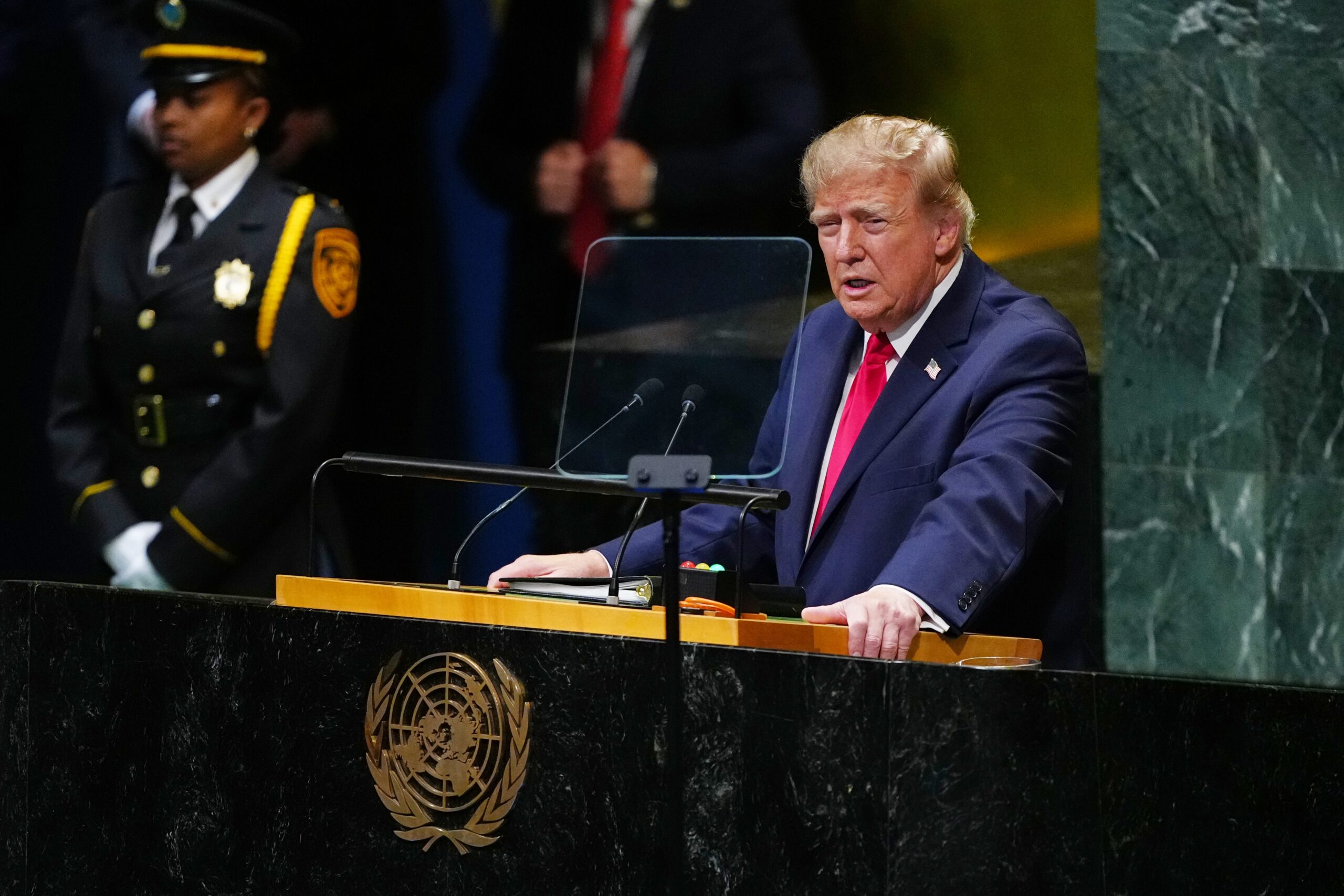
Book Talk: Iran and the Bomb: The United States, Iran and the Nuclear Question
On June 16, AGSI hosted a discussion on the evolution of Iran's nuclear program.
Speakers
Apr 21, 2026
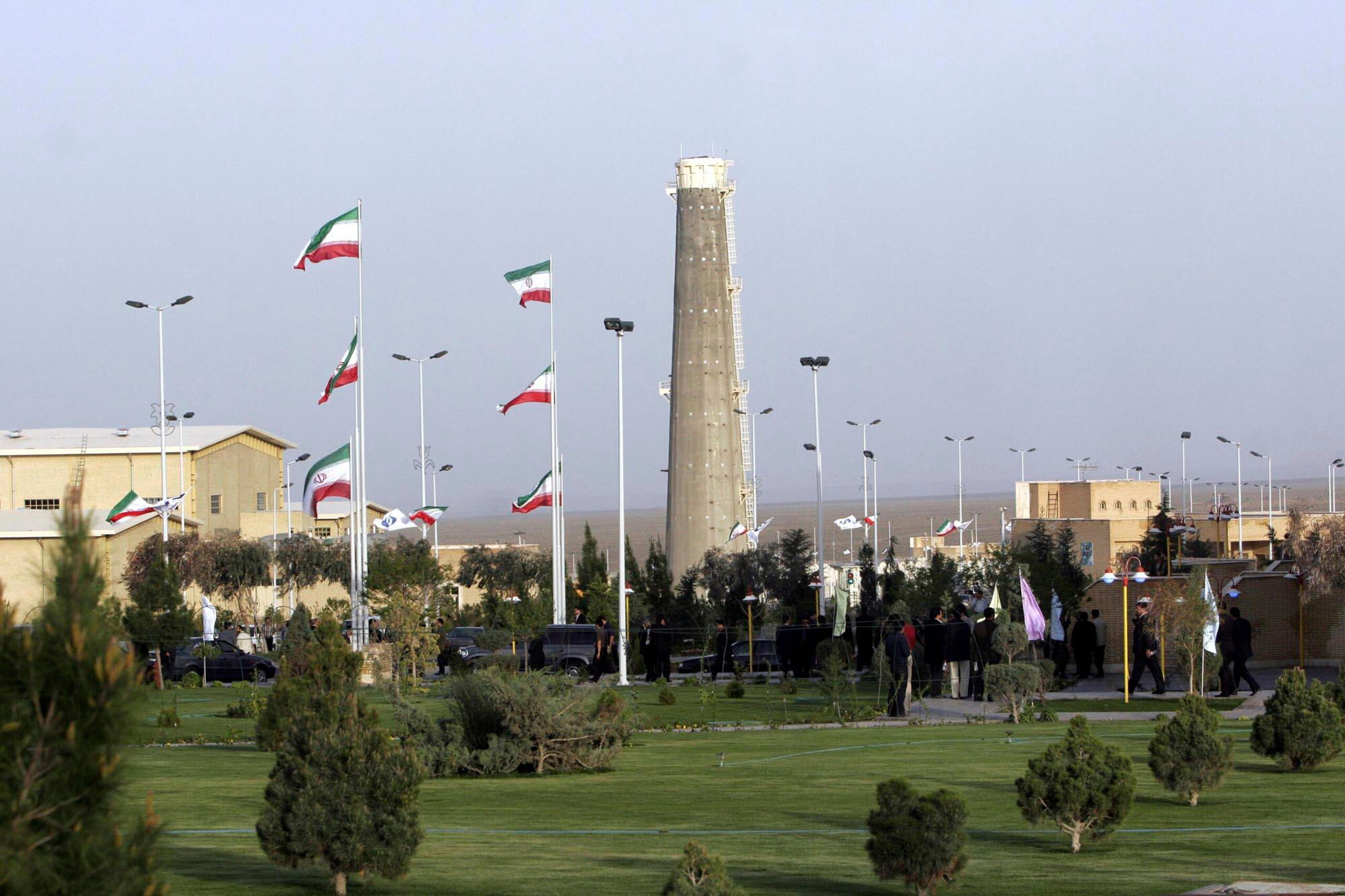
Inside Iran’s Wartime Leadership: Power, Succession, and Regime Stability
On April 21, AGSI hosted a discussion on the evolution of Iran's leadership during the war.
Speakers

Mar 18, 2026
In Its Conflict With the United States and Israel, Does Escalation Favor Iran?
On March 18, AGSI hosted a discussion on the escalation of the Iran war.
Speakers