Jan 26, 2024
Former President Hassan Rouhani Disqualified From Assembly of Experts
The January 26 edition of the Iran Media Review highlights former President Hassan Rouhani’s disqualification from the upcoming Assembly of Experts elections.

On January 24, Iran’s Guardian Council disqualified former President Hassan Rouhani from running for the Assembly of Experts, the 88-member body constitutionally mandated with electing Iran’s head of state, the “leader of the revolution.” Considering current Supreme Leader Ayatollah Ali Khamenei is 84 years old, the next election to the assembly, scheduled for March 1, is of particular importance because the members may elect a new leader during their eight-year term. There has been no public explanation of why Rouhani was disqualified, but that is the norm and not the exception. The Guardian Council, a candidate-vetting body whose 12 members are appointed by the supreme leader, habitually disqualifies candidates Khamenei finds undesirable. Rouhani appears to be one such candidate. Despite attempts to prove his loyalty to Khamenei and the regime, Rouhani now seems to be watching his political career and potential dreams of succeeding Khamenei go up in smoke.
- January 23: Centrist Khabar Online wrote in “Decoding the Disqualification of Rouhani for the Elections to the Assembly of Experts”:
- “The affair started with a tweet by Mohammad Mohajeri in which he pointed at a political conspiracy against Hassan Rouhani instigated at Avenue Pasteur,” referencing the address of the president’s office in Tehran, “with the aim of disqualifying Hassan Rouhani from the elections to the Assembly of Experts.” The article also traced other attacks against the former president to the “principled ones,” a conservative faction generally aligned with current President Ebrahim Raisi.
- January 24: Rouhani’s official website released an update on the state of his candidacy:
- “As declared by a member of the Guardian Council, the clerical members of the council have not approved the candidacy of Dr. Hassan Rouhani to run for the sixth round of the elections to the Assembly of Experts. This news will also be officially declared by the Ministry of Interior.”
- January 24: In an act of defiance, Rouhani released an open letter of protest to the Guardian Council on his website:
- Addressing the “great and honorable people of Iran,” Rouhani wrote: “Today, news arrived that the Guardian Council has opposed the participation of this humble servant of the Iranian nation in the elections to the Assembly of Experts … Those who disqualified me because of their political motives also disqualified thousands of individuals who registered to run for the parliamentary elections.” The Guardian Council “is not the owner of the revolution or this country. It is qualified neither to assess the national interest nor to disqualify sincere and caring servants of this country … Even at the time I registered, it was expected that those who had earlier disqualified supporters of Rouhani would also disqualify Rouhani … but I acted according to my duty and exposed myself to attacks and criticism for my love for the people and to prevent threats to the fatherland … But now, we see the indisputably exclusionary behavior of the ruling totalitarian current.”
- Rouhani ended his letter with the prayer of Persian king Darius the Great: “God, protect this country from the enemy, from drought, and from lies.”
The views represented herein are the author's or speaker's own and do not necessarily reflect the views of AGSI, its staff, or its board of directors.
Related
Iran Media Review
Jan 23, 2024
Israel Tests Iran’s “Strategic Patience”
The January 23 edition of the Iran Media Review highlights fallout from the growing number of Israeli strikes against Iranian officials and allied militia commanders.
Iran Media Review
Jan 19, 2024
Former Foreign Minister Mottaki on Deference to the Quds Force
The January 19 edition of the Iran Media Review examines new revelations about cooperation between Iran’s Foreign Ministry and the Quds Force.
Jan 23, 2024
Israel Tests Iran’s “Strategic Patience”
The January 23 edition of the Iran Media Review highlights fallout from the growing number of Israeli strikes against Iranian officials and allied militia commanders.
Jan 19, 2024
Former Foreign Minister Mottaki on Deference to the Quds Force
The January 19 edition of the Iran Media Review examines new revelations about cooperation between Iran’s Foreign Ministry and the Quds Force.
Analysis
The Islamic Republic Returns to Offense
After U.S.-Israeli strikes killed Supreme Leader Ayatollah Ali Khamenei on February 28, Iran’s collective leadership has concluded that the best defense is a good offense.
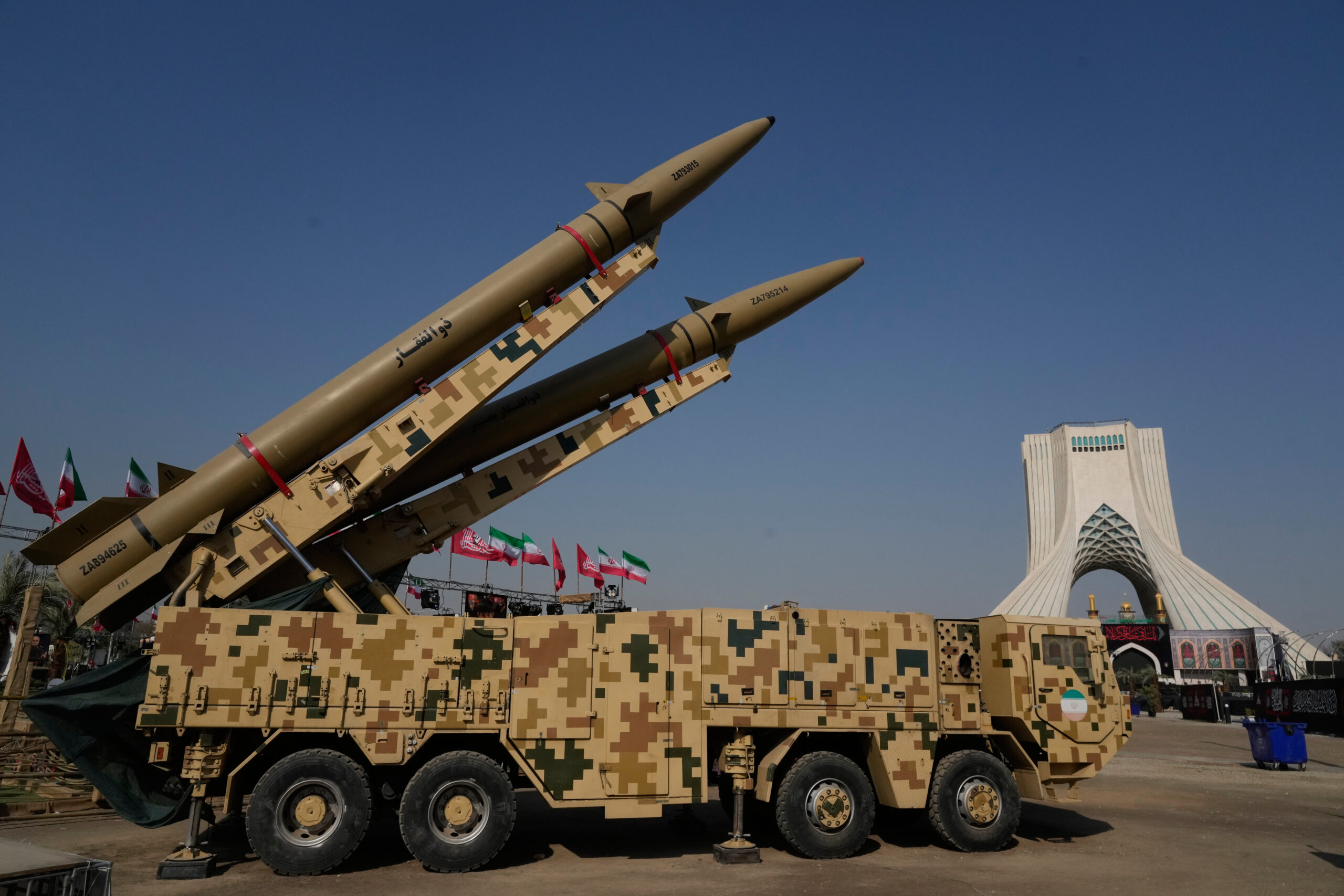
Iran’s Collective Strategic Decision Making
Wartime pressure has temporarily aligned the leadership’s overriding interest in regime survival, even as its members continue to differ over the costs, methods, and ultimate objectives of the war.
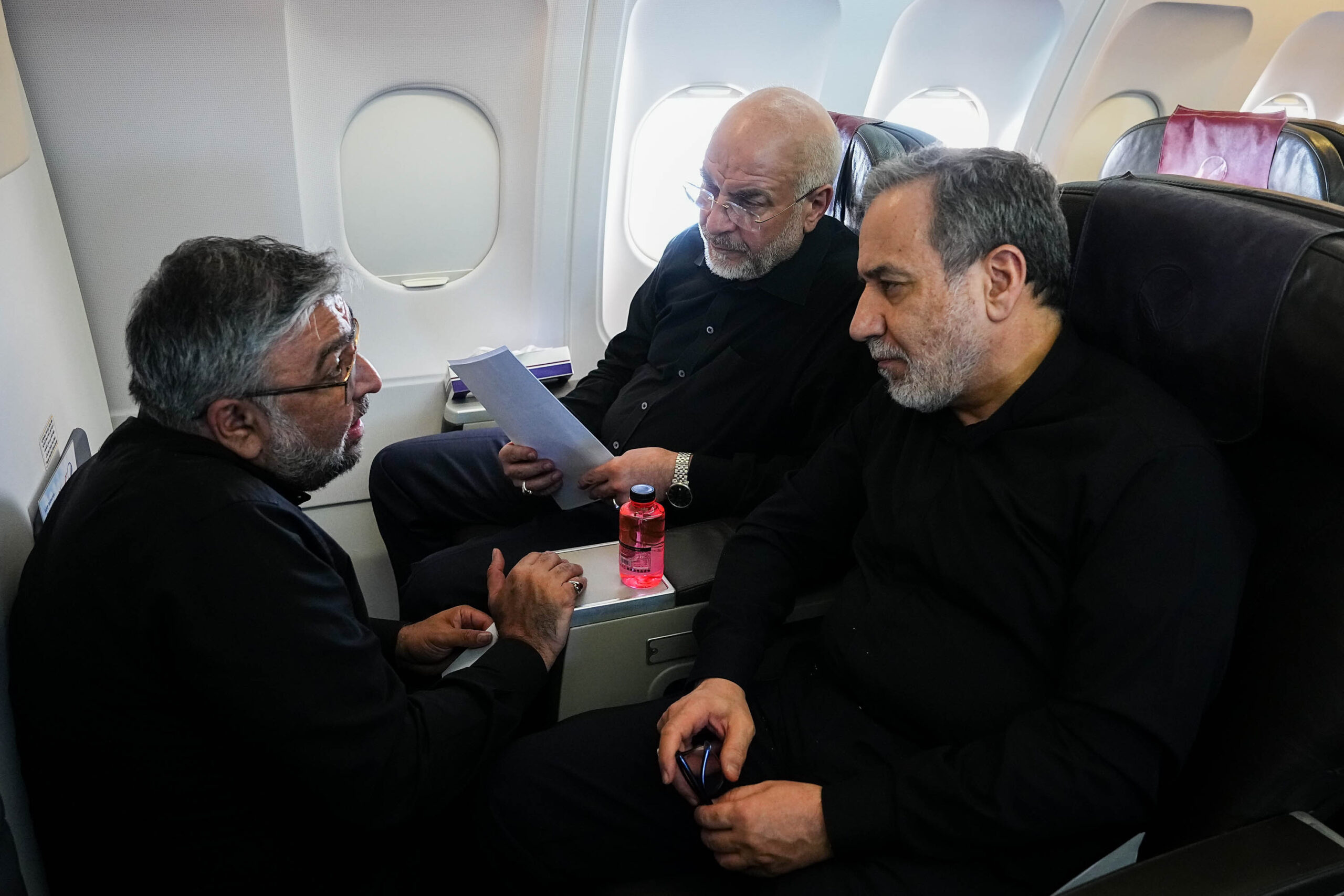
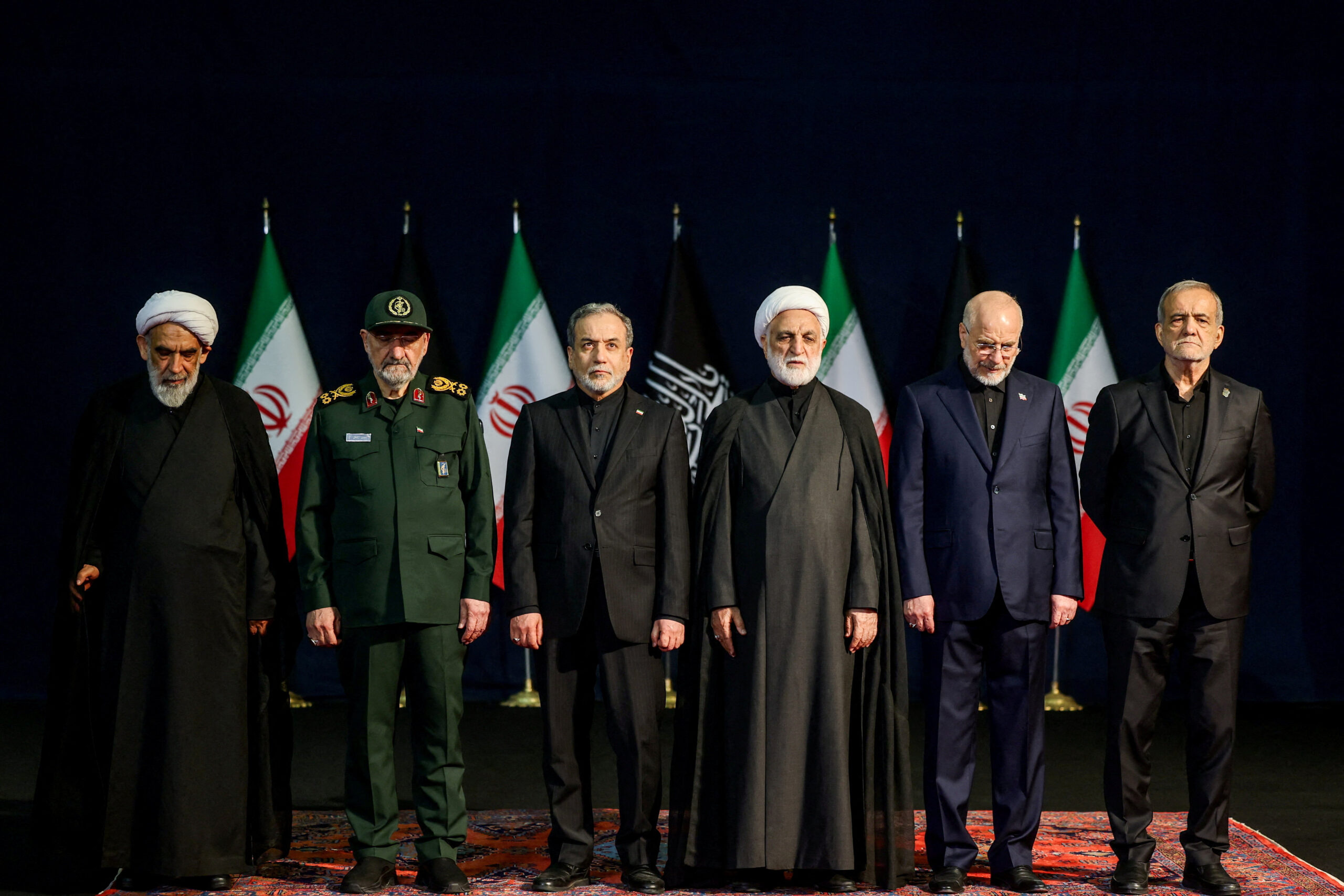
The Islamic Republic’s Collective Leadership
While there is historical precedent for collective leadership in Iran, today’s leadership includes representatives of the IRGC and regular military – a reflection of the IRGC’s expanding role and the necessities of governing under wartime conditions.
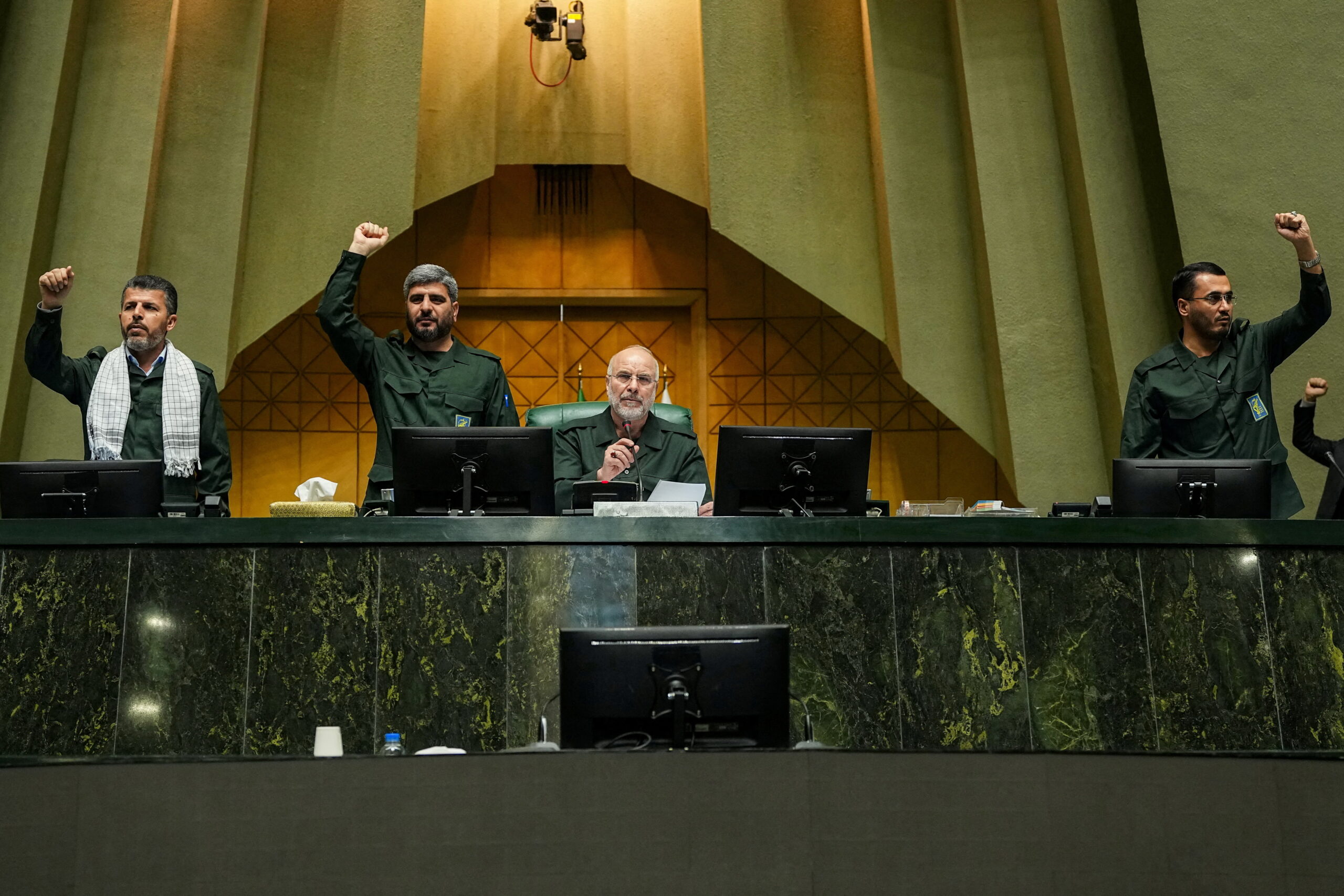
How Did the IRGC Seize Power in Iran?
The IRGC did not seize power in a single stroke. It accumulated it – patiently, methodically – until no counterweight remained.
Events
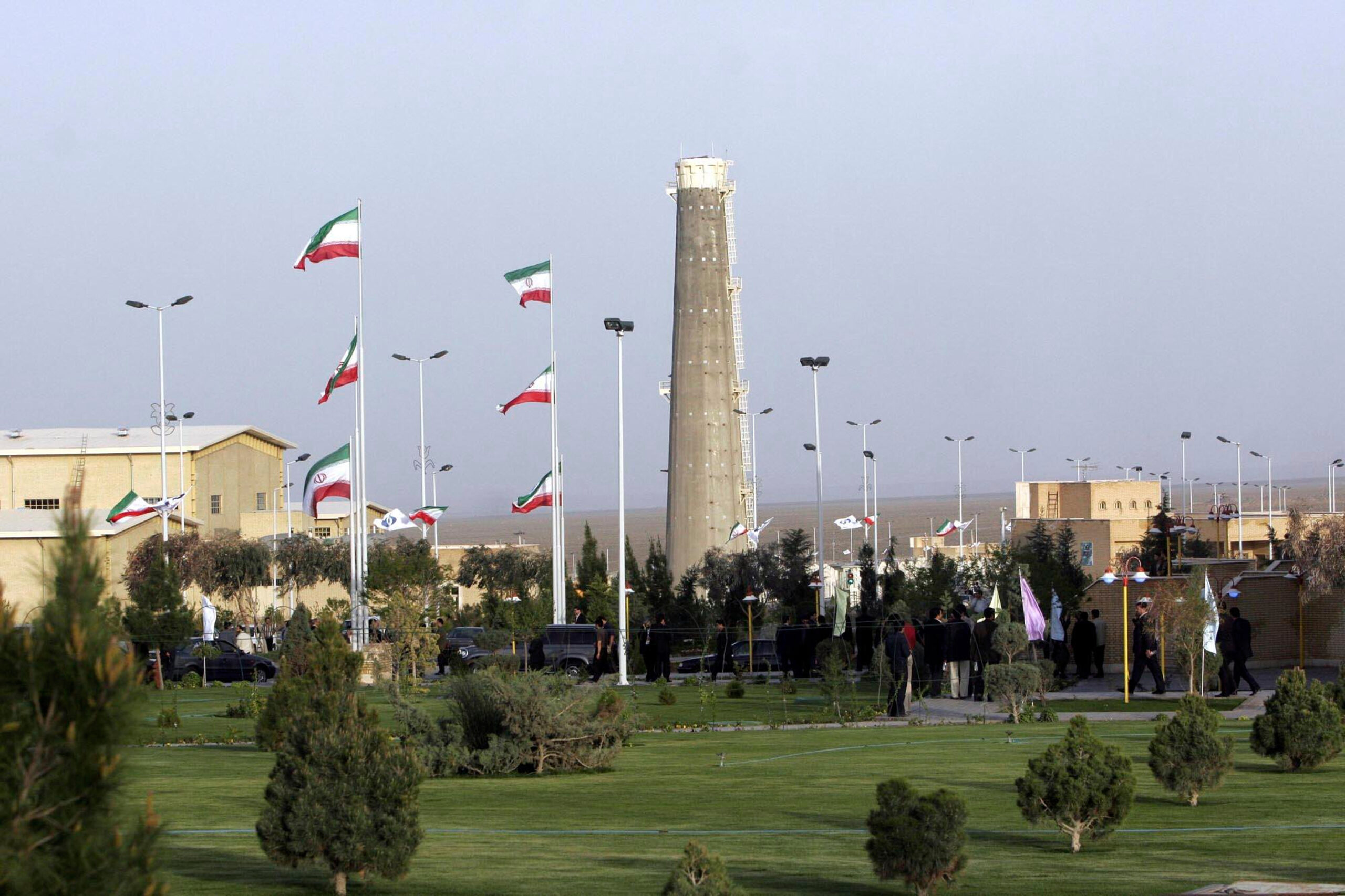
Book Talk: Iran and the Bomb: The United States, Iran and the Nuclear Question
On June 16, AGSI hosted a discussion on the evolution of Iran's nuclear program.
Speakers

Apr 21, 2026
Inside Iran’s Wartime Leadership: Power, Succession, and Regime Stability
On April 21, AGSI hosted a discussion on the evolution of Iran's leadership during the war.
Speakers

Mar 18, 2026
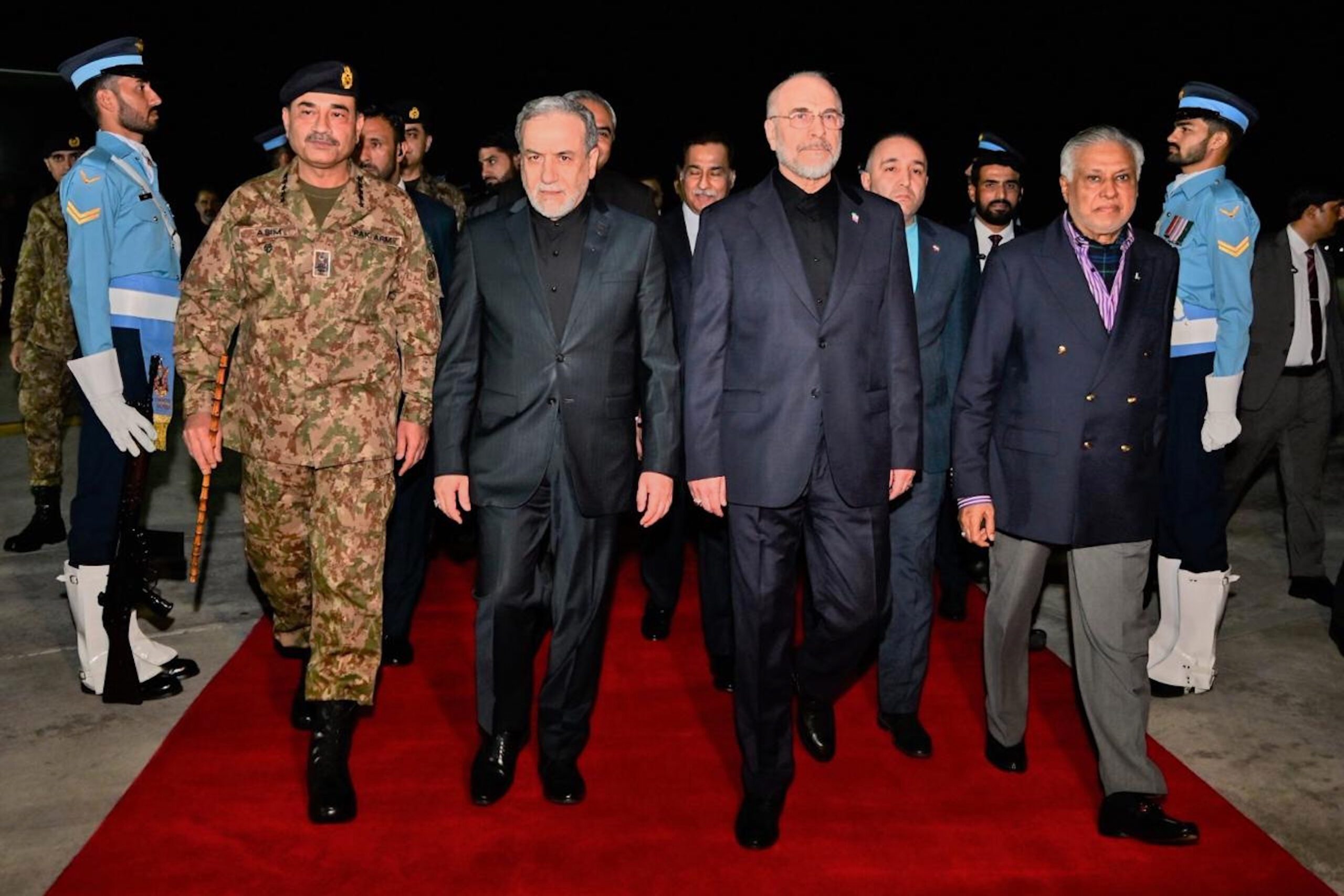
In Its Conflict With the United States and Israel, Does Escalation Favor Iran?
On March 18, AGSI hosted a discussion on the escalation of the Iran war.
Speakers


Mar 2, 2026
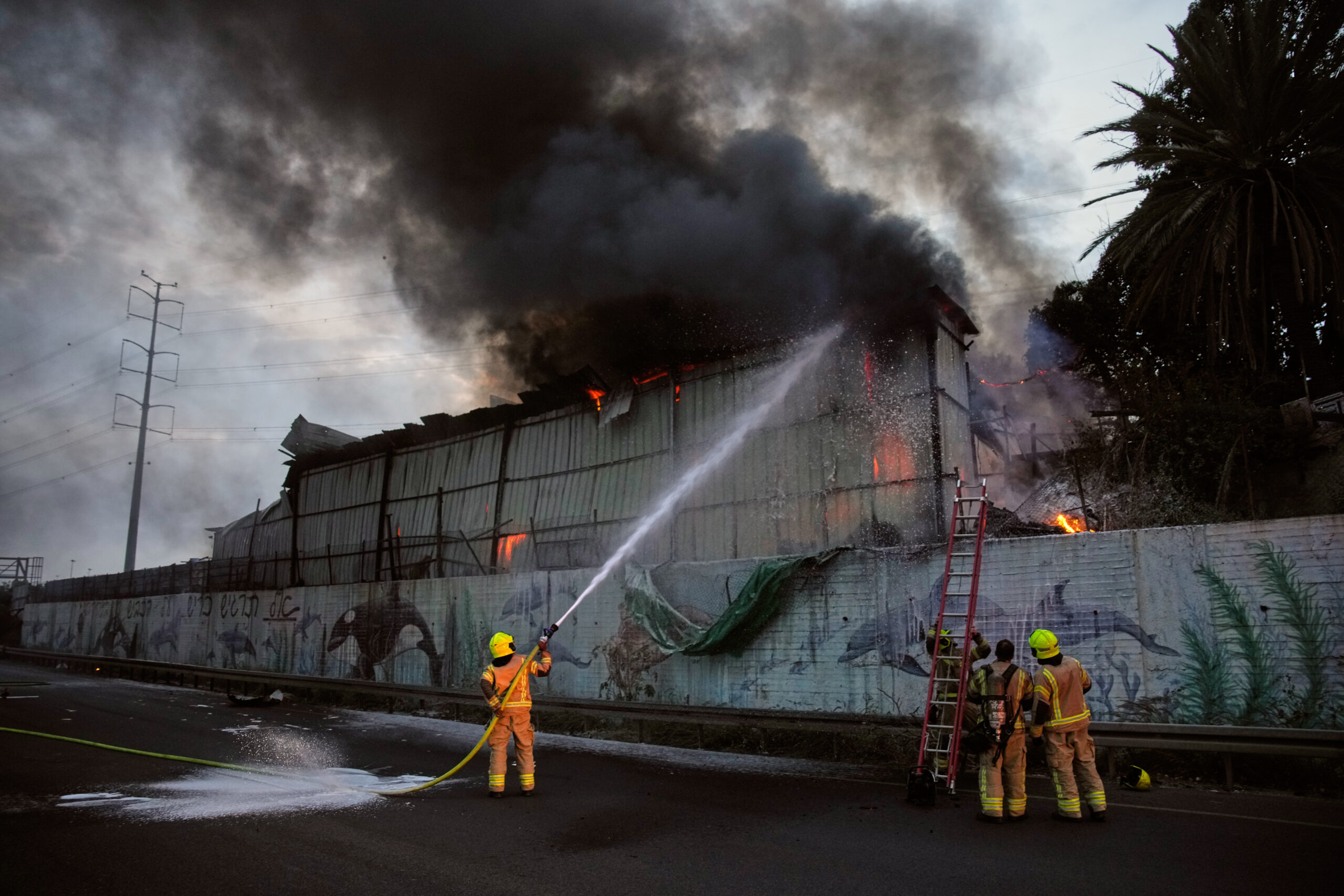
After the Shock: Implications of the U.S.–Israeli Strikes and Iran’s Leadership Transition
On March 2, AGSI hosted a discussion on the U.S.-Israeli strikes on Iran.
Speakers