Mar 24, 2023
Former Parliamentarian on the Not-So-Hidden Cost of the Sanctions Regime: Corruption
The March 24 edition of the Iran Media Review highlights how sanctions evasion worsens corruption in Iran.
While Supreme Leader Ayatollah Ali Khamenei insists that there is no systemic corruption in Iran, regime officials openly talk of corruption, which, in their view, is intimately linked to Tehran’s efforts to avoid international sanctions.
- March 5: Economist and former Member of Parliament Gholamreza Tajgardoun, in an interview with Etemad daily, explained how Iran’s attempts to bypass the international sanctions regime reduce the country’s oil revenue and cause corruption: “Let’s assume you are … contracted by the government to build a freeway or electrify the Tehran-Mashhad railway for $1 billion. Then, the government suddenly says, ‘We don’t have the money, so we will give you oil,’ the world market value of which is 30% of the contract … Now, does the contractor know how to sell oil? No, but there are certain groups that know. One such group is the National Iranian Oil Company, but it itself is busy selling 1 million barrels of oil per day. But there are also other groups apart from the National Iranian Oil Company. They are professionals. What their connections are is none of our business, but they know what they are doing. These groups tell you: ‘I will sell your oil in Venezuela. The official rate is $80 per barrel, but I can only sell it for $70,’ which means you lose $10 per barrel. Next, these groups tell you: ‘I can’t easily find insurance for my shipment,’ meaning a further reduction in your profits. In the end, they ask you: ‘Do you want money or products? If I bring you money, there are such and such risks, but if I bring you products, the risks are lower.’ You decide to import products instead of getting cash, and you can, for example, say you want meat from Brazil, to which the group will say: ‘I can bring you Brazilian meat at $10 per kilogram.’ But in reality, the price is $8 per kilogram. Then there is the question of where to get the ships to bring the meat to Iran and the like. In the end, you suddenly see that you are selling $80 per barrel oil at $50 per barrel. The $30 lost does not reach the contractor; it is taken by those special groups … This is what we mean by the hidden costs of the sanctions regime. Everyone is aware of this.” Pressed by an Etemad journalist on why the Islamic Republic accepts and even legalizes such practices, Tajgardoun explained: “The problem is systemic. I was a member of parliament when we passed the law,” referencing the Parliament’s move authorizing government agencies to seek sources of finance independent of the national budget. “Back then, the law was meant to serve a specific, one-time purpose, but it has since become generalized. The trigger was the Defense Ministry, which the government couldn’t pay. The Defense Ministry’s 10 to 50 petrochemical plants had produced arms, which were delivered to the armed forces … but the Cabinet couldn’t pay what it owed to the Defense Ministry. Now that the government couldn’t pay the Defense Ministry, the ministry demanded to be paid in food, which it could export … This model didn’t entail big losses … and the military sector, which is criticized by many, is actually healthier than other sectors … We are not accepting the FATF and the Joint Comprehensive Plan of Action,” referencing the Financial Action Task Force, a global money laundering and terrorist financing watchdog, and the 2015 nuclear deal, “and here we are.”
The views represented herein are the author's or speaker's own and do not necessarily reflect the views of AGSI, its staff, or its board of directors.
Related
Iran Media Review
Mar 13, 2026
Quds Day in Iran
The March 13 edition of the Iran Media Review examines Iranian media reports of regime defiance at Quds Day rallies as the U.S.-Israeli conflict with Iran continues.
Iran Media Review
Mar 10, 2026
New Leader, Old Policy
The March 10 edition of the Iran Media Review analyzes Iranian messaging after the election of a new supreme leader.
Iran Media Review
Mar 6, 2026
Tehran Warns Iraq’s Kurdistan Regional Government
The March 6 edition of the Iran Media Review highlights an Iranian military official’s warning to the Kurdistan Regional Government to stay out of the escalating U.S.-Israeli conflict with Iran.
Mar 13, 2026
Quds Day in Iran
The March 13 edition of the Iran Media Review examines Iranian media reports of regime defiance at Quds Day rallies as the U.S.-Israeli conflict with Iran continues.
Mar 10, 2026
New Leader, Old Policy
The March 10 edition of the Iran Media Review analyzes Iranian messaging after the election of a new supreme leader.
Mar 6, 2026
Tehran Warns Iraq’s Kurdistan Regional Government
The March 6 edition of the Iran Media Review highlights an Iranian military official’s warning to the Kurdistan Regional Government to stay out of the escalating U.S.-Israeli conflict with Iran.
Analysis
Under Mojtaba, the IRGC Will Reign Supreme
Iran may still call itself an Islamic Republic. In practice, however, it increasingly resembles a state in which the military governs from behind clerical robes.
Political Life and Legacy of Iran’s Ayatollah Khamenei
Ayatollah Ali Khamenei was killed in his office in Tehran at age 86, leaving behind a country in ruins and on the verge of civil war and potential disintegration.
Iranian Regime Fighting for Survival
Iran is signaling that it will not absorb attacks passively. But whether this strategy ensures the regime’s survival, seals its fate, or accelerates a broader catastrophe will shape the region for years to come.
Iran’s 2025-26 Protests in Perspective
The erosion of the regime’s legitimacy across broad segments of society, combined with the breadth of the 2025-26 protest coalition, raises the possibility that a new confrontation could trigger renewed anti-regime mobilization.
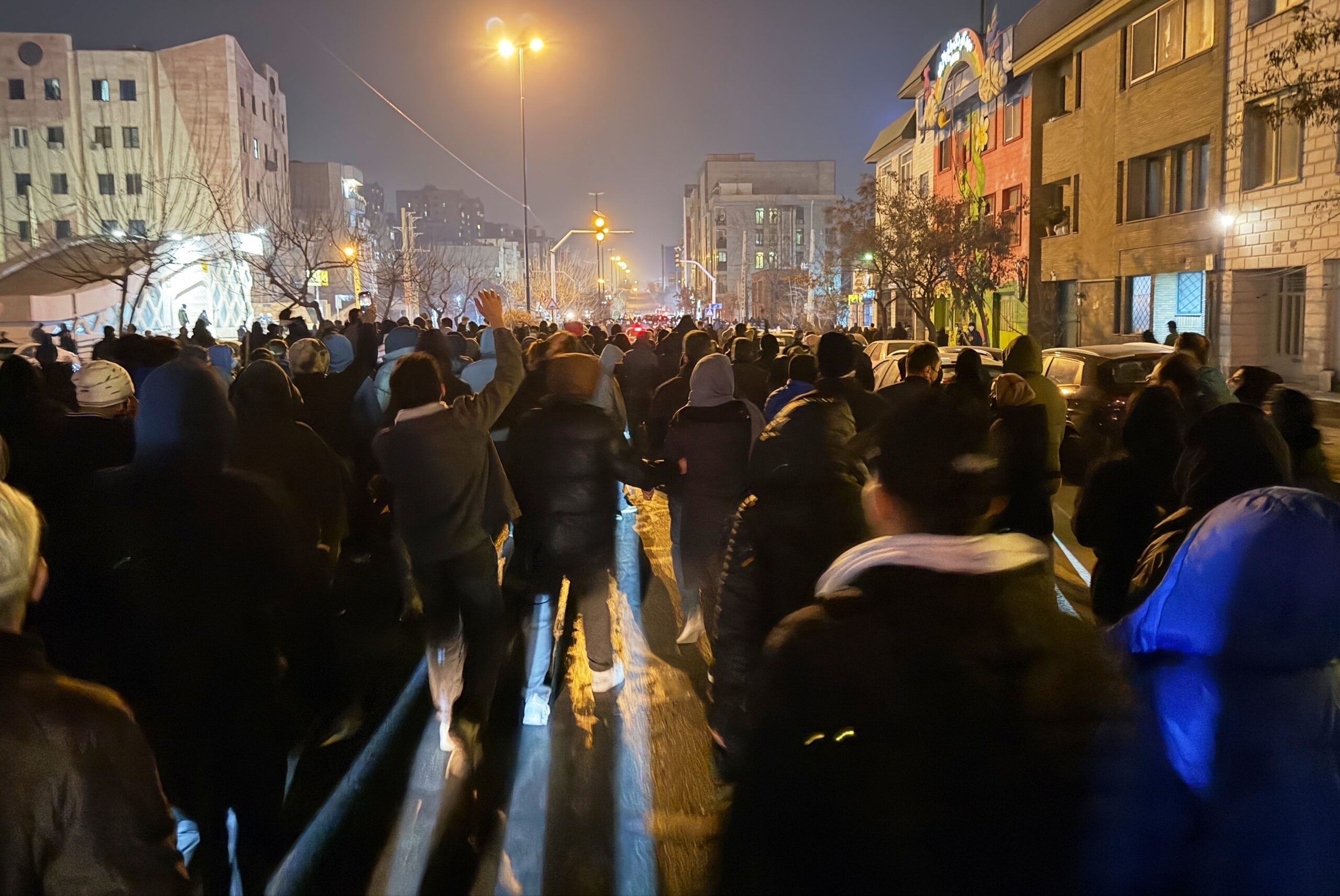
Events
Mar 2, 2026
After the Shock: Implications of the U.S.–Israeli Strikes and Iran’s Leadership Transition
On March 2, AGSI hosted a discussion on the U.S.-Israeli strikes on Iran.
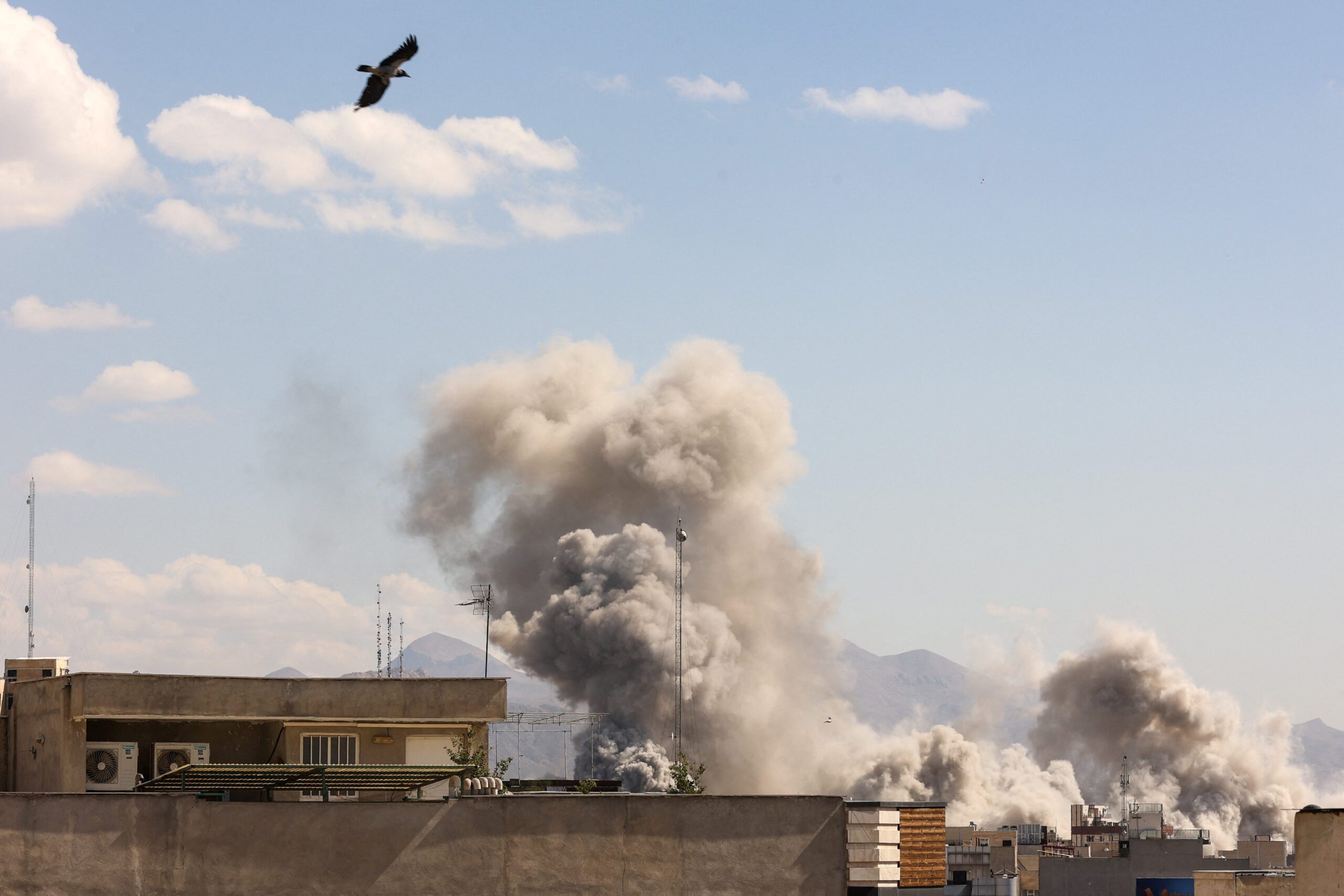
Speakers




Jan 8, 2026
Outlook 2026: Prospects and Priorities for U.S.-Gulf Relations in the Year Ahead
On January 8, AGSI hosted a virtual roundtable with its leadership and scholars as they look ahead and assess trends likely to shape the Gulf region and U.S. foreign policy during the coming year.
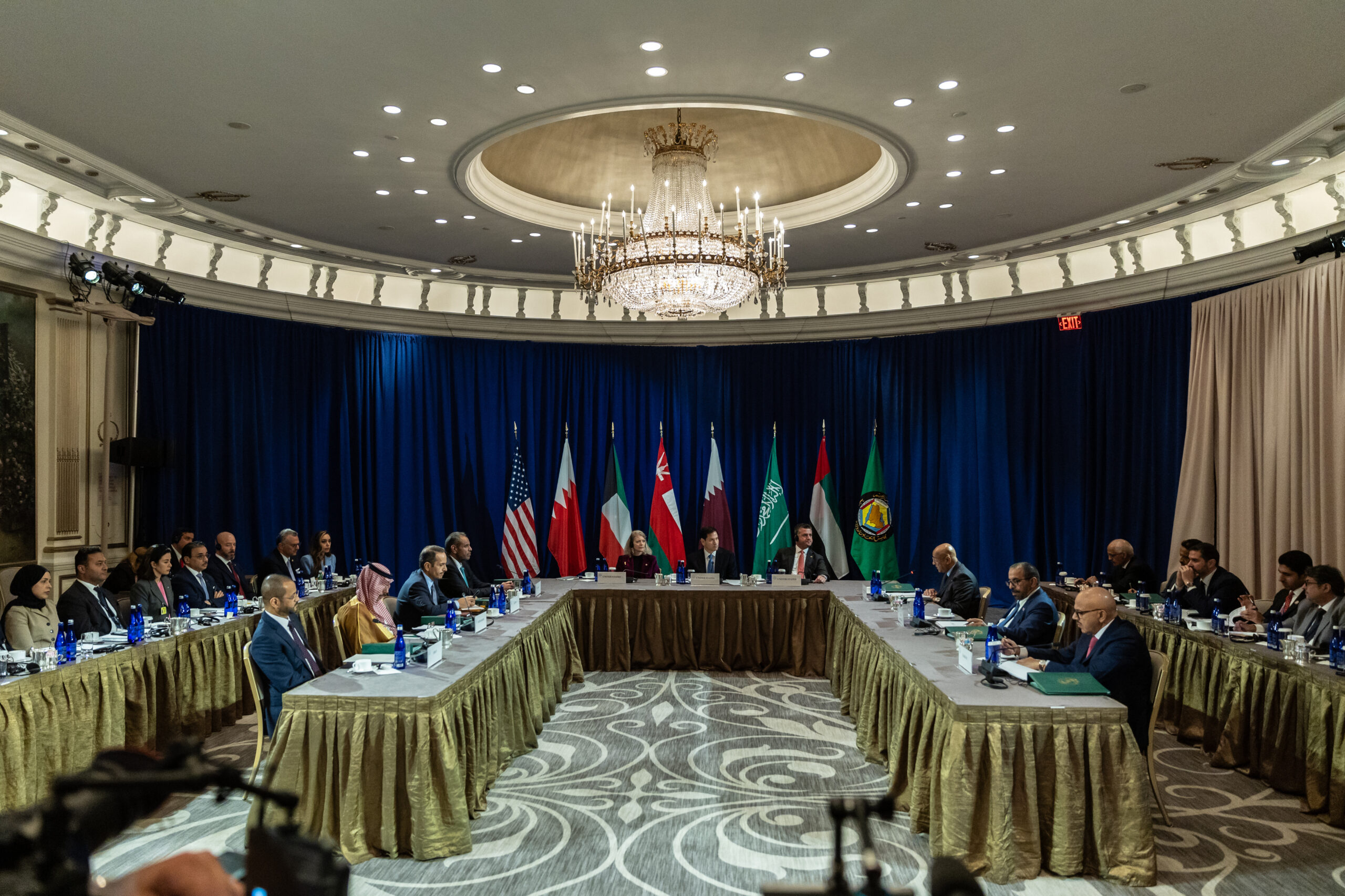
Speakers
Sep 16, 2025
Book Talk: Iran’s Grand Strategy: A Political History
On September 16, AGSI hosted a discussion on the roots of Iran's strategic outlook.
Speakers
Jun 23, 2025
U.S. Strike on Iran: Regional and Diplomatic Fallout
On June 23, AGSI hosted a discussion on the United States' attack on Iranian nuclear sites.
Speakers
